Identifying Tall Case Clocks: Grandfather, Grandmother, and Granddaughter Styles
A floor clock brings immediate architectural presence into a home, but identifying exactly what style sits in your parlor or hallway is the first step toward caring for it. Historically known as longcase or tallcase clocks, these freestanding weight-driven instruments fall into three traditional size categories. A true grandfather clock stands between six and eight feet tall, featuring a deep hood, a long trunk, and a broad plinth base. Grandmother clocks share identical visual architecture but scaled down in stature, typically measuring between five and six feet tall with narrower waists. Granddaughter clocks represent the smallest execution, rarely exceeding five feet in total height and often powered by coiled springs rather than heavy descending weights.
Dating these longcase pieces requires inspecting the dial, the spandrels, and the internal brass plates. Early eighteenth-century examples feature square brass faces with ornate cast corner pieces, transitioning toward arched dials by the mid-1700s to accommodate moon-phase wheels or maker plaques. By the nineteenth century, painted iron and enameled sheet dials became standard across both American and European workshops. If you open the hood door and examine the movement, look for engraved signatures, serial numbers, or maker cartouches stamped directly into the back plate. American makers like Seth Thomas, Herschede, and New Haven left distinct trademark stamps, while older English and German movements often carried individual master clockmaker engravings.
The woodwork itself also holds crucial clues regarding provenance, age, and historical regional craftsmanship. Earlier eighteenth-century cases often relied on solid mahogany, native walnut, or intricate burl walnut veneers, while Victorian and early twentieth-century examples frequently utilized quarter-sawn oak, dark cherry, or ebonized finishes. Collector interest often tracks with timber condition, and enthusiasts browsing antique furniture stores frequently look for intact joinery, original backboards, and authentic glass door panes. Identifying whether the case was built by a bespoke cabinetmaker around a purchased movement or produced as a unified factory catalog piece will fundamentally frame your repair and preservation decisions.
Why a Floor Clock Stops Running and How to Troubleshoot the Beat
When an antique floor clock abruptly stops swinging, owners often fear the worst, assuming internal gear teeth have sheared or mainsprings have failed. In reality, the vast majority of running failures stem from a simple alignment problem known in horology as being out of beat. A mechanical clock movement must sit completely level in relation to the pendulum swing so that the escapement releases with equal timing on both sides. If you listen closely, the ticking rhythm should sound perfectly symmetrical, producing an even tick-tock cadence. A limping sound—tick... tock-tick... tock—indicates the anchor is catching unevenly, causing the pendulum to lose kinetic momentum within a few minutes.
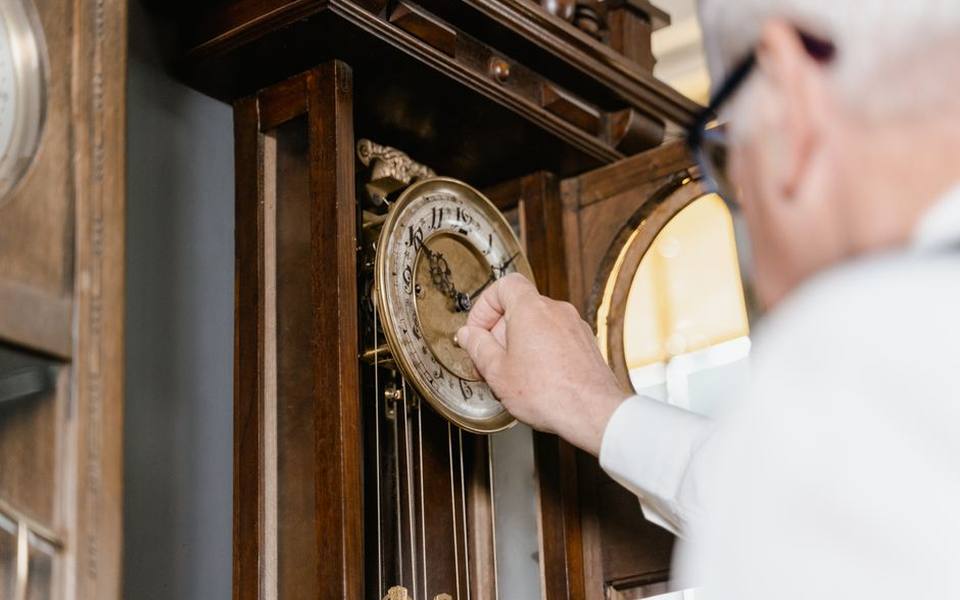
Correcting the beat on a traditional grandfather clock usually involves leveling the cabinet first before touching any internal components. Use a spirit level along the top of the case or inside the bottom floorboard, adjusting screw-in leg levelers or placing subtle hardwood shims beneath the feet until the cabinet sits true against the wall. If the floor is level but the cadence remains uneven, the verge or crutch wire extending from the back of the movement must be adjusted. On modern or mid-century German movements, an auto-beat mechanism allows you to push the crutch past its normal resistance point to recalibrate, while older handmade movements require careful manual bending of the crutch wire with fine brass pliers.
Another common mechanical culprit involves binding hands on the dial face, which easily goes unnoticed during casual inspection. Over decades of setting the time, hour and minute hands can bend slightly toward each other or rub against the second bit or glass door. Carefully observe the center arbor as the hands pass one another; even the slightest contact creates enough friction to stall the entire gear train. Check also that the heavy cast weights hang freely inside the trunk without rubbing against internal side guide rails, case corners, or the long wooden pendulum shaft during their weekly descent.
Weight Cables, Chains, and Chime Synchronization
Mechanical grandfather clocks rely on gravity acting upon two or three suspended brass weights to power their gear trains. On three-weight movements, the weights perform dedicated functions: the right weight drives the quarter-hour chime, the center weight runs the timekeeping train, and the left weight operates the hour strike. These weights are rarely identical in mass, typically ranging from eight to fifteen pounds each, with the heaviest weight designated for the chime mechanism. Mixing up the weight positions after moving or cleaning is a primary reason why a clock may keep time but fail to chime with sufficient striking vigor.
Inspecting the suspension method—either stranded steel cables wrapped around grooved wooden or brass drums, or link chains running over cast sprockets—is an essential safety inspection. Steel cables gradually fray with age, and a snapped cable drops a ten-pound brass cylinder directly into the bottom plinth, routinely smashing fragile case joinery. Inspect cable wraps for kinked strands, burrs, or uneven spooling around the arbor drum. If your clock uses link chains, verify that the links seat securely into the wheel teeth without twisting, and never oil the chain links themselves, as excess lubricant readily collects household dust that migrates straight into the wheel pivots.
Chime sequence mismatches happen frequently following daylight saving time adjustments or accidental disruptions to the hands. If the clock strikes eight o'clock when the dial shows five, the movement has simply desynchronized its strike rack from the hand arbor position. On most traditional longcase movements, you can gently slide the hour hand around its friction-fit center collar directly to the number that was just struck, without moving the minute hand. Alternatively, use the small manual chime-advance wire or lever located near the movement dial edge to cycle the count wheel until the strikes harmonize with the dial reading.
Anatomy and Identification of Antique Wall Clocks
Antique wall clocks encompass an extraordinary variety of regional forms, movement engineering styles, and functional designs from the early nineteenth through mid-twentieth centuries. Among the most recognizable across North America are octagonal or drop-dial schoolhouse clocks, originally built for classrooms, train depots, and municipal offices. These sturdy utilitarian timepieces generally feature large white enameled dials, clear Arabic numerals, and reliable eight-day spring-driven movements housed in solid oak or walnut. Equally prevalent in historic homes are regulator wall clocks, built with long pendulums and precision deadbeat escapements designed to provide unwavering time standards for local shopkeepers and jewelers.
Decorative collectors frequently gravitate toward American banjo clocks, patented by Simon Willard in Massachusetts in the early 1800s. Characterized by a round drum top housing the dial, a tapered waist panel flanked by gilded brass side arms, and a rectangular lower tablet featuring reverse-painted eglomise glass, these weight-driven wall pieces represent high-water marks of early federal design. In contrast, European imports found in private collections often include ornate Austrian Vienna regulators with delicate three-piece glazed cases, porcelain dials, and exposed deadbeat escapements, or two-weight German wall clocks produced by manufacturers such as Junghans, Gustav Becker, and Kienzle.
Telling a valuable early original from a mid-century reproduction requires scrutinizing internal joinery, movement plates, and glass treatments. True antique wall clocks exhibit hand-cut dovetails or tapered wooden dowels in their backboards, wavy mouth-blown glass panes with occasional seed bubbles, and thick rolled-brass movement plates held together with tapered steel pins rather than modern machine screws. Many collectors scouring antique malls look specifically for original labels pasted inside the back case, where makers like E. Howard, Waterbury, or Ansonia printed operating instructions, patent dates, and factory town stamps that establish ironclad authenticity.
Troubleshooting and Regulating Spring-Driven Wall Clocks
Spring-driven wall clocks exhibit their own distinct set of running quirks, chief among them being mainspring fatigue and uneven power delivery. Unlike weight-driven floor clocks that deliver constant gravitational force regardless of height, a coiled steel mainspring delivers peak torque when fully wound and gradually loses energy as it approaches the end of its eight-day cycle. If an antique wall clock runs accurately for three days and then slows down dramatically or stops entirely by day five, the mainspring has either suffered permanent metal set, become glued with coagulated oil, or sustained micro-cracking across its coils.
Winding these timepieces correctly requires matching the key precisely to the square winding arbors exposed on the dial face. Using an ill-fitting or slightly oversized clock key will round off the steel arbor corners over time, eventually making winding impossible without expensive machine repairs. Always wind smoothly until you feel firm mechanical resistance; the persistent folklore warning against 'overwinding' a clock is a mechanical myth. A clock does not stop because it is wound too tightly; it stops because accumulated dirt, pivot wear, or dried grease within the movement prevents the mainspring's energy from overcoming internal gear resistance.
Regulating a wall clock's speed is straightforward once the movement runs reliably. At the bottom of the pendulum bob sits a small knurled brass rating nut threaded onto the suspension rod. To speed up a clock that runs slow, turn the rating nut to the right (clockwise), which raises the bob's center of gravity and shortens the pendulum's effective operational swing length. To slow down a clock gaining time, rotate the nut counterclockwise, lowering the bob. Make adjustments in small increments—typically one full turn accounts for roughly one to two minutes of time change over a twenty-four hour period—and observe the clock for a full day before adjusting again.
Cuckoo Clocks and Intricate Black Forest Mechanisms
Originating in the forested valleys of southwestern Germany, mechanical Black Forest cuckoo clocks represent an entirely separate category of horological craft that combines woodcarving with musical engineering. Classic models feature either one-day (thirty-hour) or eight-day movements driven by cast-iron weights shaped like pinecones. The left weight powers the time train, the center weight operates the bird call mechanism, and on three-weight models, the third weight drives musical dancers or animated woodchoppers. Identifying a genuine antique German piece involves looking inside the rear access door for solid brass plates rather than modern stamped-sheet zinc or plastic components.

The cuckoo call itself is entirely acoustic, generated by a pair of miniature wooden pipe bellows positioned on either side of the movement. When the clock strikes the half-hour or hour, internal lift wires raise small leather-hinged bellows tops, which drop by gravity to pump air through small wooden whistles tuned to distinct pitches. Over decades, the thin sheepskin or paper leather hinges on these bellows dry out, split, and crack, resulting in a weak, wheezing, or completely silent bird call. Replacing bellows paper is a routine task for an experienced repairer, requiring precision folding of fine leather skin glued over cedar or pine framing.
Because cuckoo movements operate an elaborate matrix of trip wires, release levers, bird doors, and music gears, physical binding is exceptionally common. Wire linkages frequently bend during dusting, packing, or handling, preventing the bird door from latching shut or causing the music governor fan to stall mid-rotation. Keeping the chains clean and running free over their pocket wheels is paramount; dropping the pinecone weights directly onto unhooked chains can jam links inside the tight case recesses. If you inherit or uncover a carved hunting-case cuckoo during estate sales, avoid pulling the hanging chains by hand without the weights attached, which can instantly de-rail links off the internal sprockets.
Antique Pocket Watch Identification and Movement Grading
Mechanical pocket watches preserve micro-engineering marvels that require an entirely different diagnostic framework than large domestic clocks. Evaluating an antique pocket watch begins by safely accessing the movement, which requires unscrewing a threaded back cover or locating the thumbnail hinge lip on a hunting case. Never judge a pocket watch purely by the maker printed on the porcelain dial; dials were routinely replaced or customized. The authoritative information rests stamped into the nickel or gilt movement plates inside, listing the manufacturer, serial number, jewel count, and adjustment grading.
American watchmaking history—dominated by giants like Waltham, Elgin, Hamilton, Illinois, and Ball—relied on standardized sizes measured in lorgnettes, or twentieths of an inch, ranging from small 0-size pendant watches to hefty 18-size railroad timepieces. The jewel count stamped on the movement indicates how many synthetic ruby or sapphire bearing stones cushion the fast-spinning balance arbor and gear pivots. Utility pocket watches generally utilized seven jewels, while fine grade models featured fifteen, seventeen, or up to twenty-three jewels set in screw-mounted gold settings (chatons) to minimize operational friction and metal wear over decades of pocket carry.
Railroad-grade watches represent the pinnacle of antique pocket timekeeping precision, created after catastrophic nineteenth-century train collisions sparked strict horological standards. To qualify, a watch had to be open-faced, lever-set (requiring unscrewing the front bezel to slide a small setting lever out, preventing accidental hand adjustments), possess at least seventeen jewels, maintain accuracy across five temperature and positional adjustments, and display bold Arabic numbers. Collectors inspecting timepieces in fine antique jewelry & coin shops pay close attention to case material stamps inside the dust covers, checking whether an antique casing consists of solid gold, silver, or 20-year gold-filled rolled brass plate.
Pocket Watch Troubleshooting: Balance Staffs, Springs, and Levers
The most vulnerable component in any antique mechanical watch is the balance assembly, which acts as the ticking heart of the mechanism. The balance wheel oscillates on microscopic, razor-thin steel pivot tips called the balance staff, resting inside jeweled cap bearings. Because these early watches lacked modern shock protection like Incabloc springs, dropping a pocket watch even a few inches onto a hard surface almost invariably snaps one of these staff pivots. If a wound watch refuses to tick, gently tilt the case side to side while observing the balance wheel; if the wheel wobbles loosely like a spinning top losing momentum, a broken balance staff is the likely cause.
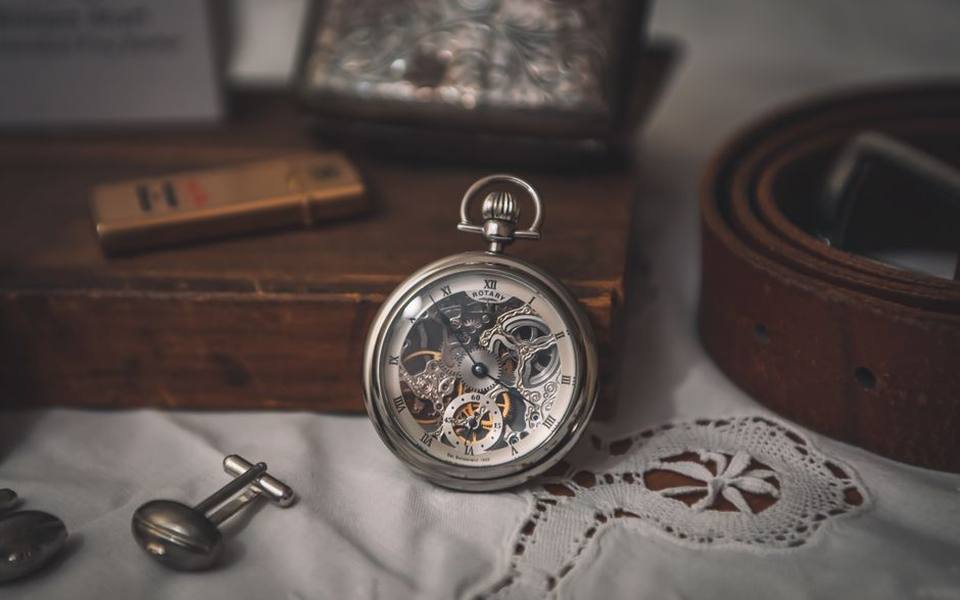
A broken mainspring represents another frequent vintage watch problem, easily diagnosed during the winding procedure. When you wind the crown at the pendant stem, it should reach a clear, solid stop within twenty to thirty clicks of the ratchet wheel. If the crown turns endlessly with a faint, repeating clicking or scraping sensation, the coiled spring inside the barrel has snapped near its center arbor or outer hook. Replacing a watch mainspring requires dedicated barrel clamps and horological bench tools to install a modern alloy spring that will not rust or become brittle over time.
Pendant setting issues also confound newcomers to vintage pocket timekeeping. If pulling out the winding crown fails to engage the hands, do not force the stem upward; the watch may be a lever-set movement intended for railroad or pocket safety. On lever-set timepieces, unscrew the crystal bezel and look along the perimeter near the one or two o'clock positions for a tiny metal tab. Sliding this lever outward with a fingernail mechanically disconnects the winding pinion and engages the setting wheels, allowing the winding crown to position the hands smoothly without straining delicate internal keyless works.
Professional Cleaning, Oiling, and Bushing Repairs
The primary long-term enemy of any antique clock or watch movement is dried lubricant acting as liquid sandpaper inside pivot bearings. Historic clocks were lubricated with animal-derived oils, such as neat's-foot or sperm whale oil, which oxidize, collect household grime, and solidify into gummy, abrasive pastes over ten to fifteen years. Running a mechanical movement in this dry or grimy state accelerates wear dramatically; hardened steel pivots grind into softer brass movement plates, turning round pivot holes into enlarged oval slots that cause gear teeth to mesh out of depth and jam.
A complete professional overhaul requires disassembling the entire movement down to every individual wheel, lever, plate, and screw. The parts pass through specialized horological ultrasonic baths to strip away oxidized tarnish, dried grease, and micro-particles. The clockmaker then inspects each brass pivot hole for out-of-round wear. Worn holes are rebushed: the specialist reams the enlarged hole perfectly centered, presses in a precision phosphor-bronze bushing sleeve, cuts an oil sink, and broaches the inner hole to achieve microscopic tolerances matching the polished steel pivot.
Reassembly demands extreme restraint with modern horological synthetic oils, which do not gum up or evaporate over time. One of the most disastrous amateur mistakes is spraying penetrating oil lubricants like WD-40 or general household oils into an assembled movement. These penetrating sprays coat gear leaves, attract atmospheric dust, cause chemical breakdown of antique lacquers, and bleed capillary oil away from where it is needed at the pivots. A specialist applies minuscule drops of specific viscosity synthetics directly to the bearing sinks using fine wire oilers, leaving gear teeth entirely dry—with the sole exception of the escapement pallet faces.
Packing, Moving, and Preserving Valuable Family Timepieces
Relocating an antique grandfather or grandmother clock without proper preparation causes catastrophic internal damage in a matter of seconds. Never transport a floor clock with the pendulum or weights still hanging inside the case. Begin by pulling down your weights (or allowing the clock to run down), wearing cotton gloves to prevent skin acids from tarnishing polished brass. Carefully unhook each weight, noting whether it belongs on the strike, time, or chime side, and pack them individually in bubble wrap. Unhook the pendulum bob gently from its suspension spring, securing the feather-thin suspension spring at the top of the movement so it does not bend or snap during transit.
For longcase trunks with glass doors, secure all loose glass panels with low-tack blue painter's tape to prevent vibration fractures, and lock or tape the access doors securely shut. If the movement must travel separately, unbolt the seat board from the case uprights rather than attempting to detach the brass movement plates from the wooden mounting board. Laying a floor clock flat during transport is standard practice once weights and pendulums are safely removed, provided the case is cushioned generously with furniture blankets inside a climate-controlled vehicle.
When evaluating whether to repair a damaged heirloom or sell an inherited collection, seeking professional guidance makes financial and historical sense. Clocks with signed dial faces, exceptional marquetry cases, or complicated strike movements merit formal evaluation through accredited appraisal services to establish baseline replacement and market values. Conserving the original surface patinas on both wood and brass preserves significantly more historical value than aggressive stripping or over-polishing, ensuring that the mechanical voices of these historic instruments continue beating true for centuries to come.
Published 2026-09-21 · reviewed with each rebuild, last September 2026.
Find antique stores near you
The directory lists 25,996 antique stores by state and city — pick your state or use the “Near me” button in the header.
More guides
-
 Owning
Cleaning and Polishing Antique Silver Without Damaging the Patina
-
 Money
MoneyNavigating the Market for Vintage Currency
-
 Owning
Evaluating, Using, and Displaying Mid-Century Glassware and Kitchen Antiques
-
 Buying
Navigating Vintage and Antique Jewelry Styles
-
 Owning
How to Clean and Care for Silverware Without Causing Damage
-
 Owning
Vintage Pyrex Value and Safety Guide: Understanding Collector Patterns and Usage
-
 Buying
A Guide to Sourcing Vintage and Estate Jewelry
-
 Money
MoneyValuable Baseball Cards Guide: Spotting Vintage Sports Collectibles
-
 Owning
How to Clean and Restore Antique Wood Furniture
-
 Money
MoneyHow to Find and Use Antique Price Guides Online
-
 Money
MoneyHow to Determine the Value of Old Books and First Editions
-
 Money
MoneyWhere and How to Sell Vintage Coins for the Best Return
-
 Buying
Choosing and Caring for Vintage and Modern Cast Iron Cookware
-
 Owning
How to Polish and Value Antique Silverware at Home
-
 Owning
How to Clean and Polish Antique Wood Furniture Without Damaging It
-
 Buying
Vintage and Classic Cast Iron Cookware: Buyer's, Value, and Care Guide
-
 Buying
Antique Silverware, Vintage Jewelry, and Collectible Coins Guide
-
 Money
MoneyA Practical Guide to Antique Price Guides and Rare Book Valuations
-
 Owning
How to Clean, Polish, and Refinish Antique Wood Furniture
-
 Owning
Ultimate Guide to Vintage and Antique Cast Iron Cookware: Brands, Seasoning, and Care
-
 Owning
How to Clean, Polish, and Value Vintage Silverware and Antique Jewelry
-
 Buying
Valuing Vintage Collectibles: From Rare Dolls and Slot Machines to Classic Lamps and Churns
-
 Owning
How to Clean, Polish, and Refinish Antique Wood Furniture
-
 Money
MoneyVintage Glassware Value Guide: Pyrex, Depression Glass, CorningWare, and Bottles
-
 Money
MoneyAntique & Vintage Price Guides: How to Value Antiques and Collectibles
-
 Buying
How to Value Old Books and First Editions: A Collector's Price Guide
-
 Money
MoneyWhere and How to Sell Vintage Records and Audio Equipment
-
 Buying
How to Buy, Value, and Sell Vintage Coins: A Practical Beginner's Guide
-
 Buying
Estate Sale Guide: How to Find, Buy, and Liquidate Antiques
-
 Buying
Vintage and Modern Cast Iron Cookware: Identification, Seasoning, Buying, and Care
-
 Money
MoneyComprehensive Guide to Antique Values, Old Books, and Collectibles Pricing
-
 Owning
Cleaning and Caring for Vintage Silverware, Fine Jewelry, and Antique Metals
-
 Owning
How to Clean, Polish, and Refinish Antique Wood Furniture
-
 Buying
Vintage and Modern Cast Iron Cookware: Identification, Caring, and Buying Guide
-
 Owning
Antique Silverware: Cleaning, Polishing at Home, and Value Guide
-
 Owning
Care, Polishing, and Refinishing Guide for Antique Wood Furniture
-
 Buying
Vintage Pyrex, Glassware, and Depression Glass Identification and Value Guide
-
 Money
MoneyAntique Price Guides: How to Value and Sell Antiques Online and Offline
-
 Money
MoneyCollectible Old Books and First Editions: Valuation and Identification Guide
-
 Buying
Vintage Sewing Machines, Stoves, and Antique Tools Value Guide
-
 Buying
Collector Guide to Vintage Door Hardware, Knobs, and Cabinet Pulls
-
 Owning
Antique & Vintage Dolls: Values, Identification, and Care
-
 Buying
Antique Hoosier Cupboards and Vintage Desks: History, Identification, and Value
-
 Owning
Antique Rotary Telephones and Landlines: Buying, Restoring, and Converting
-
 Owning
Collecting Vintage Picture Frames and Oil Paintings: Framing and Restoration
-
 Buying
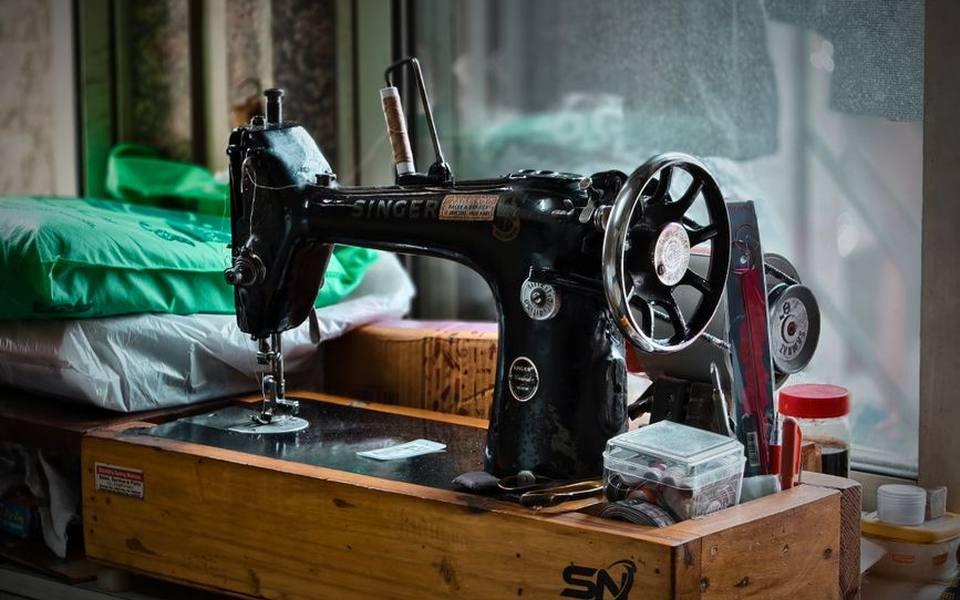
Antique Sewing Machines and Spinning Wheels: Value, Brands, and Maintenance
-
 Buying
Antique Wood Stoves and Log Burners: Buying, Safety, and Restoration Guide
-
 Buying
Depression Glass and Antique Canning Jars: Identification and Values
-
 Buying
Vintage Mirrors: Identifying, Buying, and Styling Antique Glass
-
 Owning
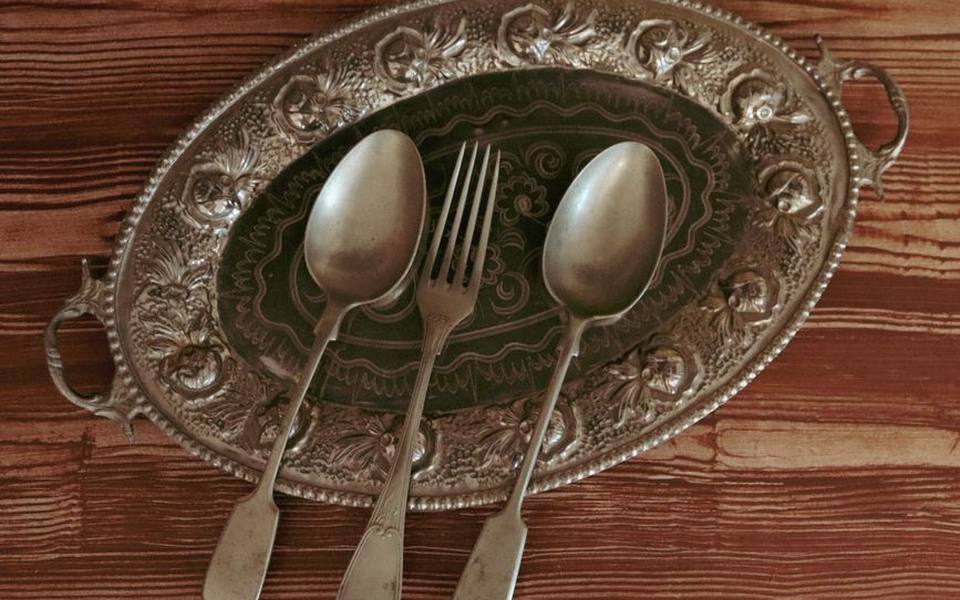
Antique Silverware and Silverplate Flatware: Cleaning, Identification, and Value
-
 Buying
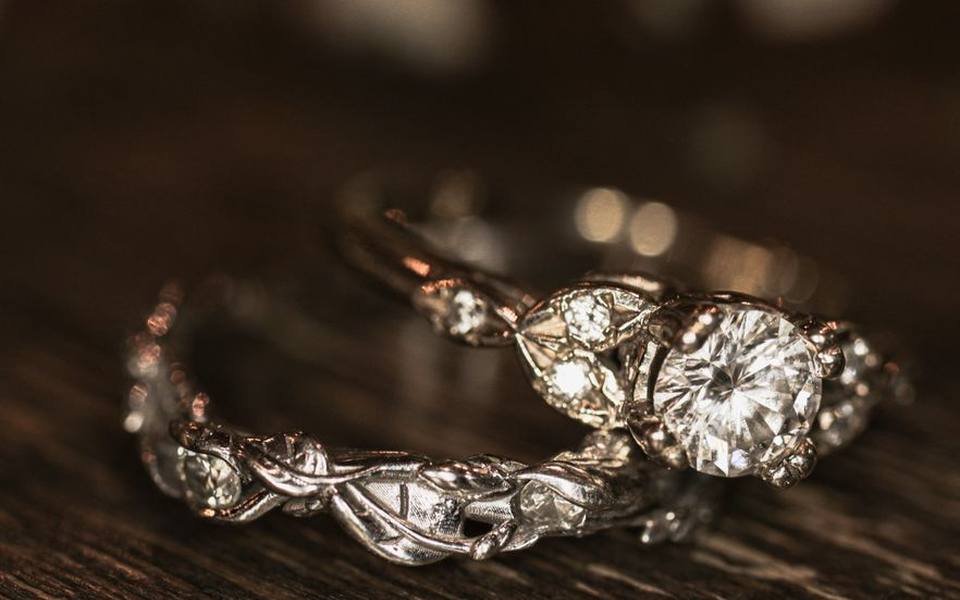
Vintage Engagement Rings and Art Deco Jewelry: Buying and Valuation
-
 Buying
Buyer Guide to Vintage and Antique Furniture: Seating, Tables, Desks, and Reproductions
-
 Buying
Collector Guide to Vintage Toys, Lighters, Sports Ephemera, and Curios
-
 Buying
Architectural Salvage Guide: Sourcing Stained Glass, Mantels, and Historic Hardware
-
 Buying
Vintage Fashion and Heirloom Style: Sourcing Dresses, Denim, Leather, and Ephemera