The Appeal and Anatomy of Historic Door Trim
Finding genuine historic architectural trim immediately changes the tactile character of a living space. Authentic period hardware carries substantial weight, crisply cast surface details, and a natural mellow finish that contemporary factory reproductions rarely capture. Whether you are restoring an 1890s Queen Anne dwelling, outfitting a 1920s bungalow, or simply introducing soulful details to a mid-century interior, understanding what makes original metalwork unique is the first step toward building a cohesive collection.
A complete historic interior latch assembly consists of several interconnected components that work in tandem. The visible elements include the doorknobs or levers, rosettes or elongated escutcheon plates that shield the woodwork, and decorative keyhole covers called escutcheon drops. Behind the wood surface sits the lock body, which houses the latch bolt, deadbolt, and internal tumbler springs. Connecting both sides through the door is a square metal spindle, an element whose dimensions varied considerably across different manufacturing decades.
Early American homes typically relied on surface-mounted iron rim locks or hand-forged thumb latches. By the mid-nineteenth century, mortise boxes—which slip inside a pocket chiseled into the door's edge—became the industry standard. Recognizing how these working assemblies fit together allows you to assess whether a salvage piece is complete or missing critical internal components before you commit to a purchase.
Identifying Materials Across Major Design Eras
Material composition offers dependable clues regarding when a specific set was produced. Prior to the 1870s, many utilitarian doors utilized plain mineral or ceramic knobs, often called porcelain or Bennington clay knobs, secured with iron shanks. As industrial casting improved during the Victorian era, manufacturers embraced wrought bronze, heavy cast brass, and decorative cast iron. The Aesthetic Movement introduced intricate geometric patterns, foliate motifs, and Japanese-inspired natural elements directly cast into escutcheon faces.
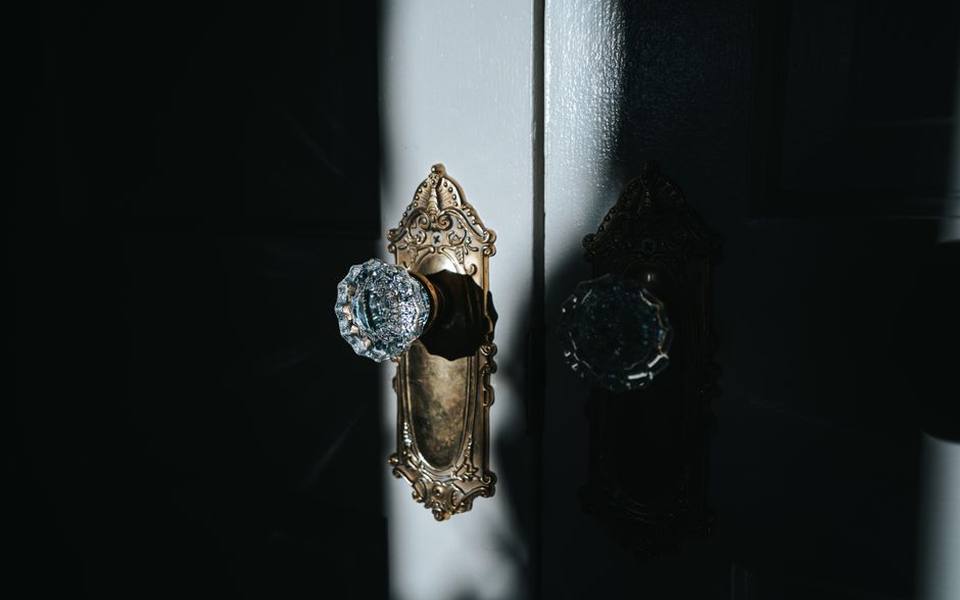
The early twentieth century witnessed a massive transition toward fluted and faceted pressed glass. These sparkling knobs, manufactured in clear, amber, cobalt, and occasionally green formulations, dominated Craftsman and Colonial Revival homes from around 1910 through the 1940s. Fluted glass doorknobs were commonly paired with stamped brass or stamped steel backplates that featured clean, classical bevels rather than the ornate relief carving favored by earlier generations.
By the postwar period, tastes shifted toward streamlined chrome, brushed nickel, and organic atomic motifs. Retro mid-century hardware featured rounded backplates, starburst escutcheons, and polished tulip-style handles designed to fit mass-produced interior doors. Inspecting the back of an escutcheon plate often reveals foundry marks or patent dates, which confirm whether an item originated in the Victorian era or emerged from mid-century tract housing.
Understanding Mortise Locks and Critical Measurements
One of the most frequent mistakes made when hunting for hardware for old doors is overlooking mechanical dimensions. Modern interior doors utilize standard cylindrical bored holes with a 2-1/8-inch diameter and a standard latch backset. In contrast, historic doors rely on mortise pockets, where the distance from the edge of the door to the center of the knob spindle—the backset—can vary anywhere from 2-1/4 inches to 3 inches or more depending on the maker.
Spindle designs also evolved significantly across the decades. Early assemblies used straight square iron spindles with tapped holes along their length, relying on tiny set screws to clamp the knob collar firmly at the desired door thickness. Later Victorian systems utilized threaded swivel spindles, where the knob threaded directly onto the rod before being locked with a single set screw. If you buy mismatched knobs and spindles, the threads may not seat properly, leading to frustrating wobbles or binding mechanisms.
Door thickness represents another vital measurement when selecting replacement sets. Interior doors in nineteenth-century homes were frequently built at 1-3/8 inches thick, while heavy exterior entrance doors typically measured 1-3/4 inches to 2-1/4 inches. Always take a pocket caliper or small ruler when shopping, noting down your door's exact thickness, edge mortise depth, and existing backset to ensure that antique finds can be mounted without aggressive woodworking.
Where to Hunt for Authentic Architectural Hardware
Locating well-preserved period pieces requires knowing where historic materials tend to surface. Specialized salvage yards are classic destinations, though their inventories can occasionally be picked over or heavily layered in decades of lead paint. Exploring regional antique malls often yields dedicated vendor booths stocked with organized bins of cleaned escutcheons, strike plates, and orphaned knobs organized by style and era.
Property liquidations represent another fruitful avenue for hardware hunters, particularly when older properties are undergoing major renovations. Browsing through listings from estate sale specialists often turns up basement workshops, original parts bins, and full architectural suites preserved in cardboard boxes since the home was built. These sales give collectors an opportunity to acquire identical patterns for an entire floor or wing of a house all at once.
Independent resale dealers who manage curated architectural pieces also provide dependable selections. Many vendors who operate through an antique consignment venue stock restored mortise mechanisms that have already been cleaned, lubricated, and checked for functional spring tension. While salvage piles offer the excitement of the hunt, buying tested mechanisms saves considerable bench time when completing an urgent restoration.
Matching Levers, Handles, and Pulls to Home Architecture
Architectural continuity ties an old home together, making it worthwhile to match hardware profiles to the specific era of your millwork. Heavy Gothic and Romanesque entries demand substantial hand-cast iron handlesets with drop rings or hammered thumb latches. A delicate Eastlake home, on the other hand, calls for bronze escutcheons etched with stylized flowers, geometric bands, and pinwheel designs that echo the carved corner blocks of the door trim.
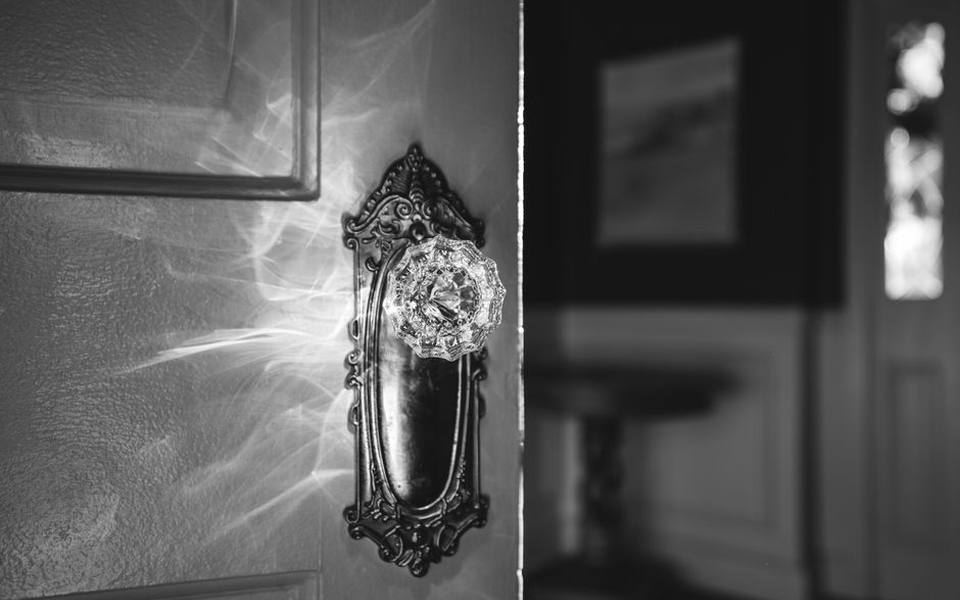
For homes built between 1900 and 1930, simplicity often works best. Craftsman bungalows favor hammered copper, dark oil-rubbed bronze, and squared plates with exposed pyramid-head screws. Meanwhile, formal Georgian or Colonial Revival houses look most natural with multifaceted clear glass knobs or solid polished brass rounds paired with modest oval rosettes. In high-style Victorian settings, you might even find ornate lever handles on formal parlor doors, switching to simple utilitarian mineral knobs on upper bedroom levels.
Do not hesitate to mix complimentary handles across rooms if historic hierarchy dictates it. Historically, the public-facing side of a front door lock might display high-relief bronze, while the interior face matched the hallway's modest trim. Similarly, seeking complementary pieces at specialty antique furniture shops can help you source matching brass bail pulls, teardrops, and keyhole escutcheons for built-in bookcases or butler's pantries, ensuring the entire room speaks the same visual language.
Evaluating Mechanical Wear and Structural Condition
Before purchasing any vintage lock box or handle set, conduct a physical inspection to avoid costly repair projects. For glass knobs, examine the base where the glass meets the metal collar. Historic knobs were joined using molten lead, sulfur, or mechanical crimping; if the glass twists independently within its brass collar, the internal binder has degraded and the knob will soon pull apart during daily use.
Inspect the square spindle socket inside the knob shank for stripped threads or rounded corners. If decades of aggressive turning have wallowed out the square profile, the knob will slip loose on the spindle regardless of how tightly the set screw is torqued. Look closely at the set screw holes as well; damaged threads here often require re-tapping to a slightly larger screw gauge to hold securely.
When handling mortise lock boxes, press the latch bolt inward and test the knob hub rotation. The latch should snap back crisply under internal spring tension. If the latch hangs limp or feels gritty, an internal leaf spring is likely broken or rusted solid. Fortunately, most cast-iron mortise cases can be unscrewed and opened for cleaning, but severe internal corrosion or sheared cast levers inside the box may require salvage donor parts to fix.
Safe Cleaning and Gentle Restoration Techniques
Decades of remodeling frequently leave vintage hardware encased under thick crusts of latex and oil-based paint. The safest and most effective method for stripping metal trim is the slow-cooker approach: submerge the hardware in an old crockpot filled with water and a small squirt of mild dish liquid, leaving it on low heat overnight. The gentle heat expands the metal at a different rate than the paint, causing decades of enamel to slip off like a glove without scratching the underlying metal.
Never use wire wheel attachments on high-speed angle grinders to clean antique metalwork. Aggressive abrasion permanently destroys crisp casting relief, removes original plating, and ruins the soft, buttery patina that authentic brass develops over a century. After paint is stripped, wash the components with warm water, scrub gently with a soft nylon brush, and allow them to dry thoroughly before proceeding.
If you prefer to retain the historic age of darkened brass or bronze, avoid high-acid liquid cleaners. A light buffing with fine paste wax or mineral oil provides adequate protection against moisture while leaving deep oxidation intact in the decorative recesses. For internal lock mechanisms, clean out oxidized grease using mineral spirits, check for internal rust, and lubricate moving pivot points with dry powdered graphite rather than sticky oil sprays that attract dust.
Installing Historic Hardware in Modern or Pre-Bored Doors
Fitting an antique mortise lock into a brand-new solid wood slab requires accurate carpentry. You must mark the door's edge centerline, drill a series of overlapping holes using a spade bit, and clean the deep pocket walls flat with a sharp wood chisel. Taking time to ensure the pocket walls remain perfectly plumb prevents the lock case from binding when the faceplate screws are cinched down.
A different challenge arises when attempting to mount vintage backplates onto modern doors that already feature standard 2-1/8-inch boreholes. In these situations, the large hole will often peek out around the edges of narrow Victorian escutcheons. To solve this, you can glue a tight-fitting hardwood plug into the bore, sand it flush, and drill fresh, accurate spindle holes directly through the stabilized wood plug.
Alternatively, modern conversion kits and dummy spindles allow you to install antique knobs purely as decorative pulls on modern closet or pantry doors. By screwing a surface-mounted dummy spindle base directly onto the door face, you can thread on your favorite antique glass or brass knob without cutting any complex internal mortises. This method provides the aesthetic charm of antique trim while relying on modern roller catches or magnetic latches to keep the door shut.
Coordinating Cabinet Pulls and Bin Hardware
Extending period charm into kitchens, bathrooms, and built-in casework involves sourcing vintage cabinet pulls, bin cups, and miniature turn latches. Historic cabinet hardware was typically cast in solid brass, stamped steel, or pressed milk glass. Coordinating these smaller accents with your interior doors unifies the home's decorative scheme, establishing a continuous thread from the front entryway into the kitchen.

Pay special attention to center-to-center hole spacing when shopping for vintage drawer pulls. Unlike modern cabinetry, which heavily favors standardized 3-inch, 3-1/2-inch, or 4-inch hole centers, older pulls were manufactured in non-standard increments such as 2-7/8 inches or 3-1/4 inches. If you are fitting vintage handles onto existing drawer fronts, measure your current holes to the exact millimeter before browsing dealer bins.
Turn latches—common on Victorian larder cabinets and early twentieth-century Hoosier units—rely on small surface-mounted keepers. When buying these pieces, ensure the latch tongue and the keeper are designed for the same reveal depth. Flush cabinets require flat strike plates, whereas inset or lipped drawers demand offset keepers designed to bridge the difference in wood levels.
Pricing Patterns, Rarity, and Maker Identification
The value of historic door hardware depends significantly on pattern rarity, material quality, and maker pedigree. High-end hardware manufacturers from the golden era of American casting—such as Yale & Towne, Russell & Erwin, Corbin, and Sargent—frequently stamped their monograms or model numbers into the edge of lock faceplates or behind backplates. Highly collectible patterns, such as Russell & Erwin's "Della Robbia" or aesthetic animal motifs, command premium sums from architectural purists.
Common stamped-brass backplates and standard fluted glass knobs are plentiful and typically carry modest price tags, making them economical options for outfitting an entire floor on a reasonable budget. Conversely, complete exterior sets featuring oversized front-door mortise locks, matching cylinder covers, heavy entry knobs, and matching push plates typically sit at the higher end of the pricing spectrum due to their scarcity in unbroken condition.
If you encounter a particularly intricate or unusual set with figural castings or unusual enameling, consulting professional appraisal resources can clarify whether the design is a standard production run or an uncommon piece of historic design. Keeping an eye out for complete matching sets with their original strike plates and keys will always deliver the highest long-term aesthetic and resale value for your home.
Published 2026-09-21 · reviewed with each rebuild, last September 2026.
Find antique stores near you
The directory lists 25,996 antique stores by state and city — pick your state or use the “Near me” button in the header.
More guides
-
 Owning
Cleaning and Polishing Antique Silver Without Damaging the Patina
-
 Money
MoneyNavigating the Market for Vintage Currency
-
 Owning
Evaluating, Using, and Displaying Mid-Century Glassware and Kitchen Antiques
-
 Buying
Navigating Vintage and Antique Jewelry Styles
-
 Owning
How to Clean and Care for Silverware Without Causing Damage
-
 Owning
Vintage Pyrex Value and Safety Guide: Understanding Collector Patterns and Usage
-
 Buying
A Guide to Sourcing Vintage and Estate Jewelry
-
 Money
MoneyValuable Baseball Cards Guide: Spotting Vintage Sports Collectibles
-
 Owning
How to Clean and Restore Antique Wood Furniture
-
 Money
MoneyHow to Find and Use Antique Price Guides Online
-
 Money
MoneyHow to Determine the Value of Old Books and First Editions
-
 Money
MoneyWhere and How to Sell Vintage Coins for the Best Return
-
 Buying
Choosing and Caring for Vintage and Modern Cast Iron Cookware
-
 Owning
How to Polish and Value Antique Silverware at Home
-
 Owning
How to Clean and Polish Antique Wood Furniture Without Damaging It
-
 Buying
Vintage and Classic Cast Iron Cookware: Buyer's, Value, and Care Guide
-
 Buying
Antique Silverware, Vintage Jewelry, and Collectible Coins Guide
-
 Money
MoneyA Practical Guide to Antique Price Guides and Rare Book Valuations
-
 Owning
How to Clean, Polish, and Refinish Antique Wood Furniture
-
 Owning
Ultimate Guide to Vintage and Antique Cast Iron Cookware: Brands, Seasoning, and Care
-
 Owning
How to Clean, Polish, and Value Vintage Silverware and Antique Jewelry
-
 Buying
Valuing Vintage Collectibles: From Rare Dolls and Slot Machines to Classic Lamps and Churns
-
 Owning
How to Clean, Polish, and Refinish Antique Wood Furniture
-
 Money
MoneyVintage Glassware Value Guide: Pyrex, Depression Glass, CorningWare, and Bottles
-
 Money
MoneyAntique & Vintage Price Guides: How to Value Antiques and Collectibles
-
 Buying
How to Value Old Books and First Editions: A Collector's Price Guide
-
 Money
MoneyWhere and How to Sell Vintage Records and Audio Equipment
-
 Buying
How to Buy, Value, and Sell Vintage Coins: A Practical Beginner's Guide
-
 Buying
Estate Sale Guide: How to Find, Buy, and Liquidate Antiques
-
 Buying
Vintage and Modern Cast Iron Cookware: Identification, Seasoning, Buying, and Care
-
 Money
MoneyComprehensive Guide to Antique Values, Old Books, and Collectibles Pricing
-
 Owning
Cleaning and Caring for Vintage Silverware, Fine Jewelry, and Antique Metals
-
 Owning
How to Clean, Polish, and Refinish Antique Wood Furniture
-
 Buying
Vintage and Modern Cast Iron Cookware: Identification, Caring, and Buying Guide
-
 Owning
Antique Silverware: Cleaning, Polishing at Home, and Value Guide
-
 Owning
Care, Polishing, and Refinishing Guide for Antique Wood Furniture
-
 Buying
Vintage Pyrex, Glassware, and Depression Glass Identification and Value Guide
-
 Money
MoneyAntique Price Guides: How to Value and Sell Antiques Online and Offline
-
 Money
MoneyCollectible Old Books and First Editions: Valuation and Identification Guide
-
 Buying
Vintage Sewing Machines, Stoves, and Antique Tools Value Guide
-
 Owning
Antique & Vintage Dolls: Values, Identification, and Care
-
 Buying
Antique Hoosier Cupboards and Vintage Desks: History, Identification, and Value
-
 Service
Grandfather, Wall, and Pocket Clock Repair and Identification Guide
-
 Owning
Antique Rotary Telephones and Landlines: Buying, Restoring, and Converting
-
 Owning
Collecting Vintage Picture Frames and Oil Paintings: Framing and Restoration
-
 Buying
Antique Sewing Machines and Spinning Wheels: Value, Brands, and Maintenance
-
 Buying
Antique Wood Stoves and Log Burners: Buying, Safety, and Restoration Guide
-
 Buying
Depression Glass and Antique Canning Jars: Identification and Values
-
 Buying
Vintage Mirrors: Identifying, Buying, and Styling Antique Glass
-
 Owning
Antique Silverware and Silverplate Flatware: Cleaning, Identification, and Value
-
 Buying
Vintage Engagement Rings and Art Deco Jewelry: Buying and Valuation
-
 Buying
Buyer Guide to Vintage and Antique Furniture: Seating, Tables, Desks, and Reproductions
-
 Buying
Collector Guide to Vintage Toys, Lighters, Sports Ephemera, and Curios
-
 Buying
Architectural Salvage Guide: Sourcing Stained Glass, Mantels, and Historic Hardware
-
 Buying
Vintage Fashion and Heirloom Style: Sourcing Dresses, Denim, Leather, and Ephemera