Assessing the Finish Before You Begin
The safest way to clean antique wood is to start with the mildest possible method and evaluate how the original surface responds. Most historic pieces are coated with shellac, hand-rubbed oil, or traditional varnish, each of which reacts poorly to modern moisture-heavy cleaners. Before wiping down an entire chest or dining table, inspect the surface under good natural light to tell the difference between actual dirt and the mellow, aged character that gives old timber its charm.
Take time to determine whether the clear coat is still intact or flaking away. If an old finish is crazed with microscopic cracks—often called alligatoring—excess liquid can seep beneath the coating and permanently stain the underlying wood fibers. When you browse through dedicated antique furniture stores, you will notice that well-maintained historical pieces retain a smooth, dry surface even when displaying honest signs of age.
Always perform a test spot in an inconspicuous location, such as the back of a rear leg, the interior rim of a drawer apron, or inside an lower cabinet door. Apply a tiny drop of your chosen cleaning agent with a cotton swab and let it sit for a minute. If the swab picks up colored stain or leaves a milky cloud, stop immediately, as the solvent is breaking down the finish.
Lifting Grime Without Soaking the Wood
Dry dusting should always precede any wet treatment. Loose dust particles contain micro-abrasives that scratch delicate topcoats when dragged across the grain with a damp rag. Use a clean, dry microfiber cloth or an untreated feather duster to lift surface dirt from moldings, turned legs, and flat panels, working gently into every carving.
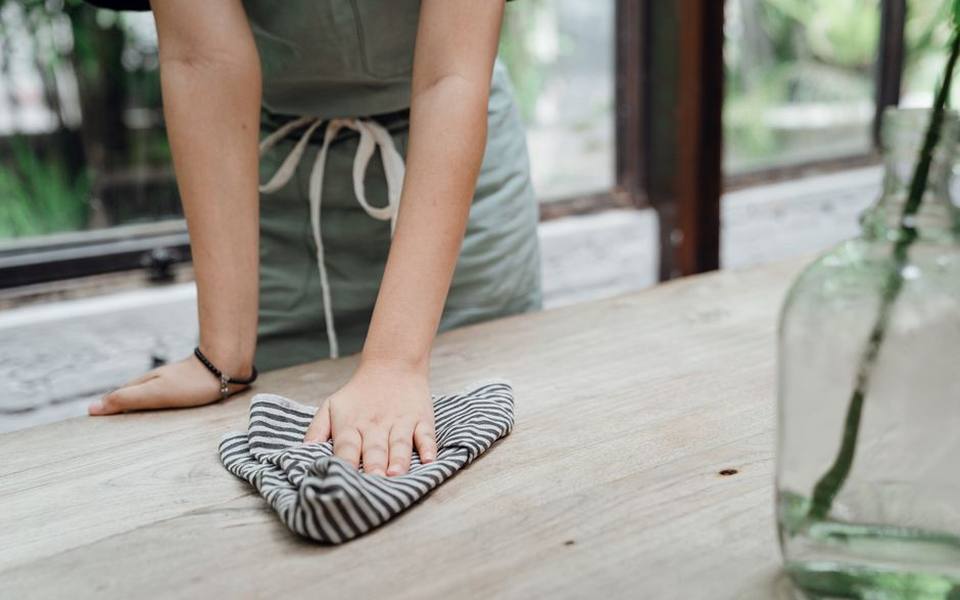
For ordinary household dust mixed with greasy kitchen film, prepare a bowl of lukewarm distilled water with a few drops of neutral dish detergent. Dip a soft cotton cloth into the solution and wring it out until it feels barely damp. Wipe one small section at a time following the wood grain, then immediately buff the area dry with a second clean towel so moisture never lingers on the joints.
If you encounter gummy wax accumulation or heavy soot, odorless mineral spirits provide a reliable solution that generally will not harm cured finishes. Dampen a clean cotton ball or pad with the solvent and wipe over the grime; the mineral spirits dissolve old paraffin and grease without softening the underlying shellac or varnish. Always wipe the residue off promptly with a dry rag.
Addressing Cloudy Rings and Surface Scuffs
Water marks fall into two basic categories: white rings and dark spots. White rings typically indicate trapped moisture inside the top layer of wax or lacquer, which means the underlying wood remains undamaged. Dark spots, on the other hand, show that liquid has penetrated deep into the raw grain, usually requiring professional stabilization rather than simple surface polishing.
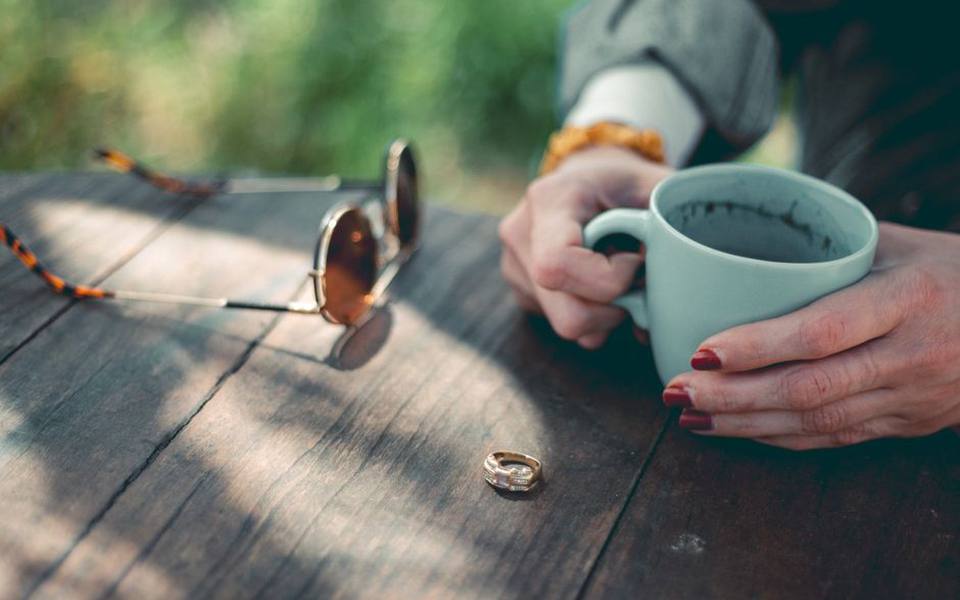
You can often disperse white water haze by applying gentle warmth or a mild abrasive lubricant. Placing a clean, dry cotton cloth over the spot and running a dry clothes iron set to low heat across the fabric for a few seconds can draw trapped moisture out. Alternatively, working a small dab of mineral oil mixed with a dusting of rottenstone or baking soda along the ring will slowly buff away the clouded film.
Minor surface scratches that reveal pale raw wood can be blended without stripping the entire piece. A pigment-matched paste wax or a touch of tinted finishing oil applied with an artist brush fills the scratch and seals the exposed grain. If you are handling a high-value heirloom, consulting specialists who provide appraisal services can help ensure touch-ups do not detract from its historical market value.
Polishing and Protecting the Woodwork
Aerosol dust sprays and silicone-heavy polishes should be kept far away from antique woodwork. While they provide an immediate glossy shine, silicone creates an impenetrable, sticky barrier that attracts airborne dust, smears easily, and makes future refinishing or touch-ups nearly impossible. Traditional paste wax remains the gold standard for preserving historic timber.
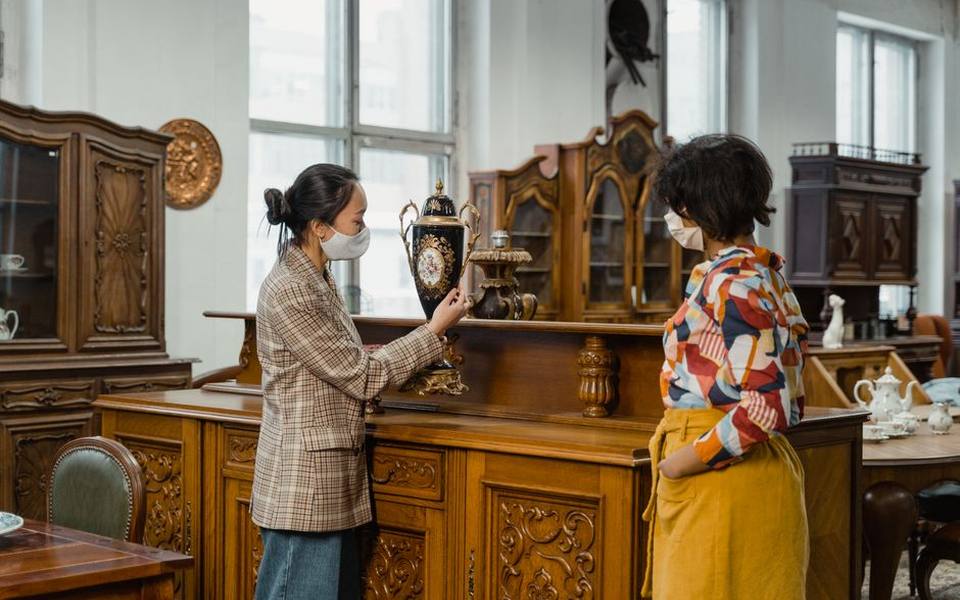
A high-quality paste wax formulated with beeswax and carnauba offers lasting protection against moisture, dust, and handling. High carnauba content creates a harder, more durable protective shell, while beeswax provides flexibility and warmth. You can often see this authentic satin glow on historic tables displayed in regional antique malls, where knowledgeable dealers maintain inventory with hand-rubbed wax.
To apply wax, place a tablespoon-sized dollop inside a folded square of cotton cheesecloth and squeeze until the wax begins to work through the fabric. Wipe a very thin, even haze across the wood surface, working in circular motions to fill pores and finishing along the grain. Allow the wax to dry for fifteen to twenty minutes until it turns matte, then buff vigorously with a soft flannel cloth to create a hard, lustrous sheen.
Long-Term Care and Environmental Protection
Routine preservation depends far more on room climate than on frequent polishing. Wood expands and contracts with changes in atmospheric moisture, which causes joints to loosen, veneers to lift, and solid planks to split. Maintaining indoor relative humidity between roughly 40% and 55% prevents structural movement, especially during winter heating seasons.
Direct sunlight is another major threat to antique surfaces, as ultraviolet light breaks down traditional shellac and bleaches rich mahogany, cherry, or walnut into a pale gray. Position delicate sideboards and desks away from south-facing windows, or install UV-filtering window films and sheer draperies to shield your collection throughout the day.
Many authentic pieces discovered through local antique consignment shops arrive with original brass hardware that has developed a dark patina. Avoid applying liquid metal polish while handles and drawer pulls remain attached to the furniture, as chemical runoff will seep into the surrounding timber and leave permanent white chalk marks in the wood pores.
Published 2026-09-20 · reviewed with each rebuild, last September 2026.
Find antique stores near you
The directory lists 25,996 antique stores by state and city — pick your state or use the “Near me” button in the header.
More guides
-
 Owning
Cleaning and Polishing Antique Silver Without Damaging the Patina
-
 Money
MoneyNavigating the Market for Vintage Currency
-
 Owning
Evaluating, Using, and Displaying Mid-Century Glassware and Kitchen Antiques
-
 Buying
Navigating Vintage and Antique Jewelry Styles
-
 Owning
How to Clean and Care for Silverware Without Causing Damage
-
 Owning
Vintage Pyrex Value and Safety Guide: Understanding Collector Patterns and Usage
-
 Buying
A Guide to Sourcing Vintage and Estate Jewelry
-
 Money
MoneyValuable Baseball Cards Guide: Spotting Vintage Sports Collectibles
-
 Money
MoneyHow to Find and Use Antique Price Guides Online
-
 Money
MoneyHow to Determine the Value of Old Books and First Editions
-
 Money
MoneyWhere and How to Sell Vintage Coins for the Best Return
-
 Buying
Choosing and Caring for Vintage and Modern Cast Iron Cookware
-
 Owning
How to Polish and Value Antique Silverware at Home
-
 Owning
How to Clean and Polish Antique Wood Furniture Without Damaging It
-
 Buying
Vintage and Classic Cast Iron Cookware: Buyer's, Value, and Care Guide
-
 Buying
Antique Silverware, Vintage Jewelry, and Collectible Coins Guide
-
 Money
MoneyA Practical Guide to Antique Price Guides and Rare Book Valuations
-
 Owning
How to Clean, Polish, and Refinish Antique Wood Furniture
-
 Owning
Ultimate Guide to Vintage and Antique Cast Iron Cookware: Brands, Seasoning, and Care
-
 Owning
How to Clean, Polish, and Value Vintage Silverware and Antique Jewelry
-
 Buying
Valuing Vintage Collectibles: From Rare Dolls and Slot Machines to Classic Lamps and Churns
-
 Owning
How to Clean, Polish, and Refinish Antique Wood Furniture
-
 Money
MoneyVintage Glassware Value Guide: Pyrex, Depression Glass, CorningWare, and Bottles
-
 Money
MoneyAntique & Vintage Price Guides: How to Value Antiques and Collectibles
-
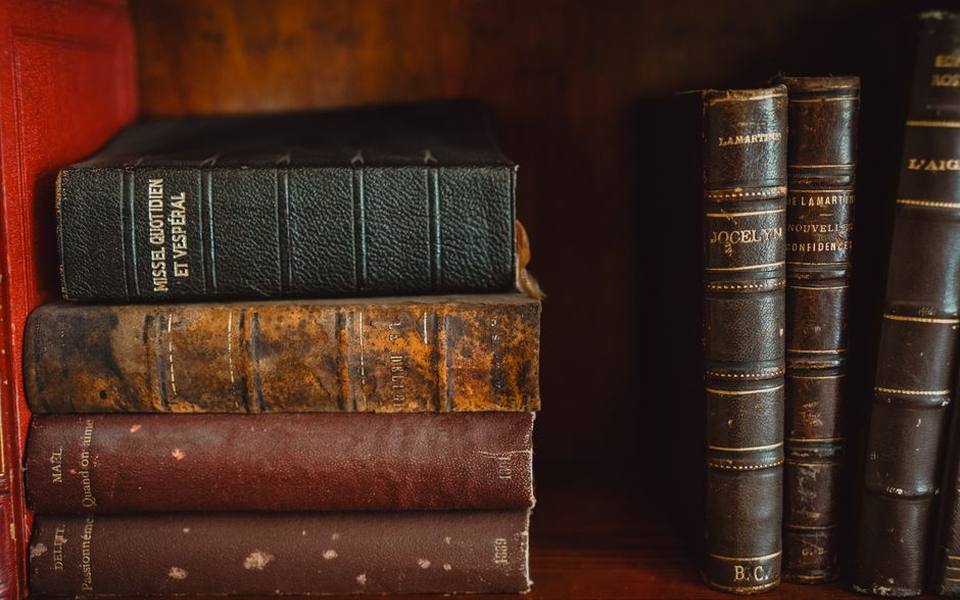 Buying
How to Value Old Books and First Editions: A Collector's Price Guide
-
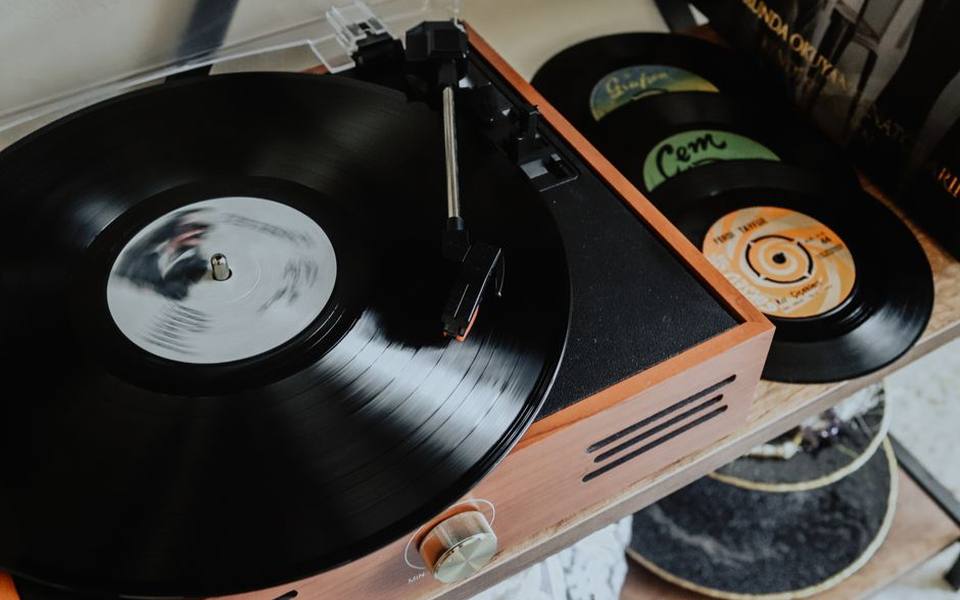 Money
MoneyWhere and How to Sell Vintage Records and Audio Equipment
-
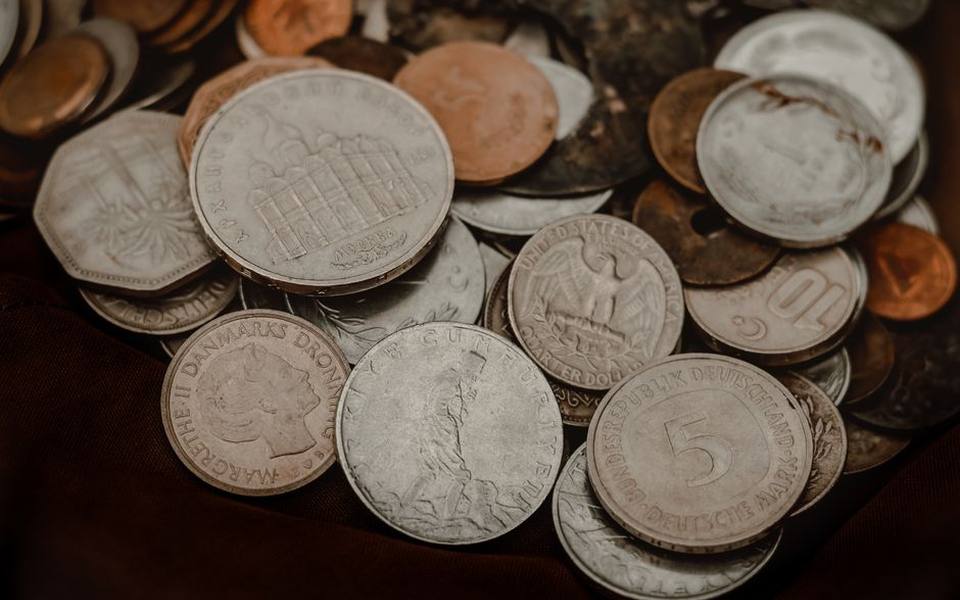 Buying
How to Buy, Value, and Sell Vintage Coins: A Practical Beginner's Guide
-
 Buying
Estate Sale Guide: How to Find, Buy, and Liquidate Antiques
-
 Buying
Vintage and Modern Cast Iron Cookware: Identification, Seasoning, Buying, and Care
-
 Money
MoneyComprehensive Guide to Antique Values, Old Books, and Collectibles Pricing
-
 Owning
Cleaning and Caring for Vintage Silverware, Fine Jewelry, and Antique Metals
-
 Owning
How to Clean, Polish, and Refinish Antique Wood Furniture
-
 Buying
Vintage and Modern Cast Iron Cookware: Identification, Caring, and Buying Guide
-
 Owning
Antique Silverware: Cleaning, Polishing at Home, and Value Guide
-
 Owning
Care, Polishing, and Refinishing Guide for Antique Wood Furniture
-
 Buying
Vintage Pyrex, Glassware, and Depression Glass Identification and Value Guide
-
 Money
MoneyAntique Price Guides: How to Value and Sell Antiques Online and Offline
-
 Money
MoneyCollectible Old Books and First Editions: Valuation and Identification Guide
-
 Buying
Vintage Sewing Machines, Stoves, and Antique Tools Value Guide
-
 Buying
Collector Guide to Vintage Door Hardware, Knobs, and Cabinet Pulls
-
 Owning
Antique & Vintage Dolls: Values, Identification, and Care
-
 Buying
Antique Hoosier Cupboards and Vintage Desks: History, Identification, and Value
-
 Service
Grandfather, Wall, and Pocket Clock Repair and Identification Guide
-
 Owning
Antique Rotary Telephones and Landlines: Buying, Restoring, and Converting
-
 Owning
Collecting Vintage Picture Frames and Oil Paintings: Framing and Restoration
-
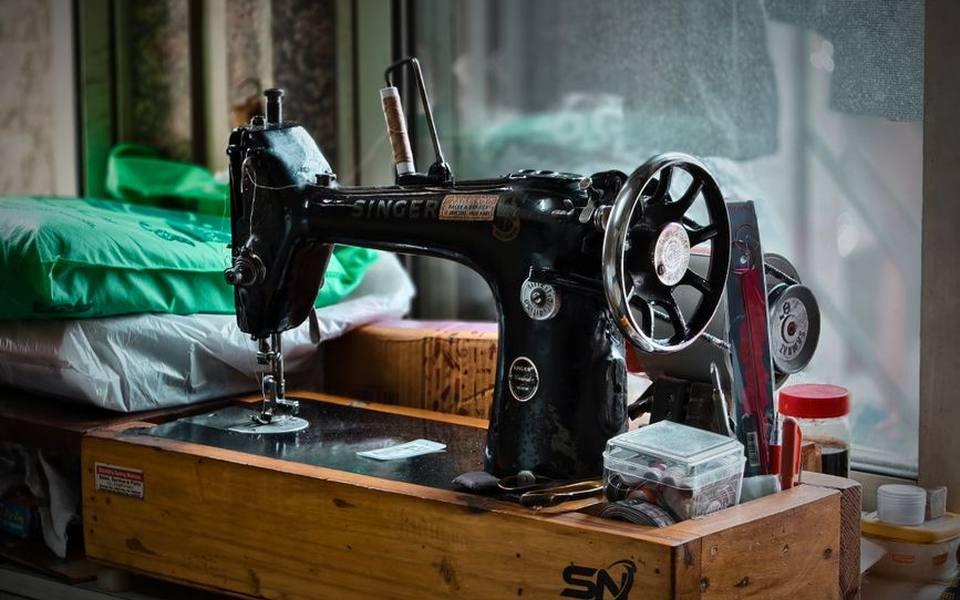 Buying
Antique Sewing Machines and Spinning Wheels: Value, Brands, and Maintenance
-
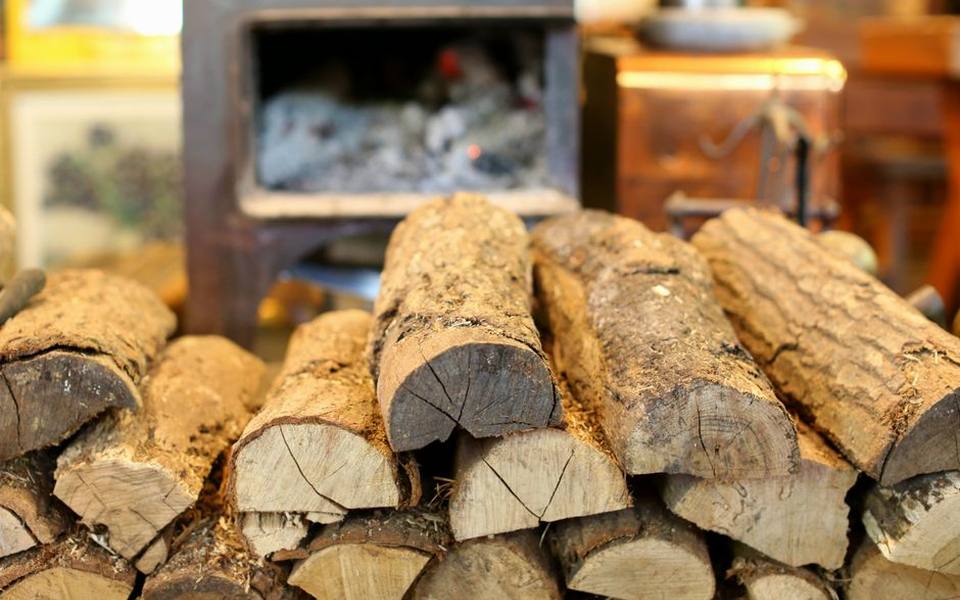 Buying
Antique Wood Stoves and Log Burners: Buying, Safety, and Restoration Guide
-
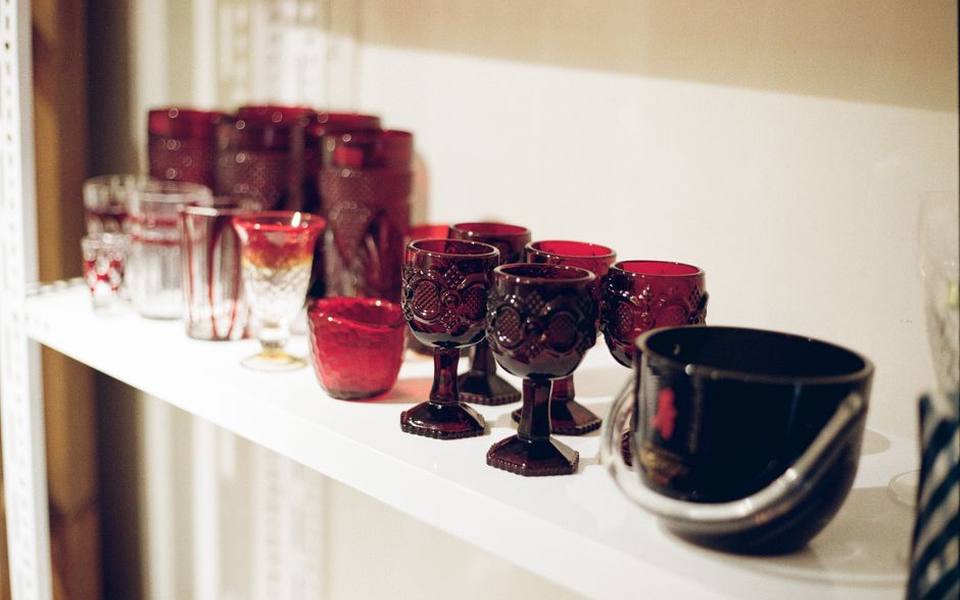 Buying
Depression Glass and Antique Canning Jars: Identification and Values
-
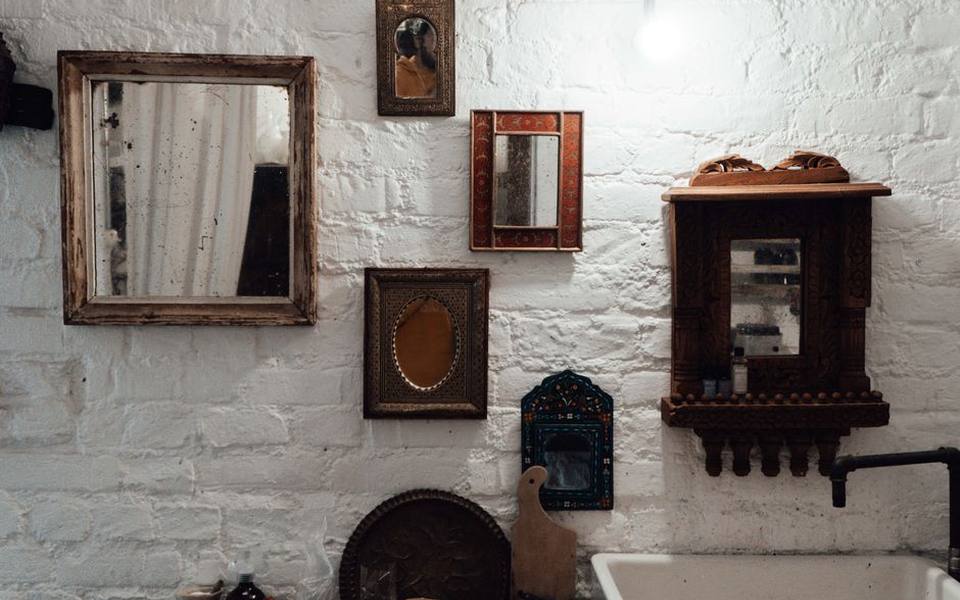 Buying
Vintage Mirrors: Identifying, Buying, and Styling Antique Glass
-
 Owning
Antique Silverware and Silverplate Flatware: Cleaning, Identification, and Value
-
 Buying
Vintage Engagement Rings and Art Deco Jewelry: Buying and Valuation
-
 Buying
Buyer Guide to Vintage and Antique Furniture: Seating, Tables, Desks, and Reproductions
-
 Buying
Collector Guide to Vintage Toys, Lighters, Sports Ephemera, and Curios
-
 Buying
Architectural Salvage Guide: Sourcing Stained Glass, Mantels, and Historic Hardware
-
 Buying
Vintage Fashion and Heirloom Style: Sourcing Dresses, Denim, Leather, and Ephemera