Navigating the Diverse World of Everyday Collectibles
Small antique collectibles represent one of the most accessible yet nuanced corners of the secondary market. Unlike massive armoires or formal dining tables, compact treasures such as pocket accessories, mechanical playthings, and early sporting gear move easily through dealer stalls and private estate liquidations. Buyers often begin with nostalgia, seeking out an object remembered from childhood or an heirloom once kept on a grandfather's workbench, only to discover a dense collecting ecosystem defined by minute variations, manufacturing date stamps, and production runs.
The primary challenge in collecting these varied categories is that valuation criteria change dramatically depending on the medium. A collector examining a pocket tool prioritizes functional mechanics and crisp stampings, whereas an enthusiast inspecting mid-century paper memorabilia cares almost entirely about microscopic edge wear and original surface gloss. Understanding what constitutes true scarcity versus common mass production takes practice, patience, and a willingness to handle pieces in person whenever possible.
Browsing through regional antique malls offers an exceptional education for beginners because multiple dealers showcase diverse inventory under one roof. Comparing dozens of similar items side by side helps train your eye to detect subtle differences in patina, maker marks, and structural integrity. Rather than rushing into high-dollar purchases online, taking time to examine physical specimens in dealer showcases helps you build the sensory reference points needed to spot authentic treasures.
Identifying and Dating Vintage Pocket Lighters
Evaluating a vintage lighter requires careful attention to maker stamps, patent numbers, and mechanical components. While early twentieth-century trench styles and art deco table models attract steady interest, pocket-sized flip-top mechanisms remain the gold standard for dedicated collectors. An authentic vintage Zippo lighter, for example, carries a distinct historical footprint on its bottom plate, where stamped patent numbers, vertical lines, dots, or letter codes reveal the exact era of manufacture dating back to the early 1930s.
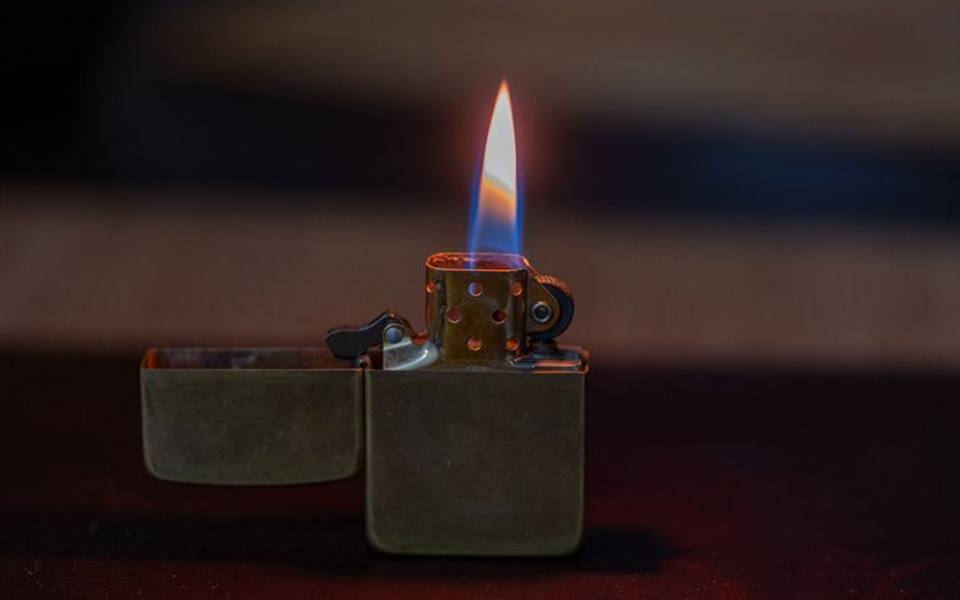
When assessing any antique Zippo lighters or similar mid-century brass models, hinge design serves as a key indicator of age. The earliest specimens featured outside hinges before transitioning to three-barrel and eventually five-barrel internal configurations. Inspecting the chimney hole count, the cam spring tension, and the horizontal versus diagonal teeth on the flint wheel helps separate genuine early production pieces from later modern reissues or modified chassis.
Condition heavily dictates collector valuation in this field. Light pocket carry wear or gentle brassing around the edges often adds character, but drilled holes, modified inserts, or cracked hinge welds can reduce value significantly. Collectors also seek out advertising graphics, military insignia, and company logos applied via etched paint or town-and-country baked enamel, which typically command higher prices than plain brushed chrome models.
Hunting for Classic Tin Toys and Action Figures
Stepping into an authentic vintage toys store or specialized dealer booth often feels like walking into an industrial time capsule. Early twentieth-century playthings generally divide into lithographed tin windups, heavy cast iron vehicles, and post-war pressed steel trucks. Lithographed tin pieces from Japanese, German, and American manufacturers rely on vibrant surface printing that cannot easily be touched up without detection under ultraviolet light.
Mechanical functionality is critical when valuing clockwork or friction-driven playthings. A windup locomotive or walking automaton with its original, functioning internal spring assembly always commands a premium over a frozen or stripped mechanism. Buyers should always ask dealers if the original winding key remains with the toy, as period-correct replacement keys can be surprisingly difficult to source individually.
For post-war baby boomer and modern toy enthusiasts, plastic action figures and playsets from the 1960s through the 1980s represent another active collecting front. In this niche, missing accessories—such as tiny plastic blasters, vinyl capes, or snap-on helmets—drastically undermine collector appeal. Preserving original factory packaging, whether a colorful illustrated cardboard box or an unpunched blister card, can multiply an item's market value many times over compared to loose examples.
Appraising Antique and Folk Art Decoy Ducks
Early waterfowl carvings bridge the gap between functional hunting gear and celebrated American folk art. Carved primarily from white cedar, pine, or cork, vintage decoy ducks were crafted to endure harsh seasonal conditions on lakes and coastal marshes. Buyers usually classify these carvings into two distinct camps: commercially manufactured decoys produced by historic sporting goods firms and individual folk carvings shaped by regional watermen.
When inspecting old decoy ducks, the original paint finish represents the single most important factor determining monetary worth. Working birds were frequently repainted by hunters between seasons, a practice known as contemporary hunting touch-up. While period working repaints possess their own historical charm, birds retaining their original, untouched factory or carver paint invariably achieve the highest appreciation among serious folk art collectors.
Examine the underside of the body to locate lead ballasts, keel weights, and rigging staples, which reveal how the decoy sat in choppy water. Watch for subtle maker stamps pressed into the wood, brand marks burned into the base with hot irons, or distinctive neck shelf carving styles typical of regions like the Chesapeake Bay, the Illinois River valley, or the Maine coast.
Collecting Early Wooden Fishing Lures and Tackle
Antique angling gear captures the early manufacturing ingenuity of North American sporting life. Handcrafted vintage fishing lures produced from the late 1890s through the mid-1950s showcase exquisite joinery, hand-painted glass eyes, and elaborate brass hardware. Renowned tackle makers turned out wooden underwater plugs, surface chuggers, and jointed minnows designed to lure game fish through lifelike movement.
Carefully inspecting hardware helps date old plugs and spoons accurately. Early lures typically featured cup hardware, surface screw rigs, or two-piece brass flap rigs securing the treble hooks to the cedar or basswood body. Around the mid-twentieth century, companies transitioned away from glass eyes toward pressed metal, painted tack eyes, or molded plastic bodies, signaling the shift toward post-war mass manufacturing.
Crazing, minor hook drag marks, and faint varnish oxidation are standard signs of age that collectors generally accept without complaint. However, complete paint loss, replaced non-period hooks, or cracked wooden bodies will compress values down to utility user-grade levels. Discovering an early wooden plug resting inside its original two-piece cardboard box, complete with the factory paper foldout instruction sheet, represents a rare find often uncovered at dedicated estate sales.
The Charm and Nuance of Ceramic Salt and Pepper Shakers
Inexpensive, colorful, and infinitely varied, mid-century kitchen novelties remain a beloved staple in display cabinets across the country. Collectors of vintage salt and pepper pairs hunt for imaginative figural sets, including anthropomorphic vegetables, advertising mascots, souvenir monuments, and whimsical animal duos produced throughout Japan, the United States, and post-war Germany. These small pottery sets capture the optimistic pop-culture trends of the mid-twentieth century.
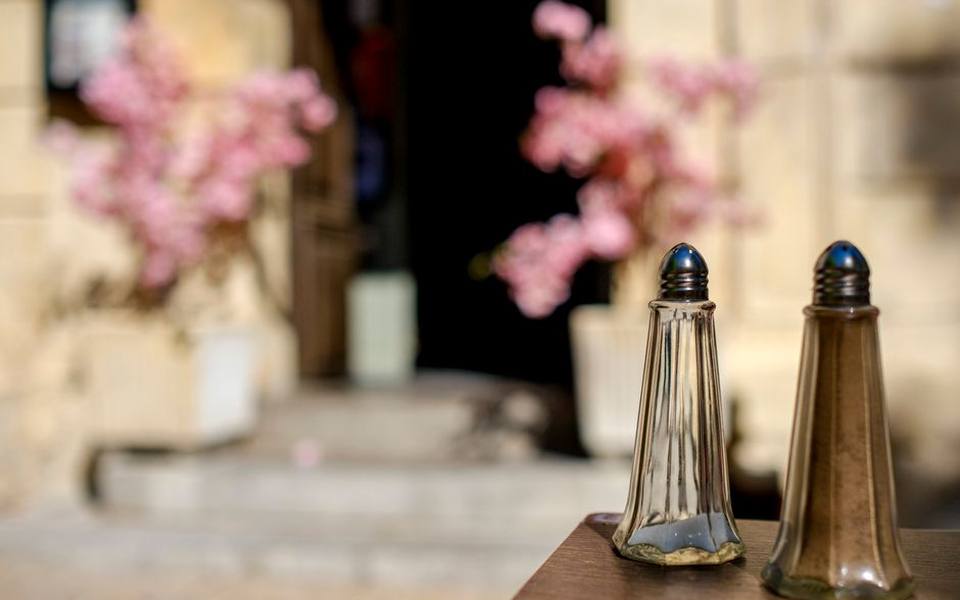
Ceramic condition is paramount in this collecting niche because table pieces suffered decades of everyday domestic use. Buyers should run a fingernail gently along shaker rims, spouts, and protruding extremities to detect tiny flea bites, hairline cracks, or cold-paint flaking. A pair that retains its original cork or rubber stoppers inside the base is always preferred over sets with missing, decayed, or substituted closures.
Rarity often hinges on distinctive themes and maker stamps. Factory marks from noted pottery producers like Goebel, Shawnee, Holt-Howard, or Lefton instantly establish age and craftsmanship standards. Stacking 'nodder' pairs, where one figurine nestles atop another or balances with an internal weight, routinely outperform standard souvenir shakers in competitive auctions.
Evaluating Traditional Hickory and Classic Golf Clubs
Before modern composite alloys transformed the game, golf was played with timber, forged carbon iron, and wrapped leather grips. Enthusiasts hunting for vintage golf clubs generally focus on two distinct eras: pre-1935 hickory-shafted clubs used in traditional play, and classic post-war steel-shaft persimmon woods from mid-century makers. Each category calls for its own inspection techniques to ensure the gear is either playable or historically displayable.
When evaluating a hickory iron or mashie, check the grain of the wooden shaft along its entire length. Any longitudinal splintering, warping, or insect damage near the hosel compromises structural safety. Authentic hickory heads feature stamped cleek marks, patent dates, and maker insignia hand-punched directly into the forged iron head by Scottish or early American clubmakers.
Persimmon drivers and fairway woods from the 1950s and 1960s present a different set of collector values. Inspect the sole plates, brass weights, and multi-colored face inserts for cracks or water damage, which occur when stored in damp basements. Pristine original whipping thread wrapped around the hosel and intact leather grip wraps signify clubs that were carefully preserved rather than neglected.
Understanding Condition and Grading in Baseball Cards
Cardboard sports ephemera represents one of the most rigorously analyzed sectors in the collecting world. When evaluating vintage baseball cards from the tobacco era through the post-war bubble gum period, physical condition accounts for nearly all of the final market valuation. Even legendary Hall of Fame cards can swing from modest sums to extraordinary values based on microscopic variations in paper preservation.
Four critical factors dictate a card's physical condition: centering, corner sharpness, edge wear, and surface integrity. Front centering is calculated by measuring the border widths, with perfect 50/50 balance commanding top dollar. Rounded corners, surface creasing, paper loss from album mounting, or wax pack stains on the cardboard reverse will quickly diminish the collector grade.
Due to the prevalence of counterfeit cards and sophisticated trimming techniques designed to simulate sharp corners, high-value examples should always be authenticated. Third-party professional grading encapsulation offers buyers peace of mind regarding authenticity and condition. Before spending significant funds on ungraded cardboard, seeking input through established appraisal services helps verify that the piece has not been altered, pressed, or recolored.
Vintage Board Games and Completeness Standards
Early tabletop diversions capture the graphic design, social attitudes, and leisure habits of earlier generations. Collectors chasing vintage board games look for everything from late Victorian lithographed morality games to mid-century pop culture tie-ins and strategic war simulations from the 1960s and 1970s. Vibrant, illustrated box tops make these pieces exceptional items for interior framing and display.
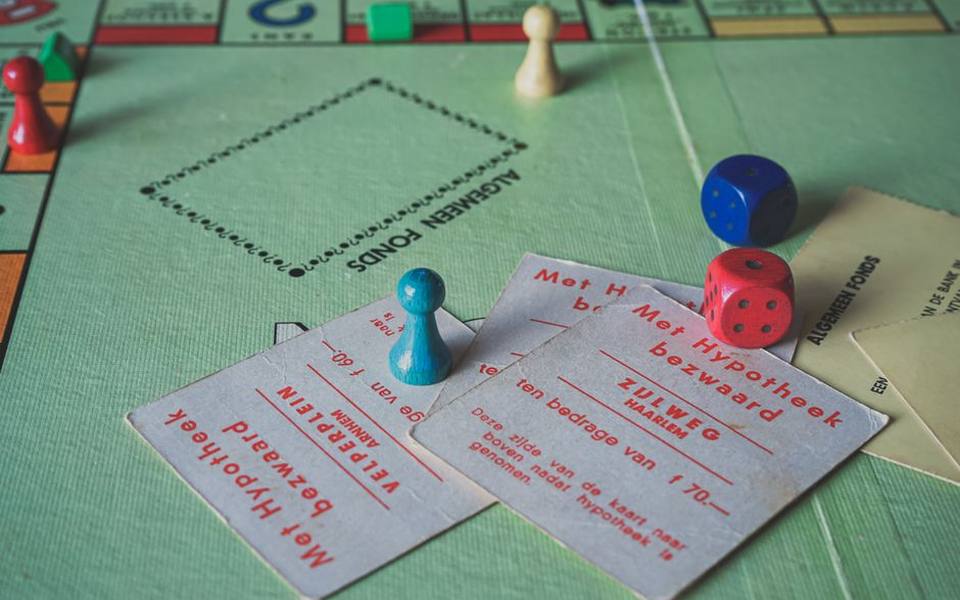
Completeness remains the golden rule when buying any boxed game. Unlike decorative ceramics, a board game relies on dozens of loose components—cast metal tokens, wooden dice, plastic pawns, printed play money, spinner arrows, and paper rule booklets. A missing instruction manual or an incomplete token set can cut a game's value down to mere scrap parts for other collectors.
Inspect the structural integrity of the game box itself, as decades of stack storage often cause split box corners, sunken lids, or tape repairs. Clear adhesive tape leaves permanent chemical stains on early printed paper that can never be reversed without specialist conservation. Games with crisp side aprons, intact inner cardboard packing dividers, and bright unsoiled boards represent the highest tier of collectible condition.
Smart Buying Strategies for Antique Collectibles
Acquiring vintage memorabilia successfully requires balancing spontaneous field discoveries with careful pre-purchase inspection. When browsing dealer spaces or independent consignment shops, carry a compact toolkit including an LED inspection light, a jeweler's loupe, and a basic magnet to test metals. Inspecting small makers' marks, patent dates, and metal compositions on the spot prevents costly mistakes.
Price points for small collectibles typically fluctuate based on regional demand, specialty dealer focus, and condition. Don't hesitate to ask dealer attendants if there is any flexibility on price, especially when purchasing multiple pieces from the same booth. Establishing relationships with regional antique dealers who know your specific collecting interests often grants you first look at fresh estates before inventory reaches the general public.
Finally, prioritize preservation the moment you bring an item home. Avoid cleaning delicate paper, aged tin, patinated brass, or carved wood with modern household chemicals or abrasive polishes. Stripping original patina or removing factory lacquers to make an item look shiny almost always erodes both historical character and secondary market value.
Published 2026-09-21 · reviewed with each rebuild, last September 2026.
Find antique stores near you
The directory lists 25,996 antique stores by state and city — pick your state or use the “Near me” button in the header.
More guides
-
 Owning
Cleaning and Polishing Antique Silver Without Damaging the Patina
-
 Money
MoneyNavigating the Market for Vintage Currency
-
 Owning
Evaluating, Using, and Displaying Mid-Century Glassware and Kitchen Antiques
-
 Buying
Navigating Vintage and Antique Jewelry Styles
-
 Owning
How to Clean and Care for Silverware Without Causing Damage
-
 Owning
Vintage Pyrex Value and Safety Guide: Understanding Collector Patterns and Usage
-
 Buying
A Guide to Sourcing Vintage and Estate Jewelry
-
 Money
MoneyValuable Baseball Cards Guide: Spotting Vintage Sports Collectibles
-
 Owning
How to Clean and Restore Antique Wood Furniture
-
 Money
MoneyHow to Find and Use Antique Price Guides Online
-
 Money
MoneyHow to Determine the Value of Old Books and First Editions
-
 Money
MoneyWhere and How to Sell Vintage Coins for the Best Return
-
 Buying
Choosing and Caring for Vintage and Modern Cast Iron Cookware
-
 Owning
How to Polish and Value Antique Silverware at Home
-
 Owning
How to Clean and Polish Antique Wood Furniture Without Damaging It
-
 Buying
Vintage and Classic Cast Iron Cookware: Buyer's, Value, and Care Guide
-
 Buying
Antique Silverware, Vintage Jewelry, and Collectible Coins Guide
-
 Money
MoneyA Practical Guide to Antique Price Guides and Rare Book Valuations
-
 Owning
How to Clean, Polish, and Refinish Antique Wood Furniture
-
 Owning
Ultimate Guide to Vintage and Antique Cast Iron Cookware: Brands, Seasoning, and Care
-
 Owning
How to Clean, Polish, and Value Vintage Silverware and Antique Jewelry
-
 Buying
Valuing Vintage Collectibles: From Rare Dolls and Slot Machines to Classic Lamps and Churns
-
 Owning
How to Clean, Polish, and Refinish Antique Wood Furniture
-
 Money
MoneyVintage Glassware Value Guide: Pyrex, Depression Glass, CorningWare, and Bottles
-
 Money
MoneyAntique & Vintage Price Guides: How to Value Antiques and Collectibles
-
 Buying
How to Value Old Books and First Editions: A Collector's Price Guide
-
 Money
MoneyWhere and How to Sell Vintage Records and Audio Equipment
-
 Buying
How to Buy, Value, and Sell Vintage Coins: A Practical Beginner's Guide
-
 Buying
Estate Sale Guide: How to Find, Buy, and Liquidate Antiques
-
 Buying
Vintage and Modern Cast Iron Cookware: Identification, Seasoning, Buying, and Care
-
 Money
MoneyComprehensive Guide to Antique Values, Old Books, and Collectibles Pricing
-
 Owning
Cleaning and Caring for Vintage Silverware, Fine Jewelry, and Antique Metals
-
 Owning
How to Clean, Polish, and Refinish Antique Wood Furniture
-
 Buying
Vintage and Modern Cast Iron Cookware: Identification, Caring, and Buying Guide
-
 Owning
Antique Silverware: Cleaning, Polishing at Home, and Value Guide
-
 Owning
Care, Polishing, and Refinishing Guide for Antique Wood Furniture
-
 Buying
Vintage Pyrex, Glassware, and Depression Glass Identification and Value Guide
-
 Money
MoneyAntique Price Guides: How to Value and Sell Antiques Online and Offline
-
 Money
MoneyCollectible Old Books and First Editions: Valuation and Identification Guide
-
 Buying
Vintage Sewing Machines, Stoves, and Antique Tools Value Guide
-
 Buying
Collector Guide to Vintage Door Hardware, Knobs, and Cabinet Pulls
-
 Owning
Antique & Vintage Dolls: Values, Identification, and Care
-
 Buying
Antique Hoosier Cupboards and Vintage Desks: History, Identification, and Value
-
 Service
Grandfather, Wall, and Pocket Clock Repair and Identification Guide
-
 Owning
Antique Rotary Telephones and Landlines: Buying, Restoring, and Converting
-
 Owning
Collecting Vintage Picture Frames and Oil Paintings: Framing and Restoration
-
 Buying
Antique Sewing Machines and Spinning Wheels: Value, Brands, and Maintenance
-
 Buying
Antique Wood Stoves and Log Burners: Buying, Safety, and Restoration Guide
-
 Buying
Depression Glass and Antique Canning Jars: Identification and Values
-
 Buying
Vintage Mirrors: Identifying, Buying, and Styling Antique Glass
-
 Owning
Antique Silverware and Silverplate Flatware: Cleaning, Identification, and Value
-
 Buying
Vintage Engagement Rings and Art Deco Jewelry: Buying and Valuation
-
 Buying
Buyer Guide to Vintage and Antique Furniture: Seating, Tables, Desks, and Reproductions
-
 Buying
Architectural Salvage Guide: Sourcing Stained Glass, Mantels, and Historic Hardware
-
 Buying
Vintage Fashion and Heirloom Style: Sourcing Dresses, Denim, Leather, and Ephemera