Finding Authentic Vintage Wedding Gowns
Hunting for an authentic vintage wedding dress requires shifting away from contemporary boutique sizing and modern synthetic fabrics. Historic bridal gowns reflect the silhouettes, tailoring techniques, and textile manufacturing of their specific decades. A gown from the nineteen-thirties often features an unlined bias-cut satin drape, whereas a piece from the nineteen-fifties typically boasts stiffened crinoline underskirts and an exaggerated hourglass waist. Sizing has shifted radically across decades, meaning a garment marked size twelve from forty years ago may align closely with a modern size four or six.
When shopping in person, check the construction of the interior seams before focusing on the outward presentation. Authentic mid-century gowns generally have pinked seams or hand-overcast edges rather than modern machine serging. Inspect the closure mechanisms along the back or side seam; early twentieth-century dresses rely on delicate silk-covered buttons or hook-and-eye closures, while metal zippers became standard through the nineteen-forties and fifties. Plastic coil zippers generally indicate garments manufactured after the mid-nineteen-sixties or modern retro reproductions.
Always evaluate textile fragility under natural daylight whenever possible. Unpreserved bridal gowns left in humid attics or hot closets often suffer from dry rot, which degrades silk fibers until they shatter under minimal tension. Gently pinch and roll the fabric along an inconspicuous interior seam to test fiber flexibility. If the silk feels brittle, dusty, or yields a faint crunch, the gown cannot withstand wearing or cleaning, regardless of its visual condition on the hanger.
Evaluating Antique Lace and Bridal Details
A true vintage lace bridal dress carries intricate stitchwork that modern mass-production machinery struggles to replicate. Older garments frequently utilize Alencon, Chantilly, or handmade Belgian bobbin lace, characterized by raised corded outlines and exceptionally fine hexagonal mesh backgrounds. Modern lace reproductions typically use synthetic polyester cords glued or machine-pressed onto stiff nylon tulle, lacking the fluid movement and drape seen on heritage bridal pieces.
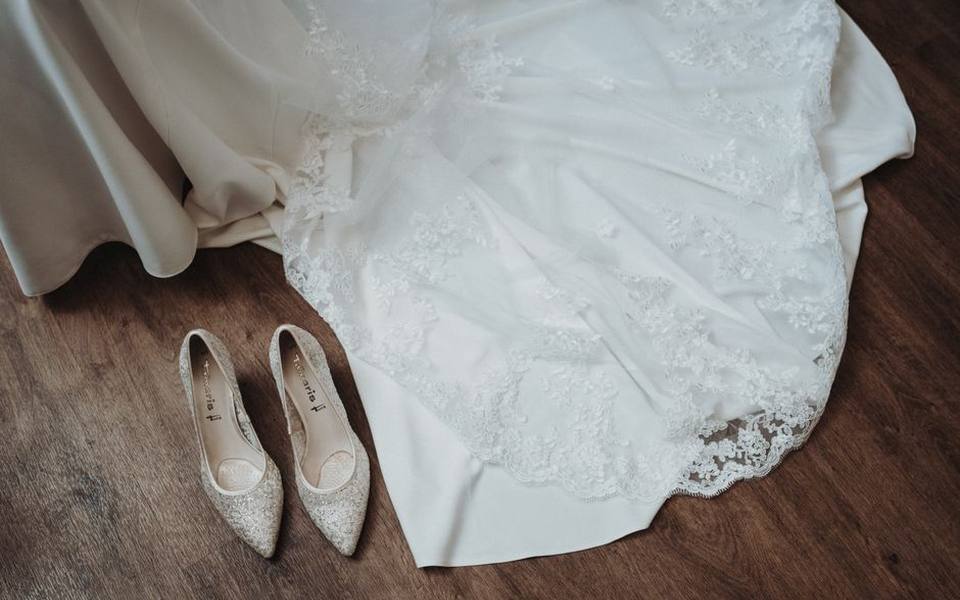
Examine the neckline, cuffs, and hem of vintage lace wedding dresses to spot signs of past alterations or ground-in dirt. Staining on antique lace is notoriously difficult to reverse because harsh bleaching agents will dissolve aged cotton or silk filaments instantly. Look for oxidation halos—yellowish or brownish circles caused by perspiration, body oils, or spilled champagne that oxidized over decades of improper cedar chest storage.
Sourcing these bridal gems often leads beyond specialty fashion dealers into regional antique venues. Browsing through curated inventory at Antique Consignment Shops often reveals well-preserved family heirlooms consigned directly by original owners. Inquire whether a gown underwent dry cleaning prior to consignment, as old cleaning chemicals left in delicate netting can cause structural yellowing and accelerated fiber breakdown over long periods.
Selecting Collectible Denim and Vintage Cuts
The market for vintage denim jeans remains driven by production eras, weave textures, and classic American manufacturing milestones. Collectors look closely at the interior outseams for the distinctive red or white selvedge line, signifying fabric woven on narrow shuttle looms before mass commercialization in the nineteen-eighties. The resulting denim has natural slub, varied yarn thickness, and an uneven hand feel that develops a high-contrast fade pattern as the indigo dye naturally sheds.
Many shoppers today seek vintage inspired jeans that mimic classic mid-century workwear proportions without the fragility of antique fibers. True period work jeans feature a high-rise waist, straight legs, deep pocket bags, and heavyweight cotton twill without elastane stretch. Modern reproduction denim often mimics these cuts well, but authentic vintage pairs carry single-stitch hems, hidden pocket rivets, and legible cardboard or leather patch branding on the rear waistband.
Dating vintage denim requires studying hardware details, pocket tab typography, and interior care tags. Pocket tabs featuring a capital letter 'E' in their brand script typically signify manufacture prior to nineteen-seventy-one, while single-sided tabs date back even earlier. Interior white care tags were introduced in the early nineteen-seventies, so jeans lacking internal wash tags are often mid-century or older. Check the crotch seam and knee areas for thinning cotton, which requires specialized darning rather than standard patch repairs.
Inspect Classic Denim Jackets and Workwear
A rugged vintage denim jacket serves as a cornerstone of vintage casual wear, offering durability that easily spans four or five decades. Collectors classify these jackets by their structural design: pleated fronts with single breast pockets represent early twentieth-century designs, while dual-pocket trucker cuts with diagonal chest seams define styles from the nineteen-sixties onward. The color of the underlying denim should reveal an authentic cross-hatch fading rather than uniform factory stone-washing.
Carefully inspect the button shanks and interior rivets across high-stress points like the cuffs, waistband adjusters, and pocket flaps. Authentic vintage jackets utilize stamped metal buttons with manufacturer branding that carries crisp, deeply stamped lettering. On older models, the reverse side of the button often features an impressed single-digit or triple-digit factory production code matching the internal manufacturing lot.
Pay special attention to the collar fold and cuff edges, as these contact points suffer the most friction and sweat exposure. Fraying along the collar neckline is common and easily repaired with sashiko stitching or tailored cotton twill backing. Ensure that the waistband button tabs are intact, as replacements with modern hardware diminish collector value and distort the original drape of the jacket.
Sourcing Durable Leather Biker and Flight Jackets
Finding an authentic vintage leather jacket requires evaluating hide thickness, grain preservation, and period-specific styling cues. Classic mid-century motorcycle jackets feature asymmetric front closures, snap-down lapels, and heavy kidney belts designed to deflect road wind. Heavier steerhide and horsehide were standard materials through the nineteen-fifties, producing jackets that weigh substantially more than soft modern lambskin garments sold in commercial department stores.
When browsing options for a vintage leather jacket mens cut, examine the shoulder yoke and underarm gussets for ease of movement. Military flight styles, such as vintage A-2 or G-1 bomber jackets, feature ribbed knit cuffs and wool waistbands that should be checked for moth chewing and loss of elasticity. Authentic flight jackets will usually retain their spec labels sewn into the back lining, listing military contract numbers and manufacturer data.
Vintage leather requires physical handling to verify that the natural oils have not evaporated entirely. Avoid any garment exhibiting red rot—a powdery, crumbly deterioration of vegetable-tanned leather that cannot be reversed. Well-preserved chrome-tanned leather should feel supple and dense, responding comfortably to leather conditioners without cracking along the main elbow folds or shoulder seams.
Examining Zippers, Linings, and Hardware on Leather
Hardware is often the most reliable timestamp on mid-century leather outerwear. Heavy brass or nickel zippers produced by heritage manufacturers like Talon, Conmar, Crown, or Scovill provide unmistakable clues to the jacket's production decade. Look at the zipper pull tab and slider box; deco-style art deco pulls point to the nineteen-thirties, bell-shaped pulls signify the nineteen-forties, and wire-loop sliders were widely utilized through the nineteen-fifties and sixties.

Examine the interior lining along the armpits and hemline where friction causes acetate or rayon to shred. Sourcing replacement lining material from vintage fabric stock preserves historical accuracy, but complete relining can cost several hundred dollars depending on tailor labor. Check whether pocket linings are crafted from heavy cotton flannel, moleskin, or drill cloth, which indicates robust construction built for genuine utility rather than light fashion.
You can often uncover exceptional leather pieces while browsing multi-vendor floor spaces. Exploring large regional Antique Malls provides access to dozens of clothing pickers under one roof, making it easier to compare hide patina and test vintage metal hardware in person across different eras before committing to a purchase.
Dating Authentic Band T-Shirts and Tour Ephemera
The market for vintage band tees has experienced unprecedented growth, turning tour merchandise from the nineteen-seventies through nineteen-nineties into prized textile artifacts. Determining authenticity centers heavily on tag construction, stitching style, and screen-printing texture. Legitimate vintage tees generally feature single-stitch hems along the sleeves and bottom hem, a manufacturing standard that shifted to double-needle stitching around nineteen-ninety-four or nineteen-ninety-five across most major garment mills.
Examine the screen print itself under magnification to confirm authenticity. Original vintage prints typically sink directly into the cotton fibers or feature fine micro-cracking across thick plastisol inks from decades of laundering. Modern bootlegs printed on vintage blank shirts often display shiny, thick, rubbery graphics that sit squarely on top of the fabric without natural aging patterns or color fade across the graphic boundaries.
Check the neck collar tag for trusted vintage blanks like Screen Stars, Brockum, Giant, Winterland, or Hanes Beefy-T. Counterfeiters often distress new shirts with sandpaper, bleach washes, or chemical aging to simulate genuine concert wear. Smell the shirt carefully; chemical washes produce an unmistakable pungent odor distinct from the clean, neutral scent of cotton laundered over decades.
Collecting Antique Perfume Bottles and Vanity Glass
Antique vanity tables and boudoir collections frequently showcase vintage perfume bottles, which merge intricate glasswork with decorative cosmetic history. Scent bottles from the Victorian era through the Art Deco period range from cut crystal flacons with sterling silver repousse collars to molded Czech glass with vibrant enamel accents. Commercial bottles manufactured for historic French perfumeries often carried hand-polished glass stoppers ground specifically to fit that single bottle neck.
Check whether the bottle features an intact dauber, ground-glass stopper, or an original atomizer bulb. The absence of the matching original stopper diminishes value significantly, as mismatched replacements rarely seal the neck cavity properly. Look closely for acid-etched maker marks on the underside of the base, such as Baccarat, Lalique, or DeVilbiss, which designate prestigious decorative art houses.
Liquid remnants inside antique flacons should be handled with caution. Decades-old perfume turns dark, thickens into resinous sludge, and develops rancid scent notes as volatile alcohol evaporates. While some collectors preserve original liquid for historical context, display bottles are best cleaned gently using warm distilled water and mild alcohol, avoiding harsh abrasive chemicals that strip delicate hand-applied gilt or decorative enamel.
Evaluating Western Belt Buckles and Metalwork
Western accessories provide a versatile way to integrate antique character into modern wardrobes, with vintage belt buckles standing out as functional artisan jewelry. Pieces crafted across the American Southwest between the nineteen-twenties and nineteen-seventies frequently incorporate solid sterling silver, natural hand-cut turquoise cabochons, and hand-stamped stampwork motifs. Later mid-century souvenir buckles and rodeo prize trophies often utilize German silver, nickel alloys, or brass with cast relief imagery.
Flip the buckle over to inspect the reverse side for hallmark stamps, artisan signatures, and hardware attachment solder. Authentic Native American silver buckles generally carry a stamped 'Sterling' mark alongside artist initials or shop pictographs, though early pieces pre-dating nineteen-thirty often bore no stamps at all. Examine the prong and keeper hinge; cast-in-place modern brackets look thick and rounded, whereas hand-fabricated vintage buckles feature hand-soldered wire hinges.
When evaluating high-value turquoise pieces, pair your visit with shops that maintain certified appraisal services on site. Expert appraisers can identify whether stones are natural untreated gem turquoise or modern stabilized composite substitutes, ensuring you invest in genuine metalwork with verifiable artisan pedigree.
Identifying Nostalgic Tin and Lithographed Lunch Boxes
Character tin containers and mid-century school accessories remain perennial favorites among pop-culture collectors. Original vintage lunch boxes produced from nineteen-fifty through nineteen-eighty-five feature vibrant lithographed graphics depicting Saturday morning cartoons, television westerns, space travel, and comic book heroes. The golden era closed in nineteen-eighty-five when plastic molded containers permanently replaced traditional stamped sheet metal for school lunch transport.
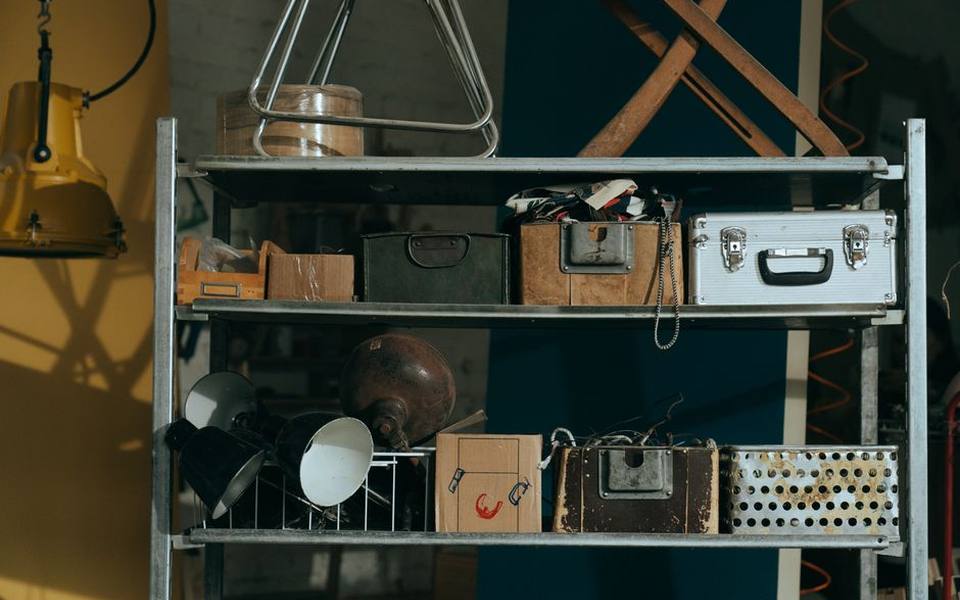
Assess condition by carefully examining the perimeter rims, handle brackets, and locking wire clasp. Lithographed tin scratches easily, and moisture exposure leads quickly to edge rust and bubbling paint. Dents along the stamped front and back panels should be checked for paint flaking; hammered attempts to pop out dents from the inside often crack the brittle vintage litho ink, degrading the piece's display value.
Verify whether the interior retains its original matching insulated beverage thermos. Finding a complete set containing both the tin box and its correct vacuum bottle—complete with plastic drinking cup and cork or screw-in stopper—carries substantial collector preference over empty boxes. Inspect the interior white or grey painted tray for rust staining caused by food condensation leaks during past use.
Sourcing and Caring for Historic Wardrobe Pieces
Building a reliable collection of wearable vintage fashion relies on cultivating relationships with reputable dealers and understanding where original estates disperse. Weekend hunts organized through local estate sales frequently unearth undisturbed wardrobes spanning several decades, offering pristine clothing directly from original cedar closets. Estate cleanouts are particularly fruitful for vintage bridal gowns, outerwear, and accessories that bypassed dealer markups.
Complement your wardrobe hunt by seeking out specialized antique jewelry dealers who stock period-appropriate cuff links, collar pins, and signet rings to complete vintage outfits. Keep in mind that older textiles require gentle conservation; never hang heavy garments on thin wire hangers, which permanently stretch shoulder seams and tear fragile interior silks. Use wide, padded wooden hangers or acid-free storage boxes lined with unbuffered tissue paper.
Establish a regular routine for inspecting vintage garments for moth larvae, silverfish, or musty basement humidity. Always air out newly acquired vintage items outdoors in a shaded, well-ventilated breeze before introducing them into your main closet. With proper cleaning, minor stitching maintenance, and thoughtful storage, vintage garments remain completely wearable artifacts that easily outperform modern fast fashion in both durability and timeless character.
Published 2026-09-21 · reviewed with each rebuild, last September 2026.
Find antique stores near you
The directory lists 25,996 antique stores by state and city — pick your state or use the “Near me” button in the header.
More guides
-
 Owning
Cleaning and Polishing Antique Silver Without Damaging the Patina
-
 Money
MoneyNavigating the Market for Vintage Currency
-
 Owning
Evaluating, Using, and Displaying Mid-Century Glassware and Kitchen Antiques
-
 Buying
Navigating Vintage and Antique Jewelry Styles
-
 Owning
How to Clean and Care for Silverware Without Causing Damage
-
 Owning
Vintage Pyrex Value and Safety Guide: Understanding Collector Patterns and Usage
-
 Buying
A Guide to Sourcing Vintage and Estate Jewelry
-
 Money
MoneyValuable Baseball Cards Guide: Spotting Vintage Sports Collectibles
-
 Owning
How to Clean and Restore Antique Wood Furniture
-
 Money
MoneyHow to Find and Use Antique Price Guides Online
-
 Money
MoneyHow to Determine the Value of Old Books and First Editions
-
 Money
MoneyWhere and How to Sell Vintage Coins for the Best Return
-
 Buying
Choosing and Caring for Vintage and Modern Cast Iron Cookware
-
 Owning
How to Polish and Value Antique Silverware at Home
-
 Owning
How to Clean and Polish Antique Wood Furniture Without Damaging It
-
 Buying
Vintage and Classic Cast Iron Cookware: Buyer's, Value, and Care Guide
-
 Buying
Antique Silverware, Vintage Jewelry, and Collectible Coins Guide
-
 Money
MoneyA Practical Guide to Antique Price Guides and Rare Book Valuations
-
 Owning
How to Clean, Polish, and Refinish Antique Wood Furniture
-
 Owning
Ultimate Guide to Vintage and Antique Cast Iron Cookware: Brands, Seasoning, and Care
-
 Owning
How to Clean, Polish, and Value Vintage Silverware and Antique Jewelry
-
 Buying
Valuing Vintage Collectibles: From Rare Dolls and Slot Machines to Classic Lamps and Churns
-
 Owning
How to Clean, Polish, and Refinish Antique Wood Furniture
-
 Money
MoneyVintage Glassware Value Guide: Pyrex, Depression Glass, CorningWare, and Bottles
-
 Money
MoneyAntique & Vintage Price Guides: How to Value Antiques and Collectibles
-
 Buying
How to Value Old Books and First Editions: A Collector's Price Guide
-
 Money
MoneyWhere and How to Sell Vintage Records and Audio Equipment
-
 Buying
How to Buy, Value, and Sell Vintage Coins: A Practical Beginner's Guide
-
 Buying
Estate Sale Guide: How to Find, Buy, and Liquidate Antiques
-
 Buying
Vintage and Modern Cast Iron Cookware: Identification, Seasoning, Buying, and Care
-
 Money
MoneyComprehensive Guide to Antique Values, Old Books, and Collectibles Pricing
-
 Owning
Cleaning and Caring for Vintage Silverware, Fine Jewelry, and Antique Metals
-
 Owning
How to Clean, Polish, and Refinish Antique Wood Furniture
-
 Buying
Vintage and Modern Cast Iron Cookware: Identification, Caring, and Buying Guide
-
 Owning
Antique Silverware: Cleaning, Polishing at Home, and Value Guide
-
 Owning
Care, Polishing, and Refinishing Guide for Antique Wood Furniture
-
 Buying
Vintage Pyrex, Glassware, and Depression Glass Identification and Value Guide
-
 Money
MoneyAntique Price Guides: How to Value and Sell Antiques Online and Offline
-
 Money
MoneyCollectible Old Books and First Editions: Valuation and Identification Guide
-
 Buying
Vintage Sewing Machines, Stoves, and Antique Tools Value Guide
-
 Buying
Collector Guide to Vintage Door Hardware, Knobs, and Cabinet Pulls
-
 Owning
Antique & Vintage Dolls: Values, Identification, and Care
-
 Buying
Antique Hoosier Cupboards and Vintage Desks: History, Identification, and Value
-
 Service
Grandfather, Wall, and Pocket Clock Repair and Identification Guide
-
 Owning
Antique Rotary Telephones and Landlines: Buying, Restoring, and Converting
-
 Owning
Collecting Vintage Picture Frames and Oil Paintings: Framing and Restoration
-
 Buying
Antique Sewing Machines and Spinning Wheels: Value, Brands, and Maintenance
-
 Buying
Antique Wood Stoves and Log Burners: Buying, Safety, and Restoration Guide
-
 Buying
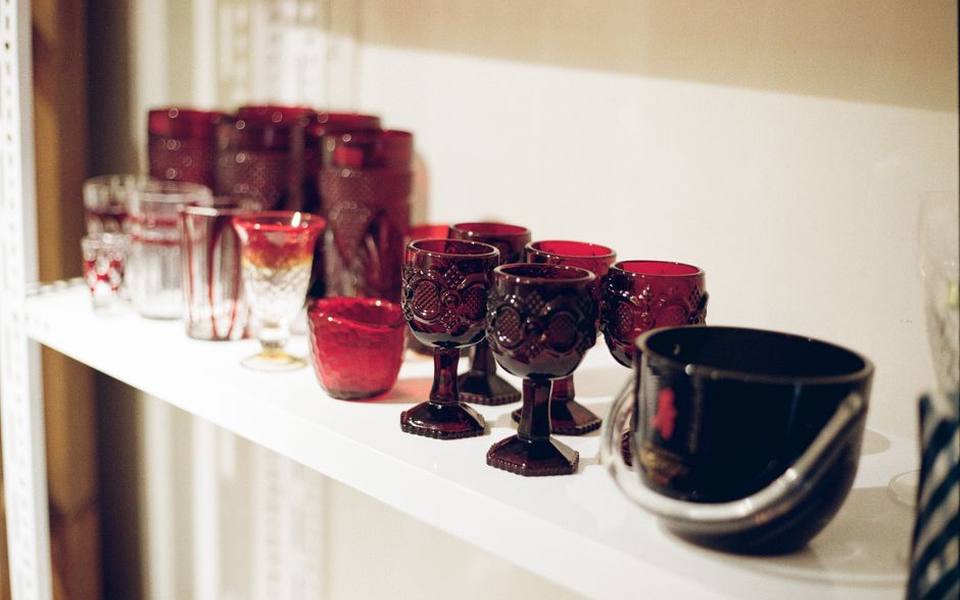
Depression Glass and Antique Canning Jars: Identification and Values
-
 Buying
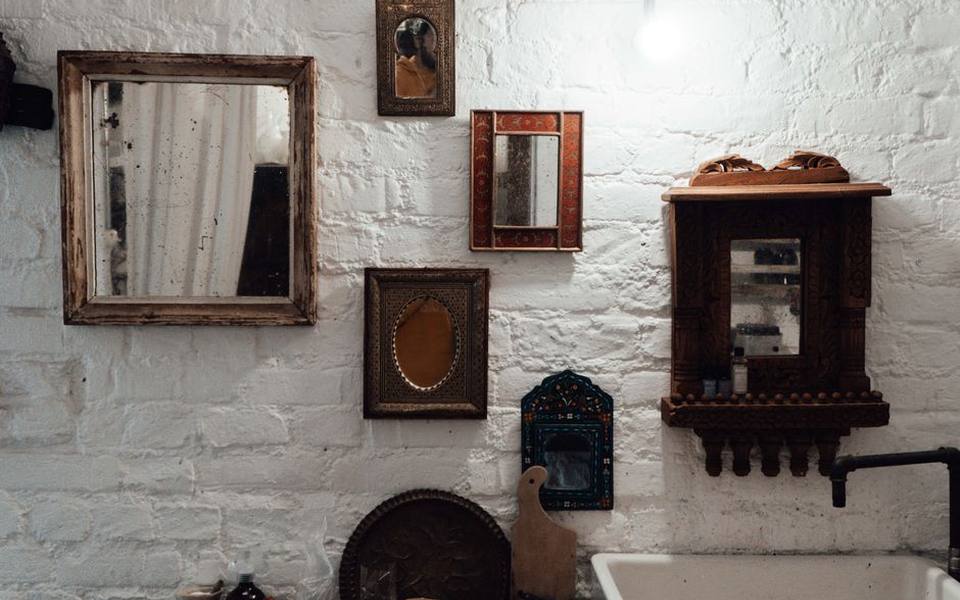
Vintage Mirrors: Identifying, Buying, and Styling Antique Glass
-
 Owning
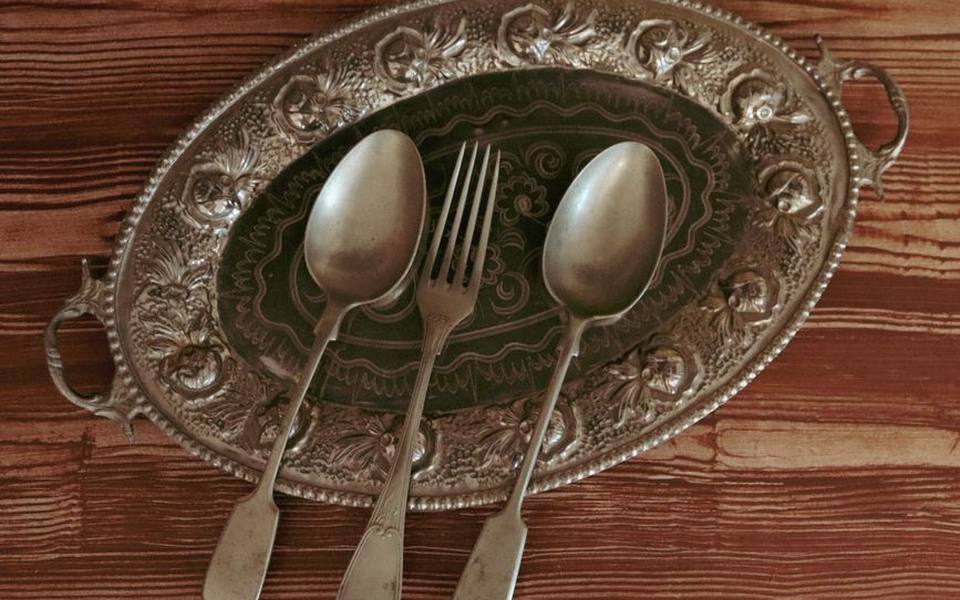
Antique Silverware and Silverplate Flatware: Cleaning, Identification, and Value
-
 Buying
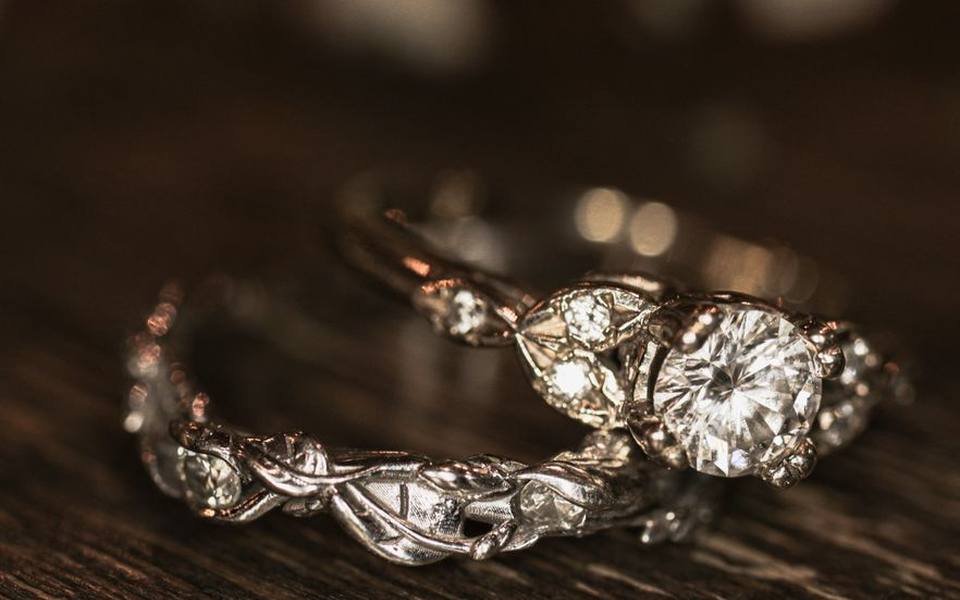
Vintage Engagement Rings and Art Deco Jewelry: Buying and Valuation
-
 Buying
Buyer Guide to Vintage and Antique Furniture: Seating, Tables, Desks, and Reproductions
-
 Buying
Collector Guide to Vintage Toys, Lighters, Sports Ephemera, and Curios
-
 Buying
Architectural Salvage Guide: Sourcing Stained Glass, Mantels, and Historic Hardware