Understanding the market for mid-century kitchenware
The baseline value of mid-century kitchenware depends on the specific pattern, overall condition, and local collector demand. Rare mixing bowls typically command higher prices, while common solid colors remain accessible. To figure out what a piece is worth, collectors usually look at recent completed sales rather than current asking prices, which provides a more realistic picture of the active market.
Physical flaws significantly reduce the final value of any collectible dish, regardless of rarity. A pristine bowl with its original glossy finish generally fetches a premium compared to one that is dull from heavy use. When estimating the worth of older ceramic tableware, you will notice that prices for colorful glazed pieces fluctuate depending on color rarity and the presence of minor chips.
For highly sought-after or exceptionally rare items, seeking a professional opinion is a practical move. A certified expert can assess the condition properly and provide a formal statement of worth, which is useful for insurance purposes. You might look into on-site appraisal services to get a precise evaluation of your culinary antiques without relying solely on internet guesswork.
Evaluating the safety of older cookware
A frequent concern is whether brightly colored vintage dishes remain safe for daily food preparation. Because manufacturing standards differed decades ago, some older glass and glazes may contain trace amounts of heavy metals. While many enthusiasts continue to bake in them without issue, experts often advise caution, particularly when acidic foods are involved or if the interior cooking surface shows significant physical wear.
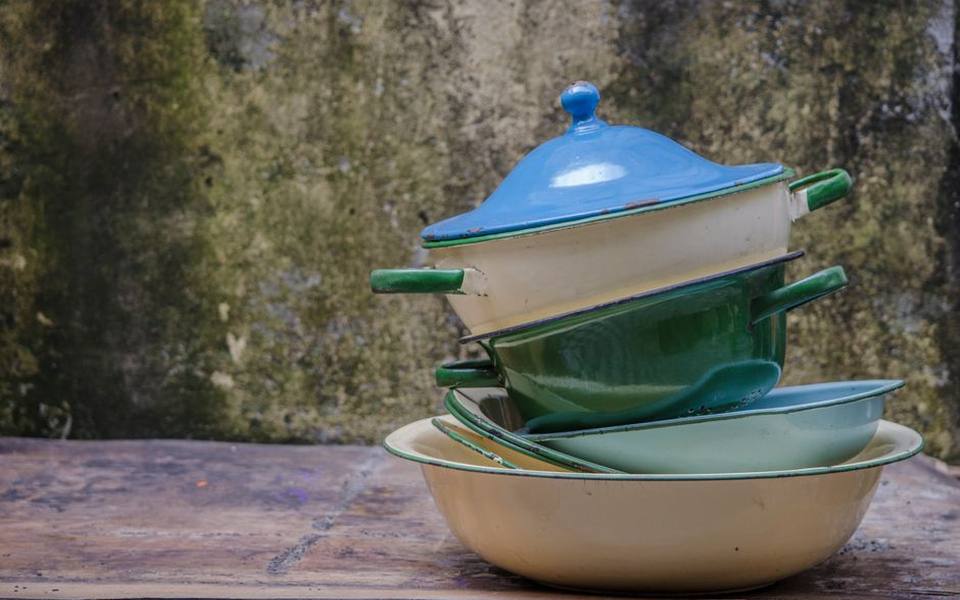
The structural integrity of older glassware is another factor to evaluate before placing it in a hot oven. Decades of repeated heating and cooling slowly weaken the material, making it susceptible to sudden temperature shocks. It is generally advised to avoid moving these dishes directly from a cold refrigerator into a preheated oven, as rapid temperature changes might easily cause the glass to shatter.
Modern kitchen appliances pose a significant threat to the preservation of these beloved items. Harsh dishwasher detergents and high heat drying cycles quickly strip the glossy finish and vibrant paint off older bowls, leaving them permanently cloudy. Hand washing with a mild dish soap and a soft, non-abrasive sponge is typically the absolute best method to maintain both structural safety and visual appeal.
Identifying patterns through reference materials
Accurately identifying the specific design on a dish is essential for understanding its production history. Manufacturers released dozens of seasonal, promotional, and standard patterns over the years, making it challenging to memorize them all. Enthusiasts often rely on comprehensive visual guides featuring detailed photographs of each pattern alongside production years, which makes the matching process straightforward even for newcomers to the hobby.
Many modern collectors prefer digital reference formats, keeping a downloadable document file on their smartphones for quick access at crowded flea markets. A portable document allows you to instantly zoom in on intricate details, such as the exact shade of a painted floral motif. This detail can often be the deciding factor between a common piece and a rare promotional release.
Beyond examining the visual design, understanding the stamps embossed on the bottom of the glassware is crucial. These manufacturer marks changed slightly from decade to decade, and careful examination helps pinpoint the exact era of production. If markings happen to be faded, the combination of the piece's shape, color, and painted pattern usually provides enough context to make an accurate identification.
Creative ways to store and showcase your collection
Once you gather a few beautiful pieces, you might want to integrate them into your home decor rather than keeping them hidden. Open shelving is an increasingly popular choice for displaying brightly colored bowls, allowing them to serve as a warm focal point. Stacking bowls by size or grouping various items by a specific color palette creates a cohesive, organized look.
Traditional dining room hutches provide excellent display options while offering essential protection from everyday kitchen grease and dust. Repurposing older cabinetry adds another fascinating layer of historical interest to your space. If you are looking for the perfect display piece, browsing through antique furniture stores can yield sturdy, well-crafted shelves or solid wood cupboards that suit your specific interior design needs beautifully.
When arranging antique metal or wooden cooking utensils, consider using period-appropriate containers like large ceramic pitchers to hold them upright on the counter. Alternatively, mounting an older wooden rack directly on the wall allows you to hang individual utensils, turning functional tools into visual art. This approach keeps your culinary antiques visible while ensuring they remain safely out of the way.
Browsing local markets and regional variations
The availability and pricing of collectible kitchen items vary significantly depending on exactly where you are shopping. Large multi-dealer spaces typically provide a high concentration of vendors specializing in mid-century home goods. Exploring these large venues, where multiple dealers selling under one roof operate, allows you to easily compare conditions and asking prices across a wide variety of patterns in a single afternoon.
The massive volume of inventory floating around across the country means patience usually pays off when hunting for a specific item. Our directory tracks 14,077 listings in top states, reflecting a vast network of independent sellers. Certain areas have a higher density of these shops; for example, Texas hosts over two thousand locations, while Ohio offers nearly a thousand distinct venues for dedicated collectors.
If your schedule is tight during the standard work week, planning weekend hunting trips is a practical strategy. Many independent dealers adjust their operating hours to accommodate recreational weekend shoppers. Checking ahead for shops that remain open on Sunday helps maximize your weekend road trips, significantly increasing your chances of finding that elusive patterned casserole dish or missing vintage mixing bowl.
Published 2026-09-20 · reviewed with each rebuild, last September 2026.
Find antique stores near you
The directory lists 25,996 antique stores by state and city — pick your state or use the “Near me” button in the header.
More guides
-
 Owning
Cleaning and Polishing Antique Silver Without Damaging the Patina
-
 Money
MoneyNavigating the Market for Vintage Currency
-
 Buying
Navigating Vintage and Antique Jewelry Styles
-
 Owning
How to Clean and Care for Silverware Without Causing Damage
-
 Owning
Vintage Pyrex Value and Safety Guide: Understanding Collector Patterns and Usage
-
 Buying
A Guide to Sourcing Vintage and Estate Jewelry
-
 Money
MoneyValuable Baseball Cards Guide: Spotting Vintage Sports Collectibles
-
 Owning
How to Clean and Restore Antique Wood Furniture
-
 Money
MoneyHow to Find and Use Antique Price Guides Online
-
 Money
MoneyHow to Determine the Value of Old Books and First Editions
-
 Money
MoneyWhere and How to Sell Vintage Coins for the Best Return
-
 Buying
Choosing and Caring for Vintage and Modern Cast Iron Cookware
-
 Owning
How to Polish and Value Antique Silverware at Home
-
 Owning
How to Clean and Polish Antique Wood Furniture Without Damaging It
-
 Buying
Vintage and Classic Cast Iron Cookware: Buyer's, Value, and Care Guide
-
 Buying
Antique Silverware, Vintage Jewelry, and Collectible Coins Guide
-
 Money
MoneyA Practical Guide to Antique Price Guides and Rare Book Valuations
-
 Owning
How to Clean, Polish, and Refinish Antique Wood Furniture
-
 Owning
Ultimate Guide to Vintage and Antique Cast Iron Cookware: Brands, Seasoning, and Care
-
 Owning
How to Clean, Polish, and Value Vintage Silverware and Antique Jewelry
-
 Buying
Valuing Vintage Collectibles: From Rare Dolls and Slot Machines to Classic Lamps and Churns
-
 Owning
How to Clean, Polish, and Refinish Antique Wood Furniture
-
 Money
MoneyVintage Glassware Value Guide: Pyrex, Depression Glass, CorningWare, and Bottles
-
 Money
MoneyAntique & Vintage Price Guides: How to Value Antiques and Collectibles
-
 Buying
How to Value Old Books and First Editions: A Collector's Price Guide
-
 Money
MoneyWhere and How to Sell Vintage Records and Audio Equipment
-
 Buying
How to Buy, Value, and Sell Vintage Coins: A Practical Beginner's Guide
-
 Buying
Estate Sale Guide: How to Find, Buy, and Liquidate Antiques
-
 Buying
Vintage and Modern Cast Iron Cookware: Identification, Seasoning, Buying, and Care
-
 Money
MoneyComprehensive Guide to Antique Values, Old Books, and Collectibles Pricing
-
 Owning
Cleaning and Caring for Vintage Silverware, Fine Jewelry, and Antique Metals
-
 Owning
How to Clean, Polish, and Refinish Antique Wood Furniture
-
 Buying
Vintage and Modern Cast Iron Cookware: Identification, Caring, and Buying Guide
-
 Owning
Antique Silverware: Cleaning, Polishing at Home, and Value Guide
-
 Owning
Care, Polishing, and Refinishing Guide for Antique Wood Furniture
-
 Buying
Vintage Pyrex, Glassware, and Depression Glass Identification and Value Guide
-
 Money
MoneyAntique Price Guides: How to Value and Sell Antiques Online and Offline
-
 Money
MoneyCollectible Old Books and First Editions: Valuation and Identification Guide
-
 Buying
Vintage Sewing Machines, Stoves, and Antique Tools Value Guide
-
 Buying
Collector Guide to Vintage Door Hardware, Knobs, and Cabinet Pulls
-
 Owning
Antique & Vintage Dolls: Values, Identification, and Care
-
 Buying
Antique Hoosier Cupboards and Vintage Desks: History, Identification, and Value
-
 Service
Grandfather, Wall, and Pocket Clock Repair and Identification Guide
-
 Owning
Antique Rotary Telephones and Landlines: Buying, Restoring, and Converting
-
 Owning
Collecting Vintage Picture Frames and Oil Paintings: Framing and Restoration
-
 Buying
Antique Sewing Machines and Spinning Wheels: Value, Brands, and Maintenance
-
 Buying
Antique Wood Stoves and Log Burners: Buying, Safety, and Restoration Guide
-
 Buying
Depression Glass and Antique Canning Jars: Identification and Values
-
 Buying
Vintage Mirrors: Identifying, Buying, and Styling Antique Glass
-
 Owning
Antique Silverware and Silverplate Flatware: Cleaning, Identification, and Value
-
 Buying
Vintage Engagement Rings and Art Deco Jewelry: Buying and Valuation
-
 Buying
Buyer Guide to Vintage and Antique Furniture: Seating, Tables, Desks, and Reproductions
-
 Buying
Collector Guide to Vintage Toys, Lighters, Sports Ephemera, and Curios
-
 Buying
Architectural Salvage Guide: Sourcing Stained Glass, Mantels, and Historic Hardware
-
 Buying
Vintage Fashion and Heirloom Style: Sourcing Dresses, Denim, Leather, and Ephemera