Understanding What Makes Everyday Antiques and Collectibles Valuable
Determining whether an attic discovery or thrift store find holds genuine market value comes down to rarity, historic provenance, original condition, and collector demand. While mass-produced items from past decades often retain primarily sentimental value, specific production years, factory variations, and pristine preservation can elevate standard household goods into highly coveted artifacts. Navigating this marketplace requires separating common decorative pieces from true investment-grade antiques before you spend money or negotiate with an estate seller.
A common mistake among novice collectors is assuming that sheer age automatically dictates monetary worth. In reality, an early twentieth-century item manufactured by the millions might fetch only modest sums, whereas a rare mid-century advertising piece or mechanical device could easily demand thousands. Wear patterns, missing internal parts, unoriginal replacement hardware, and amateur restoration attempts can drastically reduce resale potential. Understanding factory hallmarks, casting marks, and historical context provides the baseline needed to assess genuine market liquidity.
Whether you are hunting through neighborhood barn sales or browsing multi-dealer booths at regional antique malls, having realistic pricing expectations protects your budget. Experienced collectors examine maker stamps, patent dates, and subtle manufacturing details rather than relying on gut feelings. By learning the specific attributes that drive value in key categories, you can spot authentic treasures, avoid overpriced reproductions, and make confident purchases.
Determining Which Vintage Baseball Cards Hold Substantial Value
Cardboard sports memorabilia represents one of the most volatile segments of the hobby, leaving many people to wonder whether inherited shoeboxes of cards are worth significant money. The short answer depends entirely on the era of manufacture, star player recognition, and microscopic differences in physical condition. Generally, cards produced before the mid-1970s hold much stronger market appeal than the mass-printed cards of the late 1980s and 1990s, an era commonly known among hobbyists as the junk wax era.
Pre-war tobacco cards, vintage bubble gum issues from the 1930s through the 1950s, and true rookie cards of Hall of Fame athletes command the highest valuations. Factors like centering, sharp corner integrity, print registration, and edge wear dictate prices drastically; a vintage card with soft corners might bring fifty dollars, while an identical card in mint condition could realize tens of thousands at auction. If an older collection has been stored loosely in rubber bands, surface creasing will typically depress the overall value.
Unless an older card features an iconic legend or represents an elusive short-print run, common player cards from the mid-twentieth century typically trade for nominal amounts in bulk lots. Serious valuation begins with professional grading, where independent authenticators seal the card in tamper-evident plastic slabs. If you suspect you possess early twentieth-century gems, seeking advice through certified appraisal services is the safest step before entertaining private offers.
Rare Antique Dolls and Bisque Collectibles
Antique doll valuation requires a discerning eye for head markings, material composition, and body originality. The most valuable antique dolls typically feature poured bisque or unglazed porcelain heads produced by celebrated French and German manufacturers between the late 1860s and the 1920s. French bebes and fashion figures crafted by makers like Jumeau, Bru, or Steiner frequently command premium prices, often stretching well into four figures when found in unblemished condition with their original pate and mohair wigs.
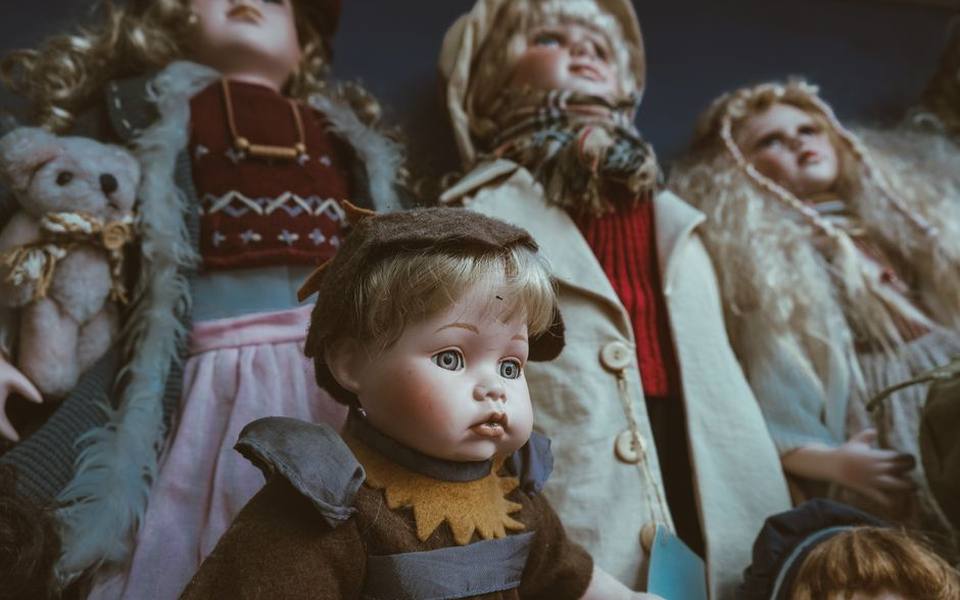
German character dolls, such as those marked with Armand Marseille, Kestner, or Kammer & Reinhardt stamps, are far more common in estate inventories. While everyday German shoulder-head dolls might sell in the modest range of seventy-five to two hundred dollars depending on size and clothing, rare character faces or life-sized examples achieve considerably higher bids. Crucially, hairline fractures across the bisque, chips around the eye sockets, or replaced composition bodies can cut market value by half or more.
Cloth, wood, and early celluloid dolls also boast dedicated collector followings, but their fragility means museum-grade survivors are exceptionally scarce. Collectors scrutinize whether garments are authentic period attire or later polyester replacements, as original shoes, hats, and undergarments preserve historical integrity. Before buying an antique doll, illuminating the interior of the porcelain head with a small penlight will reveal hidden repairs or hairline cracks that would otherwise go unnoticed.
The Reality of Hummel Figurines in the Current Market
Porcelain Hummel figurines, based on the sketches of Sister Maria Innocentia Hummel and produced by the German manufacturer Goebel, were once staple investments for mid-century households. Today, however, the resale landscape for Hummels has softened dramatically due to extensive secondary market supply as older collections disperse. Most common figurines that once traded for hundreds of dollars during the collector boom of the 1980s now sell for twenty to fifty dollars at typical resale venues.
Despite this general downward trend, certain rare Hummel figurines still hold meaningful collector value. Value hinges on the trademark stamp located on the underside of the base, spanning from the early double-crown mark of the 1930s to later stylized bee variations. Extremely early production pieces, rare prototypes, large-format masterworks like the Century Collection, and figurines with unusual color palettes can still command hundreds or occasionally thousands from devoted specialists.
Condition remains paramount when evaluating any Goebel figurine. Microscopic crazing within the glaze, small chips on petal edges, or repaired fractures across slender limbs essentially eliminate collectible value for all but the rarest models. If you have inherited an extensive display case of Hummels, cataloging their underside trademark numbers and cross-referencing completed auction listings will help separate mass-market display pieces from the handful of valuable early editions.
Vintage and Antique Mechanical Slot Machines
Mechanical three-reel slot machines from the golden age of coin-operated novelties—roughly 1900 through the 1940s—rank among the most desirable antique mechanical devices. Produced by pioneering manufacturers such as Mills Novelty, Jennings, Pace, and Watling, these cast-iron and aluminum machines are prized for their intricate engineering and nostalgic appeal. A complete, functioning mechanical antique slot machine typically ranges in cost from fifteen hundred to five thousand dollars, with pristine or exceptionally rare models climbing higher.
Pricing for vintage slot machines depends heavily on mechanical condition, casting completeness, and cosmetic originality. Machines retaining their factory reel strips, original award cards, undamaged cash boxes, and authentic back doors bring substantial premiums. Conversely, units that were modified in the 1970s with unoriginal paint schemes, converted denominations, or reproduction internal linkages suffer marked valuation discounts among purists who favor unmolested mechanical integrity.
Before purchasing or attempting to resell an antique slot machine, buyers must understand regional ownership regulations. In most states, owning a vintage mechanical slot machine for private home use is entirely legal provided the machine has reached a specified statutory age, often twenty-five or thirty years old. However, some jurisdictions enforce strict restrictions regarding coin-op gaming equipment, making it prudent to verify local antique ownership guidelines before shipping across state borders.
Identifying Heritage Rocking Chairs and Wooden Furniture
Authenticating an antique rocking chair requires evaluating wood species, joinery techniques, and stylistic proportions. True antique rockers dating from the nineteenth or early twentieth centuries typically display mortise-and-tenon or early dowel joints, irregular hand-planed surfaces, and subtle wear patterns on the arms and front rungs where feet naturally rested. Identifying styles—such as classic Boston rockers, Shaker ladder-backs, bentwood Thonet designs, or late Victorian pressed-back models—is the first step in estimating value.
Condition considerations for wooden seating differ from decorative ceramics because structural stability is fundamental. A rocking chair with original dark patina or early milk-paint finish will almost always carry higher antique value than one stripped and refinished with modern polyurethane. Loose joints can be repaired by specialized woodworkers, but split rocker runners, cracked steam-bent crest rails, or broken cane seats will require professional restoration that must be factored into the purchase cost.
Prices for collectible rocking chairs vary widely across the secondary market. Everyday late-Victorian oak press-back chairs can be found in quality antique furniture stores for one hundred to three hundred dollars, offering practical home utility. Conversely, documented Shaker pieces or signed designer mid-century rocking chairs by masters like Sam Maloof or Hans Wegner can easily command thousands of dollars from architectural collectors.
Rustic Farmhouse Collectibles and Dazey Butter Churns
Pioneering kitchen tools continue to capture the imagination of rustic decor enthusiasts, with glass hand-crank butter churns standing out as perennial favorites. Manufactured in St. Louis during the early to mid-twentieth century, authentic Dazey butter churns are recognizable by their heavy cast-iron gear mechanisms, wooden churn paddles, and prominently embossed glass jars. Valuation guides typically assess these churns based on model size, glass mold variations, and the presence of original mechanical parts.
Dazey churns were produced in multiple volume capacities, commonly designated by numbers cast directly into the metal mechanism, such as No. 10, No. 20, No. 30, and No. 40. Smaller, diminutive sizes—such as the one-quart or pint models—are far scarcer than standard four-quart kitchen units, often fetching four hundred dollars or more among dedicated kitchenware collectors. Common four-quart churns in clean, operational condition typically trade between seventy-five and one hundred and seventy-five dollars.
Collectors should exercise caution regarding reproduction churns that flooded the gift market over recent decades. Modern replicas often feature glaring casting flaws, misspelled embossing, sloppy unmeshed gears, and artificially aged zinc lids. Authentic vintage Dazey churns display crisp lettering, smooth gear operation, and natural patina earned from genuine kitchen use rather than chemical distressing.
Antique Kerosene and Vintage Oil Lamps
Before rural electrification swept across the country, oil and kerosene lamps provided standard domestic illumination, leaving behind a rich legacy of functional glassware and metalwork. Early whale-oil lamps from the mid-nineteenth century, pressed pattern glass fluid lamps, and late Victorian parlor lamps—often called 'gone with the wind' lamps—form a broad price spectrum. An everyday molded glass finger lamp might sell for twenty to forty dollars, while ornate painted art glass lamps frequently bring hundreds.
Among kerosene lighting collectors, mantle lamps produced by the Aladdin Mantle Lamp Company occupy a revered position. Aladdin lamps utilized a specialized circular wick and incandescent mantle that generated brilliant white light far superior to simple flat-wick competitors. Collectors actively hunt vintage Aladdin models crafted from colored glass formulations like jadeite, alacite, or cobalt blue, with complete, undamaged lamps carrying original chimneys easily exceeding two to three hundred dollars.
When assessing vintage oil lamps, condition details are critical to accurate pricing. Examine the glass font carefully for hairline thermal cracks around the collar, check the chimney rim for jagged chips, and test the brass thumb-turn knob to ensure the wick riser teeth are not stripped. Repurposing or drilling antique lamps for modern electrical cords often destroys their historical value, so collectors prioritize lamps that retain their unmodified, operational fuel burners.
Classic Brass Stiffel Lamps and Mid-Century Lighting
Founded in Chicago in 1932, the Stiffel Lamp Company earned a legendary reputation for producing heavy, high-end decorative lighting throughout the mid-twentieth century. Known for their timeless neoclassical profiles, torchiere standards, and Hollywood Regency aesthetics, vintage Stiffel lamps remain popular fixtures in antique showrooms. Valuations for genuine Stiffel lamps typically range from eighty to three hundred dollars per lamp, with matching pairs, ornate floor models, and rare tension-pole designs reaching higher brackets.
The primary hallmark of a genuine Stiffel lamp is its substantial physical weight, resulting from premium cast zinc alloys heavily electroplated with rich antiqued brass finishes. Authentic lamps generally retain their distinctive foil label wrapped around the socket switch or an embossed maker stamp pressed directly into the felt-lined weighted base. If a lamp feels lightweight, thin, or hollow when lifted, it is likely a period imitation produced by a competing budget manufacturer.
When browsing lighting options, inspect the state of the brass plating and the electrical components. Light surface tarnish is acceptable, but deep pitting, peeling electroplate, or damaged column stems can be costly to refinish properly. Furthermore, older wiring should always be evaluated for safety; thankfully, replacing brittle mid-century cord sets with modern cloth-covered wire is an inexpensive update that preserves usability without damaging the collectible lamp base.
Mechanical Clockworks and Antique Singer Sewing Machines
Mechanical collectibles like antique mantle clocks and treadle sewing machines combine functional precision with exceptional industrial craftsmanship. Cast-iron Singer sewing machines, particularly iconic models like the Singer Featherweight 221 or ornate Victorian treadles with Egyptian Sphinx decals, continue to generate high transaction volume. While heavy treadle machines housed in oak cabinets typically sell for one hundred to three hundred dollars due to their bulky size, lightweight portable Featherweights often command four hundred to eight hundred dollars.
Similarly, the market for antique clocks—encompassing American makers such as Seth Thomas, Ansonia, and Waterbury—rewards horological originality. Walnut or mahogany parlor clocks, steep-pitched gingerbread clocks, and schoolhouse regulators trade across wide price bands depending on gear-train integrity. A clock that strikes cleanly on the hour with its original pendulum, key, and uncracked reverse-painted tablet is worth substantially more than an incomplete decorative case with seized works.
Before committing funds to heavy mechanical antiques, buyers should check serial numbers against online manufacturer databases to establish exact assembly dates. For Singer machines, numbers stamped into the front brass plate or cast-iron bed pinpoint factory locations and production batches instantly. For intricate clocks, confirming whether the escapement functions without binding will help you determine whether the piece is ready to enjoy or facing an expensive restoration bench.
Inspecting, Authenticating, and Selling Vintage Treasures
Successfully transacting in vintage collectibles requires disciplined vetting and sensible sales strategies. When inspecting candidate items, bring along a handheld magnifying loupe, a small LED flashlight, and a blacklight to uncover hidden porcelain repairs, repaired glass chips, and reproduction paintwork. Asking dealers about the provenance of an item or requesting documentation for high-value novelties ensures transparency before any cash changes hands.
If you are looking to liquidate an inherited collection rather than buy, several avenues exist depending on your timeline and labor tolerance. Selling through local antique consignment shops relieves you of marketing duties while offering physical retail exposure to dedicated buyers. For entire households containing mixed collectibles, consulting companies specializing in estate sales can clear volume efficiently while identifying underlying rarities that warrant individual auction placement.
No matter which collecting niche captures your interest, knowledge remains your most valuable asset. Tracking completed transaction results rather than speculative asking prices on digital marketplaces gives you a true pulse of collector demand. By pairing patient research with disciplined physical inspections, you can curate a remarkable collection of vintage treasures that bring both historical charm and long-term tangible value to your home.
Published 2026-09-20 · reviewed with each rebuild, last September 2026.
Find antique stores near you
The directory lists 25,996 antique stores by state and city — pick your state or use the “Near me” button in the header.
More guides
-
 Owning
Cleaning and Polishing Antique Silver Without Damaging the Patina
-
 Money
MoneyNavigating the Market for Vintage Currency
-
 Owning
Evaluating, Using, and Displaying Mid-Century Glassware and Kitchen Antiques
-
 Buying
Navigating Vintage and Antique Jewelry Styles
-
 Owning
How to Clean and Care for Silverware Without Causing Damage
-
 Owning
Vintage Pyrex Value and Safety Guide: Understanding Collector Patterns and Usage
-
 Buying
A Guide to Sourcing Vintage and Estate Jewelry
-
 Money
MoneyValuable Baseball Cards Guide: Spotting Vintage Sports Collectibles
-
 Owning
How to Clean and Restore Antique Wood Furniture
-
 Money
MoneyHow to Find and Use Antique Price Guides Online
-
 Money
MoneyHow to Determine the Value of Old Books and First Editions
-
 Money
MoneyWhere and How to Sell Vintage Coins for the Best Return
-
 Buying
Choosing and Caring for Vintage and Modern Cast Iron Cookware
-
 Owning
How to Polish and Value Antique Silverware at Home
-
 Owning
How to Clean and Polish Antique Wood Furniture Without Damaging It
-
 Buying
Vintage and Classic Cast Iron Cookware: Buyer's, Value, and Care Guide
-
 Buying
Antique Silverware, Vintage Jewelry, and Collectible Coins Guide
-
 Money
MoneyA Practical Guide to Antique Price Guides and Rare Book Valuations
-
 Owning
How to Clean, Polish, and Refinish Antique Wood Furniture
-
 Owning
Ultimate Guide to Vintage and Antique Cast Iron Cookware: Brands, Seasoning, and Care
-
 Owning
How to Clean, Polish, and Value Vintage Silverware and Antique Jewelry
-
 Owning
How to Clean, Polish, and Refinish Antique Wood Furniture
-
 Money
MoneyVintage Glassware Value Guide: Pyrex, Depression Glass, CorningWare, and Bottles
-
 Money
MoneyAntique & Vintage Price Guides: How to Value Antiques and Collectibles
-
 Buying
How to Value Old Books and First Editions: A Collector's Price Guide
-
 Money
MoneyWhere and How to Sell Vintage Records and Audio Equipment
-
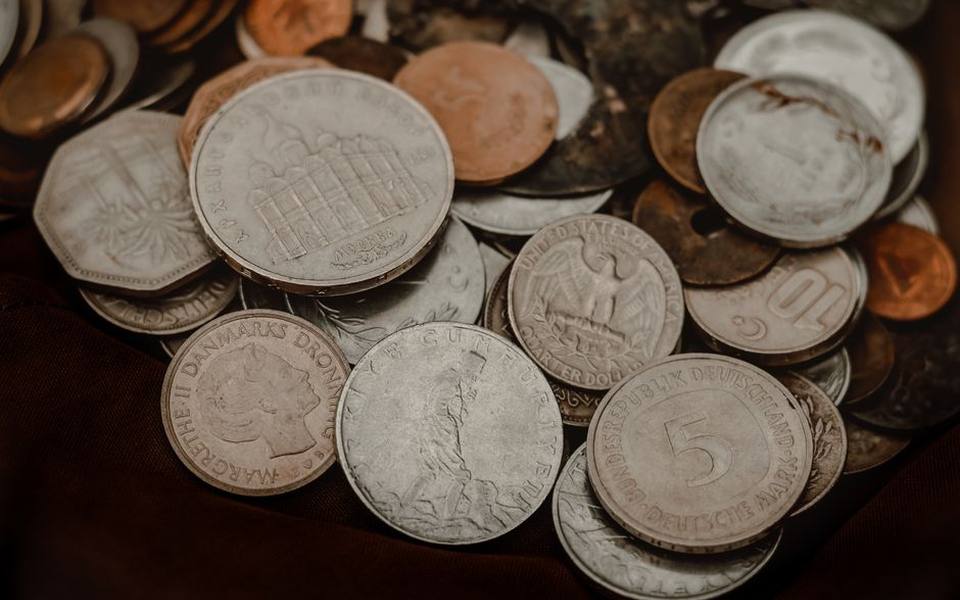 Buying
How to Buy, Value, and Sell Vintage Coins: A Practical Beginner's Guide
-
 Buying
Estate Sale Guide: How to Find, Buy, and Liquidate Antiques
-
 Buying
Vintage and Modern Cast Iron Cookware: Identification, Seasoning, Buying, and Care
-
 Money
MoneyComprehensive Guide to Antique Values, Old Books, and Collectibles Pricing
-
 Owning
Cleaning and Caring for Vintage Silverware, Fine Jewelry, and Antique Metals
-
 Owning
How to Clean, Polish, and Refinish Antique Wood Furniture
-
 Buying
Vintage and Modern Cast Iron Cookware: Identification, Caring, and Buying Guide
-
 Owning
Antique Silverware: Cleaning, Polishing at Home, and Value Guide
-
 Owning
Care, Polishing, and Refinishing Guide for Antique Wood Furniture
-
 Buying
Vintage Pyrex, Glassware, and Depression Glass Identification and Value Guide
-
 Money
MoneyAntique Price Guides: How to Value and Sell Antiques Online and Offline
-
 Money
MoneyCollectible Old Books and First Editions: Valuation and Identification Guide
-
 Buying
Vintage Sewing Machines, Stoves, and Antique Tools Value Guide
-
 Buying
Collector Guide to Vintage Door Hardware, Knobs, and Cabinet Pulls
-
 Owning
Antique & Vintage Dolls: Values, Identification, and Care
-
 Buying
Antique Hoosier Cupboards and Vintage Desks: History, Identification, and Value
-
 Service
Grandfather, Wall, and Pocket Clock Repair and Identification Guide
-
 Owning
Antique Rotary Telephones and Landlines: Buying, Restoring, and Converting
-
 Owning
Collecting Vintage Picture Frames and Oil Paintings: Framing and Restoration
-
 Buying
Antique Sewing Machines and Spinning Wheels: Value, Brands, and Maintenance
-
 Buying
Antique Wood Stoves and Log Burners: Buying, Safety, and Restoration Guide
-
 Buying
Depression Glass and Antique Canning Jars: Identification and Values
-
 Buying
Vintage Mirrors: Identifying, Buying, and Styling Antique Glass
-
 Owning
Antique Silverware and Silverplate Flatware: Cleaning, Identification, and Value
-
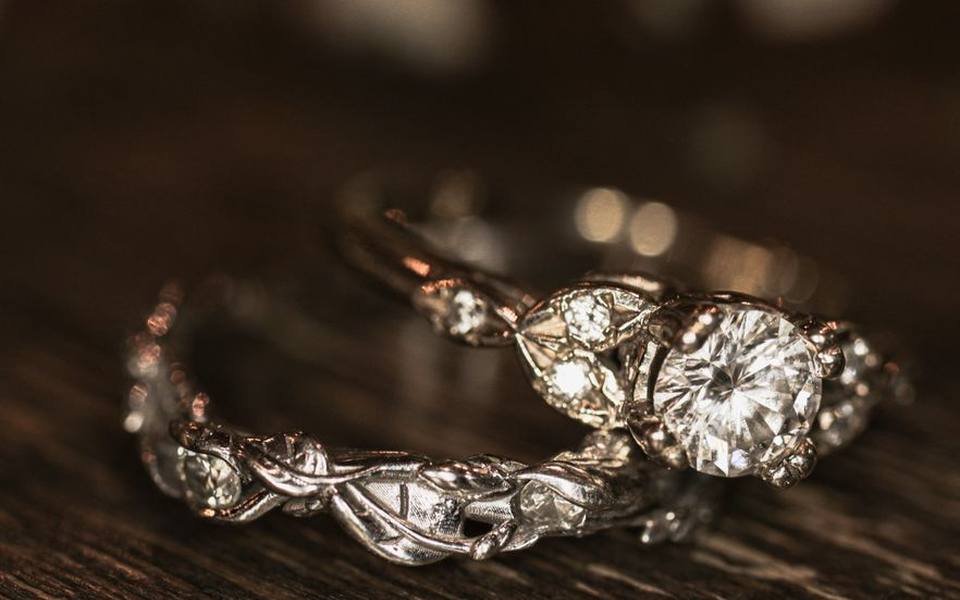 Buying
Vintage Engagement Rings and Art Deco Jewelry: Buying and Valuation
-
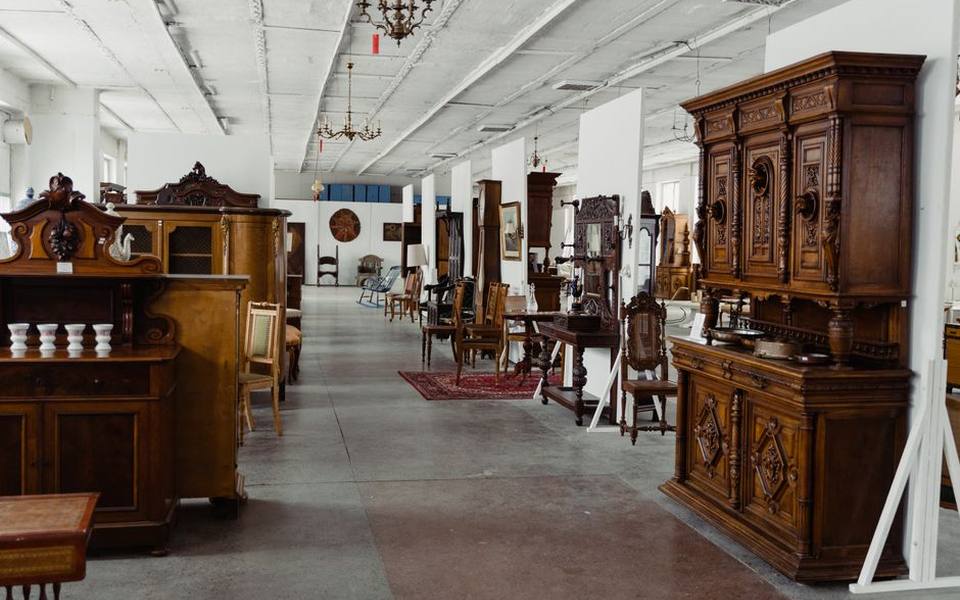 Buying
Buyer Guide to Vintage and Antique Furniture: Seating, Tables, Desks, and Reproductions
-
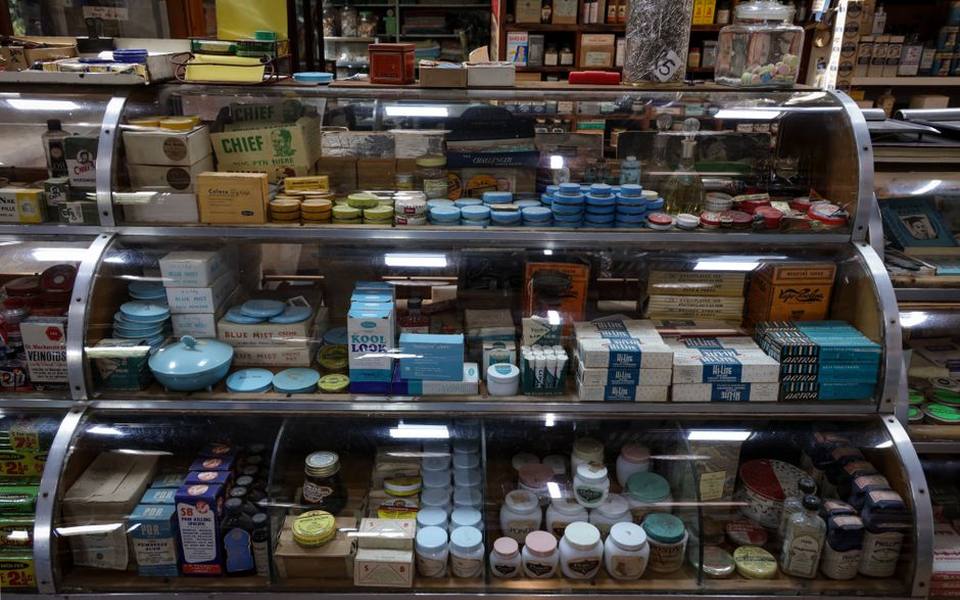 Buying
Collector Guide to Vintage Toys, Lighters, Sports Ephemera, and Curios
-
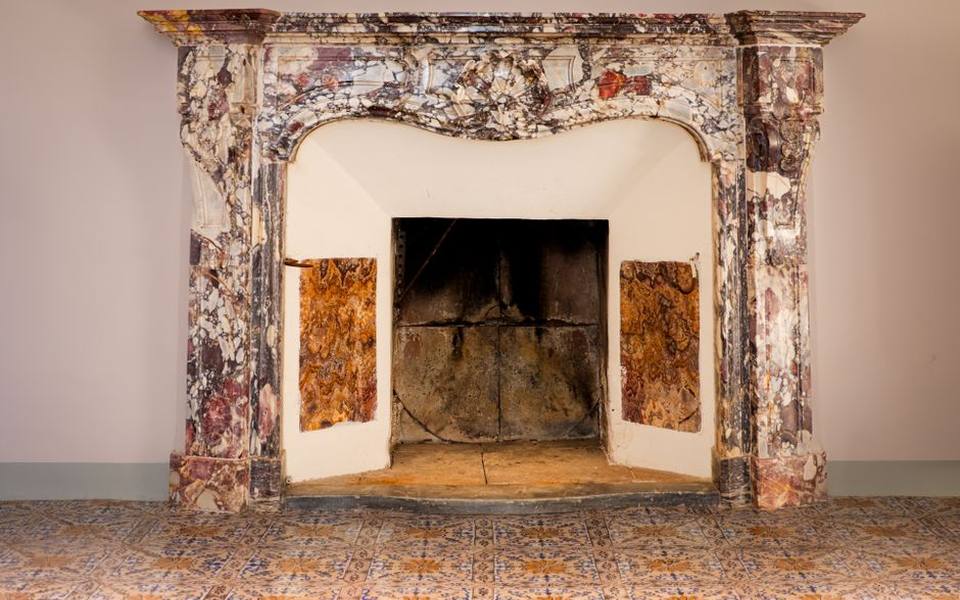 Buying
Architectural Salvage Guide: Sourcing Stained Glass, Mantels, and Historic Hardware
-
 Buying
Vintage Fashion and Heirloom Style: Sourcing Dresses, Denim, Leather, and Ephemera