Finding the Right Venue for Your Collection
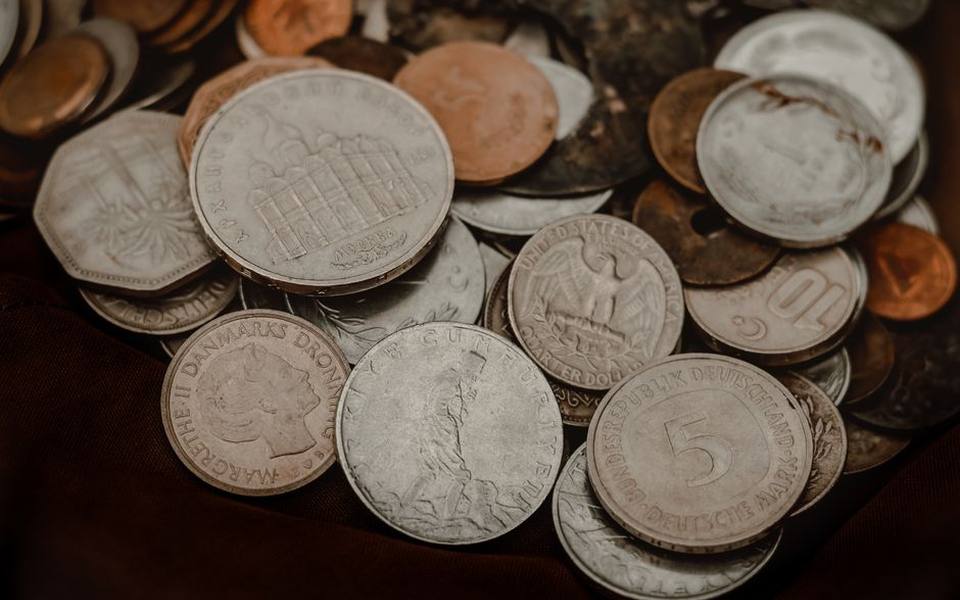
When it comes to exchanging old currency, local dealers, dedicated numismatic shops, and established consignment venues offer the most secure paths. You avoid the risks of shipping valuable items to unknown buyers and can negotiate face-to-face with professionals who understand grading and market demand. While online auction sites exist, local physical venues provide immediate payment and eliminate the uncertainty of buyer claims or lost packages.
For those looking to add to their collections, visiting physical storefronts allows you to inspect the condition of a piece before committing. Grading is highly subjective, and even a slight difference in wear can significantly alter the overall value. Holding a piece under a magnifying loop lets you verify the strike quality and spot any potential cleaning or damage that static photos might hide.
Whether you are liquidating an inherited estate or hunting for a specific silver piece to complete a set, understanding the different types of venues is crucial. Each option, from specialized dealers to multi-vendor markets, has its own fee structure and negotiation culture. Knowing these subtle differences helps you maximize your return or secure a fair purchase price without feeling rushed or pressured.
Understanding the True Value of Your Pieces
Before attempting to negotiate a trade or cash sale, you need a realistic idea of what your collection is worth in the current market. Many people assume older automatically means more valuable, but rarity and physical condition usually dictate the final price. A heavily worn century-old piece might be worth only its metallic content, while a well-preserved mid-century strike could command a strong premium.
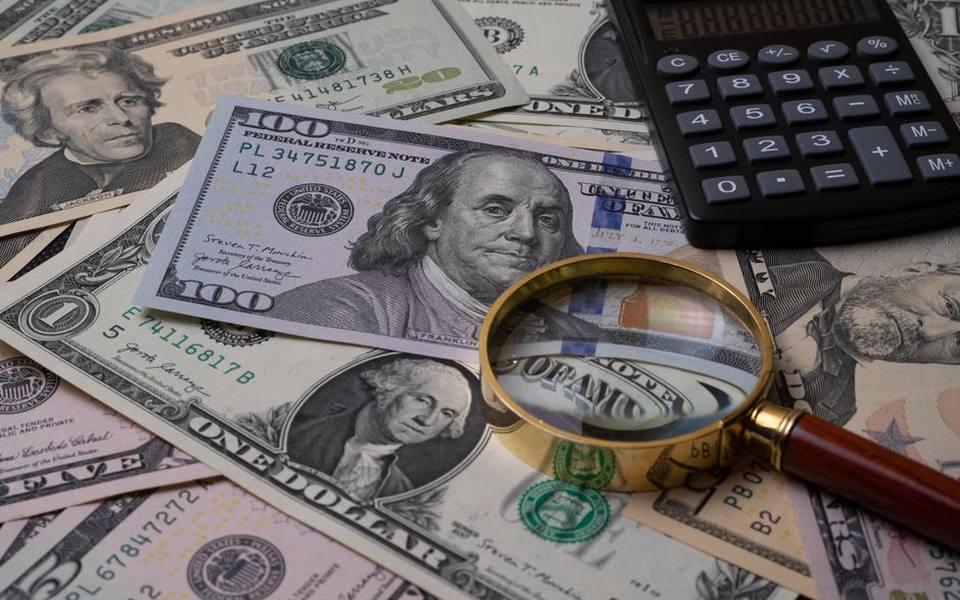
Seeking out professional on-site appraisal services is a solid first step when dealing with large or unfamiliar collections. An experienced appraiser will separate the common bulk silver from the genuinely rare variations and provide an unbiased estimate. They charge a fee for their time rather than making an offer to buy, which generally ensures their assessment is straightforward and free of a conflict of interest.
Novice sellers often try to polish tarnished silver or copper in hopes of making it look presentable, but this harsh process strips away the original minted surface and significantly reduces the collector value. Serious buyers vastly prefer the original, untouched patina, even if it looks dirty or dark to the untrained eye, as it proves the underlying metal has not been chemically or physically altered.
Exploring Local Shops and Multi-Vendor Markets
Dedicated storefronts are often the preferred choice for serious numismatists who want to deal directly with experts. Browsing specialized jewelry & coins locations gives you access to proprietors who spend their days tracking precious metal spot prices and historical numismatic premiums. They typically have the necessary capital to buy entire collections on the spot, and they also carry highly diverse, authenticated inventories for local collectors looking to buy specific dates or mint marks.
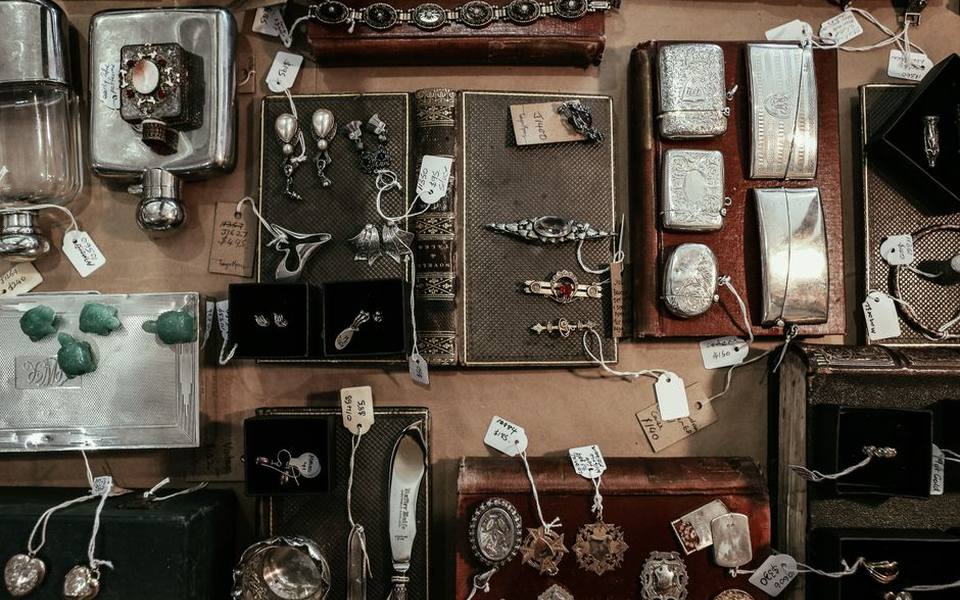
Another excellent avenue is wandering through large antique malls, where multiple dealers are selling under one roof. While not every booth will feature old currency, you can frequently stumble upon specialized glass cases filled with domestic and foreign coinage. These venues are great for casual browsing, though the main desk staff might not be able to negotiate on the spot if the specific vendor is absent for the day.
Weekends are traditionally the best time to explore these larger venues, as vendors often restock their cases or show up in person to answer customer questions. If your schedule is tight, checking for antique stores open on Sunday can help you plan a highly productive weekend trip. Meeting a vendor in person at their booth can sometimes lead to better bundle deals or insider insights into what collections they might be acquiring soon.
The Benefits of Selling Through Consignment
If you are not in an immediate rush for cash and possess higher-end pieces, selling through consignment might yield a better overall return. Instead of taking a lower wholesale offer from a dealer who needs to flip the item quickly for profit, you place your item in their showcase for an agreed-upon period. The shop takes a percentage of the final retail sale price once a dedicated buyer is found.
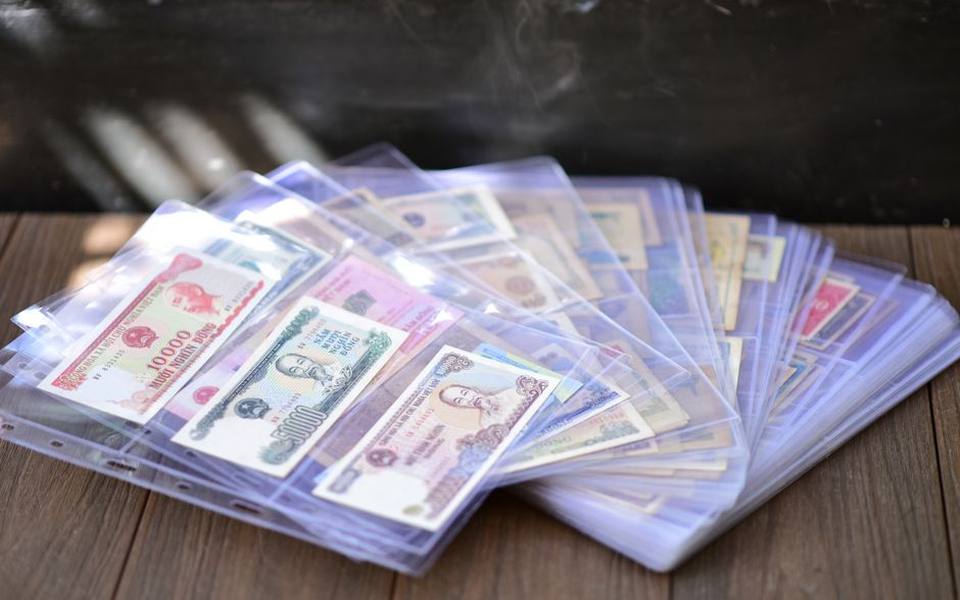
This method requires patience, as waiting for the right buyer can take weeks or even months, depending entirely on the rarity and price of the piece. The consignment agreement should clearly outline the fee structure, insurance coverage while the item is in the shop, and how pricing adjustments will be handled over time. It is a partnership where both you and the shop owner share the goal of getting the highest fair price.
Make sure you receive a highly detailed, itemized receipt when leaving your collection with any shop owner or manager. This document should note the specific dates, mint marks, and general condition of each individual piece, protecting both parties in case of an inventory mix-up or accidental damage. It is also wise to check in periodically to see if market shifts warrant a slight price reduction to help move the inventory faster.
Building a Network and Expanding the Hunt
Success in this hobby often relies on building long-term relationships with reputable dealers and other local collectors. Once a shop owner knows what you are looking for, they can keep an eye out for specific pieces when buying estates and give you a call before the item ever hits the display case. Similarly, if you are a regular seller, dealers might offer slightly better margins because they inherently trust the authenticity of your goods.
For those traveling or living in heavily populated regions, the sheer number of physical venues provides endless opportunities for both buyers and sellers. For instance, the directory lists 2,140 locations among antique stores in Texas, offering a massive footprint for hunting rare regional currency or selling to diverse local markets. Taking a dedicated road trip to browse different towns can expose you to fresh inventories that have sat untouched in smaller shops for years.
Regardless of where you choose to trade, always prioritize personal security and market knowledge. Educate yourself on basic grading standards and know the current spot price of silver and gold before walking through the shop door, and always trust your instincts during negotiations. The numismatic community is largely built on mutual respect and a shared appreciation for tangible history, making the physical exchange of historic currency a highly rewarding and educational pursuit for everyone involved.
Published 2026-09-20 · reviewed with each rebuild, last September 2026.
Find antique stores near you
The directory lists 25,996 antique stores by state and city — pick your state or use the “Near me” button in the header.
More guides
-
 Owning
Cleaning and Polishing Antique Silver Without Damaging the Patina
-
 Owning
Evaluating, Using, and Displaying Mid-Century Glassware and Kitchen Antiques
-
 Buying
Navigating Vintage and Antique Jewelry Styles
-
 Owning
How to Clean and Care for Silverware Without Causing Damage
-
 Owning
Vintage Pyrex Value and Safety Guide: Understanding Collector Patterns and Usage
-
 Buying
A Guide to Sourcing Vintage and Estate Jewelry
-
 Money
MoneyValuable Baseball Cards Guide: Spotting Vintage Sports Collectibles
-
 Owning
How to Clean and Restore Antique Wood Furniture
-
 Money
MoneyHow to Find and Use Antique Price Guides Online
-
 Money
MoneyHow to Determine the Value of Old Books and First Editions
-
 Money
MoneyWhere and How to Sell Vintage Coins for the Best Return
-
 Buying
Choosing and Caring for Vintage and Modern Cast Iron Cookware
-
 Owning
How to Polish and Value Antique Silverware at Home
-
 Owning
How to Clean and Polish Antique Wood Furniture Without Damaging It
-
 Buying
Vintage and Classic Cast Iron Cookware: Buyer's, Value, and Care Guide
-
 Buying
Antique Silverware, Vintage Jewelry, and Collectible Coins Guide
-
 Money
MoneyA Practical Guide to Antique Price Guides and Rare Book Valuations
-
 Owning
How to Clean, Polish, and Refinish Antique Wood Furniture
-
 Owning
Ultimate Guide to Vintage and Antique Cast Iron Cookware: Brands, Seasoning, and Care
-
 Owning
How to Clean, Polish, and Value Vintage Silverware and Antique Jewelry
-
 Buying
Valuing Vintage Collectibles: From Rare Dolls and Slot Machines to Classic Lamps and Churns
-
 Owning
How to Clean, Polish, and Refinish Antique Wood Furniture
-
 Money
MoneyVintage Glassware Value Guide: Pyrex, Depression Glass, CorningWare, and Bottles
-
 Money
MoneyAntique & Vintage Price Guides: How to Value Antiques and Collectibles
-
 Buying
How to Value Old Books and First Editions: A Collector's Price Guide
-
 Money
MoneyWhere and How to Sell Vintage Records and Audio Equipment
-
 Buying
How to Buy, Value, and Sell Vintage Coins: A Practical Beginner's Guide
-
 Buying
Estate Sale Guide: How to Find, Buy, and Liquidate Antiques
-
 Buying
Vintage and Modern Cast Iron Cookware: Identification, Seasoning, Buying, and Care
-
 Money
MoneyComprehensive Guide to Antique Values, Old Books, and Collectibles Pricing
-
 Owning
Cleaning and Caring for Vintage Silverware, Fine Jewelry, and Antique Metals
-
 Owning
How to Clean, Polish, and Refinish Antique Wood Furniture
-
 Buying
Vintage and Modern Cast Iron Cookware: Identification, Caring, and Buying Guide
-
 Owning
Antique Silverware: Cleaning, Polishing at Home, and Value Guide
-
 Owning
Care, Polishing, and Refinishing Guide for Antique Wood Furniture
-
 Buying
Vintage Pyrex, Glassware, and Depression Glass Identification and Value Guide
-
 Money
MoneyAntique Price Guides: How to Value and Sell Antiques Online and Offline
-
 Money
MoneyCollectible Old Books and First Editions: Valuation and Identification Guide
-
 Buying
Vintage Sewing Machines, Stoves, and Antique Tools Value Guide
-
 Buying
Collector Guide to Vintage Door Hardware, Knobs, and Cabinet Pulls
-
 Owning
Antique & Vintage Dolls: Values, Identification, and Care
-
 Buying
Antique Hoosier Cupboards and Vintage Desks: History, Identification, and Value
-
 Service
Grandfather, Wall, and Pocket Clock Repair and Identification Guide
-
 Owning
Antique Rotary Telephones and Landlines: Buying, Restoring, and Converting
-
 Owning
Collecting Vintage Picture Frames and Oil Paintings: Framing and Restoration
-
 Buying
Antique Sewing Machines and Spinning Wheels: Value, Brands, and Maintenance
-
 Buying
Antique Wood Stoves and Log Burners: Buying, Safety, and Restoration Guide
-
 Buying
Depression Glass and Antique Canning Jars: Identification and Values
-
 Buying
Vintage Mirrors: Identifying, Buying, and Styling Antique Glass
-
 Owning
Antique Silverware and Silverplate Flatware: Cleaning, Identification, and Value
-
 Buying
Vintage Engagement Rings and Art Deco Jewelry: Buying and Valuation
-
 Buying
Buyer Guide to Vintage and Antique Furniture: Seating, Tables, Desks, and Reproductions
-
 Buying
Collector Guide to Vintage Toys, Lighters, Sports Ephemera, and Curios
-
 Buying
Architectural Salvage Guide: Sourcing Stained Glass, Mantels, and Historic Hardware
-
 Buying
Vintage Fashion and Heirloom Style: Sourcing Dresses, Denim, Leather, and Ephemera