Understanding Value and Immediate Safety Concerns
Vintage Pyrex holds its value based on rarity, pattern condition, and whether it is a complete set, while safety typically depends on avoiding extreme temperature shocks and checking for surface damage. Many collectors wonder if these mid-century kitchen staples are safe to use or if they belong behind glass. In most cases, intact pieces are fine for mild kitchen prep, but damaged items are better kept as display pieces.
Identifying what you have starts with turning the bowl over. The stamp on the bottom usually indicates the era, though exact dates depend on the specific logo design. Older pieces from the early to mid-twentieth century often feature distinct markings that help trace their origin. Knowing this basic timeline is the first step before digging into specific pattern directories to understand the history of your items.
As interest in mid-century kitchenware grows, finding these pieces often requires some local hunting. Since glass items are fragile, buyers frequently prefer shopping locally rather than risking transit damage. You might spend a weekend browsing through antique malls, where multiple dealers sell under one roof, to find that missing mixing bowl needed to finally complete your nested set.
Recognizing Popular and Hard-to-Find Patterns
The pattern on the outside of the dish is typically the biggest driver of demand among buyers. Common patterns featuring distinct floral or agricultural motifs were mass-produced and are still fairly easy to find in local shops. These everyday patterns usually serve as a great entry point for new collectors who want to use the bowls in their daily life rather than just keeping them perfectly preserved on a shelf.
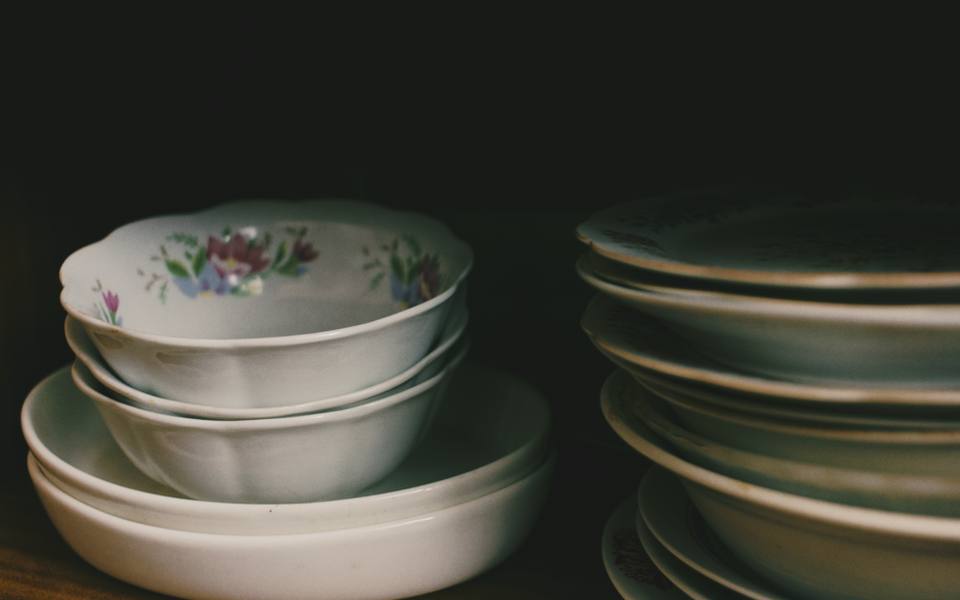
On the other hand, promotional pieces and limited manufacturing runs fetch much higher interest from serious enthusiasts. Certain rare patterns were made in significantly smaller quantities or only offered during specific holiday seasons, making them highly sought after today. Finding visual references is crucial, and seeing the actual colors in person helps you learn how to spot fading, wear, and minor imperfections.
Color intensity matters just as much as the pattern itself when assessing an item. Over time, harsh alkaline detergents can strip the glossy factory finish, leaving a dull, matte surface commonly referred to as dishwasher damage. When a bowl loses its original shine, its appeal to serious collectors drops significantly, regardless of how rare the printed pattern might be.
Figuring Out What Your Collection is Worth
Determining a fair price usually comes down to supply and demand in your specific area, as well as the exact condition of the piece. A pristine nesting bowl set with no chips or scratches will typically command a premium. To get an accurate sense of worth, many owners turn to on-site appraisal services to examine the items directly and provide a grounded estimate based on current market trends.
Keep in mind that prices fluctuate based on seasonal trends and regional collector communities. What sells quickly in one state might sit on a shelf for months in another. Sellers often check recent completed sales rather than active listings to see what buyers are actually willing to spend. This realistic approach prevents the disappointment of overestimating a collection based on overly optimistic price tags.
If you are looking to thin out your collection without dealing with individual buyers, a local shop is a practical option. Retailers that handle consignment take a percentage of the final sale, but they manage the marketing and physical display. This approach works incredibly well for individuals who inherit large sets and simply want to ensure the items find a good home without the hassle of shipping.
Safe Handling and Everyday Kitchen Usage
Using these vintage items requires a bit of care to maintain their condition and keep your kitchen safe. Older glass is highly susceptible to thermal shock, meaning it can shatter if moved quickly from a hot oven to a cold countertop. It is generally advised to let the glass come to room temperature gradually before washing it, chilling it, or placing it on a cold surface.
There is also an ongoing conversation regarding lead content in the exterior paint of older dishware. While the clear glass interiors where food sits are generally considered safe, some consumer testing indicates the colored exterior paint might contain trace amounts of heavy metals. For this reason, many cautious owners choose to hand-wash their pieces gently and avoid letting acidic foods come into contact with the painted outside surfaces.
To preserve the bright colors and intricate patterns, never put your vintage pieces in a modern dishwasher. The high heat and abrasive modern detergents will permanently ruin the finish in just a few cycles. Instead, always use warm water, a mild dish soap, and a soft sponge to gently clean away food residue. This simple washing habit ensures the bowls remain vibrant and useful for decades to come.
Where to Hunt for Missing Pieces Locally
Hunting for specific sizes or patterns is often a dedicated weekend hobby for many enthusiasts. House liquidations are typically excellent venues for finding complete, untouched sets that have sat securely in cupboards for generations. Many dedicated buyers carefully track estate sale services to get early access to mid-century kitchens before the best pieces are picked over by other local dealers.
Your geographic location can heavily dictate how easily you find certain patterns. With exactly 14,077 listings in top states across the directory, local inventory varies wildly. For instance, antique stores in Ohio often have strong selections of mid-century domestic goods due to the state's industrial and manufacturing history, while coastal shops might lean toward entirely different regional styles.
Weekend road trips are a common way to build a collection piece by piece at your own pace. If your schedule is exceptionally tight during the traditional work week, looking up shops open on Sunday allows you to map out a convenient driving route. Meeting local dealers face-to-face also gives you a chance to leave your contact information in case a specific promotional pattern walks through their doors.
Published 2026-09-20 · reviewed with each rebuild, last September 2026.
Find antique stores near you
The directory lists 25,996 antique stores by state and city — pick your state or use the “Near me” button in the header.
More guides
-
 Owning
Cleaning and Polishing Antique Silver Without Damaging the Patina
-
 Money
MoneyNavigating the Market for Vintage Currency
-
 Owning
Evaluating, Using, and Displaying Mid-Century Glassware and Kitchen Antiques
-
 Buying
Navigating Vintage and Antique Jewelry Styles
-
 Owning
How to Clean and Care for Silverware Without Causing Damage
-
 Buying
A Guide to Sourcing Vintage and Estate Jewelry
-
 Money
MoneyValuable Baseball Cards Guide: Spotting Vintage Sports Collectibles
-
 Owning
How to Clean and Restore Antique Wood Furniture
-
 Money
MoneyHow to Find and Use Antique Price Guides Online
-
 Money
MoneyHow to Determine the Value of Old Books and First Editions
-
 Money
MoneyWhere and How to Sell Vintage Coins for the Best Return
-
 Buying
Choosing and Caring for Vintage and Modern Cast Iron Cookware
-
 Owning
How to Polish and Value Antique Silverware at Home
-
 Owning
How to Clean and Polish Antique Wood Furniture Without Damaging It
-
 Buying
Vintage and Classic Cast Iron Cookware: Buyer's, Value, and Care Guide
-
 Buying
Antique Silverware, Vintage Jewelry, and Collectible Coins Guide
-
 Money
MoneyA Practical Guide to Antique Price Guides and Rare Book Valuations
-
 Owning
How to Clean, Polish, and Refinish Antique Wood Furniture
-
 Owning
Ultimate Guide to Vintage and Antique Cast Iron Cookware: Brands, Seasoning, and Care
-
 Owning
How to Clean, Polish, and Value Vintage Silverware and Antique Jewelry
-
 Buying
Valuing Vintage Collectibles: From Rare Dolls and Slot Machines to Classic Lamps and Churns
-
 Owning
How to Clean, Polish, and Refinish Antique Wood Furniture
-
 Money
MoneyVintage Glassware Value Guide: Pyrex, Depression Glass, CorningWare, and Bottles
-
 Money
MoneyAntique & Vintage Price Guides: How to Value Antiques and Collectibles
-
 Buying
How to Value Old Books and First Editions: A Collector's Price Guide
-
 Money
MoneyWhere and How to Sell Vintage Records and Audio Equipment
-
 Buying
How to Buy, Value, and Sell Vintage Coins: A Practical Beginner's Guide
-
 Buying
Estate Sale Guide: How to Find, Buy, and Liquidate Antiques
-
 Buying
Vintage and Modern Cast Iron Cookware: Identification, Seasoning, Buying, and Care
-
 Money
MoneyComprehensive Guide to Antique Values, Old Books, and Collectibles Pricing
-
 Owning
Cleaning and Caring for Vintage Silverware, Fine Jewelry, and Antique Metals
-
 Owning
How to Clean, Polish, and Refinish Antique Wood Furniture
-
 Buying
Vintage and Modern Cast Iron Cookware: Identification, Caring, and Buying Guide
-
 Owning
Antique Silverware: Cleaning, Polishing at Home, and Value Guide
-
 Owning
Care, Polishing, and Refinishing Guide for Antique Wood Furniture
-
 Buying
Vintage Pyrex, Glassware, and Depression Glass Identification and Value Guide
-
 Money
MoneyAntique Price Guides: How to Value and Sell Antiques Online and Offline
-
 Money
MoneyCollectible Old Books and First Editions: Valuation and Identification Guide
-
 Buying
Vintage Sewing Machines, Stoves, and Antique Tools Value Guide
-
 Buying
Collector Guide to Vintage Door Hardware, Knobs, and Cabinet Pulls
-
 Owning
Antique & Vintage Dolls: Values, Identification, and Care
-
 Buying
Antique Hoosier Cupboards and Vintage Desks: History, Identification, and Value
-
 Service
Grandfather, Wall, and Pocket Clock Repair and Identification Guide
-
 Owning
Antique Rotary Telephones and Landlines: Buying, Restoring, and Converting
-
 Owning
Collecting Vintage Picture Frames and Oil Paintings: Framing and Restoration
-
 Buying
Antique Sewing Machines and Spinning Wheels: Value, Brands, and Maintenance
-
 Buying
Antique Wood Stoves and Log Burners: Buying, Safety, and Restoration Guide
-
 Buying
Depression Glass and Antique Canning Jars: Identification and Values
-
 Buying
Vintage Mirrors: Identifying, Buying, and Styling Antique Glass
-
 Owning
Antique Silverware and Silverplate Flatware: Cleaning, Identification, and Value
-
 Buying
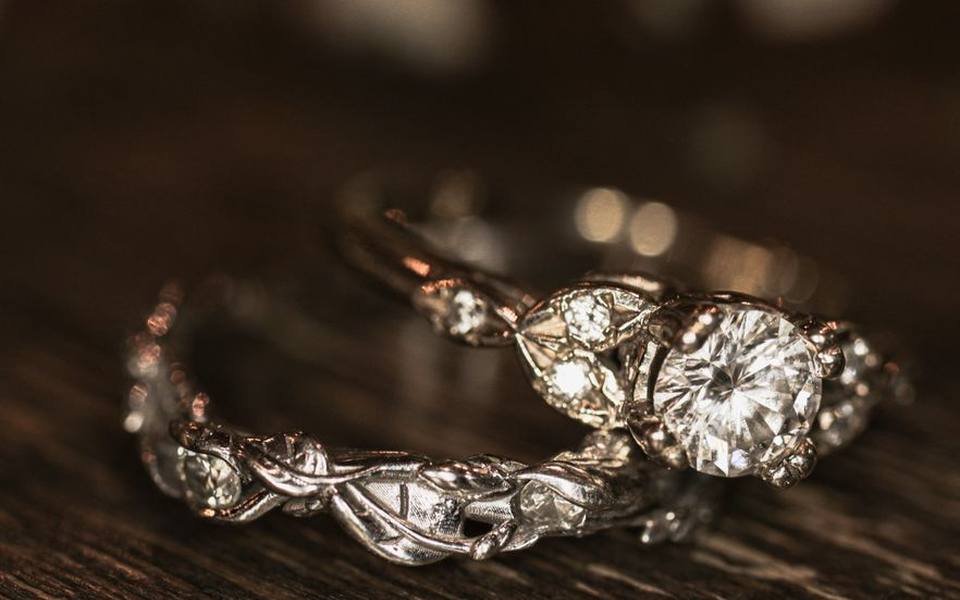
Vintage Engagement Rings and Art Deco Jewelry: Buying and Valuation
-
 Buying
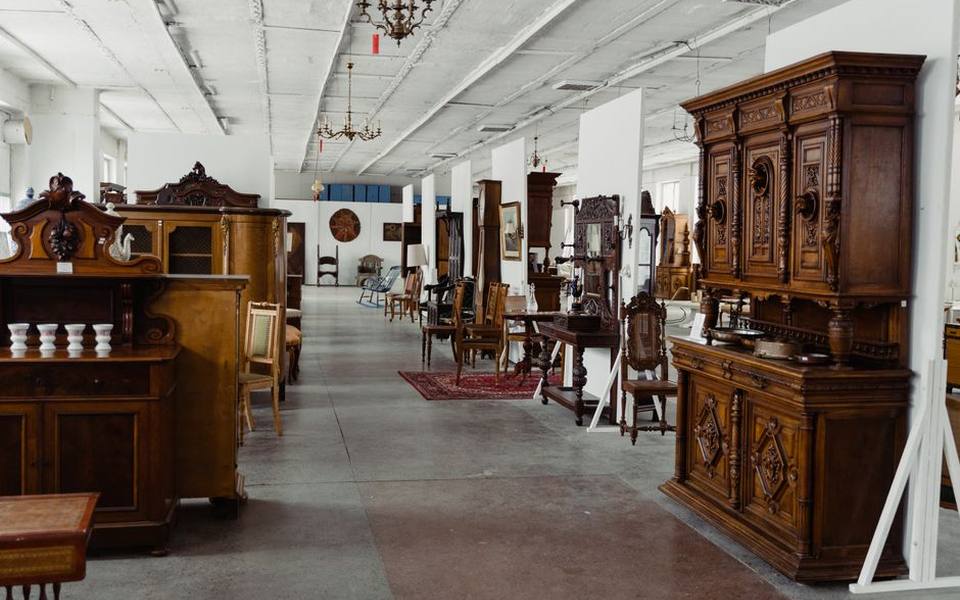
Buyer Guide to Vintage and Antique Furniture: Seating, Tables, Desks, and Reproductions
-
 Buying
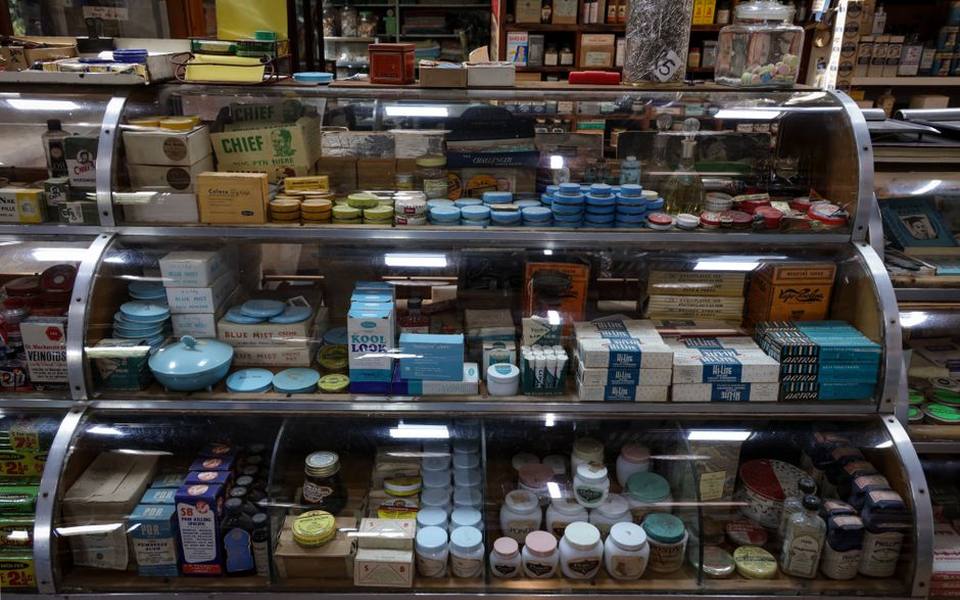
Collector Guide to Vintage Toys, Lighters, Sports Ephemera, and Curios
-
 Buying
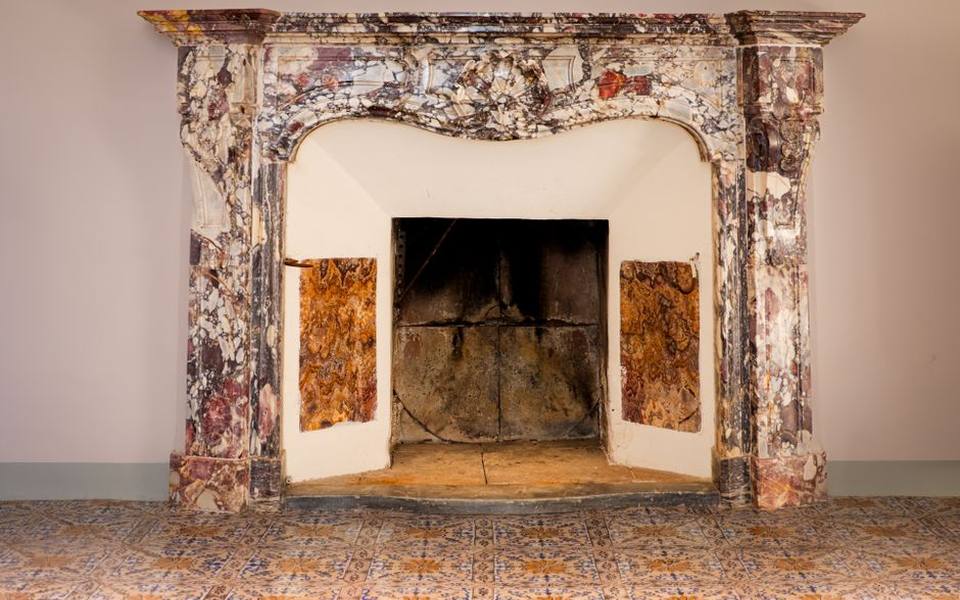
Architectural Salvage Guide: Sourcing Stained Glass, Mantels, and Historic Hardware
-
 Buying
Vintage Fashion and Heirloom Style: Sourcing Dresses, Denim, Leather, and Ephemera