Starting Out with Vintage and Antique Coins
Navigating vintage coins comes down to understanding three core components: intrinsic metal content, historical scarcity, and surface preservation. Whether you inherited a box of mixed pocket change from a relative or want to build a focused historical collection, the broader coin market operates on strict numismatic standards. Novices often assume that age equates directly to high value, but a Roman bronze piece from antiquity might sell for modest pocket money while an uncirculated twentieth-century nickel commands thousands.
Before spending money or presenting family heirlooms to a dealer, you need a realistic view of how transactions work. Dealers purchase inventory below retail market value to cover their operating overhead and make a resale margin, typically offering a percentage based on current wholesale guides or bullion rates. Approaching the hobby with an understanding of wholesale versus retail dynamics prevents disappointment and helps you negotiate transactions with practical confidence.
The fastest way to gain clarity is to separate everyday circulating coinage from genuine collector material. Most worn twentieth-century copper and clad currency retains nominal value, whereas pre-1965 silver currency and early gold issues carry guaranteed precious metal baselines alongside any collector premiums. Setting aside dedicated time to identify the exact mint year, denomination, and mint mark of each piece is the indispensable first step for any collector or seller.
Understanding What Makes an Old Coin Valuable
A coin gains collector value through a delicate balance of mintage numbers, survival rates, physical condition, and collector demand. Mintage refers to how many pieces the government mint struck in a given year, but survival rates matter far more over time. Millions of silver dollars were melted down during nationwide bullion recalls in the early twentieth century, meaning official production figures do not always reflect how many surviving specimens exist in the modern collector market.
Condition acts as the primary multiplier for value across virtually every coin series. The standard numismatic scale runs from Poor-1 up to Perfect Mint State-70, and a single jump in grade can multiply a coin's market price several times over. High-wear coins display flattened hair details, smoothed lettering, and rounded rims, while uncirculated examples retain their original frosty mint luster and sharp, crisp strike lines across both the obverse and reverse faces.
Mint marks also dictate scarcity and can turn an otherwise standard issue into a highly sought-after prize. Small letters stamped onto the coin—such as an S for San Francisco, a D for Denver, or a CC for Carson City—indicate the specific branch facility that manufactured the piece. Locating these small letters requires a magnifier, but identifying a rare branch minting can instantly change your pricing baseline from scrap bullion to premium historical collector tiers.
The Golden Rule: Why You Must Never Clean a Coin
If you take only one piece of advice from experienced numismatists, let it be this: never clean, polish, wipe, or wash a vintage coin under any circumstances. Novice owners frequently believe that scrubbing away dark oxidation or grime will make an old coin look more attractive to buyers. In reality, chemical dips, silver polishes, pencil erasers, and even soft microfiber cloths cause microscopic abrasive scratches known across the industry as hairlines, permanently destroying the original surface luster.
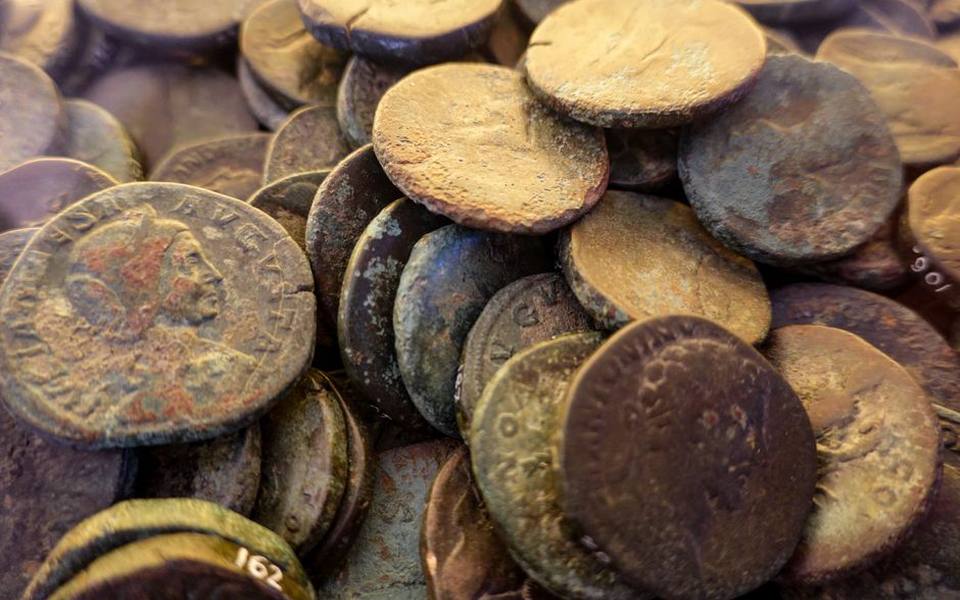
Professional buyers and experienced collectors value original, unmolested surfaces above almost everything else. Natural toning—the gradual oxidation that develops over decades in paper envelopes, leather albums, or wooden cabinets—is considered an attractive badge of authenticity and age. A coin with dark, original patina can sell easily for its full market grade, whereas an identically dated piece that has been polished shiny will receive an abrasive cleaning designation, instantly erasing a significant portion of its potential resale value.
Even running tap water and household soap over a rare surface can trigger trace chemical reactions or leave mineral deposits inside delicate design crevices. If you discover coins caked in loose dirt, sand, or crumbling vinyl residue from old plastic sleeves, leave them exactly as they are until an independent specialist evaluates them. Dealers and auction specialists know how to handle surface preservation, and uncleaned coins always give you the strongest bargaining position.
Getting an Accurate Valuation and Appraisal
Determining what your vintage currency is worth requires consulting realistic market sources rather than speculative internet listings. Many people check open online marketplace listings and see common coins posted for astronomical figures, mistakenly believing those asking prices represent true value. Those listings often sit unsold indefinitely; what you actually need are realized sale prices for certified specimens that match the exact date, mint mark, and condition of your items.
Standard reference books, published price guides, and historical auction records provide reliable benchmarks for both retail and wholesale levels. When consulting printed guides, keep in mind that published numbers generally reflect full retail prices charged by specialty shops, not what a buyer will pay you in cash on the spot. Realized auction prices give a far clearer reflection of current liquidity, showing what real collectors actively paid within recent months.
For substantial collections, rare gold issues, or historic hoards, hiring a credentialed professional is well worth the investment. Working with independent appraisal services ensures you receive an unbiased inventory with insurance replacement figures or liquidation estimates. Professional appraisers charge a flat hourly rate or project fee rather than a percentage of the collection's worth, which guarantees an ethical assessment free from conflicts of interest.
The Best Places to Buy Old Coins for Your Collection
Finding dependable sources to purchase old coins requires knowing which venues offer genuine expertise, fair market pricing, and buyer protection. Local brick-and-mortar storefronts that specialize in currency, as well as dedicated antique jewelry & coin shops, remain among the most reliable places to buy coins. Physical shops give you the unique advantage of examining coins in hand with a proper loupe under balanced lighting before handing over your money.
Another rewarding option for discovery is browsing established regional antique malls where independent dealers rent dedicated glass display showcases. While prices in antique showcases can occasionally sit higher than wholesale trade rates, you can regularly find misattributed varieties, historic foreign currency, and interesting tokens that generalist antique vendors underprice. Inspect the coin surfaces carefully through the glass, and ask the front desk to unlock the case so you can verify condition firsthand.
Regional coin conventions and club meetings also present exceptional buying environments for collectors of every skill level. These gatherings bring together dozens of competing dealers in a single room, creating healthy price competition and giving you access to thousands of certified and raw coins across every price bracket. Vendors at organized shows are generally eager to answer technical questions, explain surface details, and help beginners learn to spot authentic strike qualities.
Evaluating Condition: Raw Coins Versus Certified Slabs
In the modern coin trade, coins fall into two broad presentation categories: raw coins and certified slabs. A raw coin is an unencapsulated piece kept in a paper envelope, a cardboard flip, or an album. While raw coins offer a wonderful tactile connection to history, evaluating their precise condition requires a trained eye, making them riskier for beginners who cannot yet tell the difference between natural wear and subtle doctoring.
Certified coins, commonly called slabbed coins, have been authenticated and graded by independent third-party grading services and sonically sealed in tamper-evident plastic holders. These plastic cases display a label stating the coin's precise year, mint mark, variety, and numerical grade on the 70-point scale. Buying certified slabs provides novice collectors with immediate reassurance regarding authenticity, guaranteeing that the piece has not been cast, shaved, or deceptively repaired.
While slabbed coins eliminate much of the guesswork, you should avoid assuming every plastic holder is equal. Trustworthy third-party grading firms maintain rigorous, standardized grading criteria recognized nationwide. Be wary of generic plastic holders labeled with high grades by unfamiliar grading services or individual sellers; these are often home-assembled holders used to charge premium prices for overgraded, cleaned, or counterfeit merchandise.
Where to Sell Vintage Coins for the Best Return
When you decide it is time to cash out, knowing where to sell vintage coins depends entirely on how quickly you need liquidity and how much effort you wish to expend. Dedicated local coin dealers are typically the best place to sell antique coins when you want an immediate cash settlement or wire transfer. Reputable dealers will review your inventory in front of you, explain how they calculate their offer based on current wholesale sheets, and complete the transaction without delay.
Selling directly to other collectors through online auctions or collector forums can yield higher gross payouts, but it requires substantial time, clear photography, and shipping management. You also bear the risks of payment disputes, postal loss, and listing fees that chip away at your final profit margin. For mid-range collections where maximum return is the priority, selling selectively through reputable specialty auctions often balances strong marketing reach with professional cataloging.
Pawn shops and scrap metal buyers generally represent the least advantageous venues for rare historical coinage. These businesses primarily calculate payouts on raw melt weight rather than numismatic collector value, which means a rare date coin worth hundreds to a collector might be purchased strictly for its basic silver melt value. Always choose a buyer who understands numismatic rarity rather than simple scrap metal recovery.
Consignment and Estate Options for Large Coin Accumulations
Inheriting a comprehensive, multi-box coin collection can quickly feel overwhelming if you lack background knowledge in historical currency. If you have neither the time nor the inclination to catalog hundreds of individual pieces, working with dedicated antique consignment shops or specialty auction houses provides a structured, hands-off liquidation route. Consignment agreements allow professionals to photograph, categorize, and market your coins to dedicated collectors in exchange for a contracted percentage fee.
For broader family property clearances where coins are mixed alongside home furnishings and heirlooms, look into experienced operators running estate sales. Professional estate managers can handle the entire liquidation under one umbrella, ensuring vintage silver and gold items are properly showcased in secured checkout areas rather than left loose on folding tables. Make certain the firm you hire brings in a coin specialist rather than grouping rare currency with costume jewelry lots.
Before signing any consignment contract or turning over physical custody of your coins, require a comprehensive, itemized intake receipt. The paperwork should list every valuable piece individually, specify insurance coverage limits while the items remain on premise or in transit, and clearly outline the commission structure and payout schedules. Clear documentation protects both parties and eliminates misunderstandings when the final accounting arrives.
Spotting Counterfeits and Avoiding Common Scams
The market for collectible currency has seen a rising influx of sophisticated counterfeits, making caution essential for buyers and sellers alike. Deceptive replicas are no longer restricted to crude cast lead pieces; modern fakes are struck with precision dies on metal planchets that closely mimic authentic silver and gold alloys. Bogus trade dollars, Morgan silver dollars, and early commemorative half dollars frequently circulate through flea markets and unverified online classifieds.
Equipping yourself with a few simple physical tools will help you identify the vast majority of deceptive fakes. A digital gram scale accurate to two decimal places allows you to check coin weights against official mint specifications; counterfeit coins rarely match exact legal weights and tolerances. A small neodymium magnet is equally vital, as genuine silver and gold currency will never adhere to a magnet, whereas cheap plated iron or steel replicas will cling tightly.
Beyond complete fakes, watch out for altered genuine coins where deceptive individuals have shaved off or added mint marks to create artificial rarities. For instance, an ordinary 1909 Lincoln cent can have a fake tiny 'S' soldered onto the surface to mimic the legendary 1909-S VDB rarity. Examining mint mark areas under high magnification reveals any seam lines, color discrepancies, or unusual tool marks that betray tampering.
Preparing Your Coins Before You Negotiate a Sale
Entering a sales negotiation well prepared will dramatically improve the final offer you receive from prospective buyers. Start by organizing your coins systematically by denomination, metal type, and chronological era rather than presenting a tangled jar of mixed pieces. Place loose valuable coins inside archival-safe, PVC-free cardboard mylar flips to keep them organized and protected against accidental handling scratches during inspection.
Create a clean written inventory listing the date, mint mark, face value, and any apparent collector notes for each substantial piece. Having an organized spreadsheet or neatly penned ledger signals to dealers that you are an informed seller who understands the contents of the collection. It also speeds up the appraisal process, allowing the buyer to calculate accurate totals efficiently instead of spending hours sorting bulk change on the counter.
Finally, know your bottom-line walk-away figure before stepping into any store or meeting room. Check the current spot price of silver and gold on the morning of your meeting so you understand the raw bullion floor of your metallic holdings. If an offer feels uncomfortably low or a buyer uses high-pressure tactics to force an immediate decision, politely pack your items and seek a second opinion from another qualified specialist.
Published 2026-09-20 · reviewed with each rebuild, last September 2026.
Find antique stores near you
The directory lists 25,996 antique stores by state and city — pick your state or use the “Near me” button in the header.
More guides
-
 Owning
Cleaning and Polishing Antique Silver Without Damaging the Patina
-
 Money
MoneyNavigating the Market for Vintage Currency
-
 Owning
Evaluating, Using, and Displaying Mid-Century Glassware and Kitchen Antiques
-
 Buying
Navigating Vintage and Antique Jewelry Styles
-
 Owning
How to Clean and Care for Silverware Without Causing Damage
-
 Owning
Vintage Pyrex Value and Safety Guide: Understanding Collector Patterns and Usage
-
 Buying
A Guide to Sourcing Vintage and Estate Jewelry
-
 Money
MoneyValuable Baseball Cards Guide: Spotting Vintage Sports Collectibles
-
 Owning
How to Clean and Restore Antique Wood Furniture
-
 Money
MoneyHow to Find and Use Antique Price Guides Online
-
 Money
MoneyHow to Determine the Value of Old Books and First Editions
-
 Money
MoneyWhere and How to Sell Vintage Coins for the Best Return
-
 Buying
Choosing and Caring for Vintage and Modern Cast Iron Cookware
-
 Owning
How to Polish and Value Antique Silverware at Home
-
 Owning
How to Clean and Polish Antique Wood Furniture Without Damaging It
-
 Buying
Vintage and Classic Cast Iron Cookware: Buyer's, Value, and Care Guide
-
 Buying
Antique Silverware, Vintage Jewelry, and Collectible Coins Guide
-
 Money
MoneyA Practical Guide to Antique Price Guides and Rare Book Valuations
-
 Owning
How to Clean, Polish, and Refinish Antique Wood Furniture
-
 Owning
Ultimate Guide to Vintage and Antique Cast Iron Cookware: Brands, Seasoning, and Care
-
 Owning
How to Clean, Polish, and Value Vintage Silverware and Antique Jewelry
-
 Buying
Valuing Vintage Collectibles: From Rare Dolls and Slot Machines to Classic Lamps and Churns
-
 Owning
How to Clean, Polish, and Refinish Antique Wood Furniture
-
 Money
MoneyVintage Glassware Value Guide: Pyrex, Depression Glass, CorningWare, and Bottles
-
 Money
MoneyAntique & Vintage Price Guides: How to Value Antiques and Collectibles
-
 Buying
How to Value Old Books and First Editions: A Collector's Price Guide
-
 Money
MoneyWhere and How to Sell Vintage Records and Audio Equipment
-
 Buying
Estate Sale Guide: How to Find, Buy, and Liquidate Antiques
-
 Buying
Vintage and Modern Cast Iron Cookware: Identification, Seasoning, Buying, and Care
-
 Money
MoneyComprehensive Guide to Antique Values, Old Books, and Collectibles Pricing
-
 Owning
Cleaning and Caring for Vintage Silverware, Fine Jewelry, and Antique Metals
-
 Owning
How to Clean, Polish, and Refinish Antique Wood Furniture
-
 Buying
Vintage and Modern Cast Iron Cookware: Identification, Caring, and Buying Guide
-
 Owning
Antique Silverware: Cleaning, Polishing at Home, and Value Guide
-
 Owning
Care, Polishing, and Refinishing Guide for Antique Wood Furniture
-
 Buying
Vintage Pyrex, Glassware, and Depression Glass Identification and Value Guide
-
 Money
MoneyAntique Price Guides: How to Value and Sell Antiques Online and Offline
-
 Money
MoneyCollectible Old Books and First Editions: Valuation and Identification Guide
-
 Buying
Vintage Sewing Machines, Stoves, and Antique Tools Value Guide
-
 Buying
Collector Guide to Vintage Door Hardware, Knobs, and Cabinet Pulls
-
 Owning
Antique & Vintage Dolls: Values, Identification, and Care
-
 Buying
Antique Hoosier Cupboards and Vintage Desks: History, Identification, and Value
-
 Service
Grandfather, Wall, and Pocket Clock Repair and Identification Guide
-
 Owning
Antique Rotary Telephones and Landlines: Buying, Restoring, and Converting
-
 Owning
Collecting Vintage Picture Frames and Oil Paintings: Framing and Restoration
-
 Buying
Antique Sewing Machines and Spinning Wheels: Value, Brands, and Maintenance
-
 Buying
Antique Wood Stoves and Log Burners: Buying, Safety, and Restoration Guide
-
 Buying
Depression Glass and Antique Canning Jars: Identification and Values
-
 Buying
Vintage Mirrors: Identifying, Buying, and Styling Antique Glass
-
 Owning
Antique Silverware and Silverplate Flatware: Cleaning, Identification, and Value
-
 Buying
Vintage Engagement Rings and Art Deco Jewelry: Buying and Valuation
-
 Buying
Buyer Guide to Vintage and Antique Furniture: Seating, Tables, Desks, and Reproductions
-
 Buying
Collector Guide to Vintage Toys, Lighters, Sports Ephemera, and Curios
-
 Buying
Architectural Salvage Guide: Sourcing Stained Glass, Mantels, and Historic Hardware
-
 Buying
Vintage Fashion and Heirloom Style: Sourcing Dresses, Denim, Leather, and Ephemera