What Defines Exceptional Cast Iron Cookware
The performance of a cast iron pan relies on thermal mass, metallurgy, and surface preparation rather than modern nonstick chemical coatings. A superior piece delivers steady, radiant heat that does not drop drastically when cold food hits the surface. Whether examining an early twentieth-century heirloom or a heavy contemporary skillet, the core appeal remains the same: exceptional durability, versatile cooking performance, and natural release properties that improve over decades of steady use.
While modern mass-market manufacturing often prioritizes high-volume sand casting that leaves a rough, pebbled texture, historical production methods favored mechanical grinding and hand-stoning. This extra milling step yielded cooking surfaces as smooth as glass right out of the foundry. When seasoned properly, that level surface creates a near-frictionless cooking plane that modern pebbled pans take years of heavy spatula scraping to replicate.
Weight distribution and balance also separate utilitarian workhorses from clumsy pans. Older manufacturing techniques frequently allowed foundries to cast thinner sidewalls while maintaining a dense, heat-retaining floor. The result was a skillet that felt remarkably nimble in the hand, weighing noticeably less than contemporary budget alternatives without sacrificing the thermal inertia required to properly sear meat or bake cornbread.
Selecting the ideal iron piece comes down to matching your intended culinary tasks with the proper metallurgical profile. A thick bottom prevents warping under rapid temperature swings, while an ergonomic handle with an integrated thumb rest provides the leverage necessary to maneuver hot, heavy metal safely across home cooktops.
The Evolution from Historic Foundries to Modern Production
The golden age of American cast iron foundry production ran roughly from the late nineteenth century through the 1950s. Regional foundries across Pennsylvania, Ohio, and New York established rigorous metallurgical standards, melting gray iron with specific scrap balances to produce cookware that was resilient, fine-grained, and lightweight. Pieces from this era were individually turned on lathes or hand-polished by skilled foundrymen before shipment.
By the mid-twentieth century, economic pressures, corporate consolidations, and rising labor costs forced foundries to abandon labor-intensive surface polishing. Modern automated casting replaced hand labor, leaving the interior cooking face with the dimpled texture of the sand mold itself. While modern pans retain heat just as reliably as their ancestors, they rely heavily on industrial pre-seasoning coats to mask rougher casting surfaces.
In recent years, an artisan revival has prompted smaller foundries to return to traditional machining methods, offering high-end, smooth-milled skillets reminiscent of pre-war craftsmanship. Meanwhile, standard entry-level iron remains affordable and reliable, serving as a dependable kitchen staple even if the interior texture requires months of cooking fat buildup to smooth out completely.
Understanding this shift in manufacturing allows buyers to navigate the secondary market with clarity. Collectors and everyday cooks alike seek out vintage hollowware not merely for decorative nostalgia, but because the physical machining standards of that earlier era remain remarkably difficult to match at everyday retail prices.
Identifying Desirable Vintage Foundries and Maker Marks
Evaluating vintage iron begins by examining the underside of the vessel, where foundries cast logos, pattern numbers, and size designations. Notable makers such as Griswold of Erie, Pennsylvania, and Wagner of Sidney, Ohio, dominated production with distinct visual signatures. Griswold's prominent cross-in-a-circle logo went through several stylistic evolutions, from large block lettering in early runs to smaller, slanted logos in later decades.
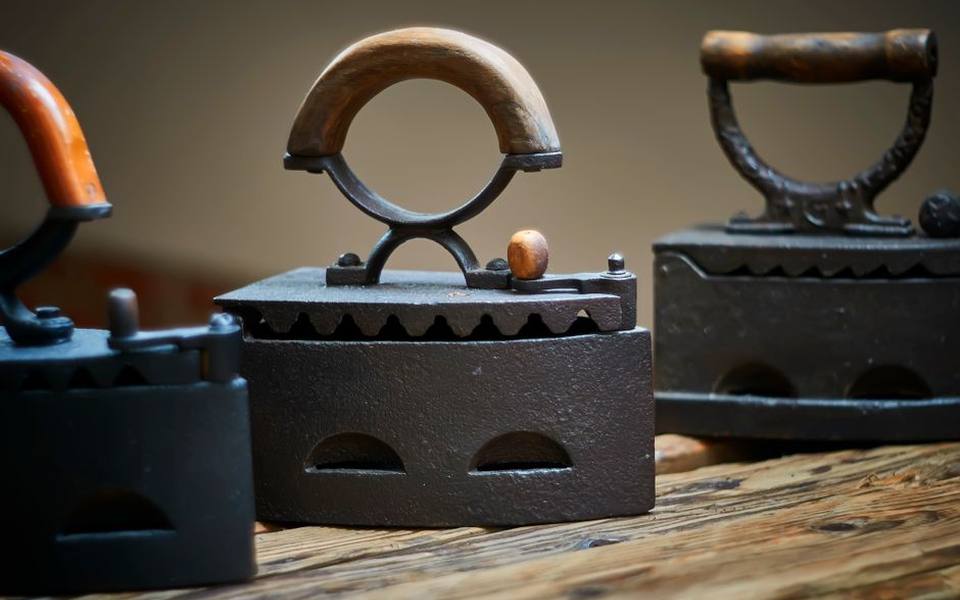
Pattern numbers, usually three or four digits stamped into the bottom or handle, correspond to specific molds rather than production dates. An embossed heat ring—a raised circular lip encircling the pan bottom—was designed to seal over woodstove eyeholes. Pans produced with raised heat rings typically date earlier than flat-bottomed pieces designed to rest evenly on flat gas and electric stoves.
Unmarked iron also holds tremendous value in the secondary market. Foundries frequently produced unmarked lines for department stores, hardware catalogs, and wholesale distributors. A smooth underside featuring a small size number stamped at twelve o'clock, or three distinct notches along an outer heat ring, often indicates reputable heritage foundries even when no corporate logo is present.
When browsing dealer booths at local Antique Malls, carry a magnifying glass or jeweler's loupe to inspect faint foundry stamps under thick carbon buildup. Sellers sometimes misidentify unmarked or heavily crusted pieces, giving knowledgeable collectors an opportunity to acquire museum-quality iron at utility prices.
Evaluating Condition and Structural Flaws in the Field
Finding an early skillet beneath layers of black grease is thrilling, but structural integrity must be confirmed before spending money. The most critical defect is warping. A skillet that does not sit flat will heat unevenly and rock constantly on flat-top electric or induction burners. Place the pan on a known flat surface and press down gently on alternating edges; any noticeable wobble or rotation—known in collector circles as a spinner—severely reduces its practical utility.
Hairline cracks are another disqualifying flaw. Cracks most commonly originate at the top rim, near the handle junction, or directly across the heat floor due to thermal shock. While thick grease can hide microscopic fractures, tapping the rim lightly with a fingernail or wooden pencil should produce a clear, sustained bell-like ring. A dull, dead thud strongly indicates a compromised casting.
Sulfur pitting on the bottom of older pans was caused by corrosive gases released from burning low-grade coal in nineteenth-century stoves. While moderate pitting on the exterior base rarely harms cooking performance, severe pitting that extends to the interior cooking floor will make cleaning difficult and prevent an even nonstick seasoning from adhering properly.
Inspect used hollowware carefully for toxic contamination. Historical hobbyists and plumbers sometimes repurposed cast iron pots and muffin pans to melt lead fishing weights, bullets, or pipe solder. Testing uncleaned pots with an inexpensive chemical lead swab before restoration ensures you never prepare food in a vessel previously used for non-culinary smelting.
Bare Iron Versus Enameled Hollowware
The debate between traditional bare iron and enameled cookware hinges on moisture, acidity, and maintenance preferences. Bare iron develops an organic polymerized patina that thrives on high-heat searing and can be renewed indefinitely if scratched or neglected. However, highly acidic ingredients like whole peeled tomatoes, citrus reductions, or red wine marinades can strip young seasoning and introduce an undesirable metallic taste.
Enameled iron coats a sturdy casting with a vitreous porcelain glaze, creating an entirely non-reactive, glossy barrier. This makes enameled Dutch ovens and braisers ideal for slow-simmered stews, acidic braises, and no-knead bread baking. Unlike bare iron, enameled surfaces require no oil seasoning, do not impart off-flavors, and tolerate long liquid soaks without rusting.
The trade-off lies in long-term reparability and thermal tolerance. While bare iron is nearly indestructible and can be restored from a rusty block of metal, chipped or crazed interior enamel is irreversible and permanent. Cooking on flaking enamel introduces microscopic shards of glass into food, rendering a damaged pot unsafe for food preparation.
Checking used enameled pans requires running your fingers along the interior base and rim to feel for chips, micro-fissures, or dull, acid-etched glaze. When hunting through Antique Shops Offering Estate Sales, prioritize enameled vessels with spotless, glossy interiors; cosmetic exterior staining can usually be removed, but damaged interior glass cannot be saved.
The Chemistry and Technique of Proper Seasoning
Seasoning is not merely a coat of dried cooking oil; it is a durable polymer matrix bonded chemically to bare metal. Through a reaction known as polymerization, polyunsaturated fatty acids cross-link under prolonged, high-heat exposure to transform from liquid grease into a slick, hard plastic-like solid. This natural barrier protects the porous iron from oxygen and moisture while providing a naturally slippery cooking surface.
The most common mistake when seasoning raw iron is applying too much fat. A generous coat leaves sticky, gummy brown puddles that flake off during cooking. The proper method involves applying a tiny drop of cooking oil—such as grapeseed, sunflower, or refined canola oil—and buffing it off with dry cotton rags until the pan appears completely dry to the naked eye.
Bake the wiped pan upside down in an oven heated beyond the chosen oil's smoke point, typically around 450 degrees Fahrenheit, for at least one hour before letting it cool slowly inside the oven. Repeating this cycle three to four times creates multiple microscopic layers that adhere tenaciously to the iron lattice, establishing a resilient foundation for daily kitchen duty.
Animal fats like lard and tallow were historically standard and still provide an excellent finish, though they contain saturated fats that polymerize slightly more slowly than high-smoke-point plant oils. Whichever fat you prefer, consistent cooking with butter and oils remains the most effective way to strengthen and maintain your seasoning layer over decades of use.
Daily Cleaning, Maintenance, and Chemical Stripping
Modern dishwashing detergents are gentle surfactants that will not dissolve a well-polymerized seasoning layer. The longstanding rule against using soap on cast iron stems from pioneer days when homemade lye soap would actively strip animal-fat coatings. A quick wash with warm water, mild liquid soap, and a non-abrasive sponge or stainless chainmail scrubber is perfectly safe for everyday care.
After washing, dry the pan thoroughly over low heat on the stovetop for two minutes to evaporate lingering moisture trapped in the iron pores. Applying a micro-drop of cooking oil to the warm metal before storing prevents atmospheric moisture from creating orange surface rust. Never leave cast iron to drip-dry on a counter, and never run it through an automatic dishwasher.
When dealing with heavily crusted, rusty barn finds, mechanical grinding with wire wheels should be avoided, as power tools can permanently alter the collectible factory finish. Instead, chemical restoration through a dedicated lye bath or an electrolysis tank will break down decades of baked-on grease without removing a single microscopic grain of base metal.
Surface rust dissolves readily in a balanced solution of equal parts household white vinegar and tap water. Submerge the rusty vessel for thirty minutes at a time, scrubbing with steel wool between intervals to monitor progress. Prolonged exposure to vinegar can etch the bare iron, so neutralise the acid with cold water and baking soda the moment clean metal emerges.
Sourcing Collectible and Practical Cast Iron Cookware
Finding high-caliber hollowware requires casting a wide geographic and commercial net. Beyond garage sales and rural swap meets, traditional brick-and-mortar storefronts offer an abundant, rotating selection of seasoned kitchenware. Hunting through Antique Consignment Shops frequently yields estate-cleared kitchen sets that local families have downsized after decades of careful household storage.
Regional variations play a substantial role in what foundries you will encounter in physical markets. Southern and Midwestern dealer hubs tend to feature an abundance of traditional field skillets, corn stick pans, and heavy kettle pots, while coastal markets often display smaller specialty pieces, deep fish fryers, and imported enameled cast iron cookware from European foundries.
When planning weekend buying trips, remember that many brick-and-mortar vendors adjust their operating schedules around weekend foot traffic. Checking which Antique Stores Open on Sunday are operating along your travel route can help you secure fresh booth restocks before weekday dealers clear out newly displayed kitchen collectibles.
Always carry a small pocket kit when inspecting potential purchases: a small led flashlight, a pocket level or flat ruler to verify skillet bottom flatness, and a rare-earth magnet. An authentic iron pan will draw a magnet instantly, helping you distinguish historic heavy gray iron from lighter aluminum lookalikes finished with dark anodized coatings.
Pricing Dynamics and Evaluating Collector Values
The market value of vintage cast iron varies widely based on foundry pedigree, size, and physical condition. Common skillet sizes such as numbers 3, 5, and 8 were mass-produced in enormous numbers and remain budget-friendly entry points for casual home cooks. Conversely, rare intermediate sizes like numbers 2, 4, and 11 command steep premiums among collectors due to their limited production runs.
A piece with its original factory circular grind marks visible beneath transparent amber seasoning will consistently command top-tier pricing compared to an identical model that has suffered metal loss or heavy pitted wear. Raised maker logos, regional foundry names, and early gate marks—a raised scar left on bottoms prior to 1880—add historical intrigue that influences valuation.
Before investing significant sums in high-value collector pieces, particularly early Griswold spiders or experimental slant-logo pieces, seek professional verification. Consulting accredited Appraisal Services ensures you are paying for authentic casting stamps rather than modern recast reproductions or cleverly disguised later-era production models.
Remember that pricing in antique showcases usually includes room for negotiation. If an otherwise straight skillet has heavy external carbon accumulation that requires several days of chemical stripping, politely pointing out the necessary labor can frequently result in a modest price adjustment from the dealer.
Selecting the Right Iron Cookware for Your Cooking Style
Matching cast iron to your stovetop requires assessing burner size and cooking heat distribution. On modern glass electric or induction ranges, an uneven pan bottom or an elevated exterior heat ring can lead to poor thermal contact and scratch delicate glass surfaces. Flat-bottomed pans ensure direct, complete contact with the glass, maximizing induction efficiency and burner heat transfer.
For daily frying, sautéing, and baking, a standard ten-inch or twelve-inch skillet serves as the quintessential kitchen anchor. Its sloping sidewalls encourage steam evaporation, allowing steaks, chops, and potatoes to develop a crisp, mahogany crust rather than steaming in trapped moisture.
For slow braising, soups, and artisan sourdough baking, a deep Dutch oven with a tight-fitting, self-basting lid is indispensable. Interior condensation rings or spikes on the underside of cast lids catch rising steam and return moisture evenly to roasting meats, maintaining tender, flavorful results across long roasting cycles.
Investing time into learning iron cookware transforms everyday meal preparation into a tangible connection with kitchen history. A well-chosen, properly seasoned cast iron pan is one of the few functional tools you can buy today that will perform just as effectively for your grandchildren as it does for you tonight.
Published 2026-09-20 · reviewed with each rebuild, last September 2026.
Find antique stores near you
The directory lists 25,996 antique stores by state and city — pick your state or use the “Near me” button in the header.
More guides
-
 Owning
Cleaning and Polishing Antique Silver Without Damaging the Patina
-
 Money
MoneyNavigating the Market for Vintage Currency
-
 Owning
Evaluating, Using, and Displaying Mid-Century Glassware and Kitchen Antiques
-
 Buying
Navigating Vintage and Antique Jewelry Styles
-
 Owning
How to Clean and Care for Silverware Without Causing Damage
-
 Owning
Vintage Pyrex Value and Safety Guide: Understanding Collector Patterns and Usage
-
 Buying
A Guide to Sourcing Vintage and Estate Jewelry
-
 Money
MoneyValuable Baseball Cards Guide: Spotting Vintage Sports Collectibles
-
 Owning
How to Clean and Restore Antique Wood Furniture
-
 Money
MoneyHow to Find and Use Antique Price Guides Online
-
 Money
MoneyHow to Determine the Value of Old Books and First Editions
-
 Money
MoneyWhere and How to Sell Vintage Coins for the Best Return
-
 Buying
Choosing and Caring for Vintage and Modern Cast Iron Cookware
-
 Owning
How to Polish and Value Antique Silverware at Home
-
 Owning
How to Clean and Polish Antique Wood Furniture Without Damaging It
-
 Buying
Vintage and Classic Cast Iron Cookware: Buyer's, Value, and Care Guide
-
 Buying
Antique Silverware, Vintage Jewelry, and Collectible Coins Guide
-
 Money
MoneyA Practical Guide to Antique Price Guides and Rare Book Valuations
-
 Owning
How to Clean, Polish, and Refinish Antique Wood Furniture
-
 Owning
Ultimate Guide to Vintage and Antique Cast Iron Cookware: Brands, Seasoning, and Care
-
 Owning
How to Clean, Polish, and Value Vintage Silverware and Antique Jewelry
-
 Buying
Valuing Vintage Collectibles: From Rare Dolls and Slot Machines to Classic Lamps and Churns
-
 Owning
How to Clean, Polish, and Refinish Antique Wood Furniture
-
 Money
MoneyVintage Glassware Value Guide: Pyrex, Depression Glass, CorningWare, and Bottles
-
 Money
MoneyAntique & Vintage Price Guides: How to Value Antiques and Collectibles
-
 Buying
How to Value Old Books and First Editions: A Collector's Price Guide
-
 Money
MoneyWhere and How to Sell Vintage Records and Audio Equipment
-
 Buying
How to Buy, Value, and Sell Vintage Coins: A Practical Beginner's Guide
-
 Buying
Estate Sale Guide: How to Find, Buy, and Liquidate Antiques
-
 Money
MoneyComprehensive Guide to Antique Values, Old Books, and Collectibles Pricing
-
 Owning
Cleaning and Caring for Vintage Silverware, Fine Jewelry, and Antique Metals
-
 Owning
How to Clean, Polish, and Refinish Antique Wood Furniture
-
 Buying
Vintage and Modern Cast Iron Cookware: Identification, Caring, and Buying Guide
-
 Owning
Antique Silverware: Cleaning, Polishing at Home, and Value Guide
-
 Owning
Care, Polishing, and Refinishing Guide for Antique Wood Furniture
-
 Buying
Vintage Pyrex, Glassware, and Depression Glass Identification and Value Guide
-
 Money
MoneyAntique Price Guides: How to Value and Sell Antiques Online and Offline
-
 Money
MoneyCollectible Old Books and First Editions: Valuation and Identification Guide
-
 Buying
Vintage Sewing Machines, Stoves, and Antique Tools Value Guide
-
 Buying
Collector Guide to Vintage Door Hardware, Knobs, and Cabinet Pulls
-
 Owning
Antique & Vintage Dolls: Values, Identification, and Care
-
 Buying
Antique Hoosier Cupboards and Vintage Desks: History, Identification, and Value
-
 Service
Grandfather, Wall, and Pocket Clock Repair and Identification Guide
-
 Owning
Antique Rotary Telephones and Landlines: Buying, Restoring, and Converting
-
 Owning
Collecting Vintage Picture Frames and Oil Paintings: Framing and Restoration
-
 Buying
Antique Sewing Machines and Spinning Wheels: Value, Brands, and Maintenance
-
 Buying
Antique Wood Stoves and Log Burners: Buying, Safety, and Restoration Guide
-
 Buying
Depression Glass and Antique Canning Jars: Identification and Values
-
 Buying
Vintage Mirrors: Identifying, Buying, and Styling Antique Glass
-
 Owning
Antique Silverware and Silverplate Flatware: Cleaning, Identification, and Value
-
 Buying
Vintage Engagement Rings and Art Deco Jewelry: Buying and Valuation
-
 Buying
Buyer Guide to Vintage and Antique Furniture: Seating, Tables, Desks, and Reproductions
-
 Buying
Collector Guide to Vintage Toys, Lighters, Sports Ephemera, and Curios
-
 Buying
Architectural Salvage Guide: Sourcing Stained Glass, Mantels, and Historic Hardware
-
 Buying
Vintage Fashion and Heirloom Style: Sourcing Dresses, Denim, Leather, and Ephemera