Starting with the gentlest method possible
The golden rule of caring for aged timber is to use the least invasive method first. Before applying any liquid cleaner, thoroughly inspect the surface under good natural light to check for flaking varnish, veneer lift, or structural cracks. Loose dust and grit act like fine sandpaper if wiped across dry wood, so always begin by lifting surface debris with a dry microfiber cloth or a soft natural-bristle paintbrush around carved details.
When dry dusting cannot remove built-up residue, mild soap and water remain the safest starting point. Dampen a clean, soft cloth in lukewarm water mixed with a drop of gentle dish detergent, wringing it out until nearly dry. Wipe along the grain in short strokes, immediately following with a clean dry towel to prevent moisture from sitting on the finish, as standing water can easily cause white rings or soften old animal glues.
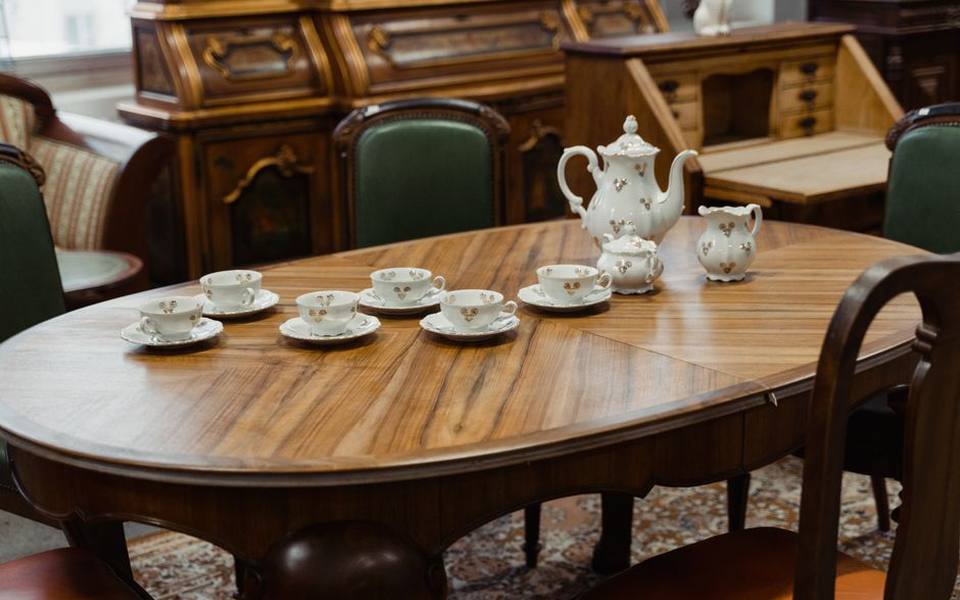
Whether you just brought home a dining set from local Antique Furniture Stores or pulled a family heirloom out of long-term storage, avoid common household spray cleaners. Commercial aerosol polishes typically contain silicone oils that create a temporary high gloss but seep into microscopic checks in old varnish, making future professional touch-ups or repairs virtually impossible.
Tackling stubborn wax buildup and historic grime
Older dressers, tables, and cabinets often carry a dark, sticky crust composed of old oil polishes, beeswax, tobacco smoke, and cooking residue. Mild soapy water will rarely cut through this hardened layer. In these situations, odorless mineral spirits offer a safe and time-tested solution that dissolves grime without dissolving historic finishes like shellac or early nitrocellulose lacquer.
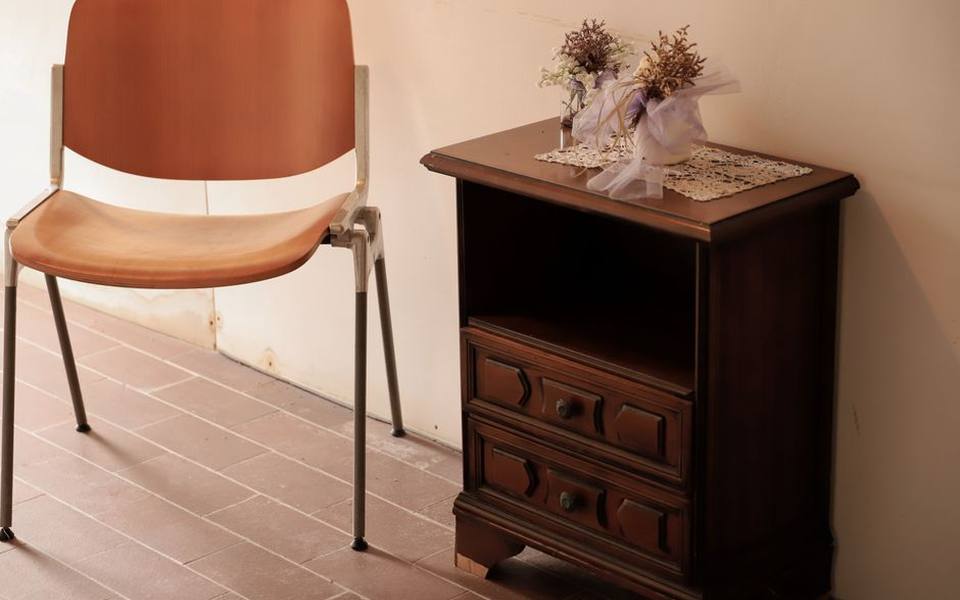
Before treating an entire surface, test your solvent on a discreet spot, such as the lower back edge of a leg or inside a drawer frame. Pour a modest amount of mineral spirits onto a lint-free cotton cloth—never directly onto the timber—and rub lightly in the direction of the grain. If the test patch cleans up nicely and leaves the undercoat undisturbed, you can work across the piece in small, manageable sections.
As you work, rotate the cloth regularly so you lift the dirt away rather than spreading dissolved muck across adjacent boards. Keep ventilation open and work patiently. If you suspect your piece is rare or valuable, checking in with professional Appraisal Services beforehand can give you peace of mind that a deep cleaning will protect, rather than lower, its historic value.
Choosing the right paste wax over liquid polishes
Once old grime is lifted, aged timber needs a barrier layer to seal out moisture and airborne dirt. The best treatment for historic wood finishes is a traditional, semi-solid paste wax formulated with carnauba and beeswax. Paste wax creates a hard, durable, breathable barrier that buffs to a warm, authentic satin sheen rather than an artificial glass-like slickness.
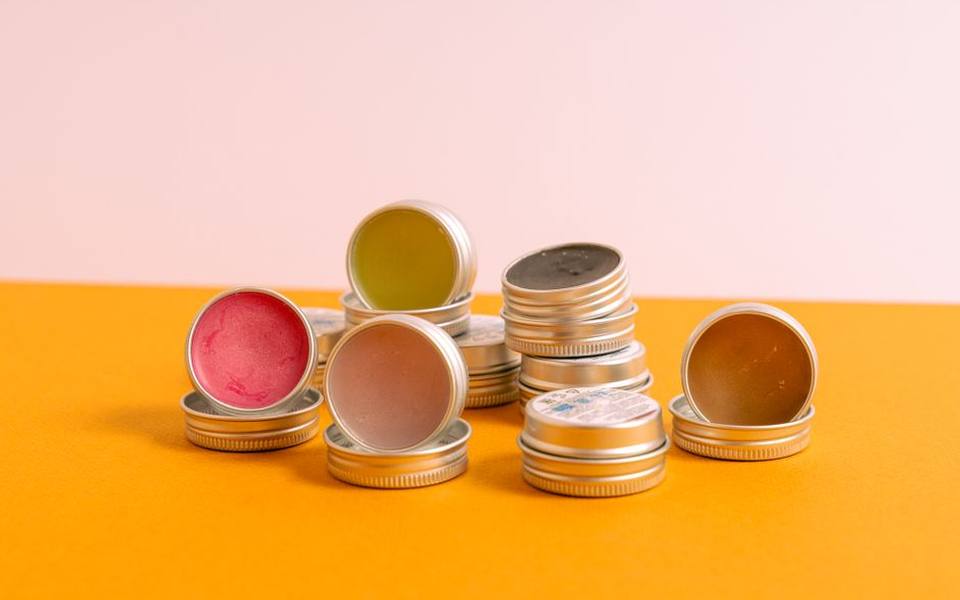
Skip liquid furniture oils such as boiled linseed or raw tung oil unless you are working on completely stripped, raw timber. When applied over an existing clear finish, drying oils remain tacky on the surface, attracting household dust and turning dark and gummy within a few months. Aerosol waxes are equally problematic because the propellants and carriers dry out the wood over time.
Many interesting vintage sideboards and trunks turn up when browsing local Antique Consignment Shops, and almost all of them benefit from a single thin coat of quality paste wax. Select an amber or neutral wax for light woods like oak, maple, and pine, or a darker brown-tinted wax for mahogany, walnut, and cherry to fill micro-scratches without showing white residue in corners.
Applying and buffing your protective wax coat
Applying paste wax requires very little product and a good amount of elbow grease. Scoop a golf-ball-sized dollop of wax into a clean cotton rag or a piece of cheesecloth, folding the cloth around it so the wax squeezes through the weave as you rub. This prevents thick globs from settling into joints or low spots in decorative moldings.
Work in overlapping circles across a two-foot square area to work the wax into micro-pores, then lightly wipe across the area in the direction of the grain to smooth out your application. Allow the solvent in the wax to haze over for five to fifteen minutes, depending on the room temperature and humidity. Do not let it sit too long, or buffing becomes exhausting.
Once the haze appears dull and dry to a light fingertip touch, buff the wood vigorously using a clean flannel cloth, microfiber towel, or a soft horsehair shoe-buffing brush. The friction warms the wax, spreading it into an ultra-thin protective shield. You can explore regional selections at Antique Malls to compare how seasoned dealers maintain their period furniture displays.
Establishing an ongoing care routine
After a thorough cleaning and waxing, ongoing maintenance becomes remarkably low-maintenance. In most homes, regular care requires nothing more than gentle dusting once a week with a dry, lint-free cloth. Steer clear of pre-treated chemical dusting cloths or feather dusters, which can catch on fragile veneers, pull delicate edges, or scratch soft patinas.
A proper paste wax coat typically lasts anywhere from six months to two years, depending on sunlight exposure and how frequently the piece is used. High-touch surfaces like dining tables or desk tops may need a fresh coat annually, while bookcase sides and chest drawers can easily go several years between applications. Re-waxing too frequently only leads to hazy buildup.
Environmental control matters just as much as cleaning technique. Keep prized antiques away from direct heat registers, wood stoves, and windows with unfiltered southern sun, which dries wood joints and bleaches centuries-old dyes. If you are browsing inventories at Antique Stores in California or across humid coastal states, maintaining balanced indoor humidity prevents natural seasonal expansion and contraction.
Published 2026-09-20 · reviewed with each rebuild, last September 2026.
Find antique stores near you
The directory lists 25,996 antique stores by state and city — pick your state or use the “Near me” button in the header.
More guides
-
 Owning
Cleaning and Polishing Antique Silver Without Damaging the Patina
-
 Money
MoneyNavigating the Market for Vintage Currency
-
 Owning
Evaluating, Using, and Displaying Mid-Century Glassware and Kitchen Antiques
-
 Buying
Navigating Vintage and Antique Jewelry Styles
-
 Owning
How to Clean and Care for Silverware Without Causing Damage
-
 Owning
Vintage Pyrex Value and Safety Guide: Understanding Collector Patterns and Usage
-
 Buying
A Guide to Sourcing Vintage and Estate Jewelry
-
 Money
MoneyValuable Baseball Cards Guide: Spotting Vintage Sports Collectibles
-
 Owning
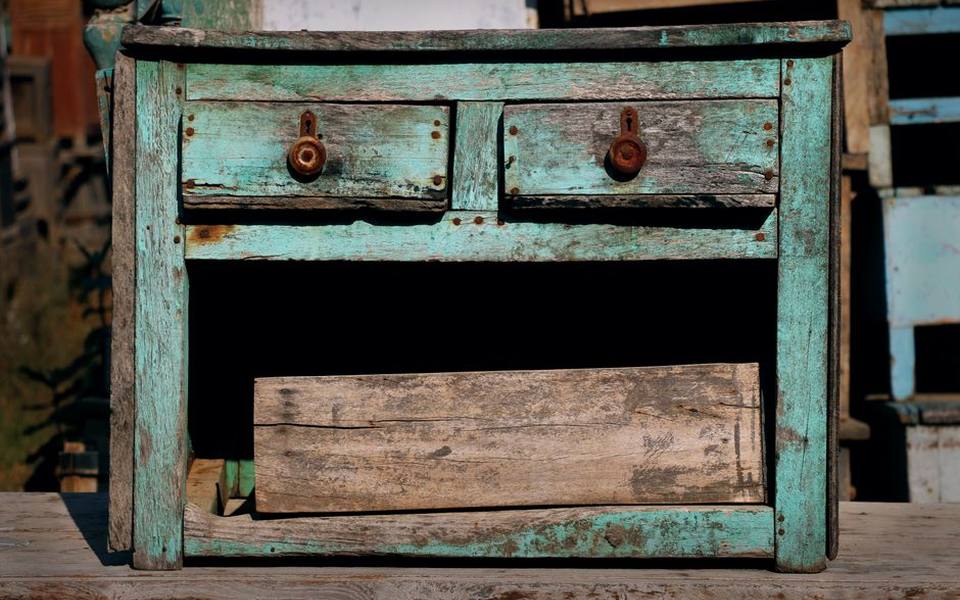
How to Clean and Restore Antique Wood Furniture
-
 Money
MoneyHow to Find and Use Antique Price Guides Online
-
 Money
MoneyHow to Determine the Value of Old Books and First Editions
-
 Money
MoneyWhere and How to Sell Vintage Coins for the Best Return
-
 Buying
Choosing and Caring for Vintage and Modern Cast Iron Cookware
-
 Owning
How to Polish and Value Antique Silverware at Home
-
 Buying
Vintage and Classic Cast Iron Cookware: Buyer's, Value, and Care Guide
-
 Buying
Antique Silverware, Vintage Jewelry, and Collectible Coins Guide
-
 Money
MoneyA Practical Guide to Antique Price Guides and Rare Book Valuations
-
 Owning
How to Clean, Polish, and Refinish Antique Wood Furniture
-
 Owning
Ultimate Guide to Vintage and Antique Cast Iron Cookware: Brands, Seasoning, and Care
-
 Owning
How to Clean, Polish, and Value Vintage Silverware and Antique Jewelry
-
 Buying
Valuing Vintage Collectibles: From Rare Dolls and Slot Machines to Classic Lamps and Churns
-
 Owning
How to Clean, Polish, and Refinish Antique Wood Furniture
-
 Money
MoneyVintage Glassware Value Guide: Pyrex, Depression Glass, CorningWare, and Bottles
-
 Money
MoneyAntique & Vintage Price Guides: How to Value Antiques and Collectibles
-
 Buying
How to Value Old Books and First Editions: A Collector's Price Guide
-
 Money
MoneyWhere and How to Sell Vintage Records and Audio Equipment
-
 Buying
How to Buy, Value, and Sell Vintage Coins: A Practical Beginner's Guide
-
 Buying
Estate Sale Guide: How to Find, Buy, and Liquidate Antiques
-
 Buying
Vintage and Modern Cast Iron Cookware: Identification, Seasoning, Buying, and Care
-
 Money
MoneyComprehensive Guide to Antique Values, Old Books, and Collectibles Pricing
-
 Owning
Cleaning and Caring for Vintage Silverware, Fine Jewelry, and Antique Metals
-
 Owning
How to Clean, Polish, and Refinish Antique Wood Furniture
-
 Buying
Vintage and Modern Cast Iron Cookware: Identification, Caring, and Buying Guide
-
 Owning
Antique Silverware: Cleaning, Polishing at Home, and Value Guide
-
 Owning
Care, Polishing, and Refinishing Guide for Antique Wood Furniture
-
 Buying
Vintage Pyrex, Glassware, and Depression Glass Identification and Value Guide
-
 Money
MoneyAntique Price Guides: How to Value and Sell Antiques Online and Offline
-
 Money
MoneyCollectible Old Books and First Editions: Valuation and Identification Guide
-
 Buying
Vintage Sewing Machines, Stoves, and Antique Tools Value Guide
-
 Buying
Collector Guide to Vintage Door Hardware, Knobs, and Cabinet Pulls
-
 Owning
Antique & Vintage Dolls: Values, Identification, and Care
-
 Buying
Antique Hoosier Cupboards and Vintage Desks: History, Identification, and Value
-
 Service
Grandfather, Wall, and Pocket Clock Repair and Identification Guide
-
 Owning
Antique Rotary Telephones and Landlines: Buying, Restoring, and Converting
-
 Owning
Collecting Vintage Picture Frames and Oil Paintings: Framing and Restoration
-
 Buying
Antique Sewing Machines and Spinning Wheels: Value, Brands, and Maintenance
-
 Buying
Antique Wood Stoves and Log Burners: Buying, Safety, and Restoration Guide
-
 Buying
Depression Glass and Antique Canning Jars: Identification and Values
-
 Buying
Vintage Mirrors: Identifying, Buying, and Styling Antique Glass
-
 Owning
Antique Silverware and Silverplate Flatware: Cleaning, Identification, and Value
-
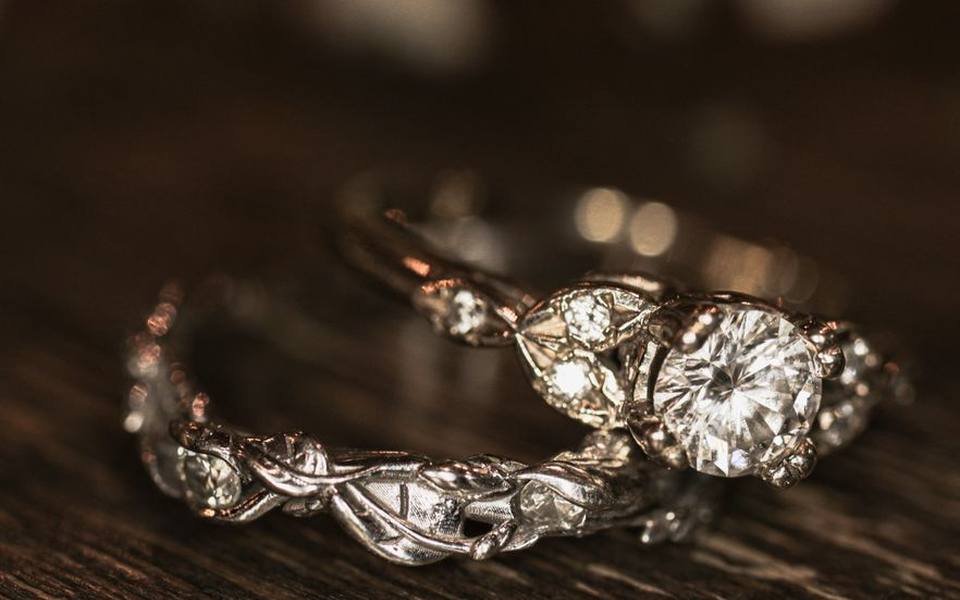 Buying
Vintage Engagement Rings and Art Deco Jewelry: Buying and Valuation
-
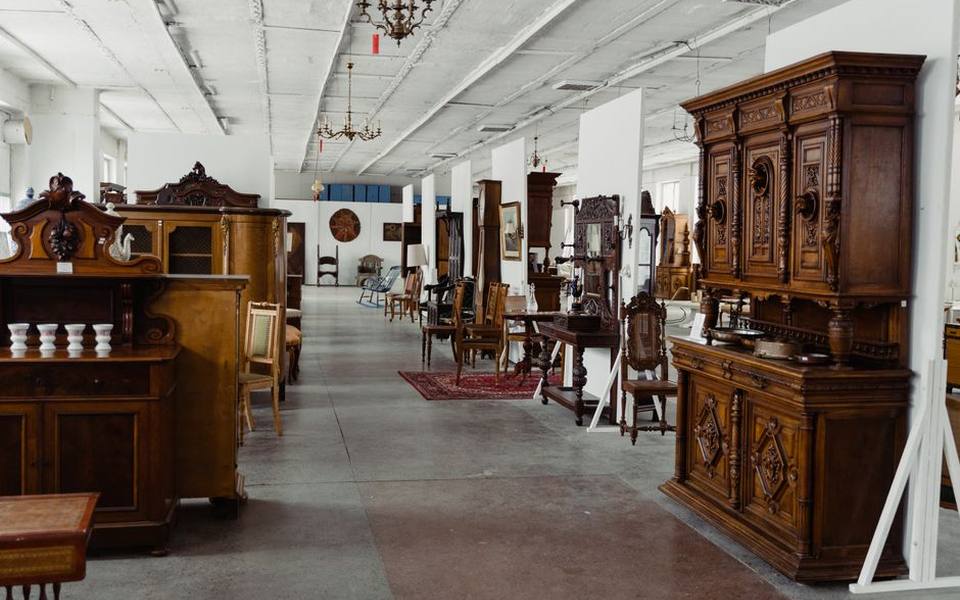 Buying
Buyer Guide to Vintage and Antique Furniture: Seating, Tables, Desks, and Reproductions
-
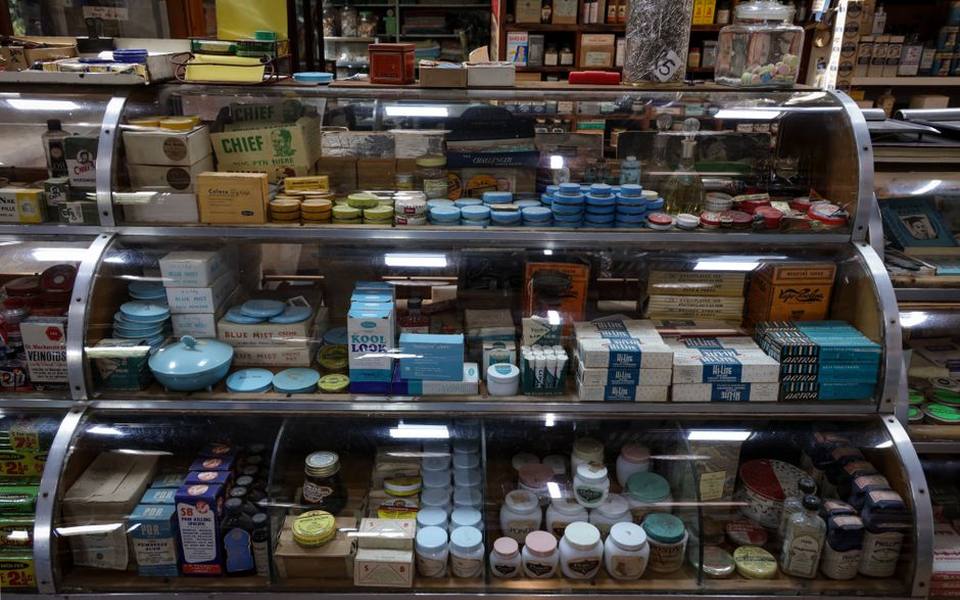 Buying
Collector Guide to Vintage Toys, Lighters, Sports Ephemera, and Curios
-
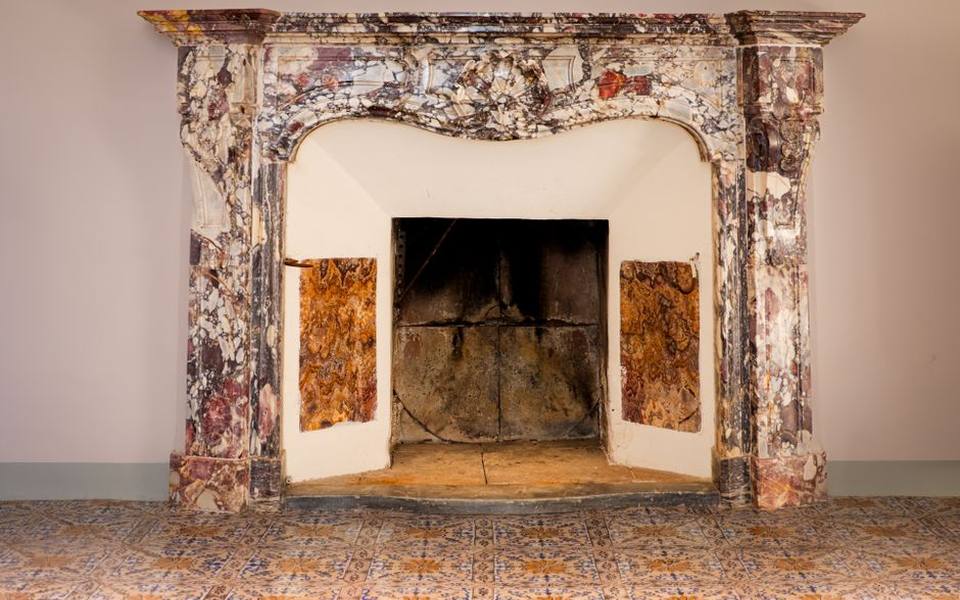 Buying
Architectural Salvage Guide: Sourcing Stained Glass, Mantels, and Historic Hardware
-
 Buying
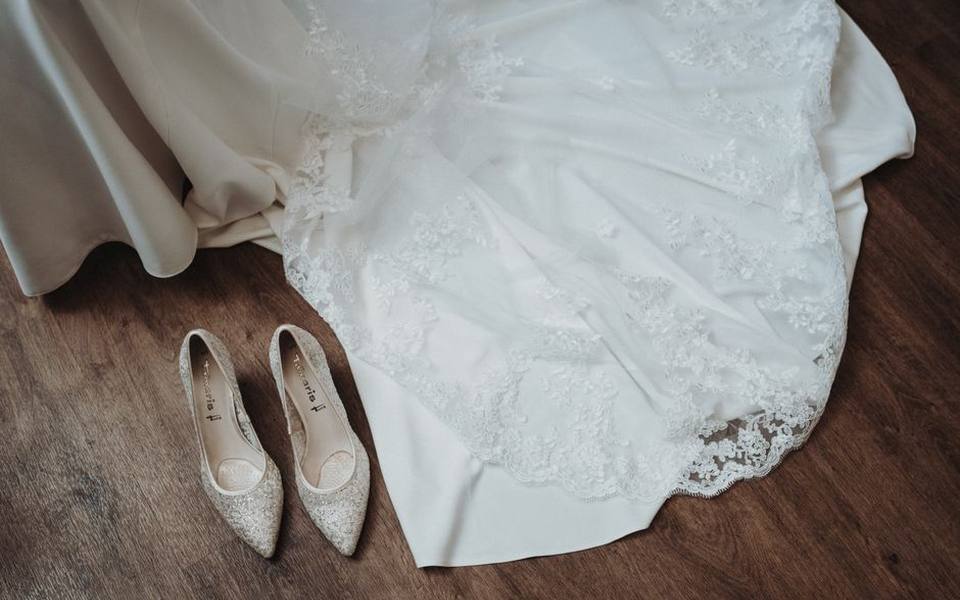
Vintage Fashion and Heirloom Style: Sourcing Dresses, Denim, Leather, and Ephemera