What Makes an Old Book Genuinely Valuable
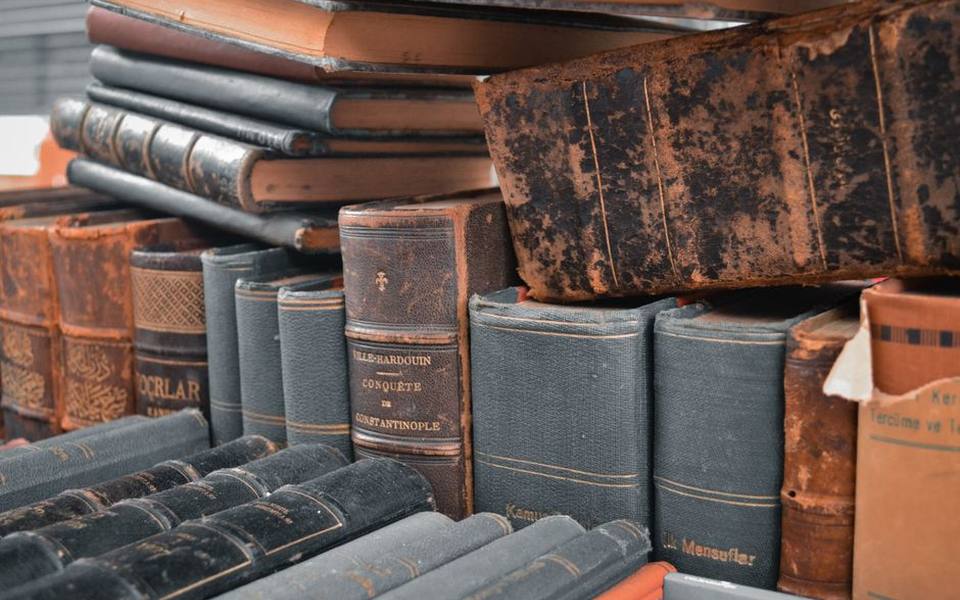
Age alone rarely determines what an old volume is worth on the open market. Millions of nineteenth-century family bibles, school textbooks, and leather-bound encyclopedias survive in massive numbers, yet supply far exceeds buyer interest. To hold measurable commercial value, a book must combine physical scarcity with enduring cultural relevance, historical importance, or author recognition that encourages collectors to actively seek out copies.
Scarcity operates in specific ways among antiquarian texts. A title might exist in a limited run of a few hundred copies produced by a private press, or it might be an author's debut published before later fame spurred printings in the hundreds of thousands. Conversely, an obscure theological treatise printed in 1780 that nobody reads or studies today may linger unsold, while an iconic mid-century novel can command substantial sums.
Collector interest also centers on distinct categories. Landmark works of philosophy, early military narratives, classic children's tales, breakthroughs in science, and iconic genre fiction consistently draw attention. Recognizing whether your volume belongs to an established collecting field is always the essential starting point before you begin searching for comparable sales figures.
Identifying True First Editions and Printing Points
Determining whether a volume is truly a first edition requires looking closely at publisher terminology. In modern book collecting, value typically centers on the first printing of the first edition. Many volumes state 'First Edition' on the copyright page, yet subsequent impressions—often designated by a descending number sequence such as '10 9 8 7 6 5 4 3 2 1'—indicate whether the copy is from that initial print run. If the lowest visible number is a two or higher, the volume is generally a later impression with noticeably lower market value.
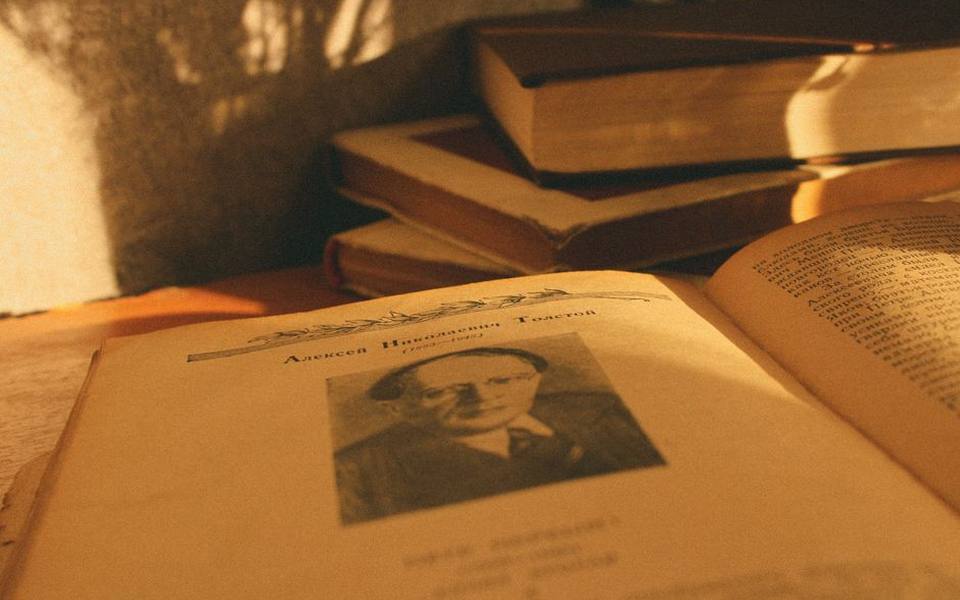
Distinguishing the earliest printings frequently comes down to minute characteristics known to collectors as issue points. In twentieth-century literature, slight typographical errors in the text, specific cloth colors on the boards, or particular blurbs on the dust jacket help pinpoint the earliest batch off the press. For instance, cataloging an early printing of a modern sci-fi favorite or an acclaimed paperback original requires verifying unclipped cover prices, publisher addresses, and typographical oddities that appeared only during the initial press run.
Authors whose early novels enjoyed modest initial sales before they became household names present the most dramatic price differences between print runs. Early horror hardcovers or classic fantasy debuts were often manufactured in batches of only a few thousand copies before bestseller status prompted massive reprints. Confirming that a book has the exact binding details and copyright codes of that initial batch is critical before assuming you hold a valuable discovery.
The Crucial Impact of Condition and Dust Jackets
For modern hardcovers published from the 1920s onward, the presence and preservation of the original dust jacket can account for up to eighty percent or more of the book's total worth. A clean, sound copy of a celebrated novel without its jacket often sells for a fraction of what an identical text block commands with its original illustrated wrapper. Collectors place a premium on unfaded spine art, crisp edges, and jackets that have escaped heavy sun exposure or paper trimming.
Dealers assess books using standardized grading descriptions ranging from Fine and Very Good down to Fair and Poor. A book graded Very Good shows only modest shelf wear, intact hinges, clean endpapers, and no loose pages. Problems such as a leaning spine, acidic paper spotting known as foxing, water staining, and persistent mildew odors from improper attic or basement storage significantly reduce what serious buyers are willing to pay.
Ownership marks also shape collectible appeal. Rubber library stamps, glued card pockets, and roughly removed bookplates generally suppress value, turning an otherwise scarce first edition into an ex-library reading copy. Conversely, verified author signatures, personalized inscriptions to literary associates, or historic bookplates from prominent figures can transform a standard title into an important collectible artifact.
Researching Market Prices and Realized Sales
A frequent misstep for casual owners is confusing advertised asking prices with actual transaction value. Finding an online listing where a seller asks several hundred dollars for an old clothbound novel does not guarantee that anyone will ever purchase it at that level. To establish realistic expectations, researchers must review confirmed auction results and completed transactions where payment genuinely occurred.
Visiting nearby antique malls offers a helpful look at how dealers price decorative bindings, vintage paperbacks, and collectible classics in real-world retail settings. In many multi-dealer shops, common vintage books are priced primarily for their visual decorative appeal on a shelf, often selling for modest sums unless tied to a documented author or specialty field.
Household liquidations offer another perspective on how private collections are traded. Liquidators working through antique shops offering estate sales routinely evaluate broad home libraries, separating high-demand first editions from bulk reading material. Paying attention to these sales shows how general inventory is discounted compared to high-grade, individually cataloged rarities.
Professional Appraisals and Selling Options
If you discover what appears to be a major rarity—such as an eighteenth-century atlas, an author-signed modern landmark, or a specialized private collection—arranging for professional appraisal services is a sensible step. Qualified appraisers verify printing states against standard bibliographies, inspect paper stock and bindings, and produce formal valuation documents suitable for insurance riders or estate settlement.
When it comes time to sell, choosing the right outlet depends on the quality of your books and how quickly you want to liquidate. Partnering with established antique consignment shops or dedicated antiquarian auction firms lets you reach specialized collectors without managing packing, specialized photography, and shipping risks on your own. Consignment commissions typically depend on the total realized price.
For general vintage books that lack individual collector rarity, selling them in themed lots or offering them to local used-book merchants often makes more practical sense than listing every volume separately. Weighing the time required to research and describe each title against its probable return helps ensure you focus your effort where genuine value exists.
Published 2026-09-20 · reviewed with each rebuild, last September 2026.
Find antique stores near you
The directory lists 25,996 antique stores by state and city — pick your state or use the “Near me” button in the header.
More guides
-
 Owning
Cleaning and Polishing Antique Silver Without Damaging the Patina
-
 Money
MoneyNavigating the Market for Vintage Currency
-
 Owning
Evaluating, Using, and Displaying Mid-Century Glassware and Kitchen Antiques
-
 Buying
Navigating Vintage and Antique Jewelry Styles
-
 Owning
How to Clean and Care for Silverware Without Causing Damage
-
 Owning
Vintage Pyrex Value and Safety Guide: Understanding Collector Patterns and Usage
-
 Buying
A Guide to Sourcing Vintage and Estate Jewelry
-
 Money
MoneyValuable Baseball Cards Guide: Spotting Vintage Sports Collectibles
-
 Owning
How to Clean and Restore Antique Wood Furniture
-
 Money
MoneyHow to Find and Use Antique Price Guides Online
-
 Money
MoneyWhere and How to Sell Vintage Coins for the Best Return
-
 Buying
Choosing and Caring for Vintage and Modern Cast Iron Cookware
-
 Owning
How to Polish and Value Antique Silverware at Home
-
 Owning
How to Clean and Polish Antique Wood Furniture Without Damaging It
-
 Buying
Vintage and Classic Cast Iron Cookware: Buyer's, Value, and Care Guide
-
 Buying
Antique Silverware, Vintage Jewelry, and Collectible Coins Guide
-
 Money
MoneyA Practical Guide to Antique Price Guides and Rare Book Valuations
-
 Owning
How to Clean, Polish, and Refinish Antique Wood Furniture
-
 Owning
Ultimate Guide to Vintage and Antique Cast Iron Cookware: Brands, Seasoning, and Care
-
 Owning
How to Clean, Polish, and Value Vintage Silverware and Antique Jewelry
-
 Buying
Valuing Vintage Collectibles: From Rare Dolls and Slot Machines to Classic Lamps and Churns
-
 Owning
How to Clean, Polish, and Refinish Antique Wood Furniture
-
 Money
MoneyVintage Glassware Value Guide: Pyrex, Depression Glass, CorningWare, and Bottles
-
 Money
MoneyAntique & Vintage Price Guides: How to Value Antiques and Collectibles
-
 Buying
How to Value Old Books and First Editions: A Collector's Price Guide
-
 Money
MoneyWhere and How to Sell Vintage Records and Audio Equipment
-
 Buying
How to Buy, Value, and Sell Vintage Coins: A Practical Beginner's Guide
-
 Buying
Estate Sale Guide: How to Find, Buy, and Liquidate Antiques
-
 Buying
Vintage and Modern Cast Iron Cookware: Identification, Seasoning, Buying, and Care
-
 Money
MoneyComprehensive Guide to Antique Values, Old Books, and Collectibles Pricing
-
 Owning
Cleaning and Caring for Vintage Silverware, Fine Jewelry, and Antique Metals
-
 Owning
How to Clean, Polish, and Refinish Antique Wood Furniture
-
 Buying
Vintage and Modern Cast Iron Cookware: Identification, Caring, and Buying Guide
-
 Owning
Antique Silverware: Cleaning, Polishing at Home, and Value Guide
-
 Owning
Care, Polishing, and Refinishing Guide for Antique Wood Furniture
-
 Buying
Vintage Pyrex, Glassware, and Depression Glass Identification and Value Guide
-
 Money
MoneyAntique Price Guides: How to Value and Sell Antiques Online and Offline
-
 Money
MoneyCollectible Old Books and First Editions: Valuation and Identification Guide
-
 Buying
Vintage Sewing Machines, Stoves, and Antique Tools Value Guide
-
 Buying
Collector Guide to Vintage Door Hardware, Knobs, and Cabinet Pulls
-
 Owning
Antique & Vintage Dolls: Values, Identification, and Care
-
 Buying
Antique Hoosier Cupboards and Vintage Desks: History, Identification, and Value
-
 Service
Grandfather, Wall, and Pocket Clock Repair and Identification Guide
-
 Owning
Antique Rotary Telephones and Landlines: Buying, Restoring, and Converting
-
 Owning
Collecting Vintage Picture Frames and Oil Paintings: Framing and Restoration
-
 Buying
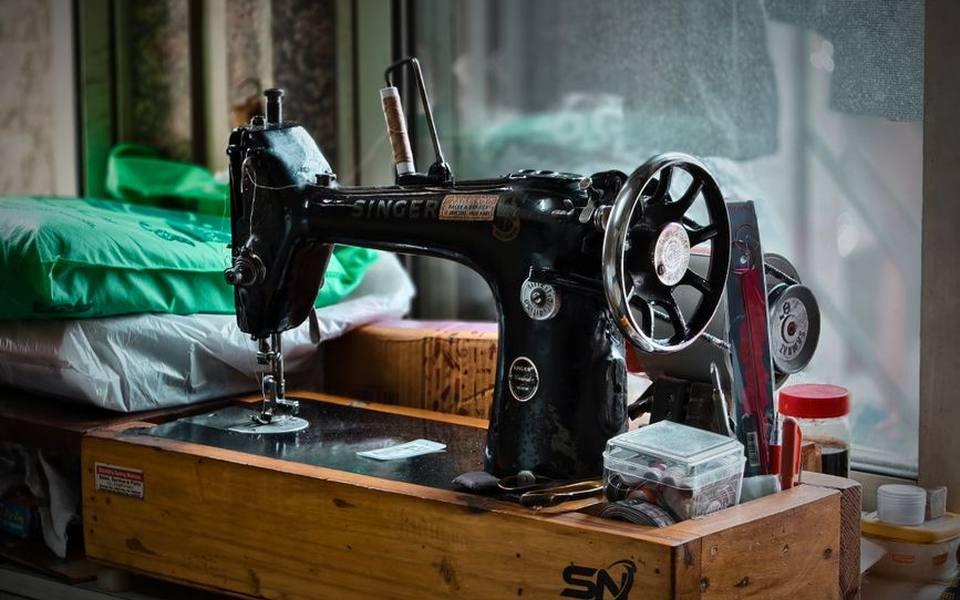
Antique Sewing Machines and Spinning Wheels: Value, Brands, and Maintenance
-
 Buying
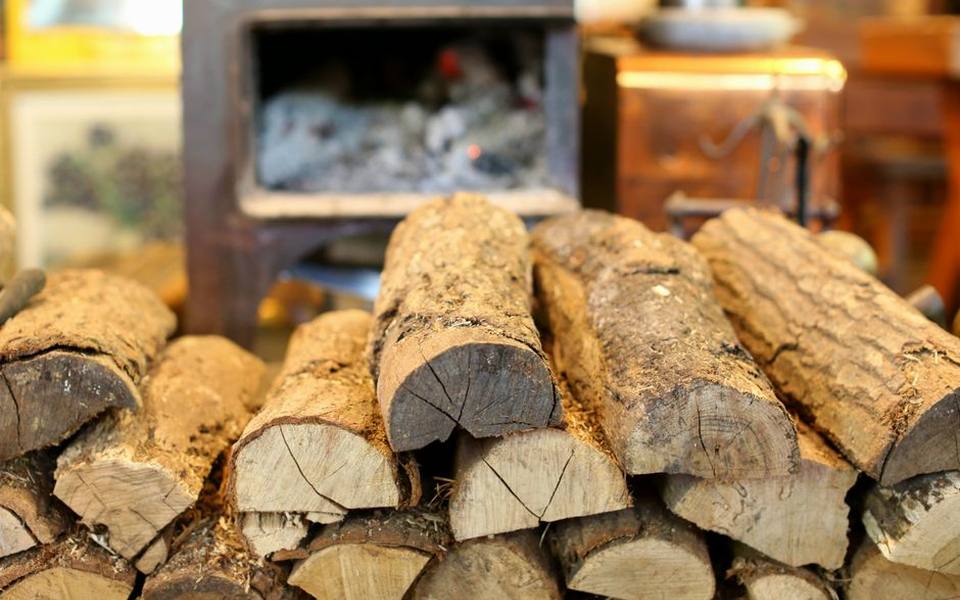
Antique Wood Stoves and Log Burners: Buying, Safety, and Restoration Guide
-
 Buying
Depression Glass and Antique Canning Jars: Identification and Values
-
 Buying
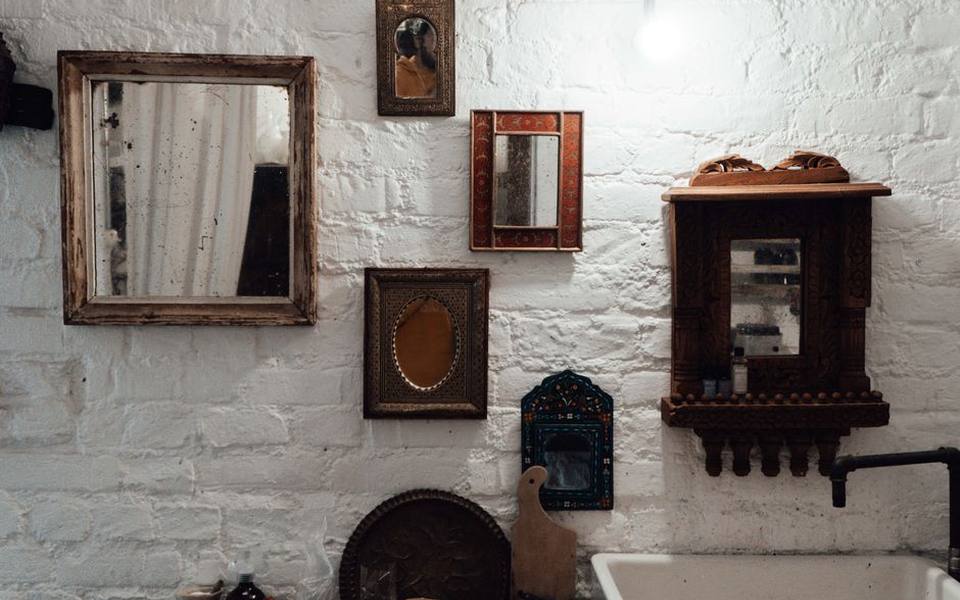
Vintage Mirrors: Identifying, Buying, and Styling Antique Glass
-
 Owning
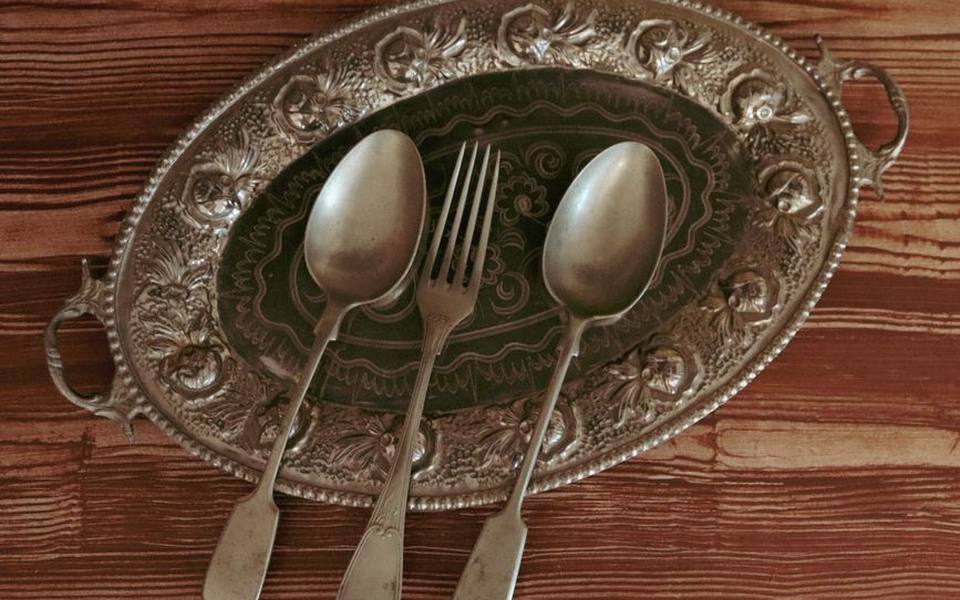
Antique Silverware and Silverplate Flatware: Cleaning, Identification, and Value
-
 Buying
Vintage Engagement Rings and Art Deco Jewelry: Buying and Valuation
-
 Buying
Buyer Guide to Vintage and Antique Furniture: Seating, Tables, Desks, and Reproductions
-
 Buying
Collector Guide to Vintage Toys, Lighters, Sports Ephemera, and Curios
-
 Buying
Architectural Salvage Guide: Sourcing Stained Glass, Mantels, and Historic Hardware
-
 Buying
Vintage Fashion and Heirloom Style: Sourcing Dresses, Denim, Leather, and Ephemera