Vintage casting versus modern production pans
The primary difference between historic cast iron cookware and modern retail pans comes down to manufacturing methods. Up through the mid-twentieth century, foundries cast their pieces in fine sand molds and then mechanically ground the interior cooking surface until it became glassy and flat. Modern high-volume cookware typically skips that expensive milling process to hold prices down, leaving behind a pebbled, sand-cast texture right out of the factory box.
Weight also plays a substantial role in kitchen comfort. Older casting techniques produced skillets with noticeably thinner walls and bases without sacrificing structural strength, yielding a lighter pan that heats rapidly and changes temperature quickly with burner adjustments. Modern pans tend to be significantly heavier, which requires more wrist strength but provides substantial thermal mass that retains heat exceptionally well when searing thick steaks.
Neither style is definitively better for every culinary task, but they behave differently on the range. A polished vintage surface releases delicate foods like fried eggs with very little cooking fat, while a heavy contemporary skillet delivers deep, even browning without sudden temperature drops. Deciding between them depends on whether you prefer the effortless glide of historic milled iron or the rugged, thick-walled durability of contemporary production.
What to inspect when shopping for used cookware
When browsing booths across local antique malls, your first physical check should always be for bottom flatness. Place the skillet on an unyielding, flat counter and firmly press down on opposite edges of the rim to see if it wobbles or spins. A skillet with a bowed center bottom usually suffered from uneven heat exposure on an electric burner or campfire, making it frustrating to use on modern glass cooktops.
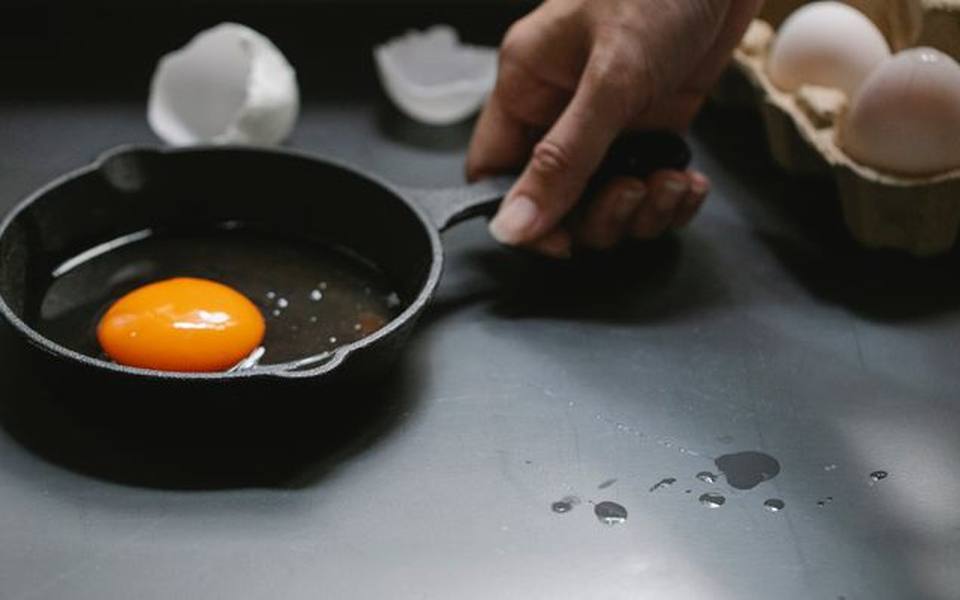
Inspect the metal closely for hairline fractures, particularly around the handle transition and along the outer rim. Fine cracks are frequently masked by thick layers of old carbon and grease, but you can often detect them by tapping the center of the pan with your knuckle; sound metal produces a clear, bell-like ring, whereas cracked iron sounds dull and flat. Searching through antique shops offering estate sales can turn up well-preserved family heirlooms that avoided rough outdoor treatment.
Look over the cooking surface and the exterior bottom for deep sulfur pitting or aggressive tool marks. Minor exterior pitting from old coal-stove use is cosmetic and harmless, but interior pitting creates rough spots that constantly trap food and make cleaning difficult. Steer clear of any skillet that shows swirl marks or gouges from an angle grinder or motorized wire wheel, as mechanical grinding strips away collector value and can thin the iron unevenly.
Deciding between bare metal and enameled finishes
Traditional bare cast iron serves as a versatile workhorse for high-heat searing, baking crusty cornbread, and cooking over an open campfire. It tolerates metal utensils without scratching and builds a slick non-stick patina over time. However, bare metal reacts chemically with acidic ingredients like tomato sauces, lemon juice, and wine, which can strip away your baked-on seasoning and introduce an unpleasant metallic taste to slow-simmered dishes.
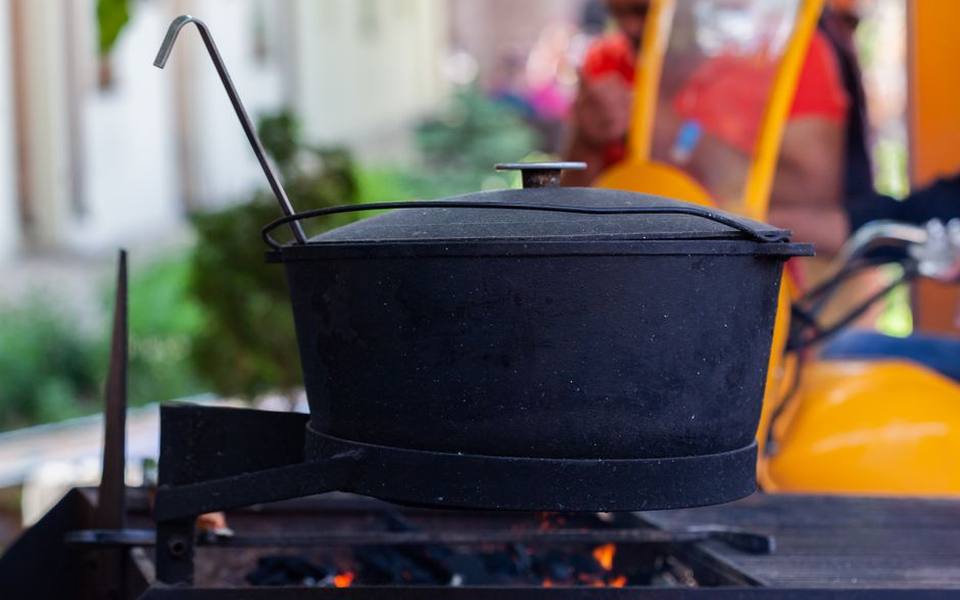
Enameled cookware solves that reactivity problem by sealing the underlying iron beneath a fused, vitrified glass coating. These covered pots excel at braising pot roasts, preparing soups, and stewing acidic ingredients for hours without stripping the finish. When inspecting secondhand enameled pieces in antique consignment shops, check the interior cooking floor under direct light for crazing, dulling, or small chips that expose the raw iron beneath the enamel.
While a neglected bare pan can be chemically stripped and restored an unlimited number of times, chipped enamel cannot be safely repaired or salvaged once the glass coating begins flaking into food. If you want a dependable pot for slow weekend stews and oven braises without maintenance routines, enameled iron is unmatched. If you want an indestructible skillet that you can drop, re-season, and hand down through generations, bare iron remains superior.
Stripping away old grease and establishing a seasoning foundation
Restoring old, crusty iron requires stripping away decades of rancid oil and built-up carbon without damaging the historic casting beneath. The safest chemical method is an unscented oven cleaner bath using sodium hydroxide inside a sealed heavy garbage bag for several days, or placing the piece in a dedicated lye tank. Never use a kitchen oven's self-cleaning cycle to strip vintage pans, because the sudden spike to extreme temperatures frequently warps or cracks older thin iron.
Once stripped down to bare, dull gray iron, rinse the piece thoroughly with cold water and dry it immediately on a warm burner to avoid flash rust. Seasoning is not simply coating metal in grease; it is the process of polymerizing liquid oil into a hard, slick plastic-like resin through controlled baking. Wipe a drop of neutral oil with high polyunsaturated fats over the entire surface, then wipe it off with clean rags until the metal looks dry.
Bake the pan upside down in an oven heated to around 450 to 475 degrees Fahrenheit for roughly an hour, letting it cool down slowly inside the oven before removal. Applying two or three initial layers produces a dependable base coat that shields the bare metal from humidity and daily wear. With regular cooking using cooking fats, that baseline layer darkens and strengthens into a permanent, glassy surface.
Everyday cleaning routines and handling sticky messes
A common kitchen myth warns that dish soap ruins cast iron seasoning, but cured seasoning is a chemically bonded polymer that gentle dish soaps cannot wash away. Feel free to clean your cookware with warm water, mild liquid soap, and a soft sponge or chainmail scrubber to lift grease and food residue. What does destroy cast iron is leaving it soaking in water or placing it inside a dishwasher, which rapidly causes surface rust.
After washing, towel the pan dry and place it over low burner heat for two minutes to evaporate any residual moisture hidden within the porous surface. While the pan remains warm to the touch, spread a tiny droplet of cooking oil across the cooking surface and buff it with a paper towel until no wet residue remains. Storing your cookware in a dry pantry with room for air circulation prevents moisture buildup between meals.
If you want to handle several pieces before picking one for your stove, plan a trip to antique stores open on Sunday to compare handle comfort, balance, and pan weights side by side. A properly cared-for cast iron skillet requires very little day-to-day effort, easily surviving kitchen mistakes and delivering reliable cooking performance that synthetic non-stick pans cannot match.
Published 2026-09-20 · reviewed with each rebuild, last September 2026.
Find antique stores near you
The directory lists 25,996 antique stores by state and city — pick your state or use the “Near me” button in the header.
More guides
-
 Owning
Cleaning and Polishing Antique Silver Without Damaging the Patina
-
 Money
MoneyNavigating the Market for Vintage Currency
-
 Owning
Evaluating, Using, and Displaying Mid-Century Glassware and Kitchen Antiques
-
 Buying
Navigating Vintage and Antique Jewelry Styles
-
 Owning
How to Clean and Care for Silverware Without Causing Damage
-
 Owning
Vintage Pyrex Value and Safety Guide: Understanding Collector Patterns and Usage
-
 Buying
A Guide to Sourcing Vintage and Estate Jewelry
-
 Money
MoneyValuable Baseball Cards Guide: Spotting Vintage Sports Collectibles
-
 Owning
How to Clean and Restore Antique Wood Furniture
-
 Money
MoneyHow to Find and Use Antique Price Guides Online
-
 Money
MoneyHow to Determine the Value of Old Books and First Editions
-
 Money
MoneyWhere and How to Sell Vintage Coins for the Best Return
-
 Owning
How to Polish and Value Antique Silverware at Home
-
 Owning
How to Clean and Polish Antique Wood Furniture Without Damaging It
-
 Buying
Vintage and Classic Cast Iron Cookware: Buyer's, Value, and Care Guide
-
 Buying
Antique Silverware, Vintage Jewelry, and Collectible Coins Guide
-
 Money
MoneyA Practical Guide to Antique Price Guides and Rare Book Valuations
-
 Owning
How to Clean, Polish, and Refinish Antique Wood Furniture
-
 Owning
Ultimate Guide to Vintage and Antique Cast Iron Cookware: Brands, Seasoning, and Care
-
 Owning
How to Clean, Polish, and Value Vintage Silverware and Antique Jewelry
-
 Buying
Valuing Vintage Collectibles: From Rare Dolls and Slot Machines to Classic Lamps and Churns
-
 Owning
How to Clean, Polish, and Refinish Antique Wood Furniture
-
 Money
MoneyVintage Glassware Value Guide: Pyrex, Depression Glass, CorningWare, and Bottles
-
 Money
MoneyAntique & Vintage Price Guides: How to Value Antiques and Collectibles
-
 Buying
How to Value Old Books and First Editions: A Collector's Price Guide
-
 Money
MoneyWhere and How to Sell Vintage Records and Audio Equipment
-
 Buying
How to Buy, Value, and Sell Vintage Coins: A Practical Beginner's Guide
-
 Buying
Estate Sale Guide: How to Find, Buy, and Liquidate Antiques
-
 Buying
Vintage and Modern Cast Iron Cookware: Identification, Seasoning, Buying, and Care
-
 Money
MoneyComprehensive Guide to Antique Values, Old Books, and Collectibles Pricing
-
 Owning
Cleaning and Caring for Vintage Silverware, Fine Jewelry, and Antique Metals
-
 Owning
How to Clean, Polish, and Refinish Antique Wood Furniture
-
 Buying
Vintage and Modern Cast Iron Cookware: Identification, Caring, and Buying Guide
-
 Owning
Antique Silverware: Cleaning, Polishing at Home, and Value Guide
-
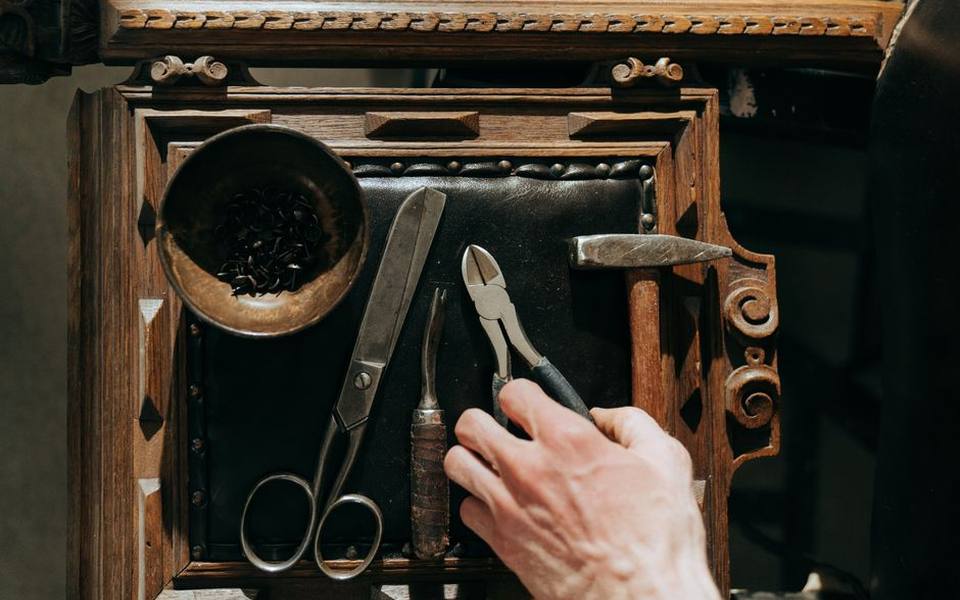 Owning
Care, Polishing, and Refinishing Guide for Antique Wood Furniture
-
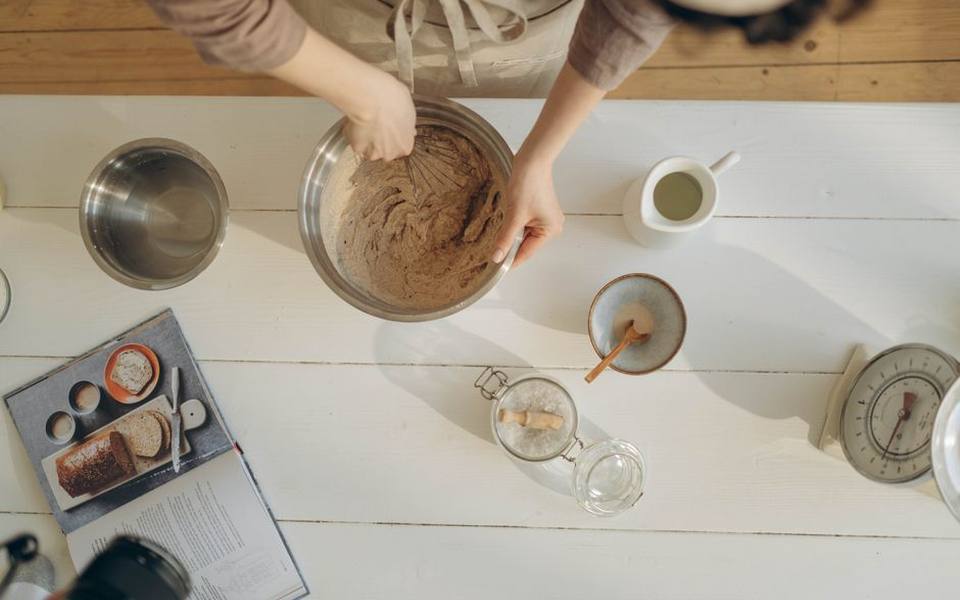 Buying
Vintage Pyrex, Glassware, and Depression Glass Identification and Value Guide
-
 Money
MoneyAntique Price Guides: How to Value and Sell Antiques Online and Offline
-
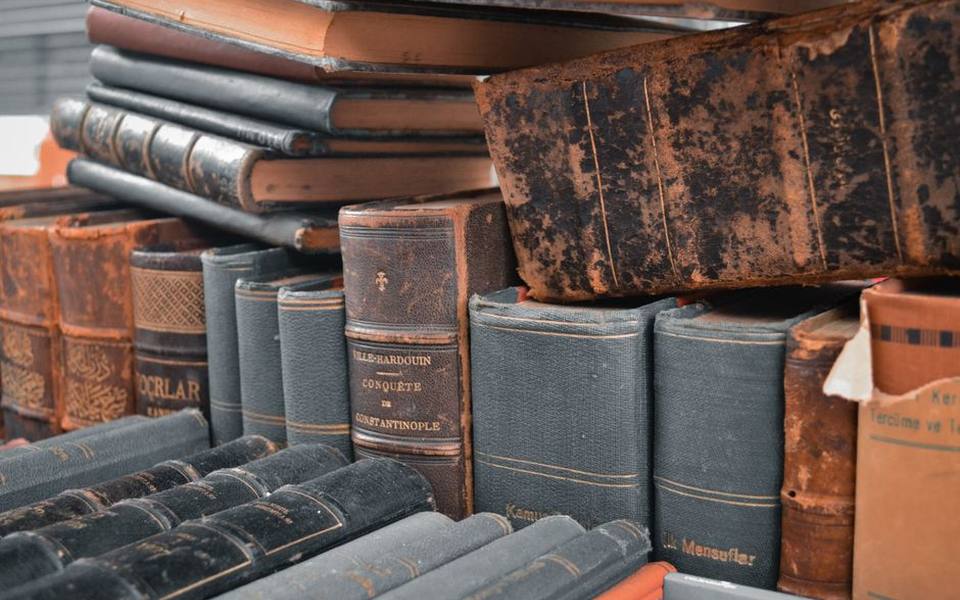 Money
MoneyCollectible Old Books and First Editions: Valuation and Identification Guide
-
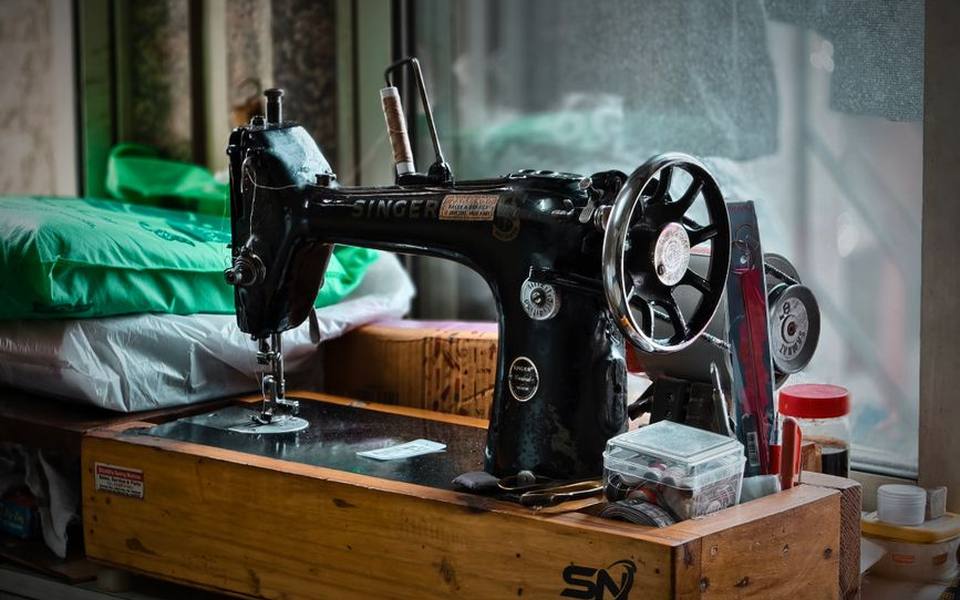 Buying
Vintage Sewing Machines, Stoves, and Antique Tools Value Guide
-
 Buying
Collector Guide to Vintage Door Hardware, Knobs, and Cabinet Pulls
-
 Owning
Antique & Vintage Dolls: Values, Identification, and Care
-
 Buying
Antique Hoosier Cupboards and Vintage Desks: History, Identification, and Value
-
 Service
Grandfather, Wall, and Pocket Clock Repair and Identification Guide
-
 Owning
Antique Rotary Telephones and Landlines: Buying, Restoring, and Converting
-
 Owning
Collecting Vintage Picture Frames and Oil Paintings: Framing and Restoration
-
 Buying
Antique Sewing Machines and Spinning Wheels: Value, Brands, and Maintenance
-
 Buying
Antique Wood Stoves and Log Burners: Buying, Safety, and Restoration Guide
-
 Buying
Depression Glass and Antique Canning Jars: Identification and Values
-
 Buying
Vintage Mirrors: Identifying, Buying, and Styling Antique Glass
-
 Owning
Antique Silverware and Silverplate Flatware: Cleaning, Identification, and Value
-
 Buying
Vintage Engagement Rings and Art Deco Jewelry: Buying and Valuation
-
 Buying
Buyer Guide to Vintage and Antique Furniture: Seating, Tables, Desks, and Reproductions
-
 Buying
Collector Guide to Vintage Toys, Lighters, Sports Ephemera, and Curios
-
 Buying
Architectural Salvage Guide: Sourcing Stained Glass, Mantels, and Historic Hardware
-
 Buying
Vintage Fashion and Heirloom Style: Sourcing Dresses, Denim, Leather, and Ephemera