Gentle Techniques for Cleaning Silverware at Home
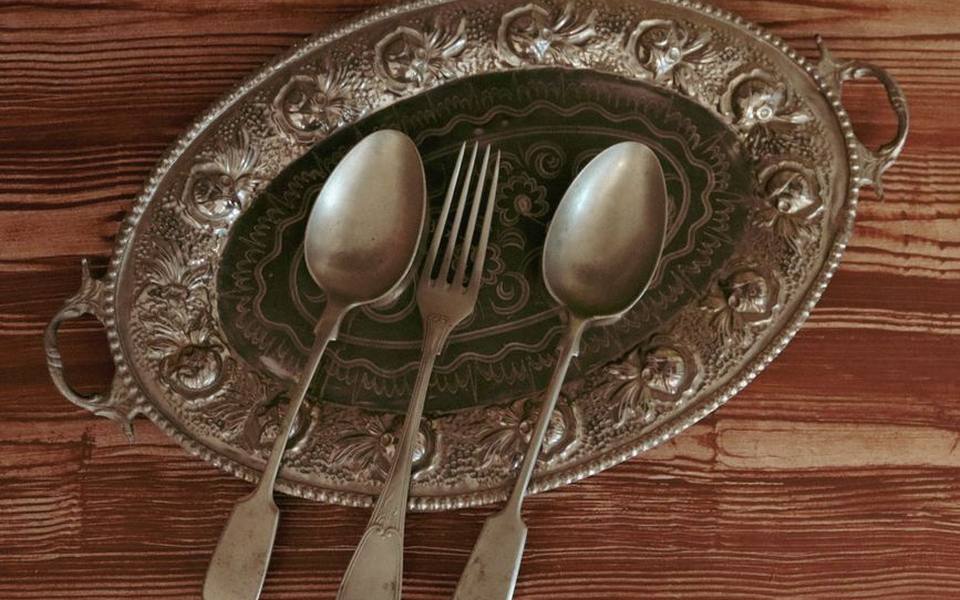
Caring for heirloom silverware starts with washing rather than aggressive scrubbing. Before applying any paste or chemical compound, rinse your pieces under warm running water using a mild, unscented dish detergent and a soft sponge. Never place antique flatware in an automatic dishwasher, as harsh detergents, extreme heat, and the proximity of other metals can leave permanent white pitting or strip away the desirable dark oxidation resting in recessed patterns.
When stubborn tarnish requires attention beyond soapy water, a traditional silver cream or paste designed specifically for fine metals remains the safest approach. Dab a small amount onto a damp microfiber cloth or a dampened cotton ball, gently working along the length of the utensil rather than in circular motions. Working in straight lines minimizes the risk of leaving noticeable micro-scratches along the mirror finish of sterling bowls or fork tines.
Rinse each piece thoroughly under warm water immediately after applying your cleaning compound to eliminate residual paste from crevice details. Dry the silver immediately using a clean, lint-free cotton flour-sack towel or soft microfiber cloth to prevent water spots from forming. Letting silver air-dry invites minerals from household tap water to dry into the surface, creating chalky rings that require another round of polishing.
How to Properly Use a Silver Polishing Cloth
A dedicated silver polishing cloth offers the gentlest method for lifting light surface oxidation without the mess of creams or rinsing baths. Most quality cloths feature a two-ply construction: an inner treated cloth impregnated with mild cleaning agents and micro-fine jewelers rouge, paired with an untreated exterior cloth designed for the final buffing. Using them correctly keeps your pieces bright without grinding down delicate chased patterns or thin silver plating.
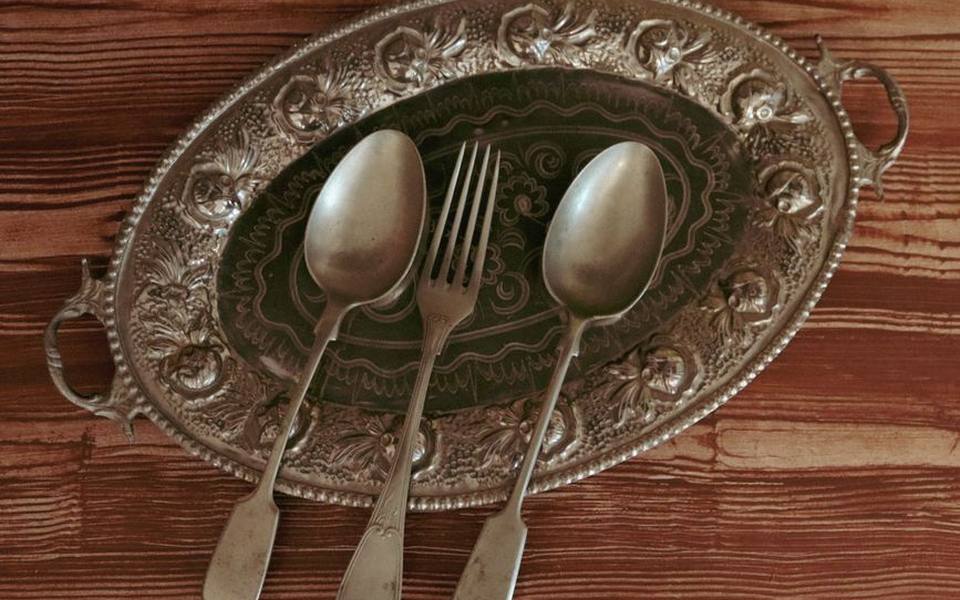
To clean your pieces, hold the item securely with one hand while rubbing the inner treated cloth across the tarnished metal in straight, smooth strokes. You will notice dark gray streaks transferring onto the fabric almost immediately; this discoloration is simply oxidized silver coming off the surface. Resist the urge to scrub vigorously, as steady, gentle pressure is all that is required to lift the sulfur film that forms tarnish.
Once the tarnish lifts, fold the cloth over and use the clean outer flannel layer to buff the metal to a glowing shine. Do not wash your polishing cloth when it turns dark gray or black, because laundering washes away the specialized cleaning chemicals embedded in the fibers. A single cloth can typically be used for years until the inner fabric loses its powdery feel and stops lifting oxidation effectively.
Understanding Old Silverware Prices and Market Factors
Evaluating vintage flatware requires distinguishing between solid sterling silver and silver-plated base metals. In the United States, authentic sterling is stamped with 'Sterling' or '925,' signifying that ninety-two and a half percent of the alloy is pure silver. The baseline value of solid silver sets is heavily tied to the daily precious metals spot market, meaning even plain or monogrammed sets retain substantial underlying melt worth based strictly on total weight.
Beyond raw metal weight, collectible value depends on maker prestige, pattern rarity, and condition. Renowned manufacturers from the late nineteenth and early twentieth centuries produced intricate multi-piece services that command premiums above scrap value when complete. Intricate floral, ornate Victorian, or clean mid-century patterns usually attract stronger buyer interest than generic mid-century hotel plate, especially if individual serving pieces like asparagus tongs or gravy ladles remain intact.
Silver-plated flatware follows an entirely different pricing structure because the actual silver layer measures only a few microns thick over nickel or brass. Complete plated sets in wooden canteens typically sell for modest sums at regional markets, although highly decorative serving pieces or discontinued patterns can fetch solid prices from buyers seeking replacement pieces. Browsing local Antique Malls often reveals broad differences in price tags between standard silver-plated services and certified sterling patterns.
Evaluating Victorian Silver Plate and Quadruple Plate Pieces
During the late Victorian era, manufacturers perfected electroplating techniques, producing an abundance of decorative hollowware marked as 'Quadruple Plate.' This label indicated that the base metal had passed through the plating bath multiple times, creating a thicker layer of silver than entry-level commercial goods. Companies like Pairpoint, Meriden, and Reed & Barton produced thousands of ornate butter dishes, tea sets, card receivers, and figural napkin rings using this technique.
When referencing a Pairpoint quadruple plate price guide or assessing similar Victorian hollowware, condition dictates almost everything. Because these items were used regularly over decades, aggressive polishing often wore through the silver coating down to the gray or yellowish base metal, a condition collectors refer to as 'bleeding.' Pieces showing extensive base metal exposure generally realize modest decorative prices, whereas crisp, intact silver with original glass inserts retains strong collector appeal.
Elaborate Victorian hollowware featuring sculptural animals, winged cherubs, or botanical handles consistently outperforms plain tea sets and trays. Figural napkin rings and complex pickle castors with intact art glass inserts can fetch hundreds of dollars from dedicated specialty collectors. If you discover marked quadruple plate in an estate collection, clean it solely with a dry polishing cloth to avoid stripping the remaining microscopic layer of silver.
Identifying Vintage Brooches Worth Substantial Money
Vintage brooches have experienced a major revival among both modern fashion enthusiasts and estate collectors. Determining which pins hold substantial secondary market value requires examining the reverse side before ever looking at the front gemstones. Fine brooches are usually crafted in platinum, karat gold, or sterling silver, accompanied by clear purity stamps, whereas costume pins rely on gold-tone base metal, pot metal, or rhodium-plated brass.
High-end costume jewelry brooches can often rival or exceed the value of fine jewelry pins if they bear signatures from premier mid-century design houses. Look closely near the pin mechanism or along the perimeter for crisp maker marks, copyright symbols, or inventory design numbers. Pieces featuring layered three-dimensional construction, prong-set European crystals, heavy enameling, or figurative animal motifs are particularly sought after by jewelry historians and private collectors.
Early plastics also yield surprising treasure in the brooch category. Hand-carved Bakelite pins from the 1930s and 1940s, recognizable by their deep hues of butterscotch, cherry, or forest green, can be worth notable amounts. You can inspect an array of signed costume pieces and precious metal pins in person at dedicated Antique Jewelry & Coin Shops to learn how weight, hinge construction, and maker stamps separate ordinary pins from valuable heirlooms.
The Bold History and Defining Traits of Cocktail Rings
A cocktail ring is an oversized, dramatic ring centered around a prominent colored gemstone, cluster of diamonds, or eye-catching faux jewel. These show-stopping pieces first emerged during the American Prohibition era of the 1920s as a bold symbol of rebellion and independence. Women attending clandestine speakeasies wore these flamboyant rings on their right hands, deliberately flashing them while holding illicit cocktails to signal their defiance of social conventions.
During the Retro era of the late 1930s through the 1950s, cocktail ring design expanded into heavy, sculptural yellow and rose gold settings. Jewelers incorporated large semi-precious stones such as citrine, aquamarine, amethyst, and smoky quartz, flanked by accent rubies or small round brilliant diamonds. The scale was intentionally theatrical, intended to catch the warm indoor lighting of evening dinner parties and social galas.
Valuing an antique or vintage cocktail ring involves testing the mounting metal and verifying the authenticity of the primary center stone. While natural emeralds, sapphires, and unheated aquamarines command top-tier appraisals, original mid-century settings featuring synthetic or foil-backed glass stones still hold solid decorative value. Always examine the prongs holding the large centerpiece, as vintage mountings may require tightening after decades in jewelry boxes.
Recognizing the Hallmarks of Art Deco Jewelry
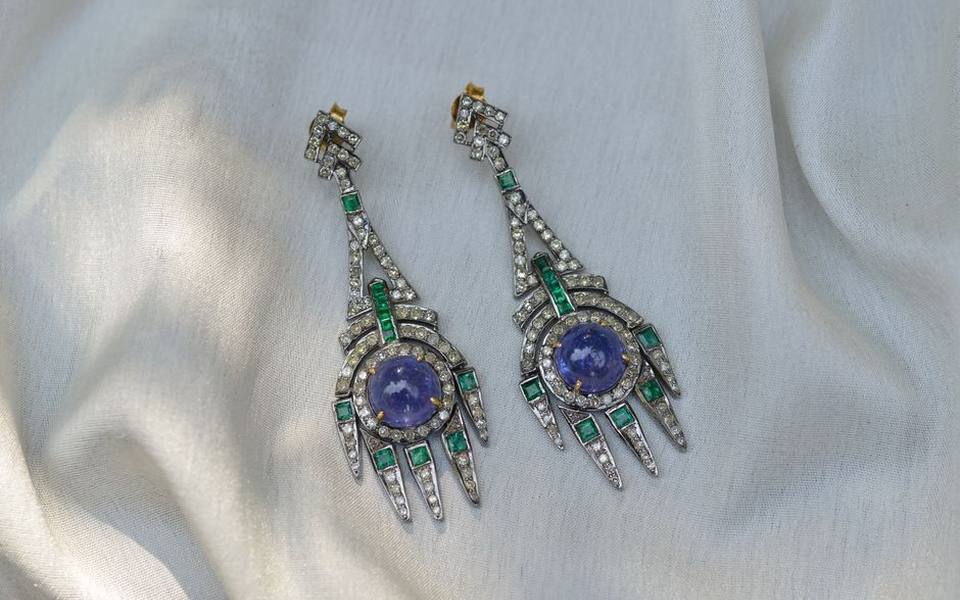
Art Deco jewelry, produced roughly between 1920 and 1935, is defined by geometric precision, architectural lines, monochromatic contrast, and exceptional craftsmanship. Emerging after World War I alongside modern industrial design, this movement abandoned the soft, organic curves of Art Nouveau in favor of sharp zigzags, stepped pyramids, and bold symmetry inspired by Cubism and ancient archaeological discoveries in Egypt.
Platinum became the metal of choice during the Art Deco era due to its tensile strength, allowing master bench jewelers to carve open-work lace patterns known as filigree. Artisans accented these crisp mountings with fine milgrain—minute beaded ridges rolled along metal borders—to frame diamonds and accent stones. Colored stones like onyx, calibré-cut sapphires, emeralds, and coral were custom-cut into trapezoids and triangles to fit seamless geometric channel settings.
Old European cut and early transitional cut diamonds are standard in genuine Art Deco fine jewelry, characterized by higher crowns, small tables, and open culets at the bottom point. Because modern reproductions abound in today's marketplace, authentic period pieces can often be verified by examining the undergallery for hand-sawn details rather than cast, rounded edges. Authentic period pieces continue to hold exceptional value among serious collectors worldwide.
Where to Buy Authentic Vintage Engagement Rings
Finding an authentic vintage engagement ring requires patience, research, and an understanding of historical diamond cutting styles. Independent brick-and-mortar antique jewelers remain among the most reliable sources, as reputable dealers have gemological testing equipment on hand to verify metal purities, stone treatments, and historical settings. Visiting a specialist gives you the tactile benefit of inspecting how a century-old ring sits against your hand.
Another rewarding avenue for sourcing period bridal jewelry is attending organized Antique Shops Offering Estate Sales, where private collections and family heirlooms are offered directly to the public. These sales frequently feature early twentieth-century solitaires, Edwardian cluster rings, and Art Deco illusion settings at prices that can be lower than retail estate boutiques, provided you are prepared to conduct your own condition checks on the spot.
Before finalizing any purchase, inspect the structural integrity of the mounting using a ten-power jeweler's loupe. Look closely at the thickness of the shank at the bottom, where decades of resizing or daily wear can wear gold thin, and ensure the prongs firmly secure the diamond without wobbling. Requesting an independent grading report or appraisal detailing diamond weight, color, clarity, and period provenance protects your investment.
Safe Cleaning Methods for Delicate Antique Gemstones
Cleaning antique jewelry requires far more caution than handling modern pieces, as older settings often incorporate foil backings, delicate organic gems, or heat-sensitive stones. Modern ultrasonic tanks and high-pressure steam cleaners can shatter emeralds filled with natural fissures, crack heat-sensitive opals, or loosen diamonds seated in worn century-old prongs. A conservative, hand-cleaning regimen is the safest protocol for preserving historic pieces.
For hard gemstones like diamonds, sapphires, and rubies mounted in solid gold or platinum, mix a few drops of mild baby shampoo in a bowl of lukewarm water. Soak the piece for no more than five minutes, then gently brush around the prongs and underneath the basket using an extra-soft baby toothbrush. Rinse the ring in a separate bowl of clean water rather than over an open sink drain, and pat dry with a soft cloth.
Porous and organic materials such as pearls, turquoise, coral, amber, and shell cameos require waterless or minimally damp cleaning. Never submerge pearls or foil-backed Georgian stones in liquid, as moisture dissolves the hide glue beneath pearls and oxidizes reflective foil linings into dark spots. Simply wipe organic gems with a clean, barely damp microfiber cloth and store them flat in soft cloth pouches.
When to Choose Professional Appraisals or Consignment
If you have inherited a substantial collection of family silver or vintage estate jewelry, determining whether to keep, insure, or liquidate the items begins with an objective inventory. Sorting sterling from plate and signed designer pieces from unsigned costume pins allows you to focus your attention on items that carry genuine secondary market interest. For extensive collections or rare museum-quality pieces, professional guidance provides peace of mind.
Scheduling a session with certified Appraisal Services yields formal documentation acceptable to insurance carriers, estate attorneys, and tax authorities. Professional appraisers charge an hourly or flat per-item fee rather than a percentage of the valuation, guaranteeing an unbiased assessment based on current auction records and private market comparisons. They can pinpoint maker hallmarks that might escape an untrained eye.
When you decide to sell items you no longer wish to maintain, working through vetted Antique Consignment Shops is often preferable to accepting immediate melt-value payouts. Consignment allows your pieces to be displayed before discerning retail collectors who are willing to pay for aesthetic beauty, maker heritage, and antique rarity. While consignment galleries retain an agreed commission on the final sale, the net return on decorative silver and fine jewelry typically exceeds wholesale scrap offers.
Published 2026-09-20 · reviewed with each rebuild, last September 2026.
Find antique stores near you
The directory lists 25,996 antique stores by state and city — pick your state or use the “Near me” button in the header.
More guides
-
 Owning
Cleaning and Polishing Antique Silver Without Damaging the Patina
-
 Money
MoneyNavigating the Market for Vintage Currency
-
 Owning
Evaluating, Using, and Displaying Mid-Century Glassware and Kitchen Antiques
-
 Buying
Navigating Vintage and Antique Jewelry Styles
-
 Owning
How to Clean and Care for Silverware Without Causing Damage
-
 Owning
Vintage Pyrex Value and Safety Guide: Understanding Collector Patterns and Usage
-
 Buying
A Guide to Sourcing Vintage and Estate Jewelry
-
 Money
MoneyValuable Baseball Cards Guide: Spotting Vintage Sports Collectibles
-
 Owning
How to Clean and Restore Antique Wood Furniture
-
 Money
MoneyHow to Find and Use Antique Price Guides Online
-
 Money
MoneyHow to Determine the Value of Old Books and First Editions
-
 Money
MoneyWhere and How to Sell Vintage Coins for the Best Return
-
 Buying
Choosing and Caring for Vintage and Modern Cast Iron Cookware
-
 Owning
How to Polish and Value Antique Silverware at Home
-
 Owning
How to Clean and Polish Antique Wood Furniture Without Damaging It
-
 Buying
Vintage and Classic Cast Iron Cookware: Buyer's, Value, and Care Guide
-
 Buying
Antique Silverware, Vintage Jewelry, and Collectible Coins Guide
-
 Money
MoneyA Practical Guide to Antique Price Guides and Rare Book Valuations
-
 Owning
How to Clean, Polish, and Refinish Antique Wood Furniture
-
 Owning
Ultimate Guide to Vintage and Antique Cast Iron Cookware: Brands, Seasoning, and Care
-
 Buying
Valuing Vintage Collectibles: From Rare Dolls and Slot Machines to Classic Lamps and Churns
-
 Owning
How to Clean, Polish, and Refinish Antique Wood Furniture
-
 Money
MoneyVintage Glassware Value Guide: Pyrex, Depression Glass, CorningWare, and Bottles
-
 Money
MoneyAntique & Vintage Price Guides: How to Value Antiques and Collectibles
-
 Buying
How to Value Old Books and First Editions: A Collector's Price Guide
-
 Money
MoneyWhere and How to Sell Vintage Records and Audio Equipment
-
 Buying
How to Buy, Value, and Sell Vintage Coins: A Practical Beginner's Guide
-
 Buying
Estate Sale Guide: How to Find, Buy, and Liquidate Antiques
-
 Buying
Vintage and Modern Cast Iron Cookware: Identification, Seasoning, Buying, and Care
-
 Money
MoneyComprehensive Guide to Antique Values, Old Books, and Collectibles Pricing
-
 Owning
Cleaning and Caring for Vintage Silverware, Fine Jewelry, and Antique Metals
-
 Owning
How to Clean, Polish, and Refinish Antique Wood Furniture
-
 Buying
Vintage and Modern Cast Iron Cookware: Identification, Caring, and Buying Guide
-
 Owning
Antique Silverware: Cleaning, Polishing at Home, and Value Guide
-
 Owning
Care, Polishing, and Refinishing Guide for Antique Wood Furniture
-
 Buying
Vintage Pyrex, Glassware, and Depression Glass Identification and Value Guide
-
 Money
MoneyAntique Price Guides: How to Value and Sell Antiques Online and Offline
-
 Money
MoneyCollectible Old Books and First Editions: Valuation and Identification Guide
-
 Buying
Vintage Sewing Machines, Stoves, and Antique Tools Value Guide
-
 Buying
Collector Guide to Vintage Door Hardware, Knobs, and Cabinet Pulls
-
 Owning
Antique & Vintage Dolls: Values, Identification, and Care
-
 Buying
Antique Hoosier Cupboards and Vintage Desks: History, Identification, and Value
-
 Service
Grandfather, Wall, and Pocket Clock Repair and Identification Guide
-
 Owning
Antique Rotary Telephones and Landlines: Buying, Restoring, and Converting
-
 Owning
Collecting Vintage Picture Frames and Oil Paintings: Framing and Restoration
-
 Buying
Antique Sewing Machines and Spinning Wheels: Value, Brands, and Maintenance
-
 Buying
Antique Wood Stoves and Log Burners: Buying, Safety, and Restoration Guide
-
 Buying
Depression Glass and Antique Canning Jars: Identification and Values
-
 Buying
Vintage Mirrors: Identifying, Buying, and Styling Antique Glass
-
 Owning
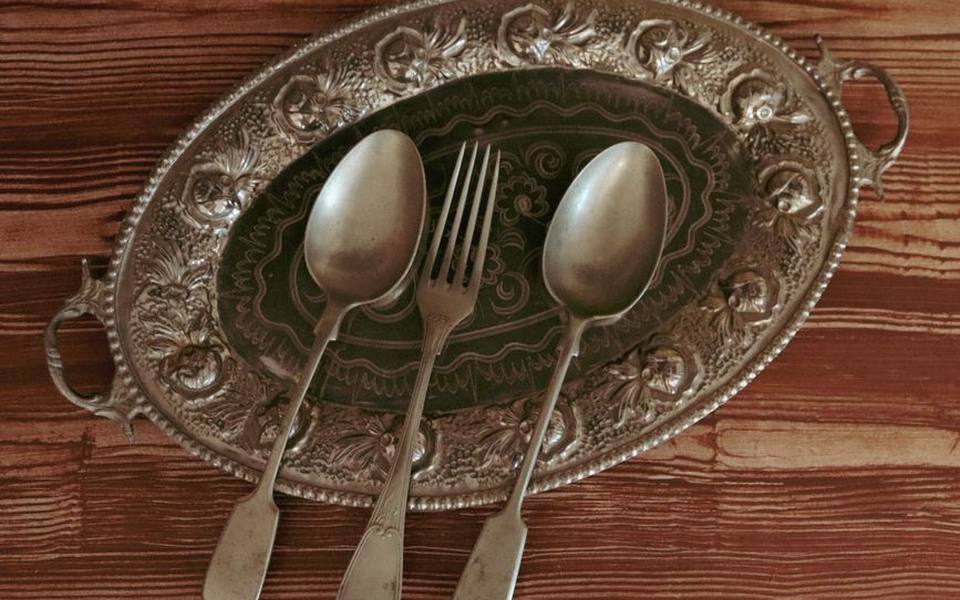
Antique Silverware and Silverplate Flatware: Cleaning, Identification, and Value
-
 Buying
Vintage Engagement Rings and Art Deco Jewelry: Buying and Valuation
-
 Buying
Buyer Guide to Vintage and Antique Furniture: Seating, Tables, Desks, and Reproductions
-
 Buying
Collector Guide to Vintage Toys, Lighters, Sports Ephemera, and Curios
-
 Buying
Architectural Salvage Guide: Sourcing Stained Glass, Mantels, and Historic Hardware
-
 Buying
Vintage Fashion and Heirloom Style: Sourcing Dresses, Denim, Leather, and Ephemera