What Makes Vintage Glassware Worth Money Today
Determining whether an old dish stashed in a cupboard carries genuine collector value starts with three primary factors: color rarity, overall pattern scarcity, and structural condition. Many people assume any colored piece from a grandparent's attic is worth hundreds of dollars, but the vast majority of mid-century pieces were mass-produced in the millions. Typical utility pieces may sell for ten to twenty dollars at weekend flea markets, while obscure promotional patterns or unusual factory test runs can command hundreds or occasionally thousands from dedicated collectors.
Market demand shifts dramatically across generations, meaning yesterday's high-ticket items may have settled into modest price brackets today. While Victorian pressed glass has softened in resale value over the past two decades, mid-century kitchenalia and radiant glassware have experienced strong surges in popularity. Enthusiasts browsing through regional antique malls frequently hunt for vibrant kitchen prep sets, bold opaque colors, and specialty decorative pieces that fit seamlessly into modern home decor.
Before attempting to sell or buy, you must evaluate the piece under direct, bright light. Flaws such as hairline stress cracks, heavy utensil scratches, fleabites along the rims, and cloudy mineral deposits dramatically alter what buyers are willing to pay. A rare bowl that would fetch substantial sums in mint condition often loses up to eighty percent of its resale potential if it shows permanent wear, chips, or chemical etching caused by modern automated dishwashers.
Vintage Pyrex Value Guide and Rare Pattern Identification
Vintage Pyrex, particularly the colorful pressed opal glass produced by Corning Glass Works between the late 1940s and the 1980s, remains one of the most active segments in collectible kitchenware. Standard production patterns like Butterprint (the recognizable Amish farmer motif), Gooseberry, Friendship, and Pink Daisy are widely recognized and hold dependable secondary market values. A complete four-piece nesting mixing bowl set in great condition typically sells anywhere from one hundred to three hundred dollars, depending on current regional interest and color intensity.
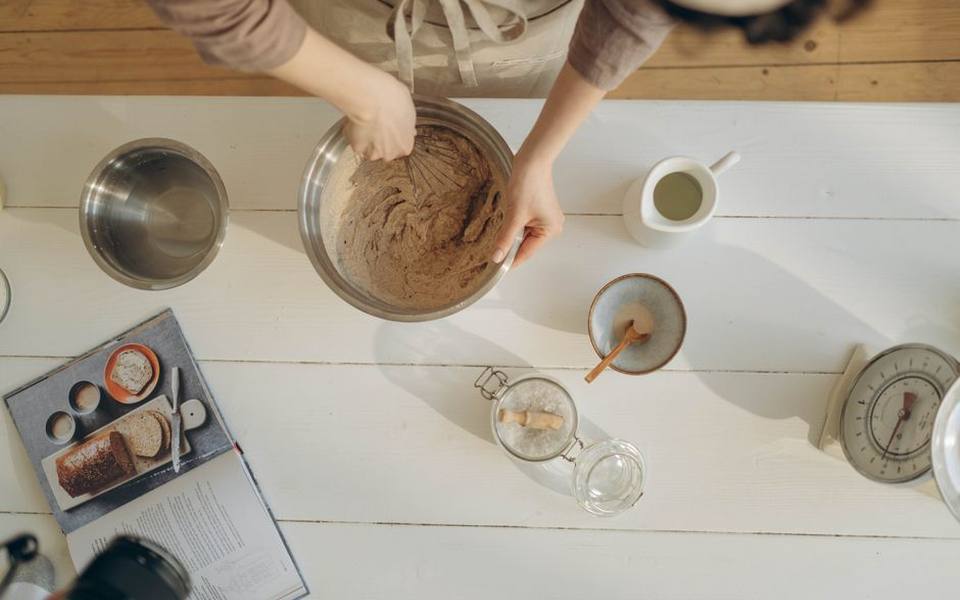
The highest valuations belong to short-run promotional items, employee gifts, and test patterns that never entered standard commercial distribution. Pieces featuring patterns such as Lucky in Love, Atomic Eyes, or stylized floral promotional casseroles with original brass cradles routinely draw intense interest. If you are comparing your finds against a vintage Pyrex value guide, always check whether a piece came with a matching decorated glass lid or serving accessory, as missing original covers significantly reduce the set's overall market realization.
Collector reference books and digital archival listings frequently document pattern releases by factory model numbers stamped on the underside. Look for embossed dish numbers such as 401 through 404 for standard mixing bowls, or 470 through 475 for round casserole dishes. Understanding these molded numbers helps buyers distinguish common everyday sizes from rarer intermediate pieces that collectors need to complete difficult nesting displays.
Safety and Kitchen Use for Mid-Century Pyrex
A common concern among home bakers is whether antique and mid-century Pyrex is safe for daily cooking and food storage. The underlying borosilicate and tempered soda-lime glass compositions are inherently non-porous, chemically stable, and completely safe for handling food. Unlike porous ceramics, vintage glassware does not harbor bacteria or leach chemicals from the clear or white base glass into warm dishes when intact.
The primary safety consideration involves the exterior decorative paint applied to patterned sets. Independent laboratory tests have revealed that the vibrant ceramic enamels baked onto the outside of many mid-century bowls can contain trace amounts of heavy metals like lead or cadmium. These pigments were fused exclusively to the exterior surface, meaning they do not come into contact with food during standard mixing, baking, or storage. As long as food remains in the interior basin and the outer enamel is not peeling, everyday functional use poses minimal risk.
Thermal shock presents the greatest mechanical danger to historic glassware. Older borosilicate glass handles sudden temperature fluctuations better than later formulas, but no vintage dish should ever travel directly from a refrigerator into a preheated oven, or from a hot oven onto a wet countertop. To safeguard both your safety and your investment, avoid rapid thermal swings, never expose these vessels to direct stovetop flames or broilers, and always wash them by hand using mild soaps.
Decoding CorningWare Markings and Collector Worth
CorningWare made from pyroceramic material revolutionized home kitchens in the late 1950s with its ability to withstand extreme temperature shifts without cracking. The vast majority of CorningWare found in thrift outlets carries the ubiquitous Cornflower blue motif or the later 1970s Spice O' Life vegetable illustration. Despite recurring viral online rumors claiming standard square skillets and roasting pans fetch tens of thousands of dollars, common open-stock pieces typically sell for modest amounts, usually between ten and thirty dollars.
Valuation hinges on specific backstamps and rare production lines rather than viral online rumors. Early pieces from the late 1950s through the early 1960s feature an embossed or stamped backstamp showing an embossed dual-block design or a small blue flame emblem alongside the Pyroceram label. Later iterations shifted to raised lettering molded directly into the ceramic base or light blue ink stamps that included detailed heating instructions.
Genuinely valuable CorningWare pieces generally fall into short-lived promotional patterns like Nature's Bounty, Medallion, or Black Renaissance, as well as specialty serving items with intact chrome cradles and pristine glass covers. If you are sorting through household collections during cleanouts, exploring inventory at local antique consignment shops can help establish what nearby buyers actually pay for clean, complete stovetop sets versus chipped loose pans.
Depression Glass Reality and Price Factors
Produced primarily between the late 1920s and the onset of World War II, Depression glass was originally manufactured cheaply as promotional giveaways in cereal boxes, movie theaters, and petrol stations. Because of its mass-produced origin, standard clear, amber, or light green pieces are relatively inexpensive today, often changing hands for five to fifteen dollars per tumbler or saucer. Complete luncheon or dinner services in desirable colors, however, attract substantial collector followings.
Color is the single most important factor determining scarcity and desirability in Depression-era glassware. Pink, cobalt blue, and royal ruby red pieces typically bring higher market prices than clear crystal or yellow amber pieces from the exact same mold. Highly sought patterns such as Cameo (often called Ballerina), Mayfair Open Rose, Royal Lace, and American Sweetheart consistently generate strong interest among antique glass enthusiasts.
Distinguishing authentic Depression glass from modern reproductions made during the 1970s and 1980s is essential before buying. Reproductions often exhibit much thicker glass profiles, unnatural greasy surface textures, and muddied mold details compared to delicate period originals. Checking the precise base dimensions and mold seams against authoritative historical references ensures you are purchasing a genuine historical survivor rather than a later novelty.
Uranium and Vaseline Glass Valuation
Uranium glass, often called Vaseline glass due to its distinctive yellow-green oily coloration under normal daylight, has experienced a major resurgence driven by modern novelty collectors. Glassmakers incorporated small amounts of uranium dioxide into the molten batch primarily as a colorant from the mid-nineteenth century until the mid-1940s. When exposed to ultraviolet light, specifically blacklights in the 365nm to 395nm wavelength range, the glass emits a vivid, electric fluorescent green glow.
The presence of a bright glow under blacklight directly enhances marketability, but glow alone does not make a common plate exceedingly valuable. Small utility sherbet dishes and common footed tumblers typically sell in the range of fifteen to forty dollars in most antique storefronts. Elaborate Victorian art glass, detailed covered animal dishes, decanters with original matching stoppers, and pieces produced by historic glasshouses like Fenton or Northwood command far healthier returns.
Buyers frequently discover fascinating uranium glass specimens while browsing diverse dealer booths in antique stores in Pennsylvania and across traditional industrial glassmaking regions in the Midwest. From a radiological standpoint, uranium glass emits very low background radiation that cannot penetrate healthy human skin, making it safe to display openly on illuminated shelves, provided it is not ground down into inhalable dust or chipped into food.
Carnival Glass and Antique Crystal Bowls
Carnival glass is characterized by its shimmering, iridescent metallic sheen created by spraying metallic salts onto pressed hot glass before final annealing. Originally sold as an affordable substitute for expensive blown art glass, it earned its nickname when unsold inventories were famously given away as game prizes at traveling carnivals. Today, valuation relies on the clarity of the iridescence, the base color underneath the chemical coating, and the complexity of the mold work.
While common marigold (warm orange-amber) carnival bowls frequently sell for twenty to fifty dollars, rarer base shades like amethyst, ice green, aqua opal, and true red can fetch several hundred to thousands of dollars at specialized auctions. Patterns featuring elaborate animal, fruit, or pastoral scenes, such as those made by Northwood, Imperial, or Dugan, carry premium value when the iridescence displays vivid multicolored flashes rather than dull, smoky patches.
Antique crystal bowls require a completely different analytical eye. True lead crystal contains mineral additives that give the piece noticeable heft, remarkable light refraction, and a clear musical tone when lightly tapped on the rim. Deep, sharp cut glass from the American Brilliant Period (roughly 1876 to 1916) features hand-cut geometric facets that feel crisp to the touch; pristine examples by master cutters command solid prices, whereas later machine-pressed crystal bowls remain modest decorative accents.
Antique Bottles and Collectible Canning Jars
Antique bottles and utilitarian fruit jars represent a deeply rooted collecting field where small mold variations dictate enormous price discrepancies. The common aqua or clear Ball and Mason jars found in farmhouse basements typically sell for three to eight dollars each. However, early fruit jars featuring ground lips, atypical clamp closures, unusual embossed patent dates, or rich amber and cobalt coloring can be worth hundreds to dedicated historical jar collectors.
Embossing details provide immediate clues regarding the age and production technique of early utilitarian containers. Jars bearing misspellings, backwards letters, or obsolete company logos from short-lived midwestern glassworks attract serious interest. Similarly, antique medicine, soda, and bitters bottles with intact pontil marks—the rough circular scar left on the bottom where the punty rod broke away during hand-blowing—predate automated bottle machinery and hold steady collector appeal.
When browsing country estate auctions or regional shops across antique stores in Texas, pay close attention to neck and lip construction. Jars produced before the early 1900s generally feature crude, hand-finished mouths with distinct glass variations, bubbles, and tool marks. These organic imperfections, combined with deep historical provenance, transform everyday utilitarian food storage containers into genuine decorative artifacts.
Assessing Condition and Avoiding Dishwasher Damage
Condition is paramount in the glassware marketplace; even miniscule structural defects can reduce a piece's value by half or more. When inspecting potential acquisitions, gently glide your clean fingertips along inner and outer rims to identify microscopic 'fleabites'—tiny chips that are nearly invisible to the naked eye. Turn the vessel upside down under angled lighting to detect bottom scuff marks, utensil scrapes, and manufacturing mold flaws versus post-production fractures.
Modern automatic dishwashers represent the single greatest threat to vintage kitchen glass. The harsh alkaline detergents and scalding water temperatures strip the bright, glossy finish off colorful Pyrex dishes, leaving them with a dull, chalky exterior affectionately termed 'dishwasher haze' or 'dead Pyrex.' This damage is irreversible chemical etching, not a surface buildup, and it permanently degrades both display appeal and collector market value.
Sick glass, a term used for vintage crystal and clear pressed glass that has turned cloudy or milky from chemical instability or water etching, similarly cannot be wiped away with soap. If you intend to preserve value, wash all vintage colored, iridescent, and antique utility glass by hand using warm water, a soft sponge, and standard non-abrasive dish soap. Drying immediately with a lint-free cloth prevents water spotting and preserves delicate surface coatings.
Where to Buy, Sell, and Seek Expert Valuation
Whether you are downsizing an inherited collection or hunting for missing pieces to complete a set, choosing the right venue makes a substantial difference. Local flea markets and neighborhood yard sales often yield the best bargains for sharp-eyed buyers, while dedicated collectors frequently source high-grade rarities from regional specialty dealers and multi-vendor venues. If you have unique pieces requiring formal identification, scheduling time with professional appraisal services ensures you obtain documented valuations for insurance or sale.
For those handling broad family estates containing comprehensive glassware collections alongside period dining suites, working with specialists who organize on-site liquidations through antique shops offering estate sales can streamline the entire liquidation process. Professionals understand regional market preferences and can properly catalog glassware patterns rather than lumping them into bulk kitchen clearance lots.
Before setting asking prices on your own, examine verified completed transactions rather than speculative active listings on auction sites. Sellers frequently ask inflated figures for standard pieces based on viral misinformation, but real market worth is defined strictly by what willing buyers have recently paid for items in comparable condition. Keeping expectations grounded in authentic collector demand guarantees smooth, fair transactions on both sides of the antique counter.
Published 2026-09-20 · reviewed with each rebuild, last September 2026.
Find antique stores near you
The directory lists 25,996 antique stores by state and city — pick your state or use the “Near me” button in the header.
More guides
-
 Owning
Cleaning and Polishing Antique Silver Without Damaging the Patina
-
 Money
MoneyNavigating the Market for Vintage Currency
-
 Owning
Evaluating, Using, and Displaying Mid-Century Glassware and Kitchen Antiques
-
 Buying
Navigating Vintage and Antique Jewelry Styles
-
 Owning
How to Clean and Care for Silverware Without Causing Damage
-
 Owning
Vintage Pyrex Value and Safety Guide: Understanding Collector Patterns and Usage
-
 Buying
A Guide to Sourcing Vintage and Estate Jewelry
-
 Money
MoneyValuable Baseball Cards Guide: Spotting Vintage Sports Collectibles
-
 Owning
How to Clean and Restore Antique Wood Furniture
-
 Money
MoneyHow to Find and Use Antique Price Guides Online
-
 Money
MoneyHow to Determine the Value of Old Books and First Editions
-
 Money
MoneyWhere and How to Sell Vintage Coins for the Best Return
-
 Buying
Choosing and Caring for Vintage and Modern Cast Iron Cookware
-
 Owning
How to Polish and Value Antique Silverware at Home
-
 Owning
How to Clean and Polish Antique Wood Furniture Without Damaging It
-
 Buying
Vintage and Classic Cast Iron Cookware: Buyer's, Value, and Care Guide
-
 Buying
Antique Silverware, Vintage Jewelry, and Collectible Coins Guide
-
 Money
MoneyA Practical Guide to Antique Price Guides and Rare Book Valuations
-
 Owning
How to Clean, Polish, and Refinish Antique Wood Furniture
-
 Owning
Ultimate Guide to Vintage and Antique Cast Iron Cookware: Brands, Seasoning, and Care
-
 Owning
How to Clean, Polish, and Value Vintage Silverware and Antique Jewelry
-
 Buying
Valuing Vintage Collectibles: From Rare Dolls and Slot Machines to Classic Lamps and Churns
-
 Owning
How to Clean, Polish, and Refinish Antique Wood Furniture
-
 Money
MoneyAntique & Vintage Price Guides: How to Value Antiques and Collectibles
-
 Buying
How to Value Old Books and First Editions: A Collector's Price Guide
-
 Money
MoneyWhere and How to Sell Vintage Records and Audio Equipment
-
 Buying
How to Buy, Value, and Sell Vintage Coins: A Practical Beginner's Guide
-
 Buying
Estate Sale Guide: How to Find, Buy, and Liquidate Antiques
-
 Buying
Vintage and Modern Cast Iron Cookware: Identification, Seasoning, Buying, and Care
-
 Money
MoneyComprehensive Guide to Antique Values, Old Books, and Collectibles Pricing
-
 Owning
Cleaning and Caring for Vintage Silverware, Fine Jewelry, and Antique Metals
-
 Owning
How to Clean, Polish, and Refinish Antique Wood Furniture
-
 Buying
Vintage and Modern Cast Iron Cookware: Identification, Caring, and Buying Guide
-
 Owning
Antique Silverware: Cleaning, Polishing at Home, and Value Guide
-
 Owning
Care, Polishing, and Refinishing Guide for Antique Wood Furniture
-
 Buying
Vintage Pyrex, Glassware, and Depression Glass Identification and Value Guide
-
 Money
MoneyAntique Price Guides: How to Value and Sell Antiques Online and Offline
-
 Money
MoneyCollectible Old Books and First Editions: Valuation and Identification Guide
-
 Buying
Vintage Sewing Machines, Stoves, and Antique Tools Value Guide
-
 Buying
Collector Guide to Vintage Door Hardware, Knobs, and Cabinet Pulls
-
 Owning
Antique & Vintage Dolls: Values, Identification, and Care
-
 Buying
Antique Hoosier Cupboards and Vintage Desks: History, Identification, and Value
-
 Service
Grandfather, Wall, and Pocket Clock Repair and Identification Guide
-
 Owning
Antique Rotary Telephones and Landlines: Buying, Restoring, and Converting
-
 Owning
Collecting Vintage Picture Frames and Oil Paintings: Framing and Restoration
-
 Buying
Antique Sewing Machines and Spinning Wheels: Value, Brands, and Maintenance
-
 Buying
Antique Wood Stoves and Log Burners: Buying, Safety, and Restoration Guide
-
 Buying
Depression Glass and Antique Canning Jars: Identification and Values
-
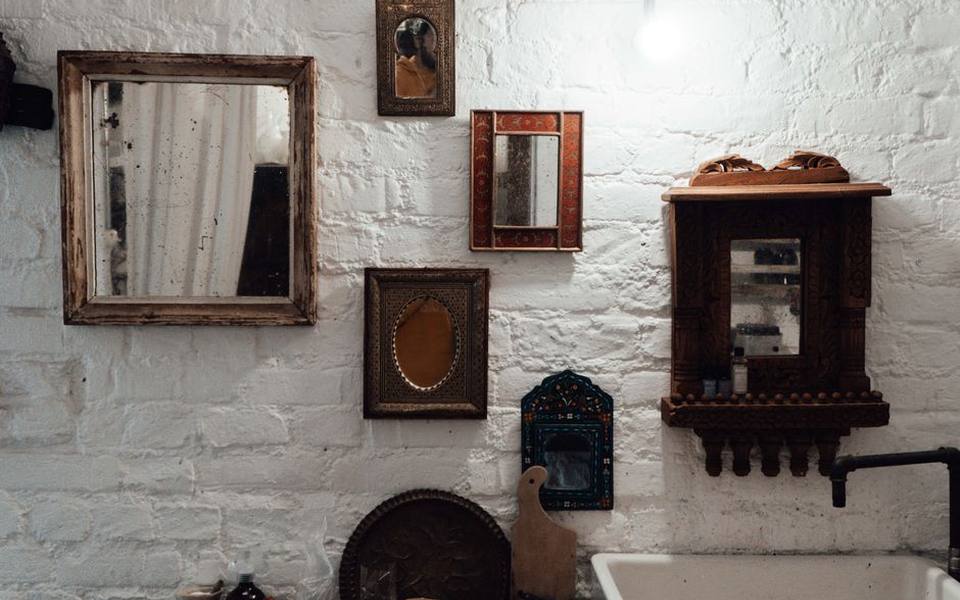 Buying
Vintage Mirrors: Identifying, Buying, and Styling Antique Glass
-
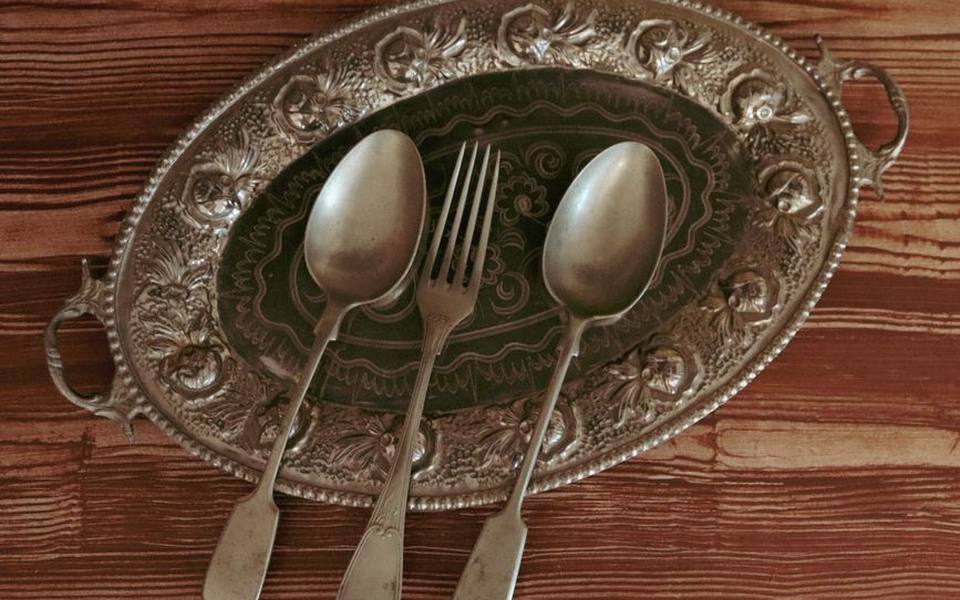 Owning
Antique Silverware and Silverplate Flatware: Cleaning, Identification, and Value
-
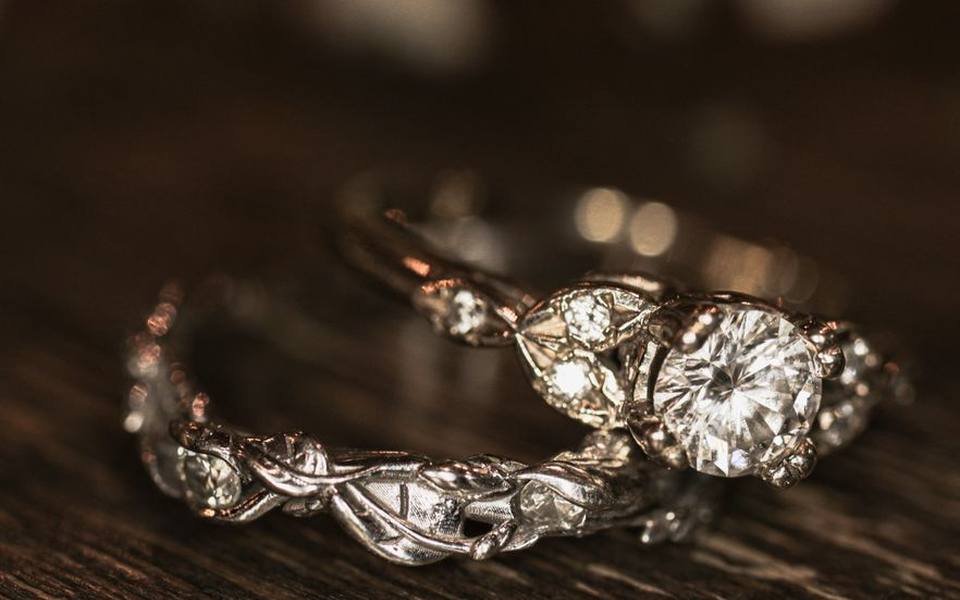 Buying
Vintage Engagement Rings and Art Deco Jewelry: Buying and Valuation
-
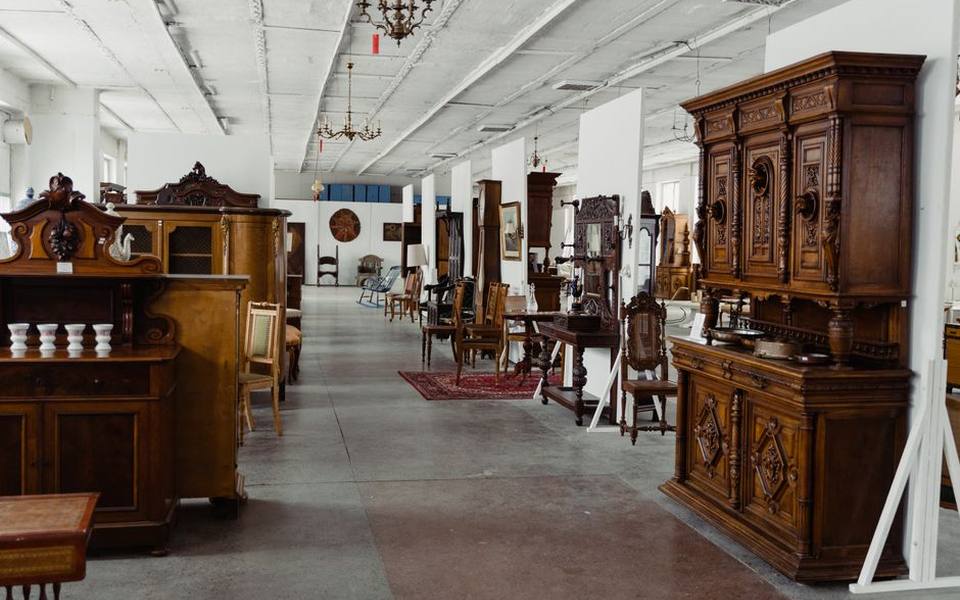 Buying
Buyer Guide to Vintage and Antique Furniture: Seating, Tables, Desks, and Reproductions
-
 Buying
Collector Guide to Vintage Toys, Lighters, Sports Ephemera, and Curios
-
 Buying
Architectural Salvage Guide: Sourcing Stained Glass, Mantels, and Historic Hardware
-
 Buying
Vintage Fashion and Heirloom Style: Sourcing Dresses, Denim, Leather, and Ephemera