Why Vintage Cast Iron Outperforms Modern Cookware
Finding an exceptional vintage skillet often changes how home cooks view stovetop preparation entirely. While contemporary production pans rely on automated sand-casting that leaves a pebbled, sandpaper-like surface, early twentieth-century foundries finished their pans with mechanized milling stones. This labor-intensive polishing created a mirror-smooth interior cooking basin that releases delicate items like eggs and flaky fish with minimal added fat once properly conditioned.
Weight distribution represents another profound difference between historic ironware and store-bought modern equivalents. Turn-of-the-century metalworkers poured thinner iron walls that maintained extraordinary structural integrity while cutting overall pan weight by nearly a third. A classic skillet heats more evenly, responds to temperature adjustments faster, and causes far less wrist fatigue during extended kitchen prep than the thick, heavy castings produced today.
Collectors and home cooks also value the remarkable metallurgical purity found in antique cookware. Foundries operating before the mid-twentieth century used high-grade virgin pig iron rather than scrap metal blends. The resulting castings featured tighter grain structures that absorbed natural oils more uniformly, producing an enduring slick seasoning layer that modern porous metal struggles to match without years of continuous use.
Legendary American Foundries and Brand Identifiers
Knowing how to read markings stamped on cookware bases allows buyers to spot genuine collector treasures beneath decades of baked-on kitchen grease. Griswold Manufacturing, established in Erie, Pennsylvania, produced some of the finest culinary iron in history. Cookware stamped with the iconic cross inside an Erie circle remains celebrated for exquisite balancing, featherweight walls, and glass-like finishes that set the gold standard among culinary enthusiasts.
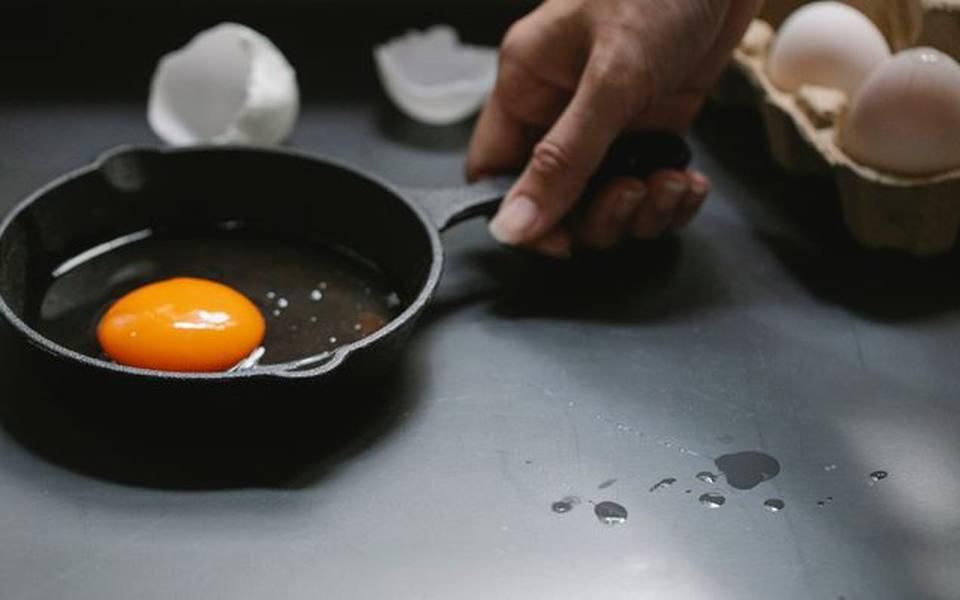
Wagner Ware, founded in Sidney, Ohio, represents another titan of heritage manufacturing. Their pieces bearing stylized script logos from the 1920s through the 1940s are renowned for ergonomic curved handles and silky cook surfaces. Wagner skillets typically offer outstanding culinary performance at prices that remain approachable for home chefs who want functional heirlooms rather than wall display museum artifacts.
Beyond the two famous giants, look for rugged workhorses produced by Birmingham Stove & Range (BSR), Favorite Piqua Ware, and early unmarked Lodge castings. BSR pans, easily spotted by distinct ridge-style handle undersides and clean unbroken heat rings, were built thicker to withstand harsh commercial restaurant use. They retain scorching heat exceptionally well, making them ideal for searing steaks, frying poultry, or baking deep-dish cornbread.
Evaluating Condition and Spotting Hidden Flaws
A skillet may display a prized foundry logo, but structural defects can completely ruin its culinary utility and resale value. The first assessment involves checking for pan warp on an unyielding, dead-flat surface like a glass display case or granite slab. Press firmly along the rim at opposite edges; if the pan wobbles or spins freely like a top, its base has deformed from severe thermal shock, rendering it impractical on modern induction or flat glass-top stoves.
Surface cracks require meticulous inspection, especially around the high-stress junction where the handle meets the rim. Hairline fractures often hide beneath crusty carbon buildup or thick rust flakes. Rubbing a cotton ball across the rim can reveal micro-cracks by snagging fibers, while tapping the pan center lightly with a wooden pencil should produce a clear bell-like chime rather than a dull, deadened thud indicative of internal metal trauma.
Watch closely for sulfur pitting and pitting caused by damp storage conditions. Early woodstoves emitted sulfur vapors that chemically eroded iron bottoms over decades, leaving cratered surfaces that can never be smoothed out. While light surface rust wipes away easily during a restoration bath, deep oxidation pockets along the interior sidewalls will trap food particles and permanently compromise smooth food release.
Beyond the Skillet: Dutch Ovens, Griddles, and Pots
While traditional round frying pans capture most collector attention, vintage Dutch ovens, handled griddles, and gem pans offer unmatched kitchen utility. Historic lidded pots excel at slow braises and artisanal sourdough loaves because heavy cast lids feature patented basting rings or raised spikes on their undersides. These clever vintage designs collect rising steam condensation and continually distribute rich juices evenly over roasting meats without letting moisture escape.
Cast iron handled griddles and long rectangular stovetop platters provide vast cooking zones perfect for pancakes, bacon strips, and smash burgers. Because vintage griddles boast meticulously hand-finished surfaces, batter releases cleanly without sticking or tearing. Their low perimeter lips allow spatulas to slide effortlessly beneath delicate crepes, offering versatility that flimsy nonstick stamped aluminum trays cannot duplicate.
Specialty iron pieces like waffle irons with ball-joint swivel bases, cornstick molds, and handled sauce pots bring rustic charm to breakfast routines. While waffle irons demand patience during restoration due to intricate grid patterns, the deep, crisp pockets they create justify the elbow grease. Selecting complete sets with original matching bases preserves both operational utility and historical integrity.
Enameled Cast Iron: Vintage Treasures and Cautions
Mid-century enameled iron brings cheerful vibrant colors and acid resistance to the vintage cookware category. Pieces from legendary European makers or historic American lines fuse powdered glass porcelain onto solid iron castings, eliminating the need for routine oil seasoning. This vitrified coating allows cooks to simmer acidic tomato sauces, wine reductions, and lemon marinades without reacting chemically or absorbing metallic off-flavors.
Inspecting vintage enameled pieces requires different standards than bare iron because damaged porcelain cannot be safely repaired or re-glazed. Run bare fingertips across the bottom interior to feel for chips, hairline craze lines, or dull patches where the glossy protective glaze has etched away from harsh chemical scrubbing. Exposed iron beneath chipped cooking surfaces can flake toxic glass particles directly into food, rendering damaged pans strictly decorative.
Avoid pieces showing signs of severe thermal shock, which happens when previous owners quenched hot enameled pans directly in cold sink water. Thermal shock causes microscopic fractures beneath the porcelain layer that eventually pop off during heating. If an enameled vessel retains a smooth, glossy interior free of chips, it remains one of the finest slow-cooking vessels for stews and braises.
Safe Methods for Stripping Rust and Old Build-up
Bringing a neglected, crusty barn find back to life requires gentle chemical methods rather than harsh physical abrasion. Never use power wire wheels, angle grinders, or sandblasting tools, as mechanical grinding permanently ruins valuable foundry markings and gouges the original factory finish. Similarly, throwing iron into a campfire or self-cleaning oven can warp, crack, or permanently alter the molecular crystal lattice of antique castings.
The safest approach for dissolving decades of burnt animal fat involves soaking cookware in a simple lye bath. Mixing one pound of pure sodium hydroxide crystals into five gallons of cold water creates an alkaline solution that dissolves organic crud without touching bare iron. Alternatively, coating the piece in heavy-duty lye-based oven cleaner and sealing it inside a heavy plastic trash bag for several warm days strips grime effectively.
Once organic buildup dissolves, tackle stubborn orange rust using an equal-parts mixture of white vinegar and cold water. Submerge the bare pan in thirty-minute intervals, scrubbing between sessions with fine steel wool. Never leave iron soaking in acid baths for hours, as vinegar will actively eat away fresh metal once surface corrosion lifts, causing irreversible micro-pitting across smooth cooking surfaces.
The Chemistry of Building a Rock-Solid Seasoning
True seasoning is not a coat of grease, but a tough polymer matrix created when unsaturated fatty acids chemically bond together under high heat. Choosing the right fat determines whether your seasoning becomes durable and slick or sticky and prone to flaking. Modern food-grade shortening, refined grapeseed oil, or pure sunflower oil provide an ideal balance of unsaturated fatty acids that polymerize rapidly without turning rancid.
Applying seasoning requires a microscopic touch that many beginner restorers misunderstand. Rub liquid oil thoroughly across every square inch of the warm iron, then take a clean cotton cloth and wipe the pan until it looks completely dry, as though you made a mistake by putting oil on it. Excess surface oil pools during baking, resulting in a mottled, gummy, spotted residue that flakes off upon first contact with heat.
Place the wiped pan upside down inside an oven preheated between 450 and 480 degrees Fahrenheit for a full sixty minutes, allowing the oil to cross-link into a glass-like finish. Turn off the oven and let the metal cool completely inside without opening the door. Repeating this delicate process three or four consecutive times builds an ultra-thin, durable foundation that resists moisture and provides natural food release.
Daily Cooking and Maintenance Without the Myths
Generations of folklore suggest that using dish soap destroys cast iron instantly, but modern gentle dish soaps will not harm a properly cured polymer base. Early lye-based homemade soaps certainly stripped animal tallow coatings, but mild commercial detergents safely remove grease without weakening bonded seasoning. Warm water, a drop of mild soap, and a soft sponge handle everyday cleanup without compromising your nonstick surface.
For stubborn crust or sticky caramelized marinades, mechanical friction works far better than harsh chemicals. Pour coarse kosher salt into a warm pan and scrub vigorously using a folded paper towel, or use a stainless steel chainmail scrubber designed specifically for iron. The smooth, rounded rings of chainmail scrape off charred food deposits cleanly without cutting into the cured underlying seasoning layers.
Moisture represents the absolute worst enemy of raw metal, making drying habits critical to pan longevity. After rinsing, never allow iron to air dry in a countertop dish rack. Place the washed pan back onto a low stovetop burner for two minutes until every trace of water evaporates, then rub a single drop of cooking oil across the warm surface before storing it in a dry cabinet.
Hunting for Vintage Cookware in the Antique Market
Sourcing quality antique iron requires checking places where vintage kitchenwares congregate in large volumes. Visiting regional antique malls often yields impressive selections because multiple independent dealers stock booths under one expansive roof, creating healthy price competition and varied inventory. Savvy hunters check back corners, bottom shelves, and uncleaned hardware bins where unseasoned treasures often hide.
Local property dispersals managed by estate sale services offer another fertile ground for picking up family-owned heirlooms directly from basements and pantries. These sales frequently price cookware for immediate liquidation rather than collector premiums, allowing practical buyers to discover mint Griswold or Wagner skillets for everyday cooking budgets.
If you encounter an unmarked pan or an unusual historic design you cannot easily identify, consulting professionals who specialize in appraisal services can confirm age, foundry origins, and authentic market worth. Regional stores in rich iron-founding regions like antique shops in Pennsylvania frequently feature knowledgeable specialists who recognize historic casting variations, helping you avoid overpriced reproductions or damaged goods.
Understanding Pricing, Collector Values, and Pitfalls
Valuing antique iron depends heavily on specific casting variations, foundry marks, and overall preservation quality. A standard mid-century skillet might command twenty to forty dollars, while rare pre-1900 pans, early spider skillets with hearth legs, or pristine slant-logo Griswolds can reach several hundred dollars among dedicated collectors. Carefully checking regional antique consignment shops lets you study authentic price points across different collector grades firsthand.
Be wary of modern reproduction pieces and counterfeit pans circulating in flea markets. Unscrupulous sellers occasionally cast crude copies of rare Griswold or Wapak logos using rough modern sand methods, resulting in muddy lettering, blurred markings, and excessively thick, clumsy handles. Genuine vintage pieces always showcase sharp, crisp foundry stampings and unmistakably smooth factory-milled interior basins.
Always exercise safety precautions regarding lead contamination before cooking in any mystery pan found in barns, garages, or flea markets. Home hobbyists throughout the mid-twentieth century frequently melted down fishing sinkers, wheel weights, or casting bullets inside old cast iron skillets. Testing unseasoned salvage pieces with a rapid chemical lead swab before putting them into kitchen service ensures your heirloom remains completely safe for food preparation.
Published 2026-09-20 · reviewed with each rebuild, last September 2026.
Find antique stores near you
The directory lists 25,996 antique stores by state and city — pick your state or use the “Near me” button in the header.
More guides
-
 Owning
Cleaning and Polishing Antique Silver Without Damaging the Patina
-
 Money
MoneyNavigating the Market for Vintage Currency
-
 Owning
Evaluating, Using, and Displaying Mid-Century Glassware and Kitchen Antiques
-
 Buying
Navigating Vintage and Antique Jewelry Styles
-
 Owning
How to Clean and Care for Silverware Without Causing Damage
-
 Owning
Vintage Pyrex Value and Safety Guide: Understanding Collector Patterns and Usage
-
 Buying
A Guide to Sourcing Vintage and Estate Jewelry
-
 Money
MoneyValuable Baseball Cards Guide: Spotting Vintage Sports Collectibles
-
 Owning
How to Clean and Restore Antique Wood Furniture
-
 Money
MoneyHow to Find and Use Antique Price Guides Online
-
 Money
MoneyHow to Determine the Value of Old Books and First Editions
-
 Money
MoneyWhere and How to Sell Vintage Coins for the Best Return
-
 Buying
Choosing and Caring for Vintage and Modern Cast Iron Cookware
-
 Owning
How to Polish and Value Antique Silverware at Home
-
 Owning
How to Clean and Polish Antique Wood Furniture Without Damaging It
-
 Buying
Vintage and Classic Cast Iron Cookware: Buyer's, Value, and Care Guide
-
 Buying
Antique Silverware, Vintage Jewelry, and Collectible Coins Guide
-
 Money
MoneyA Practical Guide to Antique Price Guides and Rare Book Valuations
-
 Owning
How to Clean, Polish, and Refinish Antique Wood Furniture
-
 Owning
How to Clean, Polish, and Value Vintage Silverware and Antique Jewelry
-
 Buying
Valuing Vintage Collectibles: From Rare Dolls and Slot Machines to Classic Lamps and Churns
-
 Owning
How to Clean, Polish, and Refinish Antique Wood Furniture
-
 Money
MoneyVintage Glassware Value Guide: Pyrex, Depression Glass, CorningWare, and Bottles
-
 Money
MoneyAntique & Vintage Price Guides: How to Value Antiques and Collectibles
-
 Buying
How to Value Old Books and First Editions: A Collector's Price Guide
-
 Money
MoneyWhere and How to Sell Vintage Records and Audio Equipment
-
 Buying
How to Buy, Value, and Sell Vintage Coins: A Practical Beginner's Guide
-
 Buying
Estate Sale Guide: How to Find, Buy, and Liquidate Antiques
-
 Buying
Vintage and Modern Cast Iron Cookware: Identification, Seasoning, Buying, and Care
-
 Money
MoneyComprehensive Guide to Antique Values, Old Books, and Collectibles Pricing
-
 Owning
Cleaning and Caring for Vintage Silverware, Fine Jewelry, and Antique Metals
-
 Owning
How to Clean, Polish, and Refinish Antique Wood Furniture
-
 Buying
Vintage and Modern Cast Iron Cookware: Identification, Caring, and Buying Guide
-
 Owning
Antique Silverware: Cleaning, Polishing at Home, and Value Guide
-
 Owning
Care, Polishing, and Refinishing Guide for Antique Wood Furniture
-
 Buying
Vintage Pyrex, Glassware, and Depression Glass Identification and Value Guide
-
 Money
MoneyAntique Price Guides: How to Value and Sell Antiques Online and Offline
-
 Money
MoneyCollectible Old Books and First Editions: Valuation and Identification Guide
-
 Buying
Vintage Sewing Machines, Stoves, and Antique Tools Value Guide
-
 Buying
Collector Guide to Vintage Door Hardware, Knobs, and Cabinet Pulls
-
 Owning
Antique & Vintage Dolls: Values, Identification, and Care
-
 Buying
Antique Hoosier Cupboards and Vintage Desks: History, Identification, and Value
-
 Service
Grandfather, Wall, and Pocket Clock Repair and Identification Guide
-
 Owning
Antique Rotary Telephones and Landlines: Buying, Restoring, and Converting
-
 Owning
Collecting Vintage Picture Frames and Oil Paintings: Framing and Restoration
-
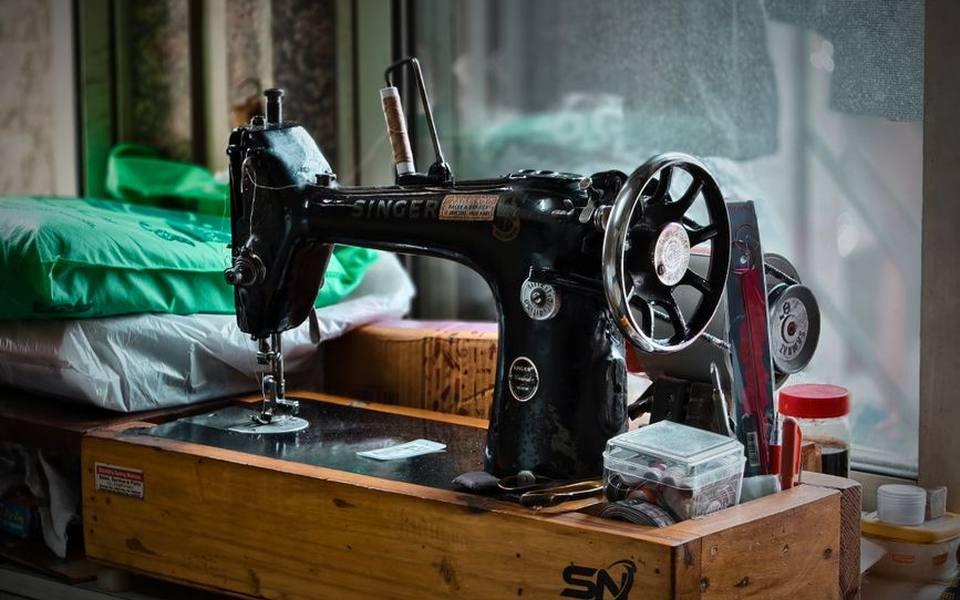 Buying
Antique Sewing Machines and Spinning Wheels: Value, Brands, and Maintenance
-
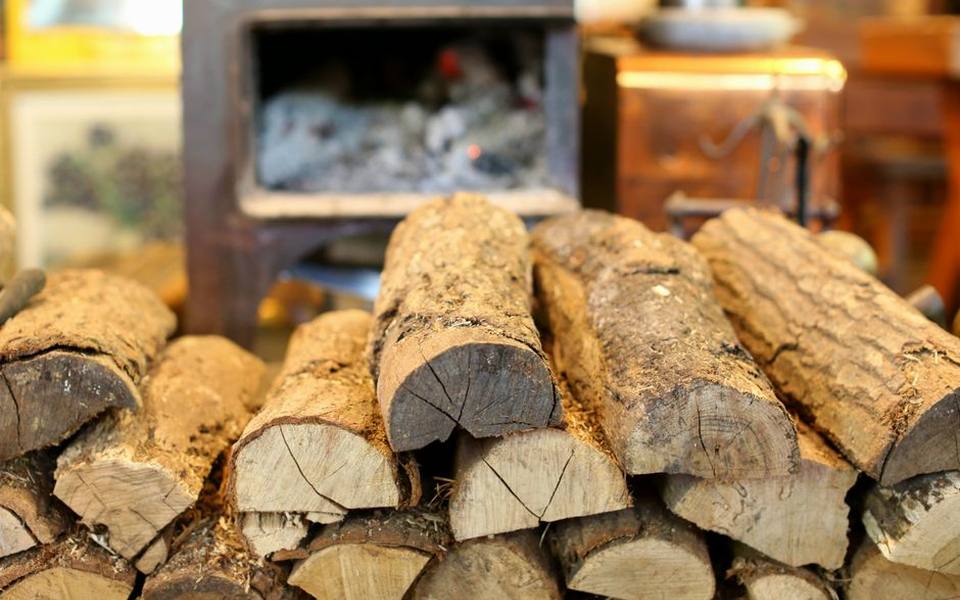 Buying
Antique Wood Stoves and Log Burners: Buying, Safety, and Restoration Guide
-
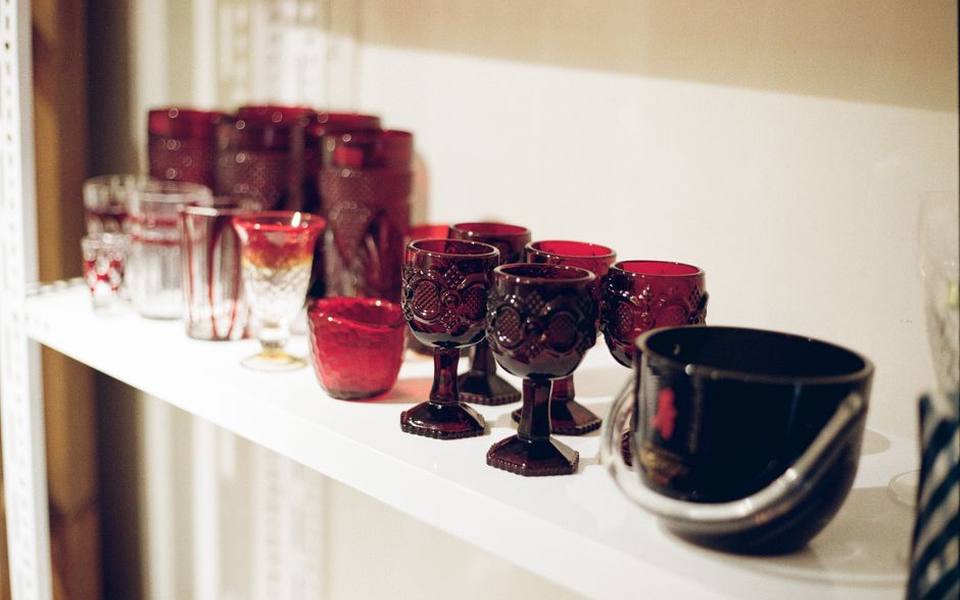 Buying
Depression Glass and Antique Canning Jars: Identification and Values
-
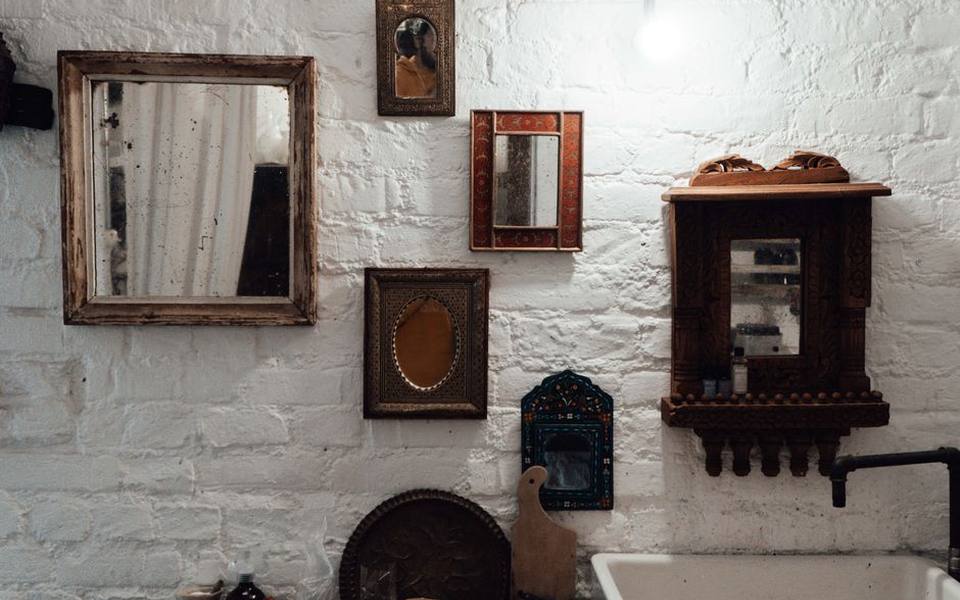 Buying
Vintage Mirrors: Identifying, Buying, and Styling Antique Glass
-
 Owning
Antique Silverware and Silverplate Flatware: Cleaning, Identification, and Value
-
 Buying
Vintage Engagement Rings and Art Deco Jewelry: Buying and Valuation
-
 Buying
Buyer Guide to Vintage and Antique Furniture: Seating, Tables, Desks, and Reproductions
-
 Buying
Collector Guide to Vintage Toys, Lighters, Sports Ephemera, and Curios
-
 Buying
Architectural Salvage Guide: Sourcing Stained Glass, Mantels, and Historic Hardware
-
 Buying
Vintage Fashion and Heirloom Style: Sourcing Dresses, Denim, Leather, and Ephemera