What Defines an Authentic Art Deco Engagement Ring
An authentic Art Deco engagement ring dates roughly between 1920 and 1935, reflecting a design movement centered on geometry, industrial symmetry, and sleek architectural lines. Unlike the flowing natural curves of Edwardian or Art Nouveau eras, Deco jewelry emphasizes clean octagonal, rectangular, or hexagonal borders framing central gemstones. Artisans in this era favored stark contrast, pairing white metals with deep colored gemstones, stepped shoulders, and repetitive linear piercings.
True period rings were created during a cultural pivot toward modernity following the First World War. Innovations in metallurgy and gemstone fashioning allowed jewelers to abandon heavy prong work in favor of low-profile bezel mountings and milgrain borders. As a result, genuine Deco settings sit flatter against the hand than typical modern diamond solitaires, providing a sleek profile that was originally engineered to suit an active, modern lifestyle.
Understanding these proportions is essential for anyone entering the estate market today. A genuine 1920s ring balances visual weight across the finger through stepped geometric mountings rather than relying entirely on the size of a single center stone. The overall composition prioritizes meticulous hand craft, metal balance, and artistic framing over modern industrial brilliance.
Period Metalwork: Platinum, White Gold, and Die-Striking
The primary metal of the Art Deco era was platinum, which became widely workable in jewelry after the invention of the oxyacetylene torch in the early twentieth century. Platinum provided exceptional tensile strength, enabling goldsmiths to pull metal into paper-thin wires and pierce intricate lace-like designs without sacrificing durability. Rings made of platinum typically feel noticeably heavier in the hand than equivalent modern white gold pieces.
White gold also gained commercial traction during the late 1910s and 1920s as an affordable substitute for platinum, which was restricted for military use during wartime. Early white gold alloys often used nickel, resulting in a warmer, slightly greyish tone compared to modern rhodium-plated items. If a prospective ring is marked eighteen-karat or fourteen-karat white gold, it may still be authentic to the 1920s, provided the styling and construction methods align.
Manufacturing techniques during this window combined traditional hand carving with die-striking. Industrial dies stamped solid sheets of metal under tremendous hydraulic pressure, compacting the crystalline structure and leaving very dense, crisp mountings. Jewelers then hand-pierced inner scrollwork and rolled milgrain along every visible perimeter edge, creating a sharp finish rarely duplicated by modern rubber-mold casting methods.
Historic Diamond Cuts and Geometric Accent Stones
Central stones in original Art Deco mountings are almost always Old European cuts, transitional round cuts, or early step cuts such as emerald or asscher shapes. Old European cut diamonds feature a small table facet, a tall crown, a deep pavilion, and an open culet visible as a tiny circle through the center of the stone. They were fashioned by hand to sparkle under soft gaslight and candlelight rather than electric fixtures.
Because these diamonds were cut individually by eye, each stone exhibits distinct personality and subtle asymmetry. Modern round brilliant diamonds, by contrast, possess fifty-seven or fifty-eight mathematically calculated facets that prioritize fiery light dispersion. Spotting a modern brilliant cut in a purported 1925 ring usually indicates that the original diamond was replaced or that the entire mounting is a contemporary tribute.
Surrounding accent stones also reflect the era's geometric rigor. Jewelers used calibré-cut sapphires, emeralds, synthetic spinels, and black onyx custom-cut to fit curving channels without visible gaps. The use of laboratory-grown rubies and sapphires was common and fully respected in fine 1920s jewelry, so synthetic accent stones in an otherwise period platinum mounting do not automatically suggest a reproduction.
Spotting Authentic Construction Techniques
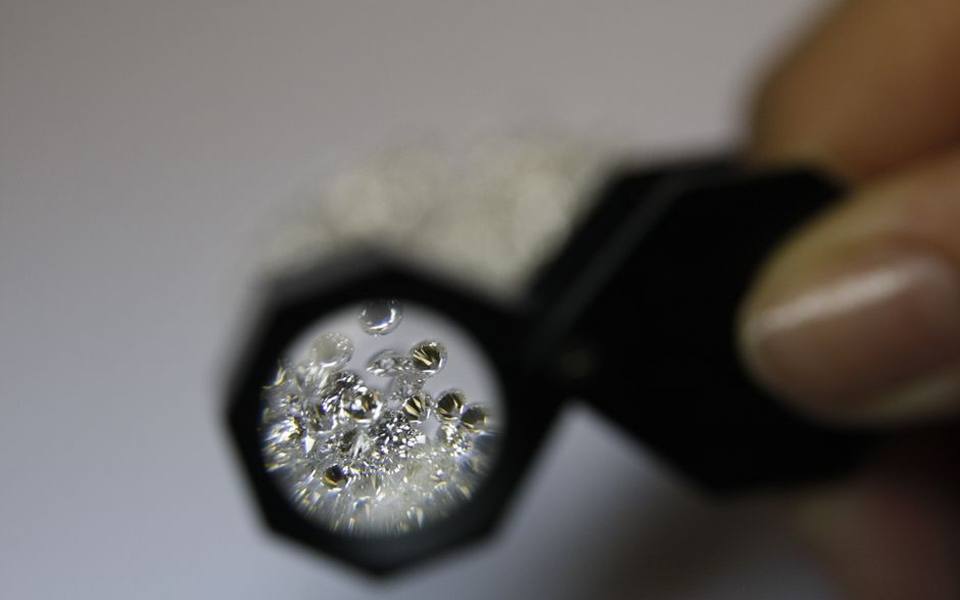
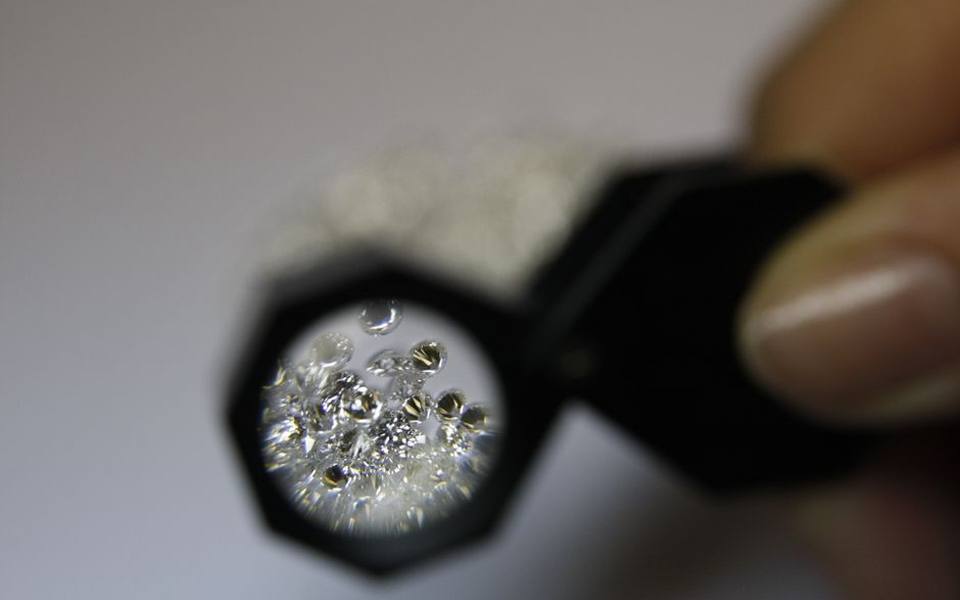
Authenticating period jewelry requires examining the underside and interior surfaces of the ring with a ten-power jeweler's loupe. In authentic antique jewelry, hand-pierced filigree shows delicate tooling marks, varied wall thicknesses, and crisp sharp junctions where jeweler's saws cut away the negative space. The edges of pierced work should feel clean rather than rounded or blurry.
Milgrain—the delicate row of tiny beaded metal framing the gemstone edges—should look individually applied with a wheel rather than cast as part of the initial mold. Cast milgrain often appears softened, irregular, or half-formed, whereas hand-applied milgrain features crisp beads with distinct spacing. Over decades of wear, original milgrain usually displays natural flattening along outer contact areas while remaining sharp near protected inner corners.
Hallmarks provide additional context, though their absence does not necessarily indicate a fake. European rings often carry strict regional assay stamps on the exterior of the band, while American pieces typically show karat stamps, platinum purity marks, or small maker initials inside the shank. When visiting specialized antique jewelry and coin shops, ask the dealer to walk through each stamp under magnification to confirm period accuracy.
Telling Original Deco Pieces Apart from Modern Reproductions
The market contains countless modern reproductions and vintage-revival pieces, making careful scrutiny essential. The most common red flag is porosity in the metal. Modern reproductions cast in mass-production facilities frequently show microscopic pinholes, pitted surfaces, or rounded internal edges where vacuum casting failed to recreate the crispness of a die-struck period original.
Another telltale sign is the symmetry of the under-gallery. Authentic vintage deco rings often exhibit slight hand-worked variations between the left and right sides of the gallery or under-bezel. In contrast, modern pieces designed using computer-aided software are mathematically mirror-imaged on every axis. Modern laser soldering also produces perfectly uniform seams, whereas period repairs or assemblies show tiny solder joins with faint color variations.
Be wary of overly bright rhodium plating masking the true metal underneath. True 1920s white gold has a distinct mellow color that patinates gracefully, while unplated vintage platinum takes on a quiet satin finish known as a patina of wear. If a seller presents a supposedly century-old ring that gleams with blinding blue-white rhodium and bears zero micro-scratches, ask whether it has been completely remounted or newly manufactured.
Evaluating Structural Condition and Repair History
A century of regular wear leaves distinct evidence on fine jewelry, and evaluating this wear determines whether a ring is ready for daily use. Prongs and bezel borders are the most critical wear zones. Over generations, platinum and gold prongs thin out, flatten, or pull back from diamond girdles, creating an immediate risk of lost stones.
Look closely at the shank thickness at the very base of the finger. If the band has been resized repeatedly or worn against a wedding band, the bottom of the shank may be paper-thin and prone to cracking under everyday stress. Re-shanking—soldering a fresh half-hoop of metal onto the lower half—is a standard, acceptable conservation step, but it should be priced into the transaction.
Examine the stones for perimeter chipping, particularly along the girdles of Old European diamonds and corner points of calibré emeralds or sapphires. Early bezel settings often concealed minor girdle chips beneath folded metal borders. A gentle tap with a gemological probe by an experienced jeweler will verify that the central stone remains fully seated and does not spin within its setting.
Key Pricing Drivers and Market Valuation Factors
Valuation for antique jewelry antique jewellery items differs fundamentally from modern diamond pricing. While modern retail costs correlate strictly to diamond carat weight and color grades, vintage values depend heavily on design rarity, condition integrity, and overall aesthetics. A signed platinum ring from a notable workshop can easily command double the price of an unsigned ring carrying an identical diamond.
Originality carries significant monetary weight. Rings that retain their original central stone without later recutting or modern remounting command premium prices among collectors. When a diamond has been replaced with a contemporary round brilliant, or when broken calibré accents have been filled with synthetic resin or modern chips, the retail market value typically softens considerably.
Metal purity and weight also play a baseline role. Platinum pieces consistently trade at a premium over white gold due to the historical desirability of the metal in the 1920s. However, collector interest in geometric stepped shoulders and ornate openwork can make even a modest half-carat diamond ring in pristine condition worth several thousand dollars depending on collector demand.
Sourcing Rings Through Antique Dealers and Estate Sales
Finding an authentic vintage engagement ring requires knowing where to look and understanding differing dealer models. Browsing regional antique malls with dedicated jewelry counters allows you to inspect inventory from multiple independent dealers under one roof, providing a broad overview of period styles and relative price points.
Direct local estate liquidations are another fruitful sourcing path. Shopping through reputable estate sales gives buyers access to family collections that have not circulated on the retail market for decades. In these settings, items are often priced based on immediate liquidation formulas rather than full retail showroom markups, though return privileges are typically non-existent.
For curated selections with verified condition checks, regional antique consignment shops offer a reliable middle ground. Consignment specialists generally vet incoming heirlooms for metal authenticity and stone stability before displaying them, giving buyers greater peace of mind than unverified open-market auctions or peer-to-peer web listings.
Navigating Independent Appraisals and Laboratory Grading
Before finalizing a major purchase, request third-party documentation or arrange an inspection period that allows you to consult independent specialists. Engaging dedicated independent appraisal services ensures you receive an unbiased assessment of metal composition, stone identity, and fair market value without pressure from the selling party.
Be clear about the distinction between an insurance appraisal and fair market value. Insurance documents typically reflect modern retail replacement cost—the theoretical expense of commissioning a bespoke bench jeweler to hand-fabricate a reproduction. Fair market value, by contrast, represents the realistic cash price agreed upon between a willing buyer and seller in the current secondary estate market.
For rings featuring diamonds larger than three-quarters of a carat, insist on a grading report from a recognized gemological laboratory like the GIA. A lab certificate confirms whether the diamond is natural, untreated, and genuinely cut in the Old European or transitional style, safeguarding your investment against lab-grown stones or clarity enhancements that may have been retrofitted into vintage settings.
Resizing Constraints and Practical Daily Maintenance
Modifying an authentic Deco ring requires specialized bench skills because historic mountings do not tolerate aggressive manipulation. Pierced filigree galleries, engraved patterns along the shank, and channel-set accent gems can buckle or pop out if a ring is stretched or reduced by more than one or two full finger sizes. Always consult a jeweler who specializes in antique restoration before committing to a size change.
Laser welding is generally preferred over traditional torch soldering for antique repairs because it focuses intense heat onto a pinpoint area without conducting thermal stress through antique gemstones. Emeralds and synthetic stones from the 1920s are notoriously heat-sensitive; thermal shock from a traditional torch can cause internal fractures or change the coloration of accent stones instantly.
Daily wear also demands mindful habits. While platinum is exceptionally strong, antique filigree rings should never be worn during heavy lifting, gardening, or swimming in chlorinated water. Cleaning should be done with warm water, mild dish soap, and an extra-soft baby toothbrush, avoiding ultrasonic cleaners that can dislodge delicate channel-set calibré stones or loosen vintage pavé settings.
Published 2026-09-21 · reviewed with each rebuild, last September 2026.
Find antique stores near you
The directory lists 25,996 antique stores by state and city — pick your state or use the “Near me” button in the header.
More guides
-
 Owning
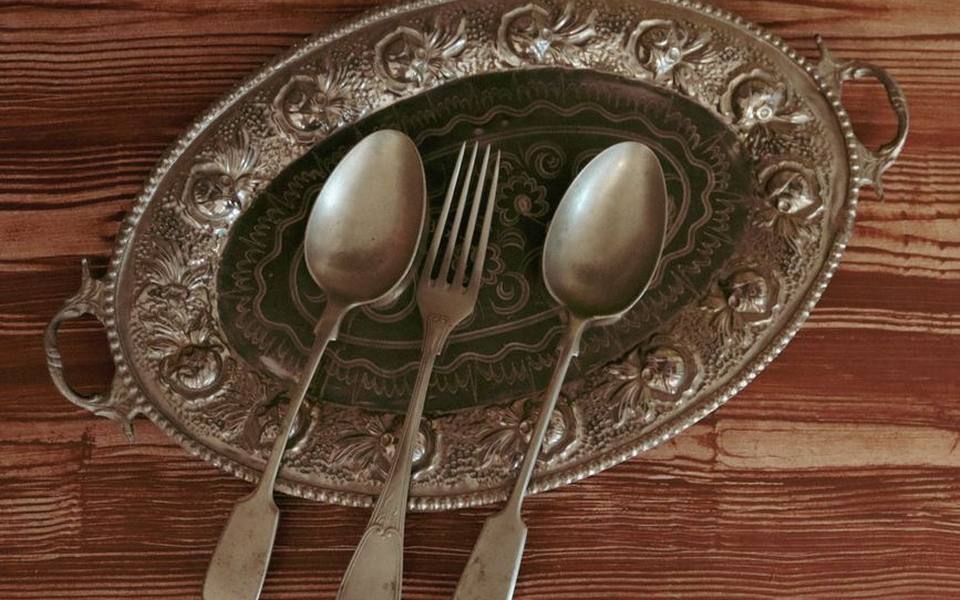
Cleaning and Polishing Antique Silver Without Damaging the Patina
-
 Money
MoneyNavigating the Market for Vintage Currency
-
 Owning
Evaluating, Using, and Displaying Mid-Century Glassware and Kitchen Antiques
-
 Buying
Navigating Vintage and Antique Jewelry Styles
-
 Owning
How to Clean and Care for Silverware Without Causing Damage
-
 Owning
Vintage Pyrex Value and Safety Guide: Understanding Collector Patterns and Usage
-
 Buying
A Guide to Sourcing Vintage and Estate Jewelry
-
 Money
MoneyValuable Baseball Cards Guide: Spotting Vintage Sports Collectibles
-
 Owning
How to Clean and Restore Antique Wood Furniture
-
 Money
MoneyHow to Find and Use Antique Price Guides Online
-
 Money
MoneyHow to Determine the Value of Old Books and First Editions
-
 Money
MoneyWhere and How to Sell Vintage Coins for the Best Return
-
 Buying
Choosing and Caring for Vintage and Modern Cast Iron Cookware
-
 Owning
How to Polish and Value Antique Silverware at Home
-
 Owning
How to Clean and Polish Antique Wood Furniture Without Damaging It
-
 Buying
Vintage and Classic Cast Iron Cookware: Buyer's, Value, and Care Guide
-
 Buying
Antique Silverware, Vintage Jewelry, and Collectible Coins Guide
-
 Money
MoneyA Practical Guide to Antique Price Guides and Rare Book Valuations
-
 Owning
How to Clean, Polish, and Refinish Antique Wood Furniture
-
 Owning
Ultimate Guide to Vintage and Antique Cast Iron Cookware: Brands, Seasoning, and Care
-
 Owning
How to Clean, Polish, and Value Vintage Silverware and Antique Jewelry
-
 Buying
Valuing Vintage Collectibles: From Rare Dolls and Slot Machines to Classic Lamps and Churns
-
 Owning
How to Clean, Polish, and Refinish Antique Wood Furniture
-
 Money
MoneyVintage Glassware Value Guide: Pyrex, Depression Glass, CorningWare, and Bottles
-
 Money
MoneyAntique & Vintage Price Guides: How to Value Antiques and Collectibles
-
 Buying
How to Value Old Books and First Editions: A Collector's Price Guide
-
 Money
MoneyWhere and How to Sell Vintage Records and Audio Equipment
-
 Buying
How to Buy, Value, and Sell Vintage Coins: A Practical Beginner's Guide
-
 Buying
Estate Sale Guide: How to Find, Buy, and Liquidate Antiques
-
 Buying
Vintage and Modern Cast Iron Cookware: Identification, Seasoning, Buying, and Care
-
 Money
MoneyComprehensive Guide to Antique Values, Old Books, and Collectibles Pricing
-
 Owning
Cleaning and Caring for Vintage Silverware, Fine Jewelry, and Antique Metals
-
 Owning
How to Clean, Polish, and Refinish Antique Wood Furniture
-
 Buying
Vintage and Modern Cast Iron Cookware: Identification, Caring, and Buying Guide
-
 Owning
Antique Silverware: Cleaning, Polishing at Home, and Value Guide
-
 Owning
Care, Polishing, and Refinishing Guide for Antique Wood Furniture
-
 Buying
Vintage Pyrex, Glassware, and Depression Glass Identification and Value Guide
-
 Money
MoneyAntique Price Guides: How to Value and Sell Antiques Online and Offline
-
 Money
MoneyCollectible Old Books and First Editions: Valuation and Identification Guide
-
 Buying
Vintage Sewing Machines, Stoves, and Antique Tools Value Guide
-
 Buying
Collector Guide to Vintage Door Hardware, Knobs, and Cabinet Pulls
-
 Owning
Antique & Vintage Dolls: Values, Identification, and Care
-
 Buying
Antique Hoosier Cupboards and Vintage Desks: History, Identification, and Value
-
 Service
Grandfather, Wall, and Pocket Clock Repair and Identification Guide
-
 Owning
Antique Rotary Telephones and Landlines: Buying, Restoring, and Converting
-
 Owning
Collecting Vintage Picture Frames and Oil Paintings: Framing and Restoration
-
 Buying
Antique Sewing Machines and Spinning Wheels: Value, Brands, and Maintenance
-
 Buying
Antique Wood Stoves and Log Burners: Buying, Safety, and Restoration Guide
-
 Buying
Depression Glass and Antique Canning Jars: Identification and Values
-
 Buying
Vintage Mirrors: Identifying, Buying, and Styling Antique Glass
-
 Owning
Antique Silverware and Silverplate Flatware: Cleaning, Identification, and Value
-
 Buying
Buyer Guide to Vintage and Antique Furniture: Seating, Tables, Desks, and Reproductions
-
 Buying
Collector Guide to Vintage Toys, Lighters, Sports Ephemera, and Curios
-
 Buying
Architectural Salvage Guide: Sourcing Stained Glass, Mantels, and Historic Hardware
-
 Buying
Vintage Fashion and Heirloom Style: Sourcing Dresses, Denim, Leather, and Ephemera