How Antique and Vintage Pricing Actually Works
Determining what an old item is worth comes down to identifying three things: exact origin, physical condition, and what a willing buyer paid for an identical piece within the last few months. Price guides offer baseline figures, but they are reference points rather than firm retail stickers. The antique market fluctuates based on interior design trends, regional interest, and sheer collector nostalgia, meaning values shift over time.
Beginners often assume an item has an intrinsic worth stamped into its history, yet value exists entirely in the secondary transaction. A piece is only worth what cash changes hands when it sells. Reference works compile documented sales, but those figures reflect a specific moment, venue, and market atmosphere that might not match your living room or local showroom.
Before you assume an old chest or porcelain vase will pay for a family vacation, you have to separate asking prices from realized prices. Online storefronts and dealer booths are packed with hopeful figures that can sit unpurchased for months. True valuation always relies on completed transactions where money actually cleared the register.
The Legacy of Classic Printed Reference Handbooks
For decades, paper handbooks were the gold standard for every flea market picker and estate liquidator in the country. Publications like the long-running Kovels antiques and collectibles price guide served as annual bibles, cataloging thousands of categorized objects alongside their recent retail or auction results. Experienced pickers kept dog-eared paperbacks in their glove compartments to verify pottery marks and glassware patterns on the fly.

These traditional volumes taught several generations of collectors how to categorize disparate household goods systematically. The classic Kovel antique price guide model grouped items by manufacturer, material, pattern name, and approximate production era. Reading through these physical compendiums provided an invaluable education in identifying maker marks, factory stamps, and decorative styles that no quick keyword search can completely replace.
However, printed guides carry a built-in time delay that modern buyers need to keep in mind. By the time a physical book was edited, printed, and distributed to bookstore shelves, the market data inside was frequently twelve to eighteen months old. Today, collectors view older printed reference books primarily as excellent identification tools rather than reliable sources for current cash values.
Navigating Modern Digital Price Databases
Digital archives have largely replaced printed directories, offering searchable inventories of millions of past transactions. Using an antique price guide online allows you to filter results by specific maker, production decade, material, and sold date. The digital evolution of the Kovels brand and similar web databases means collectors can look up obscure hallmarks from a smartphone right on the showroom floor.
Online valuation resources aggregate data from major auction houses, specialty gallery sales, and verified online trades. Instead of relying on a single editor's opinion of what an item should fetch, digital catalogs display a spectrum of real-world results. You might see the exact same depression glass pitcher sell for fifteen dollars in one venue and forty dollars in another, illustrating market spread.
When using any digital index, pay attention to the venue where the sale happened. A high-end gallery in a major metropolitan center will inevitably record higher hammer prices than a weekend estate auction in a rural county. Digital databases show what is possible under optimal conditions, but local demand still governs what you can realistically expect in your own neighborhood.
Finding Reliable Free Valuation Resources
You do not need an expensive paid membership to begin researching old family belongings or yard sale finds. A solid free online antique price guide often takes the form of completed sales filters on high-volume marketplace platforms. By switching search parameters from active listings to completed transactions, you instantly reveal what buyers actually agreed to hand over in cash.
Public library systems also provide underutilized access to premium collector databases and archival trade directories. Many regional libraries maintain subscriptions to major antique research networks that patrons can access for free on site or through digital cardholder portals. In addition, specialized collector clubs frequently publish comprehensive identification charts and historical sales records on open-access community websites.
When browsing an antique price guide free of charge on open web forums, cross-examine the information across at least two independent sources. Free user-edited blogs occasionally confuse reproduction items with period originals, or they repeat inflated estimates based on wishful thinking. Verify the maker marks, measurements, and manufacturing details against verified museum or historical society records whenever possible.
Understanding Antique Furniture Values and Market Realities
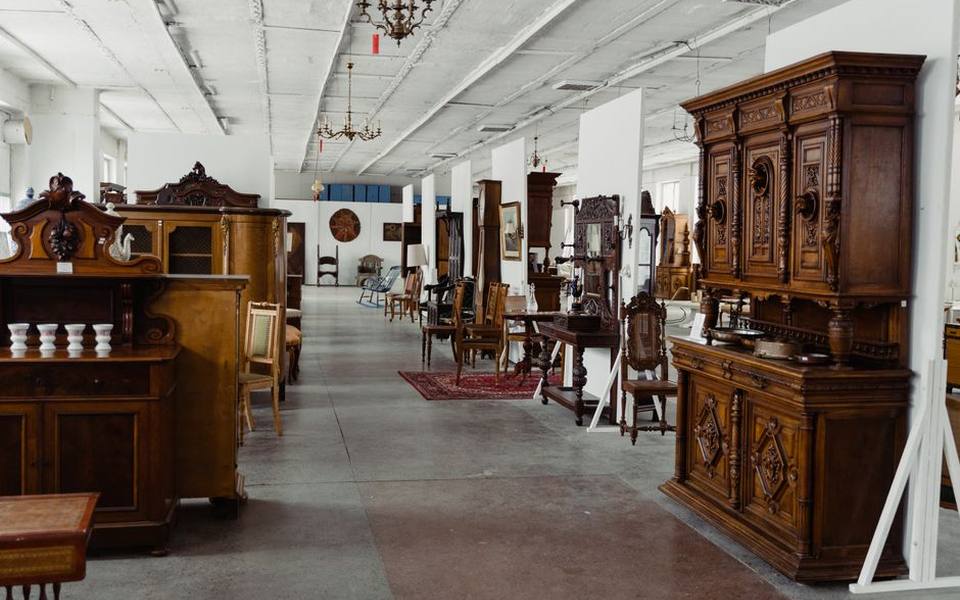
Assessing antique furniture prices requires a clear understanding of current decorating tastes and domestic space limitations. Massive Victorian walnut armoires, dark mahogany dining tables, and elaborate oak sideboards that fetched substantial sums thirty years ago often trade at steep discounts today. Modern buyers frequently live in smaller spaces and gravitate toward lighter mid-century pieces, clean lines, or utilitarian industrial workbenches.
Construction techniques heavily dictate the true floor value of vintage furniture. Hand-cut dovetail joints, mortise-and-tenon framing, and solid wood secondary components indicate authentic age and hand craftsmanship that collectors respect. If you are comparing inventory across dedicated antique furniture stores, you will notice that pristine original finishes command premium prices, while pieces that were heavily stripped or refinished in past decades face marked price deductions.
Size, weight, and transport logistics also depress local furniture valuations compared to small, easily shipped collectibles. A buyer might admire an eight-foot pine farmhouse table, but the cost of hiring movers or renting a van eats directly into the price they are willing to pay. Consequently, heavy case pieces frequently sell for less at local sales than their craftsmanship would seem to warrant.
Always inspect older furniture for structural alterations, shortened legs, replaced hardware, or hidden veneer loss. A chest of drawers with its original brass pulls intact will retain significantly more market desirability than an identical piece fitted with modern hardware from a home improvement center.
Asking Price Versus Realized Cash in Local Markets
The biggest trap for casual pickers is assuming that an asking price on an internet storefront represents true market value. Anyone can list a chipped porcelain teacup for five hundred dollars, but that number is meaningless until a transaction actually occurs. A dependable antique value price guide measures completed settlements, not the optimistic sticker prices of hopeful sellers.
When browsing dealer booths in regional antique malls, remember that display tags reflect retail markup designed to cover stall rent, credit card processing fees, and dealer profit margins. Booth holders routinely factor in room for negotiation, and many floor managers are authorized to offer modest discounts on tagged items if cash is offered.
Local geography plays a decisive role in what vintage goods fetch from one region to the next. Primitive farm implements, cast-iron skillets, and stoneware crocks tend to generate higher competition throughout rural farming corridors, while sleek Danish teak credenzas move rapidly in urban centers. Using national pricing figures without adjusting for regional tastes will skew your expectations.
Condition, Marks, and Authenticity Variables
A comprehensive vintage price guide will almost always classify valuations according to strict physical condition grades. Terms like mint, excellent, good, and fair are not subjective compliments; they represent specific physical states. Even a microscopic hairline crack in a piece of art pottery or an unnoticed chip along the base of a carnival glass bowl can reduce its collector value by half or more.
Authenticity marks require careful physical examination under bright lighting and strong magnification. Look closely for incised maker signatures, stamped patent dates, foundry marks on bronze castings, and paper labels inside cabinet drawers. Counterfeiters have replicated rare marks on stoneware, cast toys, and jewelry for generations, so understanding how natural age wear patterns form around signatures is essential.
Patina refers to the soft sheen and surface oxidation that develops naturally across wood, brass, bronze, and leather over decades of handling. Beginners frequently make the catastrophic mistake of vigorously polishing tarnished silver coins or cleaning historic bronze sculptures with abrasive chemicals. Removing authentic historic patina destroys originality and severely damages collector appeal.
When Clearances and Consignment Change the Math
How and where an item is sold directly influences the cash it generates. Families handling estate liquidations typically face strict deadlines to empty a home, which forces pricing downward in favor of rapid inventory turnover. When looking through local estate sale services, expect sticker prices to run below traditional retail, with standard progressive markdowns applied over a sale weekend.
Conversely, placing high-end goods through curated antique consignment shops puts your pieces in front of motivated, design-conscious buyers who are willing to pay standard retail rates. Consignment venues take time to locate the right customer, but the shop owner handles the display, marketing, and negotiation on your behalf in exchange for an agreed percentage split of the final sale price.
Understanding these differing sales pipelines prevents disappointment when you decide to liquidate items yourself. A dealer purchasing your inventory for resale must buy at wholesale levels—typically well below published guide figures—to cover overhead, display expenses, and inventory holding risks while still turning a reasonable business profit.
When to Step Away from Guides and Hire a Professional
Self-service guides and internet research work well for common collectibles, decorative glassware, and everyday vintage housewares. However, when you encounter rare artwork, historic silver hollowware, military memorabilia, or genuine early American furniture, published guides reach their limits. In these situations, attempting a do-it-yourself appraisal can lead to selling rare treasures for pocket change or overpaying on insurance coverage.
Engaging certified appraisal services provides a legally defensible written document outlining fair market value or replacement value. Professional appraisers adhere to strict national ethical standards, such as the Uniform Standards of Professional Appraisal Practice, and they charge flat hourly or per-item fees rather than taking a percentage cut of the item's worth.
A certified professional understands subtle nuances that no general handbook can teach, including provenance research, historical wood analysis, and identifying undocumented production variations. If an item is tied to an estate tax filing, a divorce settlement, or an insurance rider, an official appraisal is the only documentation that courts and insurance adjusters will accept.
A Practical Step-by-Step Valuation Workflow
Whenever you bring a new find home or pull an old heirloom down from the attic, establish a methodical valuation routine. Start by documenting every physical dimension, material, color, and distinguishing characteristic. Take clear, well-lit photographs of the front, back, underside, and any visible maker marks, labels, or structural flaws before you start searching through directories.
Next, search digital catalogs and past auction results using the exact stamped text or patent numbers found on the piece. If you find no manufacturer name, search using precise descriptive terms, such as the material, decorative motif, and functional shape. Identify three to five confirmed sales of matching pieces that sold under similar condition grades within the past year to establish a credible pricing bracket.
Finally, calculate your realistic net realization based on how you intend to sell the item. Deduct platform listing fees, shipping expenses, packing materials, or consignment commission splits from the historical average. By grounding your estimates in net proceeds rather than raw guide figures, you will navigate the vintage marketplace with absolute confidence.
Published 2026-09-20 · reviewed with each rebuild, last September 2026.
Find antique stores near you
The directory lists 25,996 antique stores by state and city — pick your state or use the “Near me” button in the header.
More guides
-
 Owning
Cleaning and Polishing Antique Silver Without Damaging the Patina
-
 Money
MoneyNavigating the Market for Vintage Currency
-
 Owning
Evaluating, Using, and Displaying Mid-Century Glassware and Kitchen Antiques
-
 Buying
Navigating Vintage and Antique Jewelry Styles
-
 Owning
How to Clean and Care for Silverware Without Causing Damage
-
 Owning
Vintage Pyrex Value and Safety Guide: Understanding Collector Patterns and Usage
-
 Buying
A Guide to Sourcing Vintage and Estate Jewelry
-
 Money
MoneyValuable Baseball Cards Guide: Spotting Vintage Sports Collectibles
-
 Owning
How to Clean and Restore Antique Wood Furniture
-
 Money
MoneyHow to Find and Use Antique Price Guides Online
-
 Money
MoneyHow to Determine the Value of Old Books and First Editions
-
 Money
MoneyWhere and How to Sell Vintage Coins for the Best Return
-
 Buying
Choosing and Caring for Vintage and Modern Cast Iron Cookware
-
 Owning
How to Polish and Value Antique Silverware at Home
-
 Owning
How to Clean and Polish Antique Wood Furniture Without Damaging It
-
 Buying
Vintage and Classic Cast Iron Cookware: Buyer's, Value, and Care Guide
-
 Buying
Antique Silverware, Vintage Jewelry, and Collectible Coins Guide
-
 Money
MoneyA Practical Guide to Antique Price Guides and Rare Book Valuations
-
 Owning
How to Clean, Polish, and Refinish Antique Wood Furniture
-
 Owning
Ultimate Guide to Vintage and Antique Cast Iron Cookware: Brands, Seasoning, and Care
-
 Owning
How to Clean, Polish, and Value Vintage Silverware and Antique Jewelry
-
 Buying
Valuing Vintage Collectibles: From Rare Dolls and Slot Machines to Classic Lamps and Churns
-
 Owning
How to Clean, Polish, and Refinish Antique Wood Furniture
-
 Money
MoneyVintage Glassware Value Guide: Pyrex, Depression Glass, CorningWare, and Bottles
-
 Buying
How to Value Old Books and First Editions: A Collector's Price Guide
-
 Money
MoneyWhere and How to Sell Vintage Records and Audio Equipment
-
 Buying
How to Buy, Value, and Sell Vintage Coins: A Practical Beginner's Guide
-
 Buying
Estate Sale Guide: How to Find, Buy, and Liquidate Antiques
-
 Buying
Vintage and Modern Cast Iron Cookware: Identification, Seasoning, Buying, and Care
-
 Money
MoneyComprehensive Guide to Antique Values, Old Books, and Collectibles Pricing
-
 Owning
Cleaning and Caring for Vintage Silverware, Fine Jewelry, and Antique Metals
-
 Owning
How to Clean, Polish, and Refinish Antique Wood Furniture
-
 Buying
Vintage and Modern Cast Iron Cookware: Identification, Caring, and Buying Guide
-
 Owning
Antique Silverware: Cleaning, Polishing at Home, and Value Guide
-
 Owning
Care, Polishing, and Refinishing Guide for Antique Wood Furniture
-
 Buying
Vintage Pyrex, Glassware, and Depression Glass Identification and Value Guide
-
 Money
MoneyAntique Price Guides: How to Value and Sell Antiques Online and Offline
-
 Money
MoneyCollectible Old Books and First Editions: Valuation and Identification Guide
-
 Buying
Vintage Sewing Machines, Stoves, and Antique Tools Value Guide
-
 Buying
Collector Guide to Vintage Door Hardware, Knobs, and Cabinet Pulls
-
 Owning
Antique & Vintage Dolls: Values, Identification, and Care
-
 Buying
Antique Hoosier Cupboards and Vintage Desks: History, Identification, and Value
-
 Service
Grandfather, Wall, and Pocket Clock Repair and Identification Guide
-
 Owning
Antique Rotary Telephones and Landlines: Buying, Restoring, and Converting
-
 Owning
Collecting Vintage Picture Frames and Oil Paintings: Framing and Restoration
-
 Buying
Antique Sewing Machines and Spinning Wheels: Value, Brands, and Maintenance
-
 Buying
Antique Wood Stoves and Log Burners: Buying, Safety, and Restoration Guide
-
 Buying
Depression Glass and Antique Canning Jars: Identification and Values
-
 Buying
Vintage Mirrors: Identifying, Buying, and Styling Antique Glass
-
 Owning
Antique Silverware and Silverplate Flatware: Cleaning, Identification, and Value
-
 Buying
Vintage Engagement Rings and Art Deco Jewelry: Buying and Valuation
-
 Buying
Buyer Guide to Vintage and Antique Furniture: Seating, Tables, Desks, and Reproductions
-
 Buying
Collector Guide to Vintage Toys, Lighters, Sports Ephemera, and Curios
-
 Buying
Architectural Salvage Guide: Sourcing Stained Glass, Mantels, and Historic Hardware
-
 Buying
Vintage Fashion and Heirloom Style: Sourcing Dresses, Denim, Leather, and Ephemera