How Vintage Price Guides Actually Work Today
Determining what an heirloom or flea market discovery is worth starts with understanding how valuation records are compiled. Printed price guides were once the gold standard for hobbyists, but they captured a static moment in time and often reflected optimistic asking numbers rather than completed transactions. Today, reliable valuation depends on dynamic dealer networks and realized auction records that reflect what buyers currently pay out of pocket across regional markets.
When consulting an antique price guide online or in print, remember that geography heavily influences retail numbers. A Victorian walnut dresser or an enameled iron sign might command twice as much in a metropolitan market as it would at a rural farm auction. Browsing through booths at regional antique malls provides an immediate snapshot of local floor pricing, helping you distinguish between regional retail figures and high-end coastal showroom tags.
Online valuation databases aggregate thousands of recent transactions, but raw numbers require context. A listed asking price on an auction forum merely shows seller optimism, not an agreed trade. Reliable research requires filtering exclusively for completed, paid sales while adjusting expectations for platform transaction fees, regional shipping expenses, and dealer overhead.
Determining the Realistic Value of Old Books
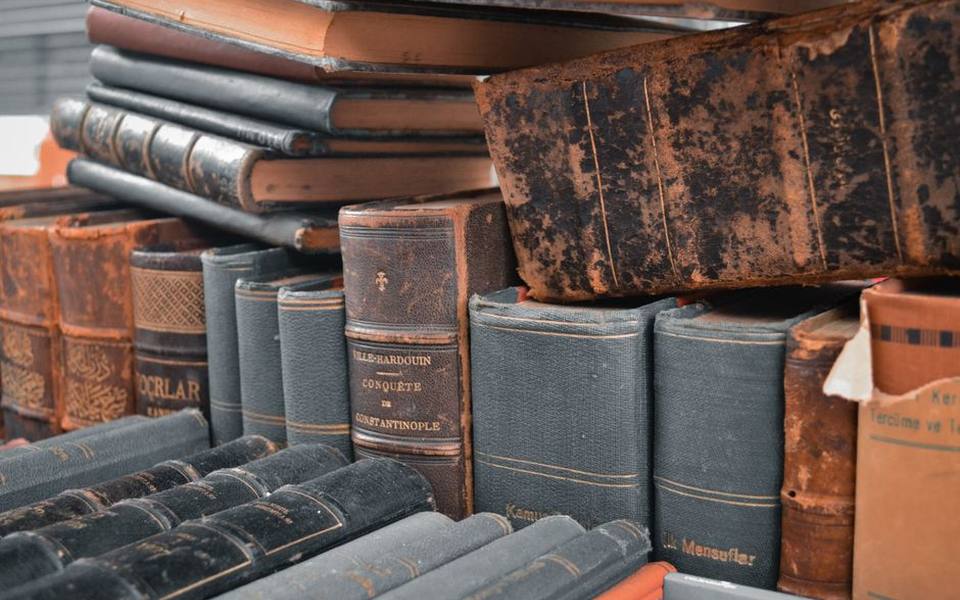
Many people assume that any leather-bound volume or century-old novel carries significant monetary value, but age alone rarely dictates pricing. When consulting an old book value guide, collectors look primarily for scarcity, cultural significance, physical condition, and specific printing history. Millions of nineteenth-century bibles, school textbooks, and popular Victorian poetry compilations were mass-produced and remain very common, typically selling for modest decorative amounts.
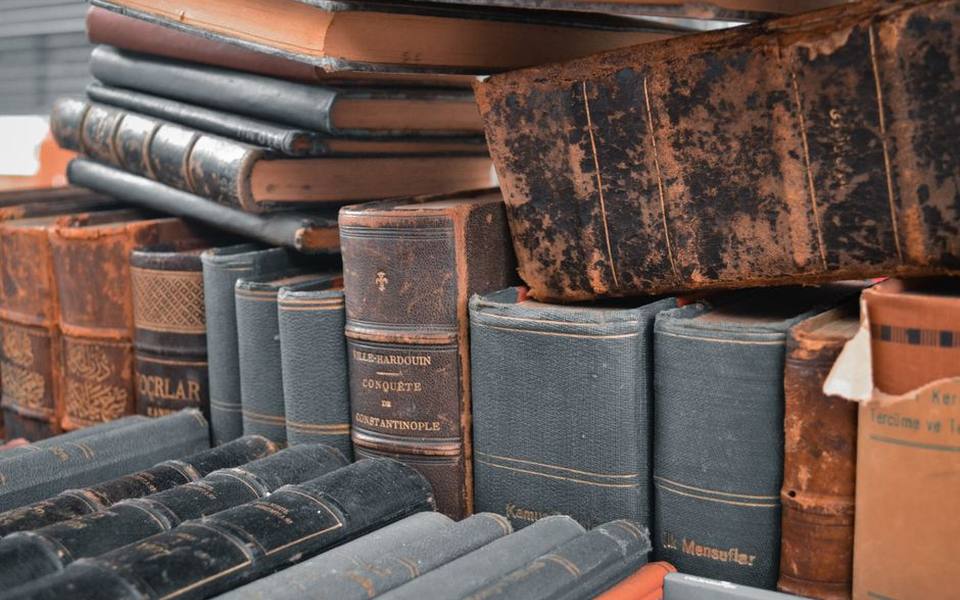
First editions represent the foundation of rare book collecting, yet identifying a true first edition requires specialized knowledge. Publishers have historically used varying methods to denote printings, from number lines and copyright page dates to specific typographical errors unique to the first run. A specialized old book price guide will highlight these issue points, detailing the exact page numbers and binding variants that distinguish an extraordinarily scarce first printing from a later reprint.
Physical condition dictates nearly all final value when evaluating literary works. The presence of the original paper dust jacket often represents seventy to eighty percent of a modern first edition's total worth, as jacket paper degrades rapidly over decades. Missing endpapers, foxing spots on pages, loose hinges, library stamps, or sun-faded cloth spines can quickly reduce an otherwise valuable volume down to modest reader-copy pricing.
Evaluating Which Vintage Baseball Cards Hold Substantial Worth
The sports card market experienced dramatic historical shifts, dividing inventory cleanly between pre-war rarities, vintage postwar classics, and mass-produced modern stock. If you are sorting through a collection wondering what makes specific cards valuable, the answer centers on era, player legacy, and exact physical centering. Cards printed prior to World War II, particularly tobacco cards and early gum issues featuring Hall of Fame legends, routinely command strong attention regardless of minor wear.
Post-war cards issued from the early 1950s through the late 1960s represent the traditional sweet spot for sports memorabilia collectors. Iconic rookie cards featuring legendary figures like Mickey Mantle, Willie Mays, Hank Aaron, or Roberto Clemente drive steady market interest. However, cards printed between roughly 1986 and 1993 belong to what hobbyists call the junk-wax era, when manufacturers printed billions of cards, leaving the vast majority worth only pennies today.
Professional grading services have completely reshaped how collectors evaluate card authenticity and worth. A vintage card exhibiting sharp ninety-degree corners, immaculate print registration, and clean surfaces can easily sell for many multiples of an identical card showing light corner softening. For valuable sports lots and historical rarities, utilizing accredited third-party grading or consulting appraisal services ensures you obtain an objective certification of condition before entering negotiations.
Mechanical Antiques and Vintage Slot Machine Costs
Early twentieth-century coin-operated machines remain highly sought after by mechanical Americana collectors and game room enthusiasts. When examining an antique slot machine price guide, you will find that values hinge on original casting designs, mechanical completeness, and internal authenticity. Classic cast-iron and polished aluminum three-reel machines produced by celebrated manufacturers typically range from several hundred dollars for incomplete project units to multiple thousands for pristine, fully functional examples.
Determining how much a vintage slot machine costs requires inspecting the cabinet woodwork, decorative reel strips, and coin payout mechanisms. Restored machines finished in bright automotive paint sometimes appeal to casual decorators, but dedicated mechanical collectors generally prefer unrestored originals showing honest patina, authentic factory reel strips, and uncracked castings. Reproductions produced during the 1970s and 1980s also circulate widely, requiring careful verification of internal casting marks.
Legal regulations regarding the ownership and private sale of mechanical gaming devices vary widely from jurisdiction to jurisdiction. In most states, non-gambling antique ownership is legal provided the machine has surpassed a specific age threshold, typically twenty-five to thirty years, though a few states restrict ownership entirely. Always confirm local municipal and state statutes before purchasing or transporting mechanical gaming equipment across state lines.
The Shifting Secondary Market for Hummel Figurines
For decades, porcelain figurines based on the drawings of Sister Maria Innocentia Hummel were among the most passionately collected decorative items in American homes. Handcrafted in Germany by Goebel, these charming depictions of rural childhood adorned display cabinets across the country. However, generational shifts have flooded the secondary market with inventory as lifelong collectors downsize, causing prices for standard production pieces to decline sharply over the past twenty years.
If you have inherited a collection and wonder what they might fetch, identifying the underside hallmark is essential. Early marks—such as the double crown used in the 1930s or the full bee mark from the 1950s—generally hold far better collector interest than mid-1970s or 1980s marks. Rare early models, limited edition oversized groupings, and prototypes still attract serious bids, but common figurines produced in vast quantities typically sell for very affordable amounts today.
Condition is critical in ceramic collecting, as even microscopic imperfections devastate secondary resale potential. Inspect figurines under bright direct light and magnification, checking the delicate flowers, feather tips, and base edges for tiny chips or hairline cracks. Professional restoration or structural reglazing, while aesthetically pleasing on a living room shelf, tends to eliminate most commercial value for discerning porcelain enthusiasts.
Assessing the Collectibility and Value of Uranium Glass
Bright green glassware that glows intensely under ultraviolet light has captured widespread attention among modern vintage enthusiasts. Commonly referred to as uranium glass or vaseline glass, these pieces were produced from the mid-nineteenth century up until the mid-twentieth century by incorporating minute amounts of uranium oxide into the glass formula before melting. The resulting fluorescence makes these pieces stand out dramatically in lighted curiosity cabinets.
Evaluating whether a piece of uranium glass holds serious value depends largely on pattern rarity, form, and overall preservation. Everyday depression glass patterns that were pressed in huge numbers—such as simple ribbed tumblers, small salad plates, or basic fruit bowls—usually sell for modest amounts. In contrast, elaborate Victorian art glass, patterned kerosene oil lamps, complete punch bowl sets, and pieces crafted by prestige glassmakers often command substantial collector premiums.
Testing for genuine uranium content requires a blacklight emitting a 395-nanometer wavelength, which produces an unmistakably vivid green glow. Similar-looking vintage items made from manganese glass may show a weak, watery yellowish-green fluorescence under shorter wavelengths, which experienced collectors distinguish immediately. Checking pieces carefully for rim flea bites, mold straw marks, and interior liquid staining helps determine whether a glowing piece deserves top-tier pricing.
Distinguishing Asking Prices from Completed Sale Records
The single most common mistake made by novice collectors using an antique value price guide online is confusing an ambitious retail tag with legitimate market value. Many web marketplaces allow sellers to post items at whatever aspirational figure they imagine, leaving unrealistic listings lingering unsold for years. If you rely on active listings to price your family heirlooms, you will almost certainly end up with an inflated, misleading estimate.
Reliable valuation relies strictly on finalized transaction histories where currency actually changed hands. Major auction houses and specialty trading platforms archive realized hammer prices, which provide concrete proof of what qualified buyers paid on a specific date. Comparing three to five settled sale results for identical pieces in comparable condition yields a realistic baseline for what you can expect to receive.
It is also critical to recognize the difference between retail replacement value and wholesale liquidation value. An insurance valuation reflects the maximum amount required to replace a rare item immediately at full retail in a luxury gallery. When selling directly to antique dealers, through estate clearing services, or at local antique consignment shops, expect offers reflecting wholesale percentages to account for retail holding times and business overhead.
How Condition, Restoration, and Provenance Shape Value
Across every antique category, condition remains the paramount variable separating standard household goods from premium treasures. An unpolished silver teapot with original factory chasing will consistently outperform a polished piece where maker stamps have been rubbed thin by decades of aggressive cleaning. Collectors place immense premium on originality, frequently penalizing pieces that have been aggressively refinished, chemically stripped, or clumsily repaired.
Provenance—the documented chain of ownership and origin—can dramatically elevate the worth of historical objects. Original bill-of-sale receipts, period photographs showing the object in historic use, or documented ties to notable estates provide authenticity that collectors willingly pay extra to acquire. Without verifiable paper documentation, interesting family oral histories rarely influence the actual cash price that serious buyers or specialized dealers are willing to offer.
In categories like vintage timepieces, fine estate rings, and historic coins, originality outweighs cosmetic perfection. Polishing away minor edge nicks on rare coinage or stripping the original oxidized finish from vintage metalwork can destroy the item's historical integrity. When handling rare estate goods, consulting dedicated antique jewelry and coin shops before attempting any home cleaning or restoration ensures you preserve every dollar of latent value.
Practical Selling Channels and Professional Appraisals
Once you have researched potential values, choosing the right outlet to sell or insure your pieces represents the crucial next step. Selling individual items yourself via internet platforms yields the highest gross percentage, but it demands significant time photographing, describing, packaging, and handling customer questions. For liquidating entire households or substantial family accumulations, partnering with reputable estate sale services provides a streamlined way to reach verified local collectors.
If you possess high-value historical artifacts, fine art, or substantial inherited collections, obtaining an objective formal evaluation from a credentialed appraiser is well worth the investment. Professional appraisers do not buy the items they appraise, eliminating any conflict of interest. They supply written documentation detailing methodology, comparable sales records, and condition grades recognized by insurance underwriters, estate attorneys, and tax authorities.
Ultimately, pricing antiques is an ongoing exercise in balancing historic desirability against present consumer demand. Tastes continually evolve as modern design trends shift, meaning categories that dominated the market twenty years ago may trade quietly today, while previously overlooked mid-century items surge in value. Staying informed through honest collector communities and tracking verified auction hammer prices remains the smartest path to navigating the vintage marketplace.
Published 2026-09-20 · reviewed with each rebuild, last September 2026.
Find antique stores near you
The directory lists 25,996 antique stores by state and city — pick your state or use the “Near me” button in the header.
More guides
-
 Owning
Cleaning and Polishing Antique Silver Without Damaging the Patina
-
 Money
MoneyNavigating the Market for Vintage Currency
-
 Owning
Evaluating, Using, and Displaying Mid-Century Glassware and Kitchen Antiques
-
 Buying
Navigating Vintage and Antique Jewelry Styles
-
 Owning
How to Clean and Care for Silverware Without Causing Damage
-
 Owning
Vintage Pyrex Value and Safety Guide: Understanding Collector Patterns and Usage
-
 Buying
A Guide to Sourcing Vintage and Estate Jewelry
-
 Money
MoneyValuable Baseball Cards Guide: Spotting Vintage Sports Collectibles
-
 Owning
How to Clean and Restore Antique Wood Furniture
-
 Money
MoneyHow to Find and Use Antique Price Guides Online
-
 Money
MoneyHow to Determine the Value of Old Books and First Editions
-
 Money
MoneyWhere and How to Sell Vintage Coins for the Best Return
-
 Buying
Choosing and Caring for Vintage and Modern Cast Iron Cookware
-
 Owning
How to Polish and Value Antique Silverware at Home
-
 Owning
How to Clean and Polish Antique Wood Furniture Without Damaging It
-
 Buying
Vintage and Classic Cast Iron Cookware: Buyer's, Value, and Care Guide
-
 Buying
Antique Silverware, Vintage Jewelry, and Collectible Coins Guide
-
 Money
MoneyA Practical Guide to Antique Price Guides and Rare Book Valuations
-
 Owning
How to Clean, Polish, and Refinish Antique Wood Furniture
-
 Owning
Ultimate Guide to Vintage and Antique Cast Iron Cookware: Brands, Seasoning, and Care
-
 Owning
How to Clean, Polish, and Value Vintage Silverware and Antique Jewelry
-
 Buying
Valuing Vintage Collectibles: From Rare Dolls and Slot Machines to Classic Lamps and Churns
-
 Owning
How to Clean, Polish, and Refinish Antique Wood Furniture
-
 Money
MoneyVintage Glassware Value Guide: Pyrex, Depression Glass, CorningWare, and Bottles
-
 Money
MoneyAntique & Vintage Price Guides: How to Value Antiques and Collectibles
-
 Buying
How to Value Old Books and First Editions: A Collector's Price Guide
-
 Money
MoneyWhere and How to Sell Vintage Records and Audio Equipment
-
 Buying
How to Buy, Value, and Sell Vintage Coins: A Practical Beginner's Guide
-
 Buying
Estate Sale Guide: How to Find, Buy, and Liquidate Antiques
-
 Buying
Vintage and Modern Cast Iron Cookware: Identification, Seasoning, Buying, and Care
-
 Owning
Cleaning and Caring for Vintage Silverware, Fine Jewelry, and Antique Metals
-
 Owning
How to Clean, Polish, and Refinish Antique Wood Furniture
-
 Buying
Vintage and Modern Cast Iron Cookware: Identification, Caring, and Buying Guide
-
 Owning
Antique Silverware: Cleaning, Polishing at Home, and Value Guide
-
 Owning
Care, Polishing, and Refinishing Guide for Antique Wood Furniture
-
 Buying
Vintage Pyrex, Glassware, and Depression Glass Identification and Value Guide
-
 Money
MoneyAntique Price Guides: How to Value and Sell Antiques Online and Offline
-
 Money
MoneyCollectible Old Books and First Editions: Valuation and Identification Guide
-
 Buying
Vintage Sewing Machines, Stoves, and Antique Tools Value Guide
-
 Buying
Collector Guide to Vintage Door Hardware, Knobs, and Cabinet Pulls
-
 Owning
Antique & Vintage Dolls: Values, Identification, and Care
-
 Buying
Antique Hoosier Cupboards and Vintage Desks: History, Identification, and Value
-
 Service
Grandfather, Wall, and Pocket Clock Repair and Identification Guide
-
 Owning
Antique Rotary Telephones and Landlines: Buying, Restoring, and Converting
-
 Owning
Collecting Vintage Picture Frames and Oil Paintings: Framing and Restoration
-
 Buying
Antique Sewing Machines and Spinning Wheels: Value, Brands, and Maintenance
-
 Buying
Antique Wood Stoves and Log Burners: Buying, Safety, and Restoration Guide
-
 Buying
Depression Glass and Antique Canning Jars: Identification and Values
-
 Buying
Vintage Mirrors: Identifying, Buying, and Styling Antique Glass
-
 Owning
Antique Silverware and Silverplate Flatware: Cleaning, Identification, and Value
-
 Buying
Vintage Engagement Rings and Art Deco Jewelry: Buying and Valuation
-
 Buying
Buyer Guide to Vintage and Antique Furniture: Seating, Tables, Desks, and Reproductions
-
 Buying
Collector Guide to Vintage Toys, Lighters, Sports Ephemera, and Curios
-
 Buying
Architectural Salvage Guide: Sourcing Stained Glass, Mantels, and Historic Hardware
-
 Buying
Vintage Fashion and Heirloom Style: Sourcing Dresses, Denim, Leather, and Ephemera