The Baseline Reality of Antique Sewing Machine Worth
Walk into almost any rural barn sale or regional thrift shop, and you will likely spot a black cast-iron sewing machine sitting in a dusty corner. Homeowners often assume these ornate mechanical marvels are worth a fortune simply because they survived over a century of family use. In reality, manufacturers built these domestic workhorses by the tens of millions between the late Victorian era and the middle of the twentieth century. Because they were engineered with solid steel and cast iron, an astonishing number survived intact.
When people ask whether old sewing machines are worth anything today, the honest answer depends almost entirely on rarity, completeness, and practical utility. Most standard domestic machines tucked into weathered parlor cabinets sell for modest amounts, often between fifty and one hundred fifty dollars. The market is saturated with common household models that families preserved as sentimental heirlooms. While they possess immense decorative charm, their financial value remains modest unless a serious seamstress or dedicated collector actively seeks that specific variation.
High values do exist, but they are concentrated in narrow niches. Compact portable machines, rare early patent models from before the mid-1870s, industrial-grade leather stitchers, and machines retaining pristine original gold decals command serious attention. Collectors also look for original accessories, including puzzle boxes filled with specialized feet, intact manual booklets, and functional bobbin shuttles. A machine missing its proprietary bobbin case or shuttle can cost more to complete than the head itself is worth on the secondary market.
Determining the Value of Vintage Singer Sewing Machines
Singer dominated the worldwide domestic sewing market for over a century, leaving behind millions of durable machines. The typical antique Singer sewing machine price fluctuates widely based on the model number rather than just its age. Common vibrating shuttle models such as the Singer 27 and 128, or round-bobbin mainstays like the 66 and 99, typically sell between seventy-five and two hundred dollars in respectable, working order. If the exterior lacquer is badly chipped or silvered with surface rust, values routinely drop below fifty dollars.
To establish an accurate Singer sewing machine price vintage collectors rely on the serial number stamped into the brass bed plaque or cast iron frame. Singer maintained meticulous manufacturing logs, allowing buyers to verify the exact year and factory allocation within seconds online. A machine dating to 1910 is not automatically twice as valuable as one produced in 1940. Mechanical design, cosmetic condition, and ease of modern use play far greater roles in setting market figures than a difference of thirty years in manufacturing dates.
Occasionally, rare industrial variants or decorative display pieces achieve surprising auction results. Machines finished with elaborate decals like the Sphinx, Red Garlic, or Tiffany patterns fetch premium prices if the clear shellac coating has not oxidized into a dull, alligator-pattern haze. If you discover a machine during cleanouts or family settlements, browsing through antique shops offering estate sales can provide a realistic look at what localized buyers are currently willing to pay for similar working heads.
The Most Practical Models and High-Value Workhorses
Among all historical models, the Singer Featherweight 221 and its free-arm sibling, the 222K, stand apart as the most liquid and consistently valuable vintage machines. Produced from the 1930s through the 1960s, these compact aluminum units weigh roughly eleven pounds, stitch an impeccable straight seam, and have a passionate following among modern quilters. A standard black Featherweight in clean, running condition typically commands between three hundred fifty and six hundred dollars, while rare white, tan, or celery green editions can exceed one thousand dollars.
If your goal is heavy-duty domestic sewing rather than portability, the Singer Model 201 and Model 15-91 are frequently cited by mechanics as the best antique sewing machine choices ever engineered. The 201 features helical gears that run with whisper-quiet precision, while the direct-drive potted motor of the 15-91 punches through multiple layers of denim and light leather without slipping belts. These full-sized cast iron heads generally sell between one hundred and two hundred fifty dollars, offering unmatched durability for everyday crafters.
Mechanical integrity dictates whether a machine remains a functional treasure or merely an anchor for a garage shelf. When checking a machine, confirm that the handwheel spins smoothly without binding, the feed dogs rise and fall rhythmically, and the electrical wiring on motorized editions remains supple rather than cracked and exposed. Sourcing replacement motors and original foot controllers is straightforward, but repairing cracked internal castings or bent needle bars is rarely cost-effective.
Treadle Mechanisms and Repurposed Iron Tables
Treadle machines—powered entirely by a foot pedal rocking an iron pitman arm and heavy flywheel—bridge the gap between domestic machinery and fine cabinetry. A complete, functioning treadle sewing machine price generally settles between one hundred twenty and three hundred dollars depending on the wood species and drawer configuration. Five-drawer and seven-drawer oak or walnut cabinets were standard, but elaborate Victorian parlor cabinets with mechanical lifts that hide the machine head inside command higher premiums.
Condition issues heavily influence old sewing machine table prices. The veneer on these laminated wood cabinets was applied with hide glue, which dissolves when stored in humid basements, unheated barns, or leaky attics. When the veneer peels, buckles, or loses its structural edge banding, restoring the woodwork can cost far more than purchasing an intact replacement. Consequently, damaged cabinets are frequently broken down so dealers can sell the mechanical iron base separately as an architectural component.
Cast iron bases with the ornate Singer script or decorative filigree have evolved into a distinct decor category. Salvaged iron legs fitted with reclaimed lumber or stone tops make popular entryway consoles, bathroom vanities, and garden stands. If you have an empty iron base in good shape, it typically brings fifty to one hundred dollars on its own. You can spot dozens of creative adaptations by touring dedicated antique furniture stores that cater to interior designers seeking rustic character.
Understanding Antique Wood Cook Stove Values
Antique wood-burning cookstoves represent a major financial and logistical tier in the antique market. Unlike a small sewing machine you can slide into a trunk, a cast iron cooking range easily weighs four hundred to eight hundred pounds. Typical antique wood cook stove prices range from four hundred dollars for rough, unrestored models up to three thousand dollars or more for fully restored, certified operating units. Brands such as Glenwood, Kalamazoo, Bridge & Beach, and Home Comfort remain the benchmark names sought by homesteaders and cabin owners.
Valuation always begins with structural safety and cooking capability. A cast iron stove relies on replaceable firebrick or iron liners inside the firebox to protect the outer walls from intense heat. If the firebox grates are warped, cracked, or completely burned through, finding exact replacement castings can be an expensive, multi-month endeavor. Furthermore, a cracked oven box or warped main cooking surface allows smoke and deadly carbon monoxide to escape into living quarters, rendering the unit unsafe for actual heating.
Location heavily shapes these values because freight shipping an eight-hundred-pound stove across the country can cost nearly as much as the piece itself. Stoves located in rural regions where off-grid living and wood heating are common tend to hold steady utilitarian value. Conversely, in urban apartments, they serve purely as decorative installations, which limits the pool of prospective buyers willing to navigate the transport and chimney venting requirements.
The Market for Porcelain and Enamel Finishes
During the 1920s and 1930s, stove manufacturers transitioned from traditional black graphite finishes to vitreous porcelain enamel. These smooth, glassy coatings transformed utilitarian cookstoves into vibrant kitchen centerpieces. Consequently, porcelain antique wood cook stove prices sit significantly higher than their plain black cast-iron predecessors. A pristine porcelain stove finished in desirable period shades like mint green, cobalt blue, pastel yellow, or cream with contrasting trim routinely sells for twelve hundred to four thousand dollars depending on completeness.
Unlike paint, porcelain enamel is powdered glass fused to iron under extreme heat, creating a hard, sanitary, and stain-resistant surface. However, porcelain cannot flex; if a heavy iron skillet drops on it or if the stove shifts roughly during transit, the enamel chips off down to the raw iron beneath. Chipped porcelain cannot be invisibly touched up with standard appliance enamel paints, and professional re-enameling requires disassembling the entire stove down to individual panels and firing them in an industrial kiln.
Before investing in an enameled range, inspect the high-heat areas around the oven door handles, the edges of the warming closets, and the reservoir lids. Minor chipping along seams is expected on stoves that cooked daily meals for thirty years, but widespread loss drops value dramatically. If you plan to sell an exceptional enameled unit, partnering with antique consignment shops with experience in high-ticket architectural salvage often yields the best outcome.
Valuing Antique Hand Tools and Workshop Collectibles
The market for antique tools is among the most active segments of the vintage trade, driven by woodworkers who prefer hand-tool joinery over modern power equipment. Stanley woodworking planes represent the gold standard of collectible hand tools. Common Bailey pattern bench planes, such as the No. 4 smoothing plane or No. 5 jack plane, typically trade between forty and ninety dollars in clean, usable condition. In contrast, the heavy-duty Stanley Bedrock series commands one hundred fifty to four hundred dollars or more.
Specific maker marks and production types dictate tool pricing. Stanley planes progressed through roughly twenty distinct 'types' between 1867 and the 1960s, defined by casting marks, brass adjustment wheel sizes, and patent dates cast behind the frog. Earlier iterations manufactured between roughly 1900 and 1935 feature superior casting quality, fine rosewood handles, and tight mechanical tolerances that modern makers struggle to replicate at consumer price points.
Beyond hand planes, vintage timber framing chisels by makers like Swan, Buck Brothers, or Witherby bring substantial prices, frequently selling for forty to over one hundred dollars per chisel. Machinist tools, precision brass-bound levels by Disston or Starrett, and patent drawing knives also hold consistent value. Browsing the booths at regional antique malls reveals that tools retaining their original length of tool steel and unground maker stamps consistently outperform modified or heavily rusted examples.
Inspection Strategies for Heavy Iron and Mechanics
Whether you are evaluating a Singer treadle, a timber framing slick, or a parlor cookstove, inspecting antique cast iron demands a methodical approach. Cast iron is brittle; while it withstands incredible compressive loads, sharp impacts or sudden thermal shocks will crack it permanently. Always carry a small LED flashlight and inspect stove tops around the burner eyes and the corners of sewing machine arms for hairline fractures that sellers may have concealed beneath thick black paint or paste wax.
On sewing machines, frozen internal linkages are common when machines sit unused for decades. Castor oil and whale oil lubricants used a century ago slowly evaporate into a solid, amber varnish that locks gears and rocker shafts tight. Do not attempt to force a frozen handwheel with a wrench or breaker bar, as doing so will snap original steel gear teeth or shear off internal drive pins. A seized machine can almost always be freed with patience and proper penetrating fluid, provided no parts are broken.
Tools require scrutiny of the cutting edge and handle wood. Check plane bodies for cracks along the 'cheeks'—the thin cast walls flanking the mouth opening. If a previous owner dropped a plane onto a concrete shop floor, the mouth casting often fractures, rendering the plane incapable of holding an iron square to the sole. For rare or expensive items, arranging professional consultation through qualified appraisal services ensures you do not mistake a clever modern reproduction for a museum-grade original.
Preservation, Cleaning, and Avoiding Value Traps
The single most destructive mistake collectors make when reviving vintage mechanical antiques is aggressive over-cleaning. Never use an abrasive wire wheel mounted on an angle grinder to remove surface rust from an antique tool or sewing machine bed. Wire wheels leave unnatural swirl marks, round off factory-machined sharp edges, and obliterate delicate maker marks and patent stamps that establish collector provenance.
For sewing machines, modern household spray cleaners and alcohol-based solvents are devastating. The original glossy black finish on early Singer machines is Japanning—an asphalt-based lacquer baked onto the iron—protected by a thin overcoat of natural shellac. Harsh chemical degreasers will instantly soften the shellac, dissolving the intricate 22-karat gold leaf decals beneath. Safe cleaning requires nothing more aggressive than pure sewing machine mineral oil applied with soft cotton flannel cloths.
Cast iron woodstoves require distinct care depending on their finish. Black iron stoves should never be coated with modern high-heat spray paints if you wish to retain historic authenticity; instead, use traditional graphite stove polish buffed out with a horsehair brush to create a rich, satiny gunmetal sheen. Porcelain surfaces should only be cleaned with gentle dish soap and warm water, avoiding acidic bathroom descalers that etch the protective glass glaze permanently.
Navigating the Market as a Buyer or Seller
If you are looking to buy or sell these heavy, specialized antiques, your geographic strategy matters. Online auction platforms provide nationwide reach, but packaging an eight-hundred-pound cookstove or a delicate sewing cabinet with fragile veneer carries immense shipping risk and exorbitant freight fees. Most transactions for large iron pieces happen locally through regional shows, specialized swap meets, and targeted classified listings where buyers inspect pieces in person.
When selling a vintage sewing machine, take clean, well-lit photographs of the serial number plaque, the decal work along the bed, the bobbin case area, and any included accessories or wooden covers. A seller who demonstrates that a machine actually forms a balanced lockstitch can command thirty to fifty percent more than one who simply lists the item as an untested decorative curiosity.
For buyers, arming yourself with basic model knowledge prevents costly mistakes. Verify that the machine uses standard needles (such as the 15x1 system) rather than obsolete, proprietary needle lengths that are no longer manufactured. Check that the stove retains its damper handles, ash pan, and cleanout doors. By understanding the mechanical realities behind the decorative nostalgia, you can acquire authentic pieces of American industrial history that will continue working for another century.
Published 2026-09-20 · reviewed with each rebuild, last September 2026.
Find antique stores near you
The directory lists 25,996 antique stores by state and city — pick your state or use the “Near me” button in the header.
More guides
-
 Owning
Cleaning and Polishing Antique Silver Without Damaging the Patina
-
 Money
MoneyNavigating the Market for Vintage Currency
-
 Owning
Evaluating, Using, and Displaying Mid-Century Glassware and Kitchen Antiques
-
 Buying
Navigating Vintage and Antique Jewelry Styles
-
 Owning
How to Clean and Care for Silverware Without Causing Damage
-
 Owning
Vintage Pyrex Value and Safety Guide: Understanding Collector Patterns and Usage
-
 Buying
A Guide to Sourcing Vintage and Estate Jewelry
-
 Money
MoneyValuable Baseball Cards Guide: Spotting Vintage Sports Collectibles
-
 Owning
How to Clean and Restore Antique Wood Furniture
-
 Money
MoneyHow to Find and Use Antique Price Guides Online
-
 Money
MoneyHow to Determine the Value of Old Books and First Editions
-
 Money
MoneyWhere and How to Sell Vintage Coins for the Best Return
-
 Buying
Choosing and Caring for Vintage and Modern Cast Iron Cookware
-
 Owning
How to Polish and Value Antique Silverware at Home
-
 Owning
How to Clean and Polish Antique Wood Furniture Without Damaging It
-
 Buying
Vintage and Classic Cast Iron Cookware: Buyer's, Value, and Care Guide
-
 Buying
Antique Silverware, Vintage Jewelry, and Collectible Coins Guide
-
 Money
MoneyA Practical Guide to Antique Price Guides and Rare Book Valuations
-
 Owning
How to Clean, Polish, and Refinish Antique Wood Furniture
-
 Owning
Ultimate Guide to Vintage and Antique Cast Iron Cookware: Brands, Seasoning, and Care
-
 Owning
How to Clean, Polish, and Value Vintage Silverware and Antique Jewelry
-
 Buying
Valuing Vintage Collectibles: From Rare Dolls and Slot Machines to Classic Lamps and Churns
-
 Owning
How to Clean, Polish, and Refinish Antique Wood Furniture
-
 Money
MoneyVintage Glassware Value Guide: Pyrex, Depression Glass, CorningWare, and Bottles
-
 Money
MoneyAntique & Vintage Price Guides: How to Value Antiques and Collectibles
-
 Buying
How to Value Old Books and First Editions: A Collector's Price Guide
-
 Money
MoneyWhere and How to Sell Vintage Records and Audio Equipment
-
 Buying
How to Buy, Value, and Sell Vintage Coins: A Practical Beginner's Guide
-
 Buying
Estate Sale Guide: How to Find, Buy, and Liquidate Antiques
-
 Buying
Vintage and Modern Cast Iron Cookware: Identification, Seasoning, Buying, and Care
-
 Money
MoneyComprehensive Guide to Antique Values, Old Books, and Collectibles Pricing
-
 Owning
Cleaning and Caring for Vintage Silverware, Fine Jewelry, and Antique Metals
-
 Owning
How to Clean, Polish, and Refinish Antique Wood Furniture
-
 Buying
Vintage and Modern Cast Iron Cookware: Identification, Caring, and Buying Guide
-
 Owning
Antique Silverware: Cleaning, Polishing at Home, and Value Guide
-
 Owning
Care, Polishing, and Refinishing Guide for Antique Wood Furniture
-
 Buying
Vintage Pyrex, Glassware, and Depression Glass Identification and Value Guide
-
 Money
MoneyAntique Price Guides: How to Value and Sell Antiques Online and Offline
-
 Money
MoneyCollectible Old Books and First Editions: Valuation and Identification Guide
-
 Buying
Collector Guide to Vintage Door Hardware, Knobs, and Cabinet Pulls
-
 Owning
Antique & Vintage Dolls: Values, Identification, and Care
-
 Buying
Antique Hoosier Cupboards and Vintage Desks: History, Identification, and Value
-
 Service
Grandfather, Wall, and Pocket Clock Repair and Identification Guide
-
 Owning
Antique Rotary Telephones and Landlines: Buying, Restoring, and Converting
-
 Owning
Collecting Vintage Picture Frames and Oil Paintings: Framing and Restoration
-
 Buying
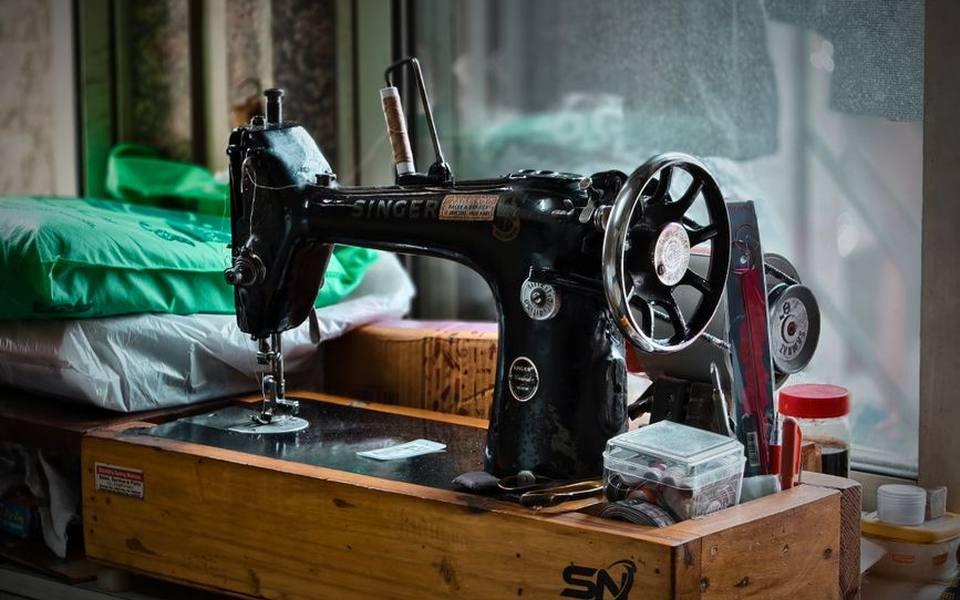
Antique Sewing Machines and Spinning Wheels: Value, Brands, and Maintenance
-
 Buying
Antique Wood Stoves and Log Burners: Buying, Safety, and Restoration Guide
-
 Buying
Depression Glass and Antique Canning Jars: Identification and Values
-
 Buying
Vintage Mirrors: Identifying, Buying, and Styling Antique Glass
-
 Owning
Antique Silverware and Silverplate Flatware: Cleaning, Identification, and Value
-
 Buying
Vintage Engagement Rings and Art Deco Jewelry: Buying and Valuation
-
 Buying
Buyer Guide to Vintage and Antique Furniture: Seating, Tables, Desks, and Reproductions
-
 Buying
Collector Guide to Vintage Toys, Lighters, Sports Ephemera, and Curios
-
 Buying
Architectural Salvage Guide: Sourcing Stained Glass, Mantels, and Historic Hardware
-
 Buying
Vintage Fashion and Heirloom Style: Sourcing Dresses, Denim, Leather, and Ephemera