The foundation of safe silver care
The safest way to clean silverware starts with a simple wash using warm water and mild, fragrance-free dish soap. Before applying any polishing compounds, it is crucial to remove surface dirt, oils, and food remnants that could scratch the soft metal. This initial step often reveals that the silver is less tarnished than it originally appeared, saving you unnecessary work and preventing excessive wear over time.
Once washed, dry the items immediately with a soft cotton or flannel towel. Leaving water to air dry can lead to water spots, which are notoriously difficult to remove without further polishing. Avoid using abrasive scrubbers like steel wool or stiff brushes, as silver scratches quite easily. Gentle handling during this basic cleaning stage is the foundation of preserving your antique flatware for future generations.
For pieces holding significant tarnish or intricate details, you might wonder if heavy scrubbing is required. Usually, a slow, methodical approach yields better results than vigorous rubbing. If you inherited a large collection and want to understand its history before deep cleaning, consider reaching out to professionals providing on-site appraisal services to ensure you do not inadvertently damage a rare or valuable piece.
Mastering the polishing cloth
Understanding the correct technique for a two-step polishing cloth is often the only skill needed for routine maintenance. These specialized cloths typically feature two layers: an inner section treated with mild micro-abrasives and tarnish retardants, and an untreated outer layer for final buffing. To begin, gently rub the tarnished areas with the treated inner cloth. You will notice the fabric turning black as it lifts the silver sulfide.
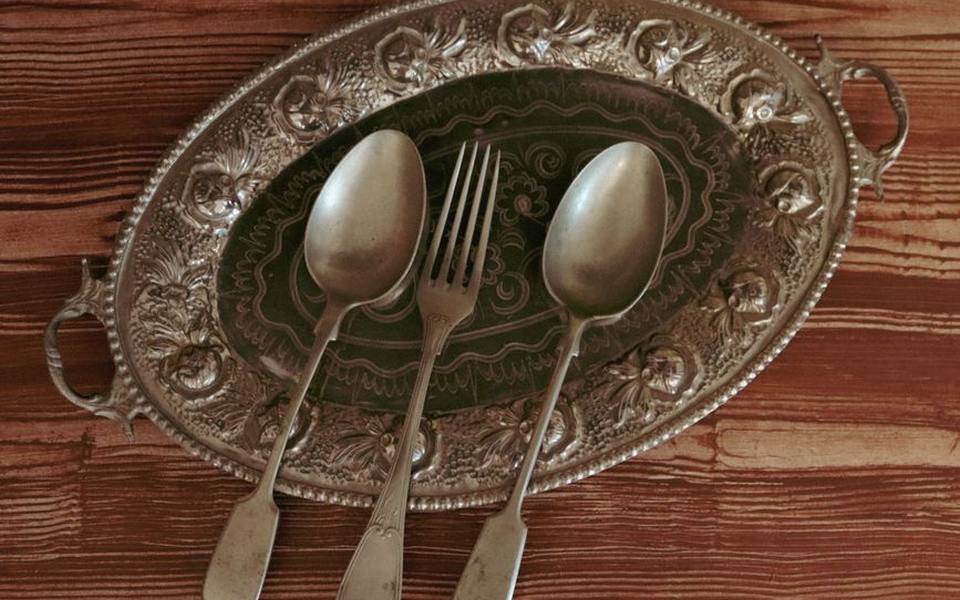
The dark marks on the cloth are completely normal and indicate the tarnish is transferring away from the metal. Do not wash the treated cloth, as doing so removes the specialized cleaning agents and renders it ineffective. After clearing away the visible tarnish with the inner layer, switch to the soft outer cloth to buff the silver. This process is highly effective for light to moderate discoloration.
Relying on a cloth is generally safer than applying liquid or paste polishes, especially for holloware or items with deep engravings. Pastes can easily get stuck in crevices, drying white and requiring careful removal. Specialized cloths are also excellent for maintaining related items; similar techniques are heavily recommended by specialists at jewelry & coins shops to keep delicate accessories looking fresh without wearing down the material.
Selecting pastes and creams for heavy tarnish
When your silverware is heavily oxidized and entirely black, a dry cloth alone might not be sufficient. In these cases, a commercial silver cream is typically the most reliable solution. Apply a small amount of polish using a clean sponge or a soft cotton rag, working it in gentle, straight lines rather than circular motions. Circular rubbing can create tiny, swirl-patterned scratches that catch the light and dull the finish.
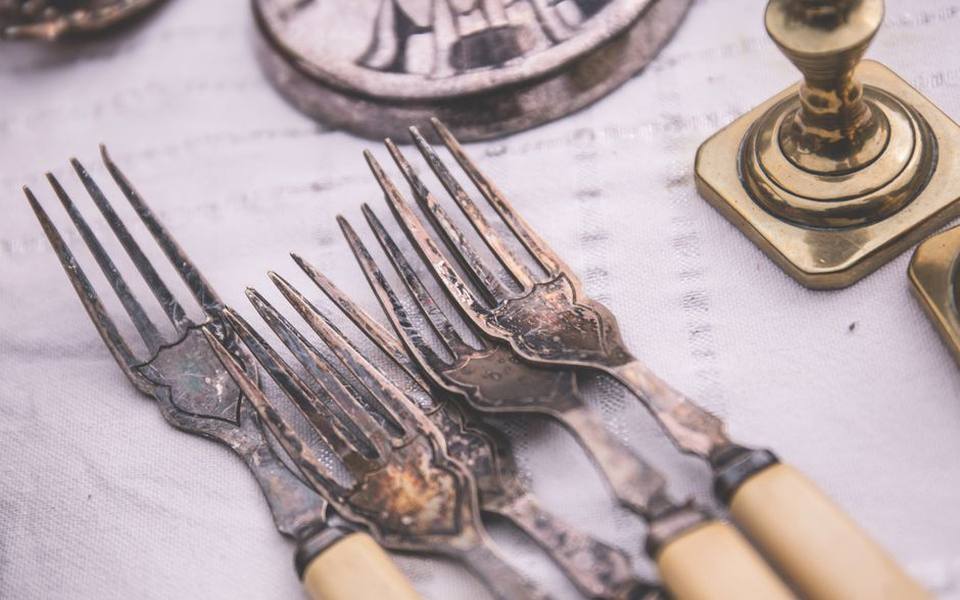
Many people are tempted to use homemade remedies involving baking soda, aluminum foil, and boiling water. While this electrochemical reaction removes tarnish rapidly, it can also strip away the desirable dark patina inside decorative crevices that gives antique silver its visual depth. Furthermore, this method often leaves the silver looking dull and lifeless, requiring secondary polishing anyway. For sentimental items, sticking to formulated silver creams is usually safer.
After polishing with a cream or paste, wash the silverware a second time with warm water and mild soap. This removes lingering chemical residue and prevents polish from hardening in intricate handle patterns. If preparing a large set of flatware to take to local consignment shops, thorough residue removal is essential, as buyers look for pieces that have been carefully and properly maintained over the years.
Embracing patina and knowing when to stop
A common mistake when tackling antique flatware is striving for a flawless, mirror-like finish across the entire piece. Authentic antique silver should have character, including tiny surface scratches and dark areas in recessed designs. This dark oxidation, or patina, accentuates the craftsmanship of the silversmith. Scrubbing too aggressively to remove every trace of black will flatten the design and significantly reduce the aesthetic appeal of the item.
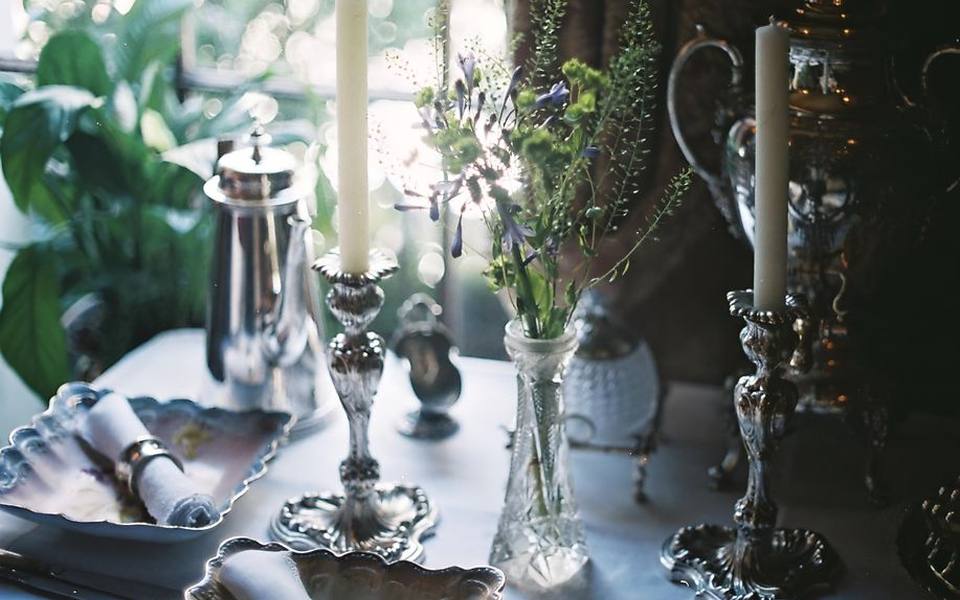
Silver plating requires even more caution than solid sterling. Plated items have a very thin layer of pure silver over a base metal, usually copper or brass. Aggressive polishing or using harsh abrasives will eventually wear through this thin coating, exposing the yellowish metal underneath. Once the plating is compromised, the piece will need to be professionally replated, which is a specialized and time-consuming process.
If the tarnish refuses to budge, or if you suspect the piece is plated and showing signs of wear, it is often best to step back. You might find replacement pieces in better condition by browsing multiple dealers selling under one roof, rather than risking permanent damage to a fragile heirloom. Knowing when to accept a little discoloration is a key part of responsible preservation.
Routine maintenance and safe handling
The most effective way to handle tarnish is to prevent it from forming rapidly in the first place. Flatware is meant to be used, and regular rotation combined with prompt, gentle washing is often the best defense against heavy oxidation. Natural oils from your hands and frequent washing keep the metal bright. If you use your sets evenly, dedicated deep polishing sessions become surprisingly rare.
Environmental factors play a huge role in how quickly your pieces darken. Humidity, airborne sulfur from cooking, and certain foods like eggs or mustard accelerate the tarnishing process. After serving such foods, rinse the items immediately to prevent sulfur from reacting with the metal. Keeping the environment relatively dry and storing pieces properly drastically cuts down on the maintenance required to keep them looking presentable.
Finally, consider wearing simple cotton gloves when handling freshly polished silver to put it away. Bare hands leave behind moisture and oils that can etch into the polished surface and restart the tarnishing cycle immediately. A little preventive care goes a long way. Whether setting a holiday table or preparing a few pieces for a display cabinet, these mindful practices will protect the integrity of your collection.
Published 2026-09-20 · reviewed with each rebuild, last September 2026.
Find antique stores near you
The directory lists 25,996 antique stores by state and city — pick your state or use the “Near me” button in the header.
More guides
-
 Owning
Cleaning and Polishing Antique Silver Without Damaging the Patina
-
 Money
MoneyNavigating the Market for Vintage Currency
-
 Owning
Evaluating, Using, and Displaying Mid-Century Glassware and Kitchen Antiques
-
 Buying
Navigating Vintage and Antique Jewelry Styles
-
 Owning
Vintage Pyrex Value and Safety Guide: Understanding Collector Patterns and Usage
-
 Buying
A Guide to Sourcing Vintage and Estate Jewelry
-
 Money
MoneyValuable Baseball Cards Guide: Spotting Vintage Sports Collectibles
-
 Owning
How to Clean and Restore Antique Wood Furniture
-
 Money
MoneyHow to Find and Use Antique Price Guides Online
-
 Money
MoneyHow to Determine the Value of Old Books and First Editions
-
 Money
MoneyWhere and How to Sell Vintage Coins for the Best Return
-
 Buying
Choosing and Caring for Vintage and Modern Cast Iron Cookware
-
 Owning
How to Polish and Value Antique Silverware at Home
-
 Owning
How to Clean and Polish Antique Wood Furniture Without Damaging It
-
 Buying
Vintage and Classic Cast Iron Cookware: Buyer's, Value, and Care Guide
-
 Buying
Antique Silverware, Vintage Jewelry, and Collectible Coins Guide
-
 Money
MoneyA Practical Guide to Antique Price Guides and Rare Book Valuations
-
 Owning
How to Clean, Polish, and Refinish Antique Wood Furniture
-
 Owning
Ultimate Guide to Vintage and Antique Cast Iron Cookware: Brands, Seasoning, and Care
-
 Owning
How to Clean, Polish, and Value Vintage Silverware and Antique Jewelry
-
 Buying
Valuing Vintage Collectibles: From Rare Dolls and Slot Machines to Classic Lamps and Churns
-
 Owning
How to Clean, Polish, and Refinish Antique Wood Furniture
-
 Money
MoneyVintage Glassware Value Guide: Pyrex, Depression Glass, CorningWare, and Bottles
-
 Money
MoneyAntique & Vintage Price Guides: How to Value Antiques and Collectibles
-
 Buying
How to Value Old Books and First Editions: A Collector's Price Guide
-
 Money
MoneyWhere and How to Sell Vintage Records and Audio Equipment
-
 Buying
How to Buy, Value, and Sell Vintage Coins: A Practical Beginner's Guide
-
 Buying
Estate Sale Guide: How to Find, Buy, and Liquidate Antiques
-
 Buying
Vintage and Modern Cast Iron Cookware: Identification, Seasoning, Buying, and Care
-
 Money
MoneyComprehensive Guide to Antique Values, Old Books, and Collectibles Pricing
-
 Owning
Cleaning and Caring for Vintage Silverware, Fine Jewelry, and Antique Metals
-
 Owning
How to Clean, Polish, and Refinish Antique Wood Furniture
-
 Buying
Vintage and Modern Cast Iron Cookware: Identification, Caring, and Buying Guide
-
 Owning
Antique Silverware: Cleaning, Polishing at Home, and Value Guide
-
 Owning
Care, Polishing, and Refinishing Guide for Antique Wood Furniture
-
 Buying
Vintage Pyrex, Glassware, and Depression Glass Identification and Value Guide
-
 Money
MoneyAntique Price Guides: How to Value and Sell Antiques Online and Offline
-
 Money
MoneyCollectible Old Books and First Editions: Valuation and Identification Guide
-
 Buying
Vintage Sewing Machines, Stoves, and Antique Tools Value Guide
-
 Buying
Collector Guide to Vintage Door Hardware, Knobs, and Cabinet Pulls
-
 Owning
Antique & Vintage Dolls: Values, Identification, and Care
-
 Buying
Antique Hoosier Cupboards and Vintage Desks: History, Identification, and Value
-
 Service
Grandfather, Wall, and Pocket Clock Repair and Identification Guide
-
 Owning
Antique Rotary Telephones and Landlines: Buying, Restoring, and Converting
-
 Owning
Collecting Vintage Picture Frames and Oil Paintings: Framing and Restoration
-
 Buying
Antique Sewing Machines and Spinning Wheels: Value, Brands, and Maintenance
-
 Buying
Antique Wood Stoves and Log Burners: Buying, Safety, and Restoration Guide
-
 Buying
Depression Glass and Antique Canning Jars: Identification and Values
-
 Buying
Vintage Mirrors: Identifying, Buying, and Styling Antique Glass
-
 Owning
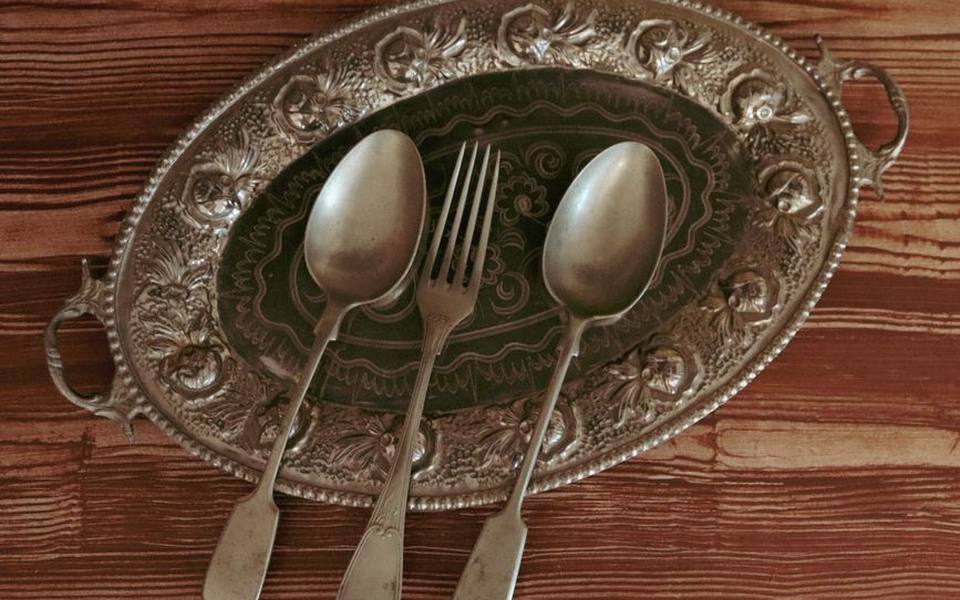
Antique Silverware and Silverplate Flatware: Cleaning, Identification, and Value
-
 Buying
Vintage Engagement Rings and Art Deco Jewelry: Buying and Valuation
-
 Buying
Buyer Guide to Vintage and Antique Furniture: Seating, Tables, Desks, and Reproductions
-
 Buying
Collector Guide to Vintage Toys, Lighters, Sports Ephemera, and Curios
-
 Buying
Architectural Salvage Guide: Sourcing Stained Glass, Mantels, and Historic Hardware
-
 Buying
Vintage Fashion and Heirloom Style: Sourcing Dresses, Denim, Leather, and Ephemera