Telling sterling silver from silver plate before you start
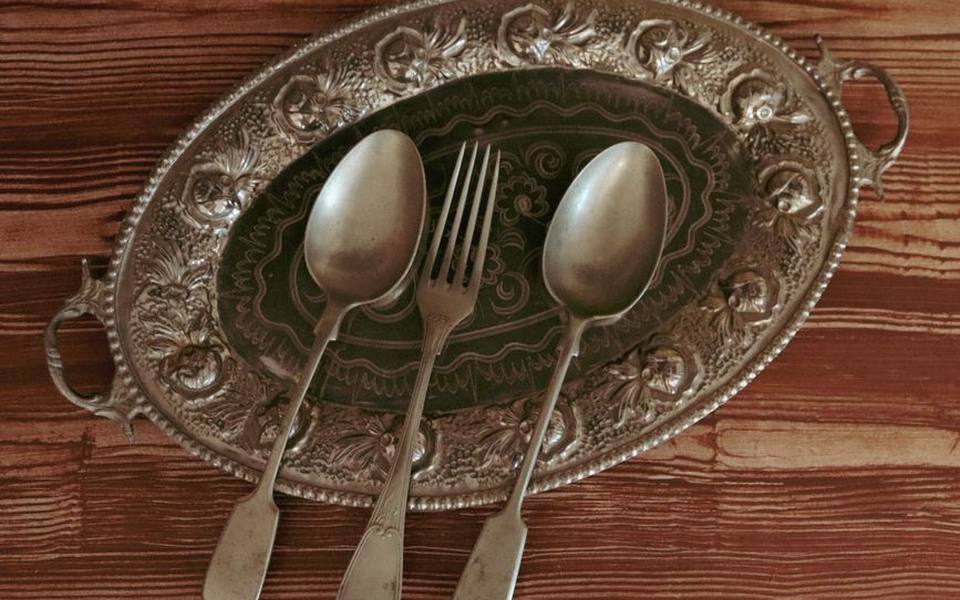
Before you apply any rag or cream to an old fork or teapot, you must determine whether the piece is solid sterling silver or silver plate. Turn the item over and inspect the underside, handle, or rim under bright lighting with a magnifying glass. Sterling produced in the United States or Britain will almost always carry clear maker stamps alongside the word Sterling, the number 925, or an official assay hallmark like a walking lion. If you see these hallmarks, you are holding metal that is ninety-two and a half percent pure silver throughout.
Plated pieces, on the other hand, consist of an inexpensive base metal such as copper, brass, or nickel covered in an electroplated microscopic skin of silver. Typical stampings on plated flatware include Triple Plate, Quadruple Plate, EPNS, or maker names like Pairpoint Mfg Co without any mention of sterling. A Victorian quadruple plate tea set was electroplated four times for extra durability, but the layer of precious metal remains exceptionally thin.
Knowing the difference protects the piece from irreversible harm. An aggressive cleaning technique might leave solid sterling looking bright, but that exact same technique can wear completely through the micro-thin silver coating on antique plate, revealing dull yellowish brass underneath. When you cannot find distinct hallmarks, taking the set to experienced specialists at antique jewelry and coin shops will give you an immediate verification using non-destructive testing tools.
The safest method for polishing antique flatware by hand
The gentlest method is always the best approach when cleaning historic silver. Begin by washing every piece in warm water mixed with a few drops of mild, scent-free dish soap using your bare hands or an ultra-soft cellulose sponge. This simple step floats away greasy fingerprints, dust, and dried food residues that could otherwise act as microscopic sandpaper against the mirror finish during polishing. Rinse thoroughly with clean warm water and blot dry with a soft lint-free cotton cloth.
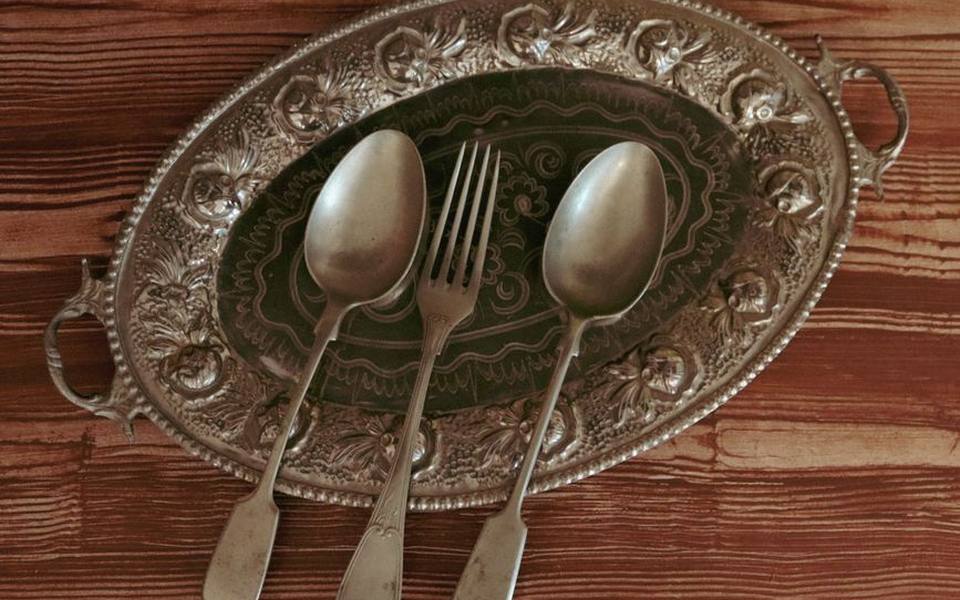
Once the surface is clean and dry, use a two-piece silver polishing cloth to remove tarnish. The inner cloth is lightly impregnated with gentle chemical inhibitors and ultra-fine jewelers rouge, while the outer cloth buffs the metal to a warm luster. Gently rub the metal along the length of the handle or bowl rather than scrubbing in tight circles, as straight strokes follow the natural grain of forged silver and help prevent swirl marks.
Work slowly and let the chemical reaction in the treated cloth lift the black silver sulfide naturally. You do not need heavy hand pressure. If you encounter stubborn tarnish in intricate crevices, apply a tiny dab of dedicated, non-abrasive museum-grade silver paste with a moistened horsehair brush, then rinse away any remaining residue so dried white paste does not turn chalky in deep patterns.
Why viral home cleaning hacks can ruin valuable silver
Social media often promotes soaking silver in an aluminum foil pan filled with boiling water, baking soda, and salt. While this electrochemical bath rapidly eliminates surface tarnish through ion transfer, it carries serious risks for genuine antiques. The chemical reaction indiscriminately strips all oxidation, including the dark, intentional contrast nestled within ornate floral scrollwork, handles, and monograms that silversmiths carefully oxidized to give patterns depth and character.
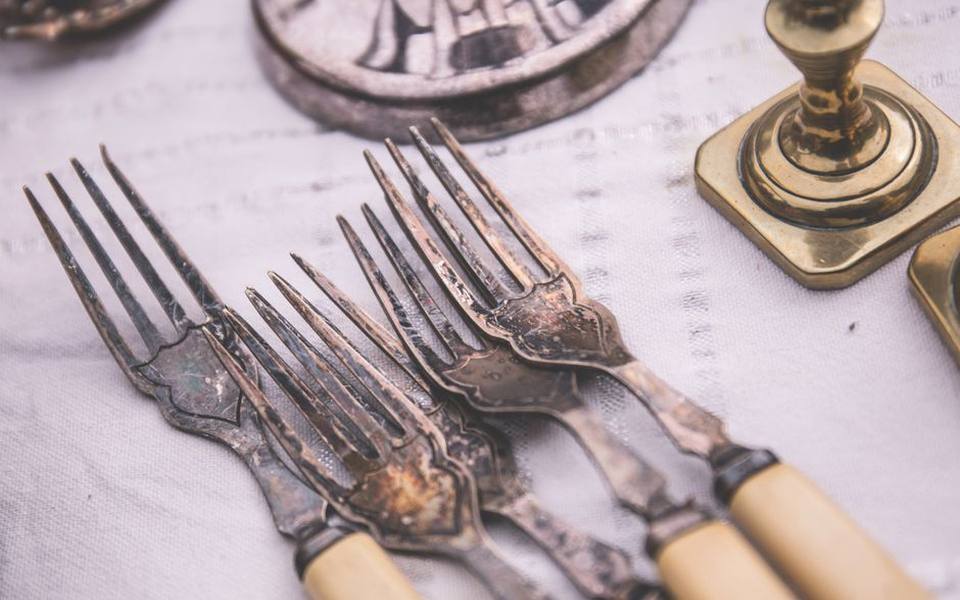
Baking soda baths also pose a major structural hazard to antique knives and serving pieces. Historic dinner knives typically feature hollow sterling handles bonded to carbon or stainless steel blades using heat-sensitive jeweler's pitch or resin cement. Immersing these handles in boiling water frequently melts the internal binder, loosening the blades or trapping caustic salty water inside the cavity where it rusts the blade tang from the inside out.
Electrochemical baths are equally hazardous for silver-plated items, such as Victorian quadruple plate butter dishes or caster sets. When the silver wash has tiny micro-abrasions or pinholes from age, the chemical reaction attacks the underlying base metal, accelerating bubbling, flaking, and discoloration that cannot be buffed away.
How old silverware prices and market values work
The resale value of old silverware depends heavily on metal composition, maker rarity, pattern demand, and condition. Sterling flatware sets carry an underlying baseline value tied directly to the daily commodities market price of scrap silver weight. Beyond melt value, complete matching services from historic makers like Gorham, Tiffany, or Reed & Barton command healthy premiums among collectors, particularly when housed in their original felt-lined wooden canteens.
Plated flatware and hollowware behave entirely differently in the secondary market. Because the actual silver content in a plated fork or tray is negligible, scrap buyers will not purchase it. Instead, values depend on decorative appeal and physical condition. A standard late-nineteenth-century plated teapot might fetch fifteen to thirty dollars at general sales, whereas rare Pairpoint quadruple plate pieces featuring figural animals or intact art-glass inserts can bring significantly more from Victorian decorative arts enthusiasts.
Condition is critical for plated wares. Any spot where the base metal shows through—a flaw collectors call 'bleeding'—reduces the market value drastically because replating generally costs far more than the piece is worth. You can study current retail price trends across styles by exploring regional dealers and antique malls where flatware displays are common.
Options for appraising and selling family silverware
If you inherit a large chest of silver and feel unsure about its worth, taking time to seek an objective opinion will keep you from parting with valuable heirlooms for scrap prices. Independent professionals offering certified appraisal services can identify elusive maker hallmarks, date letters, and obsolete serving utensils like asparagus tongs or ice cream knives that often carry higher values than basic teaspoons.
When your goal is finding a new home for an extensive collection, local venues offer distinctly different trade-offs. Selling outright to gold and coin dealers produces immediate cash, but they typically pay strictly on metal melt weight for sterling and will decline plated pieces altogether. If you hold a complete, pristine service in a desirable mid-century or Victorian pattern, consignment often yields a better return.
Partnering with businesses that manage estate sales or established antique consignment shops puts your silverware directly in front of tabletop decorators and pattern-matching buyers. These venues take a commission percentage, typically agreed upon before the sale, but they provide the proper audience for both sterling sets and attractive vintage quadruple plate.
Published 2026-09-20 · reviewed with each rebuild, last September 2026.
Find antique stores near you
The directory lists 25,996 antique stores by state and city — pick your state or use the “Near me” button in the header.
More guides
-
 Owning
Cleaning and Polishing Antique Silver Without Damaging the Patina
-
 Money
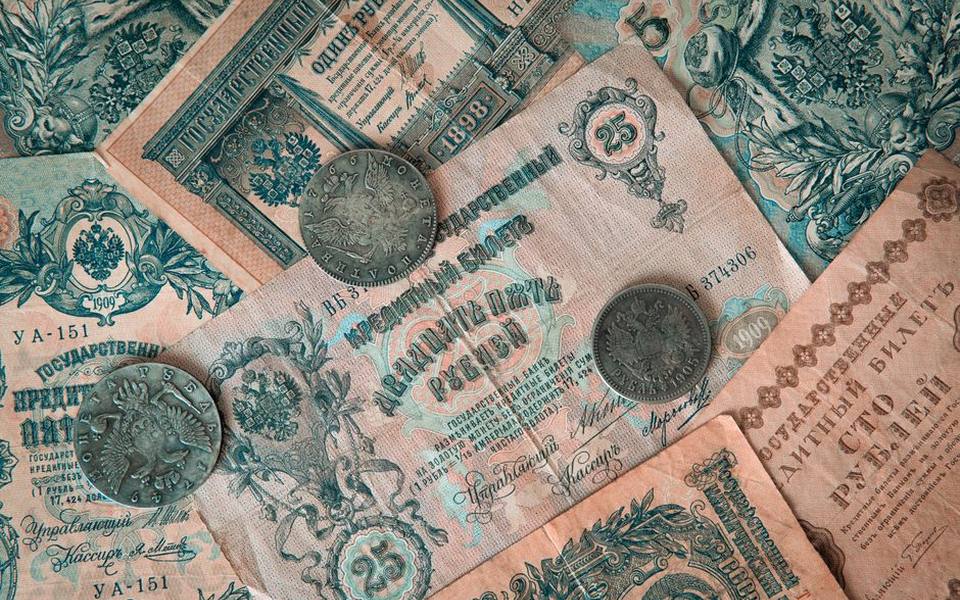
MoneyNavigating the Market for Vintage Currency
-
 Owning
Evaluating, Using, and Displaying Mid-Century Glassware and Kitchen Antiques
-
 Buying
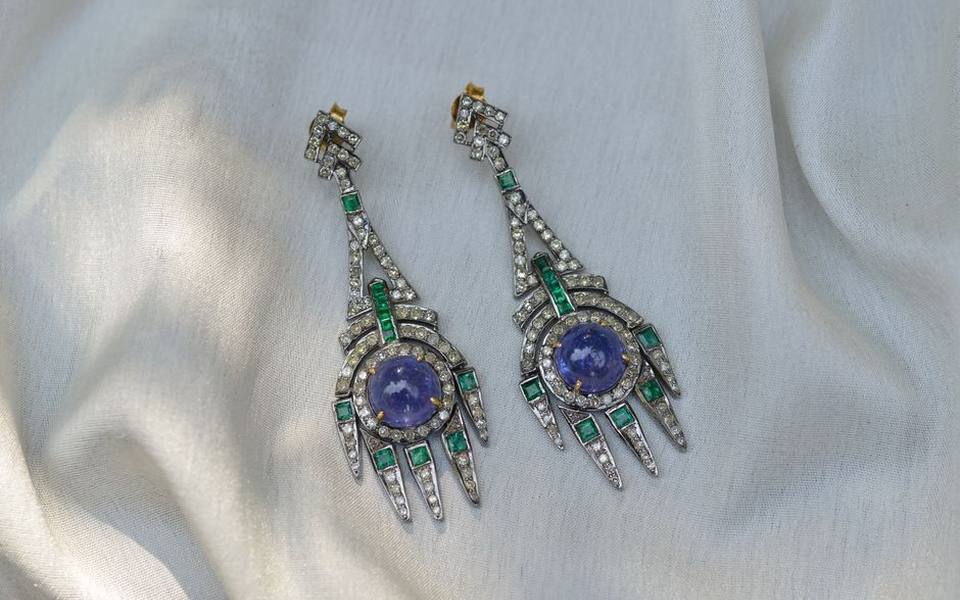
Navigating Vintage and Antique Jewelry Styles
-
 Owning
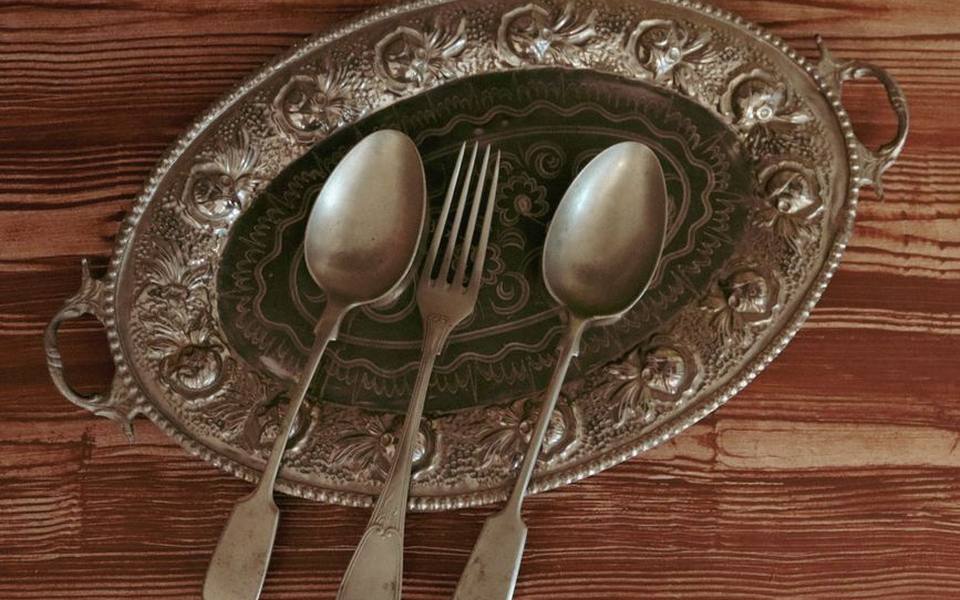
How to Clean and Care for Silverware Without Causing Damage
-
 Owning
Vintage Pyrex Value and Safety Guide: Understanding Collector Patterns and Usage
-
 Buying
A Guide to Sourcing Vintage and Estate Jewelry
-
 Money
MoneyValuable Baseball Cards Guide: Spotting Vintage Sports Collectibles
-
 Owning
How to Clean and Restore Antique Wood Furniture
-
 Money
MoneyHow to Find and Use Antique Price Guides Online
-
 Money
MoneyHow to Determine the Value of Old Books and First Editions
-
 Money
MoneyWhere and How to Sell Vintage Coins for the Best Return
-
 Buying
Choosing and Caring for Vintage and Modern Cast Iron Cookware
-
 Owning
How to Clean and Polish Antique Wood Furniture Without Damaging It
-
 Buying
Vintage and Classic Cast Iron Cookware: Buyer's, Value, and Care Guide
-
 Buying
Antique Silverware, Vintage Jewelry, and Collectible Coins Guide
-
 Money
MoneyA Practical Guide to Antique Price Guides and Rare Book Valuations
-
 Owning
How to Clean, Polish, and Refinish Antique Wood Furniture
-
 Owning
Ultimate Guide to Vintage and Antique Cast Iron Cookware: Brands, Seasoning, and Care
-
 Owning
How to Clean, Polish, and Value Vintage Silverware and Antique Jewelry
-
 Buying
Valuing Vintage Collectibles: From Rare Dolls and Slot Machines to Classic Lamps and Churns
-
 Owning
How to Clean, Polish, and Refinish Antique Wood Furniture
-
 Money
MoneyVintage Glassware Value Guide: Pyrex, Depression Glass, CorningWare, and Bottles
-
 Money
MoneyAntique & Vintage Price Guides: How to Value Antiques and Collectibles
-
 Buying
How to Value Old Books and First Editions: A Collector's Price Guide
-
 Money
MoneyWhere and How to Sell Vintage Records and Audio Equipment
-
 Buying
How to Buy, Value, and Sell Vintage Coins: A Practical Beginner's Guide
-
 Buying
Estate Sale Guide: How to Find, Buy, and Liquidate Antiques
-
 Buying
Vintage and Modern Cast Iron Cookware: Identification, Seasoning, Buying, and Care
-
 Money
MoneyComprehensive Guide to Antique Values, Old Books, and Collectibles Pricing
-
 Owning
Cleaning and Caring for Vintage Silverware, Fine Jewelry, and Antique Metals
-
 Owning
How to Clean, Polish, and Refinish Antique Wood Furniture
-
 Buying
Vintage and Modern Cast Iron Cookware: Identification, Caring, and Buying Guide
-
 Owning
Antique Silverware: Cleaning, Polishing at Home, and Value Guide
-
 Owning
Care, Polishing, and Refinishing Guide for Antique Wood Furniture
-
 Buying
Vintage Pyrex, Glassware, and Depression Glass Identification and Value Guide
-
 Money
MoneyAntique Price Guides: How to Value and Sell Antiques Online and Offline
-
 Money
MoneyCollectible Old Books and First Editions: Valuation and Identification Guide
-
 Buying
Vintage Sewing Machines, Stoves, and Antique Tools Value Guide
-
 Buying
Collector Guide to Vintage Door Hardware, Knobs, and Cabinet Pulls
-
 Owning
Antique & Vintage Dolls: Values, Identification, and Care
-
 Buying
Antique Hoosier Cupboards and Vintage Desks: History, Identification, and Value
-
 Service
Grandfather, Wall, and Pocket Clock Repair and Identification Guide
-
 Owning
Antique Rotary Telephones and Landlines: Buying, Restoring, and Converting
-
 Owning
Collecting Vintage Picture Frames and Oil Paintings: Framing and Restoration
-
 Buying
Antique Sewing Machines and Spinning Wheels: Value, Brands, and Maintenance
-
 Buying
Antique Wood Stoves and Log Burners: Buying, Safety, and Restoration Guide
-
 Buying
Depression Glass and Antique Canning Jars: Identification and Values
-
 Buying
Vintage Mirrors: Identifying, Buying, and Styling Antique Glass
-
 Owning
Antique Silverware and Silverplate Flatware: Cleaning, Identification, and Value
-
 Buying
Vintage Engagement Rings and Art Deco Jewelry: Buying and Valuation
-
 Buying
Buyer Guide to Vintage and Antique Furniture: Seating, Tables, Desks, and Reproductions
-
 Buying
Collector Guide to Vintage Toys, Lighters, Sports Ephemera, and Curios
-
 Buying
Architectural Salvage Guide: Sourcing Stained Glass, Mantels, and Historic Hardware
-
 Buying
Vintage Fashion and Heirloom Style: Sourcing Dresses, Denim, Leather, and Ephemera