Understanding the Value Factors of Vintage Kitchen Glassware
Vintage glassware and retro kitchenware hold enduring appeal across secondary markets, but determining actual cash value requires looking beyond nostalgic charm. The primary elements driving resale prices include overall pattern rarity, visual condition, functional completeness, and verified maker marks. While common mass-produced kitchen pieces often trade for modest sums, limited promotional releases and scarce color variations can command substantial interest from dedicated collectors.
Condition is frequently the deciding factor between a piece that sells for twenty dollars and one that reaches into hundreds. Chips along the rims, flea bites on base edges, dishwasher haze, and faded painted motifs significantly decrease valuation. Experienced buyers actively examine items under natural light to ensure that decorative decals remain glossy and that factory seals or stamped production numbers remain visible and intact.
Navigating today's resale market also means separating verified transaction histories from exaggerated asking figures seen across online marketplaces. Visiting local venues such as multi-dealer Antique Malls often provides a much clearer picture of regional supply and demand than inflated digital listings. Realistic pricing is consistently established by what completed estate transactions and experienced glassware dealers actually achieve in private sales.
How to Identify and Date Vintage Pyrex Patterns
Identifying vintage Pyrex begins with inspecting the physical backstamp found on the bottom of each bowl, casserole, or baking dish. Earlier pieces made before the late 1940s typically feature simple stamped block lettering or the iconic figure of the glassblower logo, known colloquially among collectors as the 'blowing boy.' Around the 1950s, Corning Glass Works transitioned to clear embossed lettering detailing model numbers, fluid volume capacities, and manufacturing trademarks.
Coloration provides immediate chronological clues. Pyrex manufactured before 1945 was predominantly clear borosilicate glass, while the famous opaque colored lines made from tempered soda-lime glass launched in 1945 with the primary-colored mixing bowl sets. Knowing whether an item was produced in the 1950s, 1960s, or 1970s often depends on matching the specific pattern palette, such as the turquoise Butterprint, pink Gooseberry, or autumnal Forest Fancies motifs.
Many serious collectors rely on a published pattern index or digital identification sheets to confirm authenticity. Consulting a comprehensive visual reference guide helps distinguish between standard retail releases and regional promotional items. These illustrated charts outline exact model numbers, such as the standard four-piece 400 series mixing sets, allowing buyers to verify whether a lid or cradle belongs to the original factory grouping.
The Rarest and Most Valuable Vintage Pyrex Pieces
While standard vintage Pyrex mixing sets typically sell between forty and one hundred dollars depending on condition, certain rare production runs reach significantly higher tiers. Limited-run promotional casseroles distributed in small numbers—often given as corporate executive gifts or test-marketed in specific department stores—generate intense collector competition. Patterns such as 'Lucky in Love' from 1959, featuring green clover leaves and pink hearts, rank among the most prized examples in modern collecting.
Other highly sought-after designs include experimental test patterns, single-run promotional motifs like 'Atomic Eye' or 'Balloons,' and unique employee presentation pieces produced at Corning facilities. Even standard production lines like Butterprint or Friendship can reach premium pricing when found in scarce base color inversions, such as orange on white instead of the customary red and pink variations.
When evaluating scarce examples, securing an accurate estimate often requires professional guidance rather than guessing based on online rumor. Consulting specialized Appraisal Services ensures that rare motifs are authenticated properly and that nuances like minor pattern wear or factory flaws are objectively weighed before completing high-dollar purchases or estate settlements.
Safety Considerations and Everyday Use of Vintage Pyrex
A common concern among home cooks is whether vintage Pyrex remains safe for everyday food preparation. The clear borosilicate glass used in early Corning production exhibits remarkable thermal shock resistance, meaning it handles rapid temperature changes better than modern tempered soda-lime glass. However, sudden extreme temperature swings—such as placing a hot dish directly on a cold marble countertop or introducing cold liquid to a hot baking pan—can still cause vintage glass to shatter.
Safety discussions also focus heavily on decorative exterior paints applied to vintage kitchenware. Tests have demonstrated that the colored enamels used on the exterior of pieces made prior to the mid-1970s often contain trace amounts of lead or cadmium. Fortunately, because these mineral pigments were applied exclusively to the outside of bowls and bakeware, the interior food-contact surfaces consist of inert, non-porous glass that does not leach into hot ingredients.
To preserve these pieces safely, never clean vintage colored Pyrex in an automatic dishwasher. Harsh modern detergents and high-heat drying cycles strip the glaze, resulting in a dull, chalky surface condition known among collectors as 'dishwasher dead.' Gentle hand washing with mild dish soap and a soft cloth prevents physical degradation, keeping both the painted exterior and the food contact zone clean and stable.
Corning Ware Identification, Backstamps, and Realistic Values
Corning Ware remains one of the most recognizable cookware brands in American history, developed from a glass-ceramic material called Pyroceram that was originally engineered to endure extreme thermal environments. Over the years, internet rumors have suggested that common patterns like the classic Blue Cornflower command tens of thousands of dollars. In reality, standard Blue Cornflower roasters and saucepans were produced in the tens of millions and typically sell for modest sums ranging from ten to thirty dollars.
Valuation depends heavily on identifying the specific backstamp applied during manufacturing. Earlier pieces from the late 1950s and early 1960s feature embossed raised lettering on an unglazed textured base, often displaying the embossed horns of the Corning logo. Later runs from the 1970s through the 1990s transitioned to blue or black ink stamps stating range-top suitability, metric liquid measurements, or patent notices.
Truly valuable Corning Ware pieces generally belong to short-lived decorator patterns or promotional releases rather than common kitchen sets. Patterns such as 'Nature's Bounty,' 'Wild Mushrooms,' or limited test prints can command higher prices among devoted brand specialists. For individuals looking to liquidate inherited kitchen sets, working with local Antique Consignment Shops provides a realistic outlet for finding buyers who appreciate clean, complete sets with original matching Pyrex glass covers.
Depression Glass Identification, Colors, and Market Worth
Depression glass encompasses inexpensive, machine-pressed glassware produced during the late 1920s through the early 1940s by prominent American glasshouses. Originally given away as promotional premiums in cereal boxes, at local movie theaters, and at gas stations, these pieces were manufactured rapidly in mass quantities. Collectors identify genuine Depression glass by its thin body, minor factory mold seams, tiny trapped air bubbles, and distinct geometric or floral pressed patterns.
Valuation varies dramatically based on color and pattern popularity. Pink and green glass consistently lead in overall collector demand, while clear crystal and amber pieces generally carry the lowest values. Deep, less common shades like cobalt blue, ruby red, and royal amethyst frequently demand significant premiums because factories produced fewer units in these dark shades during economic downturns.
The overall worth of Depression glass has stabilized in recent years. While common bread-and-butter plates in widespread patterns like Cameo, American Sweetheart, or Cherry Blossom often sell for modest sums between five and fifteen dollars, larger serving bowls, butter dishes, and pitchers can bring noticeably higher figures. Complete dinner services in rare colors remain appealing items at regional auctions and private antique venues.
Recognizing Uranium Glass and Assessing Its Collectibility
Uranium glass—frequently referred to as Vaseline glass when exhibiting its traditional yellow-green canary hue—refers to glassware that has small amounts of uranium dioxide added to the molten batch prior to firing. The uranium was added strictly as a coloring agent, giving the glass its distinct translucent yellowish-green tone in natural sunlight. When exposed to an ultraviolet blacklight, specifically within the 395nm or 365nm spectrum, the glass emits a vivid neon-green glow caused by the excitation of uranium electrons.
The question of whether uranium glass is valuable depends heavily on rarity, manufacturer, and artistic complexity rather than simply its glow. Common pressed-glass tumblers or simple dessert plates typically sell for modest prices between fifteen and thirty-five dollars. However, intricate multi-piece sets, elaborate Victorian art glass pieces, ornate kerosene lamps, and pieces produced by historic makers like Fenton or Cambridge can command substantial sums in specialty collector circles.
Regarding safety, the radioactivity emitted by uranium glass is exceedingly minimal and generally registers only slightly above normal background radiation on a Geiger counter. The low-level alpha and beta particles emitted do not penetrate human skin, making these pieces safe to handle and display in closed cabinets. Nevertheless, modern collectors typically display uranium glass strictly as decorative art rather than using it for everyday acidic food storage.
Carnival Glass: Identifying High-Value Iridescent Patterns
Carnival glass is immediately recognized by its shimmering, multi-colored iridescent surface sheen, which was created by spraying metallic salts onto pressed glass before final firing. Designed as an affordable alternative to high-end hand-blown art glass from makers like Tiffany, it earned its name because secondary pieces were frequently handed out as prizes at carnival midway booths. Today, vintage carnival glass produced between 1907 and the mid-1930s by companies like Northwood, Fenton, Millersburg, and Imperial remains widely collected.
Determining which carnival glass holds substantial value begins with inspecting the underlying base glass color beneath the metallic surface. The most common color produced was 'marigold,' an orange-gold iridescent hue that was manufactured in vast quantities and generally commands entry-level prices. Conversely, rare underlying base glass colors—such as ice blue, ice green, aqua opal, and deep electric purple—are considerably scarcer and command much higher prices in secondary markets.
Pattern rarity and maker markings also dictate market outcomes. Northwood pieces stamped with an underlined 'N' inside a circle or rare Millersburg pieces featuring crisp, mirror-like iridescence often lead specialty glass auctions. Buyers evaluate condition critically, as carnival glass is notoriously susceptible to pinhead chips along ruffled sawtooth rims, which quickly reduces an item's market value.
Evaluating Antique Cut Glass and Crystal Bowls
Antique crystal bowls, particularly those dating to the American Brilliant Cut Glass Period between 1876 and World War I, represent an entirely different category of glassmaking than pressed kitchenware. Brilliant cut glass was formed from heavy, high-lead crystal blanks that were intricately carved, cut, and polished entirely by hand on abrasive wheels. Evaluating these items involves checking weight, ring tone, and the sharpness of the geometric deep-cut facets.
Valuation depends heavily on whether a piece can be attributed to a premier cut-glass manufacturer like Hawkes, Libbey, Pairpoint, or J. Hoare. Some authentic pieces carry faint acid-etched signatures hidden in the center of the bowl or near the rim, which can be located using a jeweler's loupe. Signed bowls in complex geometric patterns like Russian, Alhambra, or Aztec typically achieve strong interest, whereas unmarked pieces with common pinwheel or starburst motifs hold moderate decorative value.
Condition is paramount when valuing cut crystal bowls. Because lead crystal is relatively soft, the razor-sharp teeth along the rim and the deeply mitered cut corners are prone to small fractures known as 'flea bites.' Even minor polishing or wheel grinding done to repair rim damage can alter the original profile of a bowl, which serious crystal collectors will notice and discount accordingly.
Where to Buy, Inspect, and Authenticate Collectible Glassware
Sourcing authentic vintage glassware requires regular visits to diverse shopping venues, ranging from flea markets and church rummage sales to organized dealer markets. Estate sales represent one of the most reliable channels for encountering undisturbed private collections, making Antique Shops Offering Estate Sales an excellent starting point for discovering complete sets, original pattern boxes, and rare promotional kitchen pieces before they scatter into individual dealer inventories.
When inspecting potential acquisitions in person, always carry a small LED inspection flashlight, a jeweler's loupe, and a portable 395nm UV blacklight. Run an index finger slowly along interior and exterior rims to feel for tiny chips that may be invisible to the naked eye. Holding glass directly up to a strong light source also reveals interior mineral cloudiness, hairline stress cracks, and subtle factory mold variations.
Finally, make a habit of comparing prices across regional shops to develop an accurate sense of local fair market values. Whether looking for Depression glass lunch sets, mid-century mixing bowls, or iridescent art glass, buying in person gives you the distinct advantage of verifying weight, surface luster, and physical integrity before making a financial commitment.
Published 2026-09-20 · reviewed with each rebuild, last September 2026.
Find antique stores near you
The directory lists 25,996 antique stores by state and city — pick your state or use the “Near me” button in the header.
More guides
-
 Owning
Cleaning and Polishing Antique Silver Without Damaging the Patina
-
 Money
MoneyNavigating the Market for Vintage Currency
-
 Owning
Evaluating, Using, and Displaying Mid-Century Glassware and Kitchen Antiques
-
 Buying
Navigating Vintage and Antique Jewelry Styles
-
 Owning
How to Clean and Care for Silverware Without Causing Damage
-
 Owning
Vintage Pyrex Value and Safety Guide: Understanding Collector Patterns and Usage
-
 Buying
A Guide to Sourcing Vintage and Estate Jewelry
-
 Money
MoneyValuable Baseball Cards Guide: Spotting Vintage Sports Collectibles
-
 Owning
How to Clean and Restore Antique Wood Furniture
-
 Money
MoneyHow to Find and Use Antique Price Guides Online
-
 Money
MoneyHow to Determine the Value of Old Books and First Editions
-
 Money
MoneyWhere and How to Sell Vintage Coins for the Best Return
-
 Buying
Choosing and Caring for Vintage and Modern Cast Iron Cookware
-
 Owning
How to Polish and Value Antique Silverware at Home
-
 Owning
How to Clean and Polish Antique Wood Furniture Without Damaging It
-
 Buying
Vintage and Classic Cast Iron Cookware: Buyer's, Value, and Care Guide
-
 Buying
Antique Silverware, Vintage Jewelry, and Collectible Coins Guide
-
 Money
MoneyA Practical Guide to Antique Price Guides and Rare Book Valuations
-
 Owning
How to Clean, Polish, and Refinish Antique Wood Furniture
-
 Owning
Ultimate Guide to Vintage and Antique Cast Iron Cookware: Brands, Seasoning, and Care
-
 Owning
How to Clean, Polish, and Value Vintage Silverware and Antique Jewelry
-
 Buying
Valuing Vintage Collectibles: From Rare Dolls and Slot Machines to Classic Lamps and Churns
-
 Owning
How to Clean, Polish, and Refinish Antique Wood Furniture
-
 Money
MoneyVintage Glassware Value Guide: Pyrex, Depression Glass, CorningWare, and Bottles
-
 Money
MoneyAntique & Vintage Price Guides: How to Value Antiques and Collectibles
-
 Buying
How to Value Old Books and First Editions: A Collector's Price Guide
-
 Money
MoneyWhere and How to Sell Vintage Records and Audio Equipment
-
 Buying
How to Buy, Value, and Sell Vintage Coins: A Practical Beginner's Guide
-
 Buying
Estate Sale Guide: How to Find, Buy, and Liquidate Antiques
-
 Buying
Vintage and Modern Cast Iron Cookware: Identification, Seasoning, Buying, and Care
-
 Money
MoneyComprehensive Guide to Antique Values, Old Books, and Collectibles Pricing
-
 Owning
Cleaning and Caring for Vintage Silverware, Fine Jewelry, and Antique Metals
-
 Owning
How to Clean, Polish, and Refinish Antique Wood Furniture
-
 Buying
Vintage and Modern Cast Iron Cookware: Identification, Caring, and Buying Guide
-
 Owning
Antique Silverware: Cleaning, Polishing at Home, and Value Guide
-
 Owning
Care, Polishing, and Refinishing Guide for Antique Wood Furniture
-
 Money
MoneyAntique Price Guides: How to Value and Sell Antiques Online and Offline
-
 Money
MoneyCollectible Old Books and First Editions: Valuation and Identification Guide
-
 Buying
Vintage Sewing Machines, Stoves, and Antique Tools Value Guide
-
 Buying
Collector Guide to Vintage Door Hardware, Knobs, and Cabinet Pulls
-
 Owning
Antique & Vintage Dolls: Values, Identification, and Care
-
 Buying
Antique Hoosier Cupboards and Vintage Desks: History, Identification, and Value
-
 Service
Grandfather, Wall, and Pocket Clock Repair and Identification Guide
-
 Owning
Antique Rotary Telephones and Landlines: Buying, Restoring, and Converting
-
 Owning
Collecting Vintage Picture Frames and Oil Paintings: Framing and Restoration
-
 Buying
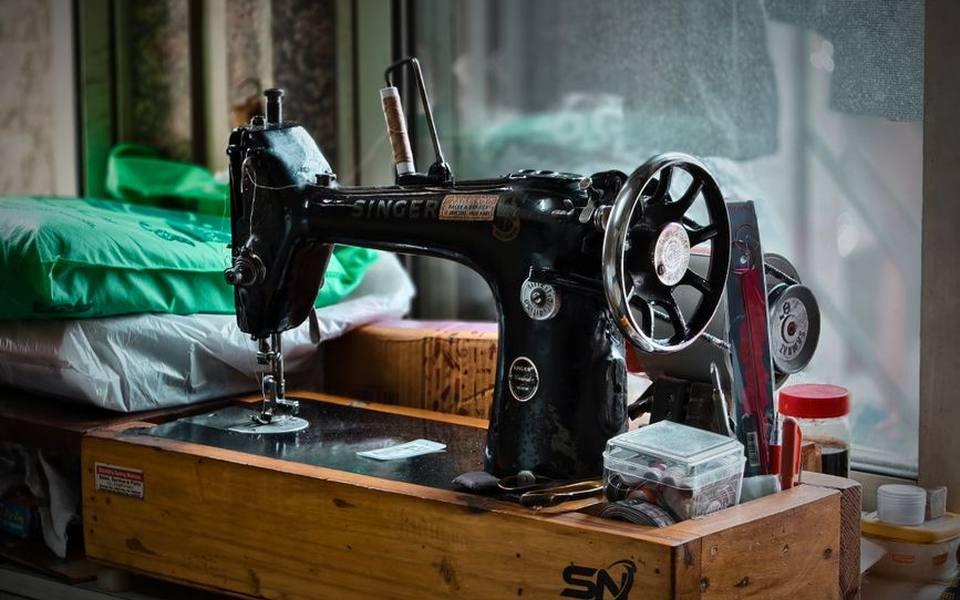
Antique Sewing Machines and Spinning Wheels: Value, Brands, and Maintenance
-
 Buying
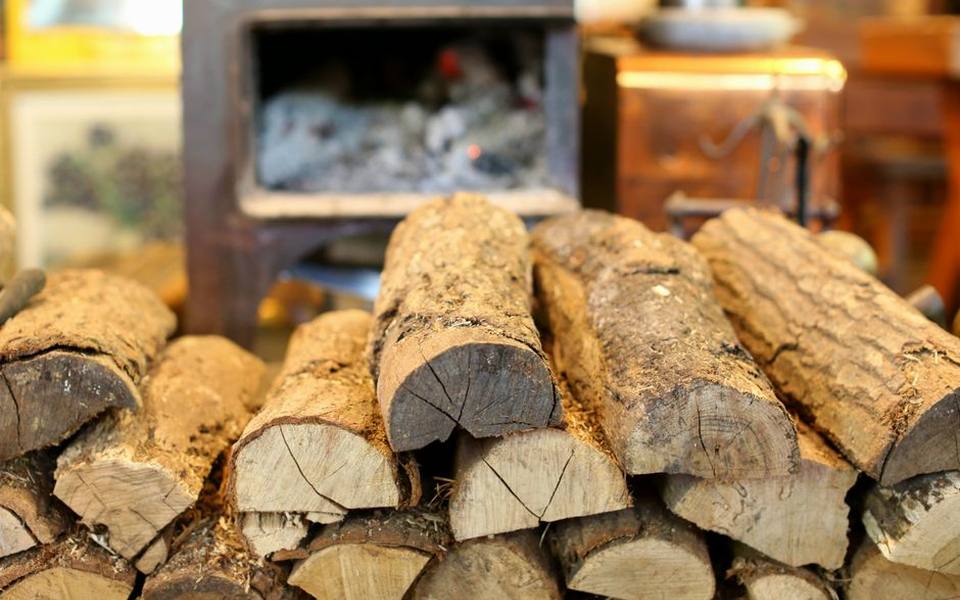
Antique Wood Stoves and Log Burners: Buying, Safety, and Restoration Guide
-
 Buying
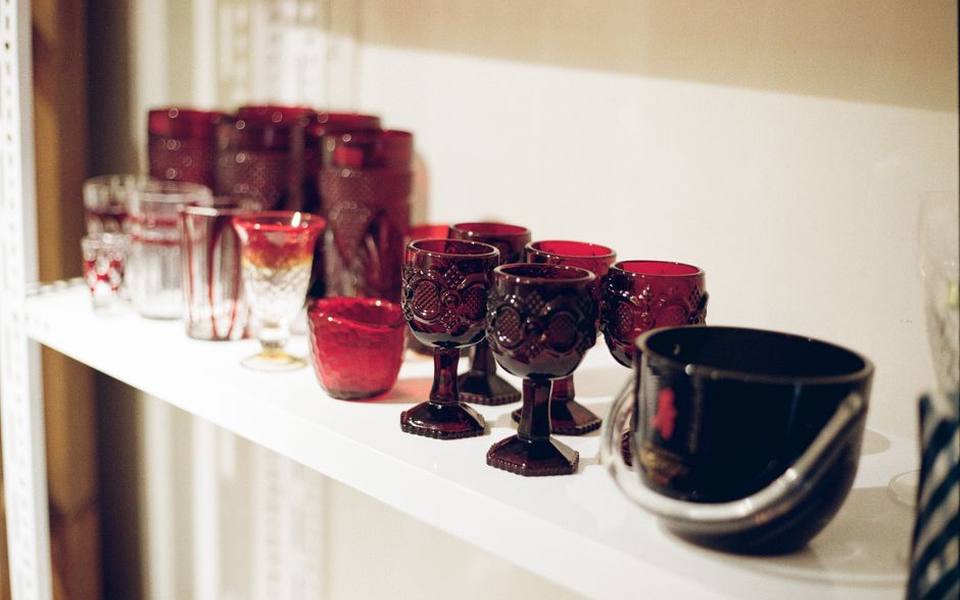
Depression Glass and Antique Canning Jars: Identification and Values
-
 Buying
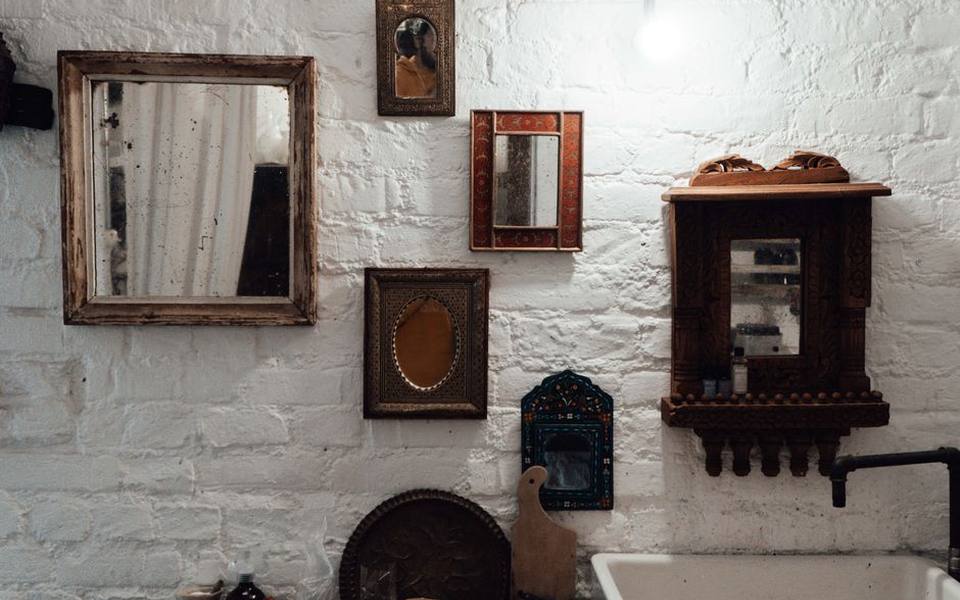
Vintage Mirrors: Identifying, Buying, and Styling Antique Glass
-
 Owning
Antique Silverware and Silverplate Flatware: Cleaning, Identification, and Value
-
 Buying
Vintage Engagement Rings and Art Deco Jewelry: Buying and Valuation
-
 Buying
Buyer Guide to Vintage and Antique Furniture: Seating, Tables, Desks, and Reproductions
-
 Buying
Collector Guide to Vintage Toys, Lighters, Sports Ephemera, and Curios
-
 Buying
Architectural Salvage Guide: Sourcing Stained Glass, Mantels, and Historic Hardware
-
 Buying
Vintage Fashion and Heirloom Style: Sourcing Dresses, Denim, Leather, and Ephemera