Distinguishing Solid Sterling from Silver Plate Before Cleaning
Determining whether your vintage tableware is solid sterling or silver plate is the critical starting point, as base metal composition dictates both proper cleaning chemistry and eventual resale value. Solid sterling contains 92.5 percent pure silver alloyed with copper for structural durability, whereas plated flatware consists of a microscopically thin silver layer electrochemically bonded over nickel brass, Britannia metal, or copper. Polishing plated pieces aggressively can strip the exterior coating down to the dull yellowish or grey base alloy within minutes, permanently destroying the piece.
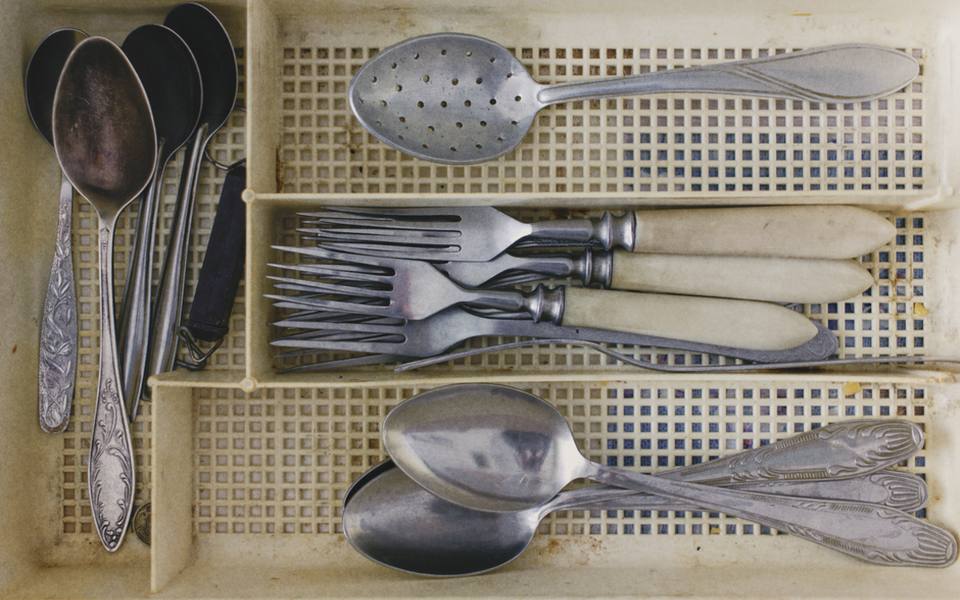
To verify what you have, inspect the reverse sides of spoons, fork stems, and knife ferrule collars under strong directional lighting with a ten-power jeweler loupe. American pieces produced after the mid-nineteenth century typically bear unambiguous stamps such as 'Sterling', '92.5', or 'Coin' for earlier pre-1868 nine-hundred-fineness metal. If you spot terms like 'EPNS', 'Quadruple Plate', 'Inlaid', or simply a manufacturer trademark without the word sterling, the item is electroplated and requires exceptionally gentle handling.
Weight and thermal conductivity offer additional tactile clues when stamps are worn down from decades of dining room utility. Solid sterling warms to body heat almost immediately upon contact and produces a clear, bell-like musical tone when gently tapped on its rim with a wooden pencil. Plated brass or nickel stays noticeably cold to the touch for several seconds longer and produces a dull, hollow thud rather than a sustained resonant ring.
Safe and Effective Methods for Polishing Silverware at Home
Restoring tarnished tableware safely at your kitchen sink requires gentle mechanical action rather than aggressive friction or caustic household cleansers. Silver tarnishes when airborne sulfur compounds react with surface atoms to form dark silver sulfide, which bonds stubbornly to the metal lattice. You should start any conservation effort by washing pieces in warm tap water mixed with a basic, lotion-free dishwashing liquid, using a clean horsehair brush or soft cellulose sponge to lift away dried food residue and grease.
Once pieces are clean and degreased, choose a specialized, non-abrasive silver cream or liquid polish specifically formulated with chemical tarnish inhibitors. Apply a dime-sized dab of polish to a damp cotton pad, soft microfiber rag, or 100 percent cotton flannel cloth, working over the metal in straight, back-and-forth linear strokes rather than vigorous circular motions. Circular rubbing tends to concentrate micro-scratches into visible swirl halos that catch the light and dull the flatware's underlying factory luster.
After working the polish across smooth bowls, tines, and handles, rinse each piece thoroughly under running warm water to wash out leftover chemical carrier residue from the crevices of intricate chased patterns. Dry every fork and spoon immediately with a lint-free cotton flour-sack towel, because lingering mineral deposits in household tap water can form stubborn water spots or initiate rapid re-oxidation within twenty-four hours.
How to Use a Silver Polishing Cloth Correctly
A dual-layer jeweler cloth is the safest, most convenient maintenance tool for lightly tarnished antique services that need a quick refresh before formal dinner gatherings. Quality cloths consist of two distinct textiles stitched together: a chemically treated inner flannel impregnated with microscopic polishing rouge and anti-tarnish inhibitors, and an untreated outer cotton cloth designed purely for buffing and residue removal.
To use the cloth properly, grasp the flatware firmly by the stem and wrap the treated inner cloth around the tarnished section using moderate, consistent finger pressure. Buff along the natural contours of the utensil, allowing the embedded chemical agents to break down surface sulfur without scouring the underlying silver. As the inner cloth works, it will turn dark grey or jet black; this discoloration is a harmless chemical byproduct of sulfur removal and does not indicate that the cloth is worn out.
Once the surface haze clears, flip to the untreated outer layer of the cloth to buff the surface to a mirror-like shine and lift away loose chemical particulates. Never attempt to wash or launder a silver polishing cloth in a sink or washing machine, because running water and detergent instantly wash away the proprietary polishing compounds and render the inner fabric completely useless.
The Hidden Dangers of Baking Soda and Aluminum Foil Baths
Internet tutorials frequently recommend submerging tarnished flatware in a boiling water bath lined with aluminum foil, baking soda, and table salt to erase tarnish through electrochemical reduction. While this galvanic bath does convert silver sulfide back into metallic silver without elbow grease, professional conservators and knowledgeable dealers strongly advise against using it on antique tableware. The reaction is indiscriminate and violently strips away the dark, intentional oxidation lying deep inside recessed relief patterns.
Historic silversmiths deliberately applied chemical oxidizing washes into the crevices of repoussé borders and engraved monograms to create visual contrast, depth, and three-dimensional artistic shadows. Stripping this aged patina leaves intricate Victorian or Edwardian patterns looking flat, artificial, and washed out like cheap stamped aluminum. Furthermore, if you dip silver-plated pieces whose outer foil is microscopically worn, galvanic currents can pit the exposed base metal beneath, accelerating irreversible surface peeling.
Hollow-handled knives and serving pieces present an even greater catastrophic risk during hot chemical dipping because their blades are secured inside handles with organic resin, pine pitch, or low-melting-point solder. Boiling water heats these interior cements until they liquefy or expand, loosening the blades permanently or allowing caustic salty water to enter the handle void, rusting the internal iron tang from the inside out.
Understanding What Drives Old Silverware Prices
Market valuation for antique and vintage eating utensils splits decisively into two entirely separate valuation universes: the intrinsic precious metal weight of sterling and the decorative collectible value of silver plate. For sterling silver services, the absolute baseline floor price depends directly on the day-to-day spot price of physical silver across commodity exchanges, calculated by multiplying total weight in troy ounces by 0.925. However, highly collected patterns produced by premier historic makers command substantial premiums well beyond scrap calculations.
Complete dining sets for eight or twelve place settings—featuring undamaged hollow-handled dinner knives, luncheon forks, salad forks, soup spoons, and matching serving pieces—fetch higher per-piece prices than loose, unmatched flatware. When evaluating estates or browsing local selections at antique malls, common vintage plated flatware sets without original cases typically sell for modest decorative sums between fifty and one hundred fifty dollars, whereas an eight-place sterling service by celebrated firms like Gorham, Tiffany, or Wallace routinely trades between fifteen hundred and thirty-five hundred dollars.
Pattern desirability plays an enormous role in pricing spreads among identical weights of solid silver. Elaborate, heavy-gauge Victorian and Art Nouveau motifs featuring three-dimensional fruit, floral flourishes, or mythological figures routinely outperform plain mid-century minimalist styles in collector demand. Conversely, prominent engraved personal monograms from previous owners can reduce the market value of common flatware patterns by fifteen to twenty-five percent, as contemporary buyers often prefer pristine, unpersonalized cartouches.
Pairpoint Quadruple Plate and Hollowware Value Guide
Founded in New Bedford, Massachusetts, in 1880, the Pairpoint Manufacturing Company became legendary for producing ornate Victorian hollowware crafted from quadruple plate—a manufacturing standard indicating the base metal piece was submerged four times in an electroplating bath. Quadruple plate tableware from Pairpoint, Meriden, and Barbour represents the pinnacle of late-nineteenth-century American parlor dining culture, spanning elaborate butter dishes, castor carousels, bride baskets, and footed fruit compotes.
Market values for Pairpoint quadruple plate hollowware depend heavily on whether the silver skin remains intact or has suffered from over-polishing that reveals the base Britannia metal. Common Pairpoint syrup jugs, covered sugar bowls, and simple floral teapots in fair to average condition typically trade in the thirty-to-sixty-dollar range across regional vintage shops. Intact, ornate Victorian butter coolers featuring figural cow finials, revolving roll-top dome lids, and original interior drain inserts generally achieve values between seventy-five and one hundred forty dollars.
The highest pricing tiers in the Pairpoint catalog belong to elaborate figural pieces and mixed-medium centerpieces combining silver-plated metalwork with fine art glass. Elaborate Pairpoint bride baskets featuring cast cherubs, woodland animals, or intertwining vines supporting an intact Mount Washington or Pairpoint art glass ruffled bowl frequently realize three hundred to six hundred dollars at specialized auctions. When assessing these items, examine the base markings; authentic pieces typically display the stamped Pairpoint diamond trademark alongside the firm's name and model catalogue numbers.
Spotting Maker Marks, Hallmarks, and Production Stamps
Accurate identification of stamped hallmarks separates valuable heirloom treasures from inexpensive decorative reproductions that flood flea markets and estate cleanouts. British silver follows a rigorous legal hallmarking system administered by regional assay offices for centuries, making attribution remarkably precise. A standard English antique piece displays a walking lion passant for sterling purity, a town mark such as a crowned leopard for London or an anchor for Birmingham, an assay date letter indicating the exact manufacturing year, and a registered maker punch.
American manufacturers operate without a mandatory centralized assay office, relying instead on voluntary manufacturer trademarks combined with word stamps to guarantee precious metal content. Historic American firms such as Gorham stamped their early pieces with an anchor, lion, and initial profile before explicitly adopting the word 'Sterling' around 1868. If you discover hallmarks featuring a crown next to an 'S' and a shield, verify whether the piece also bears initials like 'EP' or 'EPNS', which stand for electroplated nickel silver and carry no bullion scrap value.
If you encounter obscure monograms, crossed keys, or stylized crests that do not match standard English or American directories, the silver may originate from continental Europe or historic colonial regions. French sterling typically displays the head of Minerva inside an octagon, whereas German manufacturers after 1888 stamped an imperial crown, crescent moon, and fineness number such as '800' or '835'. Documenting these stamps with macro photography enables specialists at dedicated antique jewelry & coin shops to confirm metallurgical origin without performing destructive acid scrape tests.
Where to Buy, Sell, and Value Antique Silver Services
Finding, buying, or liquidating antique silverware requires navigating distinct secondary sales channels depending on whether you are acquiring individual replacements or liquidating an inherited estate service. Regional venues documented throughout the antique stores directory provide physical access to thousands of authentic pieces where you can inspect weight, tine straightness, and maker stamps firsthand before purchasing. Handling pieces in person eliminates the gamble of misleading online product photos that conceal base-metal wear or blade separation.
If you are inheriting an extensive collection and need independent confirmation of insurance replacement or fair-market liquidation figures, professional appraisal services provide written valuations compliant with professional appraisal standards. An accredited appraiser distinguishes rare aesthetic movement rarities from bulk utilitarian scrap and issues documentation recognized by insurers and estate attorneys. This step prevents families from accidentally selling rare collectible services to pawn shops solely for their melting weight.
When selling decorative hollowware, quadruple plate sets, or vintage flatware services yourself, partnering with established antique consignment shops often yields higher net financial returns than quick cash buyouts. Consignment venues place your polished pieces inside secure glass display cases visited by decorators and traditional tableware enthusiasts who appreciate antique design. While consignment shops retain a commission fee that typically ranges from twenty to forty percent, their established customer traffic frequently offsets the margin difference.
Long-Term Storage and Tarnish Prevention Techniques
How you store your antique silver between seasonal family holidays determines how frequently you will need to perform labor-intensive polishing sessions. Silver tarnishes rapidly when exposed to humidity and ambient sulfur compounds emitted by wool carpets, open gas fireplaces, painted drywall, and ordinary cardboard boxes. The most effective protective strategy involves wrapping dry, cleaned utensils inside authentic Pacific silvercloth—a specialized cotton flannel chemically embedded with microscopic silver particles that absorb ambient sulfur before it reaches your tableware.
Fitted wooden flatware canteens lined with certified tarnish-resistant cloth provide the ideal physical environment for large place-setting sets, preventing utensils from knocking against one another and scratching delicate fork tines. If you store loose flatware in drawers or fabric organizers, place non-toxic silica gel packets alongside the silver to absorb moisture, and avoid wrapping items in common household plastic food wraps. Plastic films can degrade over time, releasing acidic vapors that permanently etch cloudy chemical stains into sterling surfaces.
Never use rubber bands to bundle silver spoons or forks together for storage, even for a few days during an interstate move or seasonal rearrangement. Vulcanized rubber contains high concentrations of elemental sulfur that off-gasses aggressively, burning deep, black, pitted bands directly into the metal surface that require aggressive grinding or professional refinishing to erase. Keep your storage chest inside an interior linen closet or dining sideboard where indoor temperatures and humidity levels stay relatively stable throughout the year.
When to Consult a Professional Conservator or Silversmith
While routine cosmetic maintenance belongs at the kitchen counter, severe structural flaws or advanced metal deterioration demand the intervention of an experienced professional silversmith. Deep mechanical dents in thin hollowware bodies, twisted fork tines, cracked tea set spouts, and broken solder seams at pedestal feet cannot be rectified with household tools without risking metal fatigue or snapping. A silversmith uses custom hardwood forms, specialized planishing hammers, and controlled silver-brazing torches to realign damaged metal without leaving visible hammer marks.
Silver-plated heirlooms suffering from extensive 'bleeding'—where polishing has completely rubbed through the silver layer to expose underlying yellow brass or grey zinc alloy—require professional electroplating immersion to regain their visual integrity. Professional replating shops chemically strip remaining oxidation, electroclean the metal substrate, deposit a fresh flash of copper strike, and plate a substantial new layer of pure silver over the item, restoring its original brightness.
Deciding whether to invest in professional restoration depends on the rarity and sentimental importance of the piece relative to actual market economics. Replating a large Victorian tea service can easily cost several hundred dollars, which may exceed the eventual resale value of a common quadruple-plate set. However, for significant heirloom pieces or rare solid sterling rarities crafted by renowned eighteenth- or nineteenth-century makers, professional conservation preserves irreplaceable cultural history while stabilizing structural condition for future generations.
Published 2026-09-20 · reviewed with each rebuild, last September 2026.
Find antique stores near you
The directory lists 25,996 antique stores by state and city — pick your state or use the “Near me” button in the header.
More guides
-
 Owning
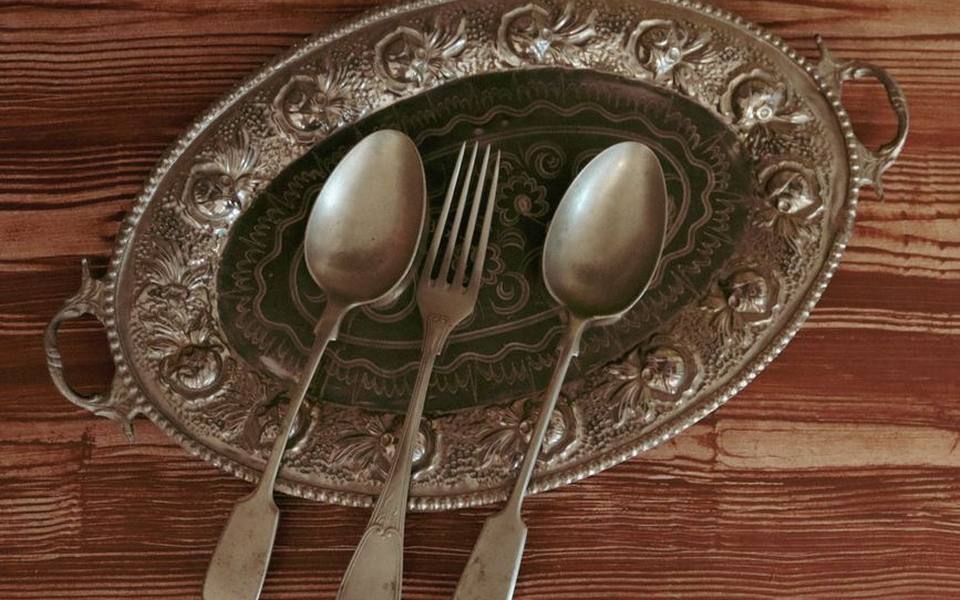
Cleaning and Polishing Antique Silver Without Damaging the Patina
-
 Money
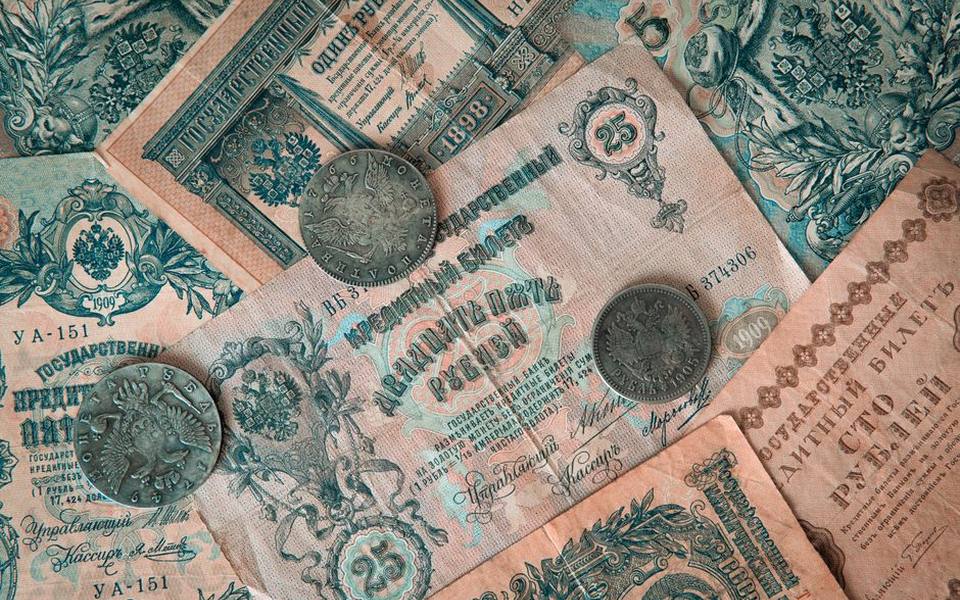
MoneyNavigating the Market for Vintage Currency
-
 Owning
Evaluating, Using, and Displaying Mid-Century Glassware and Kitchen Antiques
-
 Buying
Navigating Vintage and Antique Jewelry Styles
-
 Owning
How to Clean and Care for Silverware Without Causing Damage
-
 Owning
Vintage Pyrex Value and Safety Guide: Understanding Collector Patterns and Usage
-
 Buying
A Guide to Sourcing Vintage and Estate Jewelry
-
 Money
MoneyValuable Baseball Cards Guide: Spotting Vintage Sports Collectibles
-
 Owning
How to Clean and Restore Antique Wood Furniture
-
 Money
MoneyHow to Find and Use Antique Price Guides Online
-
 Money
MoneyHow to Determine the Value of Old Books and First Editions
-
 Money
MoneyWhere and How to Sell Vintage Coins for the Best Return
-
 Buying
Choosing and Caring for Vintage and Modern Cast Iron Cookware
-
 Owning
How to Polish and Value Antique Silverware at Home
-
 Owning
How to Clean and Polish Antique Wood Furniture Without Damaging It
-
 Buying
Vintage and Classic Cast Iron Cookware: Buyer's, Value, and Care Guide
-
 Buying
Antique Silverware, Vintage Jewelry, and Collectible Coins Guide
-
 Money
MoneyA Practical Guide to Antique Price Guides and Rare Book Valuations
-
 Owning
How to Clean, Polish, and Refinish Antique Wood Furniture
-
 Owning
Ultimate Guide to Vintage and Antique Cast Iron Cookware: Brands, Seasoning, and Care
-
 Owning
How to Clean, Polish, and Value Vintage Silverware and Antique Jewelry
-
 Buying
Valuing Vintage Collectibles: From Rare Dolls and Slot Machines to Classic Lamps and Churns
-
 Owning
How to Clean, Polish, and Refinish Antique Wood Furniture
-
 Money
MoneyVintage Glassware Value Guide: Pyrex, Depression Glass, CorningWare, and Bottles
-
 Money
MoneyAntique & Vintage Price Guides: How to Value Antiques and Collectibles
-
 Buying
How to Value Old Books and First Editions: A Collector's Price Guide
-
 Money
MoneyWhere and How to Sell Vintage Records and Audio Equipment
-
 Buying
How to Buy, Value, and Sell Vintage Coins: A Practical Beginner's Guide
-
 Buying
Estate Sale Guide: How to Find, Buy, and Liquidate Antiques
-
 Buying
Vintage and Modern Cast Iron Cookware: Identification, Seasoning, Buying, and Care
-
 Money
MoneyComprehensive Guide to Antique Values, Old Books, and Collectibles Pricing
-
 Owning
Cleaning and Caring for Vintage Silverware, Fine Jewelry, and Antique Metals
-
 Owning
How to Clean, Polish, and Refinish Antique Wood Furniture
-
 Buying
Vintage and Modern Cast Iron Cookware: Identification, Caring, and Buying Guide
-
 Owning
Care, Polishing, and Refinishing Guide for Antique Wood Furniture
-
 Buying
Vintage Pyrex, Glassware, and Depression Glass Identification and Value Guide
-
 Money
MoneyAntique Price Guides: How to Value and Sell Antiques Online and Offline
-
 Money
MoneyCollectible Old Books and First Editions: Valuation and Identification Guide
-
 Buying
Vintage Sewing Machines, Stoves, and Antique Tools Value Guide
-
 Buying
Collector Guide to Vintage Door Hardware, Knobs, and Cabinet Pulls
-
 Owning
Antique & Vintage Dolls: Values, Identification, and Care
-
 Buying
Antique Hoosier Cupboards and Vintage Desks: History, Identification, and Value
-
 Service
Grandfather, Wall, and Pocket Clock Repair and Identification Guide
-
 Owning
Antique Rotary Telephones and Landlines: Buying, Restoring, and Converting
-
 Owning
Collecting Vintage Picture Frames and Oil Paintings: Framing and Restoration
-
 Buying
Antique Sewing Machines and Spinning Wheels: Value, Brands, and Maintenance
-
 Buying
Antique Wood Stoves and Log Burners: Buying, Safety, and Restoration Guide
-
 Buying
Depression Glass and Antique Canning Jars: Identification and Values
-
 Buying
Vintage Mirrors: Identifying, Buying, and Styling Antique Glass
-
 Owning
Antique Silverware and Silverplate Flatware: Cleaning, Identification, and Value
-
 Buying
Vintage Engagement Rings and Art Deco Jewelry: Buying and Valuation
-
 Buying
Buyer Guide to Vintage and Antique Furniture: Seating, Tables, Desks, and Reproductions
-
 Buying
Collector Guide to Vintage Toys, Lighters, Sports Ephemera, and Curios
-
 Buying
Architectural Salvage Guide: Sourcing Stained Glass, Mantels, and Historic Hardware
-
 Buying
Vintage Fashion and Heirloom Style: Sourcing Dresses, Denim, Leather, and Ephemera