Starting an evaluation with materials, marks, and construction
Determining whether an old doll has genuine collector value begins with examining the physical materials used in its construction. Collectors divide dolls into broad eras based on whether the head is made from unglazed bisque, slick china porcelain, wood, composition, hard plastic, or soft vinyl. Antique examples made before the 1930s generally feature heads crafted from kiln-fired clay paired with bodies made of stuffed kid leather, carved wood, or molded papier-mâché composition.
To find the true origin of a piece, look closely at the back of the neck, lower rim of the head, or upper shoulder plate. Manufacturers routinely pressed mold numbers, factory initials, and size stamps directly into the damp ceramic before firing. If you browse through local antique malls, you will notice that dolls with clear, legible mold numbers consistently command faster sales and higher valuations than unmarked examples.
Construction details also reveal whether a piece remains fully original or has been rebuilt over the decades. Inspect the joints at the shoulders, hips, and knees to see if original elastic stringing holds the limbs firmly against the torso. Loose limbs are very common, but replaced hands, non-period wigs, or modern synthetic bodies attached to antique heads will significantly lower what an experienced collector is willing to pay.
Distinguishing antique bisque from vintage collectible porcelain dolls
Many families inherit what they believe to be an irreplaceable century-old heirloom, only to discover it is a mass-produced vintage doll porcelain decorative piece from the 1980s or 1990s. True antique porcelain dolls typically date from the mid-nineteenth century up until the 1920s. These older examples display hand-painted eyebrows, individually stroked eyelashes, fired glass eyes, and delicate blush tones that look realistic rather than stamped or airbrushed.
The porcelain old dolls that flooded living rooms during the late-twentieth-century collecting boom often feature modern synthetic lace dresses, synthetic hair, and stiff wired cloth bodies. While marketed as limited-edition vintage collectible porcelain dolls, millions were produced overseas for department stores and home shopping networks. These decorative pieces typically carry modest resale values, frequently selling for twenty dollars or less unless created by a recognized studio artist.
True antique specimens, particularly those from celebrated French and German workshops like Jumeau or Kestner, have distinct physical weight and depth of color. Bisque refers to porcelain that was fired without a glossy glaze, leaving a soft matte surface that mimics human skin. Glazed china dolls, on the other hand, show a high-gloss finish, painted black or blonde hair, and date primarily from the Victorian era between 1840 and 1890.
Deciphering German and French maker marks on antique heads
German doll makers dominated the late nineteenth and early twentieth centuries by mass-exporting high-grade bisque heads across the world. Names like Armand Marseille, Simon & Halbig, and Kämmer & Reinhardt stamped their molds with specific reference numbers that collectors still use to identify runs. For example, an Armand Marseille mold marked 390 or 370 represents one of the most widely produced bisque heads in history, making it an affordable entry point for new collectors.
French bebes produced by makers such as Bru, Jumeau, and Steiner represent the luxury tier of the antique market. French makers generally prioritized soulful, large paperweight glass eyes, closed mouths with delicately shaded lips, and intricate kid leather or jointed composition bodies. A pristine French bebe found at regional estate sales can easily realize values climbing into several thousand dollars when original finish, clothing, and wig are intact.
When reading a neck stamp, note whether the mark is incised into the clay or stamped with colored ink. Incised marks were pressed into the clay before firing, indicating factory production, whereas ink stamps were often added later by distributors or importers. If a head shows an incised horseshoe symbol, it points to Ernst Heubach, while an anchor typically indicates Adolf Wislizenus, allowing you to narrow down the decade of manufacture.
The enduring charm of antique cupid and vintage Kewpie dolls
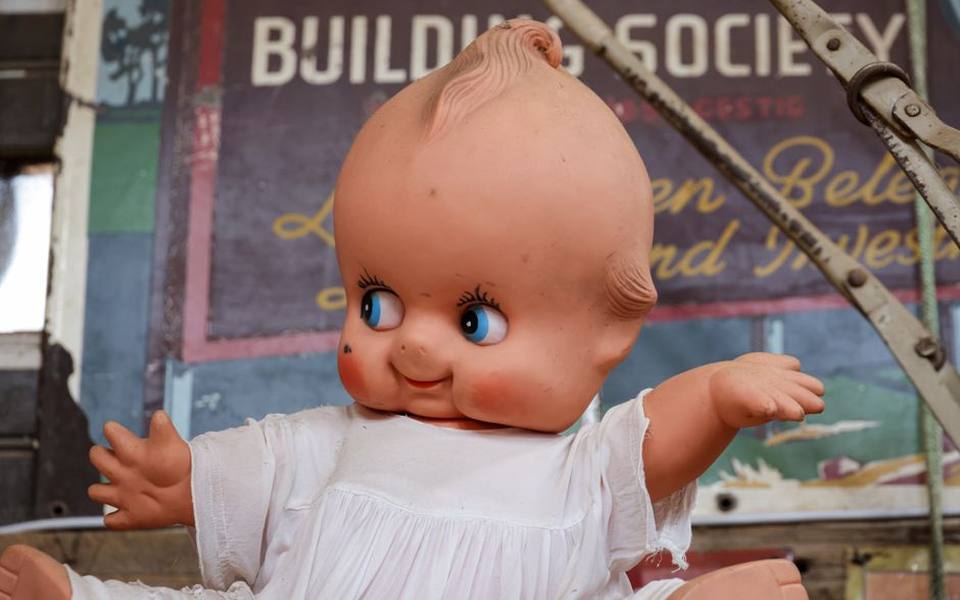
Created by illustrator Rose O'Neill in 1909, the whimsical winged character originally drawn for magazine pages soon became an international merchandising sensation. Early antique cupid dolls made in Germany before World War I were crafted from fine bisque, featuring side-glancing painted eyes, tiny blue molded wings behind the shoulders, and a single hair tuft. Collectors refer to both the branded Kewpie and similar period antique cupid dolls as cornerstones of early novelty doll collecting.
As production evolved through the 1920s and into the mid-twentieth century, manufacturers transitioned from fragile bisque to composition, celluloid, and eventually soft vinyl. Finding a vintage cupie doll made from celluloid requires careful inspection, as this early plastic is brittle, highly flammable, and prone to cracking or denting if stored in hot attics. Despite minor variations in spelling used in vintage catalogs, authentic early O'Neill pieces carry a round heart-shaped paper chest label or an incised signature on the soles of the tiny feet.
Values for a kewpie doll vintage piece vary widely based on size, posture, and rare action poses. Standard standing figures between four and six inches tall remain plentiful, typically selling in the fifty to one hundred dollar range depending on surface cleanliness. Rare action poses—such as Kewpies holding mandolins, riding small molded dogs, or dressed as soldiers—command significantly higher prices among dedicated specialist collectors.
Evaluating mid-century vinyl icons and early fashion dolls
The post-war era transformed the toy industry by introducing durable hard plastics and flexible vinyl, permanently shifting doll production away from fragile ceramic. Mattel's introduction of Barbie in 1959 created a completely new collecting category focused on teenage fashion models rather than baby or toddler figures. Early number-one and number-two models from 1959 feature distinctive copper wire inserts inside the feet, zebra-striped swimsuits, and hand-painted heavy eyeliner with white irises.
Preservation plays an enormous role in determining what vintage fashion dolls are worth today. Early vinyl formulas frequently suffer from chemical instability, leading to greasy facial residues or green discoloration around the earlobes caused by oxidized metal earrings. Collectors often pay hundreds of dollars for pristine, unfaded dolls with complete factory makeup, while examples with cut hair, chewed fingers, or green ear syndrome see sharp drops in interest.
Beyond fashion figures, mid-century collectors actively seek out character dolls and advertising tie-ins from companies like Ideal and Madame Alexander. Original packaging, intact wrist tags, and factory-tied hair ribbons double or triple the value of mid-century pieces. Even simple fashion accessories, such as original open-toe mules stamped with the doll maker's name on the soles, can sell individually for substantial sums to restorers.
Sorting original vintage troll dolls by era and maker
Originally hand-carved in Denmark by woodcutter Thomas Dam during the late 1950s, troll figures quickly became one of the most recognizable toy crazes of the twentieth century. Genuine early Dam trolls were cast from heavy natural rubber before shifting to soft vinyl, distinguished by glass eyes, wool or Icelandic sheepskin hair, and distinct earthy clothing. Collectors actively search for these original Danish creations, which feature much finer facial detailing than later promotional copies.
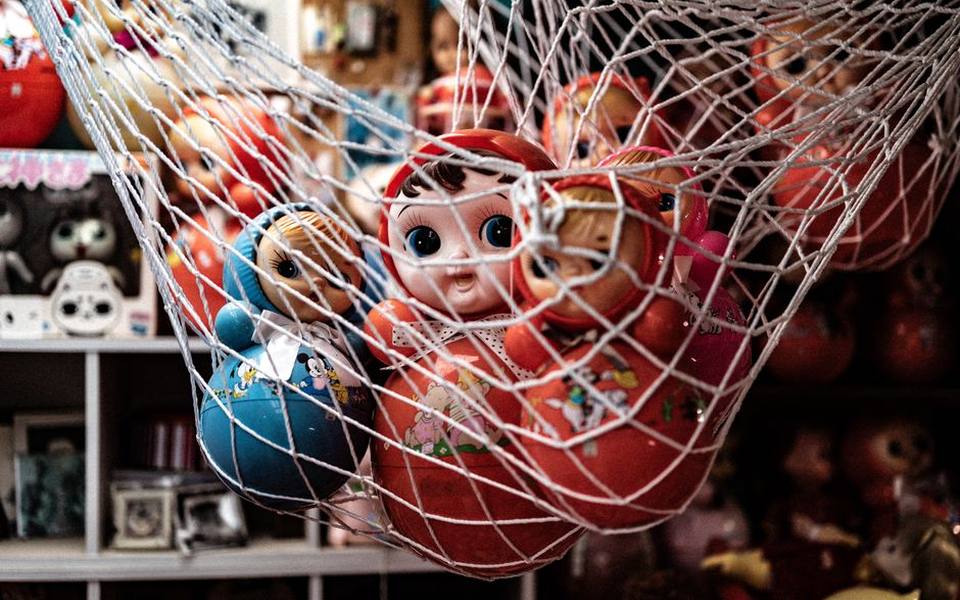
The market exploded with competing manufacturers throughout the 1960s, leading companies like Uneeda, Royalty, and Scandia to flood store shelves with their own interpretations. When assessing vintage troll dolls, check the back or the bottoms of the wide feet for the Dam copyright stamp. Authentic early Dam trolls typically fetch thirty to over one hundred dollars, whereas generic unbranded 1960s dime-store clones generally sell for only five to ten dollars in flea market booths.
Another wave of troll mania hit during the early 1990s under brands like Russ Berrie and Norfin, introducing brightly colored jewel bellies and holiday themes. While these later versions hold heavy nostalgic value for millennial collectors, they were manufactured in massive quantities and carry modest market prices. Focus on condition, ensuring the original wool hair has not fallen victim to carpet beetle damage or harsh washings that ruin its texture.
Identifying vintage Cabbage Patch dolls and manufacturer codes
Few toy crazes match the sheer retail frenzy sparked by the vintage cabbage doll line when Coleco brought them to mass retail in late 1983. Rooted in Xavier Roberts' soft-sculpture fabric figures first sold as Little People at Babyland General Hospital in Georgia, mass-market adoption dolls paired vinyl heads with soft fabric bodies. While millions were sold, collectors still pay healthy premiums for specific manufacturing variations, early years, and unusual facial sculpts.
Determining the age and factory of a vintage cabbage patch doll requires checking two key markers: the copyright signature on the left hip and the sewn side-tag. Xavier Roberts signatures changed ink color every production year, with 1983 featuring black, 1984 showing green, and 1985 displaying blue signatures. The fabric body tag also contains factory codes such as OK, P, KT, or CC, with dolls from the Hong Kong and Taiwan facilities showing subtle differences in yarn hair style and eye paint.
Pre-Coleco soft-sculpture figures crafted between 1978 and 1982 remain the holy grail for community enthusiasts, often realizing hundreds or thousands of dollars if accompanied by original adoption papers. In contrast, standard mass-market play dolls with snipped yarn hair or stained fabric bodies usually settle around fifteen to thirty dollars. Check specialized antique consignment shops, where complete boxed examples with pristine adoption certificates and clean clothes turn up regularly.
Evaluating hand-carved wooden nesting dolls and regional rarities
Traditional wooden nesting dolls, known historically as Matryoshka, represent a distinct niche blending folk art carving with decorative collectibility. Originating in Russia in the late nineteenth century, these nested sets were turned on wood lathes from seasoned linden or birch before being hand-painted and coated in clear lacquer. The classic design depicts a mother figure in a traditional sarafan apron holding a rooster or bread basket, housing smaller family members inside down to an infant.
Values depend heavily on artistic complexity, the number of nested pieces within a single set, and the presence of an artist's signature on the base of the outermost doll. Simple tourist sets with five or seven pieces are common and affordable, whereas masterwork sets containing fifteen, twenty, or more intricately painted historical scenes command strong collector interest. Inspect each layer carefully; shrinkage over time can cause wood rings to split, or mismatched pieces from different sets may have been combined.
Regional painting styles—such as the floral designs of Semyonov, the delicate miniature painting of Polkhovsky Maidan, or the fine lacquerwork of Sergiyev Posad—dictate value among folk art enthusiasts. Pre-revolutionary Russian examples crafted before 1917 or high-grade Soviet-era studio pieces signed by recognized masters of folk art hold the greatest appreciation potential, especially when complete and free of deep varnish yellowing or heat-related wood checks.
How physical condition dictates actual doll market values
In the antique and vintage doll hobby, condition outweighs rarity in almost every sales transaction. A hairline crack running across an antique bisque forehead can reduce the monetary value of an old porcelain doll by seventy to eighty percent compared to an identical undamaged head. Experienced dealers always run an illuminated magnifying loop over the head and tap the porcelain lightly with a wooden stylus to listen for the dull thud that betrays a hidden glued fracture.
Originality in costuming also sways serious buyers. While non-collectors often assume washing an antique dress or dressing an old doll in modern baby clothes improves its appeal, seasoned collectors prefer original, aged, and even lightly frayed factory garments. Replaced wigs made of modern synthetic fibers look unnatural on nineteenth-century pieces; collectors expect human hair or soft mohair sewn to a natural pate made of cork or pressed cardboard.
Composition dolls from the 1920s through the 1940s face unique structural vulnerabilities known as crazing, where fluctuating household humidity causes the plaster-sawdust mixture to expand and spider-web across the painted surface. When evaluating or insuring a substantial collection, seeking professional appraisal services ensures you receive an unbiased report detailing factory authenticity, structural flaws, and current replacement value based on actual auction records.
Cleaning, preservation, and safe archival storage methods
Preserving antique and vintage dolls requires stable environmental conditions and minimal chemical intervention. Heat, humidity, and direct sunlight are the primary enemies of older playthings. Displaying dolls in south-facing windows will rapidly bleach delicate face paint, fade antique silk dresses, and cause vintage vinyl to dry out and crack. Aim for a climate-controlled room where relative humidity stays around forty-five to fifty percent year-round.
When cleaning unglazed bisque, use nothing stronger than a slightly damp cotton swab dipped in distilled water, taking care never to wet painted facial features, open eyes, or glued wig margins. Never immerse a composition, cloth, or leather-bodied doll in water. For fabric bodies on vintage cabbage patch doll pieces, surface vacuuming through a clean mesh screen safely pulls away loose dust and dead fibers without straining vintage seams or ripping fragile tags.
If you must pack dolls away for long-term storage, avoid sealed plastic containers, which trap moisture and off-gassing chemicals that accelerate plasticizer breakdown and promote mold growth. Instead, wrap each doll individually in acid-free, unbuffered tissue paper and nest them inside sturdy archival cardboard boxes. Check stored items once or twice a year to inspect for pest activity like silverfish or moths, which feed hungrily on antique wool wigs and vintage felt hats.
Published 2026-09-21 · reviewed with each rebuild, last September 2026.
Find antique stores near you
The directory lists 25,996 antique stores by state and city — pick your state or use the “Near me” button in the header.
More guides
-
 Owning
Cleaning and Polishing Antique Silver Without Damaging the Patina
-
 Money
MoneyNavigating the Market for Vintage Currency
-
 Owning
Evaluating, Using, and Displaying Mid-Century Glassware and Kitchen Antiques
-
 Buying
Navigating Vintage and Antique Jewelry Styles
-
 Owning
How to Clean and Care for Silverware Without Causing Damage
-
 Owning
Vintage Pyrex Value and Safety Guide: Understanding Collector Patterns and Usage
-
 Buying
A Guide to Sourcing Vintage and Estate Jewelry
-
 Money
MoneyValuable Baseball Cards Guide: Spotting Vintage Sports Collectibles
-
 Owning
How to Clean and Restore Antique Wood Furniture
-
 Money
MoneyHow to Find and Use Antique Price Guides Online
-
 Money
MoneyHow to Determine the Value of Old Books and First Editions
-
 Money
MoneyWhere and How to Sell Vintage Coins for the Best Return
-
 Buying
Choosing and Caring for Vintage and Modern Cast Iron Cookware
-
 Owning
How to Polish and Value Antique Silverware at Home
-
 Owning
How to Clean and Polish Antique Wood Furniture Without Damaging It
-
 Buying
Vintage and Classic Cast Iron Cookware: Buyer's, Value, and Care Guide
-
 Buying
Antique Silverware, Vintage Jewelry, and Collectible Coins Guide
-
 Money
MoneyA Practical Guide to Antique Price Guides and Rare Book Valuations
-
 Owning
How to Clean, Polish, and Refinish Antique Wood Furniture
-
 Owning
Ultimate Guide to Vintage and Antique Cast Iron Cookware: Brands, Seasoning, and Care
-
 Owning
How to Clean, Polish, and Value Vintage Silverware and Antique Jewelry
-
 Buying
Valuing Vintage Collectibles: From Rare Dolls and Slot Machines to Classic Lamps and Churns
-
 Owning
How to Clean, Polish, and Refinish Antique Wood Furniture
-
 Money
MoneyVintage Glassware Value Guide: Pyrex, Depression Glass, CorningWare, and Bottles
-
 Money
MoneyAntique & Vintage Price Guides: How to Value Antiques and Collectibles
-
 Buying
How to Value Old Books and First Editions: A Collector's Price Guide
-
 Money
MoneyWhere and How to Sell Vintage Records and Audio Equipment
-
 Buying
How to Buy, Value, and Sell Vintage Coins: A Practical Beginner's Guide
-
 Buying
Estate Sale Guide: How to Find, Buy, and Liquidate Antiques
-
 Buying
Vintage and Modern Cast Iron Cookware: Identification, Seasoning, Buying, and Care
-
 Money
MoneyComprehensive Guide to Antique Values, Old Books, and Collectibles Pricing
-
 Owning
Cleaning and Caring for Vintage Silverware, Fine Jewelry, and Antique Metals
-
 Owning
How to Clean, Polish, and Refinish Antique Wood Furniture
-
 Buying
Vintage and Modern Cast Iron Cookware: Identification, Caring, and Buying Guide
-
 Owning
Antique Silverware: Cleaning, Polishing at Home, and Value Guide
-
 Owning
Care, Polishing, and Refinishing Guide for Antique Wood Furniture
-
 Buying
Vintage Pyrex, Glassware, and Depression Glass Identification and Value Guide
-
 Money
MoneyAntique Price Guides: How to Value and Sell Antiques Online and Offline
-
 Money
MoneyCollectible Old Books and First Editions: Valuation and Identification Guide
-
 Buying
Vintage Sewing Machines, Stoves, and Antique Tools Value Guide
-
 Buying
Collector Guide to Vintage Door Hardware, Knobs, and Cabinet Pulls
-
 Buying
Antique Hoosier Cupboards and Vintage Desks: History, Identification, and Value
-
 Service
Grandfather, Wall, and Pocket Clock Repair and Identification Guide
-
 Owning
Antique Rotary Telephones and Landlines: Buying, Restoring, and Converting
-
 Owning
Collecting Vintage Picture Frames and Oil Paintings: Framing and Restoration
-
 Buying
Antique Sewing Machines and Spinning Wheels: Value, Brands, and Maintenance
-
 Buying
Antique Wood Stoves and Log Burners: Buying, Safety, and Restoration Guide
-
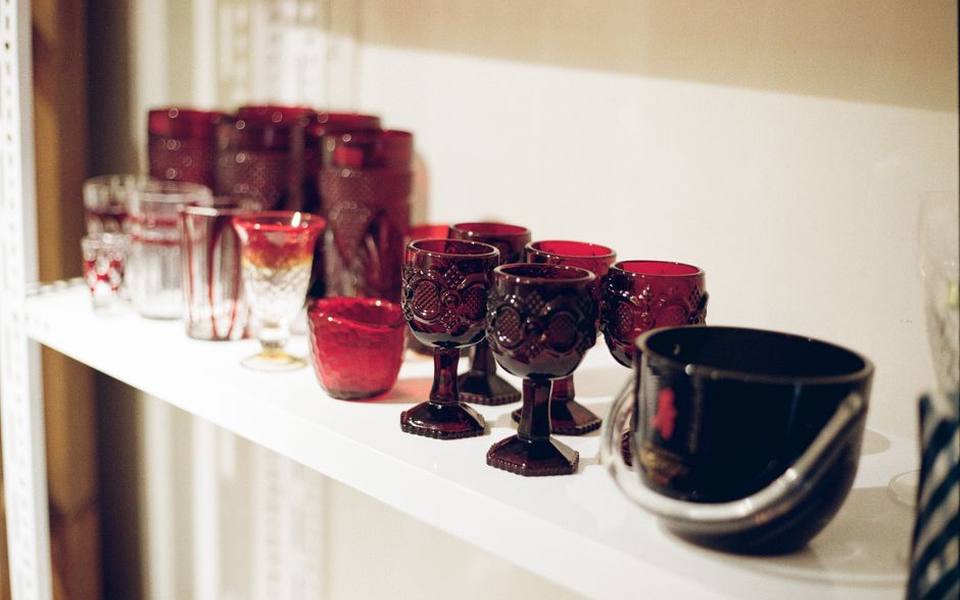 Buying
Depression Glass and Antique Canning Jars: Identification and Values
-
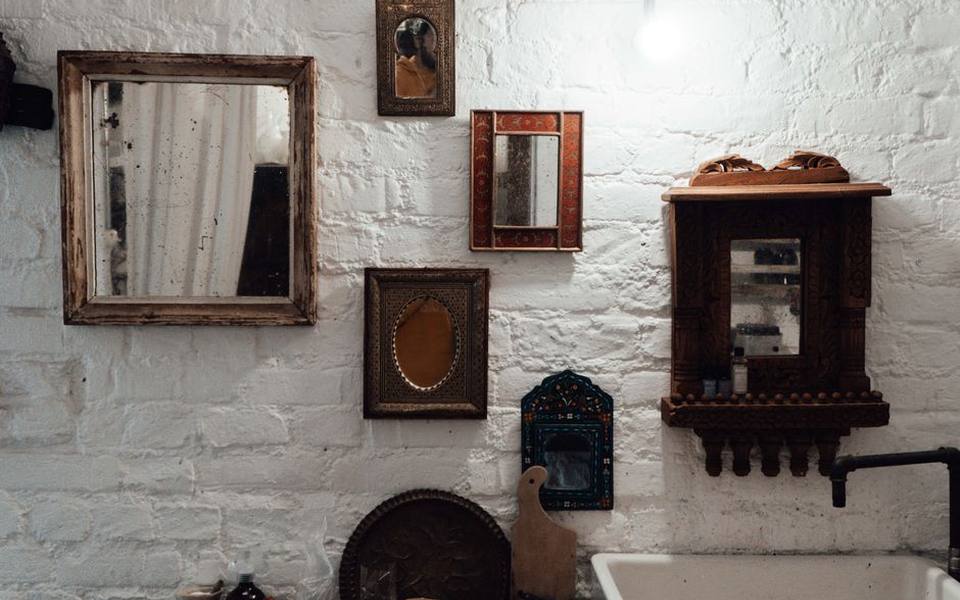 Buying
Vintage Mirrors: Identifying, Buying, and Styling Antique Glass
-
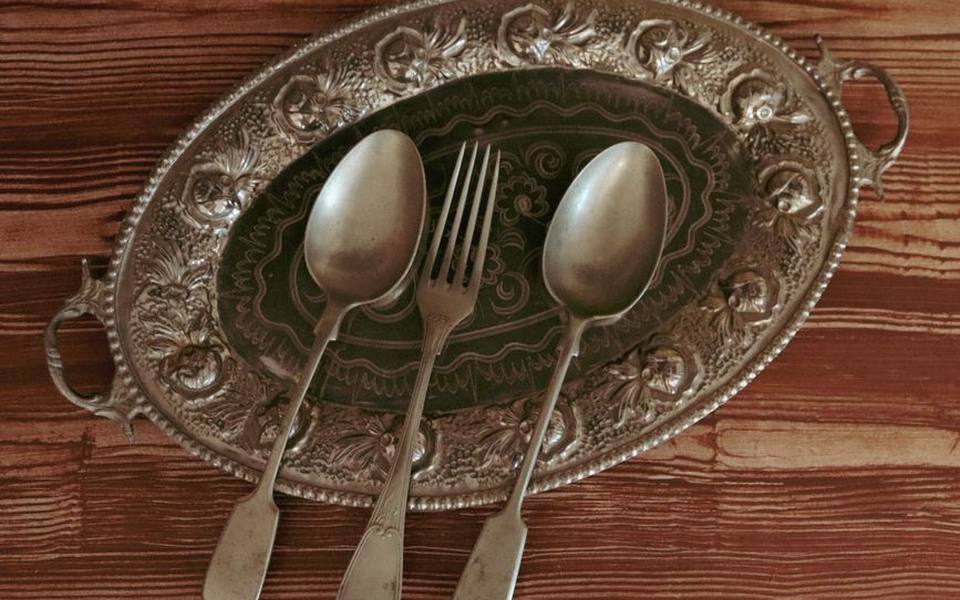 Owning
Antique Silverware and Silverplate Flatware: Cleaning, Identification, and Value
-
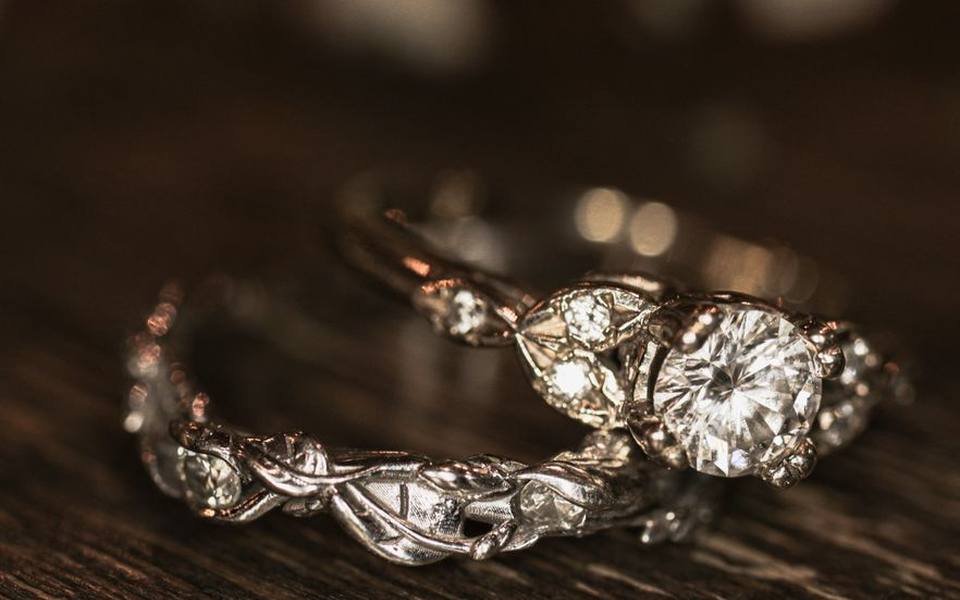 Buying
Vintage Engagement Rings and Art Deco Jewelry: Buying and Valuation
-
 Buying
Buyer Guide to Vintage and Antique Furniture: Seating, Tables, Desks, and Reproductions
-
 Buying
Collector Guide to Vintage Toys, Lighters, Sports Ephemera, and Curios
-
 Buying
Architectural Salvage Guide: Sourcing Stained Glass, Mantels, and Historic Hardware
-
 Buying
Vintage Fashion and Heirloom Style: Sourcing Dresses, Denim, Leather, and Ephemera