Gentle home methods for cleaning tarnished silverware
Tarnish develops when silver reacts chemically with sulfur compounds naturally present in ambient air, food, and handling oils. The safest way to restore darkened flatware at home starts with warm water, mild phosphate-free dish soap, and a soft microfiber towel. Hand washing removes surface grease and acidic food residues before any abrasive contact occurs. You should never place vintage flatware in an automatic dishwasher, as harsh detergent enzymes, high heat cycles, and contact with other metals cause irreversible pitting, gray discoloration, and loose knife handles.
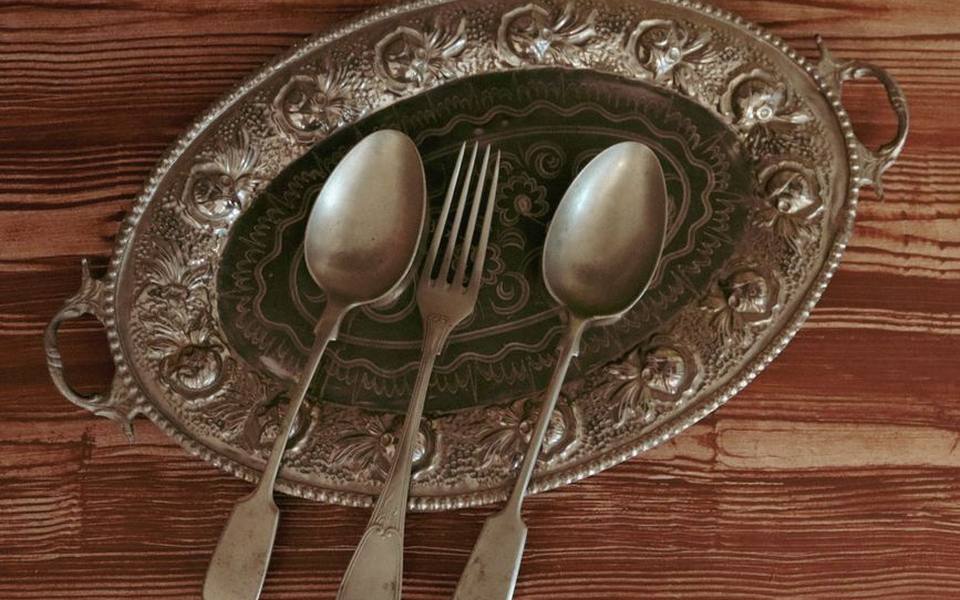
When dealing with stubborn oxidation on hollowware or intricate serving forks, avoid aggressive chemical dip solutions. Liquid dips work by stripping away a thin layer of the silver itself, often leaving behind a chalky, artificial white finish that oxidizes twice as fast once exposed to oxygen again. A traditional paste polish formulated specifically for fine metals remains the preferred method for heirloom patterns. Work a pea-sized amount onto the metal in straight, gentle back-and-forth strokes rather than circular motions to prevent micro-scratching across reflective surfaces.
Many home restoration enthusiasts experiment with the aluminum foil, boiling water, and baking soda electrochemical bath. While this electrolytic reaction converts silver sulfide back to elemental silver without abrasive friction, it completely strips the natural dark patina settled into deep crevices. That recessed shading is what gives intricate Victorian scrollwork and repousse handles their visual depth. Use the bath method sparingly on plain, heavily oxidized silverplate utensils, but keep it far away from valuable museum-grade pieces or hollowware held together by pitch.
Rinsing and drying properly after washing is just as critical as the polishing step itself. Residual tap water contains dissolved minerals and trace chlorine that can pit fine silver if droplets evaporate on the surface. Always rinse polished flatware in clean warm water, then dry every piece immediately with a clean cotton tea towel or lint-free flannel. Allow the utensils to air-dry completely on a soft surface before nesting them into storage rolls.
Using a silver polishing cloth for routine maintenance
A dual-ply polishing cloth offers the most controlled method for brightening heirloom silver without risking over-polishing or liquid residue accumulation. The inner cloth layer comes impregnated with mild cleansing agents and microscopic jewelers rouge that lift surface film without stripping base metal. The outer cloth layer consists of untreated soft cotton flannel designed to buff the metal to a warm, reflective mirror shine without applying additional chemicals.
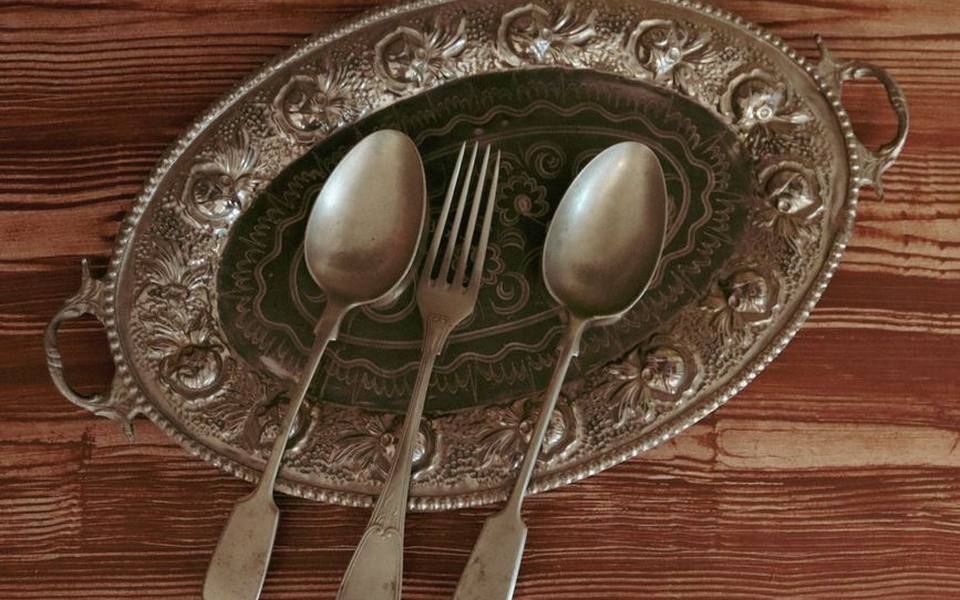
To use the cloth effectively, hold the flatware piece firmly against a flat, padded work surface to avoid bending slender fork tines or thin spoon bowls. Rub the inner treated fabric lightly over the tarnished sections in uniform lengthwise motions until the dark film transfers onto the cloth. You will notice the fabric turning black almost immediately; this black transfer is spent tarnish and polishing residue, not dirt, and indicates the chemical formulation is working properly.
Once the surface oxidation clears, switch to the dry outer flannel section to remove residual cleaner and bring out the luster. Never wash your polishing cloth when it becomes blackened, because laundering dissolves the embedded polishing compounds and ruins the micro-abrasive fibers. A single high-grade cloth typically lasts through dozens of cleaning sessions across several years before requiring replacement, even after large sections appear completely dark from use.
Evaluating antique silverware marks and market pricing
Determining the potential value of inherited flatware begins by locating the maker stamps and purity hallmarks, usually pressed onto the reverse side of handles or the undersides of hollowware. Pieces stamped with 'Sterling', '.925', or standard English assay marks contain ninety-two and a half percent pure silver by weight. Flatware bearing these stamps holds inherent baseline value tied directly to daily precious metal melt weights, with rare collectible patterns commanding significant collector premiums above bullion scrap value.
In contrast, markings such as 'EPNS', 'Silver on Copper', 'Triple Plate', or obscure factory pictorial marks indicate electroplated silver over a base metal core like brass, nickel, or white metal. Electroplated sets generally sell for modest sums in secondary markets, typically ranging from twenty to fifty dollars for boxed everyday sets, though pristine hotel-ware or ornate Art Nouveau serving pieces can fetch noticeably more. Collectors evaluate condition harshly; if extensive polishing has rubbed through the silver layer to reveal the yellowish base metal underneath, collector appeal drops substantially.
Complete services for eight or twelve in popular mid-century sterling patterns often trade anywhere from twelve hundred to several thousand dollars, depending on overall set weight and pattern desirability. Monogrammed flatware frequently trades at a slight discount among casual buyers, although historical monograms do not deter specialist collectors seeking discontinued heritage patterns. When assessing rare estate patterns or unverified family sets, visiting local appraisal services provides clarity on pattern rarity, origin year, and fair secondary market resale estimates.
Understanding Pairpoint and Victorian quadruple plate values
During the late nineteenth and early twentieth centuries, American manufacturers perfected quadruple electroplating, depositing four standard industrial layers of silver over durable Britannia metal or copper bases. Massachusetts-based Pairpoint Manufacturing Company became renowned for its ornate Victorian hollowware, producing elaborate figural napkin rings, butter dishes with revolving domes, candelabras, and presentation punch bowls. These items brought luxury aesthetics into middle-class Victorian dining rooms at an accessible price point compared to solid sterling.
Market pricing for Pairpoint quadruple plate hollowware depends heavily on form, subject matter, and metal preservation rather than precious metal weight. Standard decorative teapots and tarnished plain serving trays typically trade between twenty-five and sixty dollars at regional auctions. However, whimsical figural pieces featuring cast squirrels, cherubs, dogs, or intricate repousse floral borders consistently attract specialty collectors, frequently realizing values between one hundred fifty and four hundred dollars when the plating remains intact.
Quadruple plate pieces cannot be repaired or buffed aggressively if base metal wear, known colloquially as 'bleed-through', has started showing along high-relief edges. Replating an antique hollowware piece often costs several hundred dollars and frequently eliminates the desirable antique character, sometimes lowering overall historical value. When browsing regional antique malls, look for pieces with unbroken silver skins, crisp original maker stamps on the base, and tight, undamaged hinges on lidded vessels.
Characteristics of authentic Art Deco jewelry
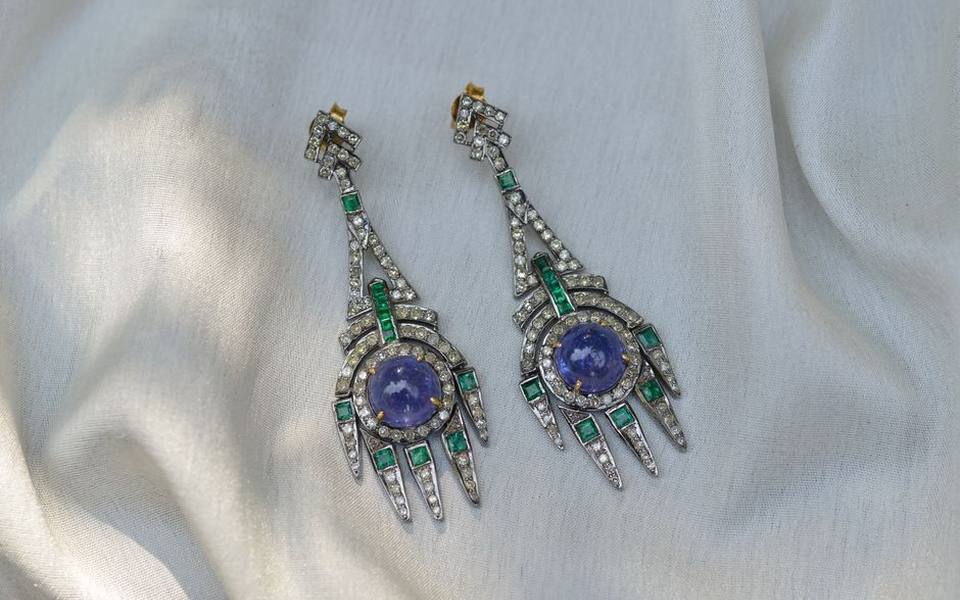
Originating during the 1920s and thriving through the 1930s, Art Deco jewelry broke radically from the organic curves and floral themes of previous eras. The style emphasizes geometric symmetry, crisp architectural lines, stepped motifs, and striking chromatic contrasts. Jewelers of this period embraced industrial modernization, creating wearable art that showcased baguette cuts, calibrated calibré-cut accent stones, sharp chevron patterns, and intricate openwork metal filigree.
Platinum served as the defining fine metal of the Art Deco era due to its remarkable tensile strength, which allowed jewelers to craft ultra-fine lace-like settings and milgrain borders without sacrificing structural stability. Die-struck white gold also became a widespread alternative for accessible fine jewelry during late 1920s production. Fine pieces regularly paired brilliant white diamonds with vivid contrasting gemstones, particularly natural emeralds, sapphires, rubies, onyx, and carved coral shaped into bold geometric panels.
Distinguishing genuine period pieces from modern reproductions requires a loupe and an eye for fabrication marks. Authentic antique pieces display precise hand-pierced gallery work, delicate milgrain beading applied by hand tools, and authentic period European or transitional round cut diamonds. Modern cast reproductions often feature rounded interior corners, lack crisp milgrain definition, and show porous metal surfaces under magnification. Examining original estate pieces at local antique jewelry and coin shops helps develop an eye for period craftsmanship.
The history and appeal of vintage cocktail rings
The cocktail ring emerged during the Prohibition era of the 1920s as a bold symbol of social independence and clandestine celebration. Women attending illicit speakeasies wore oversized, flamboyant rings on their right hands, purposefully drawing attention to their prohibited drinks and fashionable autonomy. These statement rings contrasted sharply with modest left-hand bridal jewelry, establishing an enduring trend for dramatic, sculptural right-hand adornments that continued evolving through the 1940s and 1950s.
A traditional cocktail ring features a dominant center stone, often an oversized colored gemstone such as aquamarine, citrine, amethyst, or smoky quartz, framed by diamond clusters or sculptural metalwork. Retro-era rings from the 1940s introduced voluminous yellow and rose gold mountings shaped like ribbons, fans, and scrollwork, accommodating the wartime scarcity of platinum. These substantial mountings require careful structural inspections, as the sheer height of the prongs leaves large center stones vulnerable to snagging and loosening during daily wear.
Pricing for vintage cocktail rings spans a vast range depending on metal purity and gemological pedigree. Fine gold rings housing substantial natural untreated gemstones typically command between eight hundred and three thousand dollars in estate showcases. Meanwhile, high-end mid-century costume versions featuring faceted Austrian crystals or art glass set in gold-tone pot metal often sell between seventy-five and two hundred dollars, offering striking visual impact without the associated insurance commitments.
Identifying valuable vintage brooches and costume jewelry
Vintage brooches represent one of the most vibrant segments of the estate market, ranging from modest dime-store trinkets to sought-after designer masterworks. Mid-century fashion icons popularized decorative pins on lapels, hats, scarves, and coats, prompting costume jewelry houses to hire fine jewelry artisans. Makers like Trifari, Coro, Eisenberg, Boucher, and Miriam Haskell created intricate base-metal pieces finished with heavy rhodium plating, hand-set Austrian rhinestones, and poured glass stones.
Determining whether a vintage brooch holds serious collector value starts with checking the back for designer signatures, copyright symbols, and patent numbers. Unsigned pieces crafted with open-back prong-set stones, heavy cast metalwork, and functional roll-over safety clasps still possess genuine market appeal, typically trading between twenty and fifty dollars. However, signed figural brooches, wartime sterling silver jelly belly animal pins, and early Bakelite geometric pins frequently fetch anywhere from one hundred fifty to over one thousand dollars among dedicated collectors.
Condition serves as the ultimate arbiter of value in vintage costume jewelry. Missing rhinestones, cloudy stones degraded by moisture, chipped enamel, or peeling faux pearl coatings drastically reduce what buyers will pay. You can often discover forgotten designer brooches in estate assortments through local antique consignment shops, where vintage accessories arrive regularly from private family collections.
Finding and purchasing authentic vintage engagement rings
Shopping for an authentic vintage engagement ring offers timeless aesthetic character, artisanal benchwork, and ethical sustainability by repurposing existing gems. Genuine antique rings spanning the Victorian, Edwardian, and Art Deco eras feature antique diamond cuts, such as Old Mine cuts and Old European cuts. These historical cuts were faceted by hand by candlelight, prioritizing deep proportions, wide facets, and colorful fire over modern machine-cut brilliance.
When searching for period bridal jewelry, work with established dealers who provide clear documentation, return policies, and metal purity guarantees. Avoid generic online marketplaces where newly manufactured cast replicas are routinely labeled as authentic antiques. Visiting professional antique shops offering estate sales allows you to examine ring construction firsthand, confirm that prong structures remain safe, and verify whether a mounting has been resized beyond its structural limits.
Budget expectations should account for metal condition, diamond grading, and historical rarity. Victorian and Art Nouveau gold solitaire rings typically start around eight hundred to fifteen hundred dollars for modest carat weights. In contrast, intricate platinum Art Deco rings carrying certified one-carat Old European diamonds typically command four thousand to nine thousand dollars, depending on clarity and color grades. Always request a professional gemological appraisal to verify stone authenticity and ensure insurance coverage matches current replacement values.
Safe cleaning protocols for fine jewelry and delicate gemstones
Different metals and gemstones react very differently to moisture, heat, and cleaning agents, making universal jewelry cleaning solutions dangerous for mixed collections. While solid platinum and modern diamond solitaires tolerate ultrasonic cleaners and mild ammonia baths, many vintage gemstones will suffer irreversible structural damage inside vibrating cleaning tanks. Heat shocks and sound waves can shatter stones with natural internal inclusions, such as emeralds, or fracture heat-sensitive gems like opals and tanzanite.
The safest cleaning regimen for virtually all fine estate jewelry relies on lukewarm water, a few drops of mild dish detergent, and an extra-soft baby toothbrush. Soak the piece for no more than ten minutes to loosen built-up hand creams and dust accumulated behind the stone basket. Gently brush behind the setting, rinse thoroughly in a bowl of clean water rather than over an open drain, and blot dry using a clean micro-fiber cloth.
Organic gems require completely dry, gentle care routines to prevent irreversible surface deterioration. Pearls, coral, amber, and turquoise are porous materials that absorb liquids, body oils, and cleaning chemicals, which strips their delicate luster and causes cracking over time. Clean organic pieces exclusively by wiping them with a damp, soft flannel cloth after wearing, and never submerge strung pearls in water, as moisture weakens and stretches the internal silk knotting cord.
Long-term storage practices for precious metals and heirlooms
Preventing oxidation and mechanical damage requires thoughtful storage conditions tailored to your collection. Sterling flatware should be stored inside specialized flannel wraps or wood chests treated with zinc salts, which absorb airborne sulfur gases before they react with the silver surface. Never store silverware wrapped in everyday plastic wrap, newspaper, or held together by rubber bands, as decaying synthetic materials and sulfur-laden rubber cause deep, permanent metal corrosion within months.
Fine jewelry pieces should each have individual fabric pouches or velvet-lined compartments to prevent harder diamonds and sapphires from scratching softer metals or delicate pearls. Maintain consistent humidity levels inside your storage boxes, as extreme dry air can cause opals to craze and crack, while excessive moisture promotes metal oxidation and dulls costume foil backings. Including food-grade silica gel packets inside storage drawers controls seasonal humidity without introducing chemical residues.
Finally, make a habit of inspecting heirloom pieces twice a year, especially before hosting seasonal gatherings or wearing statement pieces to formal events. Check brooch pin hinges for wobble, examine ring prongs under a ten-power loupe to confirm stones remain firmly seated, and verify that flatware rests clean and bone dry. Routine preventative inspections protect valuable vintage treasures, ensuring they pass smoothly into the hands of the next generation.
Published 2026-09-20 · reviewed with each rebuild, last September 2026.
Find antique stores near you
The directory lists 25,996 antique stores by state and city — pick your state or use the “Near me” button in the header.
More guides
-
 Owning
Cleaning and Polishing Antique Silver Without Damaging the Patina
-
 Money
MoneyNavigating the Market for Vintage Currency
-
 Owning
Evaluating, Using, and Displaying Mid-Century Glassware and Kitchen Antiques
-
 Buying
Navigating Vintage and Antique Jewelry Styles
-
 Owning
How to Clean and Care for Silverware Without Causing Damage
-
 Owning
Vintage Pyrex Value and Safety Guide: Understanding Collector Patterns and Usage
-
 Buying
A Guide to Sourcing Vintage and Estate Jewelry
-
 Money
MoneyValuable Baseball Cards Guide: Spotting Vintage Sports Collectibles
-
 Owning
How to Clean and Restore Antique Wood Furniture
-
 Money
MoneyHow to Find and Use Antique Price Guides Online
-
 Money
MoneyHow to Determine the Value of Old Books and First Editions
-
 Money
MoneyWhere and How to Sell Vintage Coins for the Best Return
-
 Buying
Choosing and Caring for Vintage and Modern Cast Iron Cookware
-
 Owning
How to Polish and Value Antique Silverware at Home
-
 Owning
How to Clean and Polish Antique Wood Furniture Without Damaging It
-
 Buying
Vintage and Classic Cast Iron Cookware: Buyer's, Value, and Care Guide
-
 Buying
Antique Silverware, Vintage Jewelry, and Collectible Coins Guide
-
 Money
MoneyA Practical Guide to Antique Price Guides and Rare Book Valuations
-
 Owning
How to Clean, Polish, and Refinish Antique Wood Furniture
-
 Owning
Ultimate Guide to Vintage and Antique Cast Iron Cookware: Brands, Seasoning, and Care
-
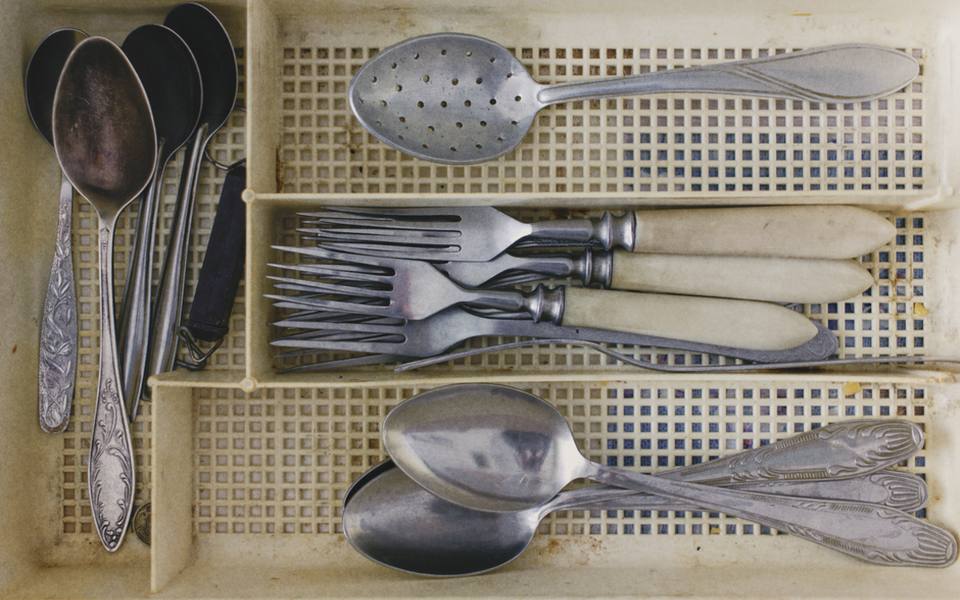 Owning
How to Clean, Polish, and Value Vintage Silverware and Antique Jewelry
-
 Buying
Valuing Vintage Collectibles: From Rare Dolls and Slot Machines to Classic Lamps and Churns
-
 Owning
How to Clean, Polish, and Refinish Antique Wood Furniture
-
 Money
MoneyVintage Glassware Value Guide: Pyrex, Depression Glass, CorningWare, and Bottles
-
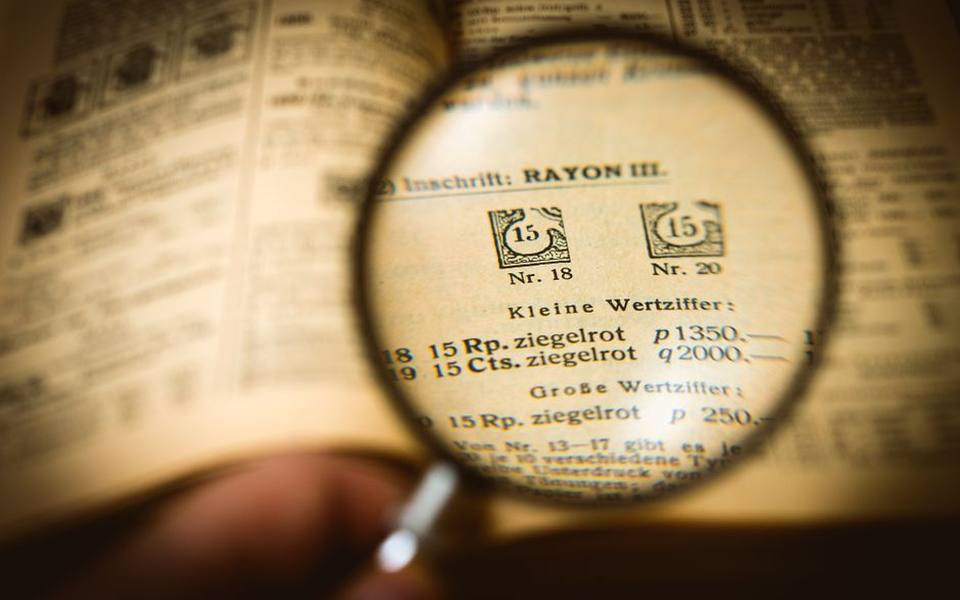 Money
MoneyAntique & Vintage Price Guides: How to Value Antiques and Collectibles
-
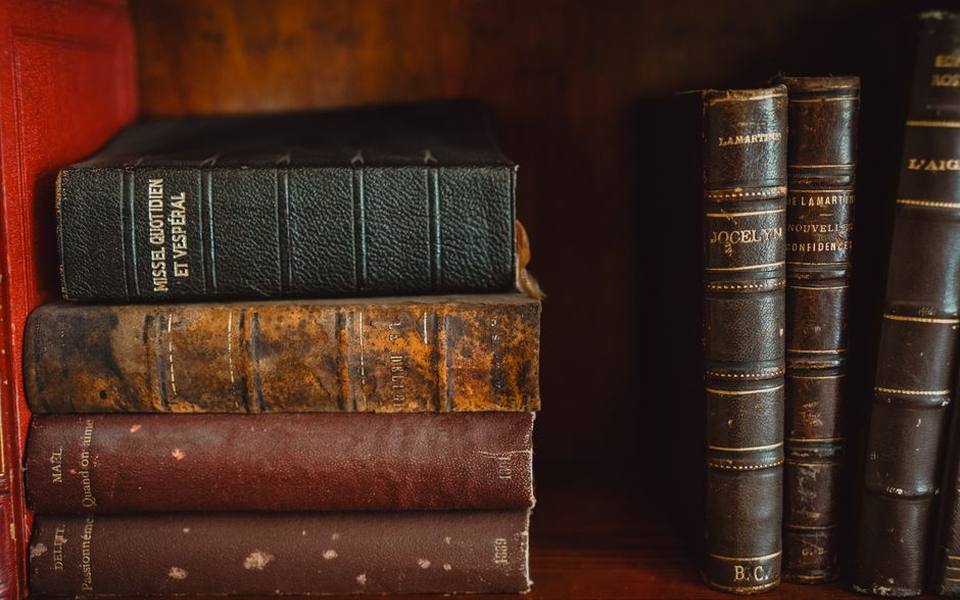 Buying
How to Value Old Books and First Editions: A Collector's Price Guide
-
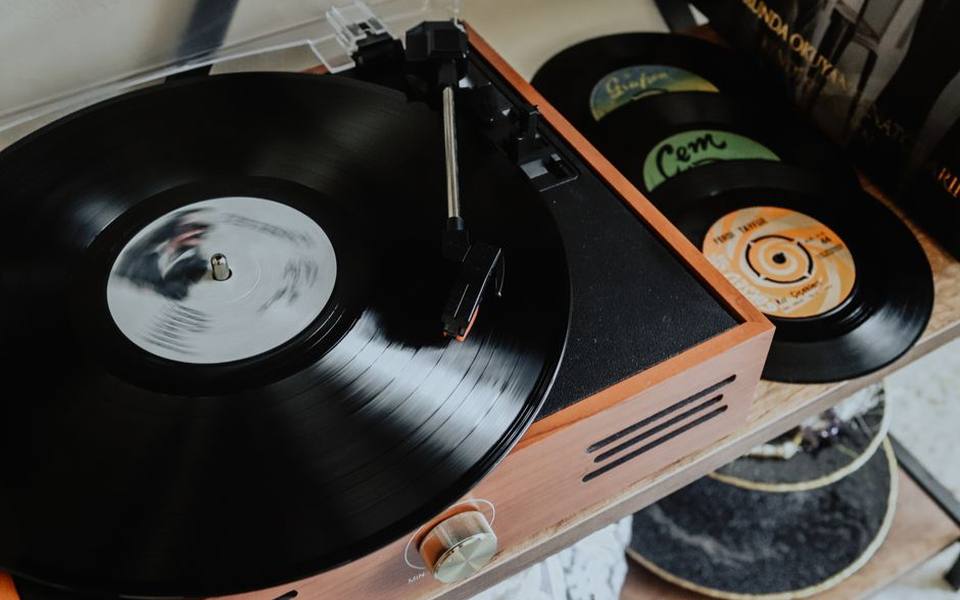 Money
MoneyWhere and How to Sell Vintage Records and Audio Equipment
-
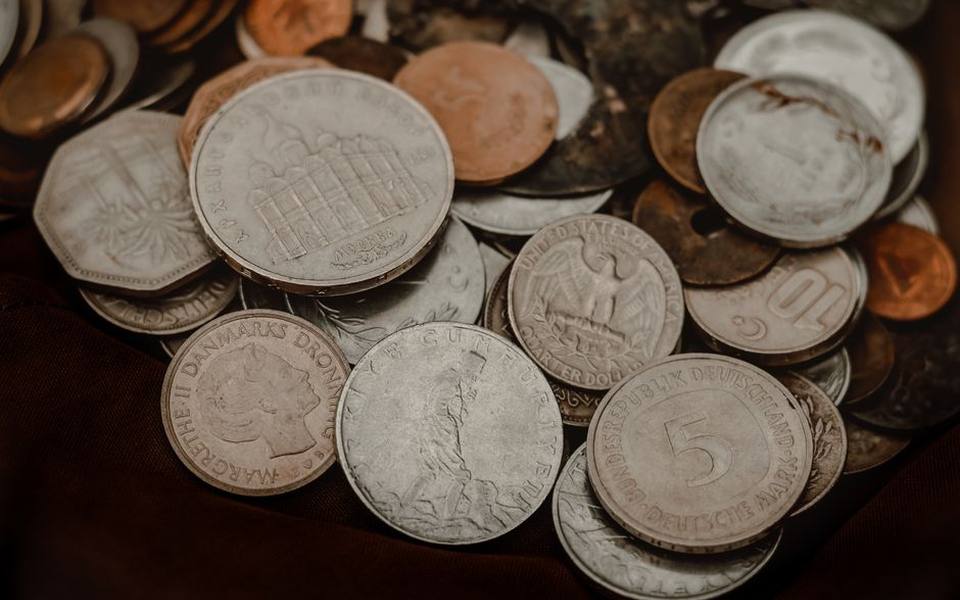 Buying
How to Buy, Value, and Sell Vintage Coins: A Practical Beginner's Guide
-
 Buying
Estate Sale Guide: How to Find, Buy, and Liquidate Antiques
-
 Buying
Vintage and Modern Cast Iron Cookware: Identification, Seasoning, Buying, and Care
-
 Money
MoneyComprehensive Guide to Antique Values, Old Books, and Collectibles Pricing
-
 Owning
How to Clean, Polish, and Refinish Antique Wood Furniture
-
 Buying
Vintage and Modern Cast Iron Cookware: Identification, Caring, and Buying Guide
-
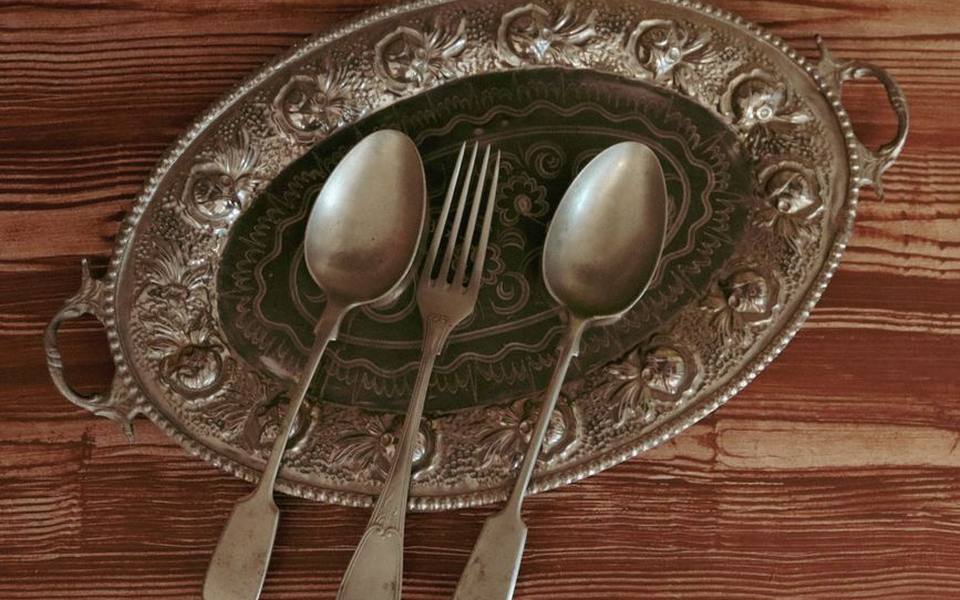 Owning
Antique Silverware: Cleaning, Polishing at Home, and Value Guide
-
 Owning
Care, Polishing, and Refinishing Guide for Antique Wood Furniture
-
 Buying
Vintage Pyrex, Glassware, and Depression Glass Identification and Value Guide
-
 Money
MoneyAntique Price Guides: How to Value and Sell Antiques Online and Offline
-
 Money
MoneyCollectible Old Books and First Editions: Valuation and Identification Guide
-
 Buying
Vintage Sewing Machines, Stoves, and Antique Tools Value Guide
-
 Buying
Collector Guide to Vintage Door Hardware, Knobs, and Cabinet Pulls
-
 Owning
Antique & Vintage Dolls: Values, Identification, and Care
-
 Buying
Antique Hoosier Cupboards and Vintage Desks: History, Identification, and Value
-
 Service
Grandfather, Wall, and Pocket Clock Repair and Identification Guide
-
 Owning
Antique Rotary Telephones and Landlines: Buying, Restoring, and Converting
-
 Owning
Collecting Vintage Picture Frames and Oil Paintings: Framing and Restoration
-
 Buying
Antique Sewing Machines and Spinning Wheels: Value, Brands, and Maintenance
-
 Buying
Antique Wood Stoves and Log Burners: Buying, Safety, and Restoration Guide
-
 Buying
Depression Glass and Antique Canning Jars: Identification and Values
-
 Buying
Vintage Mirrors: Identifying, Buying, and Styling Antique Glass
-
 Owning
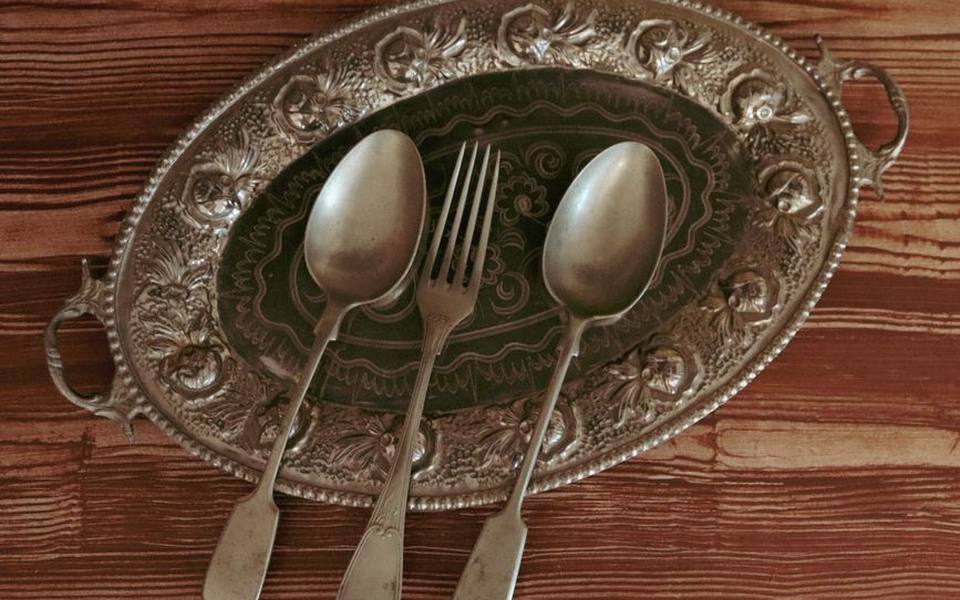
Antique Silverware and Silverplate Flatware: Cleaning, Identification, and Value
-
 Buying
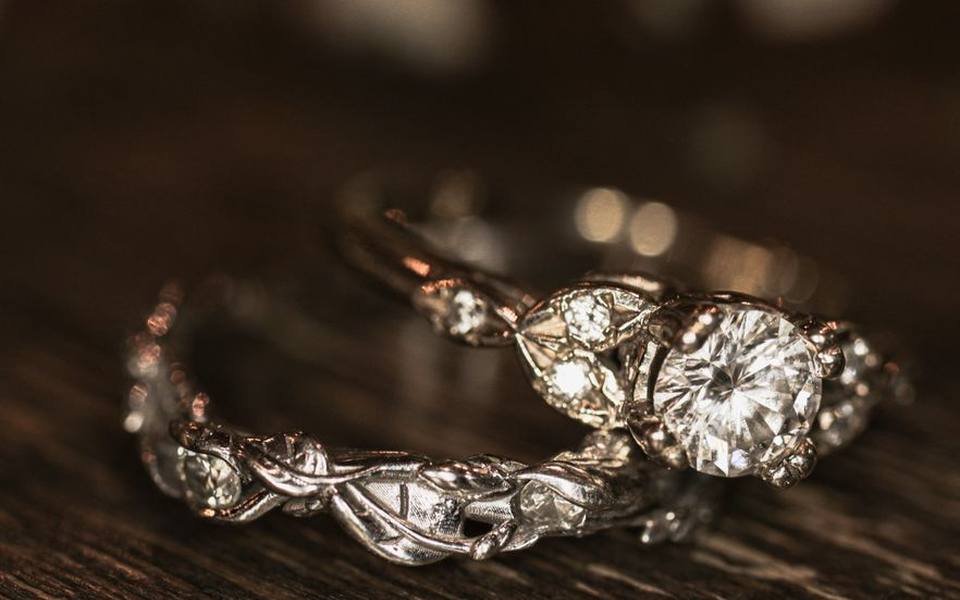
Vintage Engagement Rings and Art Deco Jewelry: Buying and Valuation
-
 Buying
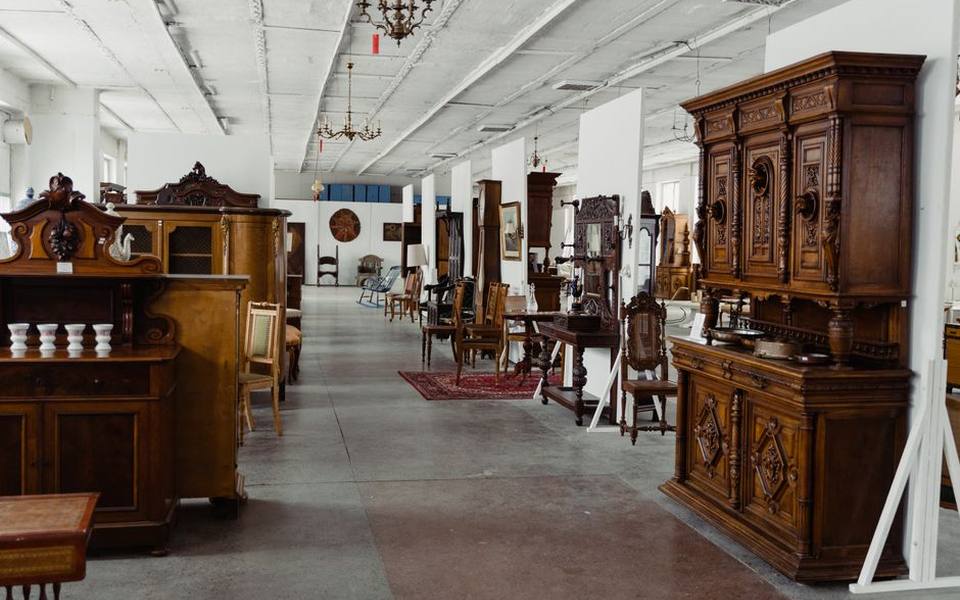
Buyer Guide to Vintage and Antique Furniture: Seating, Tables, Desks, and Reproductions
-
 Buying
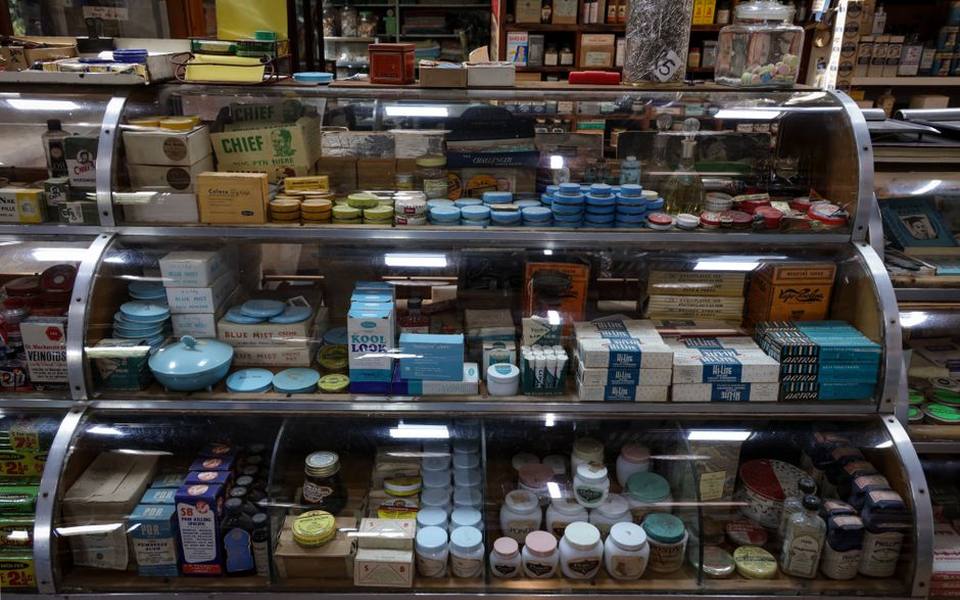
Collector Guide to Vintage Toys, Lighters, Sports Ephemera, and Curios
-
 Buying
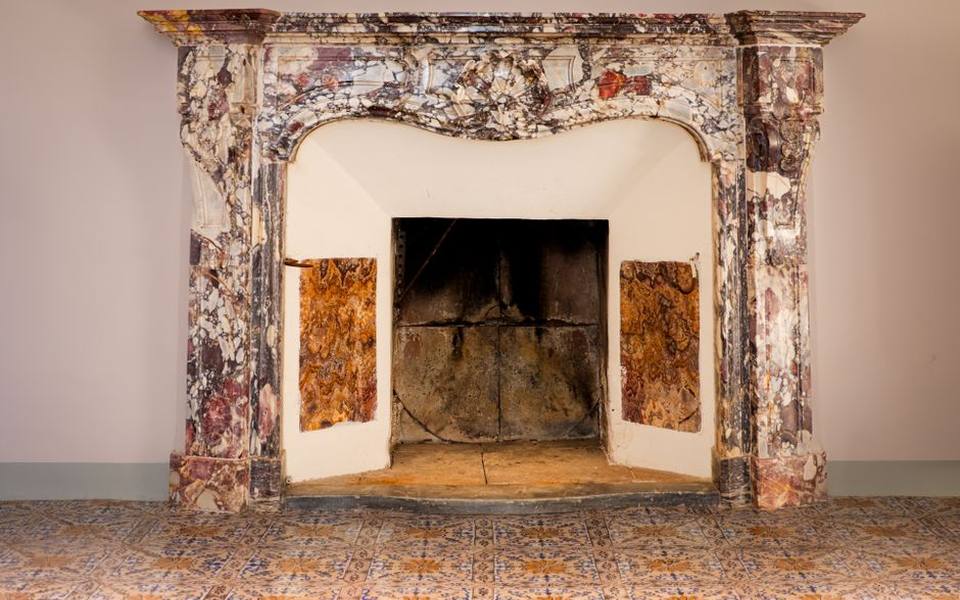
Architectural Salvage Guide: Sourcing Stained Glass, Mantels, and Historic Hardware
-
 Buying
Vintage Fashion and Heirloom Style: Sourcing Dresses, Denim, Leather, and Ephemera