Evaluating Authentic Antique Seating and Dining Sets
Buying vintage and antique furniture begins with understanding how structural joinery separates heirloom craftsmanship from modern mass manufacturing. True period dining sets and historical seating feature hand-cut or early machine-cut mortise-and-tenon joints, wooden dowels, and corner blocking secured with slotted screws rather than contemporary staples or plastic brackets. When inspecting dining tables, examine the underside of the tabletop and the apron; authentic pieces show uneven saw marks, oxidation rings around ancient fasteners, and genuine shrinkage cracks along the grain where the timber has naturally contracted across decades.
Dining sets often present challenges with chair stability due to centuries of seasonal moisture expansion and repeated daily strain. Check where the chair legs meet the seat frame to confirm the joints have not been compromised by dried animal hide glue or stripped threads from improper repairs. Run a hand along the undersides of table leaves and check the operation of wooden expansion slides, which typically require periodic waxing rather than synthetic lubricants to slide smoothly without binding.
Shoppers exploring local antique furniture stores should pay close attention to wood species and grain matching. Solid mahogany, American black walnut, quartersawn white oak, and cherry were standard in historical workshops, each displaying distinct patina patterns that artificial veneers simply cannot duplicate. Uneven surface wear around pedestal bases and natural fading where sunlight historically touched the finish indicate authentic age rather than an artificial distressing treatment applied in a factory.
The Anatomy of Vintage Rocking Chairs and Armchairs
A well-built vintage rocking chair or vintage rocking armchair represents an exceptional balance of kinetic balance and woodworking joinery. Whether you are examining early nineteenth-century Boston rockers with painted stencils or mid-century Scandinavian designs with sculpted teak frames, the primary wear point is always the bottom runner. Examine the wood where the curved rocker meets the floor; uneven flattening, splintering along the grain, or loose dowels connecting the leg spindles to the runners indicate structural fatigue that may require skilled woodworking to stabilize.
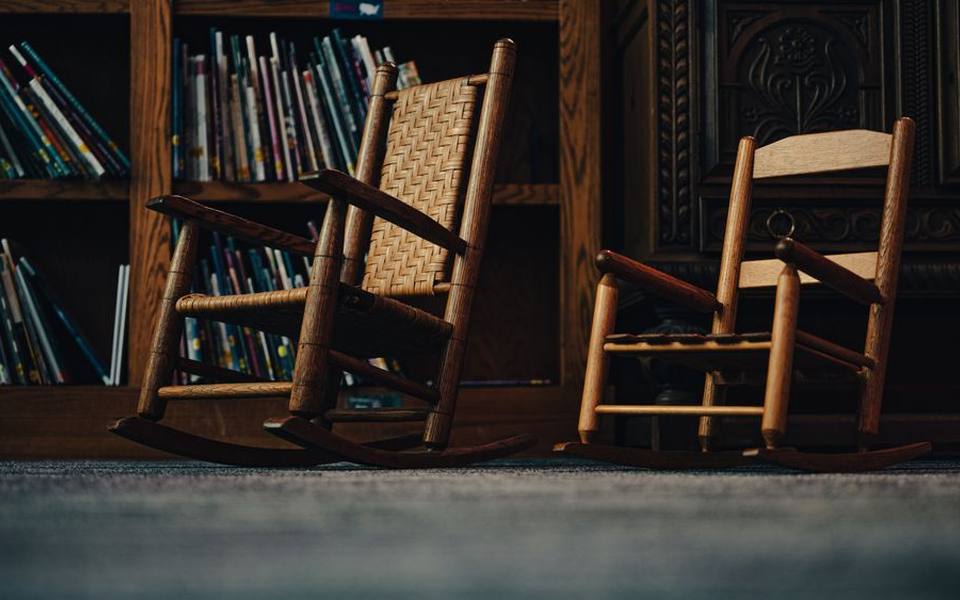
When assessing antique rocking chairs, check the back splat and arms for stress cracks where users historically leaned their body weight. Hand-caned seats and woven rush bases require careful tactile scrutiny, as dry, brittle cane fibers will snap under pressure and typically cost a substantial amount to re-weave properly. Push down gently on the seat perimeter to test the tension; pliable, well-maintained fibers will give slightly without cracking or sagging deeply toward the floor stretcher.
Bentwood rocking armchairs popularized in late Victorian workshops rely on steam-bent beech wood held together by exposed bolts and decorative rosettes. Over generations, these structural bolts can loosen or cause radial stress fractures around the bolt holes if tightened improperly. Inspect every curved member for horizontal stress checks, and gently rock the empty chair on an even surface to verify that both runners track in a parallel line without pulling sideways or squeaking at the arm joints.
Industrial Crafts Desks and Architect Drafting Tables
Original work surfaces built for commercial ateliers, studios, and machine shops have become highly sought-after centerpieces for home offices. An authentic crafts table or heavy industrial crafts desk differs fundamentally from decorative furniture, featuring massive cast-iron gears, counterweight pendulums, and solid pine or maple worktops that bear honest wear from utility knives and drafting compasses. When shopping for an adjustable architect table, test the mechanical quadrant locks and cast-iron hand wheels to ensure the tilt mechanism holds firmly without slipping under hand pressure.
Many vintage work surfaces were designed with oversized proportions to accommodate architectural blueprints or industrial textiles, which means measuring entryways, stairwells, and ceiling clearances is mandatory before purchasing. Look closely at the hardware on drafting desks; authentic nineteenth-century and early twentieth-century examples use heavy iron castings marked with foundry stamps and patent dates, whereas modern reproductions often cut corners using lightweight hollow tube steel and stamped sheet metal painted to resemble weathered iron.
The wood surface of a vintage craft surface carries historical value through its accumulated patina, including ink stains, ruler scratches, and faint pencil guidelines. Avoid pieces that have been heavily planed or dipped in harsh chemical strippers, as this aggressive intervention removes the distinctive character that defines the table. Instead, look for tops protected with simple boiled linseed oil, paste wax, or a stabilized matte lacquer that seals the timber without creating an unnatural high-gloss sheen.
Luxury Reproduction Furnishings and Deep-Seat Sofas
In recent decades, modern luxury reproduction lines known as rh furnishings have popularized an aesthetic defined by oversized proportions, Belgian linen, reclaimed oak timbers, and architectural salvage styling. While inspired by eighteenth-century French parlor furniture and twentieth-century industrial machinery, an authentic rh sofa or deep-profile rh couch relies on modern construction standards that require specific vetting. Because these large-scale seating pieces can measure over eight feet long and forty inches deep, verifying whether the interior frame utilizes kiln-dried solid hardwood or engineered laminate is essential before committing.
Upholstered luxury reproductions often use a multi-layer cushion design featuring a high-density polyurethane foam core wrapped in a channeled down-and-feather blend. When testing these deep lounge couches, sit firmly in the center cushion; quality frames should feel supportive without bottoming out against the suspension deck, and the down envelope should rebound when smoothed by hand. Removable slipcovers woven from heavy Belgian linen or treated performance cotton offer practical advantages, but buyers should confirm the fabric has not developed dry-rot or fiber degradation from intense sunlight exposure.
For homeowners who appreciate modern architectural scale, hunting for gently pre-owned luxury reproductions through high-end antique consignment shops can provide substantial savings compared to showroom prices. Pay close attention to the structural integrity of the suspension system underneath the sofa deck. Top-tier luxury models use eight-way hand-tied steel coil springs or heavy sinuous springs attached with lined metal clips, while cheaper imitation sofas rely on elastic webbing that inevitably stretches and sags within a few years of regular use.
Accent Stands, Pedestals, and Vintage Lamp Tables
Secondary tables and occasional stands are versatile accent items that introduce warmth to living spaces without occupying massive square footage. A vintage lamp table may range from an ornate Victorian pie-crust pedestal stand to a streamlined mid-century walnut side table with tapered legs and brass ferrules. When inspecting any small accent table, check the connection between the vertical column and the base legs, as pedestal furniture often develops a characteristic wobble when the central iron tie-rod or hidden lag screw loosens inside the wooden pillar.
Examine the tabletop for signs of moisture rings, veneer bubbling, or structural splits. Many antique lamp stands featured inset marble slabs designed to catch oil spills from kerosene lamps or heat from early incandescent bulbs. If you encounter a marble-topped table, lift the slab carefully to inspect the wooden sub-frame; warped timber underneath can create uneven pressure points that may cause genuine marble to crack along natural calcite veins when weight is placed on the surface.
Leg construction on vintage end tables also reveals significant clues regarding age and authenticity. Turn the table upside down to inspect whether the legs are integral to the corner posts or joined with modern dowels and pocket screws. Original shellac or nitrocellulose lacquer finishes will show micro-crazing, commonly known as alligatoring, under direct raking light. This microscopic pattern of fine fissures occurs naturally as centuries of temperature fluctuations cause finishes to expand at a different rate than the wood underneath.
Retro Seating: Vintage Chairs and Counter Bar Stools
From early industrial drafting seats to mid-century diner furniture, vintage bar stools and retro accent chairs provide practical functionality in contemporary kitchens and entertainment spaces. The critical factor when purchasing vintage counter seating is verifying the seat height relative to your counter. Historic residential and commercial counters varied widely; vintage bar stools typically measure around thirty inches from floor to seat cushion, whereas counter-height versions measure approximately twenty-four inches. Attempting to fit pub-height stools under a standard modern kitchen island often results in cramped knee space.
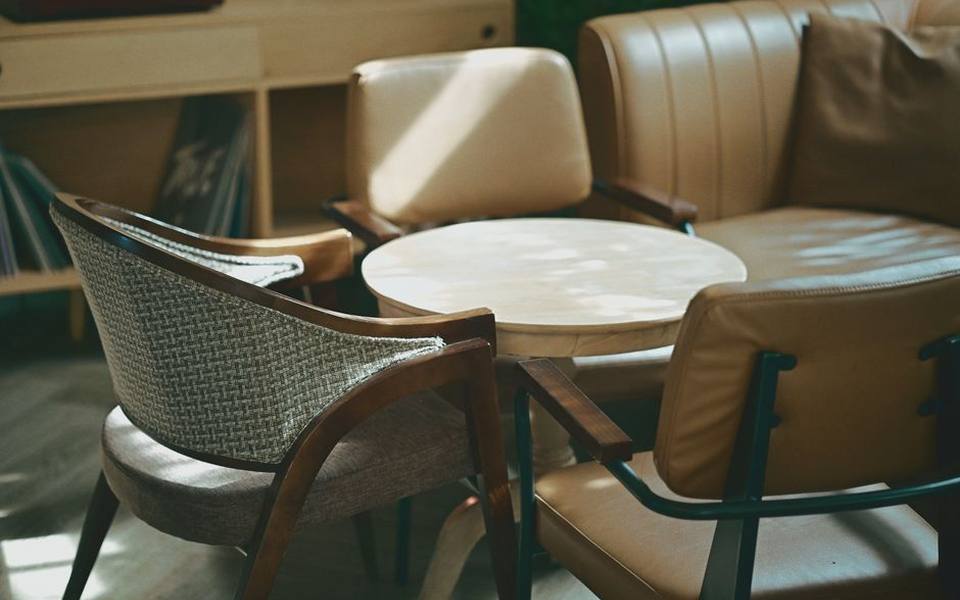
Mechanical swivel stools require thorough inspection of the central threaded screw or ball-bearing plate. Heavy cast-iron threaded stems, common on late nineteenth-century stools, should rotate smoothly through the female casting without binding or wobbling excessively. On mid-century chrome and tubular steel stools, examine the weld joints beneath the seat pan and around the perimeter footrest, as the repeated leverage of climbing onto the stool frequently causes metal fatigue and hairline fractures along welded seams.
Collectors looking for sets of vintage chairs should check consistency across the entire group. It is common for antique dining sets to lose pieces over time, leading sellers to marry similar chairs together. Compare the profile of the turned stretchers, the subtle curve of the chair back, and the exact species of wood across every individual chair. Small differences in turning patterns or carving depth usually indicate that chairs were assembled from separate workshop batches rather than originating from a single coordinated dining room suite.
Historic Bed Frames and Modern Mattress Adaptations
Finding an authentic vintage bed frame that works with modern mattresses requires careful measurement and an understanding of historical bedding sizes. Prior to standard modern twin, full, queen, and king dimensions, beds were built in custom regional sizes, including the three-quarter bed, which measures approximately forty-eight inches wide by seventy-five inches long. A vintage frame made of hand-poured brass, wrought iron, or figured walnut rarely accommodates a modern queen mattress without specialized steel conversion rails or custom-fabricated angle-iron brackets.
Wrought iron and cast brass beds from the Victorian era utilize distinct corner castings called hitch-joints or drop-in brackets that lock the side rails directly into the headboard and footboard without screws. Clean out any debris or hardened grease inside these sockets before setting up the frame, and inspect the cast iron for cracks. Cast iron is brittle, and if an antique bed rail has snapped near the wedge bracket, standard welding will not hold securely; it requires specialized brazing or vintage-style cold stitching to maintain structural safety.
Wooden bed frames featuring towering four-poster columns or ornate headboards demand verification of the original rail attachments. Many early nineteenth-century American beds utilized heavy cast-iron bed bolts concealed beneath swinging brass cover plates, requiring a specific T-shaped bed wrench to tighten. If you purchase an authentic rope bed, check the perimeter rails for turned wooden pegs; converting these historic timber pieces to support modern box springs involves adding interior wooden cleats securely fastened along the inner bottom edge of the rails.
Victorian Fainting Couches and Structural Upholstery
The fainting couch, an asymmetrical daybed with a raised headrest and single arm, stands as one of the most recognizable silhouettes of Victorian parlor decor. Designed originally to accommodate the restrictive corsetry and formal entertaining customs of the late nineteenth century, these pieces feature complex multi-layer internal upholstery. When inspecting an antique fainting couch, press firmly against the rolled arm and backrest; if you feel crinkling, clumping, or hollow spots, the internal horsehair, Spanish moss, and burlap webbing have likely disintegrated with age.
Traditional antique upholstery involves eight-way hand-tied coil springs suspended on heavy jute webbing tacked to the bottom of the hardwood frame. If the springs have broken loose from their twine ties, they can punch upward through the horsehair padding or sag through the bottom cambric cloth. Total reupholstery of a period settee or fainting couch using historically accurate materials can cost significantly more than the initial purchase price of the wooden frame, making it crucial to account for restorative labor before closing a deal.
Pay special attention to the exposed decorative woodwork along the crest rail, apron, and cabriole legs. Victorian pieces frequently featured walnut, rosewood, or ebonized fruitwood carved with floral cartouches, scrolls, and finger moldings. Check for old breaks where the curved backrest joins the main horizontal seat rail, as the immense sideways leverage applied by someone reclining on the headrest makes this joint uniquely susceptible to hidden structural fractures.
Sourcing Strategies Across Antique Malls and Estate Showrooms
Navigating extensive retail venues requires a structured approach to uncover quality vintage furnishings at fair market values. Browsing through established antique malls allows you to compare dozens of independent dealers specializing in different eras under one roof. Unlike boutique galleries where pieces are heavily restored and marked up, multi-dealer venues often yield hidden bargains from vendors who replenish their booths regularly from country auctions and regional house clearances.
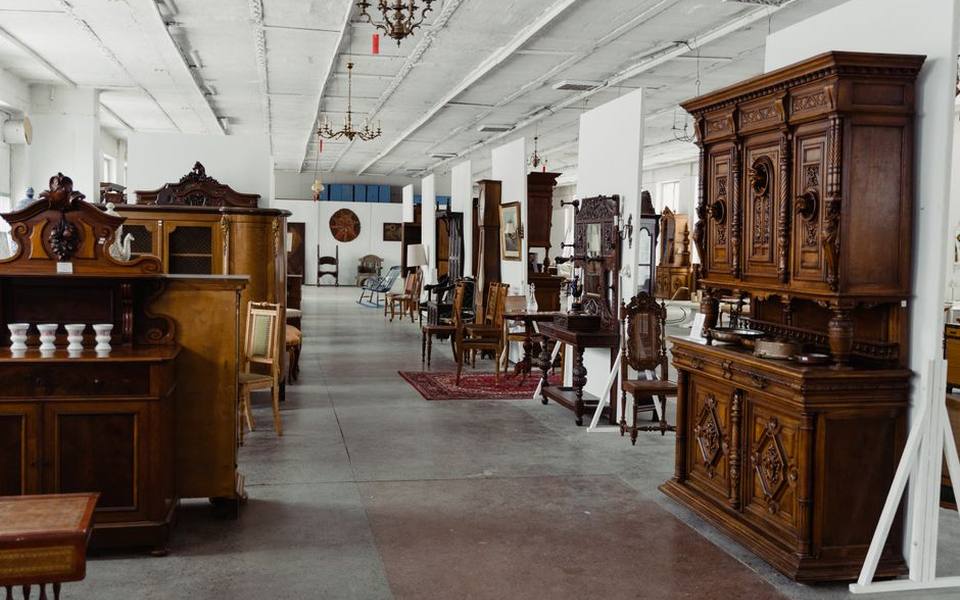
Timing your sourcing trips around local antique shops offering estate sales provides firsthand access to furniture that has remained preserved in single family estates for decades. When attending an estate clearance, arrive equipped with a dependable flashlight, a retractable steel tape measure, and soft moving blankets. Inspect the backs of tall cabinets and the bottoms of upholstery skirts before items are moved, looking specifically for manufacturer paper labels, metal stencils, or maker marks that establish documented provenance.
Logistics represent a major obstacle when shopping for oversized antique furniture. Always inquire with floor staff about on-site holding policies and freight delivery partnerships before negotiating a purchase. Many larger stores can recommend specialized blanket-wrap art and antique transport drivers who understand how to move fragile historic joinery without racking structural joints, whereas conventional parcel shippers or budget movers frequently cause irreversible transit damage to delicate legs and carved moldings.
Value Assessment, Condition Factors, and Restorations
Determining the fair market value of vintage furniture depends heavily on originality, rarity, physical condition, and historical desirability. An original, untouched historic finish with authentic craquelure and mellow coloration almost universally commands a higher market price among serious collectors than a piece that has been aggressively stripped and refinished in modern polyurethane. Surface nicks, minor dents, and honest wear on drawer pulls are widely accepted as authentic character, whereas deep gouges, missing carvings, or dry rot directly diminish investment potential.
When dealing with high-ticket pieces or furniture attributed to renowned historical designers, investing in professional appraisal services provides essential protection. Certified appraisers can verify whether a rare chair is an authentic eighteenth-century original, a late nineteenth-century Centennial reproduction, or a clever contemporary tribute piece. An objective written appraisal also serves as vital documentation for homeowners insurance policies, detailing replacement value in the event of household fire, water damage, or transit loss.
Negotiating prices on vintage furnishings is a customary and respected part of the trade when conducted with polite professionalism. In most antique venues, dealers typically offer an automatic dealer discount of roughly ten to fifteen percent for cash or non-credit card payments on items above a certain dollar threshold. When inquiring about flexibility, ask the floor clerk politely, "Is this the absolute best cash price the dealer can offer?" rather than offering an aggressively low bid that insults the owner's investment and curatorial effort.
Published 2026-09-21 · reviewed with each rebuild, last September 2026.
Find antique stores near you
The directory lists 25,996 antique stores by state and city — pick your state or use the “Near me” button in the header.
More guides
-
 Owning
Cleaning and Polishing Antique Silver Without Damaging the Patina
-
 Money
MoneyNavigating the Market for Vintage Currency
-
 Owning
Evaluating, Using, and Displaying Mid-Century Glassware and Kitchen Antiques
-
 Buying
Navigating Vintage and Antique Jewelry Styles
-
 Owning
How to Clean and Care for Silverware Without Causing Damage
-
 Owning
Vintage Pyrex Value and Safety Guide: Understanding Collector Patterns and Usage
-
 Buying
A Guide to Sourcing Vintage and Estate Jewelry
-
 Money
MoneyValuable Baseball Cards Guide: Spotting Vintage Sports Collectibles
-
 Owning
How to Clean and Restore Antique Wood Furniture
-
 Money
MoneyHow to Find and Use Antique Price Guides Online
-
 Money
MoneyHow to Determine the Value of Old Books and First Editions
-
 Money
MoneyWhere and How to Sell Vintage Coins for the Best Return
-
 Buying
Choosing and Caring for Vintage and Modern Cast Iron Cookware
-
 Owning
How to Polish and Value Antique Silverware at Home
-
 Owning
How to Clean and Polish Antique Wood Furniture Without Damaging It
-
 Buying
Vintage and Classic Cast Iron Cookware: Buyer's, Value, and Care Guide
-
 Buying
Antique Silverware, Vintage Jewelry, and Collectible Coins Guide
-
 Money
MoneyA Practical Guide to Antique Price Guides and Rare Book Valuations
-
 Owning
How to Clean, Polish, and Refinish Antique Wood Furniture
-
 Owning
Ultimate Guide to Vintage and Antique Cast Iron Cookware: Brands, Seasoning, and Care
-
 Owning
How to Clean, Polish, and Value Vintage Silverware and Antique Jewelry
-
 Buying
Valuing Vintage Collectibles: From Rare Dolls and Slot Machines to Classic Lamps and Churns
-
 Owning
How to Clean, Polish, and Refinish Antique Wood Furniture
-
 Money
MoneyVintage Glassware Value Guide: Pyrex, Depression Glass, CorningWare, and Bottles
-
 Money
MoneyAntique & Vintage Price Guides: How to Value Antiques and Collectibles
-
 Buying
How to Value Old Books and First Editions: A Collector's Price Guide
-
 Money
MoneyWhere and How to Sell Vintage Records and Audio Equipment
-
 Buying
How to Buy, Value, and Sell Vintage Coins: A Practical Beginner's Guide
-
 Buying
Estate Sale Guide: How to Find, Buy, and Liquidate Antiques
-
 Buying
Vintage and Modern Cast Iron Cookware: Identification, Seasoning, Buying, and Care
-
 Money
MoneyComprehensive Guide to Antique Values, Old Books, and Collectibles Pricing
-
 Owning
Cleaning and Caring for Vintage Silverware, Fine Jewelry, and Antique Metals
-
 Owning
How to Clean, Polish, and Refinish Antique Wood Furniture
-
 Buying
Vintage and Modern Cast Iron Cookware: Identification, Caring, and Buying Guide
-
 Owning
Antique Silverware: Cleaning, Polishing at Home, and Value Guide
-
 Owning
Care, Polishing, and Refinishing Guide for Antique Wood Furniture
-
 Buying
Vintage Pyrex, Glassware, and Depression Glass Identification and Value Guide
-
 Money
MoneyAntique Price Guides: How to Value and Sell Antiques Online and Offline
-
 Money
MoneyCollectible Old Books and First Editions: Valuation and Identification Guide
-
 Buying
Vintage Sewing Machines, Stoves, and Antique Tools Value Guide
-
 Buying
Collector Guide to Vintage Door Hardware, Knobs, and Cabinet Pulls
-
 Owning
Antique & Vintage Dolls: Values, Identification, and Care
-
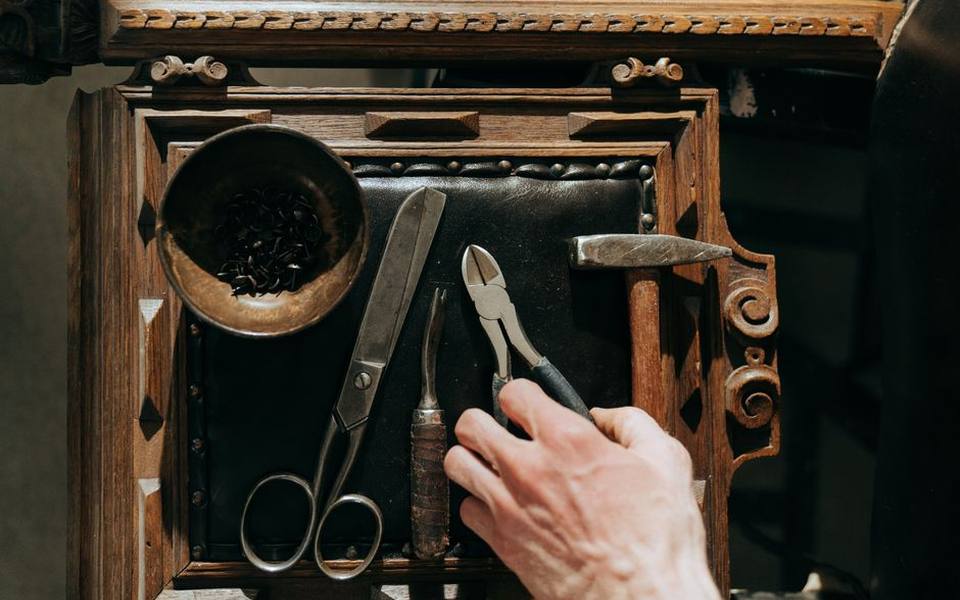 Buying
Antique Hoosier Cupboards and Vintage Desks: History, Identification, and Value
-
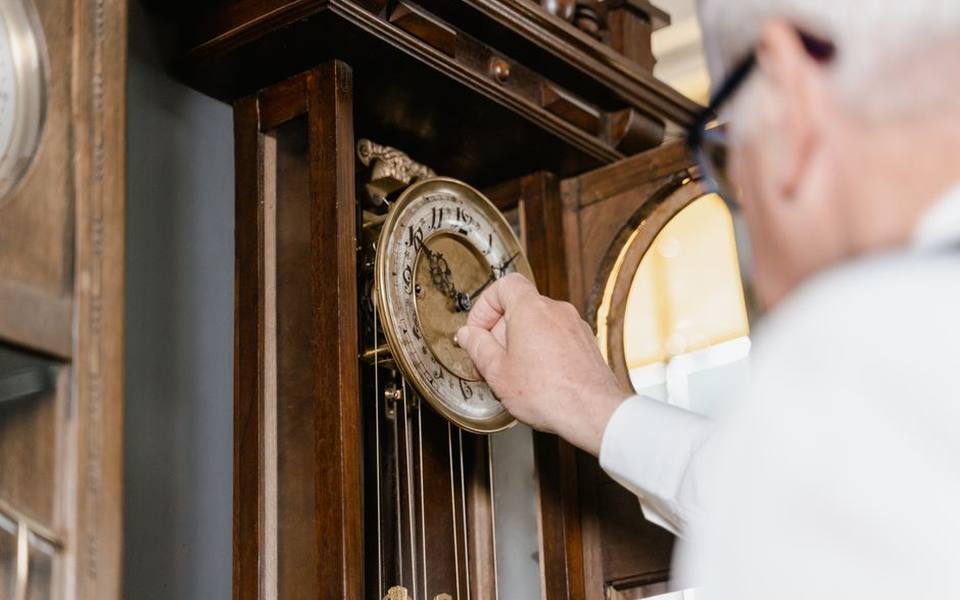 Service
Grandfather, Wall, and Pocket Clock Repair and Identification Guide
-
 Owning
Antique Rotary Telephones and Landlines: Buying, Restoring, and Converting
-
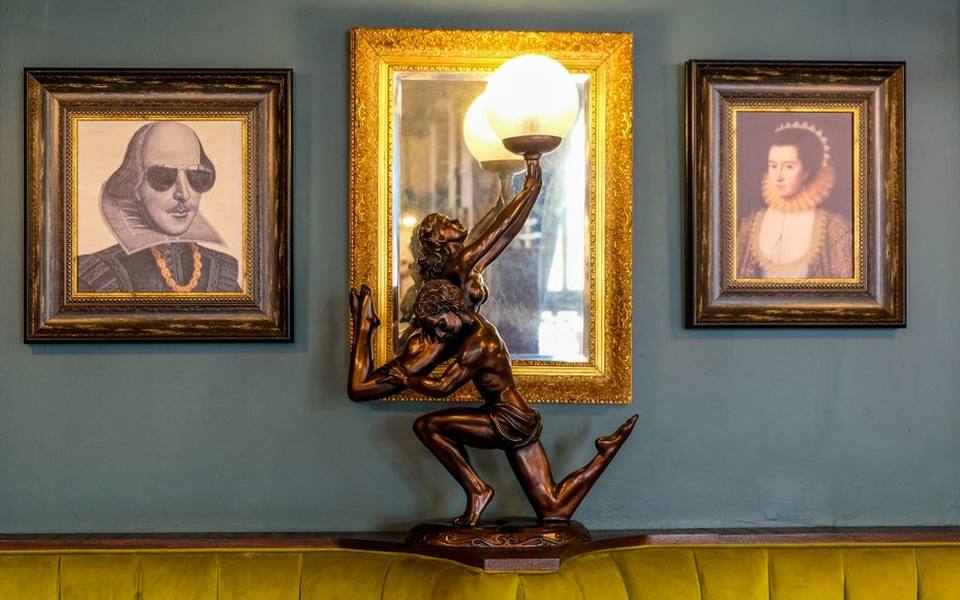 Owning
Collecting Vintage Picture Frames and Oil Paintings: Framing and Restoration
-
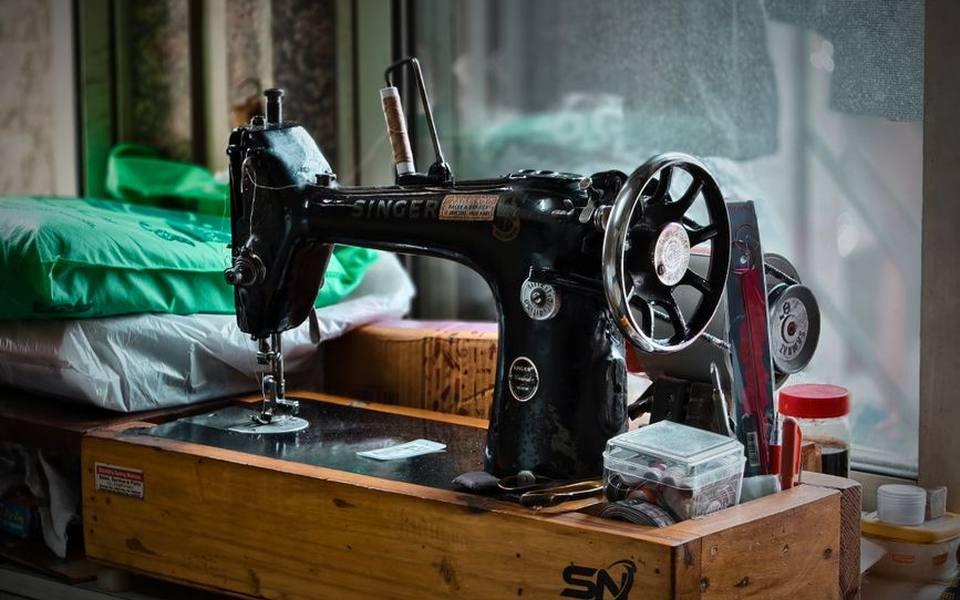 Buying
Antique Sewing Machines and Spinning Wheels: Value, Brands, and Maintenance
-
 Buying
Antique Wood Stoves and Log Burners: Buying, Safety, and Restoration Guide
-
 Buying
Depression Glass and Antique Canning Jars: Identification and Values
-
 Buying
Vintage Mirrors: Identifying, Buying, and Styling Antique Glass
-
 Owning
Antique Silverware and Silverplate Flatware: Cleaning, Identification, and Value
-
 Buying
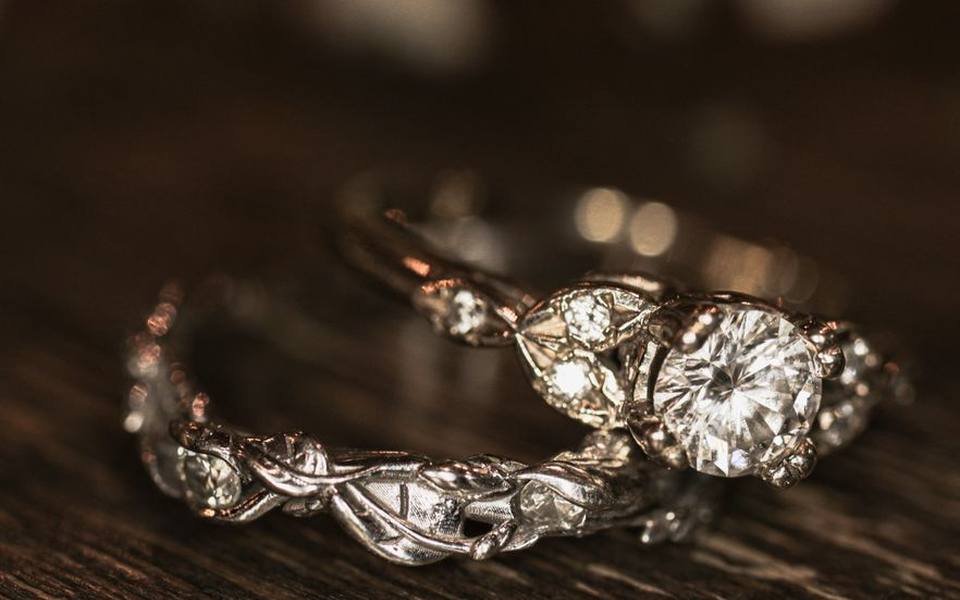
Vintage Engagement Rings and Art Deco Jewelry: Buying and Valuation
-
 Buying
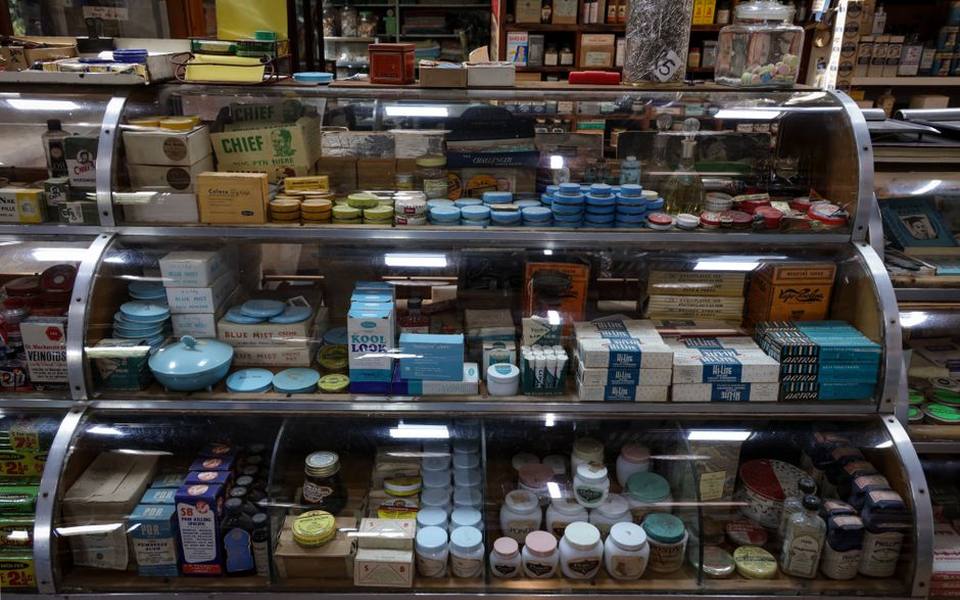
Collector Guide to Vintage Toys, Lighters, Sports Ephemera, and Curios
-
 Buying
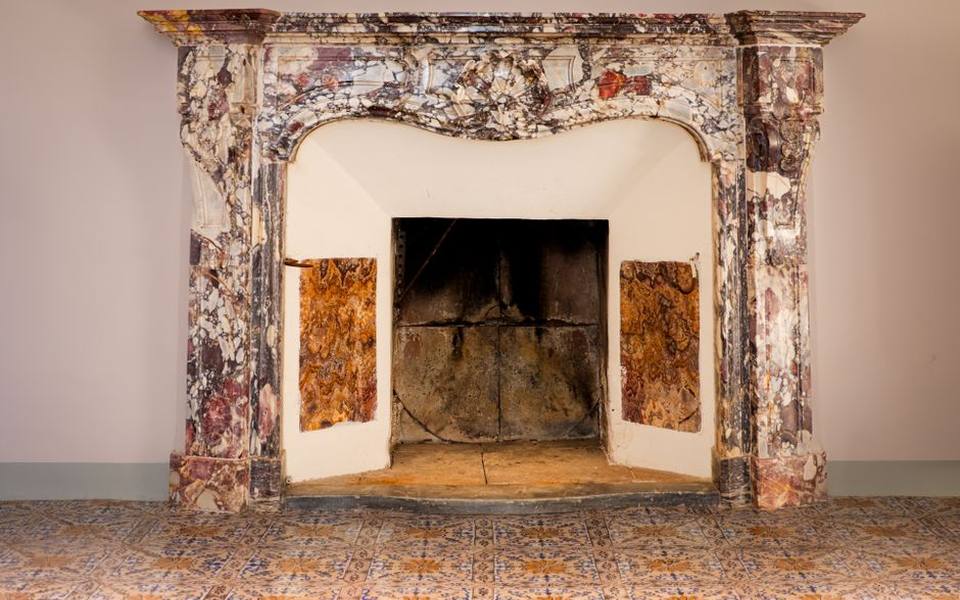
Architectural Salvage Guide: Sourcing Stained Glass, Mantels, and Historic Hardware
-
 Buying
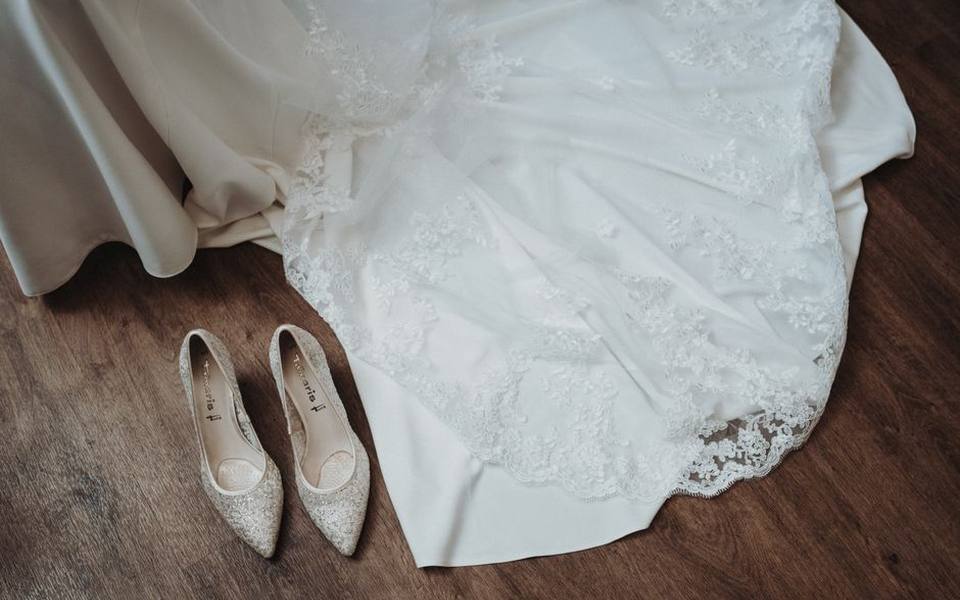
Vintage Fashion and Heirloom Style: Sourcing Dresses, Denim, Leather, and Ephemera