Understanding the appeal of historic pieces
Choosing older jewelry requires understanding the specific era it originates from, the materials used, and the item's condition. Unlike modern mass-produced goods, historic pieces reflect distinct manufacturing techniques of their respective decades. A delicate Victorian mourning piece will feel completely different from a heavy mid-century design in both weight and craftsmanship.
Differentiating between antique and vintage classifications is usually the first step for any buyer. Antique generally refers to items over a century old, while vintage covers pieces from roughly the 1930s through the 1980s. When you browse shops specializing in jewelry and coins, knowing these timelines helps you evaluate origins.
Evaluating a piece effectively means looking closely at natural wear. Older precious metals might show a gentle, warm patina, and gemstones may have minor abrasions on their facets. A reputable dealer will gladly point out these natural signs of aging, which often authenticate the piece rather than detract from its historical value.
The geometry and glamour of the early twentieth century
The design shift following the First World War brought a distinctive style recognized for bold geometric shapes and contrasting colors. This era moved away from the delicate lines of the Edwardian period, favoring platinum settings. Jewelers began showcasing sharp, symmetrical diamond cuts paired with vibrant emeralds, rubies, or sapphires.
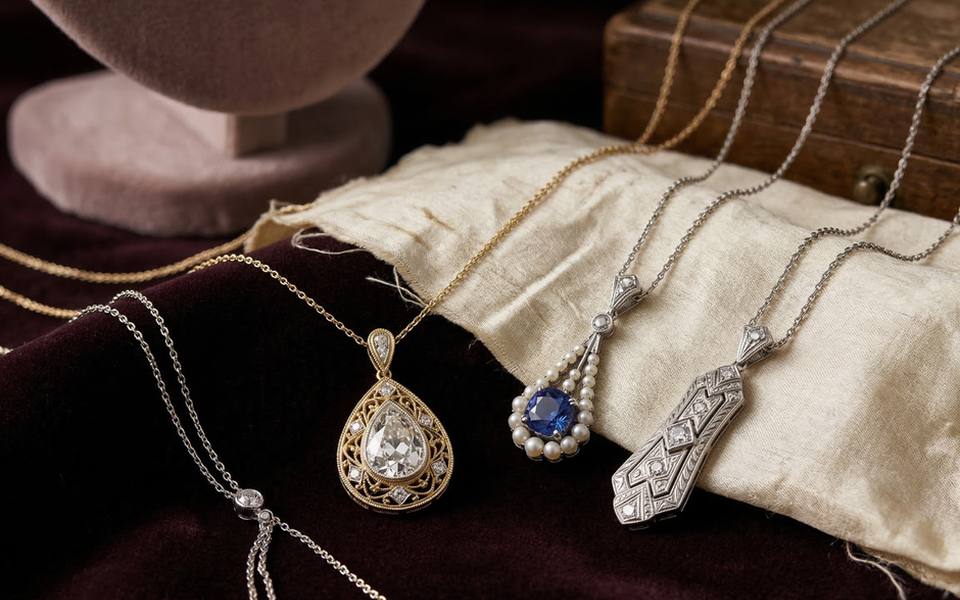
The architectural influence of the time is heavily reflected in these striking pieces. Jewelers frequently used step-cut stones and created tiered, structural designs resembling the rising skyscrapers of major cities. If you examine a piece from this period, you will typically notice a precise, industrial quality to the intricate metalwork.
Because this aesthetic remains popular, later reproductions are quite common. True period pieces often feature older diamond cutting techniques, such as European cuts, possessing a different sparkle compared to modern round brilliants. Getting a professional evaluation from on-site appraisal services can confirm whether the materials align with the original era.
Statement rings and mid-century designs
Moving into the Prohibition era and through the 1950s, jewelry became noticeably larger. Women began wearing oversized, dramatic rings on their right hands, often featuring a massive center stone surrounded by smaller gems. These were designed to draw immediate attention at social gatherings, which cemented their enduring popular name.
During this mid-century period, designers favored warm-toned metals like yellow and rose gold, often blending them together. The designs became more sculptural and three-dimensional, sometimes resembling ribbons or bows. The stones used were frequently large aquamarines or amethysts, providing significant visual impact without the prohibitive cost of large diamonds.
When evaluating these oversized items, it is important to check the structural integrity of the setting. Because the stones are large and sit high off the finger, the prongs are more susceptible to catching on clothing. A thorough inspection of the prongs ensures the main stone remains secure for daily wear.
Navigating the market for older brooches and pins
Pins and brooches have experienced fluctuations in mainstream popularity, but certain historic pieces maintain significant value among collectors. The worth of these items depends on the designer, the era, and the materials used. A fine Victorian cameo or a heavy mid-century piece set in solid gold will generally hold steady interest.
Evaluating a brooch involves looking closely at the mechanical clasp. Older pieces typically feature a simple C-clasp or a trombone clasp, which helps date the item accurately. Modern locking roll-over clasps did not become widely used until the mid-twentieth century, so finding one on an older piece usually indicates a later repair.
If you enjoy hunting for these specific decorative items, taking your time to browse different venues is essential. Exploring locations with multiple dealers selling under one roof allows you to compare various styles side by side. This environment helps you understand pricing tiers based on condition and material quality.
Finding the right ring with a history
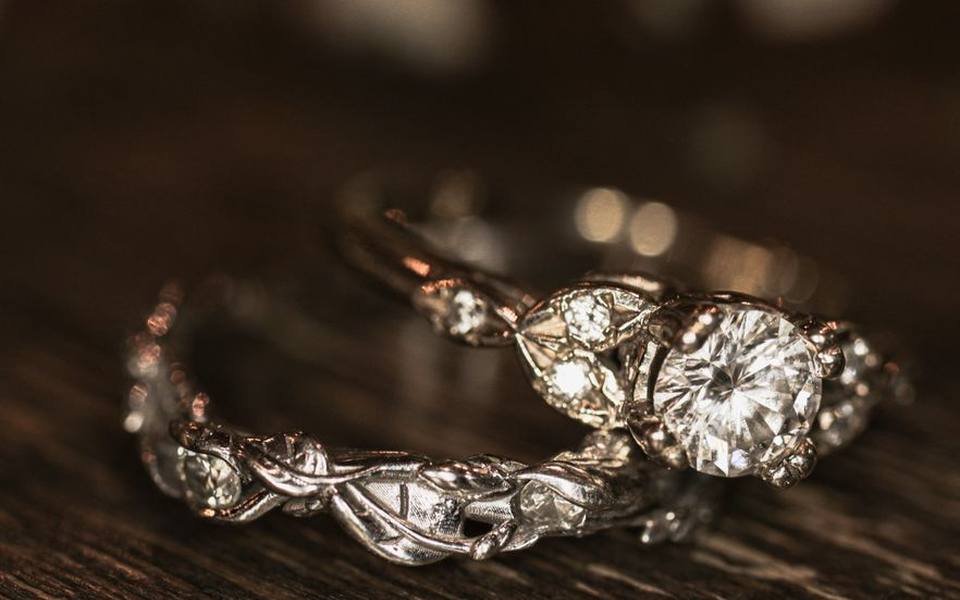
Selecting a historic ring for a proposal offers a level of traditional craftsmanship hard to find in modern retail stores. Buyers are usually drawn to the romantic history and the eco-friendly aspect of purchasing an existing ring. However, finding the right one requires patience and an understanding of structural durability.
The setting style is a major consideration for daily wear. The delicate filigree of an Edwardian ring might not hold up well to a highly active lifestyle, whereas a low-profile bezel setting from a later era offers better protection. It is crucial to match the antique setting with the wearer's daily habits.
Sourcing these meaningful rings involves looking beyond traditional mall jewelers. Many buyers find success exploring independent estate jewelers or antique stores in California and other large markets, where estate sales frequently bring high-quality rings into local circulation. Building a relationship with a knowledgeable dealer ensures accurate information about previous restorations.
Best practices for viewing and purchasing
When purchasing historic jewelry, always ask direct questions about the item's previous condition history. Find out if the stones are original to the setting, if there have been major repairs, or if the ring has been resized multiple times. Excessive resizing can weaken the band, potentially requiring a costly repair later.
Understand the store's return policies and authentication guarantees before finalizing a transaction. In most states, reputable dealers will gladly provide a detailed receipt outlining the metal content, the approximate age, and gemstone specifics. This written documentation is vital for your peace of mind and for obtaining future insurance coverage.
Timing your shopping trips can also significantly impact your overall browsing experience. Many dedicated collectors prefer to shop when new inventory is fresh on display. If you have limited free time during the week, seeking out antique stores open on Sunday gives you the flexibility to thoroughly inspect pieces without feeling rushed.
Published 2026-09-20 · reviewed with each rebuild, last September 2026.
Find antique stores near you
The directory lists 25,996 antique stores by state and city — pick your state or use the “Near me” button in the header.
More guides
-
 Owning
Cleaning and Polishing Antique Silver Without Damaging the Patina
-
 Money
MoneyNavigating the Market for Vintage Currency
-
 Owning
Evaluating, Using, and Displaying Mid-Century Glassware and Kitchen Antiques
-
 Owning
How to Clean and Care for Silverware Without Causing Damage
-
 Owning
Vintage Pyrex Value and Safety Guide: Understanding Collector Patterns and Usage
-
 Buying
A Guide to Sourcing Vintage and Estate Jewelry
-
 Money
MoneyValuable Baseball Cards Guide: Spotting Vintage Sports Collectibles
-
 Owning
How to Clean and Restore Antique Wood Furniture
-
 Money
MoneyHow to Find and Use Antique Price Guides Online
-
 Money
MoneyHow to Determine the Value of Old Books and First Editions
-
 Money
MoneyWhere and How to Sell Vintage Coins for the Best Return
-
 Buying
Choosing and Caring for Vintage and Modern Cast Iron Cookware
-
 Owning
How to Polish and Value Antique Silverware at Home
-
 Owning
How to Clean and Polish Antique Wood Furniture Without Damaging It
-
 Buying
Vintage and Classic Cast Iron Cookware: Buyer's, Value, and Care Guide
-
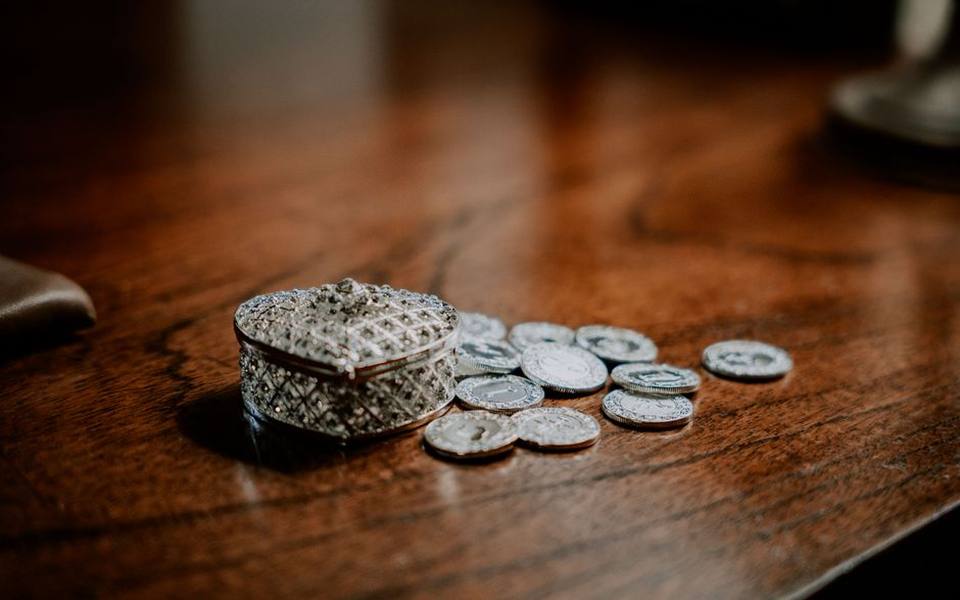 Buying
Antique Silverware, Vintage Jewelry, and Collectible Coins Guide
-
 Money
MoneyA Practical Guide to Antique Price Guides and Rare Book Valuations
-
 Owning
How to Clean, Polish, and Refinish Antique Wood Furniture
-
 Owning
Ultimate Guide to Vintage and Antique Cast Iron Cookware: Brands, Seasoning, and Care
-
 Owning
How to Clean, Polish, and Value Vintage Silverware and Antique Jewelry
-
 Buying
Valuing Vintage Collectibles: From Rare Dolls and Slot Machines to Classic Lamps and Churns
-
 Owning
How to Clean, Polish, and Refinish Antique Wood Furniture
-
 Money
MoneyVintage Glassware Value Guide: Pyrex, Depression Glass, CorningWare, and Bottles
-
 Money
MoneyAntique & Vintage Price Guides: How to Value Antiques and Collectibles
-
 Buying
How to Value Old Books and First Editions: A Collector's Price Guide
-
 Money
MoneyWhere and How to Sell Vintage Records and Audio Equipment
-
 Buying
How to Buy, Value, and Sell Vintage Coins: A Practical Beginner's Guide
-
 Buying
Estate Sale Guide: How to Find, Buy, and Liquidate Antiques
-
 Buying
Vintage and Modern Cast Iron Cookware: Identification, Seasoning, Buying, and Care
-
 Money
MoneyComprehensive Guide to Antique Values, Old Books, and Collectibles Pricing
-
 Owning
Cleaning and Caring for Vintage Silverware, Fine Jewelry, and Antique Metals
-
 Owning
How to Clean, Polish, and Refinish Antique Wood Furniture
-
 Buying
Vintage and Modern Cast Iron Cookware: Identification, Caring, and Buying Guide
-
 Owning
Antique Silverware: Cleaning, Polishing at Home, and Value Guide
-
 Owning
Care, Polishing, and Refinishing Guide for Antique Wood Furniture
-
 Buying
Vintage Pyrex, Glassware, and Depression Glass Identification and Value Guide
-
 Money
MoneyAntique Price Guides: How to Value and Sell Antiques Online and Offline
-
 Money
MoneyCollectible Old Books and First Editions: Valuation and Identification Guide
-
 Buying
Vintage Sewing Machines, Stoves, and Antique Tools Value Guide
-
 Buying
Collector Guide to Vintage Door Hardware, Knobs, and Cabinet Pulls
-
 Owning
Antique & Vintage Dolls: Values, Identification, and Care
-
 Buying
Antique Hoosier Cupboards and Vintage Desks: History, Identification, and Value
-
 Service
Grandfather, Wall, and Pocket Clock Repair and Identification Guide
-
 Owning
Antique Rotary Telephones and Landlines: Buying, Restoring, and Converting
-
 Owning
Collecting Vintage Picture Frames and Oil Paintings: Framing and Restoration
-
 Buying
Antique Sewing Machines and Spinning Wheels: Value, Brands, and Maintenance
-
 Buying
Antique Wood Stoves and Log Burners: Buying, Safety, and Restoration Guide
-
 Buying
Depression Glass and Antique Canning Jars: Identification and Values
-
 Buying
Vintage Mirrors: Identifying, Buying, and Styling Antique Glass
-
 Owning
Antique Silverware and Silverplate Flatware: Cleaning, Identification, and Value
-
 Buying
Vintage Engagement Rings and Art Deco Jewelry: Buying and Valuation
-
 Buying
Buyer Guide to Vintage and Antique Furniture: Seating, Tables, Desks, and Reproductions
-
 Buying
Collector Guide to Vintage Toys, Lighters, Sports Ephemera, and Curios
-
 Buying
Architectural Salvage Guide: Sourcing Stained Glass, Mantels, and Historic Hardware
-
 Buying
Vintage Fashion and Heirloom Style: Sourcing Dresses, Denim, Leather, and Ephemera