How Price Guides Work in Today's Secondary Market
Determining the fair market value of vintage collectibles or century-old volumes begins with understanding how modern valuation references function. Decades ago, printed reference manuals provided standardized retail benchmarks that collectors carried to flea markets and estate liquidations. Today, digital databases record completed transactions in real time, making valuation an empirical study of what buyers actually paid rather than an arbitrary sticker price.
When consulting an antique value price guide online or in print, remember that values reflect specific sales environments. An item sold at a rural clearing sale will command a different sum than the same piece displayed in a high-end metropolitan gallery. Printed price compilations like the long-running Kovels Antiques and Collectibles Price Guide offer excellent general baselines, but live sales records must substantiate the numbers.
Before investing time or money into buying or selling, it helps to distinguish between insurance replacement value, auction estimate, and realistic dealer payout. Insurance evaluations assume immediate retail replacement at peak market rates, whereas dealer purchasing offers typically hover around one-third to one-half of prospective retail to account for storage, overhead, and inventory holding risks.
Evaluating Online Databases Versus Printed Compilations
Online valuation resources have largely outpaced traditional annual paperbacks because collectible markets fluctuate rapidly with shifting consumer decor trends. Digital platforms allow you to search historical hammer prices from national auction houses alongside verified dealer sales. This dynamic data provides an honest snapshot of current liquidity across thousands of collectible categories.
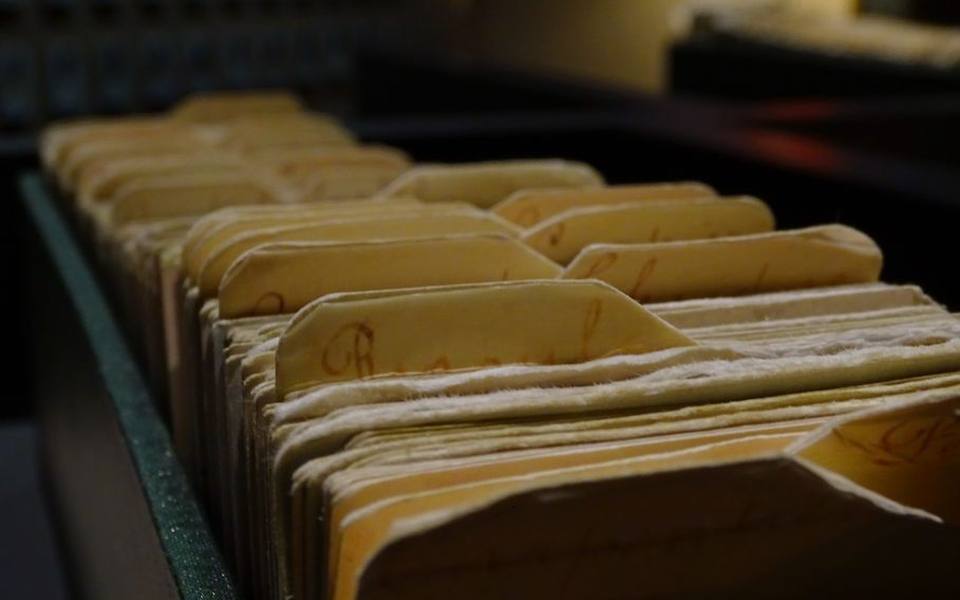
However, physical reference volumes like the well-known Kovels series remain indispensable tools for physical identification. These printed works excel at categorizing obscure maker marks, clarifying production timelines, and identifying manufacturing variations that online keyword searches often miss. Experienced pickers often utilize books for physical identification and digital tools for current pricing.
When browsing regional shops or exploring multi-dealer venues, knowing which resource to pull up on your phone saves significant time. If you find yourself hunting inventory at large antique malls where hundreds of independent booths display goods under one roof, cross-referencing marked prices against completed secondary transactions ensures you never overpay for common mid-century novelties.
First Editions, Printings, and Rare Book Terminology
Determining vintage book prices requires a firm grasp of bibliographical terminology. The term first edition simply indicates the initial run of printing plates produced by the original publisher, but commercial value usually attaches strictly to the first printing of that first edition. Later print impressions within the same edition run generally bring substantially lower sums on the secondary market.
Publishers across the nineteenth and twentieth centuries used wildly divergent systems to designate first print runs. Some houses printed first edition clearly on the copyright page, while others employed descending number lines, letter codes, or matching dates on the title and copyright pages. Pinpointing true priority often demands consulting specialized author bibliographies or publisher imprint guides.
Without proper identification of these points of issue—small typographic errors, paper variations, or binding alterations unique to the earliest copies off the press—an old book value guide can easily mislead you. A printing that looks identical to an inexperienced eye might be a third state reprint worth twenty dollars instead of two thousand.
Assessing Book Condition and the Importance of Dust Jackets
In rare book collecting, physical condition dictates realized market values more than almost any other factor. Standard grading scales run from poor, fair, and good up through very good, fine, and mint or as-new. In the rare book trade, the word good actually indicates a worn reading copy with noticeable defects, while very good represents an attractive copy with minor handling wear.
Key structural flaws to look for include cracked hinges, leaning spines, foxing—which appears as brown spotting on paper caused by mold or iron oxidation—and pencil or ink inscriptions. Sunned spine cloth, trimmed page edges, and dampstaining from ambient moisture will drastically reduce collector appeal, often dropping an item's market value by fifty to eighty percent.
For twentieth-century literature, the original dust jacket frequently accounts for seventy to ninety percent of the total collectible value. A first-edition novel surviving in exceptional condition without its dust jacket might fetch two hundred dollars, whereas the exact same copy preserved in an unclipped, unchipped jacket could command several thousand dollars at auction.
Distinguishing Truly Rare Volumes from Common Old Paper
A common misconception among beginner collectors is that age automatically confers monetary worth. Countless nineteenth-century family Bibles, leather-bound encyclopedias, Victorian school primers, and outdated theological treaties survive in massive numbers. Because millions of these volumes were preserved as sacred or educational items, current supply vastly outstrips collector demand, keeping typical values quite modest.
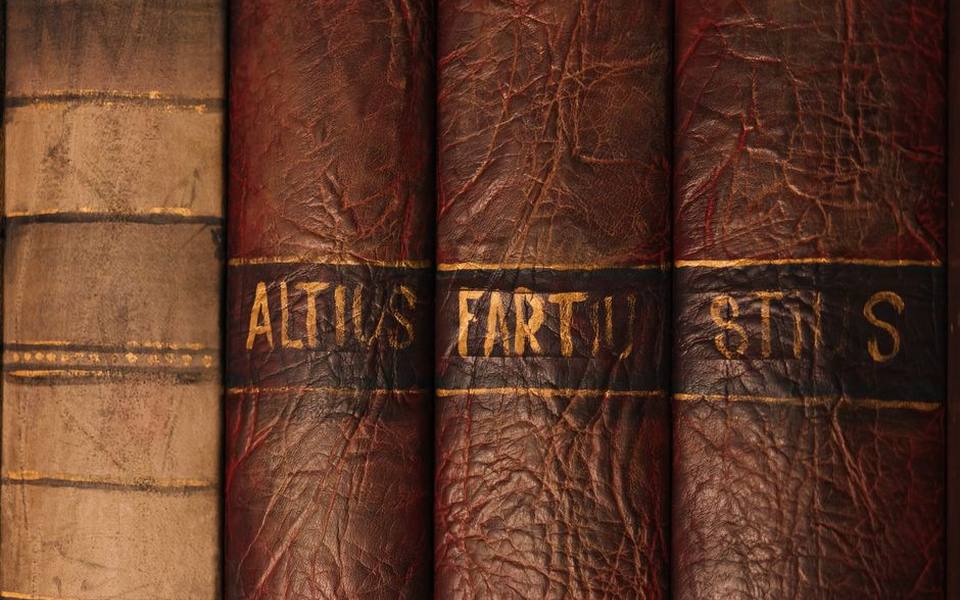
Rarity in the antiquarian trade relies on enduring cultural, scientific, or literary importance combined with actual scarcity. Seminal works in medicine, early travel journals containing unrecorded maps, landmark philosophical treatises, and landmark novels that defined generations remain perpetually desirable. Without historical importance or aesthetic brilliance, antiquity alone rarely creates significant market value.
When researching a title using an antique book price guide, look closely at auction records over the last five to ten years rather than speculative retail listings. If thirty identical copies of an 1870 volume are currently listed for sale across dealer networks, the book is neither rare nor particularly valuable, regardless of its leather binding or gilt page edges.
How Physical Condition Governs General Antique Values
Just as dust jackets dictate modern literature prices, surface integrity controls the value of decorative arts, glassware, porcelain, and vintage hardware. A single hairline crack, repaired porcelain handle, or polished-out chip in art glass can reduce a piece's trade value by half or more. Advanced collectors pay top premiums exclusively for immaculate, unaltered examples.
Patina is another crucial aspect that amateur pickers frequently misunderstand. Scrubbing the aged tarnish from historic brass or applying abrasive chemical cleaners to sterling silver will permanently strip the original factory finish. Likewise, stripping the aged varnish or original milk paint from historical cabinetry destroys the historical surface that authenticators look for.
If you encounter questionable surfaces while exploring dedicated antique furniture stores, examine the underside, interior drawer joinery, and backboards for natural oxidation. Genuine wood aging produces distinct color shifts and micro-shrinkage around hand-cut dovetails that reproduction shops cannot easily replicate.
Interpreting Asking Prices Versus Realized Completed Sales
The most critical rule in utilizing any vintage price guide is understanding the difference between asking prices and realized sales. Anyone can list a common twentieth-century kitchen timer or mass-market paperback for five hundred dollars on an online marketplace. Viewing unverified asking prices creates an inflated sense of worth that leads to poor purchasing choices.
Realized transactions—documented hammer prices from reputable auctioneers or completed sale records from verified secondary platforms—are the only metrics that demonstrate true collector demand. When studying price history, discard both the highest recorded transaction, which may involve two irrational bidders, and the lowest fire-sale price to identify the realistic middle tier.
Seasonality and geographic interest also sway realized sales figures. Nautical folk art generally commands stronger returns along coastal states, while primitive farm implements consistently perform better throughout rural regions. Factoring in transport costs and regional collecting tastes prevents miscalculating your potential margin.
Understanding Secondary Markets and Liquidation Channels
Finding an accurate figure in an antique book value guide is only half the battle; converting physical objects into cash requires selecting the correct sales venue. Selling an inherited library or historical artifact through quick-cash pawn channels or generic yard sales inevitably yields pennies on the dollar compared to curated liquidation paths.
Professional vendors often place specialized decorative arts or collectibles with dedicated antique consignment shops that already maintain an established clientele for high-tier goods. Consignment arrangements take longer to liquidate inventory and involve commission percentages, but they typically achieve far higher gross returns than hurried direct sales to wholesale pickers.
Similarly, dealing with whole households of accumulated family heirlooms requires organized staging. Liquidators managing antique shops offering estate sales possess the local market knowledge needed to price thousands of items appropriately, ensuring rare volumes and vintage jewelry receive proper research rather than being bundled into indiscriminate clearance boxes.
When to Engage Independent Professional Appraisers
Self-guided valuation using reference manuals and historical online databases works well for routine discoveries, but significant discoveries warrant professional verification. If you suspect an acquired painting, signed manuscript, or coin collection carries substantial worth, relying solely on consumer price guides introduces major legal and financial exposure.
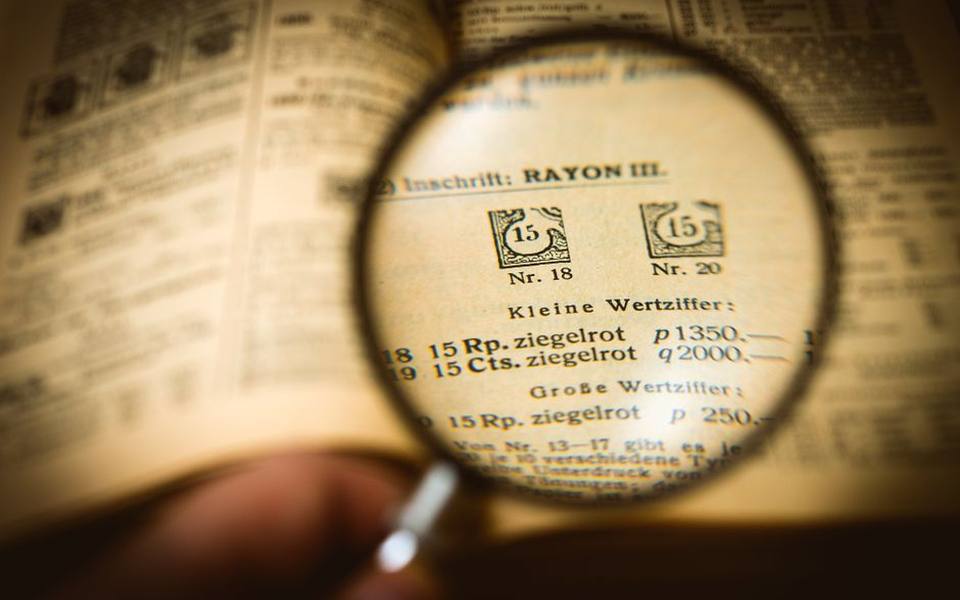
Engaging certified appraisal services provides you with legally binding documentation that meets formal standards set by appraisal trade organizations. These written valuations are mandatory for estate tax settlement, charitable donation tax deductions, and securing specialized personal property insurance riders from underwriting carriers.
Always ensure your hired appraiser charges an hourly fee or flat contract rate rather than a percentage of the assessed collection value. Working with fee-based specialists ensures total impartiality, eliminating any financial incentive for the assessor to inflate figures or undervalue items in hopes of buying them cheap for their own showroom.
Practical Valuation Workflow for New Collectors
To establish a repeatable valuation process for unfamiliar items, begin by cataloging physical attributes. Record maker stamps, patents, serial numbers, dimensions, materials, and visible flaws before searching. For literature, note the publisher, printing year, binding texture, page count, and exact copyright phrasing to pinpoint the exact printing.
Next, cross-reference those specific marks across reputable identification guides to verify that the piece is an authentic original rather than a later decorative reproduction. Once authenticity is established, query multiple independent auction databases to compare at least three to five recent sales of comparable condition within the past twenty-four months.
Finally, adjust your expected value down if your item displays condition issues not present on the reference sales. Whether you are inspecting collectible volumes or visiting local antique jewelry & coin shops, approaching valuation with documented research and conservative condition grades ensures you navigate the trade with total confidence.
Published 2026-09-20 · reviewed with each rebuild, last September 2026.
Find antique stores near you
The directory lists 25,996 antique stores by state and city — pick your state or use the “Near me” button in the header.
More guides
-
 Owning
Cleaning and Polishing Antique Silver Without Damaging the Patina
-
 Money
MoneyNavigating the Market for Vintage Currency
-
 Owning
Evaluating, Using, and Displaying Mid-Century Glassware and Kitchen Antiques
-
 Buying
Navigating Vintage and Antique Jewelry Styles
-
 Owning
How to Clean and Care for Silverware Without Causing Damage
-
 Owning
Vintage Pyrex Value and Safety Guide: Understanding Collector Patterns and Usage
-
 Buying
A Guide to Sourcing Vintage and Estate Jewelry
-
 Money
MoneyValuable Baseball Cards Guide: Spotting Vintage Sports Collectibles
-
 Owning
How to Clean and Restore Antique Wood Furniture
-
 Money
MoneyHow to Find and Use Antique Price Guides Online
-
 Money
MoneyHow to Determine the Value of Old Books and First Editions
-
 Money
MoneyWhere and How to Sell Vintage Coins for the Best Return
-
 Buying
Choosing and Caring for Vintage and Modern Cast Iron Cookware
-
 Owning
How to Polish and Value Antique Silverware at Home
-
 Owning
How to Clean and Polish Antique Wood Furniture Without Damaging It
-
 Buying
Vintage and Classic Cast Iron Cookware: Buyer's, Value, and Care Guide
-
 Buying
Antique Silverware, Vintage Jewelry, and Collectible Coins Guide
-
 Owning
How to Clean, Polish, and Refinish Antique Wood Furniture
-
 Owning
Ultimate Guide to Vintage and Antique Cast Iron Cookware: Brands, Seasoning, and Care
-
 Owning
How to Clean, Polish, and Value Vintage Silverware and Antique Jewelry
-
 Buying
Valuing Vintage Collectibles: From Rare Dolls and Slot Machines to Classic Lamps and Churns
-
 Owning
How to Clean, Polish, and Refinish Antique Wood Furniture
-
 Money
MoneyVintage Glassware Value Guide: Pyrex, Depression Glass, CorningWare, and Bottles
-
 Money
MoneyAntique & Vintage Price Guides: How to Value Antiques and Collectibles
-
 Buying
How to Value Old Books and First Editions: A Collector's Price Guide
-
 Money
MoneyWhere and How to Sell Vintage Records and Audio Equipment
-
 Buying
How to Buy, Value, and Sell Vintage Coins: A Practical Beginner's Guide
-
 Buying
Estate Sale Guide: How to Find, Buy, and Liquidate Antiques
-
 Buying
Vintage and Modern Cast Iron Cookware: Identification, Seasoning, Buying, and Care
-
 Money
MoneyComprehensive Guide to Antique Values, Old Books, and Collectibles Pricing
-
 Owning
Cleaning and Caring for Vintage Silverware, Fine Jewelry, and Antique Metals
-
 Owning
How to Clean, Polish, and Refinish Antique Wood Furniture
-
 Buying
Vintage and Modern Cast Iron Cookware: Identification, Caring, and Buying Guide
-
 Owning
Antique Silverware: Cleaning, Polishing at Home, and Value Guide
-
 Owning
Care, Polishing, and Refinishing Guide for Antique Wood Furniture
-
 Buying
Vintage Pyrex, Glassware, and Depression Glass Identification and Value Guide
-
 Money
MoneyAntique Price Guides: How to Value and Sell Antiques Online and Offline
-
 Money
MoneyCollectible Old Books and First Editions: Valuation and Identification Guide
-
 Buying
Vintage Sewing Machines, Stoves, and Antique Tools Value Guide
-
 Buying
Collector Guide to Vintage Door Hardware, Knobs, and Cabinet Pulls
-
 Owning
Antique & Vintage Dolls: Values, Identification, and Care
-
 Buying
Antique Hoosier Cupboards and Vintage Desks: History, Identification, and Value
-
 Service
Grandfather, Wall, and Pocket Clock Repair and Identification Guide
-
 Owning
Antique Rotary Telephones and Landlines: Buying, Restoring, and Converting
-
 Owning
Collecting Vintage Picture Frames and Oil Paintings: Framing and Restoration
-
 Buying
Antique Sewing Machines and Spinning Wheels: Value, Brands, and Maintenance
-
 Buying
Antique Wood Stoves and Log Burners: Buying, Safety, and Restoration Guide
-
 Buying
Depression Glass and Antique Canning Jars: Identification and Values
-
 Buying
Vintage Mirrors: Identifying, Buying, and Styling Antique Glass
-
 Owning
Antique Silverware and Silverplate Flatware: Cleaning, Identification, and Value
-
 Buying
Vintage Engagement Rings and Art Deco Jewelry: Buying and Valuation
-
 Buying
Buyer Guide to Vintage and Antique Furniture: Seating, Tables, Desks, and Reproductions
-
 Buying
Collector Guide to Vintage Toys, Lighters, Sports Ephemera, and Curios
-
 Buying
Architectural Salvage Guide: Sourcing Stained Glass, Mantels, and Historic Hardware
-
 Buying
Vintage Fashion and Heirloom Style: Sourcing Dresses, Denim, Leather, and Ephemera