Distinguishing Solid Sterling from Silverplate
The fastest way to determine what kind of vintage silverware sits in your drawer is to inspect the stamps on the reverse side of each stem. In the United States, items made of solid silver almost always carry the word 'Sterling' or the decimal stamp '925,' indicating that the alloy contains 92.5 percent pure silver mixed with copper for durability. If an antique spoon or fork lacks these clear designations, it is overwhelmingly likely to be silverplate, where a microscopic layer of genuine silver has been electroplated over a base metal core such as brass, copper, or nickel silver.
Weight and feel can provide subtle clues, but they rarely substitute for hallmark verification. Sterling pieces often feel balanced and warm quickly to human touch because silver is an exceptional thermal conductor, whereas plated flatware often feels slightly cooler and stiffer initially. A standard kitchen magnet can also help rule out cheap iron-based cores, as neither sterling nor quality base alloys are magnetic, though a magnet test alone will never confirm whether a piece is solid silver.
Collectors often stumble upon old sets packed away in velvet-lined wooden chests that look regal but turn out to be plated. While discovering that an inherited service is plated rather than sterling can feel disappointing in terms of melt scrap value, finely crafted antique silver plate cutlery from the late nineteenth and early twentieth centuries carries significant aesthetic charm, historical interest, and dining utility that modern stainless steel cannot replicate.
Decoding Common Hallmarks and Maker Marks
When turning over a fork or spoon, you will likely encounter a string of letters, numbers, and stylized symbols rather than a simple modern purity mark. Manufacturers throughout the nineteenth and twentieth centuries used proprietary trademarks that resembled traditional English guild hallmarks to give their goods an air of prestige. Marks such as 'EPNS' (electroplated nickel silver), 'EPBM' (electroplated Britannia metal), 'A1,' 'AA,' or 'Triple Plate' are definitive markers of plated ware, indicating the quality or thickness of the silver layer applied during manufacturing.
One of the most ubiquitous names found in American households is William Rogers. Seeing a stamp reading silver plate wm rogers can initially confuse novice buyers because dozens of distinct companies and partnerships used the Rogers name across more than a century. The original Rogers brothers developed early commercial electroplating in Connecticut during the 1840s, and after numerous mergers, their legacy marks were absorbed by the International Silver Company, meaning pieces stamped '1847 Rogers Bros' or 'Wm. Rogers & Son' are typically plated flatware produced in large volumes.
True British sterling flatware follows a strict statutory system consisting of four or five distinct punched marks: a maker's mark, a town mark like the London leopard's head or Birmingham anchor, a date letter representing the exact year of manufacture, and the walking lion passant certifying sterling purity. If you are examining an ambiguous piece without clear markings, visiting dedicated antique jewelry and coin shops can give you access to dealers experienced in reading rare European hallmarks and testing metal content.
Base Metals and What Happens Beneath the Plating
To properly care for vintage silver plated silverware, it helps to understand what lies beneath the surface. Electroplating bonds a shell of pure silver—often only a few microns thick—onto a shaped core of less expensive metal. High-grade American manufacturers commonly relied on nickel silver, an alloy that mimics the cool gray tone of silver, making scratches and early wear less obvious to the naked eye until the plating wears away entirely.
Other manufacturers used brass or copper cores, which were especially common on heavy hollowware items, footed compotes, and pressed trays. As these pieces endure decades of repetitive handling and over-polishing, the silver layer gradually thins out, exposing the warmer yellow or reddish metal beneath. In the antique trade, this phenomenon is known as 'bleeding,' and while some collectors appreciate the mellow two-tone patina on primitive display pieces, it significantly reduces the monetary value of formal dining services.
Cheaper decorative wares sometimes utilized white metal or pot metal cores that are softer and prone to corrosion. When moisture penetrates cracks in thin plating over pot metal, bubbling, gray oxidation, and pitting can occur that cannot be buffed out. Understanding the base metal helps you gauge whether a vintage piece can withstand regular hand washing and light dining or if it should be relegated purely to display.
Evaluating Condition: Wear, Tines, and Monograms
Before purchasing vintage silverware at a shop or sorting through a family collection, careful condition grading is essential. Start by examining the business ends of the flatware: check the fork tines for bending, uneven shortening, or rough edges caused by improper garbage disposal encounters. Look closely at the tips of spoon bowls; spoons dragged across cast iron pans or repeatedly dropped on tile floors will develop flat spots and worn plating that expose the core metal.
Examine the knife blades separately from the handles. Nearly all antique and mid-century silver knives feature hollow handles weighted with resin or cement, paired with stainless steel or plated carbon steel blades. Over decades of hot water washing, the internal bonding compound can degrade, causing blades to loosen, rattle, or develop dark rust rings right at the bolster where the blade enters the silver handle.
Monograms present another critical factor in flatware evaluation. During the Victorian era and early twentieth century, nearly every bride had her new initials hand-engraved on her flatware service. Today, unmonogrammed pieces command higher market interest because modern buyers prefer their own initials or clean surfaces. However, beautifully executed Victorian script monograms can add historical character to an eclectic table setting, depending on your personal taste.
Assessing Vintage Silver Platters and Hollowware
Hollowware encompasses everything that is not flat cutlery, including coffee pots, butter dishes, candlesticks, and large serving trays. When handling a vintage silver platter, the back will usually show whether it is solid sterling or plated. Large solid sterling trays weighing several pounds were luxury statements reserved for wealthy households, so the vast majority of antique platters found today are silver over copper or brass.
Look for rolled rims, applied border castings, and soldered decorative feet when inspecting an old tray. Higher-end nineteenth-century Sheffield plate and Victorian electroplate examples feature intricate acanthus leaf or shell borders cast in solid lead or brass and soldered onto the stamped tray body before the entire unit was immersed in the plating bath. If you notice a copper tint showing along raised high points on the handles or center surface, the piece has seen honest use and frequent polishing.
Dents, warping, and deep gouges in hollowware are notoriously difficult and costly to repair. Unlike flatware, which can take a beating, a bent platter base will rock unevenly on a dining table or buffet sideboard. If you encounter an exceptional serving set with complex provenance and want to verify its historical authenticity, booking professional appraisal services can clarify whether the piece is an ordinary twentieth-century reproduction or a museum-worthy antique.
Safe Cleaning Methods for Tarnish Removal
Tarnish is not dirt; it is silver sulfide, a chemical compound formed when silver atoms react with trace amounts of sulfur present in ambient air, rubber bands, eggs, and wool. Removing tarnish requires patience and mild chemistry rather than brute force. Never toss vintage silverplate flatware into an automatic dishwasher, as harsh detergent chemicals, extreme heat, and lemon-scented additives will etch the metal, loosen knife handles, and turn silver a dull milky gray.
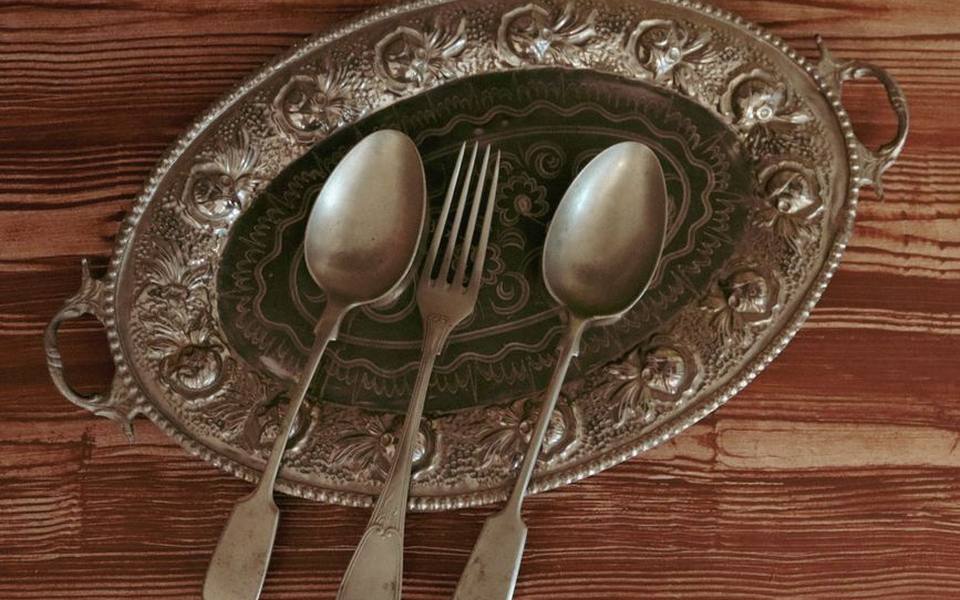
For pieces with light to moderate surface grime, the safest initial step is washing them by hand in warm water mixed with a few drops of mild, phosphate-free dishwashing liquid using an unbleached cotton towel or soft natural sponge. Rinse each utensil thoroughly in clean warm water and immediately dry it with a lint-free flour sack towel. Often, simply removing greasy fingerprints and room dust reveals that the metal beneath requires very little abrasive polishing.
Avoid aggressive chemical dip solutions that promise instant tarnish removal in ten seconds. These acidic dips dissolve silver indiscriminately, stripping away the dark oxidation inside intricate relief patterns that give antique designs their three-dimensional depth and shadow. Furthermore, repeated exposure to chemical dips leaves silver with an unnatural, sterile sheen that tarnishes back twice as quickly.
Using a Dedicated Silverware Polishing Cloth
When hand washing does not eliminate dark tarnish, a specialized silverware polishing cloth is the gentlest tool for maintaining both sterling and silverplate. Most quality cloths feature a two-ply design: an inner white flannel layer impregnated with mild micro-abrasives and anti-tarnish inhibitors, and an outer dark flannel layer intended for buffing the clean metal to a soft mirror luster.
To polish correctly, wrap the inner treated cloth around your thumb and rub along the length of each fork stem or spoon bowl using straight, gentle strokes rather than aggressive circular swirls. The cloth will rapidly turn dark gray or black as it pulls sulfur compounds off the surface; this discoloration is entirely normal and does not mean the cloth is worn out. Continue using the dark sections until the fabric stops lifting tarnish, and never wash a treated polishing cloth, as laundering removes the embedded polishing compounds.
For stubborn black patches on intricate filigree or pierced serving pieces, combine a damp cotton swab with a tiny dab of gentle, non-abrasive silver cream formulated specifically for fine tableware. Work slowly into the grooves, wipe clean with a damp micro-sponge, and dry completely. Working carefully protects the thin veneer of silver on antique silver plate cutlery from being buffed down to the base metal.
The Reality of Market Value and Resale Potential
The resale market draws a sharp dividing line between sterling silver and silverplate. Sterling flatware maintains an absolute price floor tied directly to the daily spot price of physical silver; even badly damaged, monogrammed, or mismatched sterling forks can be converted into cash based on metal weight alone. In contrast, electroplated flatware contains mere pennies worth of reclaimable silver per dozen pieces, meaning its market value rests entirely on decorative utility, pattern rarity, and condition.
Complete services of vintage silverplate flatware housed in intact wooden chests typically sell at modest secondary prices, depending on the maker, pattern popularity, and regional demand. Highly collectible mid-century patterns, such as ornate floral motifs or sleek Danish-inspired mid-century modern lines, command solid interest from homeowners seeking sustainable, elegant entertaining sets. Conversely, heavily worn services with missing pieces often trade in bargain bins for a couple of dollars per utensil.
If you want to clear out inherited sets or build a curated dinner service, browsing local antique consignment shops gives you a realistic snapshot of what everyday buyers are willing to spend. Plated tea sets, candelabras, and trays experience similar valuation dynamics: unless made by an iconic design studio or documented nineteenth-century silversmith, they sell as functional decor rather than precious metals.
Where to Hunt for Vintage Silver and Silverplate
Finding unique silver patterns requires exploring venues beyond conventional retail storefronts. Local neighborhood sales are among the most fruitful hunting grounds for vintage tableware; visiting antique shops offering estate sales allows you to inspect full sixty- or eighty-piece flatware sets in their original storage chests before they are broken up or sold online piecemeal.
Another dependable avenue is exploring sprawling regional venues. Browsing through antique malls allows you to compare dozens of independent dealers under one roof, where you will frequently discover mixed flatware bins containing hidden gems alongside heavily worn everyday utensils. Carrying a small jeweler's loupe in your pocket makes checking microscopic hallmarks on tarnished spoons straightforward and discreet while browsing vendor booths.
When purchasing individual replacement pieces to complete a family pattern, take note of the exact piece name and length. Manufacturers frequently produced forks and spoons in multiple sizes, including dinner forks, luncheon forks, salad forks, and pastry forks, whose differences can be as subtle as a quarter of an inch. Measuring your existing pieces before buying replacements prevents bringing home mismatched place settings.
Storage Practices to Prevent Rapid Tarnish
Proper storage is the best defense against tarnish, drastically cutting down on how often you need to reach for a polish cloth. The primary enemy of silver is sulfur gas released by everyday materials in the home. Never store vintage silver plated items wrapped in ordinary newspaper, secured with rubber bands, or stacked in cardboard boxes, as the wood pulp, sulfur bleaches, and synthetic vulcanized rubber accelerate black tarnish and can cause permanent chemical pitting.
The ideal storage container is a purpose-built wooden flatware chest lined with specialized silvercloth. Authentic silvercloth is treated with microscopic particles of zinc or copper that actively intercept airborne sulfur molecules before they can reach your cutlery. If you store pieces loose in a buffet drawer, sewn flannel rolls or zippered bags made from anti-tarnish cloth provide similar protection while keeping utensils from clattering against each other and getting scratched.
Environmental humidity also accelerates oxidation. Adding small, food-safe silica gel packets inside your silver storage box helps absorb ambient dampness, which is especially helpful in coastal or southern regions. When silver flatware is stored clean, dry, and wrapped in protective cloth, it can easily remain bright and dinner-ready for months or even years between holiday gatherings.
Published 2026-09-21 · reviewed with each rebuild, last September 2026.
Find antique stores near you
The directory lists 25,996 antique stores by state and city — pick your state or use the “Near me” button in the header.
More guides
-
 Owning
Cleaning and Polishing Antique Silver Without Damaging the Patina
-
 Money
MoneyNavigating the Market for Vintage Currency
-
 Owning
Evaluating, Using, and Displaying Mid-Century Glassware and Kitchen Antiques
-
 Buying
Navigating Vintage and Antique Jewelry Styles
-
 Owning
How to Clean and Care for Silverware Without Causing Damage
-
 Owning
Vintage Pyrex Value and Safety Guide: Understanding Collector Patterns and Usage
-
 Buying
A Guide to Sourcing Vintage and Estate Jewelry
-
 Money
MoneyValuable Baseball Cards Guide: Spotting Vintage Sports Collectibles
-
 Owning
How to Clean and Restore Antique Wood Furniture
-
 Money
MoneyHow to Find and Use Antique Price Guides Online
-
 Money
MoneyHow to Determine the Value of Old Books and First Editions
-
 Money
MoneyWhere and How to Sell Vintage Coins for the Best Return
-
 Buying
Choosing and Caring for Vintage and Modern Cast Iron Cookware
-
 Owning
How to Polish and Value Antique Silverware at Home
-
 Owning
How to Clean and Polish Antique Wood Furniture Without Damaging It
-
 Buying
Vintage and Classic Cast Iron Cookware: Buyer's, Value, and Care Guide
-
 Buying
Antique Silverware, Vintage Jewelry, and Collectible Coins Guide
-
 Money
MoneyA Practical Guide to Antique Price Guides and Rare Book Valuations
-
 Owning
How to Clean, Polish, and Refinish Antique Wood Furniture
-
 Owning
Ultimate Guide to Vintage and Antique Cast Iron Cookware: Brands, Seasoning, and Care
-
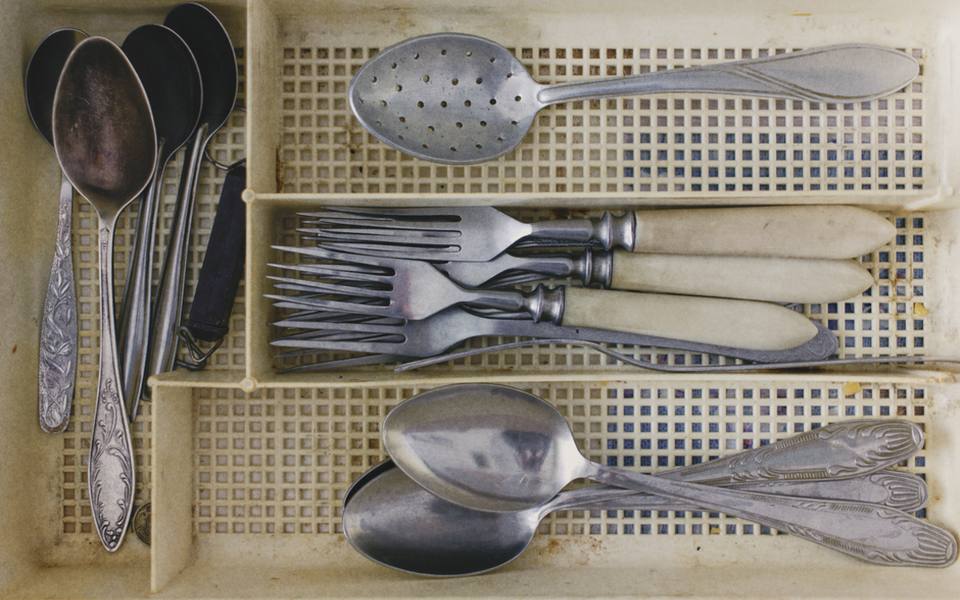 Owning
How to Clean, Polish, and Value Vintage Silverware and Antique Jewelry
-
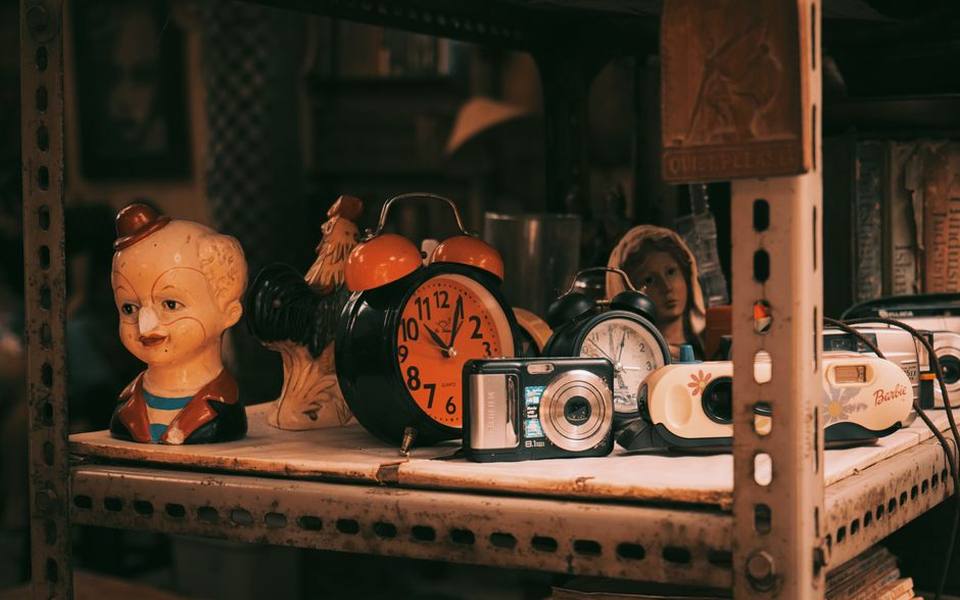 Buying
Valuing Vintage Collectibles: From Rare Dolls and Slot Machines to Classic Lamps and Churns
-
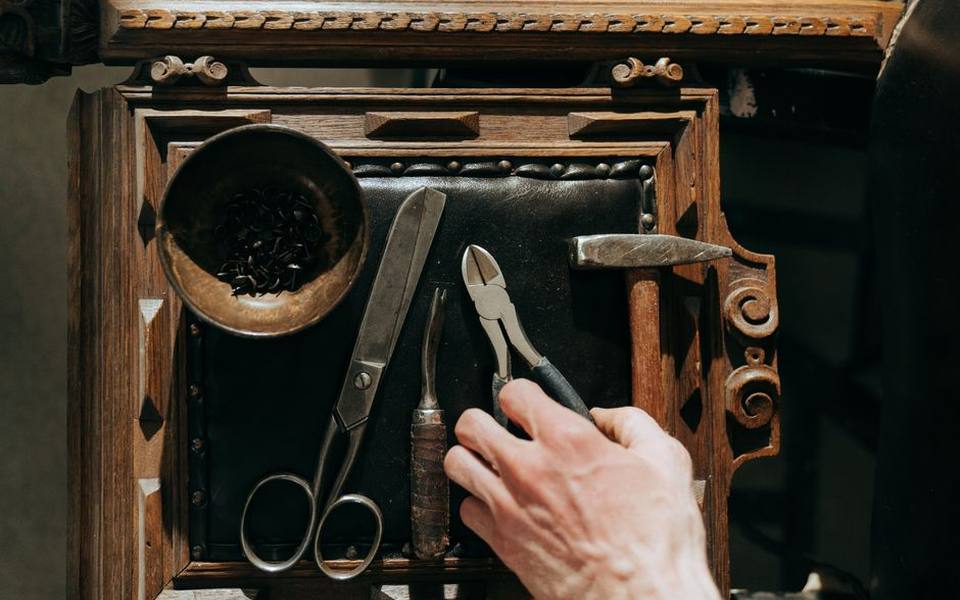 Owning
How to Clean, Polish, and Refinish Antique Wood Furniture
-
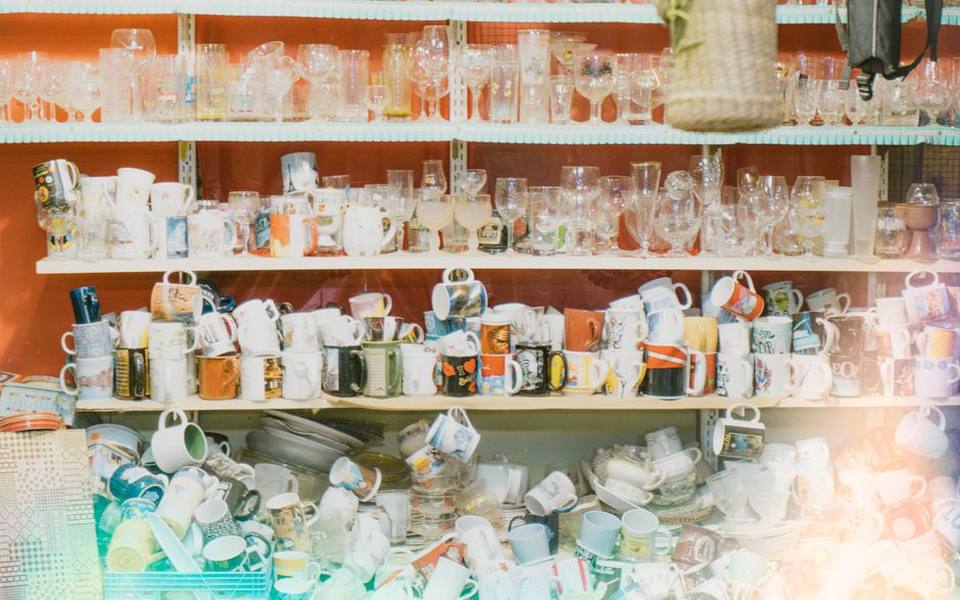 Money
MoneyVintage Glassware Value Guide: Pyrex, Depression Glass, CorningWare, and Bottles
-
 Money
MoneyAntique & Vintage Price Guides: How to Value Antiques and Collectibles
-
 Buying
How to Value Old Books and First Editions: A Collector's Price Guide
-
 Money
MoneyWhere and How to Sell Vintage Records and Audio Equipment
-
 Buying
How to Buy, Value, and Sell Vintage Coins: A Practical Beginner's Guide
-
 Buying
Estate Sale Guide: How to Find, Buy, and Liquidate Antiques
-
 Buying
Vintage and Modern Cast Iron Cookware: Identification, Seasoning, Buying, and Care
-
 Money
MoneyComprehensive Guide to Antique Values, Old Books, and Collectibles Pricing
-
 Owning
Cleaning and Caring for Vintage Silverware, Fine Jewelry, and Antique Metals
-
 Owning
How to Clean, Polish, and Refinish Antique Wood Furniture
-
 Buying
Vintage and Modern Cast Iron Cookware: Identification, Caring, and Buying Guide
-
 Owning
Antique Silverware: Cleaning, Polishing at Home, and Value Guide
-
 Owning
Care, Polishing, and Refinishing Guide for Antique Wood Furniture
-
 Buying
Vintage Pyrex, Glassware, and Depression Glass Identification and Value Guide
-
 Money
MoneyAntique Price Guides: How to Value and Sell Antiques Online and Offline
-
 Money
MoneyCollectible Old Books and First Editions: Valuation and Identification Guide
-
 Buying
Vintage Sewing Machines, Stoves, and Antique Tools Value Guide
-
 Buying
Collector Guide to Vintage Door Hardware, Knobs, and Cabinet Pulls
-
 Owning
Antique & Vintage Dolls: Values, Identification, and Care
-
 Buying
Antique Hoosier Cupboards and Vintage Desks: History, Identification, and Value
-
 Service
Grandfather, Wall, and Pocket Clock Repair and Identification Guide
-
 Owning
Antique Rotary Telephones and Landlines: Buying, Restoring, and Converting
-
 Owning
Collecting Vintage Picture Frames and Oil Paintings: Framing and Restoration
-
 Buying
Antique Sewing Machines and Spinning Wheels: Value, Brands, and Maintenance
-
 Buying
Antique Wood Stoves and Log Burners: Buying, Safety, and Restoration Guide
-
 Buying
Depression Glass and Antique Canning Jars: Identification and Values
-
 Buying
Vintage Mirrors: Identifying, Buying, and Styling Antique Glass
-
 Buying
Vintage Engagement Rings and Art Deco Jewelry: Buying and Valuation
-
 Buying
Buyer Guide to Vintage and Antique Furniture: Seating, Tables, Desks, and Reproductions
-
 Buying
Collector Guide to Vintage Toys, Lighters, Sports Ephemera, and Curios
-
 Buying
Architectural Salvage Guide: Sourcing Stained Glass, Mantels, and Historic Hardware
-
 Buying
Vintage Fashion and Heirloom Style: Sourcing Dresses, Denim, Leather, and Ephemera