Why Vintage and Modern Iron Cookware Perform Differently
The fundamental difference between early twentieth-century cast iron and pans made on modern automated lines comes down to weight, foundry molds, and post-casting hand finishing. Antique foundries melted gray iron with specific chemical compositions and poured it into fine green-sand molds. Once the metal cooled, skilled workers ground and polished the interior cooking surfaces until they felt as smooth as glass. This labor-intensive finishing step produced a pan that was remarkably light in the hand, balanced on the wrist, and capable of developing a slick nonstick patina after just a few light coats of oil.
By contrast, modern commercial cookware typically bypasses mechanical hand-finishing to keep retail costs accessible. Contemporary foundries pour thicker walls to prevent thermal shock and leave the exterior and interior with a pebbled, sand-cast texture. While modern pans retain heat exceptionally well and handle heavy searing over high BTU burners without complaint, their textured surfaces require a thicker buildup of polymerized oils to achieve the natural glide that older pans display right out of the box. Neither philosophy is inherently flawed, but understanding these mechanical differences explains why serious home cooks often search through older stock when choosing an everyday frying surface.
Choosing between an early piece and a newly manufactured skillet depends largely on how you cook and how much weight your wrists tolerate comfortably. A vintage ten-inch skillet often weighs around four pounds, whereas a standard modern equivalent can easily exceed five and a half pounds. For tasks that require frequent tossing, basting, and pouring pan sauces, the featherweight balance of vintage casting remains difficult to surpass, even by today's premium artisan foundries.
Recognizing the Historic Foundries and Maker Marks
Identifying early American iron requires learning the visual language of maker logos, pattern numbers, and foundry idiosyncrasies stamped into the bottom of each piece. Griswold Manufacturing, operating out of Erie, Pennsylvania, produced some of the most celebrated cookware in history. Early examples bear the simple block "ERIE" stamping, while later versions feature variations of the famed cross-in-a-circle logo, ranging from the large slant-logo designs of the 1910s to the tidy small-block variations of the mid-twentieth century. Collectors prize these pans for their thin walls, elegant teardrop handles, and satin-smooth milling.
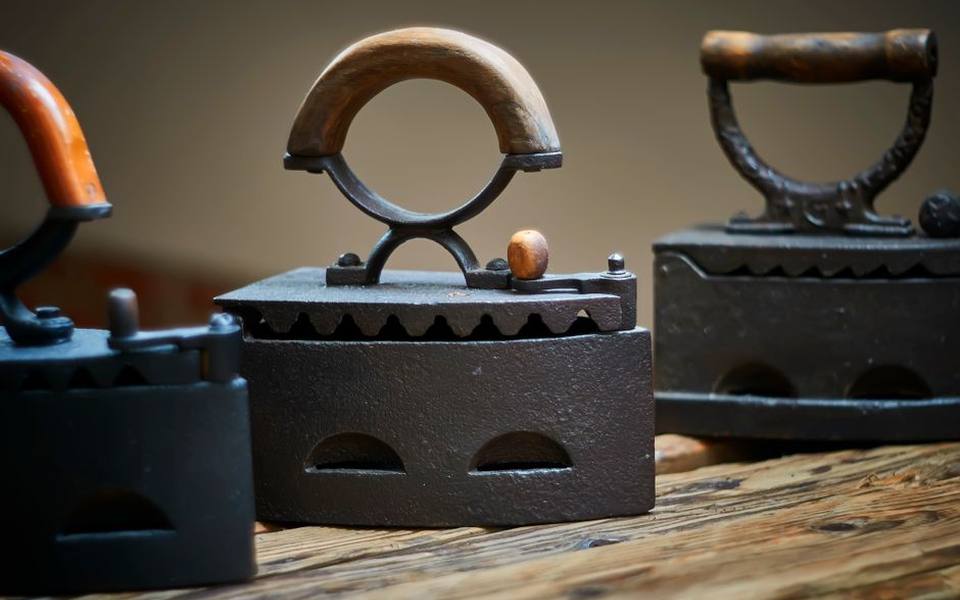
Wagner Manufacturing of Sidney, Ohio, represents the other pillar of American foundry history. Wagner skillets are easily recognized by their arched stylized logos or simple catalog numbers stamped cleanly into the base. During the mid-twentieth century, Wagner also manufactured unmarked pieces intended for hardware store house brands and department store catalogs. These "unmarked Wagners" share the identical lightweight casting and ground cooking face of branded pieces but sell at a fraction of the cost, making them some of the best-kept values in second-hand shopping.
Beyond the two giants, southern foundries carved out reputations for durable, working-class iron. Birmingham Stove & Range produced heavy-duty skillets with distinctive inset heat rings, thick walls, and minimal underside markings aside from size numbers and foundry mold letters. Lodge, operating continuously in South Pittsburg, Tennessee, produced recognizable single-notch and three-notch heat-ring skillets throughout the twentieth century. Finding these storied brands is common when browsing stalls at regional Antique Malls, where multiple booth vendors frequently bring uncleaned barn finds to market.
Evaluating Skillets, Dutch Ovens, and Specialty Iron Pots
While standard eight-inch and ten-inch skillets dominate kitchen discussions, a versatile cast iron collection extends well into deeper vessels and specialized pans. Deep chicken fryers, characterized by straight three-inch sidewalls and heavy domed lids, excel at shallow frying, braising tough cuts of meat, and baking deep-dish cornbread without grease splattering over the stove. A matched skillet lid with internal basting drippers—either concentric rings or raised pointed nubs—transforms a simple frying pan into a moist roasting environment.
Cast iron pots and classic Dutch ovens represent the pinnacle of heat retention for slow cooking, bread baking, and simmering stews. A flat-bottomed Dutch oven without legs fits neatly inside a standard kitchen oven and rests flat on domestic gas or induction stovetops, whereas camp ovens feature three sturdy legs designed to perch over glowing coals outdoors. When assessing pots, pay close attention to bail handles and ear attachments, ensuring the wire has not thinned from decades of rust or bent under heavy structural stress.
Specialty iron pieces like griddles, waffle irons, gem pans, and popover molds offer specialized cooking virtues. Oval griddles that span two stove burners provide expansive real estate for breakfast dishes, while vintage revolving waffle irons produce crisp exteriors that modern electric appliances struggle to replicate. Before investing in specialized shapes, verify that your kitchen range has burner dimensions capable of heating them evenly, as cast iron absorbs heat slowly and transfers it poorly across wide, unheated overhangs.
The Appeal and Pitfalls of Enameled Iron Surfaces
Enameled iron combines the massive thermal mass of gray iron with an impervious, non-reactive glass coating that eliminates the need for seasoning. This makes an enameled pan or French oven ideal for acidic braises, wine-heavy pan sauces, tomato reductions, and long stovetop marinades that would otherwise strip raw polymerized oil and impart a metallic tang to delicate ingredients. The smooth, light-colored interior glaze also provides superior visibility for monitoring fond development and the browning of butter.
However, evaluating vintage enameled pieces demands extreme scrutiny because porcelain enamel cannot be re-seasoned, patched, or mechanically ground down once damaged. Thermal shock from plunging a screaming hot pan into cold water causes micro-fractures in the glass, known as crazing, which eventually leads to flaking. Even minor microscopic chips on the interior bottom can release sharp glass shards into food, rendering a skillet unsafe for cooking. Staining and light exterior chipping around rim edges are purely cosmetic, but any bare iron showing on the primary food-contact surface signals that the piece should be retired to decorative display.
If you encounter vintage enameled pieces while attending weekend sessions run by Antique Shops Offering Estate Sales, run your fingertips gently across the cooking basin to feel for hairline cracks that photograph poorly. High-end modern and mid-century European brands maintain their value because replacement warranties rarely transfer to secondary buyers, meaning a vintage enameled skillet must be structurally pristine to justify bringing it home.
How to Inspect Used Iron for Hidden Structural Defects
The biggest risk when hunting for vintage cookware is bringing home a warped or cracked pan that cannot be salvaged. Always carry a small plastic pocket straightedge and a compact flashlight to verify the pan sits true. Place the skillet on a known flat surface, such as a sturdy piece of plate glass or a smooth counter, and gently press on opposite rim edges. If the pan rocks or spins freely, the base has developed a downward "belly" or outward warp from past overheating or improper quenching. A slight wobble matters little over open gas flames, but it renders a pan unusable on modern glass induction and ceramic cooktops.
Carefully examine the junction where the handle meets the sidewall, as well as the outer perimeter of the rim. Hairline cracks often hide beneath layers of burnt carbon and dried grease. Run a thumbnail along the edge; a crack will catch your nail even when obscured by grime. Furthermore, tap the suspended pan lightly on the side with a wooden pencil or your knuckle. Sound iron rings with a distinct, resonant, bell-like tone. If the strike produces a dull, hollow thud, an internal fracture is almost certainly hiding within the metal grain.
Inspect the underside of older skillets for heavy pitting, particularly on pieces dating prior to the 1930s. Cooking over wood or high-sulfur coal stoves commonly caused sulfur gas corrosion that ate deep, cratered depressions into the base of the metal. While mild pitting on the bottom exterior does not impede heat transfer, severe corrosion weakens the structural core and can cause the pan to crack along stress lines under normal kitchen heating.
Safety Cautions: The Danger of Lead and Chemical Contamination
One serious hazard unique to antique cookware is the historical practice of using small cast iron skillets and melting ladles to melt scrap lead for casting fishing sinkers, tire balancing weights, and homemade bullets. A skillet used for smelting lead may look indistinguishable from one pulled out of a kitchen cupboard, especially after decades of resting neglected in a damp garage, workshop, or barn. Because lead binds tightly to porous metals, a contaminated pan can never be rendered safe for culinary use through cleaning or heat burning.
Whenever you acquire an uncleaned pan from an unknown workshop, yard sale, or liquidation lot, test the cooking surface before scrubbing or stripping. Inexpensive chemical lead test swabs—available at hardware stores—provide rapid colorimetric confirmation of surface lead residues. Swab the interior basin, the pour spouts, and the handle corners thoroughly. If the swab turns pink or red, immediately discard the piece or label it permanently as a toxic non-food item to ensure it never enters a kitchen rotation.
Similarly, be wary of pieces that have been painted with engine enamel, coated with clear automotive lacquer for rust prevention, or treated with chemical rust converters. Unscrupulous pickers sometimes spray rusted pans with flat black stove polish to give them a faux seasoned appearance before bringing them to market. If a piece smells of petroleum, solvents, or paint when warmed slightly in the sun, it requires thorough chemical stripping or total rejection.
Stripping and Restoring Neglected Cast Iron
Restoring an encrusted, rust-caked skillet back to bare gray iron is remarkably straightforward when utilizing non-destructive methods. The most destructive mistake amateur restorers make is attacking old iron with power wire wheels, angle grinders, or sandpaper. Mechanical abrasion strips away the historical foundry mill marks, softens crisp maker logos, and leaves deep swirl gouges that permanently destroy both the pan's nonstick potential and its collector value. Thermal self-cleaning cycles in domestic ovens can also warp or crack brittle antique metal.
Chemical lye baths offer the safest, most effortless method to dissolve decades of carbonized grease without touching the underlying iron. Submerging cookware in a simple solution of pure sodium hydroxide and water breaks down organic fats over several days, leaving bare metal clean. Lye does not attack iron, making it safe to leave neglected pieces soaking for weeks if needed. Always wear thick rubber gloves, eye protection, and work in a well-ventilated space when handling lye solutions.
To eliminate surface rust that remains after grease removal, a mild bath of equal parts white vinegar and water dissolves iron oxide within thirty to sixty minutes. Never soak iron in acidic vinegar for prolonged periods, as the acid will eventually pit the sound metal beneath. Once the rust sloughs off with a stiff nylon brush, immediately rinse the piece in freezing cold water, dry it thoroughly with clean cotton towels, and begin the initial seasoning process without delay to stop flash rust from forming.
The Chemistry of a Perfect, Durable Seasoning
True cast iron seasoning is not an oily coating; it is a hard, glass-like polymer created through a process called cross-linking and fatty acid polymerization. When a very thin layer of drying or semi-drying oil is heated past its smoke point in the presence of atmospheric oxygen, the oil molecules bond to each other and chemically graft into the microscopic pores of the iron lattice. This creates a hydrophobic barrier that shields raw iron from moisture-induced oxidation while lowering surface friction to create a nonstick cooking plane.
The secret to a durable foundation lies in applying microscopic amounts of oil rather than heavy coats. Wipe the entire stripped skillet inside and out with a high-smoke-point oil rich in polyunsaturated fats, such as grapeseed oil, sunflower oil, or refined canola oil. After coating, take clean dry rags and vigorously wipe the pan down as if you are trying to remove every trace of oil you just applied. The surface should look matte and bone dry; any liquid droplets left behind will bead up, pool, and bake into sticky, soft, brown blemishes that chip easily under a spatula.
Place the pan upside down in an oven heated to roughly 450 to 480 degrees Fahrenheit for one full hour, then switch off the heat and let it cool completely inside the oven chamber. Repeating this cycle three or four times produces a dark, bronze-colored foundational micro-layer. Do not obsess over achieving an ink-black sheen on day one; rich jet-black patina develops organically over months of frequent cooking with animal fats and vegetable oils.
Daily Cooking and Maintenance Best Practices
Cooking successfully with iron cookware depends almost entirely on heat management rather than brute stove power. Cast iron is a relatively poor conductor of thermal energy compared to aluminum or copper, meaning it heats unevenly if exposed to a sudden blast of high flame. Give your skillet three to five minutes to preheat gently over medium-low heat, allowing the thermal mass to spread warmth evenly across the thick cooking surface. When you add fat to a properly preheated pan, it forms a fluid barrier that prevents proteins from bonding to the iron.
Persistent myths continue to warn cooks away from using modern dish soap, but this advice is an outdated relic from an era when soap contained caustic lye. Mild modern dishwashing detergents will not degrade or wash away fully polymerized seasoning. Clean your warm pan under running tap water using a natural bristle brush or a chainmail scrubber designed specifically for iron. Chainmail removes stuck food bits cleanly without scratching the slick polymer foundation underneath.
After washing, dry the pan thoroughly over a warm stove burner for two minutes to evaporate any trapped moisture. While the iron is still warm to the touch, rub a tiny drop of neutral cooking oil across the cooking surface using a dry paper towel, buffing until no wet residue remains. Storing pans in dry, well-ventilated spaces—or placing paper towels between stacked skillets—prevents ambient condensation from causing pinpoint rust blooms during humid summer months.
Sourcing, Pricing, and Collecting Across the Secondary Market
Finding high-quality vintage cookware involves exploring a broad network of physical venues, from yard sales and church basements to dedicated retail shops. High-turnover operations like Antique Consignment Shops often yield forgotten kitchen pans at modest prices, while regional dealers frequently assemble extensive selections of fully restored iron. In competitive markets, discovering prime Griswold or early Wagner skillets at weekend sales requires arriving early and knowing how to read obscure mold markings under thick barn soot.
Pricing across the secondary market varies significantly based on rarity, condition, and foundry prestige. Common unmarked pieces or mid-century production models typically sell for affordable prices that rival modern retail store cookware, while rare pre-1900 spider skillets, slant-logo Griswold chicken fryers, or waffle irons with matching tall bases command premium sums among collectors. Serious rare variants featuring odd foundry mold errors or regional backstamps can climb significantly depending on collector demand, which occasionally prompts owners to seek professional Appraisal Services before parting with family heirlooms.
Whether you build an extensive wall of museum-grade vintage iron or rely on a single trusty modern skillet for weekday dinners, iron cookware rewards patience. Properly maintained, a quality pan ignores drops, shrugs off metal utensils, outlives nonstick chemical coatings by generations, and improves in cooking quality every single time you put it on the flame.
Published 2026-09-20 · reviewed with each rebuild, last September 2026.
Find antique stores near you
The directory lists 25,996 antique stores by state and city — pick your state or use the “Near me” button in the header.
More guides
-
 Owning
Cleaning and Polishing Antique Silver Without Damaging the Patina
-
 Money
MoneyNavigating the Market for Vintage Currency
-
 Owning
Evaluating, Using, and Displaying Mid-Century Glassware and Kitchen Antiques
-
 Buying
Navigating Vintage and Antique Jewelry Styles
-
 Owning
How to Clean and Care for Silverware Without Causing Damage
-
 Owning
Vintage Pyrex Value and Safety Guide: Understanding Collector Patterns and Usage
-
 Buying
A Guide to Sourcing Vintage and Estate Jewelry
-
 Money
MoneyValuable Baseball Cards Guide: Spotting Vintage Sports Collectibles
-
 Owning
How to Clean and Restore Antique Wood Furniture
-
 Money
MoneyHow to Find and Use Antique Price Guides Online
-
 Money
MoneyHow to Determine the Value of Old Books and First Editions
-
 Money
MoneyWhere and How to Sell Vintage Coins for the Best Return
-
 Buying
Choosing and Caring for Vintage and Modern Cast Iron Cookware
-
 Owning
How to Polish and Value Antique Silverware at Home
-
 Owning
How to Clean and Polish Antique Wood Furniture Without Damaging It
-
 Buying
Vintage and Classic Cast Iron Cookware: Buyer's, Value, and Care Guide
-
 Buying
Antique Silverware, Vintage Jewelry, and Collectible Coins Guide
-
 Money
MoneyA Practical Guide to Antique Price Guides and Rare Book Valuations
-
 Owning
How to Clean, Polish, and Refinish Antique Wood Furniture
-
 Owning
Ultimate Guide to Vintage and Antique Cast Iron Cookware: Brands, Seasoning, and Care
-
 Owning
How to Clean, Polish, and Value Vintage Silverware and Antique Jewelry
-
 Buying
Valuing Vintage Collectibles: From Rare Dolls and Slot Machines to Classic Lamps and Churns
-
 Owning
How to Clean, Polish, and Refinish Antique Wood Furniture
-
 Money
MoneyVintage Glassware Value Guide: Pyrex, Depression Glass, CorningWare, and Bottles
-
 Money
MoneyAntique & Vintage Price Guides: How to Value Antiques and Collectibles
-
 Buying
How to Value Old Books and First Editions: A Collector's Price Guide
-
 Money
MoneyWhere and How to Sell Vintage Records and Audio Equipment
-
 Buying
How to Buy, Value, and Sell Vintage Coins: A Practical Beginner's Guide
-
 Buying
Estate Sale Guide: How to Find, Buy, and Liquidate Antiques
-
 Buying
Vintage and Modern Cast Iron Cookware: Identification, Seasoning, Buying, and Care
-
 Money
MoneyComprehensive Guide to Antique Values, Old Books, and Collectibles Pricing
-
 Owning
Cleaning and Caring for Vintage Silverware, Fine Jewelry, and Antique Metals
-
 Owning
How to Clean, Polish, and Refinish Antique Wood Furniture
-
 Owning
Antique Silverware: Cleaning, Polishing at Home, and Value Guide
-
 Owning
Care, Polishing, and Refinishing Guide for Antique Wood Furniture
-
 Buying
Vintage Pyrex, Glassware, and Depression Glass Identification and Value Guide
-
 Money
MoneyAntique Price Guides: How to Value and Sell Antiques Online and Offline
-
 Money
MoneyCollectible Old Books and First Editions: Valuation and Identification Guide
-
 Buying
Vintage Sewing Machines, Stoves, and Antique Tools Value Guide
-
 Buying
Collector Guide to Vintage Door Hardware, Knobs, and Cabinet Pulls
-
 Owning
Antique & Vintage Dolls: Values, Identification, and Care
-
 Buying
Antique Hoosier Cupboards and Vintage Desks: History, Identification, and Value
-
 Service
Grandfather, Wall, and Pocket Clock Repair and Identification Guide
-
 Owning
Antique Rotary Telephones and Landlines: Buying, Restoring, and Converting
-
 Owning
Collecting Vintage Picture Frames and Oil Paintings: Framing and Restoration
-
 Buying
Antique Sewing Machines and Spinning Wheels: Value, Brands, and Maintenance
-
 Buying
Antique Wood Stoves and Log Burners: Buying, Safety, and Restoration Guide
-
 Buying
Depression Glass and Antique Canning Jars: Identification and Values
-
 Buying
Vintage Mirrors: Identifying, Buying, and Styling Antique Glass
-
 Owning
Antique Silverware and Silverplate Flatware: Cleaning, Identification, and Value
-
 Buying
Vintage Engagement Rings and Art Deco Jewelry: Buying and Valuation
-
 Buying
Buyer Guide to Vintage and Antique Furniture: Seating, Tables, Desks, and Reproductions
-
 Buying
Collector Guide to Vintage Toys, Lighters, Sports Ephemera, and Curios
-
 Buying
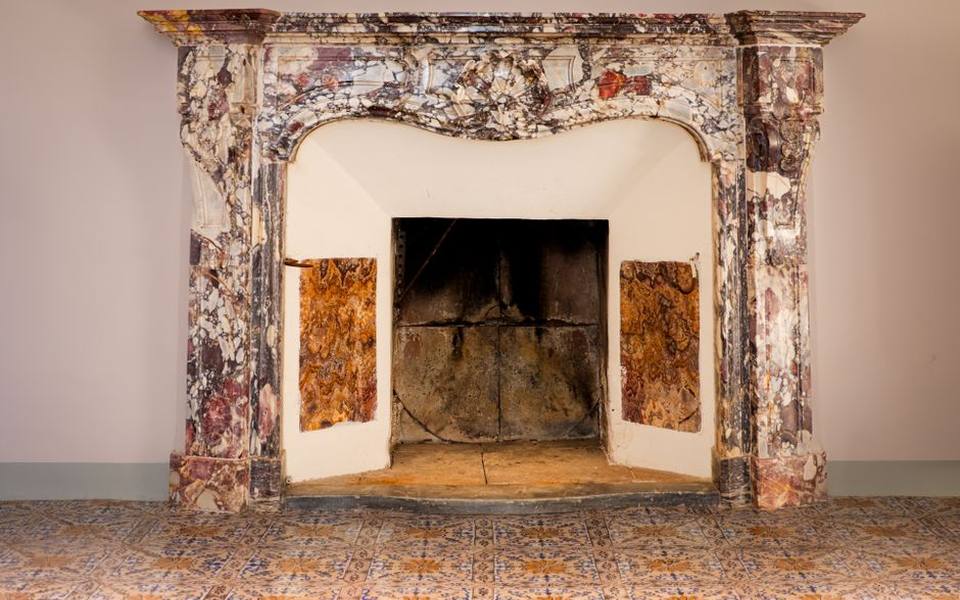
Architectural Salvage Guide: Sourcing Stained Glass, Mantels, and Historic Hardware
-
 Buying
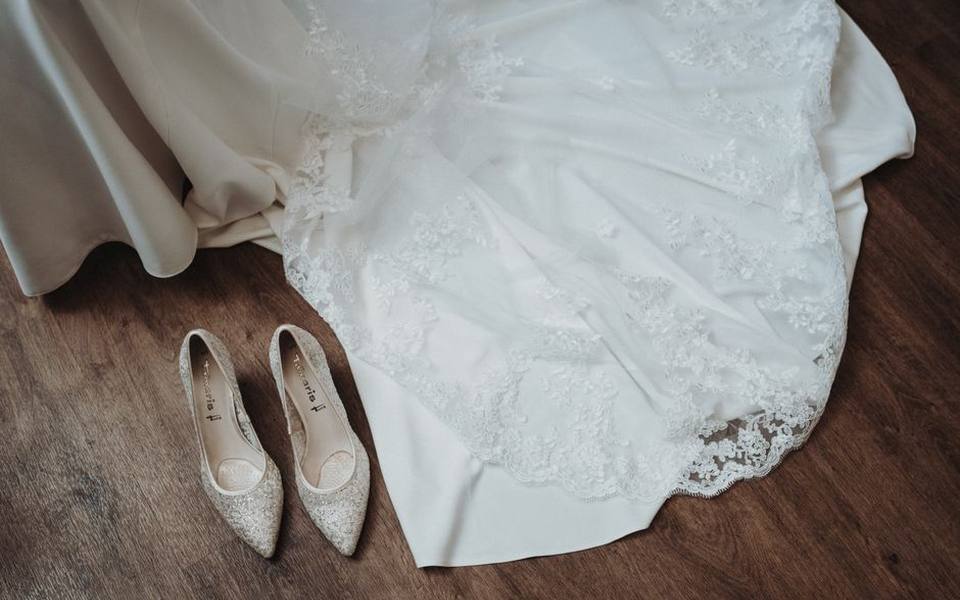
Vintage Fashion and Heirloom Style: Sourcing Dresses, Denim, Leather, and Ephemera