How to Determine What an Antique Is Worth
Determining the real value of an old item comes down to documented sale records rather than arbitrary asking prices or sentimental attachments. An antique is only worth what a willing buyer actually pays in an open market under current economic conditions. Before deciding whether to keep, insure, or liquidate an heirloom, you must establish an honest baseline by cross-referencing identification marks, assessing physical condition, and checking recent realized sales figures.
Many first-time sellers mistake an asking price on a marketplace listing for true market value. A seller can list an item for hundreds of dollars, but if it sits unsold for months, that figure means nothing. Reliable valuation relies on completed transactions where money exchanged hands. Market demand fluctuates constantly based on interior design trends, demographic shifts among collectors, and the regional availability of specific categories.
Condition plays a decisive role in final valuation. Two seemingly identical porcelain vases or oak dressers can have drastically different market values based on hairline cracks, subtle repairs, original hardware, or finish degradation. Professional buyers always inspect wear patterns, maker signatures, and structural integrity before committing to a purchase price.
Print Price Catalogs and Legacy Collector Guides
For decades, comprehensive reference books served as the standard foundation for identifying and pricing vintage merchandise. Volumes like the Kovels antiques and collectibles price guide, along with specialized category handbooks, educated generations of pickers, dealers, and casual collectors. These printed publications offer immense value for identifying pattern names, factory marks, production date ranges, and standard collector terminology that remains relevant across the trade.
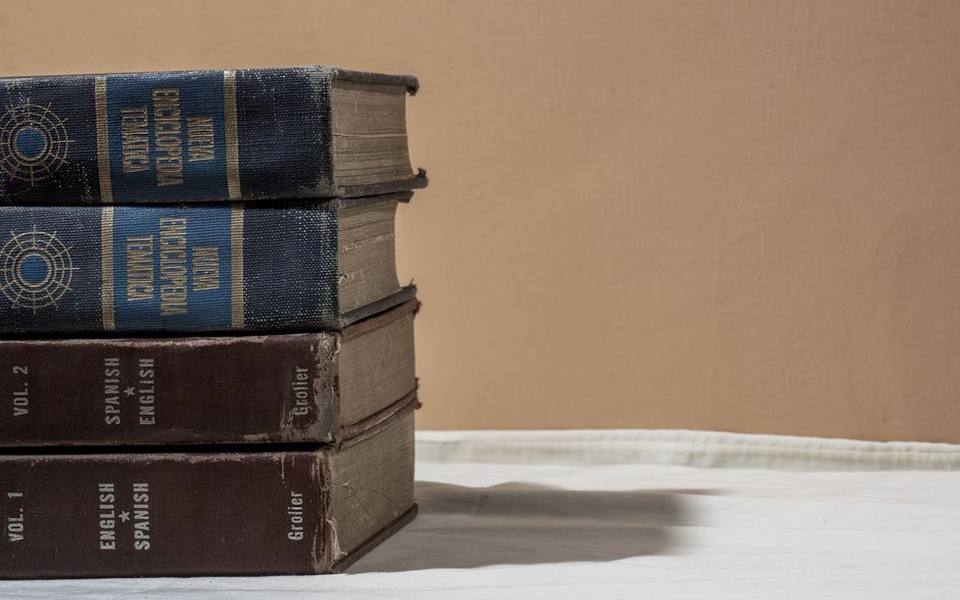
While traditional print compendiums remain indispensable for identification, relying on their printed dollar estimates for current selling decisions can be misleading. Because these catalogs are published annually or periodically, the printed valuations represent historical snapshots that may not reflect rapid changes in consumer taste, shipping cost pressures, or shifting collector interest. Today, print guides work best as secondary references to confirm what an object is rather than what it will fetch this week.
Specialist books focusing on singular categories—such as art glass, mid-century pottery, antique firearms, or costume jewelry—often provide deeper technical insight than general catalogs. When consulting legacy guides, use them to pinpoint factory stamps, designer attributions, and production periods. Once you confirm those details, you can transition your research to modern sales databases to verify what buyers currently pay.
Finding Reliable Online Price Guides and Sales Databases
The internet has made valuation research faster, but finding a dependable free online antique price guide requires knowing where raw sales data is stored. General web searches often surface current retail listings rather than actual transaction receipts. To gauge accurate values, you need access to historical records from auction houses, dealer marketplaces, and digital trade registries that document finalized transactions.
Several major online marketplaces allow users to filter search results by completed and sold items at no charge. By examining these filtered archives, you can see the precise closing prices achieved over the past several months. Look for patterns among multiple completed sales rather than focusing on the single highest or lowest result, as outliers can distort your expectations.
Specialized digital aggregator platforms track realized prices from regional and international auction rooms. While some databases require a monthly membership for full archive access, many provide introductory tiers, basic free searches, or trial periods. Regularly comparing multiple sales records gives you a realistic price range that accounts for geographic variance and buyer fees.
Distinguishing Between Vintage and True Antique Values
In the professional trade, age categories dictate pricing methods and buyer pools. By convention, an authentic antique is generally defined as an object that is at least one hundred years old. Items produced between twenty and ninety-nine years ago are classified as vintage, retro, or mid-century modern. Each era attracts distinct groups of buyers with varying budget thresholds and aesthetic preferences.
A dedicated vintage price guide typically reflects modern lifestyle trends and decorative utility. For instance, mid-century modern furniture from the 1950s and 1960s often commands higher realized prices today than early Victorian mahogany furniture, simply because modern home layouts and decorative styles favor minimalist lines. Understanding your piece's era prevents you from pricing it out of its natural market.
Materials and manufacturing techniques verify true age. Authentic pre-industrial furniture often displays hand-planed secondary woods, uneven dovetail joints, and square cut nails. In contrast, twentieth-century pieces feature machine-cut joinery, uniform fasteners, and standardized dimensions. Identifying these fabrication clues ensures you consult the correct price category before marketing the piece.
When to Pay for Professional Appraisal Services
Self-directed price research works well for common household collectibles, but rare items, valuable estates, and historical artifacts often require professional verification. An objective evaluation from accredited appraisal services provides legal documentation of value for estate settlements, insurance scheduling, tax deductions, or equitable inheritance division.
Professional appraisers adhere to standardized ethical guidelines and charge an hourly fee or flat contract rate rather than a percentage of the item's worth. Avoid any appraiser who offers to purchase the item they are evaluating, as this presents an inherent conflict of interest. A legitimate valuation specialist provides a comprehensive written document detailing condition, provenance, market context, and replacement or liquidation estimates.
Before scheduling an on-site visit, assemble any supporting documentation you possess, including old receipts, family histories, past restoration bills, or exhibition labels. Clear provenance can significantly enhance value, particularly for fine art, sterling silver collections, and period furniture pieces.
Selling Antiques Locally for Immediate Cash
If your primary goal is a fast transaction without the hassle of packing or shipping, selling directly to local trade buyers is often the simplest route. Independent shop owners, secondhand dealers, and specialist storefronts regularly buy inventory from the public to keep their shelves stocked with fresh merchandise.
When selling outright for cash, expect the dealer's offer to be roughly thirty to fifty percent of retail value. Dealers operate retail businesses with overhead costs, including building rent, utilities, insurance, credit card processing fees, and holding time. A dealer buys at wholesale so they can resell at a sustainable profit. Visiting specialized shops, such as antique jewelry & coin shops, often yields competitive cash offers for precious metals and timepieces because turnover in those categories is relatively fast.
To get the best outcome when approaching a shop, call ahead to verify that the owner or purchasing manager is available. Bring clear, well-lit photographs of bulky items rather than hauling heavy furniture into the shop unannounced. Clean surface dust gently, but never polish metals, strip patinas, or apply modern cleaning solvents, as aggressive cleaning can destroy value instantly.
Working with Consignment Shops and Estate Liquidators
For items of moderate to high value where you are willing to wait for a retail buyer, consignment presents an attractive alternative to outright cash buyouts. Under a consignment arrangement, the shop displays and markets your merchandise to their established foot traffic while you retain legal ownership until the piece sells.
When working with reputable antique consignment shops, expect to sign a contract outlining the split, display duration, and periodic markdown schedule. Consignment commissions typically range from twenty to forty percent, depending on item value and local market norms. If an item remains unsold after thirty or sixty days, standard agreements often trigger pre-set price reductions to encourage sales.
If you are responsible for clearing an entire household, coordinating with antique shops offering estate sales can streamline the process. Estate liquidators handle cataloging, pricing, staging, and publicizing the event, collecting a standard commission from total gross receipts. This approach turns an overwhelming whole-house liquidation into organized cash proceeds within a few days.
Renting a Booth in a Multi-Dealer Antique Mall
Dealers and frequent sellers often build steady revenue by renting dedicated sales space in high-traffic retail venues. In managed antique malls, multiple independent vendors stock individual display spaces, while a central management team handles customer checkout, sales tax compliance, and building staffing.
Booth rental rates vary widely based on geographic region, square footage, and booth positioning inside the building. Monthly booth rent typically runs anywhere from one hundred to several hundred dollars for standard footprints, with prime aisle locations or glass showcase rentals priced accordingly. In addition to flat rent, most venue operators deduct a sales commission of five to fifteen percent along with credit card processing fees from monthly vendor payouts.
Before signing a lease agreement, visit the venue on weekends and weekdays to gauge customer foot traffic. Inquire about lease length requirements, work shift obligations, insurance rules, and theft policies. Success in a mall environment requires rotating merchandise regularly, tagging items with clear descriptions and firm prices, and restocking popular categories consistently.
Selling Antiques Online to Reach Wider Audiences
Selling collectibles through digital channels opens your inventory to regional, national, and global buyers who actively search for specific makers, patterns, and historical periods. Moving sales online is ideal for small, high-value, or niche items where local demand might be sluggish.
High-quality photography is essential for online selling. Photograph the piece from multiple angles against a neutral background in bright, indirect natural light. Be sure to photograph maker stamps, patent numbers, signatures, and any flaws such as chips, cracks, surface scratches, or previous repairs. Detailed, honest condition reports protect you from return disputes and build buyer confidence.
Factor shipping logistics into your pricing strategy before listing fragile or heavy pieces. Fragile porcelain, art glass, and clock mechanisms require double-boxing, ample cushioning material, and insured carrier tracking. If you are selling large furnishings or architectural salvage, consider listing them for local pickup only or coordinating with freight carriers experienced in handling vintage furniture.
Strategic Practices for Getting the Highest Return
Maximizing proceeds from antique sales requires patience, accurate information, and proper preservation. Rushing to accept the first casual offer often results in leaving substantial money on the table, especially when dealing with inherited estates or uncataloged collections.
Never attempt amateur restoration before offering an antique for sale. Removing the original patina from copper, stripping aged varnish from mid-century teak, or applying household chemicals to early oil paintings can cut the market value by half or more. Knowledgeable collectors and dealers prefer untouched original surfaces, even with honest wear, over poorly executed repairs.
Group common, lower-value items into sensible lot sales to clear them quickly, while reserving single-item listings for distinctive, signed, or rare pieces. Tracking regional demand patterns across the comprehensive directory at AntiqueStoreAtlas can help you locate specialty buyers, dedicated markets, and regional appraisal events in your area.
Published 2026-09-20 · reviewed with each rebuild, last September 2026.
Find antique stores near you
The directory lists 25,996 antique stores by state and city — pick your state or use the “Near me” button in the header.
More guides
-
 Owning
Cleaning and Polishing Antique Silver Without Damaging the Patina
-
 Money
MoneyNavigating the Market for Vintage Currency
-
 Owning
Evaluating, Using, and Displaying Mid-Century Glassware and Kitchen Antiques
-
 Buying
Navigating Vintage and Antique Jewelry Styles
-
 Owning
How to Clean and Care for Silverware Without Causing Damage
-
 Owning
Vintage Pyrex Value and Safety Guide: Understanding Collector Patterns and Usage
-
 Buying
A Guide to Sourcing Vintage and Estate Jewelry
-
 Money
MoneyValuable Baseball Cards Guide: Spotting Vintage Sports Collectibles
-
 Owning
How to Clean and Restore Antique Wood Furniture
-
 Money
MoneyHow to Find and Use Antique Price Guides Online
-
 Money
MoneyHow to Determine the Value of Old Books and First Editions
-
 Money
MoneyWhere and How to Sell Vintage Coins for the Best Return
-
 Buying
Choosing and Caring for Vintage and Modern Cast Iron Cookware
-
 Owning
How to Polish and Value Antique Silverware at Home
-
 Owning
How to Clean and Polish Antique Wood Furniture Without Damaging It
-
 Buying
Vintage and Classic Cast Iron Cookware: Buyer's, Value, and Care Guide
-
 Buying
Antique Silverware, Vintage Jewelry, and Collectible Coins Guide
-
 Money
MoneyA Practical Guide to Antique Price Guides and Rare Book Valuations
-
 Owning
How to Clean, Polish, and Refinish Antique Wood Furniture
-
 Owning
Ultimate Guide to Vintage and Antique Cast Iron Cookware: Brands, Seasoning, and Care
-
 Owning
How to Clean, Polish, and Value Vintage Silverware and Antique Jewelry
-
 Buying
Valuing Vintage Collectibles: From Rare Dolls and Slot Machines to Classic Lamps and Churns
-
 Owning
How to Clean, Polish, and Refinish Antique Wood Furniture
-
 Money
MoneyVintage Glassware Value Guide: Pyrex, Depression Glass, CorningWare, and Bottles
-
 Money
MoneyAntique & Vintage Price Guides: How to Value Antiques and Collectibles
-
 Buying
How to Value Old Books and First Editions: A Collector's Price Guide
-
 Money
MoneyWhere and How to Sell Vintage Records and Audio Equipment
-
 Buying
How to Buy, Value, and Sell Vintage Coins: A Practical Beginner's Guide
-
 Buying
Estate Sale Guide: How to Find, Buy, and Liquidate Antiques
-
 Buying
Vintage and Modern Cast Iron Cookware: Identification, Seasoning, Buying, and Care
-
 Money
MoneyComprehensive Guide to Antique Values, Old Books, and Collectibles Pricing
-
 Owning
Cleaning and Caring for Vintage Silverware, Fine Jewelry, and Antique Metals
-
 Owning
How to Clean, Polish, and Refinish Antique Wood Furniture
-
 Buying
Vintage and Modern Cast Iron Cookware: Identification, Caring, and Buying Guide
-
 Owning
Antique Silverware: Cleaning, Polishing at Home, and Value Guide
-
 Owning
Care, Polishing, and Refinishing Guide for Antique Wood Furniture
-
 Buying
Vintage Pyrex, Glassware, and Depression Glass Identification and Value Guide
-
 Money
MoneyCollectible Old Books and First Editions: Valuation and Identification Guide
-
 Buying
Vintage Sewing Machines, Stoves, and Antique Tools Value Guide
-
 Buying
Collector Guide to Vintage Door Hardware, Knobs, and Cabinet Pulls
-
 Owning
Antique & Vintage Dolls: Values, Identification, and Care
-
 Buying
Antique Hoosier Cupboards and Vintage Desks: History, Identification, and Value
-
 Service
Grandfather, Wall, and Pocket Clock Repair and Identification Guide
-
 Owning
Antique Rotary Telephones and Landlines: Buying, Restoring, and Converting
-
 Owning
Collecting Vintage Picture Frames and Oil Paintings: Framing and Restoration
-
 Buying
Antique Sewing Machines and Spinning Wheels: Value, Brands, and Maintenance
-
 Buying
Antique Wood Stoves and Log Burners: Buying, Safety, and Restoration Guide
-
 Buying
Depression Glass and Antique Canning Jars: Identification and Values
-
 Buying
Vintage Mirrors: Identifying, Buying, and Styling Antique Glass
-
 Owning
Antique Silverware and Silverplate Flatware: Cleaning, Identification, and Value
-
 Buying
Vintage Engagement Rings and Art Deco Jewelry: Buying and Valuation
-
 Buying
Buyer Guide to Vintage and Antique Furniture: Seating, Tables, Desks, and Reproductions
-
 Buying
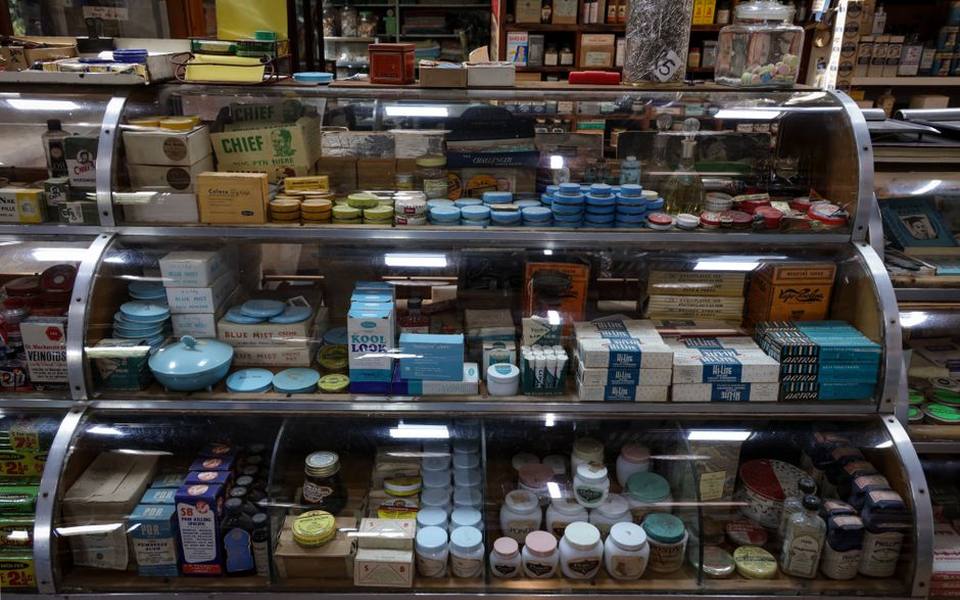
Collector Guide to Vintage Toys, Lighters, Sports Ephemera, and Curios
-
 Buying
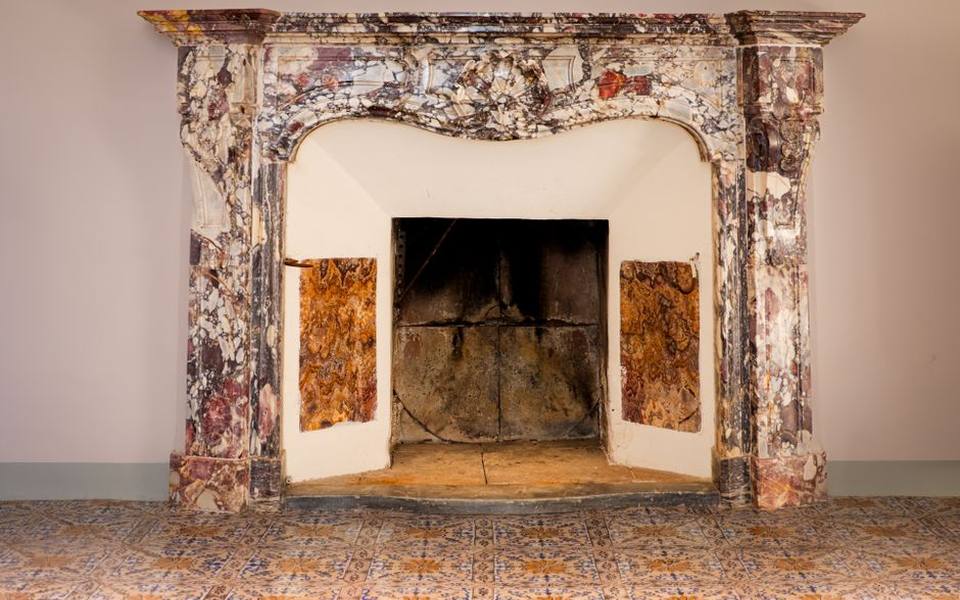
Architectural Salvage Guide: Sourcing Stained Glass, Mantels, and Historic Hardware
-
 Buying
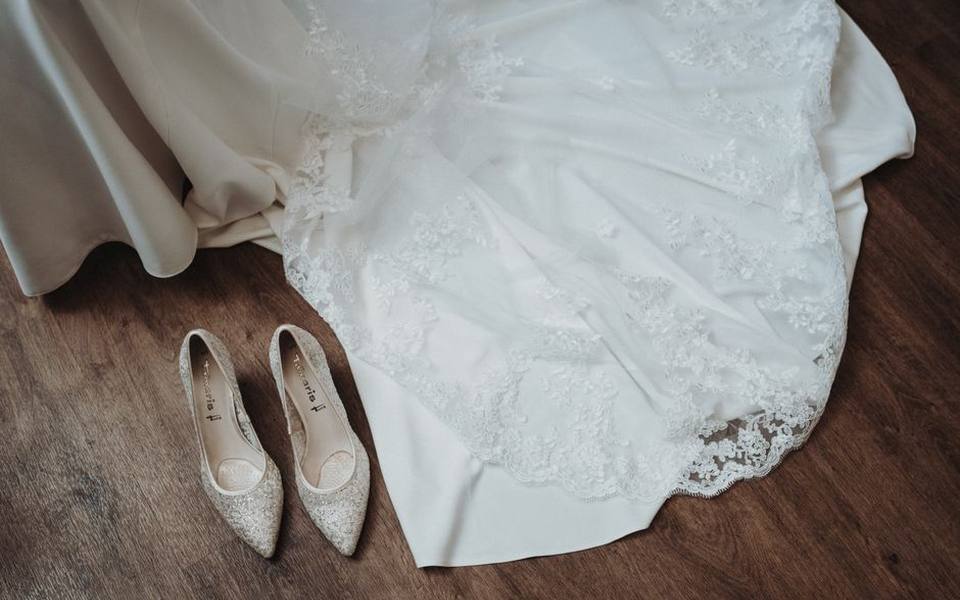
Vintage Fashion and Heirloom Style: Sourcing Dresses, Denim, Leather, and Ephemera