Finding the right venue for your coin collection
To get the fairest return on vintage coins, you need to separate common bullion from genuine collector pieces before approaching prospective buyers. Most sellers start by contacting regional dealers or checking local specialty shops to gauge interest. Rather than accepting the first offer, experienced collectors typically visit several storefronts to compare quotes across different types of buyers.
General pawnbrokers often focus purely on precious metal melt value, which works fine for heavily worn silver rounds but overlooks rare mint marks. Visiting dedicated antique jewelry and coin shops usually produces better offers because these dealers actively maintain client want-lists for rare strikes, key dates, and historically significant tokens.
If you have an assorted binder or loose jars, group your coins by metal content and era before setting up appointments. Presenting organized materials demonstrates that you understand what you hold, which establishes a much better foundation for transparent pricing discussions.
Evaluating authenticity and condition before negotiating
A coin's condition dictates a massive portion of its actual market premium. Even minute details in the high points of a portrait or the sharpness of the rim can create substantial price gaps between two identical dates. Collectors rely on standardized numerical grading scales, meaning an uncirculated specimen often trades for multiple times the value of a worn pocket piece.
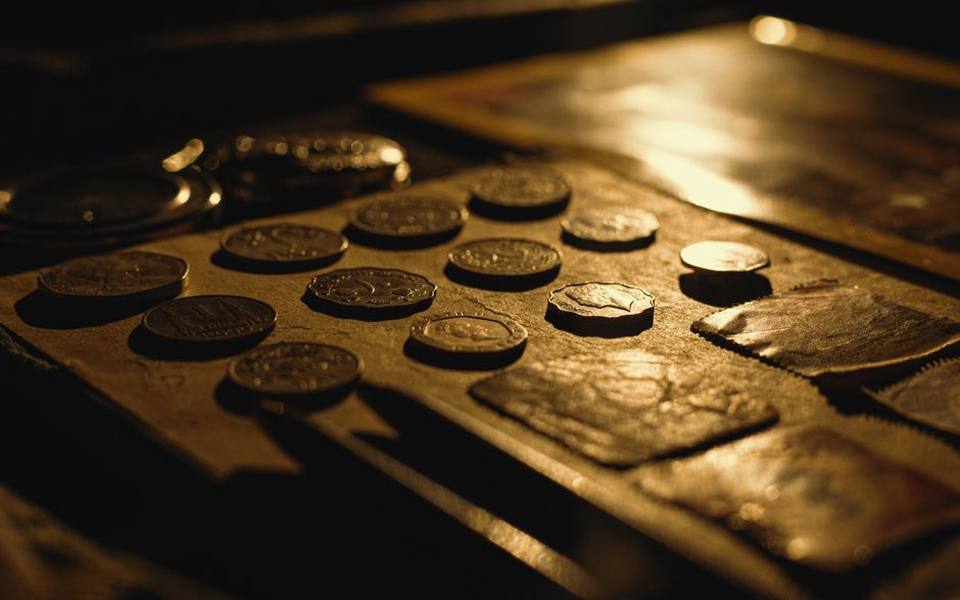
The single most critical rule in handling old currency is never to clean or polish your pieces. Wiping away original patina or surface tarnish creates microscopic hairlines that instantly destroy collectible desirability, often reducing a coin's numismatic premium down to basic metal scrap value overnight.
When dealing with inherited collections where values are completely unknown, independent appraisal services can provide an objective inventory before you ever negotiate. A certified appraiser charges an hourly consultation rate rather than buying your items, giving you an impartial baseline without any conflict of interest.
Choosing between consignment and direct liquidation
Selling directly for immediate payment is the fastest route, but it requires accepting wholesale rates so the buyer can earn a reasonable margin upon resale. For scarce individual specimens or high-grade coins, placing pieces with antique consignment shops often results in a higher net payout, provided you are willing to wait for the right collector to walk through the door.
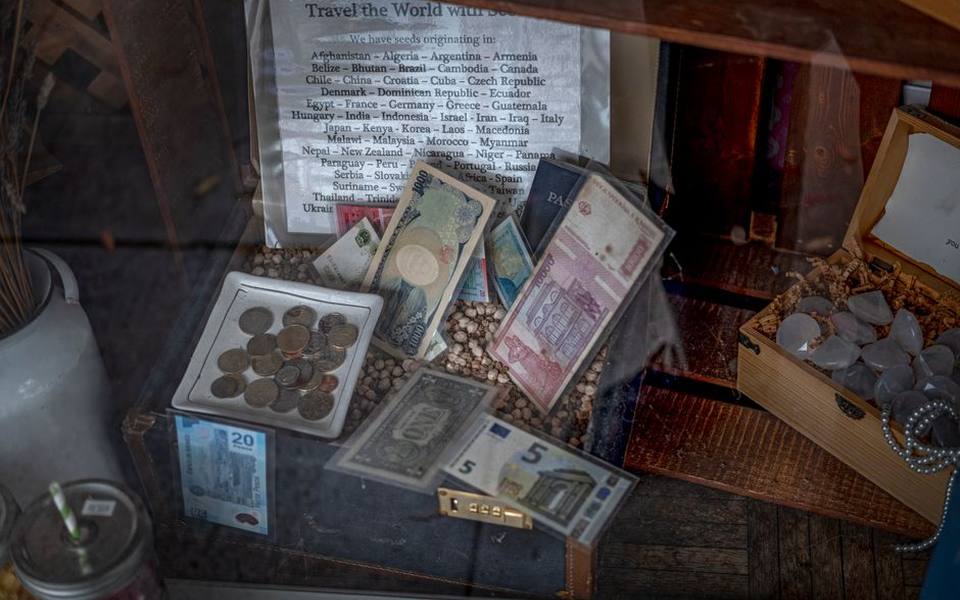
Consignment agreements typically outline a standard commission percentage alongside clear terms regarding display security, insurance coverage, and payout schedules. Before signing an agreement, verify whether the shop holds the collection in locked display cases and how losses are covered under their commercial policies.
If an accumulation of coins is part of a broader household liquidation, working with professionals handling estate sales can simplify the entire liquidation process. Established estate managers regularly market their catalogs directly to regional numismatic buyers who attend opening days specifically to acquire fresh estate material.
Understanding dealer margins and market premiums
Coin pricing hinges on two distinct categories: intrinsic bullion value and numismatic interest. Pre-1965 silver currency commonly trades based on the spot price of physical silver plus a modest retail markup. Genuine rarities, however, command prices based on survival rates, historical demand, and certified preservation grades regardless of daily commodity swings.
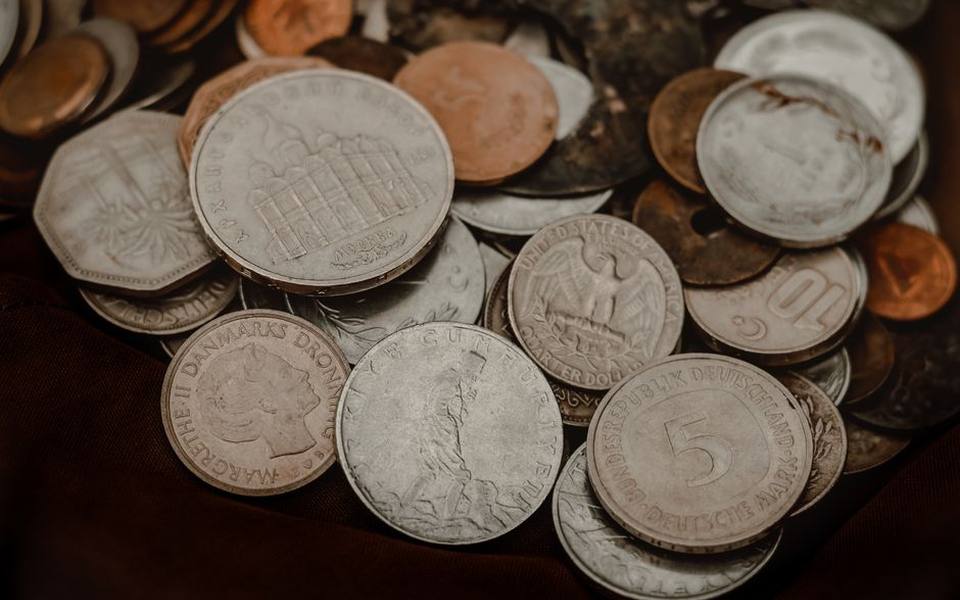
Storefront dealers maintain overhead expenses, carry inventory risks, and tie up liquid capital, meaning wholesale buy offers generally sit between sixty and eighty percent of retail book value depending on market liquidity. High-demand silver dollars move quickly and command narrower margins, whereas obscure foreign medals may require larger dealer discounts to account for longer turnaround times.
Submitting rare individual pieces to recognized third-party grading services can make sense if you suspect a coin carries exceptional condition rarity. Having a coin authenticated and sealed in a tamper-evident holder eliminates subjective disagreements about condition, allowing buyers to quote standardized wholesale figures with absolute confidence.
Navigating sales safely and verifying final payouts
Personal security should guide every phase of selling valuable metals and historical collections. Avoid meeting unknown private buyers in isolated locations or advertising high-value collections on public social forums. Conducting business inside well-monitored retail stores or bank lobbies provides essential protection for both parties during inspection and settlement.
Before finalizing a sale, do some field research by visiting booths at well-attended antique malls to see what similar denominations, years, and grades retail for in your geographical market. Seeing retail shelf prices in person helps you recognize whether a dealer's cash offer represents an equitable wholesale percentage.
Always settle transactions through secure, verified payment methods. Cash remains standard for smaller walk-in sales, while substantial sums are typically handled via bank wire or cashier's checks drawn on local financial institutions. Avoid unverified mobile payment apps or personal checks when transferring high-value numismatic assets to new owners.
Published 2026-09-20 · reviewed with each rebuild, last September 2026.
Find antique stores near you
The directory lists 25,996 antique stores by state and city — pick your state or use the “Near me” button in the header.
More guides
-
 Owning
Cleaning and Polishing Antique Silver Without Damaging the Patina
-
 Money
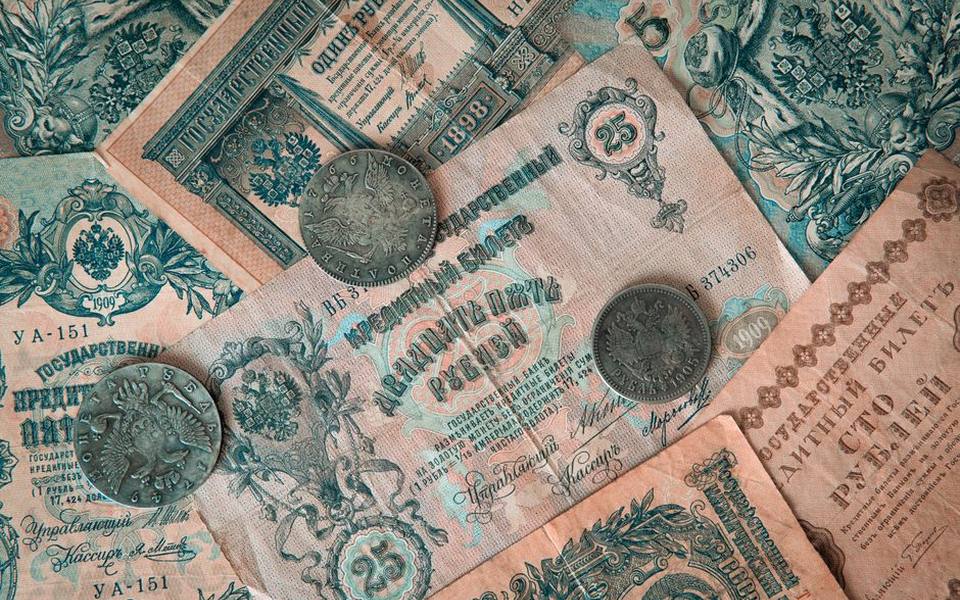
MoneyNavigating the Market for Vintage Currency
-
 Owning
Evaluating, Using, and Displaying Mid-Century Glassware and Kitchen Antiques
-
 Buying
Navigating Vintage and Antique Jewelry Styles
-
 Owning
How to Clean and Care for Silverware Without Causing Damage
-
 Owning
Vintage Pyrex Value and Safety Guide: Understanding Collector Patterns and Usage
-
 Buying
A Guide to Sourcing Vintage and Estate Jewelry
-
 Money
MoneyValuable Baseball Cards Guide: Spotting Vintage Sports Collectibles
-
 Owning
How to Clean and Restore Antique Wood Furniture
-
 Money
MoneyHow to Find and Use Antique Price Guides Online
-
 Money
MoneyHow to Determine the Value of Old Books and First Editions
-
 Buying
Choosing and Caring for Vintage and Modern Cast Iron Cookware
-
 Owning
How to Polish and Value Antique Silverware at Home
-
 Owning
How to Clean and Polish Antique Wood Furniture Without Damaging It
-
 Buying
Vintage and Classic Cast Iron Cookware: Buyer's, Value, and Care Guide
-
 Buying
Antique Silverware, Vintage Jewelry, and Collectible Coins Guide
-
 Money
MoneyA Practical Guide to Antique Price Guides and Rare Book Valuations
-
 Owning
How to Clean, Polish, and Refinish Antique Wood Furniture
-
 Owning
Ultimate Guide to Vintage and Antique Cast Iron Cookware: Brands, Seasoning, and Care
-
 Owning
How to Clean, Polish, and Value Vintage Silverware and Antique Jewelry
-
 Buying
Valuing Vintage Collectibles: From Rare Dolls and Slot Machines to Classic Lamps and Churns
-
 Owning
How to Clean, Polish, and Refinish Antique Wood Furniture
-
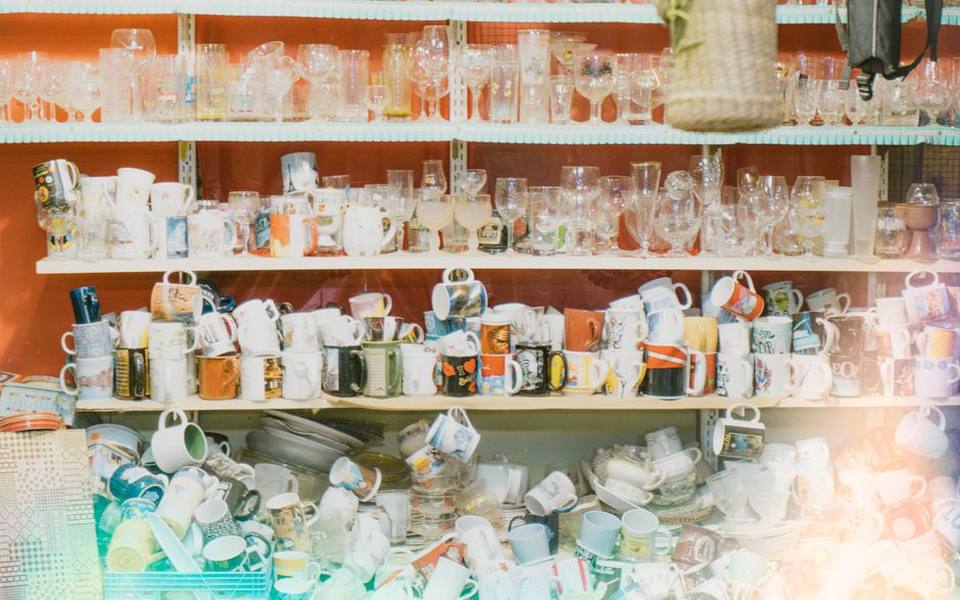 Money
MoneyVintage Glassware Value Guide: Pyrex, Depression Glass, CorningWare, and Bottles
-
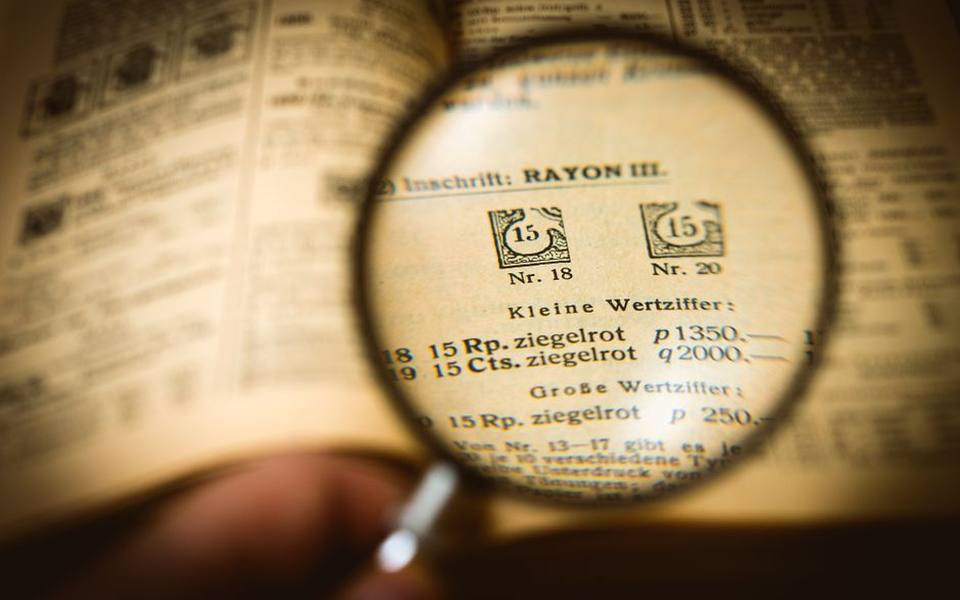 Money
MoneyAntique & Vintage Price Guides: How to Value Antiques and Collectibles
-
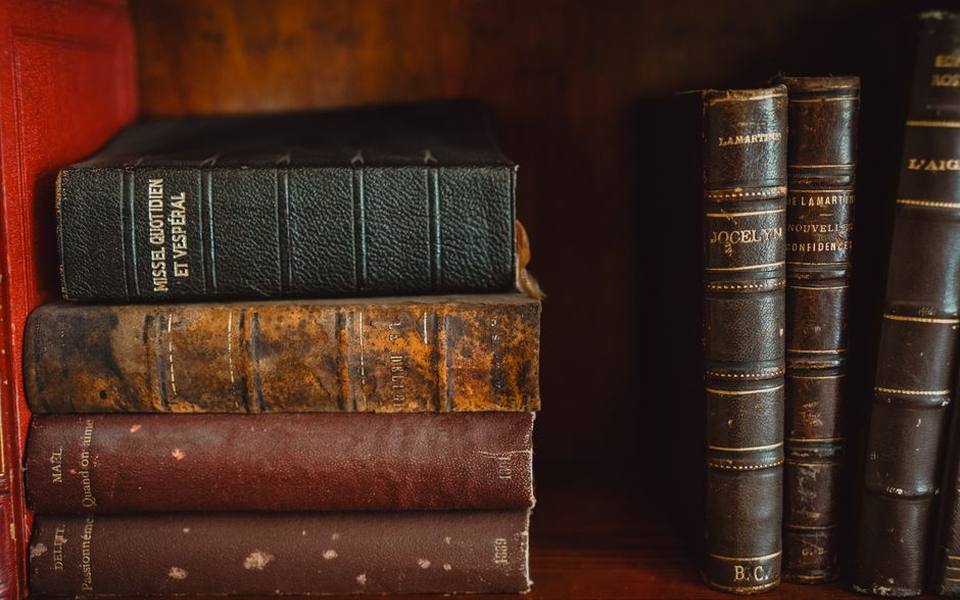 Buying
How to Value Old Books and First Editions: A Collector's Price Guide
-
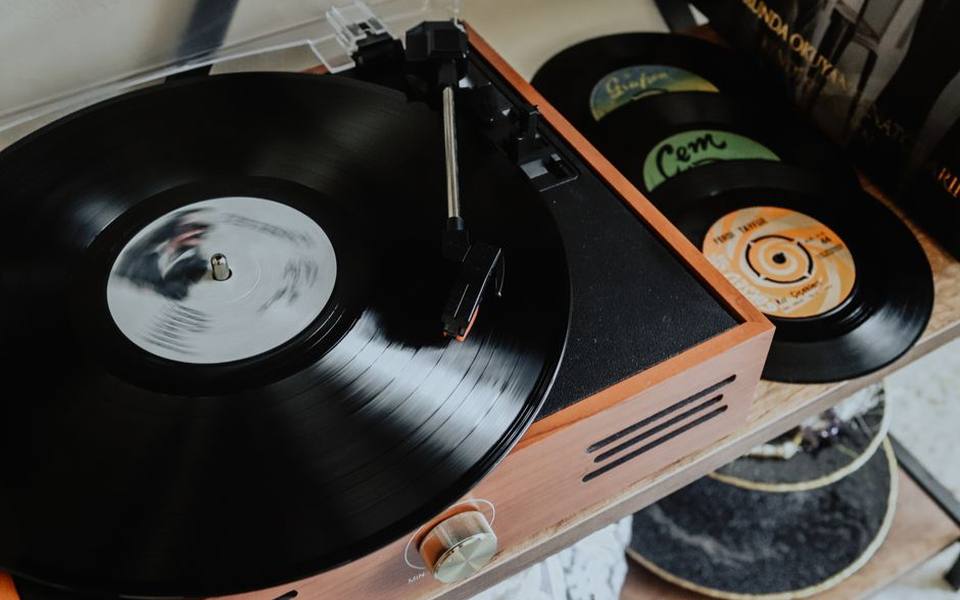 Money
MoneyWhere and How to Sell Vintage Records and Audio Equipment
-
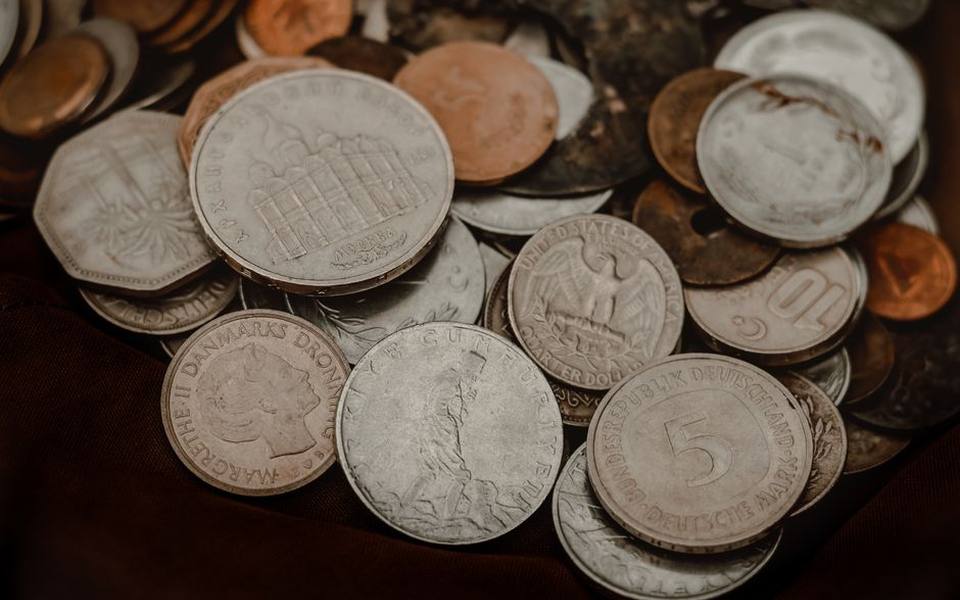 Buying
How to Buy, Value, and Sell Vintage Coins: A Practical Beginner's Guide
-
 Buying
Estate Sale Guide: How to Find, Buy, and Liquidate Antiques
-
 Buying
Vintage and Modern Cast Iron Cookware: Identification, Seasoning, Buying, and Care
-
 Money
MoneyComprehensive Guide to Antique Values, Old Books, and Collectibles Pricing
-
 Owning
Cleaning and Caring for Vintage Silverware, Fine Jewelry, and Antique Metals
-
 Owning
How to Clean, Polish, and Refinish Antique Wood Furniture
-
 Buying
Vintage and Modern Cast Iron Cookware: Identification, Caring, and Buying Guide
-
 Owning
Antique Silverware: Cleaning, Polishing at Home, and Value Guide
-
 Owning
Care, Polishing, and Refinishing Guide for Antique Wood Furniture
-
 Buying
Vintage Pyrex, Glassware, and Depression Glass Identification and Value Guide
-
 Money
MoneyAntique Price Guides: How to Value and Sell Antiques Online and Offline
-
 Money
MoneyCollectible Old Books and First Editions: Valuation and Identification Guide
-
 Buying
Vintage Sewing Machines, Stoves, and Antique Tools Value Guide
-
 Buying
Collector Guide to Vintage Door Hardware, Knobs, and Cabinet Pulls
-
 Owning
Antique & Vintage Dolls: Values, Identification, and Care
-
 Buying
Antique Hoosier Cupboards and Vintage Desks: History, Identification, and Value
-
 Service
Grandfather, Wall, and Pocket Clock Repair and Identification Guide
-
 Owning
Antique Rotary Telephones and Landlines: Buying, Restoring, and Converting
-
 Owning
Collecting Vintage Picture Frames and Oil Paintings: Framing and Restoration
-
 Buying
Antique Sewing Machines and Spinning Wheels: Value, Brands, and Maintenance
-
 Buying
Antique Wood Stoves and Log Burners: Buying, Safety, and Restoration Guide
-
 Buying
Depression Glass and Antique Canning Jars: Identification and Values
-
 Buying
Vintage Mirrors: Identifying, Buying, and Styling Antique Glass
-
 Owning
Antique Silverware and Silverplate Flatware: Cleaning, Identification, and Value
-
 Buying
Vintage Engagement Rings and Art Deco Jewelry: Buying and Valuation
-
 Buying
Buyer Guide to Vintage and Antique Furniture: Seating, Tables, Desks, and Reproductions
-
 Buying
Collector Guide to Vintage Toys, Lighters, Sports Ephemera, and Curios
-
 Buying
Architectural Salvage Guide: Sourcing Stained Glass, Mantels, and Historic Hardware
-
 Buying
Vintage Fashion and Heirloom Style: Sourcing Dresses, Denim, Leather, and Ephemera