The Appeal and Purpose of American Workspace Antiques
Evaluating early domestic cabinetry requires looking past cosmetic wear to understand how specific storage pieces solved daily household problems. Turn-of-the-century homeowners relied on specialized utility furniture designed for concentrated work, ranging from multi-compartment baking stations in the pantry to drop-front writing workstations in the parlor. Today, pieces like all-in-one baking cupboards, multi-drawer apothecary chests, and formal writing desks command strong interest among collectors seeking both functional utility and historical character.
Unlike standardized modern flat-pack furnishings, historic cabinetry showcases substantial regional variations in lumber selection, joinery, and interior fittings. A cabinet built in northern Indiana during the early twentieth century often relied on quartersawn white oak or maple, assembled with machine-cut dovetails and heavy cast-iron hardware designed for daily strain. Knowing what to touch, slide, and smell before making a purchase ensures you invest in a genuine period survivor rather than an assembled composite.
Pricing across these utilitarian pieces depends heavily on completeness, original hardware, and unmodified surfaces. A piece that retains its factory-fitted glass jars, interior flour bins, original bail pulls, or secret desk compartments typically commands a substantial premium over stripped or heavily refinished examples. Whether you are hunting through neighborhood showrooms or examining items at regional liquidations, knowing how these pieces functioned helps you spot valuable details that others overlook.
Origins and Anatomy of the Classic Baking Cupboard
The specialized freestanding kitchen cupboard emerged in the late 1890s to streamline household food preparation before built-in cabinetry became standard in American homes. Produced primarily across Indiana by firms like Hoosier, Sellers, Boone, and McDougall, these units combined a lower storage base, an enamel prep surface, and a multi-level upper hutch. The defining feature of any genuine vintage hoosier cabinet remains its integrated food preparation accessories, particularly the galvanized tin hopper with an external hand crank.
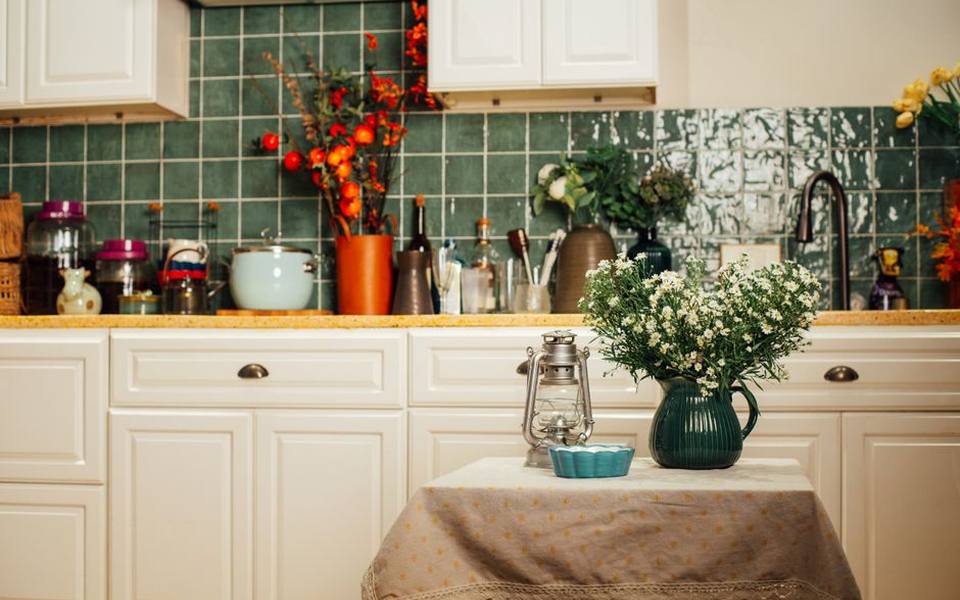
When examining an authentic antique hoosier cupboard, start by looking closely at the upper shelving array. Factory-built models typically featured dedicated racks for branded spice jars, wire cooling racks, and curved tambour roll-front doors designed to slide smoothly up into the carcass without swinging into working space. The presence of an original manufacturer nameplate, often pressed brass or enameled metal tacked to the upper door frame, dramatically simplifies dating and brand authentication.
The pull-out counter worktop serves as another primary indicator of period production. Early versions dating between 1898 and 1910 commonly featured heavy zinc tops or solid wood planks, while later iterations from the 1920s introduced white porcelain enamel tops, sometimes accented with green or delft blue trim. Inspecting the underside of this slide reveals whether it has been replaced; authentic slides generally retain original wooden runners and underside patent stamp impressions.
Evaluating Mechanics and Fittings in Flour Cabinets
For serious collectors, an old flour cabinet is only as desirable as its surviving mechanical parts. The internal flour hopper, fitted with an integrated rotary sifter at the bottom spout, was often discarded when homeowners converted these units to general garage or pantry storage during mid-century renovations. Finding an example where the original metal bin remains intact, free of severe rust punctures, and smoothly turns its sifting crank adds considerable market appeal.
Hardware across these functional cupboards was engineered for greasy, flour-dusted environments, relying on heavy nickel-plated cast iron or unlacquered brass. Examine the latch mechanisms: the popular spring-loaded 'slam latch' common on Hoosier Manufacturing units should snap shut firmly without catching or requiring hand assistance. Replacement hinges, mismatched latches, or modern zinc screws into old oak grain signal aftermarket repairs that soften value.
You should also check the specialized interior accessories, which often include glass tea canisters, wire egg baskets, and rotating sugar bins with built-in scoop brackets. Many of these fragile glassware sets were made specifically by companies like Sneath Glass for kitchen cabinet manufacturers. If you discover intact ribbed glassware marked with ounce measurements resting inside the original upper brackets, you have likely encountered an unmolested period survivor.
Decoding the Construction of the Secretary Desk
The vintage secretary desk holds a unique position in antique woodworking because it marries formal salon display with private working storage. Developed in various styles from Queen Anne through early-twentieth-century colonial revival, these units feature either a slant-front lid or a hinged vertical drop-front panel that folds down onto support slides or brass stays to create an immediate writing surface. Above the desk section, many feature an attached glazed bookcase, creating a substantial vertical silhouette.
When inspecting a secretary desk antique, the interior configuration—traditionally called the 'nest' or pigeonhole gallery—reveals the cabinetmaker's skill. Fine examples incorporate rows of hand-dovetailed document drawers, carved valances, and occasionally spring-loaded hidden compartments tucked behind sliding pilasters or false plinth moldings. Inspect the desktop hinges carefully, as decades of leaning forearm weight frequently cause hinge screws to strip out or cause splits along the desk flap edge.
Drop-front surfaces on an old secretary desk were traditionally lined with embossed tooling leather, felt, or smooth-planed quarter-sawn hardwood. If the writing flap shows evidence of multiple screw holes around the hinges, a replaced chain stay, or cracked wood at the pivot points, structural reinforcement may be required before practical daily use. Original locks and functioning skeleton keys are relatively rare, but finding a desk with working barrel locks significantly elevates its collectible appeal.
Assessing Flat-Top and Commercial Vintage Desks
Beyond folding secretary models, commercial and residential vintage desk styles provide unmatched structural integrity compared to modern office furnishings. Early industrial partner desks, roll-top executive units, and mid-century schoolmaster desks were designed for grueling daily use, relying on substantial interior frames and cross-braced drawer pedestals. Solid wood construction—most often quartered oak, walnut, or mahogany—gives these functional work surfaces an unmistakable presence.
Roll-top desks, popularized heavily by American office furniture makers between 1880 and 1920, depend entirely on the condition of the flexible wooden tambour. This slatted curtain consists of individual wood molding strips glued securely to a heavy canvas backing that slides inside curved side tracks. If the canvas has dried, torn, or rotted away, the tambour will stick, bind, or collapse inside the back cavity, requiring complete disassembly and re-canvasing.
Take time to examine the kneehole clearances and modesty panel joints when considering any working antique desk. Older desks were tailored around lower office chairs and handwritten correspondence, meaning keyboard clearance and monitor depths require thoughtful measurement before purchase. Checking for original wire pass-throughs, inkwell cutouts, and intact central locking mechanisms—where closing the center drawer locks all side pedestals simultaneously—ensures you preserve valuable historical utility.
Identifying Authentic Apothecary and Specimen Cabinets
Few utilitarian storage pieces capture collector imagination quite like the antique apothecary cabinet. Originally commissioned for retail pharmacies, dry goods dispensaries, and chemistry laboratories, these statement pieces are defined by dozens of uniform, small drawers arranged in precise architectural banks. Each drawer historically housed bulk herbs, pulverized chemicals, tinctures, or medical apparatus, leaving distinct scents and stains within the unfinished pine or poplar drawer interiors.
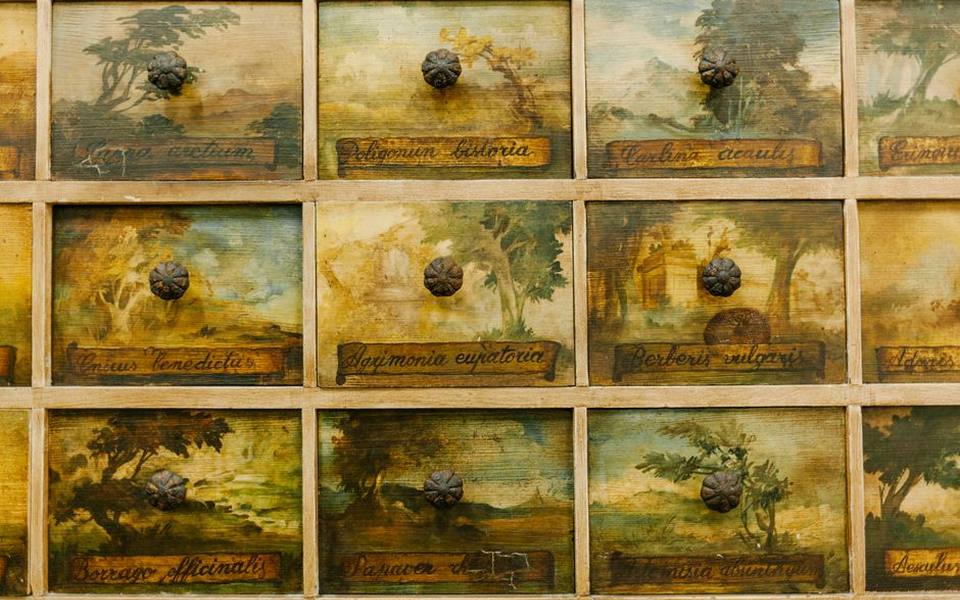
Distinguishing an authentic specimen chest from a modern reproduction requires careful scrutiny of wear patterns and drawer joinery. A true vintage apothecary cabinet will display irregular, natural fingernail wear around the pulls, oxidized drawer sides from decades of sliding along wood runners, and hand-cut or early machine dovetails. Reproductions typically feature staple-reinforced drawer boxes, uniform modern plywood drawer bottoms, and artificially aged hardware applied over identical synthetic stain coats.
Original drawer pulls on an authentic apothecary chest often combine a drawer handle with an integrated label window made of pressed tin, bronze, or cast iron. Look closely at the metal patina; genuine pulls show heavy, uneven polishing wear on the gripping surfaces, while the recessed label areas collect undisturbed dust and grime. If every drawer pull on a forty-drawer unit looks immaculately uniform with identical simulated aging marks, approach the piece with cautious skepticism.
Joinery and Drawer Details in Antique Dressers
A classic antique dresser represents the backbone of bedroom furniture collecting, offering durable storage and rich woodwork that complements both period and eclectic interiors. Ranging from Victorian walnut commodes with marble splashbacks to early American pine chests, these case pieces showcase the gradual transition from bench-crafted hand joinery to industrialized factory production. Understanding this progression allows you to date an antique dresser chest of drawers within roughly a decade.
Focus your inspection directly on the drawer fronts and side boxes. Pre-1870 pieces typically feature wide, slightly uneven hand-cut dovetails with noticeable scribed layout lines left by the cabinetmaker's marking gauge. From the 1870s through the 1890s, American factories embraced the distinctive 'pin and cove' or Knapp joint—a scalloped machine joint with a circular wooden pin—which definitively dates a drawer box to that short, inventive transitional manufacturing window.
Look also at the back paneling and base skirt of the main carcass. Genuine period chests rely on solid wood backboards, often vertical shiplap pine or horizontal tongue-and-groove planks secured with square cut nails or slotted dome-head wood screws. Modern plywood backs, corrugated cardboard fillers, or modern wire staple fasteners immediately indicate either extensive twentieth-century repair work or modern vintage-styled manufacturing.
Troubleshooting and Inspecting Antique Drawer Boxes
When purchasing storage antiques, an antique dresser drawer tells the honest history of the piece's environment and care. Because wood expands and contracts across its grain with seasonal humidity shifts, older drawers frequently suffer from stuck boxes, split bottoms, or worn runners. Pull several drawers completely out of the frame to inspect the underside and side runner grooves for heavy gouging or structural splits.
Historic drawer construction utilized solid wood bottom boards fitted loosely into dado grooves along the drawer sides, allowing the wood to shrink without cracking the frame. If a past owner used modern white glue or rigid brad nails to pin the bottom board securely into place, cross-grain tension usually causes the thin wood panel to split straight down the center. Repairing these splits requires freeing the panel so it can float naturally inside its channels.
Check the internal wooden slides mounted along the interior cabinet walls, which bear the entire weight of loaded drawers. Over a century of sliding friction, hardwood runners often wear down by half an inch or more, causing drawers to droop, bind against dust dividers, or scratch the facade finish below. Examining these wear spots gives you immediate leverage when discussing fair pricing with a vendor at local antique furniture stores.
Sourcing and Evaluating Furniture Across Historic Outlets
Finding high-grade period cabinetry requires exploring a mix of specialized regional venues. Many seasoned buyers regularly browse regional antique malls, where individual vendor booths present diverse selections of country cupboards, industrial desks, and restored chests under one roof. These multi-dealer centers offer excellent opportunities to compare different woods, finishes, and price bands side-by-side during a single afternoon visit.
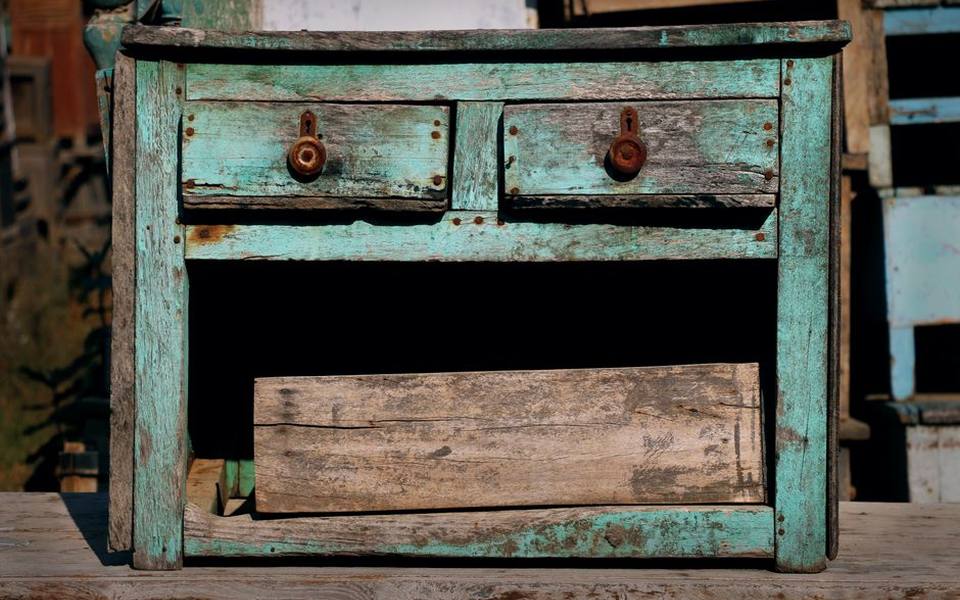
For pieces in untouched, estate-fresh condition, searching through local estate sale services often yields the best unadulterated finds. Country farmhouses and long-established homes frequently hold original flour cupboards or family writing bureaus that have sat undisturbed in dry corners for generations. When buying from an estate liquidation, bring along a tape measure, a strong flashlight, and a small hand magnet to verify brass versus brass-plated steel.
If you encounter a particularly fine high-end secretary or rare pharmacy chest with questionable provenance, relying on certified appraisal services helps clarify true replacement value and stylistic authenticity. Similarly, exploring curated inventory at recognized antique consignment shops often connects buyers with documented items vetted by experienced showroom curators, providing peace of mind when making an investment.
Conservation, Patina Preservation, and Practical Care
The primary rule when conserving functional antique cabinetry is to preserve the historic finish whenever possible. The warm, mellow sheen known as patina develops through decades of ambient light exposure, hand contact, and gradual lacquer oxidation, creating an organic appearance that modern stripping compounds instantly obliterate. Rather than stripping an old finish down to bare timber, most pieces respond dramatically well to a gentle cleaning with mineral spirits followed by paste wax.
Mechanical moving parts require thoughtful lubrication rather than modern aerosol penetrants. Avoid spraying commercial aerosol lubricants on sticky drawer runners or tambour track channels, as these chemical carriers soften historical animal glues and attract grit that grinds down wood fibers. Instead, rub a plain block of pure paraffin wax or natural beeswax along all friction points to restore silky, effortless gliding action.
Finally, manage the indoor climate where your restored furniture resides. Historic joinery held together with traditional hide glue remains sensitive to extreme seasonal swings in relative humidity. Keeping your home between 35 and 55 percent humidity prevents drawer panels from buckling in humid summers or shrinking to the point of splitting during dry winter heating cycles, ensuring these timeless workspaces serve your family for another century.
Published 2026-09-21 · reviewed with each rebuild, last September 2026.
Find antique stores near you
The directory lists 25,996 antique stores by state and city — pick your state or use the “Near me” button in the header.
More guides
-
 Owning
Cleaning and Polishing Antique Silver Without Damaging the Patina
-
 Money
MoneyNavigating the Market for Vintage Currency
-
 Owning
Evaluating, Using, and Displaying Mid-Century Glassware and Kitchen Antiques
-
 Buying
Navigating Vintage and Antique Jewelry Styles
-
 Owning
How to Clean and Care for Silverware Without Causing Damage
-
 Owning
Vintage Pyrex Value and Safety Guide: Understanding Collector Patterns and Usage
-
 Buying
A Guide to Sourcing Vintage and Estate Jewelry
-
 Money
MoneyValuable Baseball Cards Guide: Spotting Vintage Sports Collectibles
-
 Owning
How to Clean and Restore Antique Wood Furniture
-
 Money
MoneyHow to Find and Use Antique Price Guides Online
-
 Money
MoneyHow to Determine the Value of Old Books and First Editions
-
 Money
MoneyWhere and How to Sell Vintage Coins for the Best Return
-
 Buying
Choosing and Caring for Vintage and Modern Cast Iron Cookware
-
 Owning
How to Polish and Value Antique Silverware at Home
-
 Owning
How to Clean and Polish Antique Wood Furniture Without Damaging It
-
 Buying
Vintage and Classic Cast Iron Cookware: Buyer's, Value, and Care Guide
-
 Buying
Antique Silverware, Vintage Jewelry, and Collectible Coins Guide
-
 Money
MoneyA Practical Guide to Antique Price Guides and Rare Book Valuations
-
 Owning
How to Clean, Polish, and Refinish Antique Wood Furniture
-
 Owning
Ultimate Guide to Vintage and Antique Cast Iron Cookware: Brands, Seasoning, and Care
-
 Owning
How to Clean, Polish, and Value Vintage Silverware and Antique Jewelry
-
 Buying
Valuing Vintage Collectibles: From Rare Dolls and Slot Machines to Classic Lamps and Churns
-
 Owning
How to Clean, Polish, and Refinish Antique Wood Furniture
-
 Money
MoneyVintage Glassware Value Guide: Pyrex, Depression Glass, CorningWare, and Bottles
-
 Money
MoneyAntique & Vintage Price Guides: How to Value Antiques and Collectibles
-
 Buying
How to Value Old Books and First Editions: A Collector's Price Guide
-
 Money
MoneyWhere and How to Sell Vintage Records and Audio Equipment
-
 Buying
How to Buy, Value, and Sell Vintage Coins: A Practical Beginner's Guide
-
 Buying
Estate Sale Guide: How to Find, Buy, and Liquidate Antiques
-
 Buying
Vintage and Modern Cast Iron Cookware: Identification, Seasoning, Buying, and Care
-
 Money
MoneyComprehensive Guide to Antique Values, Old Books, and Collectibles Pricing
-
 Owning
Cleaning and Caring for Vintage Silverware, Fine Jewelry, and Antique Metals
-
 Owning
How to Clean, Polish, and Refinish Antique Wood Furniture
-
 Buying
Vintage and Modern Cast Iron Cookware: Identification, Caring, and Buying Guide
-
 Owning
Antique Silverware: Cleaning, Polishing at Home, and Value Guide
-
 Owning
Care, Polishing, and Refinishing Guide for Antique Wood Furniture
-
 Buying
Vintage Pyrex, Glassware, and Depression Glass Identification and Value Guide
-
 Money
MoneyAntique Price Guides: How to Value and Sell Antiques Online and Offline
-
 Money
MoneyCollectible Old Books and First Editions: Valuation and Identification Guide
-
 Buying
Vintage Sewing Machines, Stoves, and Antique Tools Value Guide
-
 Buying
Collector Guide to Vintage Door Hardware, Knobs, and Cabinet Pulls
-
 Owning
Antique & Vintage Dolls: Values, Identification, and Care
-
 Service
Grandfather, Wall, and Pocket Clock Repair and Identification Guide
-
 Owning
Antique Rotary Telephones and Landlines: Buying, Restoring, and Converting
-
 Owning
Collecting Vintage Picture Frames and Oil Paintings: Framing and Restoration
-
 Buying
Antique Sewing Machines and Spinning Wheels: Value, Brands, and Maintenance
-
 Buying
Antique Wood Stoves and Log Burners: Buying, Safety, and Restoration Guide
-
 Buying
Depression Glass and Antique Canning Jars: Identification and Values
-
 Buying
Vintage Mirrors: Identifying, Buying, and Styling Antique Glass
-
 Owning
Antique Silverware and Silverplate Flatware: Cleaning, Identification, and Value
-
 Buying
Vintage Engagement Rings and Art Deco Jewelry: Buying and Valuation
-
 Buying
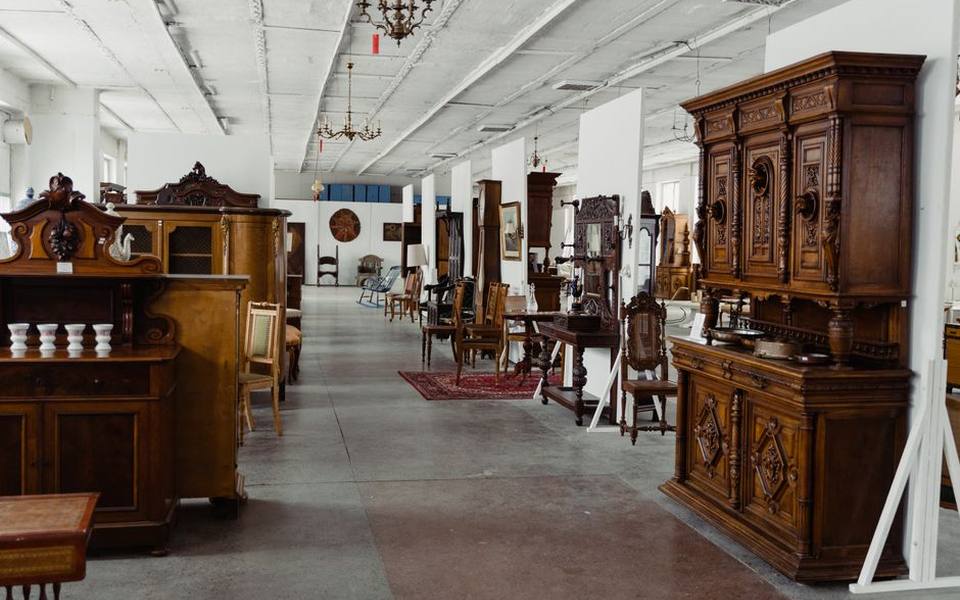
Buyer Guide to Vintage and Antique Furniture: Seating, Tables, Desks, and Reproductions
-
 Buying
Collector Guide to Vintage Toys, Lighters, Sports Ephemera, and Curios
-
 Buying
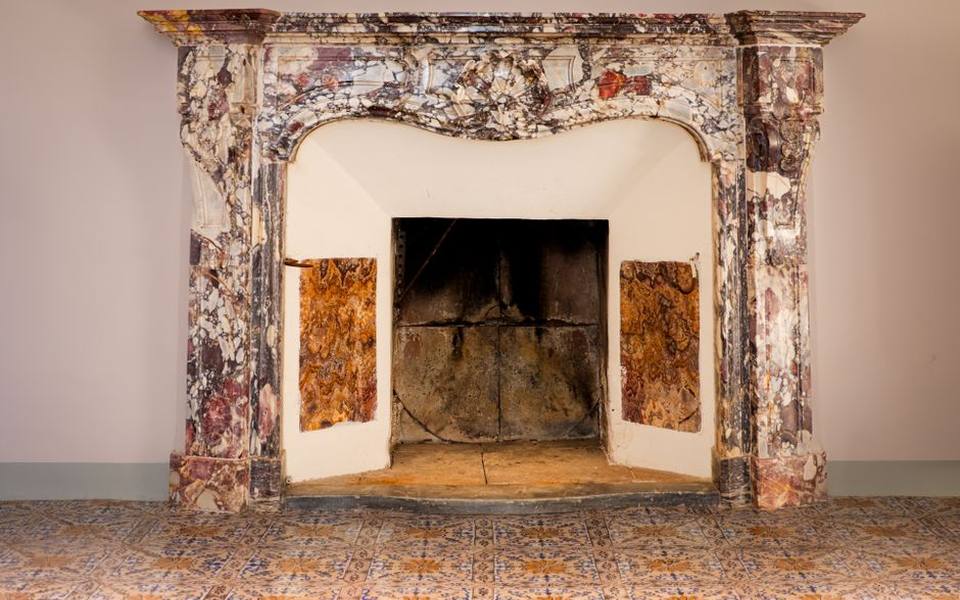
Architectural Salvage Guide: Sourcing Stained Glass, Mantels, and Historic Hardware
-
 Buying
Vintage Fashion and Heirloom Style: Sourcing Dresses, Denim, Leather, and Ephemera