Understanding what estate liquidation actually involves
Estate liquidation is the structured process of selling off the personal property, furnishings, and valuables belonging to an estate or household. This transition usually happens after a major life event, such as the passing of a family member, a sudden need to downsize into assisted living, a cross-country relocation, or a divorce. Unlike a standard Saturday garage sale, an estate sale generally opens up the entire residential property to buyers, offering everything from everyday cookware and garden tools to valuable fine jewelry, rare pottery, and heirloom furnishings.
The liquidation process is designed to clear out a residence completely within a condensed timeframe, typically over the course of two to four days. Families facing this daunting task often hire third-party professionals who inventory the items, conduct background research on unique pieces, stage the home like an organized retail boutique, and manage crowd control. For buyers, these events offer a rare glimpse into preserved domestic history and an opportunity to acquire genuine period items directly from the original households.
While full-service estate companies manage many high-profile sales, independent dealers and local vintage shops also coordinate on-site tag sales. Working with established antique shops offering estate sales helps families avoid leaving money on the table while giving collectors direct access to fresh-to-market treasures that have been tucked away in attics, cedar chests, and display cabinets for decades.
Finding local sales and weekend listings in your area
Finding upcoming estate sales nearby requires a mix of digital monitoring and old-school neighborhood observation. Professional liquidation companies generally publish notices and photo previews online roughly three to five days before doors open. Dedicated regional aggregate directories, neighborhood bulletin boards, and social media community groups are common spots where organizers upload extensive photo galleries of tagged items, giving prospective shoppers a clear preview of what will be available on the sales floor.

Physical signage remains remarkably effective for spotting unadvertised or family-run tag sales on Friday and Saturday mornings. Liquidators and private families place brightly colored directional yard signs at major traffic intersections, directing passing drivers into quiet suburban subdivisions. Getting in the habit of scanning utility poles and street corners during your morning commute often reveals intimate downsizing sales that never had formal digital announcements published online.
Building a dependable network also keeps you ahead of public crowds. Once you attend a few sales, ask the checkout managers to add your email address to their private notification lists. Many estate operators maintain internal subscriber lists, sending out private entry numbers, advance warehouse previews, or notification of private tag sales twenty-four hours before advertising publicly to the general neighborhood.
Planning your arrival time and navigating the sign-up sheet
Securing entry to a popular sale requires an understanding of how queue management works. Most experienced estate companies use a formal sign-up sheet or hand out physical numbers to prevent chaotic rushes when doors open. The sign-up sheet is typically set outside the front door several hours before opening, though in competitive vintage markets, dedicated pickers may arrive at dawn to secure the earliest spots on the sheet.
Your planned arrival time should depend entirely on your shopping goals. If you spotted a rare piece of mid-century art or sterling silver in the online preview photographs, arriving an hour or more before opening is virtually mandatory to be among the first group ushered inside. If your intent is casually browsing for books, kitchenware, or decor accents, arriving later in the afternoon lets you skip the morning line and shop comfortably without jostling for elbow room in narrow hallways.
Pay careful attention to individual company rules posted near the entrance. Professional operators strictly enforce maximum house capacities mandated by local fire marshals, meaning only twenty to thirty shoppers may enter simultaneously. Staying patient, remaining near the front porch when numbers are called, and respecting the property boundaries ensures you maintain a cordial relationship with the liquidation crew managing the door.
Inspecting furniture and vintage items inside the home
Thoroughly inspecting items in an estate environment requires vigilance, as nearly all sales operate under strict as-is, final-sale policies. Bring along a compact inspection kit consisting of a small LED flashlight, a magnifying loupe, and a collapsible tape measure. Lighting inside residential basements, attics, and cluttered bedrooms is frequently dim, making it easy to overlook hairline cracks in fine porcelain, structural wood splits, or dry rot in vintage textiles.
When evaluating wooden cabinets, tables, and seating, test joints for stability and look for evidence of secondary repairs or replaced hardware. Consulting antique furniture specialists can teach you that genuine period construction features hand-cut dovetails, uneven back panels, and authentic wear patterns around pulls. A reproduction often reveals modern Phillips-head screws, synthetic particleboard backing, or unnatural mechanical distressing that detracts from its long-term collectible value.
Mechanical and electrical items require practical verification before you pull out your wallet. Locate an active wall outlet to plug in vintage table lamps, clock radios, or small kitchen appliances before heading toward the cashier. For porcelain and glassware, run your fingertips gently around the outer rims to detect tiny flea bites or polished chips that might not be immediately visible to the naked eye under ambient room lighting.
Negotiating prices and watching the markdown calendar
Understanding standard discounting cycles will dramatically improve how much value you extract from weekend estate sales. Opening day—traditionally a Thursday or Friday—features firm pricing because organizers are testing the waters with serious collectors who willingly pay full price for rare goods. Asking for steep discounts on opening morning is usually frowned upon and rarely yields results, as liquidators have a fiduciary responsibility to the estate to pursue top dollar.
Discounts typically follow a predictable schedule as the weekend progresses. Saturday mornings often bring reductions of twenty-five to thirty percent across remaining merchandise, while Sunday afternoons frequently see fifty to seventy-five percent price cuts on everything left inside the home. If you fall in love with a large, heavy dresser or a set of dinner plates that seems overpriced, you can politely submit a written backup bid to the cashier for consideration if it remains unsold by Sunday.
Bundling items together remains the most polite, effective negotiation technique when buying multiple pieces. Instead of aggressively haggling over an individual small decorative piece, gather five or six complementary items into a holding box and ask the manager for a combined total price. Organizers appreciate volume buyers who help empty rooms quickly, and they are usually glad to round down the aggregate figure to move inventory out the door.
Selling inherited antiques locally for immediate cash
When you find yourself on the other side of the counter needing to sell inherited heirlooms, finding immediate local cash outlets is a top priority. Brick-and-mortar dealers, pawnshops, and secondhand merchants purchase vintage belongings outright, though you must understand their buying margins. A storefront dealer typically offers forty to sixty percent of projected retail value because they take on the carrying costs, utility overhead, and financial risk of holding stock for months before a retail buyer surfaces.
Before loading your vehicle to visit buyers, categorize your items and contact establishments that specialize in those distinct niches. General vintage shops welcome decor and oddities, while precious metals, rare coins, and fine jewelry should always be presented to dedicated dealers with specialized testing tools. Presenting items clean, orderly, and accompanied by any family provenance, original purchase receipts, or maker documentation substantially strengthens your bargaining position.
If you suspect that an inherited collection contains high-value paintings, rare sculpture, or notable historical artifacts, securing an unbiased opinion is essential before accepting cash offers. Scheduling an evaluation through independent professional appraisal services ensures you understand fair market valuation benchmarks without the pressure of an immediate buyout, preventing you from selling a museum-caliber treasure for pennies on the dollar.
Using consignment shops to liquidate high-end collections
For families who possess quality antiques but lack the volume to host an on-site household sale, partnering with a local consignment merchant provides an exceptional middle ground. Consignment shops display your items inside an established retail showroom frequented by motivated interior decorators, serious collectors, and high-net-worth homeowners seeking curated statement pieces.
The financial arrangement behind consignment is straightforward but requires careful review. Commission splits typically range between thirty and fifty percent of the final realized sales price, depending on the item's perceived marketability, size, and retail footprint. Reputable consignment shops issue written agreements detailing the initial listing price, scheduled automatic markdown intervals over sixty to ninety days, and expectations for picking up unsold property.
The primary advantage of consignment over direct cash buyouts is a higher total financial return. Because the showroom owner does not tie up their own working capital buying your inventory upfront, they are comfortable pricing high-end items closer to full retail value. The main trade-off is patience: you must wait for the right customer to walk through the doors, and payment is disbursed via monthly accounting checks after sales finalize.
Renting an antique mall booth for steady inventory turnover
Operating your own space within a collective retail center has become one of the most reliable ways to liquidate medium to large inventories. Setting up inside antique mall booths allows you to sell hundreds of individual vintage collectibles without having to stand behind a register or manage retail customer service every day of the week, as mall management handles all cashiering and sales tax collection.
Booth rental structures vary significantly by metropolitan region, foot traffic density, and physical square footage. Monthly rent typically ranges from one to three dollars per square foot in rural outposts, whereas bustling destination malls in major suburban corridors may charge significantly more. In addition to flat monthly floor rent, operators routinely deduct a small sales commission—frequently between five and fifteen percent—alongside standard credit card processing fees from your monthly vendor settlement.
Achieving consistent profitability as a booth vendor requires diligent merchandising, competitive pricing, and regular inventory turnover. Stagnant spaces quickly get bypassed by regular weekend pickers who visit malls weekly searching for fresh discoveries. Restocking your display shelves with seasonal items, keeping displays dust-free, and tagging goods with clear, descriptive provenance notes transforms an overwhelming liquidation project into a steady, enjoyable income stream.
Selling vintage and antique items through online platforms
Transitioning from local transactions to digital selling unlocks a nationwide marketplace, which is crucial when liquidating highly niche, small, or rare collectibles. Items like vintage fountain pens, vintage wristwatches, rare books, and mid-century art pottery frequently command double or triple their local market value when exposed to targeted collector communities searching digital auction platforms and specialized vintage storefronts.
Successful online selling relies heavily on transparent, comprehensive visual documentation. Take bright, well-lit photographs against clean, neutral backdrops, showing maker stamps, signatures, patent numbers, and any flaws or chips from multiple angles. Write detailed item descriptions that include precise dimensional measurements, material compositions, historical context, and an honest condition report to prevent post-sale returns or dispute claims from discerning collectors.
Shipping logistics represent the greatest stumbling block for novice online liquidators dealing with fragile goods. Delicate porcelain, art glass, and historic paper demand meticulous wrapping using archival materials, sturdy corrugated boxes, and generous layers of cushioning. Factor shipping costs, packing supplies, platform transaction fees, and insurance coverage into your listing calculations so that transport expenses do not erode your final profit margins.
Choosing between professional liquidators and do-it-yourself sales
Deciding whether to contract a professional estate liquidator or tackle the entire household liquidation yourself comes down to available time, physical labor capacity, and emotional detachment. Liquidating an entire residence packed with decades of family memories requires hundreds of hours spent cleaning, sorting, researching, tagging, and moving heavy furniture, which can prove overwhelming for grieving relatives or busy professionals.
Hiring a licensed and bonded liquidation service removes the physical and operational burdens entirely. In most states, full-service companies charge a commission between twenty-five and forty-five percent of total gross receipts, absorbing the operational costs of advertising, crowd staffing, and security. In exchange for that fee, their seasoned market knowledge ensures that valuable items are identified rather than accidentally discarded in roll-off dumpsters during initial cleanouts.
If you decide to handle the sale personally, approach the project with systematic discipline. Invite family members to claim sentimental keepsakes first, clearly designate private rooms that will remain off-limits during shopping hours, and secure all personal financial records, prescription medications, and family photo albums. Whichever path you choose, approaching liquidation methodically ensures the household contents find appreciative new homes while yielding fair compensation for the estate.
Published 2026-09-20 · reviewed with each rebuild, last September 2026.
Find antique stores near you
The directory lists 25,996 antique stores by state and city — pick your state or use the “Near me” button in the header.
More guides
-
 Owning
Cleaning and Polishing Antique Silver Without Damaging the Patina
-
 Money
MoneyNavigating the Market for Vintage Currency
-
 Owning
Evaluating, Using, and Displaying Mid-Century Glassware and Kitchen Antiques
-
 Buying
Navigating Vintage and Antique Jewelry Styles
-
 Owning
How to Clean and Care for Silverware Without Causing Damage
-
 Owning
Vintage Pyrex Value and Safety Guide: Understanding Collector Patterns and Usage
-
 Buying
A Guide to Sourcing Vintage and Estate Jewelry
-
 Money
MoneyValuable Baseball Cards Guide: Spotting Vintage Sports Collectibles
-
 Owning
How to Clean and Restore Antique Wood Furniture
-
 Money
MoneyHow to Find and Use Antique Price Guides Online
-
 Money
MoneyHow to Determine the Value of Old Books and First Editions
-
 Money
MoneyWhere and How to Sell Vintage Coins for the Best Return
-
 Buying
Choosing and Caring for Vintage and Modern Cast Iron Cookware
-
 Owning
How to Polish and Value Antique Silverware at Home
-
 Owning
How to Clean and Polish Antique Wood Furniture Without Damaging It
-
 Buying
Vintage and Classic Cast Iron Cookware: Buyer's, Value, and Care Guide
-
 Buying
Antique Silverware, Vintage Jewelry, and Collectible Coins Guide
-
 Money
MoneyA Practical Guide to Antique Price Guides and Rare Book Valuations
-
 Owning
How to Clean, Polish, and Refinish Antique Wood Furniture
-
 Owning
Ultimate Guide to Vintage and Antique Cast Iron Cookware: Brands, Seasoning, and Care
-
 Owning
How to Clean, Polish, and Value Vintage Silverware and Antique Jewelry
-
 Buying
Valuing Vintage Collectibles: From Rare Dolls and Slot Machines to Classic Lamps and Churns
-
 Owning
How to Clean, Polish, and Refinish Antique Wood Furniture
-
 Money
MoneyVintage Glassware Value Guide: Pyrex, Depression Glass, CorningWare, and Bottles
-
 Money
MoneyAntique & Vintage Price Guides: How to Value Antiques and Collectibles
-
 Buying
How to Value Old Books and First Editions: A Collector's Price Guide
-
 Money
MoneyWhere and How to Sell Vintage Records and Audio Equipment
-
 Buying
How to Buy, Value, and Sell Vintage Coins: A Practical Beginner's Guide
-
 Buying
Vintage and Modern Cast Iron Cookware: Identification, Seasoning, Buying, and Care
-
 Money
MoneyComprehensive Guide to Antique Values, Old Books, and Collectibles Pricing
-
 Owning
Cleaning and Caring for Vintage Silverware, Fine Jewelry, and Antique Metals
-
 Owning
How to Clean, Polish, and Refinish Antique Wood Furniture
-
 Buying
Vintage and Modern Cast Iron Cookware: Identification, Caring, and Buying Guide
-
 Owning
Antique Silverware: Cleaning, Polishing at Home, and Value Guide
-
 Owning
Care, Polishing, and Refinishing Guide for Antique Wood Furniture
-
 Buying
Vintage Pyrex, Glassware, and Depression Glass Identification and Value Guide
-
 Money
MoneyAntique Price Guides: How to Value and Sell Antiques Online and Offline
-
 Money
MoneyCollectible Old Books and First Editions: Valuation and Identification Guide
-
 Buying
Vintage Sewing Machines, Stoves, and Antique Tools Value Guide
-
 Buying
Collector Guide to Vintage Door Hardware, Knobs, and Cabinet Pulls
-
 Owning
Antique & Vintage Dolls: Values, Identification, and Care
-
 Buying
Antique Hoosier Cupboards and Vintage Desks: History, Identification, and Value
-
 Service
Grandfather, Wall, and Pocket Clock Repair and Identification Guide
-
 Owning
Antique Rotary Telephones and Landlines: Buying, Restoring, and Converting
-
 Owning
Collecting Vintage Picture Frames and Oil Paintings: Framing and Restoration
-
 Buying
Antique Sewing Machines and Spinning Wheels: Value, Brands, and Maintenance
-
 Buying
Antique Wood Stoves and Log Burners: Buying, Safety, and Restoration Guide
-
 Buying
Depression Glass and Antique Canning Jars: Identification and Values
-
 Buying
Vintage Mirrors: Identifying, Buying, and Styling Antique Glass
-
 Owning
Antique Silverware and Silverplate Flatware: Cleaning, Identification, and Value
-
 Buying
Vintage Engagement Rings and Art Deco Jewelry: Buying and Valuation
-
 Buying
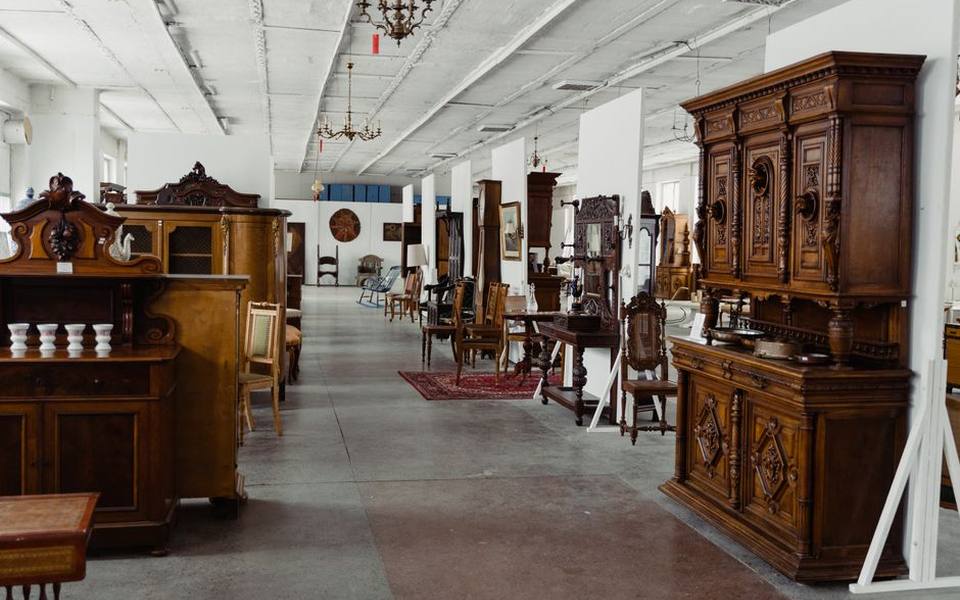
Buyer Guide to Vintage and Antique Furniture: Seating, Tables, Desks, and Reproductions
-
 Buying
Collector Guide to Vintage Toys, Lighters, Sports Ephemera, and Curios
-
 Buying
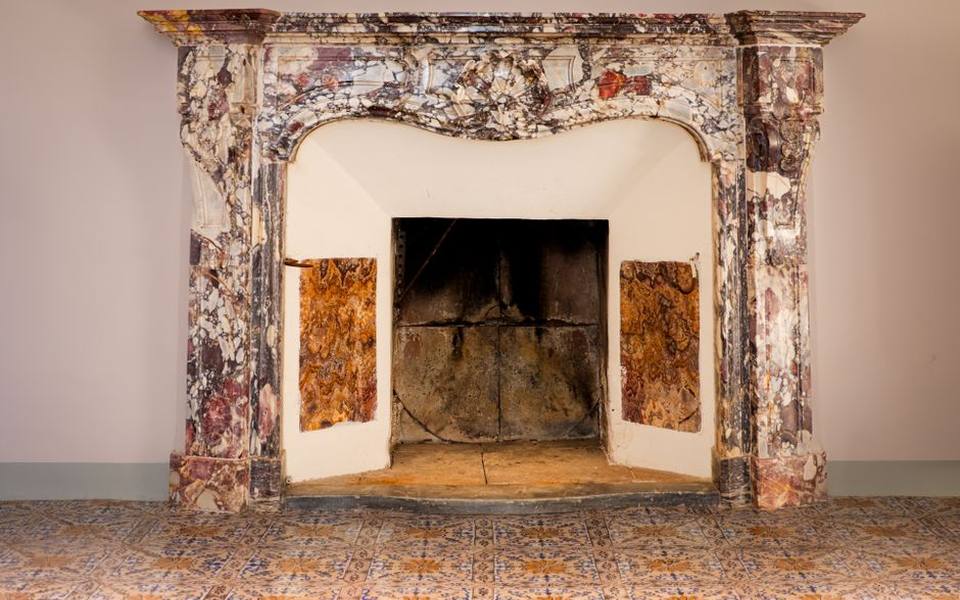
Architectural Salvage Guide: Sourcing Stained Glass, Mantels, and Historic Hardware
-
 Buying
Vintage Fashion and Heirloom Style: Sourcing Dresses, Denim, Leather, and Ephemera