Where Architectural Salvage Originates and Why It Endures
Architectural salvage gives historic building materials a second life after demolition or structural renovation. Instead of ending up in landfills, hand-carved millwork, old-growth timber beams, and decorative fittings are rescued by preservationists and specialty pickers. These pieces carry structural density and craftsmanship that modern factory production rarely matches, drawing homeowners and designers looking for authentic character.
The inventory in this category spans broad categories of architectural antiques, from exterior brownstone corbels and wrought iron fencing to interior pocket doors and parlor light fixtures. Because these items were produced during eras when skilled labor and high-grade raw materials were plentiful, they tend to outlast contemporary synthetic substitutes when properly maintained.
Knowing where pieces originate helps buyers evaluate their durability and historical context. Pre-war apartment demolitions in industrial cities often yield heavy brass hardware and cast-iron radiators, while rural farmsteads typically provide heart-pine flooring and barn boards. Whether you browse specialized regional showrooms or mixed antique malls, identifying the provenance will inform how you clean, modify, and install the piece in your own home.
Navigating Architectural Salvage Yards and Specialty Stores
Scouting for salvaged building parts requires a different approach than shopping at a curated boutique. An architectural scrap yard or industrial salvage lot generally stacks rough lumber, plumbing fixtures, and masonry outdoors in raw weather, requiring durable footwear, work gloves, and a reliable tape measure. In contrast, indoor architectural salvage stores often clean, organize, and price goods according to condition and historical significance.

Successful shopping at destination yards, whether a vast urban warehouse like the historic West End salvage operations or a local rural clearinghouse, depends on preparation. You should always bring exact architectural dimensions, including rough door openings, wall thickness, and jamb clearances. Even a half-inch variance can turn an affordable antique interior door into an expensive custom-carpentry ordeal.
Do not hesitate to ask staff about their incoming demolition consignments. Many yards maintain back-lot processing zones where rough goods sit before cleaning. If you are hunting across dense historic regions like Pennsylvania antique shops, connecting with yard managers often helps you locate period-accurate structural elements before they hit open retail floors.
Inspecting and Evaluating Antique Fireplace Mantels
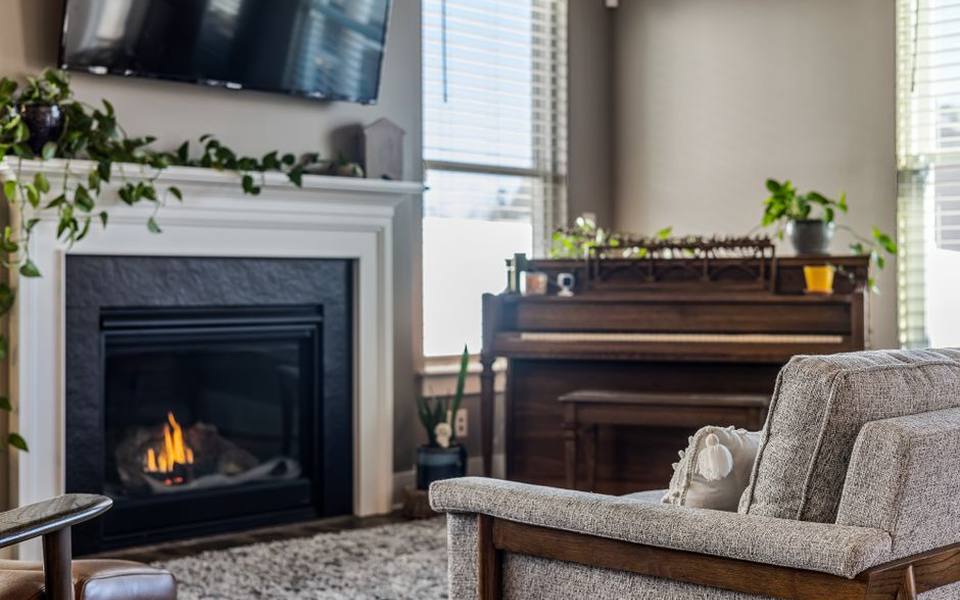
Fireplace mantels serve as visual centerpieces in older homes, constructed from materials ranging from quarter-sawn white oak to Italian Carrara marble. When examining a wooden surround, inspect the back frame for dry rot, insect tunneling, and structural bowing. Many Victorian surrounds were fastened together using hide glue that degrades over decades in unconditioned storage, meaning individual trim profiles may require re-clamping.
Marble and slate mantels require a careful check for hairline fractures, particularly across the top lintel and shelf brackets. Slate mantels from the late nineteenth century were often finished with delicate hand-painted faux-marble enameling, known as marbelized slate. Aggressive chemical stripping will destroy this factory-applied layer entirely, so confirming whether the piece is solid stone or coated slate is essential before purchasing.
Dimension checks are critical when retrofitting a salvage mantel over a modern gas insert or existing masonry firebox. Measure the interior firebox opening, total width, breastplate depth, and hearth clearance. If the surround lacks sufficient clearance for local residential fire codes, you may need to frame an extended non-combustible border of hearth tile or brick slip.
Sourcing and Assessing Vintage Stained Glass Windows
A historic stained glass window brings irreplaceable texture and light transmission to an interior space, but condition assessments determine whether the piece is usable. Antique glass manufactured before mid-twentieth-century automation contains bubbles, wavy striations, and uneven thickness that modern float glass cannot duplicate. Evaluating vintage stained glass windows starts by looking down the plane of the panel to see if it bulges or deflects away from plumb.
Structural failure in art glass typically stems from the oxidation of lead came—the grooved metal strips holding the glass pieces together. Over fifty to eighty years, lead naturally stretches and weakens under thermal expansion and gravity. If you see extensive white powdery oxidation on the came, or if individual glass segments rattle loose inside their channels, the panel likely requires structural releading.
Check each segment under raking light for hairline cracks and missing perimeter pieces. Small breaks along borders are relatively easy for an experienced glazier to replace, but cracked opalescent centerpieces or hand-painted portraits can be nearly impossible to match identically. You can often uncover unrestored leaded transom windows tucked behind larger pieces in regional antique furniture stores that handle whole-estate clearances.
Restoring and Stabilizing Historic Leaded Art Glass
Restoring a salvaged leaded glass panel generally begins with stabilizing the original wooden frame. Historic sashes were constructed from dense, rot-resistant wood like old-growth fir or cypress, held together by mortise-and-tenon joints. Refinishing the sash while the glass remains intact requires gentle scraping and brushing, avoiding heavy power sanders whose vibrations can crack brittle century-old glass.
If the lead matrix remains flexible but loose, professional conservators typically apply a traditional glazing cement made of boiled linseed oil, whiting, and mineral pigments. This compound is brushed deep under the lead came lips and allowed to cure, turning into a rigid, waterproof barrier that dampens rattling and stiffens the assembly without requiring complete disassembly.
Heavily bowed or sagging panels must be soaked in water tanks to dissolve old cements before being flattened and releaded. For interior display, mounting the stabilized stained glass panel inside an independent steel or hardwood frame allows you to suspend it in front of modern double-hung windows, protecting the antique panel from outdoor moisture and temperature fluctuations.
Evaluating Historic Door Hardware and Mechanical Locks
Historic mortise locks, backplates, and decorative escutcheons showcase the precision of nineteenth-century industrial foundries. Unlike modern tubular locks that slip through bored holes, antique mortise systems are housed inside a rectangular pocket carved into the door edge. Evaluating these mechanisms involves checking the spring action of the latch bolt and confirming whether the original internal cast iron tumbler still turns smoothly.
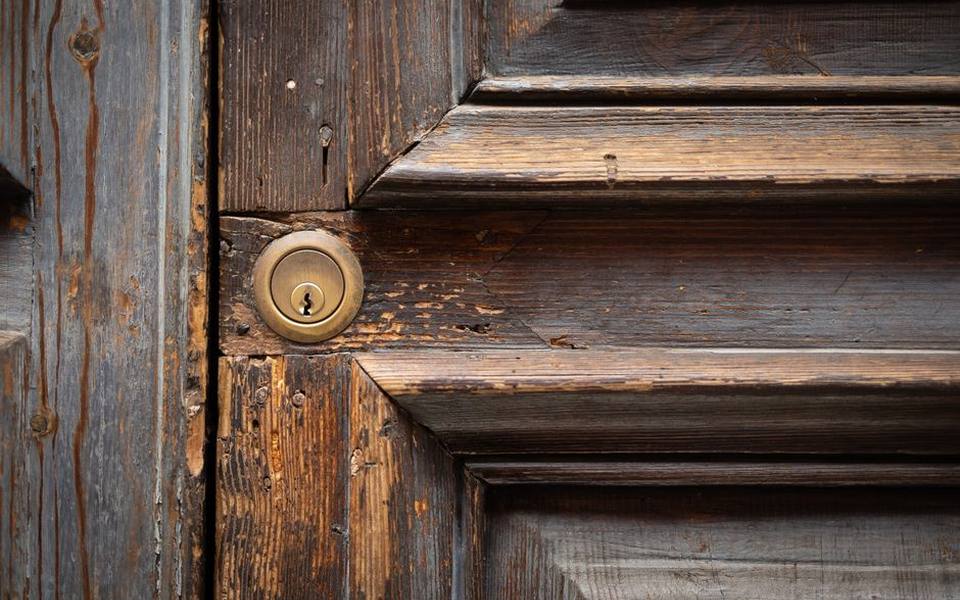
Hardware patterns from the Victorian and Eastlake periods were cataloged under distinct aesthetic designs, cast in bronze or solid yellow brass. Determining whether a piece is solid metal or plated requires inspecting the reverse face or testing a discreet edge with a magnet. Plated components that show rust through worn surface layers cannot be polished out without stripping the base steel bare.
When purchasing pocket door pulls or heavy passage latches, make sure the matching strike plate and spindle rod are included. Replacement spindles for historic threaded knobs often have non-standard thread pitches that modern domestic hardware stores do not carry, which may force you to search through loose hardware bins at architectural salvage stores to find compatible companions.
Selecting Antique Vintage Drawer Pulls and Cabinet Hardware
Upgrading kitchen cabinets or historic dressers with antique vintage drawer pulls provides immediate period charm. The most common difficulty buyers face is center-to-center bore spacing—the distance between the screw holes drilled through the drawer face. While contemporary cabinet makers use standard metric or three-inch spacing, antique drawer handles and pulls often measure at non-standard intervals like two and seven-eighths or three and a half inches.
Before purchasing a set of antique cabinet drawer handles, measure each drawer front with a precision ruler rather than assuming all openings are identical. In hand-built nineteenth-century cabinetry, joiners often laid out pulls individually, resulting in minor variances across a single chest. If you cannot find pulls that match your existing drillings, look for backplate designs broad enough to cover existing holes without requiring wood putty fills.
Examine the mounting method used on original hardware. Early nineteenth-century pulls rely on cast posts with threaded brass nuts or through-bolts, whereas late Victorian pulls may feature cast rear studs that accept machine screws. Make sure the thread channels are intact; cross-threaded or stripped posts require re-tapping or silver-soldering new threaded rods in place.
Cleaning and Conserving Period Brass and Cast Iron
Salvaged hardware frequently arrives caked under multiple coats of lead-based paint and old varnish. The safest, most effective cleaning method avoids caustic chemical solvents: submerge the hardware in an inexpensive slow cooker filled with warm water and a few drops of dish liquid. Simmering the pieces overnight softens the paint layers, allowing them to peel away smoothly with a stiff nylon bristle brush.
Avoid using brass wire wheels or aggressive steel wire brushes on decorative hardware. Power tools strip away delicate foundry details and leave deep circular scratch patterns on soft yellow brass. Once the paint is removed, decide whether you want to preserve the dark, natural patina that took a century to develop or polish the metal back to bright gold.
For cast iron rim locks and strap hinges, surface rust can be dissolved with mild citric acid or an evaporative rust converter. Once cleaned and thoroughly dried with heat, seal the iron with a thin wipe of paste wax, boiled linseed oil, or graphite paste to prevent flash rust without applying a thick, gloss-deadening modern spray paint.
Working with Appraisers and Specialists on High-Value Architectural Pieces
Not all architectural salvage carries purely utilitarian value; signed leaded glass panels, Tiffany-era art glass, and signed bronze work from prominent makers can command significant sums. If you suspect an acquired mantel, entryway, or set of art glass windows has distinctive heritage, engaging on-site appraisal services helps verify the maker, origin date, and replacement value for insurance riders.
Professional architectural appraisers evaluate authenticity by analyzing production methods. For example, hand-planed millwork profiles point to pre-1860 construction, while machine-cut circular saw kerfs and systematic patent date stamps indicate late-nineteenth-century industrial manufacturing. They can also differentiate authentic cast bronze fixtures from cheaper pot-metal or resin reproductions that frequently circulate in mixed flea markets.
Documentation is vital when seeking an appraisal on architectural salvage. Whenever possible, take photographs of the salvage site, the structural setting where the piece was extracted, and any surviving markings or manufacturer labels. Establishing clear provenance significantly improves liquidity should you decide to sell the piece through specialized architectural auction houses or high-end consignment galleries.
Integrating Salvaged Building Components into Modern Spaces
Bringing historic salvage into a modern home requires balancing architectural authenticity with local building codes and modern safety guidelines. Architectural components salvaged from structures built before 1978 often contain lead paint, requiring careful encapsulation, safe wet-sanding, or professional remediation before being placed in family living areas.
Structural modifications are equally important when working with heavy items like carved oak mantels or cast stone brackets. Old homes were framed with solid rough-sawn joists that tolerated heavy point loads, whereas modern drywall over light framing requires reinforced blocking behind the wall to carry substantial weights safely. Always locate and anchor directly into structural wall studs rather than relying on hollow-wall anchors.
Electrical fixtures, such as brass wall sconces or hanging chandeliers salvaged from historic estates, must always be rewired before use. Century-old cloth-wrapped copper wire degrades, becoming brittle and creating short-circuit hazards. Installing modern UL-listed sockets and ground wires inside antique brass housings preserves the authentic aesthetic while ensuring the fixture complies with residential electrical safety codes.
Published 2026-09-21 · reviewed with each rebuild, last September 2026.
Find antique stores near you
The directory lists 25,996 antique stores by state and city — pick your state or use the “Near me” button in the header.
More guides
-
 Owning
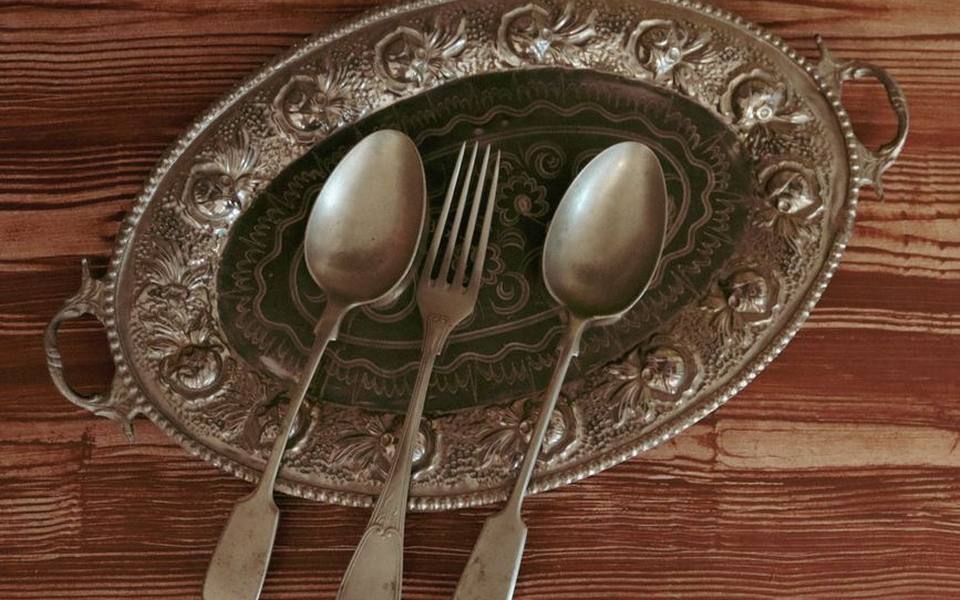
Cleaning and Polishing Antique Silver Without Damaging the Patina
-
 Money
MoneyNavigating the Market for Vintage Currency
-
 Owning
Evaluating, Using, and Displaying Mid-Century Glassware and Kitchen Antiques
-
 Buying
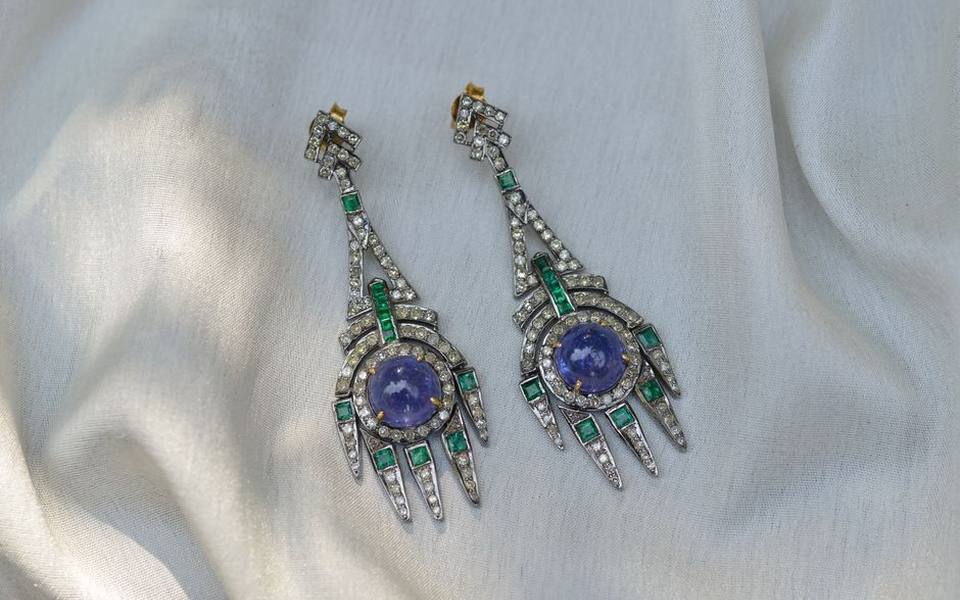
Navigating Vintage and Antique Jewelry Styles
-
 Owning
How to Clean and Care for Silverware Without Causing Damage
-
 Owning
Vintage Pyrex Value and Safety Guide: Understanding Collector Patterns and Usage
-
 Buying
A Guide to Sourcing Vintage and Estate Jewelry
-
 Money
MoneyValuable Baseball Cards Guide: Spotting Vintage Sports Collectibles
-
 Owning
How to Clean and Restore Antique Wood Furniture
-
 Money
MoneyHow to Find and Use Antique Price Guides Online
-
 Money
MoneyHow to Determine the Value of Old Books and First Editions
-
 Money
MoneyWhere and How to Sell Vintage Coins for the Best Return
-
 Buying
Choosing and Caring for Vintage and Modern Cast Iron Cookware
-
 Owning
How to Polish and Value Antique Silverware at Home
-
 Owning
How to Clean and Polish Antique Wood Furniture Without Damaging It
-
 Buying
Vintage and Classic Cast Iron Cookware: Buyer's, Value, and Care Guide
-
 Buying
Antique Silverware, Vintage Jewelry, and Collectible Coins Guide
-
 Money
MoneyA Practical Guide to Antique Price Guides and Rare Book Valuations
-
 Owning
How to Clean, Polish, and Refinish Antique Wood Furniture
-
 Owning
Ultimate Guide to Vintage and Antique Cast Iron Cookware: Brands, Seasoning, and Care
-
 Owning
How to Clean, Polish, and Value Vintage Silverware and Antique Jewelry
-
 Buying
Valuing Vintage Collectibles: From Rare Dolls and Slot Machines to Classic Lamps and Churns
-
 Owning
How to Clean, Polish, and Refinish Antique Wood Furniture
-
 Money
MoneyVintage Glassware Value Guide: Pyrex, Depression Glass, CorningWare, and Bottles
-
 Money
MoneyAntique & Vintage Price Guides: How to Value Antiques and Collectibles
-
 Buying
How to Value Old Books and First Editions: A Collector's Price Guide
-
 Money
MoneyWhere and How to Sell Vintage Records and Audio Equipment
-
 Buying
How to Buy, Value, and Sell Vintage Coins: A Practical Beginner's Guide
-
 Buying
Estate Sale Guide: How to Find, Buy, and Liquidate Antiques
-
 Buying
Vintage and Modern Cast Iron Cookware: Identification, Seasoning, Buying, and Care
-
 Money
MoneyComprehensive Guide to Antique Values, Old Books, and Collectibles Pricing
-
 Owning
Cleaning and Caring for Vintage Silverware, Fine Jewelry, and Antique Metals
-
 Owning
How to Clean, Polish, and Refinish Antique Wood Furniture
-
 Buying
Vintage and Modern Cast Iron Cookware: Identification, Caring, and Buying Guide
-
 Owning
Antique Silverware: Cleaning, Polishing at Home, and Value Guide
-
 Owning
Care, Polishing, and Refinishing Guide for Antique Wood Furniture
-
 Buying
Vintage Pyrex, Glassware, and Depression Glass Identification and Value Guide
-
 Money
MoneyAntique Price Guides: How to Value and Sell Antiques Online and Offline
-
 Money
MoneyCollectible Old Books and First Editions: Valuation and Identification Guide
-
 Buying
Vintage Sewing Machines, Stoves, and Antique Tools Value Guide
-
 Buying
Collector Guide to Vintage Door Hardware, Knobs, and Cabinet Pulls
-
 Owning
Antique & Vintage Dolls: Values, Identification, and Care
-
 Buying
Antique Hoosier Cupboards and Vintage Desks: History, Identification, and Value
-
 Service
Grandfather, Wall, and Pocket Clock Repair and Identification Guide
-
 Owning
Antique Rotary Telephones and Landlines: Buying, Restoring, and Converting
-
 Owning
Collecting Vintage Picture Frames and Oil Paintings: Framing and Restoration
-
 Buying
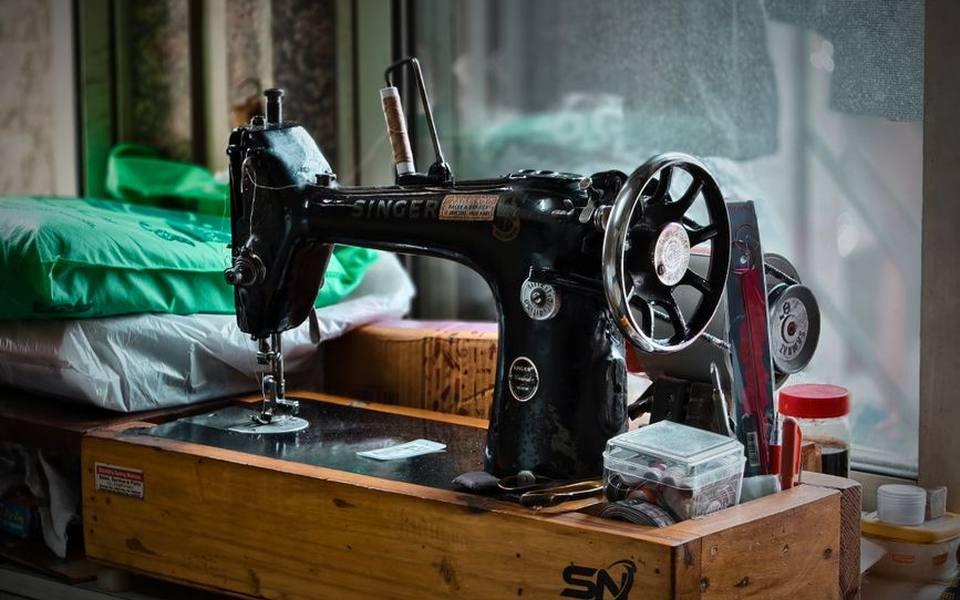
Antique Sewing Machines and Spinning Wheels: Value, Brands, and Maintenance
-
 Buying
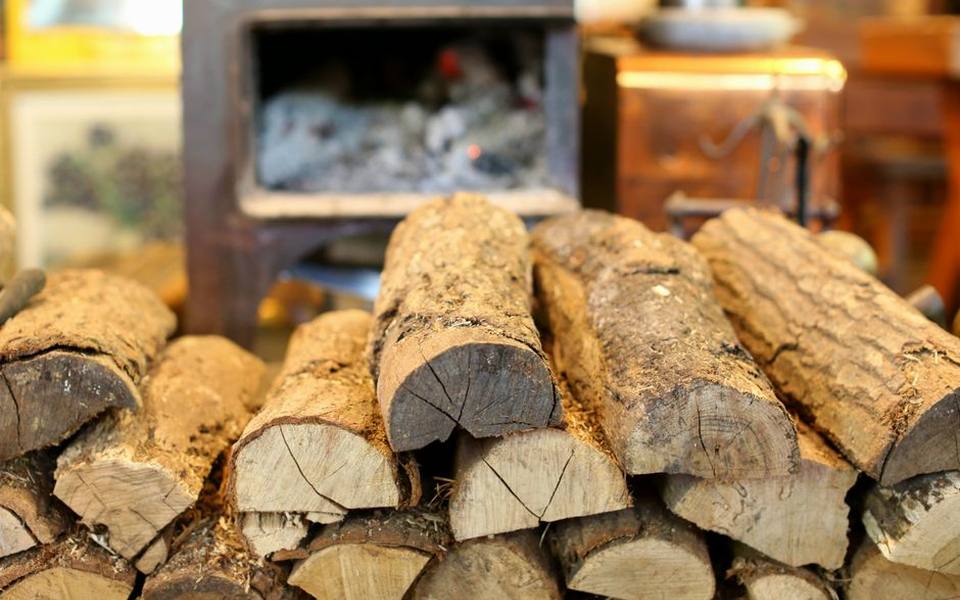
Antique Wood Stoves and Log Burners: Buying, Safety, and Restoration Guide
-
 Buying
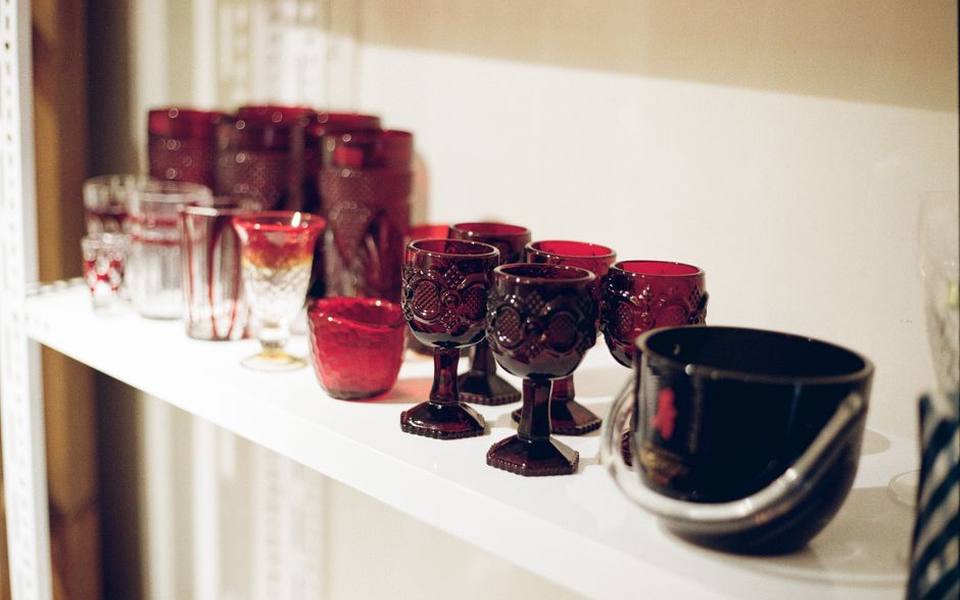
Depression Glass and Antique Canning Jars: Identification and Values
-
 Buying
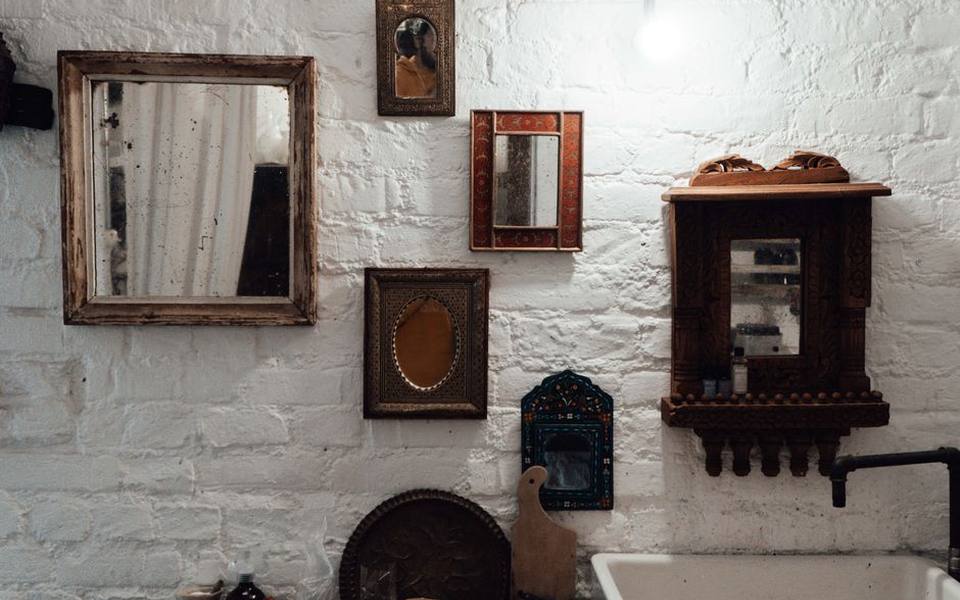
Vintage Mirrors: Identifying, Buying, and Styling Antique Glass
-
 Owning
Antique Silverware and Silverplate Flatware: Cleaning, Identification, and Value
-
 Buying
Vintage Engagement Rings and Art Deco Jewelry: Buying and Valuation
-
 Buying
Buyer Guide to Vintage and Antique Furniture: Seating, Tables, Desks, and Reproductions
-
 Buying
Collector Guide to Vintage Toys, Lighters, Sports Ephemera, and Curios
-
 Buying
Vintage Fashion and Heirloom Style: Sourcing Dresses, Denim, Leather, and Ephemera