Distinguishing between vintage and estate pieces
When searching for older jewelry, the terms vintage and estate are often used interchangeably, but they have different meanings. Estate jewelry simply means that the piece was previously owned, regardless of when it was made. Vintage jewelry typically refers to items that are at least a few decades old. Understanding this distinction is the first step when you decide to explore secondary markets for unique adornments.
Finding authentic pieces requires knowing where to look and what to ask. Many buyers start their search at dedicated shops specializing in jewelry and coins, where owners curate collections from various eras. These locations generally have knowledgeable staff who can explain the history and materials of a specific necklace or ring, rather than just selling it as a generic accessory.
It is also helpful to handle the jewelry in person. Feeling the weight of the metal, examining the clasps, and seeing how stones catch the light provides a better sense of quality than looking at photographs. Visiting local sellers allows you to inspect the condition closely and ask about any past repairs or stone replacements that might affect the longevity of the piece.
Recognizing the hallmarks of historical design eras
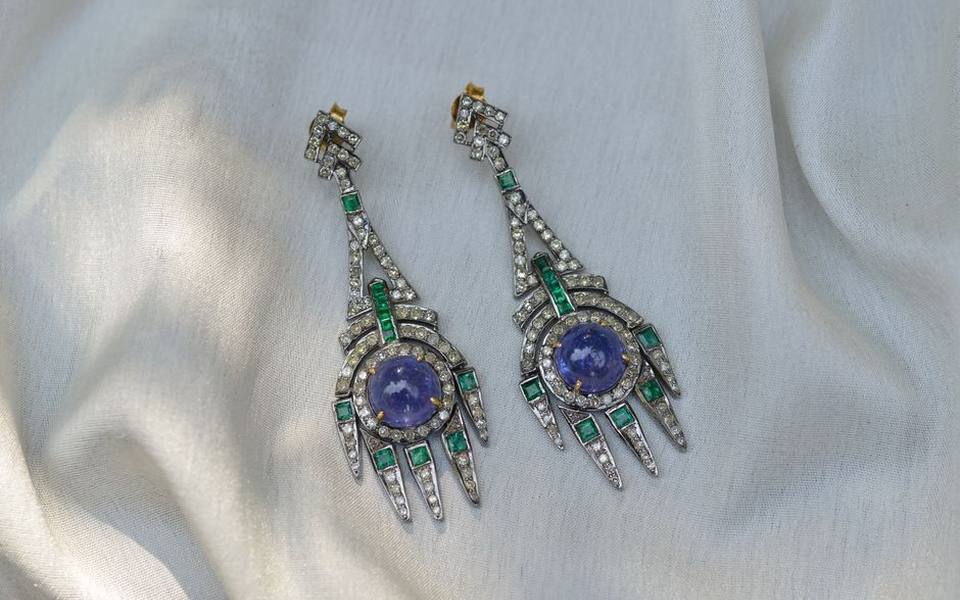
One of the most popular eras for jewelry collectors is the period spanning roughly the 1920s and 1930s. This distinct style is characterized by bold, geometric shapes, sharp lines, and a noticeable departure from the flowing, floral motifs of the preceding decades. Designers favored platinum and white gold, often setting brilliant white diamonds against contrasting colored gemstones like rubies, sapphires, and emeralds.
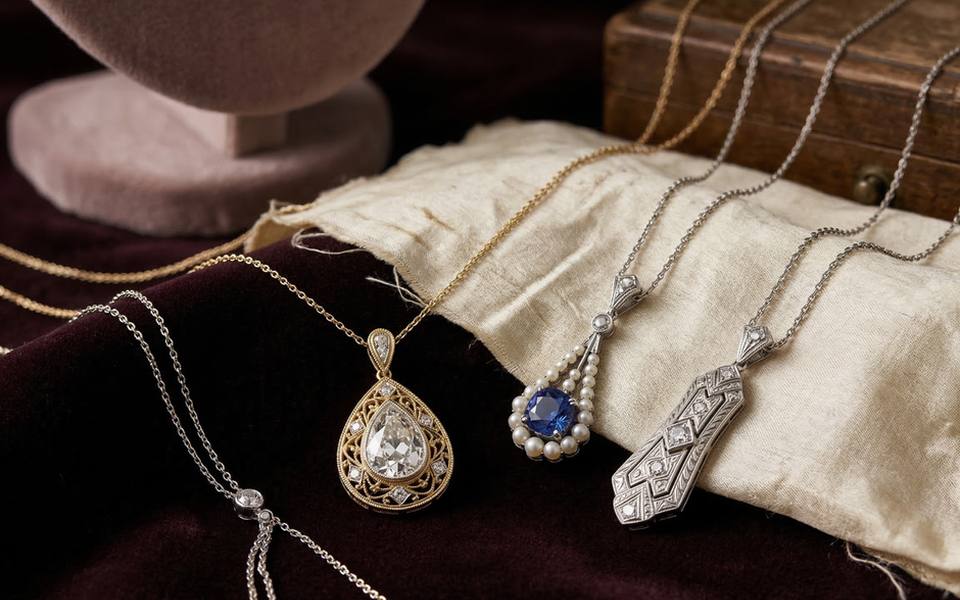
The craftsmanship of this era was highly detailed, often featuring intricate filigree work and precisely cut stones tailored to fit specific geometric patterns. Calibre-cut stones, which are custom shaped to fit tightly together without showing metal in between, are a common feature. This meticulous attention to detail makes pieces from this period highly durable, allowing many of them to survive into the modern day in excellent condition.
Because of its timeless appeal, modern jewelry often mimics this geometric style. To ensure you are looking at an authentic piece from the era rather than a recent reproduction, look for signs of hand-crafting and wear consistent with age. Many buyers search through shops that handle local estate sales, as these venues frequently uncover family heirlooms that have been tucked away in jewelry boxes for decades.
The bold statement of the oversized ring
The concept of the oversized statement ring emerged during the Prohibition era, when attending illicit social gatherings became a form of rebellion. Women began wearing massive, eye-catching rings on their right hands to draw attention to the drinks they were holding. These rings were designed to be noticed from across the room, typically featuring a large center stone surrounded by smaller accent gems or elaborate metalwork.
While early versions often utilized precious gems like diamonds and emeralds, the style eventually expanded to include large semi-precious stones such as aquamarine, amethyst, and citrine. This allowed for even larger, more colorful designs without an exorbitant price tag. The oversized nature of the ring means it is usually worn alone on the hand to prevent it from clashing with other jewelry.
Today, these statement pieces remain popular for evening wear and special occasions. Sourcing a genuine mid-century or earlier version often involves visiting multiple sellers, as inventories change rapidly. Some buyers have success checking consignment shops focused on older items, where individuals drop off inherited pieces they rarely wear. These venues can yield striking designs that simply cannot be found in modern retail stores.
Evaluating the market for older decorative pins
Decorative pins and brooches have seen a resurgence in popularity, moving beyond lapels to be worn on hats, scarves, and even as hair accessories. While many people wonder if the old pieces they inherit hold significant monetary value, the answer depends heavily on the materials and the maker. High-end pieces crafted from solid gold or platinum with precious gems hold intrinsic value, while costume jewelry relies on the reputation of the designer.
Identifying a desirable piece often comes down to finding a maker's mark on the back. Designers who produced high-quality costume jewelry in the mid-twentieth century have dedicated collector bases, making their signed pieces desirable even if the materials are glass and base metal. However, unmarked pieces featuring rhinestones and pot metal usually trade for modest amounts and are collected purely for their aesthetic charm.
If you are uncertain about the origins or materials of a specific pin, it is typically best to have it evaluated by a professional before attempting to sell or insure it. Many local communities have experts who offer on-site appraisal services to help you understand the composition and current market interest for your items. They can safely test metals and identify stones without causing damage.
Sourcing authentic older rings for daily wear
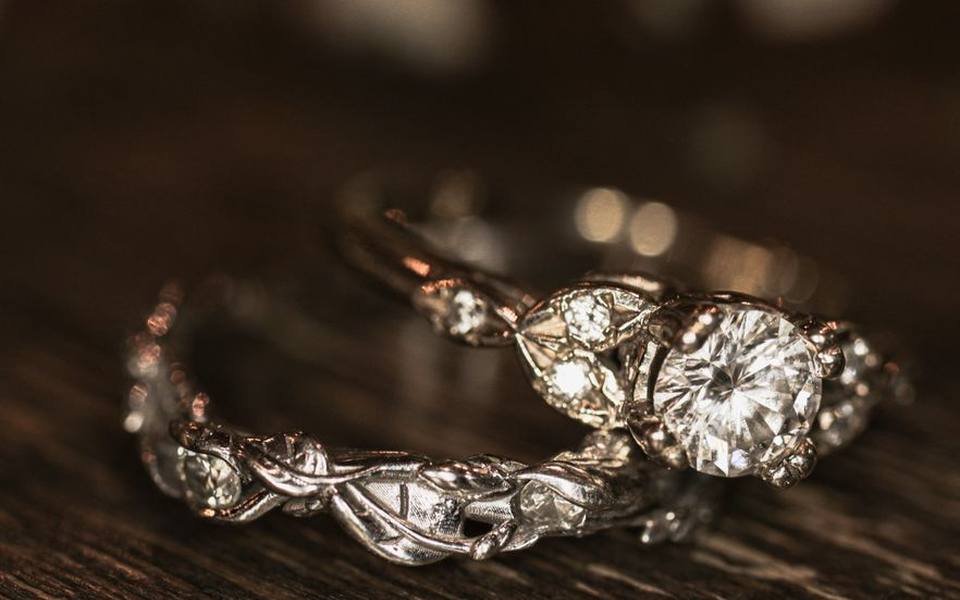
Searching for an older ring to use for an engagement is an excellent way to secure a unique design and a piece of history. However, it requires careful shopping to ensure you get a durable piece suitable for daily wear. Rings from the Victorian and Edwardian eras are beautiful, but they often feature delicate prongs and softer stones that might require more maintenance than a modern diamond setting.
It is generally safer to purchase an older engagement ring from an established brick-and-mortar seller rather than an anonymous online listing. Local dealers allow you to inspect the setting with a jeweler's loupe, checking for loose stones or worn shanks that might need immediate repair. Visiting antique malls that house multiple dealers under one roof is an efficient way to view various styles and eras in a single afternoon.
When you find a ring that fits your style, always ask about its service history. Older rings may have been resized multiple times, which can thin out the metal band. A reputable seller will be transparent about any restoration work that has been done and can advise you on whether the ring can be safely resized to fit your partner without compromising the structural integrity of the setting.
Published 2026-09-20 · reviewed with each rebuild, last September 2026.
Find antique stores near you
The directory lists 25,996 antique stores by state and city — pick your state or use the “Near me” button in the header.
More guides
-
 Owning
Cleaning and Polishing Antique Silver Without Damaging the Patina
-
 Money
MoneyNavigating the Market for Vintage Currency
-
 Owning
Evaluating, Using, and Displaying Mid-Century Glassware and Kitchen Antiques
-
 Buying
Navigating Vintage and Antique Jewelry Styles
-
 Owning
How to Clean and Care for Silverware Without Causing Damage
-
 Owning
Vintage Pyrex Value and Safety Guide: Understanding Collector Patterns and Usage
-
 Money
MoneyValuable Baseball Cards Guide: Spotting Vintage Sports Collectibles
-
 Owning
How to Clean and Restore Antique Wood Furniture
-
 Money
MoneyHow to Find and Use Antique Price Guides Online
-
 Money
MoneyHow to Determine the Value of Old Books and First Editions
-
 Money
MoneyWhere and How to Sell Vintage Coins for the Best Return
-
 Buying
Choosing and Caring for Vintage and Modern Cast Iron Cookware
-
 Owning
How to Polish and Value Antique Silverware at Home
-
 Owning
How to Clean and Polish Antique Wood Furniture Without Damaging It
-
 Buying
Vintage and Classic Cast Iron Cookware: Buyer's, Value, and Care Guide
-
 Buying
Antique Silverware, Vintage Jewelry, and Collectible Coins Guide
-
 Money
MoneyA Practical Guide to Antique Price Guides and Rare Book Valuations
-
 Owning
How to Clean, Polish, and Refinish Antique Wood Furniture
-
 Owning
Ultimate Guide to Vintage and Antique Cast Iron Cookware: Brands, Seasoning, and Care
-
 Owning
How to Clean, Polish, and Value Vintage Silverware and Antique Jewelry
-
 Buying
Valuing Vintage Collectibles: From Rare Dolls and Slot Machines to Classic Lamps and Churns
-
 Owning
How to Clean, Polish, and Refinish Antique Wood Furniture
-
 Money
MoneyVintage Glassware Value Guide: Pyrex, Depression Glass, CorningWare, and Bottles
-
 Money
MoneyAntique & Vintage Price Guides: How to Value Antiques and Collectibles
-
 Buying
How to Value Old Books and First Editions: A Collector's Price Guide
-
 Money
MoneyWhere and How to Sell Vintage Records and Audio Equipment
-
 Buying
How to Buy, Value, and Sell Vintage Coins: A Practical Beginner's Guide
-
 Buying
Estate Sale Guide: How to Find, Buy, and Liquidate Antiques
-
 Buying
Vintage and Modern Cast Iron Cookware: Identification, Seasoning, Buying, and Care
-
 Money
MoneyComprehensive Guide to Antique Values, Old Books, and Collectibles Pricing
-
 Owning
Cleaning and Caring for Vintage Silverware, Fine Jewelry, and Antique Metals
-
 Owning
How to Clean, Polish, and Refinish Antique Wood Furniture
-
 Buying
Vintage and Modern Cast Iron Cookware: Identification, Caring, and Buying Guide
-
 Owning
Antique Silverware: Cleaning, Polishing at Home, and Value Guide
-
 Owning
Care, Polishing, and Refinishing Guide for Antique Wood Furniture
-
 Buying
Vintage Pyrex, Glassware, and Depression Glass Identification and Value Guide
-
 Money
MoneyAntique Price Guides: How to Value and Sell Antiques Online and Offline
-
 Money
MoneyCollectible Old Books and First Editions: Valuation and Identification Guide
-
 Buying
Vintage Sewing Machines, Stoves, and Antique Tools Value Guide
-
 Buying
Collector Guide to Vintage Door Hardware, Knobs, and Cabinet Pulls
-
 Owning
Antique & Vintage Dolls: Values, Identification, and Care
-
 Buying
Antique Hoosier Cupboards and Vintage Desks: History, Identification, and Value
-
 Service
Grandfather, Wall, and Pocket Clock Repair and Identification Guide
-
 Owning
Antique Rotary Telephones and Landlines: Buying, Restoring, and Converting
-
 Owning
Collecting Vintage Picture Frames and Oil Paintings: Framing and Restoration
-
 Buying
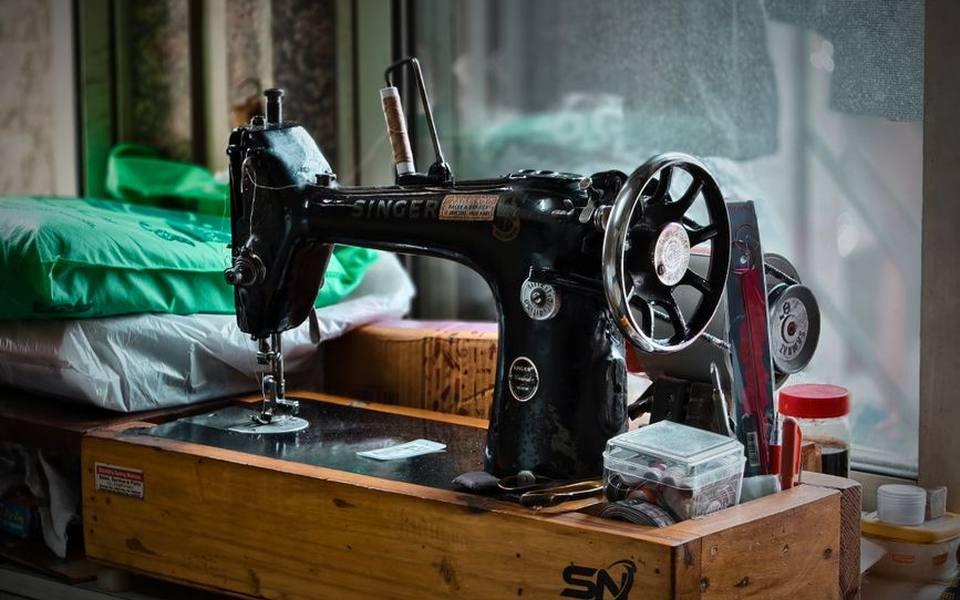
Antique Sewing Machines and Spinning Wheels: Value, Brands, and Maintenance
-
 Buying
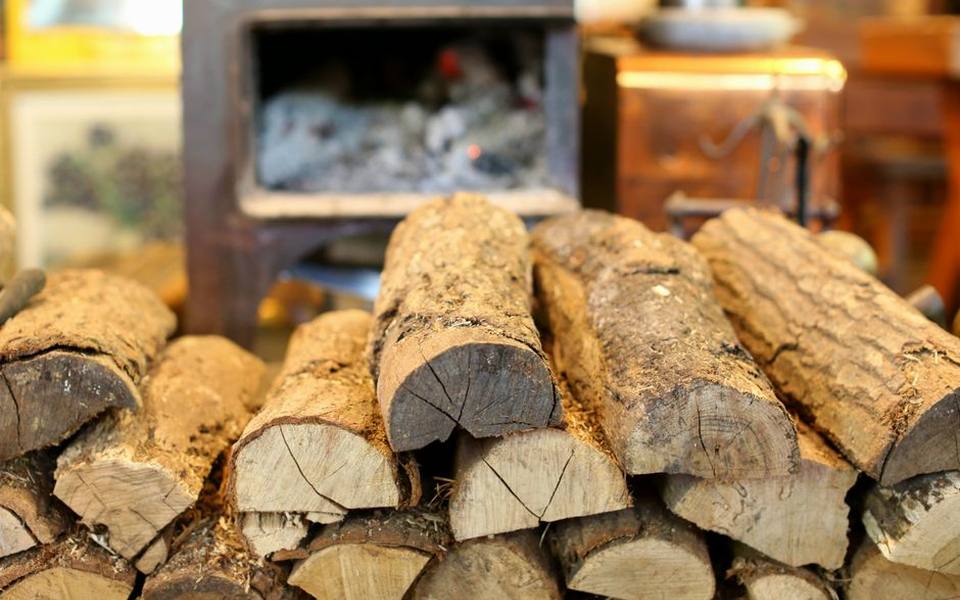
Antique Wood Stoves and Log Burners: Buying, Safety, and Restoration Guide
-
 Buying
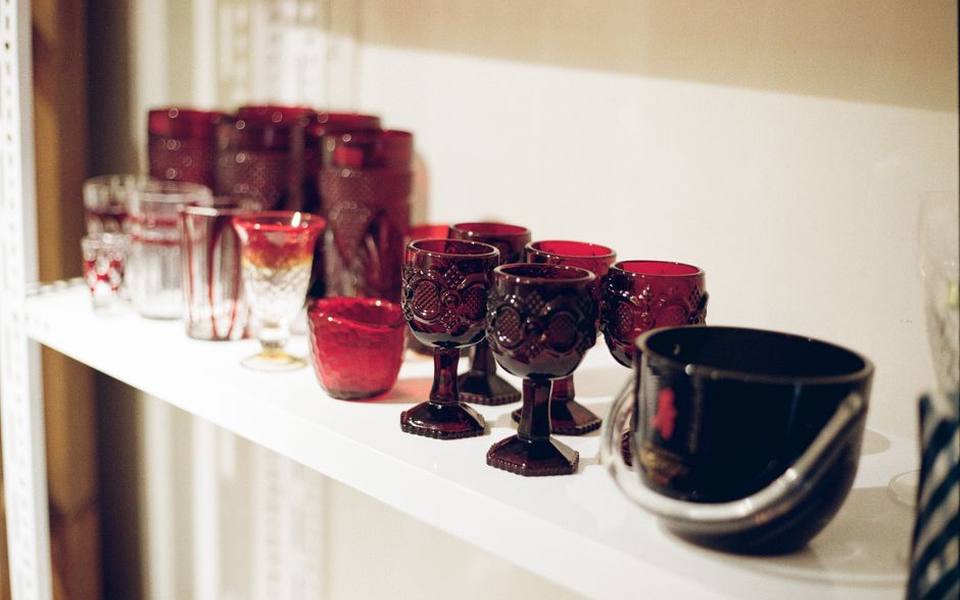
Depression Glass and Antique Canning Jars: Identification and Values
-
 Buying
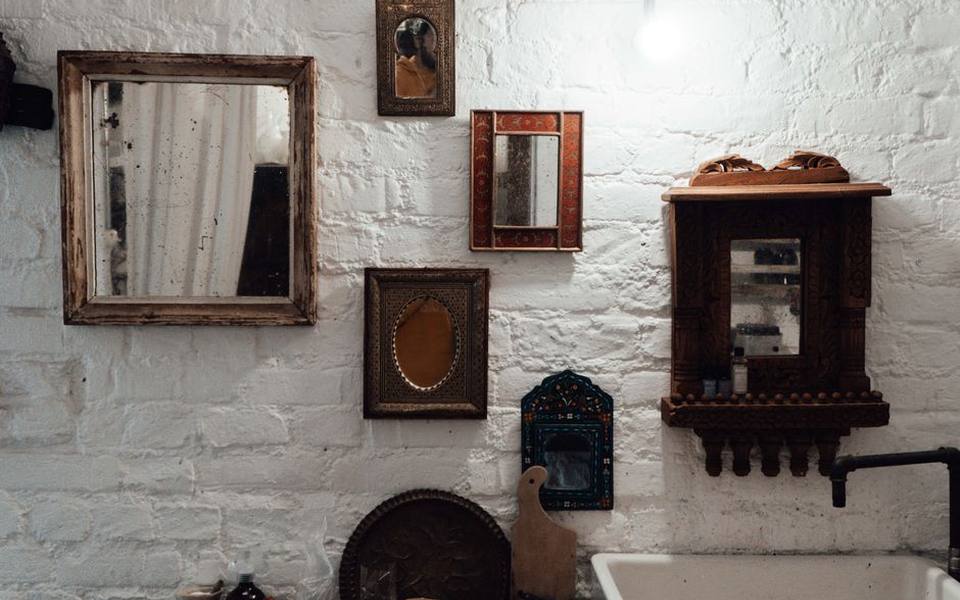
Vintage Mirrors: Identifying, Buying, and Styling Antique Glass
-
 Owning
Antique Silverware and Silverplate Flatware: Cleaning, Identification, and Value
-
 Buying
Vintage Engagement Rings and Art Deco Jewelry: Buying and Valuation
-
 Buying
Buyer Guide to Vintage and Antique Furniture: Seating, Tables, Desks, and Reproductions
-
 Buying
Collector Guide to Vintage Toys, Lighters, Sports Ephemera, and Curios
-
 Buying
Architectural Salvage Guide: Sourcing Stained Glass, Mantels, and Historic Hardware
-
 Buying
Vintage Fashion and Heirloom Style: Sourcing Dresses, Denim, Leather, and Ephemera