What Makes a Superior Cast Iron Skillet
The finest cast iron skillet is not necessarily the heaviest or the most expensive piece on the market, but the one that balances heat retention, weight distribution, and a clean surface geometry. High-quality cast metal heats evenly once brought up to temperature, holds steady through cold food additions, and develops a naturally nonstick patina through proper polymerization. For generations of home cooks, finding the right daily frying pan comes down to how comfortably the handle fits the hand and whether the interior floor allows a metal spatula to glide effortlessly across its surface.
Weight plays a deceptive role in cooking performance. Modern mass-produced pieces tend to be cast considerably thicker to prevent breakage during industrial high-speed cooling, which makes them heavy and slow to respond to thermal adjustments on the burner. Vintage skillets, by contrast, were poured by skilled foundry hands into refined green sand molds and then individually ground on high-speed stone wheels. This extra manufacturing step produced a thin, featherweight sidewall and a mirror-smooth bottom that modern budget manufacturing simply cannot replicate at scale.
Pour spouts, handle balance, and wall angles also distinguish an exceptional pan from an unwieldy one. A well-designed cooking skillet features deep spouts that direct hot cooking fats neatly into a jar without dribbling down the outer rim. Furthermore, angled sidewalls encourage moisture evaporation when searing steaks or pan-roasting vegetables, whereas steep, vertical walls tend to trap steam and soften crust formation. When searching for your primary cooking tool, look for clean casting lines and a flat bottom that sits firmly on both gas grates and flat electric glass tops.
Historic Foundry Brands and How They Compare
When evaluating classic American cast iron cookware, names like Griswold, Wagner Ware, Favorite Piqua Ware, and early Lodge dominate collector conversations with good reason. Griswold, produced in Erie, Pennsylvania, remains the gold standard for many enthusiasts because of its remarkably lightweight castings, impeccable balance, and glassy factory mill marks. Wagner Ware, originating in Sidney, Ohio, offered comparable quality with a slightly distinctive handle contour and generous pour spouts, often selling at more accessible price points in antique booths today.
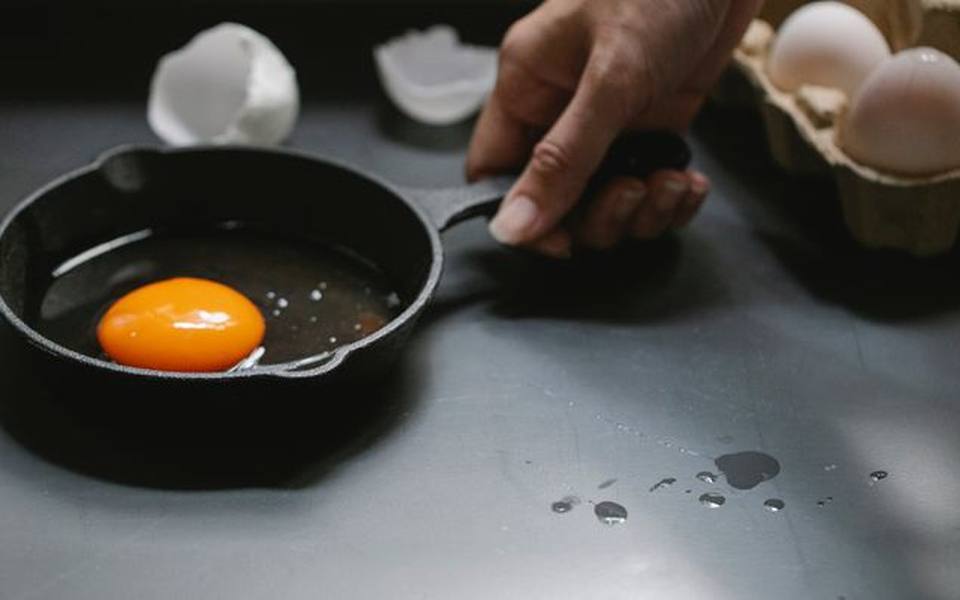
Regional makers like Birmingham Stove & Range (BSR) and Atlanta Stove Works approached casting with a utilitarian philosophy. BSR skillets, particularly those from the Red Mountain series produced up to the mid-twentieth century, feature thicker walls and sturdier handles that excel at slow simmering, cornbread baking, and deep frying. Collectors browsing through antique malls often discover unmarked Wagner and BSR pieces mixed into vendor stalls, offering top-tier cooking utility without the premium collector price tag attached to iconic brand logos.
Modern artisan foundries have emerged over the last decade to revive the hand-polished traditions of the early twentieth century. These boutique makers deliver beautiful, smooth-ground cooking surfaces straight out of the box, yet they command luxury prices that frequently exceed two hundred dollars. For most pragmatic buyers, a properly cleaned and seasoned century-old pan found in a local stall will outperform modern rough-cast pans at a fraction of the cost, proving that time-tested engineering rarely goes out of style.
Smooth Vintage Surfaces Versus Modern Textured Pans
The starkest contrast between antique iron and contemporary budget cookware is the interior texture. Modern commercial pans are cast in coarse sand molds and packaged immediately with a chemically applied factory coating, leaving a bumpy, pebbled texture resembling orange peel. While this textured surface can hold an initial factory seasoning reasonably well, it creates tiny friction points that catch delicate proteins like eggs and flaky fish until decades of heavy cooking build up grease in the low spots.
Vintage cookware underwent extensive mechanical grinding after leaving the mold, removing casting imperfections and leaving visible swirl marks from the mill stones. This satiny surface requires far less oil to release food cleanly and wipes dry with minimal effort after a quick warm rinse. Cooks who upgrade from a standard pebbled frying pan to a machined vintage piece almost universally report an immediate improvement in release capability, heat distribution consistency, and everyday ease of cleaning.
It is worth noting that a mirror-smooth pan requires slightly more patience when establishing a fresh foundational seasoning. Because there are no deep microscopic crevices to lock the oil layer mechanically, your first few coats of baked polymer must be applied very thinly to avoid pooling or flaking. Once established, however, that hard black patina bonded to bare ground iron produces an authentic nonstick experience that rivals modern synthetic coatings without ever degrading or releasing chemical fumes.
Selecting the Right Dutch Ovens, Pots, and Deep Vessels
A well-rounded iron collection extends well beyond the classic round skillet to include chicken fryers, deep pots, and traditional Dutch ovens. Heavy iron pots excel at long, slow braises, bread baking, and deep oil frying because the dense metal radiates heat uniformly from all angles, eliminating cold pockets. Deep chicken fryers, which are essentially deep-walled skillets often fitted with self-basting domed lids, provide the ideal hybrid vessel for shallow frying poultry, simmering stews, and baking deep-dish casseroles without grease splattering across the stove.
When evaluating vintage Dutch ovens, the lid is just as critical as the pot itself. Historic makers designed proprietary self-basting lids lined with concentric rings, raised dimples, or conical points that collect rising steam and rain moisture evenly back down over the roasting meat. Finding an original, matched lid with the correct raised letter or mold number significantly enhances both the cooking utility and the resale value, as orphaned covers are notoriously difficult to match precisely after the fact.
Look closely at the pot's bottom configuration depending on how you intend to use it. Camp ovens feature three integral legs meant to stand directly over hot wood coals and a flanged rim designed to hold coals on top of the lid, making them awkward on indoor kitchen stoves. Flat-bottomed Dutch ovens, designed strictly for hearth or range use, sit flush against burners and slide smoothly into standard household ovens, making them the superior choice for everyday indoor culinary projects.
Bare Cast Iron Versus Enameled Cookware
Choosing between raw cast iron and an enameled skillet or Dutch oven comes down to what you cook most frequently and how much maintenance you prefer. Enameled cookware features multiple coats of vitreous glass fired onto the raw metal at extreme temperatures, providing an impermeable barrier that never rusts and never requires seasoning. This glass lining allows you to braise wine-heavy beef bourguignon, simmer slow tomato sauces, and store leftover chili in the refrigerator without imparting metallic flavors or stripping away hard-earned seasoning layers.
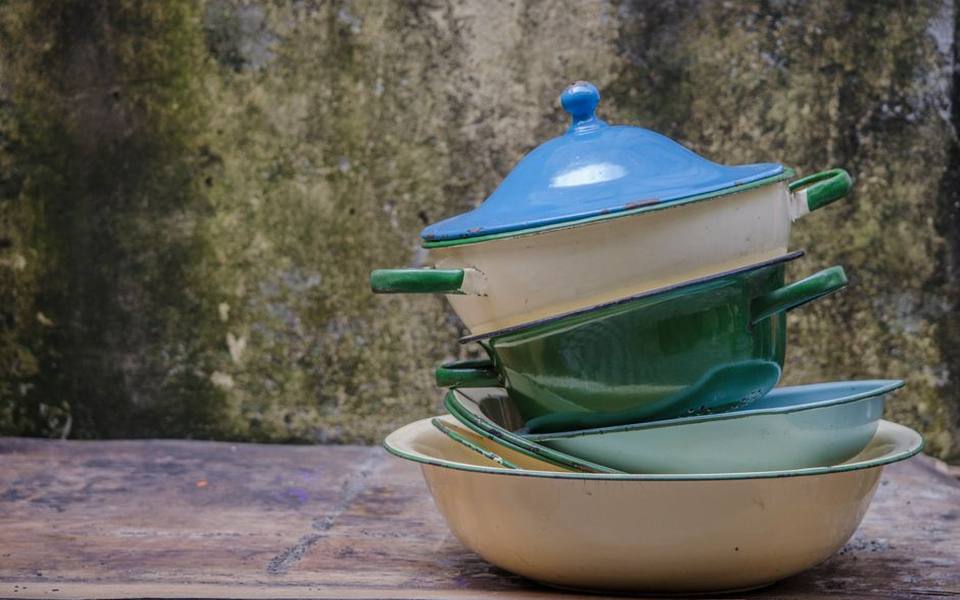
However, enameled pans carry their own distinct limitations compared to bare metal. The vitreous glaze is brittle and can chip if knocked with stainless steel spoons, dropped against hard surfaces, or subjected to thermal shock from rapid water chilling. Once the enamel on an interior cooking floor chips or cracks down to the base iron, food safety concerns arise from the risk of swallowing fine glass shards, rendering the vessel unusable for cooking. Enameled pieces also have lower maximum temperature thresholds than bare metal counterparts.
Bare iron, on the other hand, is practically indestructible under normal domestic circumstances. If you accidentally burn sugar, drop a hot pan into a sink, or allow rust to form, the piece can simply be scrubbed clean, re-seasoned in your oven, and returned to like-new working condition. For high-heat searing, open campfire cooking, and crusty bread baking, traditional raw metal remains unmatched, while enameled vessels excel in temperature-controlled oven braising and acidic stewing environments.
Inspecting Cookware at Antique Outlets and Sales
Spotting high-potential cookware in dusty flea markets, junk barns, and consignment shops requires a trained eye and tactile inspection. Always carry a small pocket flashlight and a flat wooden block or ruler to check the stability of the bottom. Place the pan on a known flat surface and press down firmly around the outer rim; if the pan rocks back and forth or spins like a lazy Susan, the metal has warped from past thermal shock, making it problematic for modern induction or flat ceramic cooking tops.
Carefully examine the entire circumference for hairline fractures, particularly where the handle meets the outer sidewall and along the top rim. Even small hairline cracks can expand catastrophically when placed under direct heat, rendering the skillet useless for anything other than decorative wall hanging. Tap the rim gently with your fingernail or a wooden pencil; a sound, uncracked pan will ring with a clear, bell-like chime, while a cracked vessel will produce a dull, dead thud.
Keep an eye out for pitting, severe sulfur erosion, and traces of hazardous modifications. Pans that spent decades over coal stoves often show pitted depressions on the exterior base where sulfur gases ate into the iron, which is unsightly but rarely affects cooking performance. However, be cautious of deep internal rust pitting that looks like craters, and avoid any pieces that smell of petroleum or show chalky white, silvery residue, as old pans were sometimes repurposed for melting lead wheel weights to cast fishing sinkers.
Decoding Collector Marks, Sizes, and Market Values
Understanding how foundries labeled their goods helps you identify hidden gems among dusty kitchenware. The large number stamped on a skillet handle—such as a #3, #7, #8, or #10—does not correspond to inches across the top rim; rather, it originally denoted the stove hole diameter on nineteenth-century wood-burning cookstoves that the pan was designed to fit. A standard #8 skillet, for instance, generally measures between ten and ten-and-a-half inches in diameter and serves as the quintessential everyday frying pan for family dinners.
Logos and trademark variations tell the chronological story of a piece and dictate market desirability. Collectors seeking historic pieces produced in Pennsylvania study Griswold markings closely, distinguishing between the valuable Slant Logo with Erie lettering from the early 1900s, the classic Large Block Logo from the interwar period, and the later Small Logo produced until the late 1950s. Heat rings—a raised circular bead around the outer bottom edge—typically indicate early manufacture designed to suspend the pan directly over stove burners.
Value varies wildly depending on rarity, condition, and regional availability. While a common unmarked vintage piece might sell for fifteen to thirty dollars, a pristine early Griswold or pre-1930 Wagner can easily command seventy-five to several hundred dollars. If you stumble upon rare foundry artifacts or unique experimental runs at local estate sales, consulting professional appraisal services ensures you understand current market liquidity and historical significance before negotiating a purchase.
Safe Stripping and Foundational Seasoning Techniques
Restoring heavily crusted iron requires chemical breakdown rather than aggressive mechanical abrasion. Never use power wire wheels, angle grinders, or sandblasting tools on antique pans, as high-speed abrasives permanently scour away valuable collector marks and ruin the original stone-ground factory finish. Similarly, subjecting pans to the extreme temperatures of a kitchen oven's self-cleaning cycle can warp the flat base, cause thermal shock fractures, or turn the iron irreversibly pink and heat-damaged.
The safest domestic restoration method involves a simple lye bath made from pure sodium hydroxide crystals dissolved in cold water, or wrapping the pan in heavy trash bags sprayed down with conventional lye-based oven cleaner. Lye breaks down decades of charred, petrified animal fats within a few days without affecting the underlying bare iron in the slightest. Once stripped down to bare grey metal, a brief soak in a diluted white vinegar and cold water bath removes surface flash rust and prepares the pores for seasoning.
For the new foundational seasoning, wipe the dry metal with a paper towel dampened with a thin layer of grapeseed oil, canola oil, or refined shortening. The secret to a durable finish is wiping away virtually all the oil with a clean cloth until the skillet looks completely dry, leaving only a microscopic molecular film behind. Bake the pan upside down in an oven heated to between 450 and 480 degrees Fahrenheit for one hour, then allow it to cool gradually inside the oven before repeating the process three or four times.
Everyday Cleaning Realities and Long-Term Cooking Care
The persistent myth that soap destroys cast iron stems from the frontier era when homemade soaps contained harsh lye that would indeed dissolve organic fat patinas. Modern dish soaps are mild synthetic detergents designed to target free surface oils without harming the hardened, cross-linked polymer that forms a true baked-on seasoning. Washing your pan with warm water, a soft sponge, and a few drops of dish soap after cooking is completely safe, hygienic, and keeps rancid oil residues from tainting future meals.
Moisture is the only true everyday enemy of seasoned iron cookware. Immediately after washing your pan, wipe it thoroughly with a clean cotton towel and place it back on a low stovetop burner for two to three minutes to evaporate any remaining moisture hidden inside microscopic surface pores. While the pan is still comfortably warm, rub a pea-sized drop of neutral cooking oil across the cooking floor, wipe away any excess with a dry cloth, and let it cool before returning it to the pantry.
Mastering heat regulation is the final step toward enjoying nonstick performance. Cast iron absorbs thermal energy gradually but retains it intensely, meaning you rarely need to set burners above medium heat for standard pan frying and searing. Allow the skillet to preheat dry over low heat for four to five minutes before adding cooking oil, followed immediately by your ingredients. This gentle temperature ramp prevents localized hot spots, minimizes thermal warping, and ensures an effortless release every time you cook.
Published 2026-09-20 · reviewed with each rebuild, last September 2026.
Find antique stores near you
The directory lists 25,996 antique stores by state and city — pick your state or use the “Near me” button in the header.
More guides
-
 Owning
Cleaning and Polishing Antique Silver Without Damaging the Patina
-
 Money
MoneyNavigating the Market for Vintage Currency
-
 Owning
Evaluating, Using, and Displaying Mid-Century Glassware and Kitchen Antiques
-
 Buying
Navigating Vintage and Antique Jewelry Styles
-
 Owning
How to Clean and Care for Silverware Without Causing Damage
-
 Owning
Vintage Pyrex Value and Safety Guide: Understanding Collector Patterns and Usage
-
 Buying
A Guide to Sourcing Vintage and Estate Jewelry
-
 Money
MoneyValuable Baseball Cards Guide: Spotting Vintage Sports Collectibles
-
 Owning
How to Clean and Restore Antique Wood Furniture
-
 Money
MoneyHow to Find and Use Antique Price Guides Online
-
 Money
MoneyHow to Determine the Value of Old Books and First Editions
-
 Money
MoneyWhere and How to Sell Vintage Coins for the Best Return
-
 Buying
Choosing and Caring for Vintage and Modern Cast Iron Cookware
-
 Owning
How to Polish and Value Antique Silverware at Home
-
 Owning
How to Clean and Polish Antique Wood Furniture Without Damaging It
-
 Buying
Antique Silverware, Vintage Jewelry, and Collectible Coins Guide
-
 Money
MoneyA Practical Guide to Antique Price Guides and Rare Book Valuations
-
 Owning
How to Clean, Polish, and Refinish Antique Wood Furniture
-
 Owning
Ultimate Guide to Vintage and Antique Cast Iron Cookware: Brands, Seasoning, and Care
-
 Owning
How to Clean, Polish, and Value Vintage Silverware and Antique Jewelry
-
 Buying
Valuing Vintage Collectibles: From Rare Dolls and Slot Machines to Classic Lamps and Churns
-
 Owning
How to Clean, Polish, and Refinish Antique Wood Furniture
-
 Money
MoneyVintage Glassware Value Guide: Pyrex, Depression Glass, CorningWare, and Bottles
-
 Money
MoneyAntique & Vintage Price Guides: How to Value Antiques and Collectibles
-
 Buying
How to Value Old Books and First Editions: A Collector's Price Guide
-
 Money
MoneyWhere and How to Sell Vintage Records and Audio Equipment
-
 Buying
How to Buy, Value, and Sell Vintage Coins: A Practical Beginner's Guide
-
 Buying
Estate Sale Guide: How to Find, Buy, and Liquidate Antiques
-
 Buying
Vintage and Modern Cast Iron Cookware: Identification, Seasoning, Buying, and Care
-
 Money
MoneyComprehensive Guide to Antique Values, Old Books, and Collectibles Pricing
-
 Owning
Cleaning and Caring for Vintage Silverware, Fine Jewelry, and Antique Metals
-
 Owning
How to Clean, Polish, and Refinish Antique Wood Furniture
-
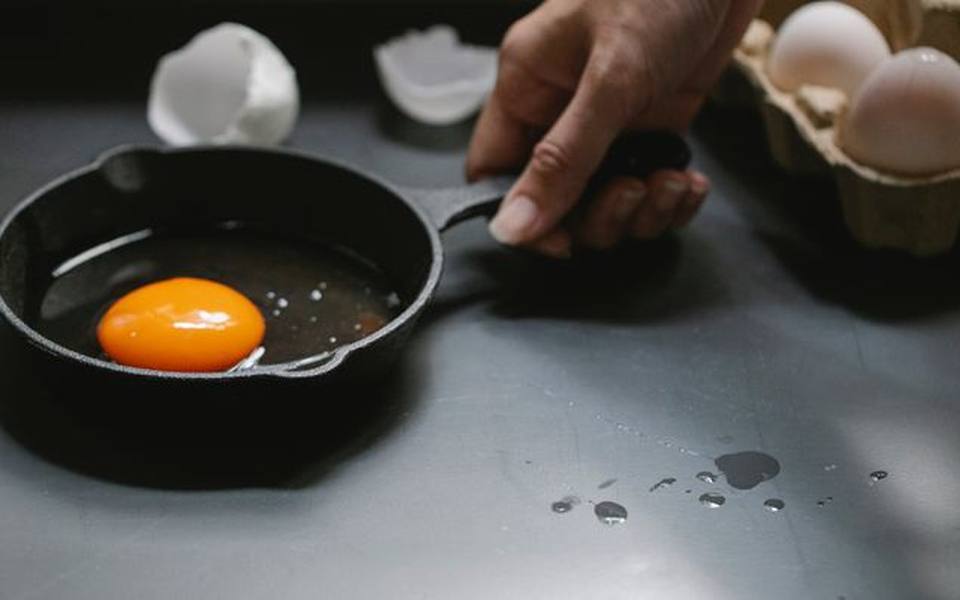 Buying
Vintage and Modern Cast Iron Cookware: Identification, Caring, and Buying Guide
-
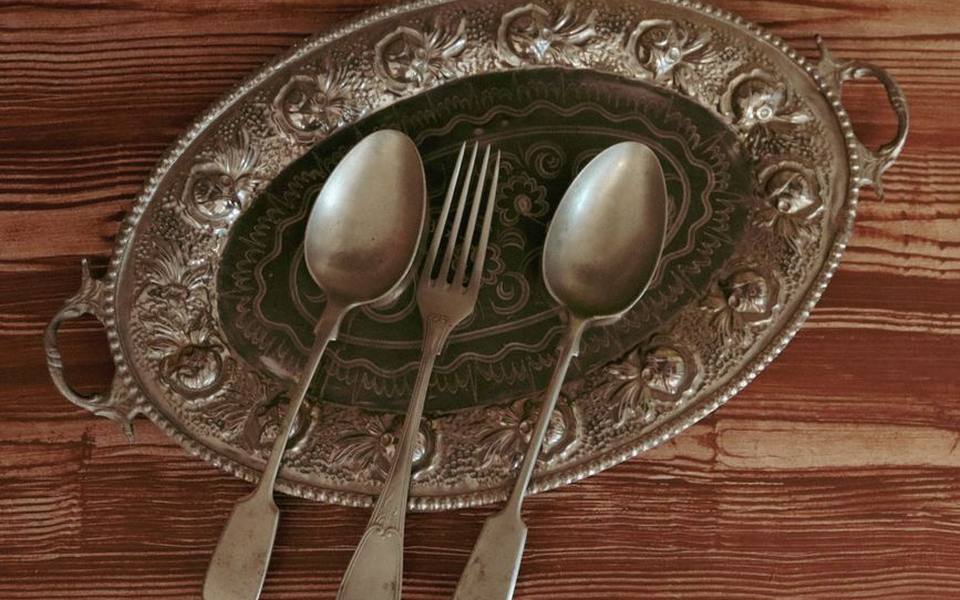 Owning
Antique Silverware: Cleaning, Polishing at Home, and Value Guide
-
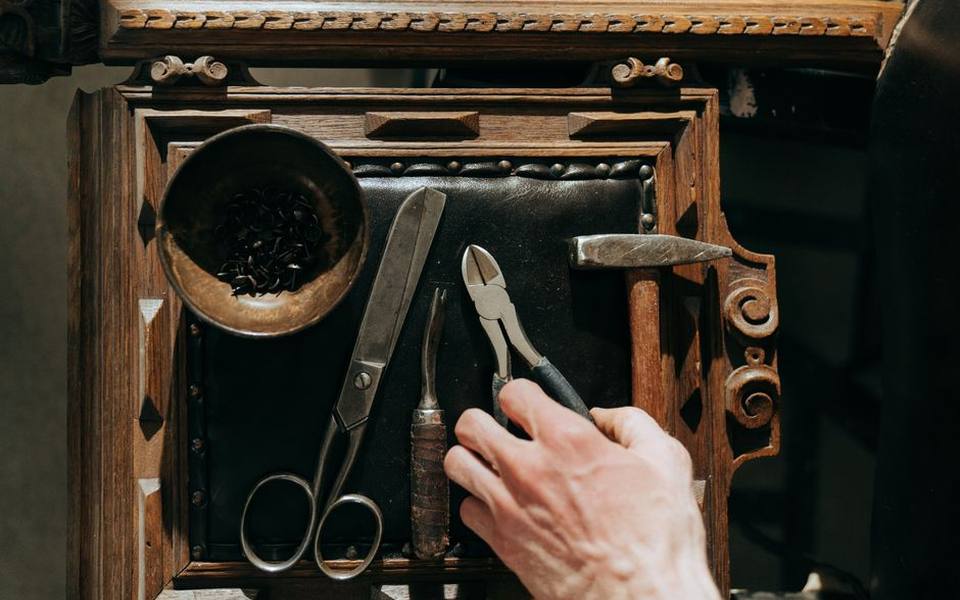 Owning
Care, Polishing, and Refinishing Guide for Antique Wood Furniture
-
 Buying
Vintage Pyrex, Glassware, and Depression Glass Identification and Value Guide
-
 Money
MoneyAntique Price Guides: How to Value and Sell Antiques Online and Offline
-
 Money
MoneyCollectible Old Books and First Editions: Valuation and Identification Guide
-
 Buying
Vintage Sewing Machines, Stoves, and Antique Tools Value Guide
-
 Buying
Collector Guide to Vintage Door Hardware, Knobs, and Cabinet Pulls
-
 Owning
Antique & Vintage Dolls: Values, Identification, and Care
-
 Buying
Antique Hoosier Cupboards and Vintage Desks: History, Identification, and Value
-
 Service
Grandfather, Wall, and Pocket Clock Repair and Identification Guide
-
 Owning
Antique Rotary Telephones and Landlines: Buying, Restoring, and Converting
-
 Owning
Collecting Vintage Picture Frames and Oil Paintings: Framing and Restoration
-
 Buying
Antique Sewing Machines and Spinning Wheels: Value, Brands, and Maintenance
-
 Buying
Antique Wood Stoves and Log Burners: Buying, Safety, and Restoration Guide
-
 Buying
Depression Glass and Antique Canning Jars: Identification and Values
-
 Buying
Vintage Mirrors: Identifying, Buying, and Styling Antique Glass
-
 Owning
Antique Silverware and Silverplate Flatware: Cleaning, Identification, and Value
-
 Buying
Vintage Engagement Rings and Art Deco Jewelry: Buying and Valuation
-
 Buying
Buyer Guide to Vintage and Antique Furniture: Seating, Tables, Desks, and Reproductions
-
 Buying
Collector Guide to Vintage Toys, Lighters, Sports Ephemera, and Curios
-
 Buying
Architectural Salvage Guide: Sourcing Stained Glass, Mantels, and Historic Hardware
-
 Buying
Vintage Fashion and Heirloom Style: Sourcing Dresses, Denim, Leather, and Ephemera