What Determines the Real Value of an Old Book
A book does not automatically become valuable simply because it is old, leather-bound, or yellowed with age. In the secondary market, value rests on an intersection of scarcity, original printing priority, cultural significance, and physical condition. Millions of family Bibles, Victorian poetry collections, and late-nineteenth-century school textbooks were printed in massive quantities and typically trade for modest sums today. Conversely, a modest twentieth-century paperback or a slim modernist poetry chapbook can command significant sums if it represents the earliest obtainable format of a landmark work.
When collectors reference an old book value guide, they look beyond the copyright date to verify whether the copy represents the earliest possible printing from the original publisher. Print runs for first editions of unheralded authors were historically small, sometimes numbering just a few hundred copies. Once an author gained fame, subsequent printings exploded into tens of thousands of copies, which dilutes collector interest in those later impressions. Identifying whether your copy belongs to that initial run is the very first step in determining genuine market interest.
Market demand fluctuates based on cultural relevance, literary scholarship, and collector trends. Early science fiction, pioneer narratives, foundational philosophical texts, and seminal children's literature tend to maintain steady collector appeal across decades. Mass-market reference encyclopedias, dated non-fiction treatises, and widely reprinted popular novels from past generations rarely hold substantial financial value. Recognizing which categories carry active demand prevents you from spending time appraising volumes that have little secondary resale liquidity.
Physical integrity sets the ultimate ceiling for an antique book price guide valuation. Two identical printings of the exact same title can diverge in price by thousands of dollars based solely on minor flaws such as hinge splitting, dust jacket tears, or marginal notes. Understanding how professionals grade paper, bindings, and protective wraps allows you to set realistic expectations before presenting volumes to dealers or appraisal specialists.
How to Identify a True First Edition
Identifying a true first edition requires looking beyond the single phrase printed on the copyright leaf. In publishing terminology, an 'edition' technically refers to all copies printed from the same setting of type, while an 'impression' or 'printing' denotes a single batch produced at one time. Dedicated collectors seek the first printing of the first edition, commonly referred to in trade circles as the first state or first impression. A volume marked 'First Edition' may still be a third or fourth printing if the publisher did not reset the text plates.
Publishers developed distinct systems across the nineteenth and twentieth centuries to indicate print sequences. Some houses, such as Charles Scribner's Sons, traditionally placed a capital letter 'A' on the copyright page to denote the true initial printing. Others, like Random House or Harper & Row, utilized complete number lines running from 10 down to 1 or 1 to 10. If the lowest number shown on that line is a '1', the copy generally represents the first impression. If the sequence begins with a '2' or '3', it signifies a later print run.
Certain twentieth-century publishers removed the first-edition statement on subsequent impressions without altering the copyright date, misleading casual readers into thinking a later printing is original. For example, some publishers removed the phrase 'First Edition' entirely on the second impression while leaving the initial year untouched. Consulting established bibliographic references or specialized dealer catalogs remains essential for verifying the idiosyncratic practices of individual publishing houses active during different eras.
Identifying priority can also depend on typographical errors, paper variations, or early binding states known among bibliophiles as points of issue. An uncorrected typo on a specific page, a misspelled name on the title verso, or an early blind-stamped pattern on the cloth casing often confirms that a copy was pulled from the earliest press run before printers stopped the machinery to make corrections.
Grading Physical Condition and Preservation Factors
The antiquarian book trade relies on standard grading terminology to establish baseline values: As New or Fine (F), Very Good (VG), Good (G), Fair, and Poor. In collector parlance, 'Good' actually designates a tired, well-used volume with obvious shelf wear, while 'Fine' signifies a fresh copy approaching its original issue state. Even minor wear can dramatically reduce prices; a volume graded as Very Good may trade for less than half the price of a Fine copy of the same printing.
Inspect the structural integrity of the binding first. Check the outer hinges along the exterior joints and the inner paper hinges near the endpapers. If the covers wobble or the inner mesh netting shows through a cracked paper seam, the book is described as having shaken or split hinges, which necessitates professional conservation or lowers market appeal. Look down the spine to verify that the book block remains square rather than 'cocked' or tilted from improper horizontal stacking or rough handling.
Examine the paper stock for environmental deterioration. Foxing, which appears as reddish-brown spots scattered across antique rag or wood-pulp paper, results from mold growth interacting with residual iron salts in humid conditions. Heavy browning, brittleness, and chipping along the edges suggest acid decay common in paper manufactured between the mid-nineteenth and mid-twentieth centuries. Damp staining, distinct watermark rings, or active musty smells indicate past moisture exposure that substantially detracts from collectible value.
Check closely for ownership marks, bookplates, gift inscriptions, and library processing remnants. Ex-library copies—featuring spine catalog numbers, embossed title pages, card pockets, or ink stamps—typically forfeit a massive percentage of their commercial value relative to private-press or trade originals. Clean, unblemished copies that retain their original tissue guards, folding maps, and advertisement leaves represent the elite tier of vintage book prices.
The Critical Role of the Original Dust Jacket
For modern first editions published after 1920, the presence and state of the original paper dust jacket represent the single largest factor in the total valuation. In many notable literary titles, the jacket accounts for seventy to ninety percent of the book's total worth. Dust jackets were originally intended as temporary protective wrappers to be discarded after purchase, meaning surviving wrappers from the 1920s, 1930s, and 1940s are exceptionally scarce compared to the surviving hardcovers themselves.
A dust jacket must be examined for price-clipping, paper losses, sun-fading, and restorative alterations. The upper or lower corner of the front jacket flap typically carries the original publisher's retail price. If that corner has been diagonally trimmed away with scissors—a common holiday gift-giving habit—collectors classify the wrapper as 'price-clipped.' This clipping immediately lowers the jacket's market standing, particularly when the price figure serves as an indispensable issue point for verifying first-issue dust jackets.
Sunlight exposure frequently degrades the pigments used on vintage dust jacket spines, turning vibrant reds and blues into muted tans and greys. This spine fading significantly diminishes display appeal. When appraising modern first editions, collectors use archival-grade, acid-free polyester film sleeves (commonly known as Mylar) to preserve fragile paper from skin oils and mechanical friction, though the sleeve itself cannot reverse existing color degradation.
Beware of facsimile or reproduction jackets masquerading as authentic originals. High-resolution modern scans printed on vintage-style paper can fool inexperienced buyers at casual sales. Examine the print dots with a jeweler's loupe: authentic letterpress or early offset wrappers exhibit sharp typography or standard period screen patterns, whereas modern digital reprints often show telltale dot clusters or digital blurring around fine title lettering.
Recognizing Modern Rare Volumes Worth Substantial Money
While nineteenth-century leather bindings look impressive on a bookshelf, a significant portion of modern book investment revolves around twentieth-century fiction, poetry, and social history. First trade editions of seminal works like F. Scott Fitzgerald's *The Great Gatsby*, J.D. Salinger's *The Catcher in the Rye*, or George Orwell's *Animal Farm* command substantial prices, provided they retain their original unclipped jackets in clean condition.
Mid-century genre fiction represents one of the fastest-moving segments of the collector market. Early post-war detective fiction, classic high fantasy, and foundational science fiction often started with small initial runs before capturing global audiences. Milestone titles from writers like J.R.R. Tolkien, Ray Bradbury, and Philip K. Dick have seen steady upward trajectory in realized auction prices over past decades, especially for copies preserved in jackets without heavy edge chipping.
Children's and young adult milestones also populate the list of rare books worth money. First editions of modern classics like *Where the Wild Things Are*, early Dr. Seuss printings with correct jacket prices, and the initial British print runs of popular fantasy series frequently command four-figure or five-figure prices. These volumes suffered harsh physical wear from young readers, making genuinely intact, well-preserved examples exceedingly rare in today's open market.
Signed presentation copies and association copies carry distinct premiums. An association copy—one inscribed by the author to an intimate friend, fellow writer, or historic figure—commands vastly more interest than a generic promotional signature. Verifying the provenance and handwriting authenticity of these inscribed copies requires cross-referencing documented signatures in institutional archives or consulting seasoned professional appraisers.
Identifying a First Edition of The Hitchhiker's Guide to the Galaxy
Douglas Adams's comedic science-fiction classic presents a fascinating study in book collecting because the true first edition was issued as a mass-market paperback, not an expensive cloth hardcover. The original UK edition was published by Pan Books in London in October 1979. To identify this genuine first printing, check the copyright page for the publication date '1979' and confirm there is no mention of subsequent reprint impressions. The cover price on the back must read 80p (eighty pence) without later price stickers.
The first Pan paperback features distinct cover artwork by Adrian Chesterman, showing a cosmic landscape with a distressed green planet face stuck in an open mouth. Early copies often suffered from poor binding glue, meaning intact paperbacks with flat spines, unfaded cover colors, and uncreased hinges represent a distinct minority of surviving copies. Because it was an inexpensive paperback carried in pockets, high-grade examples command hundreds of dollars among modern sci-fi collectors.
Shortly after the paperback release, a small hardback library edition was produced by Arthur Barker in 1979 for institutional circulation. Because library systems purchased the bulk of this run, finding a non-ex-library Arthur Barker hardback with its dust jacket intact is an extreme rarity. These hardback copies routinely trade for several thousand dollars when preserved in collectible condition, making them one of the most sought-after modern genre holy grails.
The first American edition was published by Harmony Books in 1980 with a distinctive blue-and-white dust jacket showing a cosmic thumb. To qualify as a first US printing, the copyright page must display the full number code '10 9 8 7 6 5 4 3 2 1' along with the words 'First Edition,' and the front dust jacket flap must show the original $6.95 retail price intact.
Essential Guide to Stephen King First Editions
Stephen King remains one of the most vigorously collected modern American authors, but navigating his bibliography requires specific knowledge of early publisher issue points. King's early novels were published by Doubleday, beginning with *Carrie* in 1974, followed by *'Salem's Lot* in 1975 and *The Shining* in 1977. True first printings of these Doubleday titles always state 'First Edition' on the copyright page and contain specific gutter codes stamped in the margin of the rear gutter seam.
For *Carrie*, look on page 199 in the inner margin seam for the code 'P6', which verifies the initial print run in early 1974. The jacket should display a $5.95 price on the front flap. On *'Salem's Lot*, the gutter code on page 439 must read 'Q37'. Furthermore, early states of the *'Salem's Lot* jacket carry a price of $8.95 (later clipped or altered to $7.95) and mention 'Father Cody' instead of 'Father Callahan' in the jacket flap synopsis.
With *The Shining*, the gutter code on page 447 must be 'R49', accompanied by 'First Edition' on the copyright page and an unclipped $8.95 jacket price. Collectors should be cautious of book club editions, which flooded the market during this era. Book club printings of King's novels often mimic the trade publisher's typography but lack the price on the front jacket flap, feature a small debossed square or circle on the rear cloth cover near the spine, and omit the gutter code.
King's later Viking titles, such as *Cujo*, *Christine*, *Pet Sematary*, and *IT*, feature large first print runs of tens or hundreds of thousands of copies, making them relatively common. However, his limited editions, proof copies, and pseudonym releases published under the name Richard Bachman—such as the 1977 paperback *Rage* or *The Long Walk*—command very strong prices due to low original print numbers and rapid physical wear.
Evaluating Antique Leather Bindings and Early Printings
When evaluating books printed prior to 1850, modern dust jackets and publisher number lines no longer apply. Books from the seventeenth, eighteenth, and early nineteenth centuries were often sold in temporary paper wrappers or simple cardboard boards, allowing the purchaser to have them custom-bound in calfskin, sheepskin, or morocco goatskin by their local binder. Consequently, two genuine first editions from this era can feature completely different exterior bindings while containing identical printed sheets.
Check early volumes for completeness by collating the signatures. Prior to modern binding equipment, printers folded large sheets into sections marked at the bottom of the page with sequential signature letters (such as A, B, C, or Aa, Bb). Early collectors and dealers physically verify that no leaf, engraved frontispiece portrait, or folding map is missing from the collation. A complete, unspotted volume with contemporary period binding commands far more collector respect than a re-bound or incomplete copy.
Age does not equate to rarity in early religious texts. Bibles were among the most heavily produced books in the Western world. While a genuine sixteenth-century Genevan Bible or a seventeenth-century King James folio carries historical value, nineteenth-century family Bibles from the Victorian era are exceptionally common. Unless a nineteenth-century Bible contains significant presidential provenance, unique illuminated plates, or historically vital genealogical inscriptions, its commercial resale value typically remains modest.
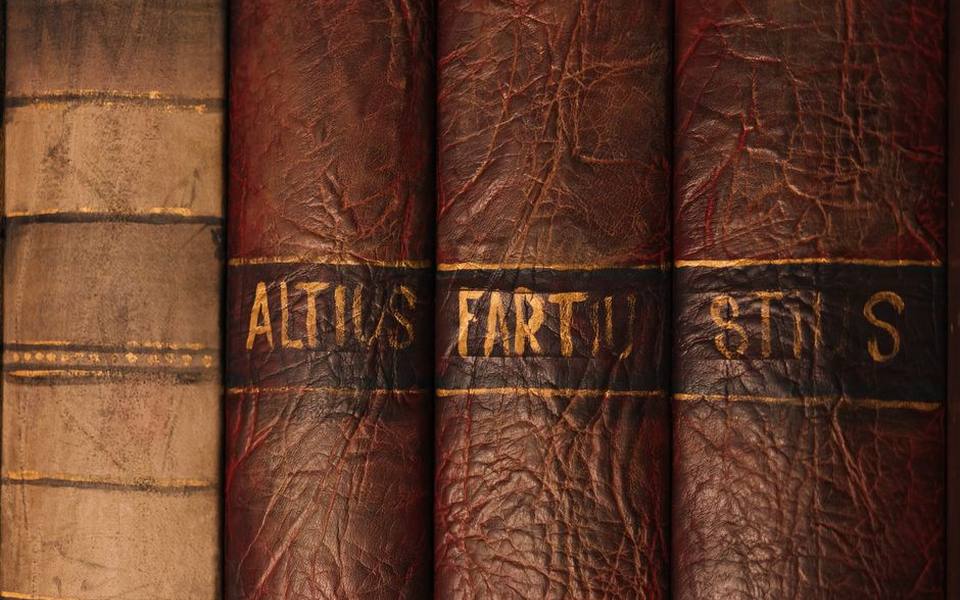
Examine antique bindings for signs of 'red rot,' an irreversible degradation of vegetable-tanned leather caused by acidic atmospheric pollution. Red rot manifests as a powdery, reddish residue that rubs off on hands and clothing, indicating the structural breakdown of the leather fibers. Books afflicted with advanced red rot require specialized consolidants or protective cloth drop-spine boxes, and their value is discounted heavily compared to supple, stable antique calf or vellum.
Researching Completed Sales and Price Guides Realistically
Navigating vintage book prices requires distinguishing between what a seller asks for a volume and what a willing buyer actually pays. Retail listings on open marketplace websites frequently showcase inflated asking prices entered by unverified sellers who misidentify book club editions or later impressions as true firsts. Basing your valuation on these speculative asking prices leads to unrealistic expectations.
Professional dealers and experienced collectors consult specialized antiquarian databases and realized auction records. Auction houses archive final hammer prices including buyer's premiums, reflecting competitive bids from knowledgeable buyers in an open room. Subscribing to auction aggregators or reviewing established dealer catalogs gives you a grounded snapshot of how specific conditions, signatures, and bibliographic states trade among seasoned specialists.
Keep in mind that regional demand and seasonal retail traffic influence sales velocity. When investigating pricing for early Americana, regional histories, or vintage technical volumes, browsing curated selections in physical shops can provide valuable context. You can often discover interesting antique titles and compare condition standards across dealer booths at regional antique malls, where multiple independent vendors display curated collections under one roof.
If you are cataloging an inherited library or estate collection, consider working backward by identifying the top ten percent of potentially valuable items before researching the rest. Focus on pre-1800 imprints, distinct nineteenth-century illustrated works, signed modern fiction, and titles retaining clean, unclipped twentieth-century jackets. The remaining mass-market paperbacks, encyclopedias, and reading copies can be bundled for general sale.
Where to Buy, Sell, and Get Professional Book Appraisals
Finding and selling valuable volumes requires engaging with established secondary trade channels. High-end literary works and institutional rarities often pass through dedicated antiquarian book auctions or specialty dealers affiliated with national trade organizations. For general collectors searching for unexpected finds, visiting local estate sales offers opportunities to discover privately assembled libraries before volumes enter commercial resale networks.
If you have a collection of quality volumes but lack the time to catalog each item individually, partnering with reputable consignment shops or specialized book dealers allows you to reach motivated buyers. Dealers typically take a percentage commission on the realized retail sale in exchange for handling photography, precise bibliographic description, storage, and customer fulfillment. This arrangement works particularly well for solid mid-tier collectible volumes valued in the hundreds of dollars.
When formal valuation is necessary for insurance schedules, estate tax filings, or high-value charitable donations, informal internet searches will not suffice. You will need written documentation from professional appraisal services that adhere to recognized national appraisal standards. Professional appraisers inspect bindings, verify paper watermarks, examine typography under magnification, and supply a legally defensible valuation report for your records.
Finally, whether buying or selling, take time to learn the language of the trade. Understanding terms like foxing, uncut, ex-libris, browned, and price-clipped equips you to ask precise questions and negotiate with confidence. Building relationships with reputable antiquarian dealers remains the most reliable path toward refining your eye and building a meaningful, valuable library.
Published 2026-09-20 · reviewed with each rebuild, last September 2026.
Find antique stores near you
The directory lists 25,996 antique stores by state and city — pick your state or use the “Near me” button in the header.
More guides
-
 Owning
Cleaning and Polishing Antique Silver Without Damaging the Patina
-
 Money
MoneyNavigating the Market for Vintage Currency
-
 Owning
Evaluating, Using, and Displaying Mid-Century Glassware and Kitchen Antiques
-
 Buying
Navigating Vintage and Antique Jewelry Styles
-
 Owning
How to Clean and Care for Silverware Without Causing Damage
-
 Owning
Vintage Pyrex Value and Safety Guide: Understanding Collector Patterns and Usage
-
 Buying
A Guide to Sourcing Vintage and Estate Jewelry
-
 Money
MoneyValuable Baseball Cards Guide: Spotting Vintage Sports Collectibles
-
 Owning
How to Clean and Restore Antique Wood Furniture
-
 Money
MoneyHow to Find and Use Antique Price Guides Online
-
 Money
MoneyHow to Determine the Value of Old Books and First Editions
-
 Money
MoneyWhere and How to Sell Vintage Coins for the Best Return
-
 Buying
Choosing and Caring for Vintage and Modern Cast Iron Cookware
-
 Owning
How to Polish and Value Antique Silverware at Home
-
 Owning
How to Clean and Polish Antique Wood Furniture Without Damaging It
-
 Buying
Vintage and Classic Cast Iron Cookware: Buyer's, Value, and Care Guide
-
 Buying
Antique Silverware, Vintage Jewelry, and Collectible Coins Guide
-
 Money
MoneyA Practical Guide to Antique Price Guides and Rare Book Valuations
-
 Owning
How to Clean, Polish, and Refinish Antique Wood Furniture
-
 Owning
Ultimate Guide to Vintage and Antique Cast Iron Cookware: Brands, Seasoning, and Care
-
 Owning
How to Clean, Polish, and Value Vintage Silverware and Antique Jewelry
-
 Buying
Valuing Vintage Collectibles: From Rare Dolls and Slot Machines to Classic Lamps and Churns
-
 Owning
How to Clean, Polish, and Refinish Antique Wood Furniture
-
 Money
MoneyVintage Glassware Value Guide: Pyrex, Depression Glass, CorningWare, and Bottles
-
 Money
MoneyAntique & Vintage Price Guides: How to Value Antiques and Collectibles
-
 Buying
How to Value Old Books and First Editions: A Collector's Price Guide
-
 Money
MoneyWhere and How to Sell Vintage Records and Audio Equipment
-
 Buying
How to Buy, Value, and Sell Vintage Coins: A Practical Beginner's Guide
-
 Buying
Estate Sale Guide: How to Find, Buy, and Liquidate Antiques
-
 Buying
Vintage and Modern Cast Iron Cookware: Identification, Seasoning, Buying, and Care
-
 Money
MoneyComprehensive Guide to Antique Values, Old Books, and Collectibles Pricing
-
 Owning
Cleaning and Caring for Vintage Silverware, Fine Jewelry, and Antique Metals
-
 Owning
How to Clean, Polish, and Refinish Antique Wood Furniture
-
 Buying
Vintage and Modern Cast Iron Cookware: Identification, Caring, and Buying Guide
-
 Owning
Antique Silverware: Cleaning, Polishing at Home, and Value Guide
-
 Owning
Care, Polishing, and Refinishing Guide for Antique Wood Furniture
-
 Buying
Vintage Pyrex, Glassware, and Depression Glass Identification and Value Guide
-
 Money
MoneyAntique Price Guides: How to Value and Sell Antiques Online and Offline
-
 Buying
Vintage Sewing Machines, Stoves, and Antique Tools Value Guide
-
 Buying
Collector Guide to Vintage Door Hardware, Knobs, and Cabinet Pulls
-
 Owning
Antique & Vintage Dolls: Values, Identification, and Care
-
 Buying
Antique Hoosier Cupboards and Vintage Desks: History, Identification, and Value
-
 Service
Grandfather, Wall, and Pocket Clock Repair and Identification Guide
-
 Owning
Antique Rotary Telephones and Landlines: Buying, Restoring, and Converting
-
 Owning
Collecting Vintage Picture Frames and Oil Paintings: Framing and Restoration
-
 Buying
Antique Sewing Machines and Spinning Wheels: Value, Brands, and Maintenance
-
 Buying
Antique Wood Stoves and Log Burners: Buying, Safety, and Restoration Guide
-
 Buying
Depression Glass and Antique Canning Jars: Identification and Values
-
 Buying
Vintage Mirrors: Identifying, Buying, and Styling Antique Glass
-
 Owning
Antique Silverware and Silverplate Flatware: Cleaning, Identification, and Value
-
 Buying
Vintage Engagement Rings and Art Deco Jewelry: Buying and Valuation
-
 Buying
Buyer Guide to Vintage and Antique Furniture: Seating, Tables, Desks, and Reproductions
-
 Buying
Collector Guide to Vintage Toys, Lighters, Sports Ephemera, and Curios
-
 Buying
Architectural Salvage Guide: Sourcing Stained Glass, Mantels, and Historic Hardware
-
 Buying
Vintage Fashion and Heirloom Style: Sourcing Dresses, Denim, Leather, and Ephemera