The Appeal of Period Framing and Vintage Canvas Art
Finding an original antique frame or vintage oil painting can transform a plain room into a space layered with character and history. Collectors often start by appreciating the tactile weight of carved walnut, gilded gesso, or tarnished silver leaf, which modern factory-made mouldings simply cannot duplicate. When original artwork remains in its authentic period setting, the frame does not merely support the image; it operates as an integral extension of the artist's historical era.
Over the centuries, frame designs shifted alongside major artistic and architectural movements. A heavy, carved Baroque moulding served a completely different aesthetic purpose than the sleek lines of early twentieth-century American Arts and Crafts mouldings. Understanding these shifts helps collectors identify which frames naturally flatter specific types of art, whether you are framing an oil on linen from the late nineteenth century or preserving an antique sepia family portrait.
Navigating this field requires an eye for both physical integrity and stylistic harmony. Antique framed pictures often survive in basements, attics, and regional shops, bearing decades of accumulated soot, structural shrinkage, and amateur touch-ups. Learning to look beyond surface dust allows you to spot well-made corner splines, hand-laid gold leaf, and stable original canvases that deserve a place on your walls.
Decoding Materials: Gesso, Carved Wood, and Cast Composition
Before investing in antique frames for pictures, it pays to understand what materials you are actually handling. True hand-carved wood frames, common through the early nineteenth century, reveal subtle chisel marks, slight asymmetry, and continuous wood grain across mitered joints. These pieces are dense, exceptionally durable, and represent significant artisanal labor compared to later mass-produced alternatives.
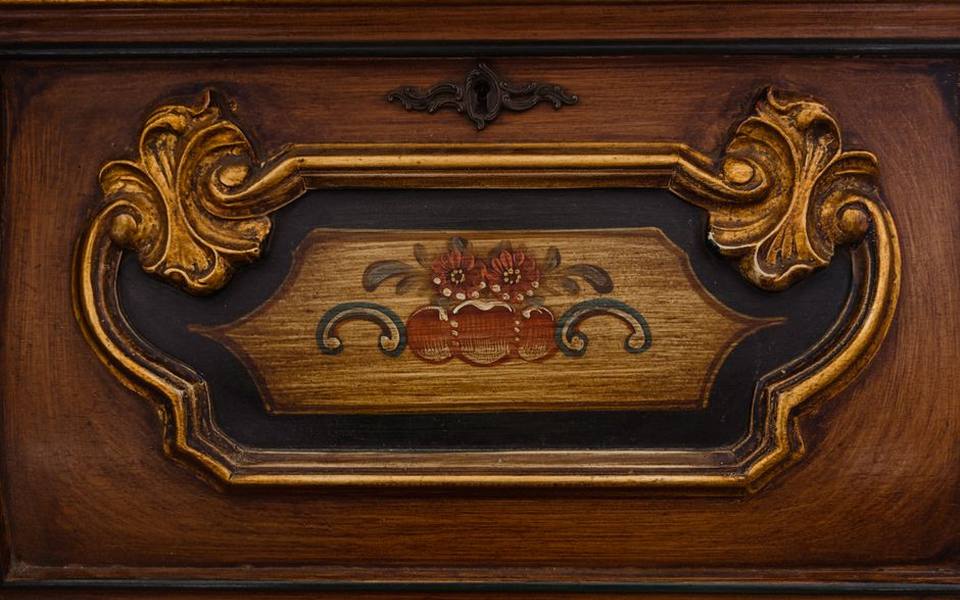
By the mid-nineteenth century, makers turned to composition ornament, often called compo, to produce elaborate scrollwork and floral swags at lower cost. Compo consisted of a mixture of animal hide glue, chalk or whiting, boiled linseed oil, and resin pressed into carved molds while pliable. Once cured, these ornaments were glued to a wooden base profile and coated with gesso before gold leafing, creating the rich textures seen in Victorian portrait mouldings.
Differentiating solid wood from compo matters during repair and daily care. Solid carved wood tolerates humidity fluctuations far better, whereas composition ornament tends to crack, shrink, and separate from its wooden backing when exposed to dry interior heating or damp storage environments. When inspecting potential pieces, gentle finger pressure along the highest relief points can reveal whether brittle ornamentation has started to detach.
Stylistic Movements from Victorian Ovals to Mid-Century Gilt
Antique portrait frames from the Victorian era remain among the most recognizable styles available today. During the late nineteenth century, deep oval frames made from walnut, ebonized wood, or gilded compo frequently featured convex bubble glass to accommodate hand-tinted solar enlargements and charcoal portraits. These oval profiles typically included delicate rope borders, acorn motifs, or prominent ribbon crests designed to serve as focal points in formal parlors.
As design sensibilities evolved toward the turn of the century, the Aesthetic Movement and late American Impressionism brought wider, fluted scoop mouldings and ripple patterns. These profiles favored broad, flat panels of water gilding where burnished highlights contrasted with matte recesses. Such mouldings were expressly engineered to project light back onto impressionistic canvas surfaces without distracting from loose, luminous brushwork.
Mid-century modern interiors later sparked a revival of stripped, textured raw wood mouldings, often paired with narrow linen liners. These mid-twentieth-century designs complemented post-war portraiture and expressive oil paintings by creating breathing room between intense pigments and outer wall surfaces. Recognizing these transitions ensures you pair an old painting frame with artwork created in a compatible decorative tradition.
Where to Hunt for Vintage Mouldings and Paintings
Sourcing quality vintage picture frames requires checking diverse local venues regularly. Searching through spacious antique malls often yields surprising finds, as different dealers liquidate family estates, cleanouts, and inventory from old framing studios. You can frequently locate empty period frames tucked behind larger cabinets or stacked along back walls waiting for creative repurposing.
Regional consignment outlets are another reliable hunting ground for finished artwork and historic decorative framing. Browsing antique consignment shops lets you study both the canvas condition and moulding quality under bright showroom lighting. Many clients consign inherited oils and framed family collections that have remained undisturbed inside home environments for multiple generations, meaning the structural hardware is often intact.
For the broadest selection of untouched artwork, residential liquidations and estate sales are unmatched. Attending events organized by antique shops offering estate sales gives you first access to portraits and landscape canvases before they are split from their original display hardware. In these homes, pay close attention to darkened corners, hallway galleries, and spare rooms where neglected paintings often hang quietly.
Evaluating Condition: Identifying Flaking, Shrinkage, and Rot
Examining old picture frames in person requires careful physical evaluation before purchase. Start by checking the structural soundness of all four mitered corners. Over decades, hide glue desiccates and wood shrinks along its grain, which can cause frame corners to pull apart under their own weight. If a rectangular frame flexes noticeably when lifted by the sides, its structural joinery will require mechanical clamping and regluing.
Next, run an eye across the perimeter to spot missing compo details, cracks in the gesso ground, and signs of insect intrusion. Fine parallel hairline cracks, known as craquelure, are normal signs of aging on gilded gesso. However, raised blisters or flakes lifting away from the substrate indicate that the underlying binder has failed, meaning even minor handling could cause substantial losses of ornamentation.
Look closely at the rear rabbet and backboards for telltale signs of fungal rot or active woodworm holes. Tiny round exit holes paired with powdery wood dust, known as frass, suggest wood-boring beetles may have weakened the timber core. Infested pieces must be quarantined immediately to prevent insects from spreading to existing furniture, baseboards, or other wooden treasures in your household collection.
Safe Cleaning and Minor Conservation for Gilded Mouldings
Conserving historic mouldings begins with restraint, as aggressive cleaning causes irreversible surface destruction. Never use commercial glass cleaners, spray polishes, or wet household rags on gilded surfaces. Water gilding relies on a water-soluble glue binder that dissolves upon contact with liquids, immediately stripping antique gold leaf down to the reddish clay bole or white chalk underneath.
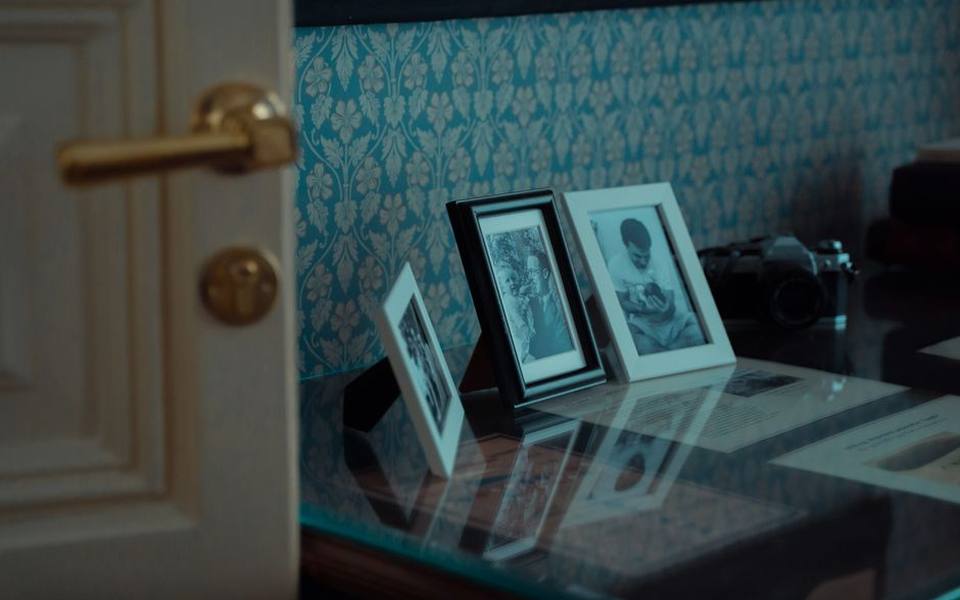
The safest introductory cleaning technique involves using a soft, natural hair cosmetic brush or goat-hair dusting mop to gently lift loose dirt, cobwebs, and surface debris. Work methodically from the top down, holding a vacuum hose nozzle several inches away from the frame surface to capture airborne dust without letting the plastic nozzle touch the delicate moulding directly.
If stubborn grease or decades of nicotine staining obscure the gilding, testing with conservation-grade saliva or mineral spirits on a cotton swab is a traditional method. Dip a precision swab into pure odorless mineral spirits, roll it gently across a small, inconspicuous lower corner, and check for pigment transfer. If the swab picks up gold rather than yellowed grime, cease cleaning immediately and enjoy the aged patina as it stands.
Inspecting Vintage Oil Paintings for Stability and Wear
A collector studying a vintage oil painting must evaluate the fabric substrate alongside the painted surface. Turn the canvas around and inspect the wooden stretcher bars. Original nineteenth-century paintings generally feature keyed stretchers with small triangular wooden wedges tapped into each inner corner. These keys allowed painters or owners to adjust fabric tension as relative humidity fluctuated throughout the year.
Check the canvas surface under raking light, directing a flashlight across the front at a shallow angle. This highlights planar distortions, canvas cupping, tears, and paint loss that might remain invisible under direct overhead bulbs. A stable oil painting displays tight adhesion between ground layer and linen; loose paint flakes resembling dry soil indicate progressive flaking that requires professional consolidant application.
Examine the varnish layer covering the painted composition. Natural dammar and mastic varnishes gradually oxidize over fifty to one hundred years, turning golden, amber, or dark brown while collecting particulate soot. While a yellowed varnish obscures vivid sky tones and portrait flesh tints, it often serves as a protective barrier that conservators can chemically remove without harming the underlying original oil pigment.
Pairing Period Canvas Art and Historic Photos with the Right Rabbet
Marrying an antique portrait frame with vintage artwork requires balancing visual weight, era appropriateness, and mechanical depth. An oil painting mounted on wooden stretcher bars needs a frame with a deep rear groove, known as the rabbet. If the rabbet is shallower than the stretcher thickness, the artwork will protrude awkwardly past the rear of the moulding, exposing unfinished canvas edges to dust and impact.

Historic photographs, etchings, and pastel drawings require completely different interior considerations than oil paintings on linen. While oil paintings breathe best without glass, delicate paper portraits demand protective glazing to shield organic fibers from airborne pollutants and ultraviolet fading. When fitting an old photo into a deep period frame, introduce an archival 100% rag mat board to prevent the emulsion from pressing directly against the glass pane.
Scale also dictates how harmonious an installation feels once hung on a wall. A modest cabinet-card photograph looks lost within an oversized, six-inch-wide Victorian compo moulding, whereas a bold portrait canvas easily overpowers a slender flat moulding. Matching the complexity of the frame ornamentation to the depth and tonal density of the subject creates a cohesive presentation that feels intentionally curated rather than haphazardly assembled.
Archival Fitting: Backing Boards, Spacers, and Hardware
Traditional framing practices frequently incorporated acidic backing materials like pine slats, corrugated shipping cardboard, and acidic brown paper. Over time, wood acids off-gas directly into canvas fibers and paper photos, accelerating brittleness and causing brown discoloration stains known as foxing. Replacing old structural backboards with acid-free foam core or archival corrugated backing protects your investment for decades to come.
Securing an oil painting into an antique wooden frame should never involve driving common nails or framing points directly through the stretcher timber. Instead, use brass offset framing clips screwed lightly into the meat of the outer frame moulding, allowing the bracket to rest firmly against the wooden stretcher. This mechanical friction holds the artwork securely while permitting wood movement during seasonal weather changes.
Hanging hardware must match the combined weight of heavy timber, compo, and glass. Discard rusty original wire and tiny screw eyes, which can snap without warning under load. Install heavy-duty steel D-rings secured with twin screws into both side rails of the frame, strung with braided, coated stainless steel wire rated for at least triple the measured weight of the complete assemblage.
Appraisals, Value Factors, and Long-Term Collection Management
Determining the monetary value of antique framed pictures involves weighing the quality of the artwork against the rarity of the frame itself. In some surprising instances, an unsigned amateur still-life rests inside a rare, museum-quality American Arts and Crafts frame carved by a recognized master, making the frame significantly more valuable than the canvas it holds. Retaining original labels from historic frame makers or prestigious gallery exhibitions substantially boosts overall market appeal.
If you suspect that a piece in your collection possesses substantial artistic pedigree or historic merit, engaging accredited appraisal services is a prudent step. Certified appraisers assess condition, trace artist auction histories, verify canvas authenticity, and supply written documentation required for insurance riders or estate valuations.
Preserving your collection over the long run comes down to environmental stability and thoughtful placement. Avoid hanging antique oil paintings and gilded mouldings directly over heat registers, active fireplaces, or in bathrooms with elevated humidity. Maintain an indoor relative humidity range around 40 to 50 percent to keep wooden joinery tight, gesso stable, and canvas fabric properly tensioned throughout changing seasons.
Published 2026-09-21 · reviewed with each rebuild, last September 2026.
Find antique stores near you
The directory lists 25,996 antique stores by state and city — pick your state or use the “Near me” button in the header.
More guides
-
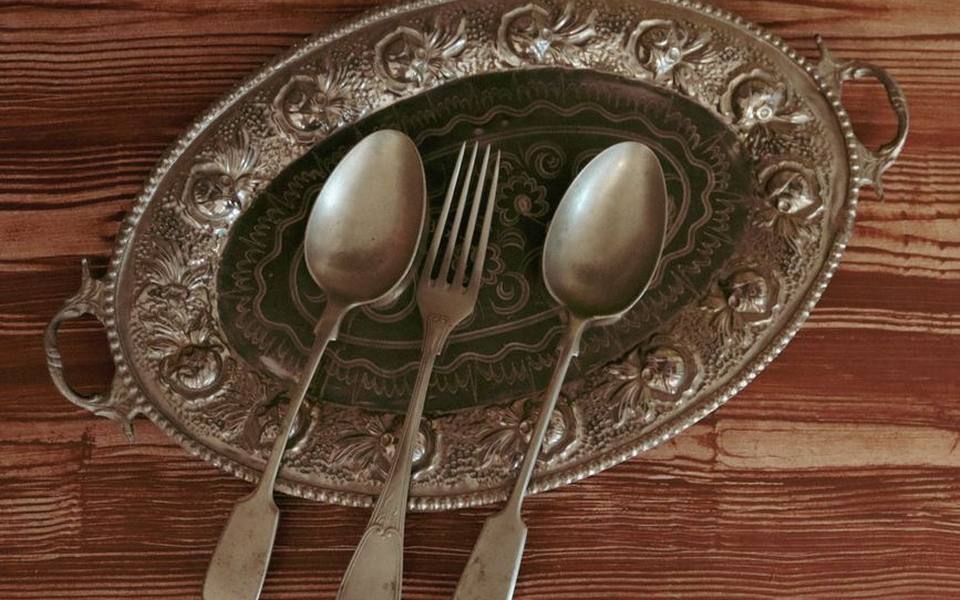 Owning
Cleaning and Polishing Antique Silver Without Damaging the Patina
-
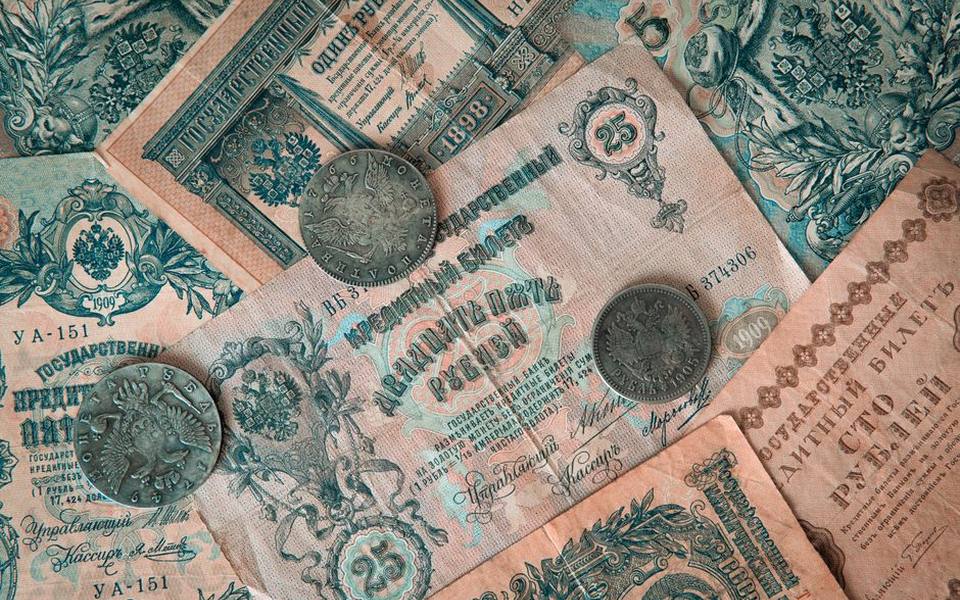 Money
MoneyNavigating the Market for Vintage Currency
-
 Owning
Evaluating, Using, and Displaying Mid-Century Glassware and Kitchen Antiques
-
 Buying
Navigating Vintage and Antique Jewelry Styles
-
 Owning
How to Clean and Care for Silverware Without Causing Damage
-
 Owning
Vintage Pyrex Value and Safety Guide: Understanding Collector Patterns and Usage
-
 Buying
A Guide to Sourcing Vintage and Estate Jewelry
-
 Money
MoneyValuable Baseball Cards Guide: Spotting Vintage Sports Collectibles
-
 Owning
How to Clean and Restore Antique Wood Furniture
-
 Money
MoneyHow to Find and Use Antique Price Guides Online
-
 Money
MoneyHow to Determine the Value of Old Books and First Editions
-
 Money
MoneyWhere and How to Sell Vintage Coins for the Best Return
-
 Buying
Choosing and Caring for Vintage and Modern Cast Iron Cookware
-
 Owning
How to Polish and Value Antique Silverware at Home
-
 Owning
How to Clean and Polish Antique Wood Furniture Without Damaging It
-
 Buying
Vintage and Classic Cast Iron Cookware: Buyer's, Value, and Care Guide
-
 Buying
Antique Silverware, Vintage Jewelry, and Collectible Coins Guide
-
 Money
MoneyA Practical Guide to Antique Price Guides and Rare Book Valuations
-
 Owning
How to Clean, Polish, and Refinish Antique Wood Furniture
-
 Owning
Ultimate Guide to Vintage and Antique Cast Iron Cookware: Brands, Seasoning, and Care
-
 Owning
How to Clean, Polish, and Value Vintage Silverware and Antique Jewelry
-
 Buying
Valuing Vintage Collectibles: From Rare Dolls and Slot Machines to Classic Lamps and Churns
-
 Owning
How to Clean, Polish, and Refinish Antique Wood Furniture
-
 Money
MoneyVintage Glassware Value Guide: Pyrex, Depression Glass, CorningWare, and Bottles
-
 Money
MoneyAntique & Vintage Price Guides: How to Value Antiques and Collectibles
-
 Buying
How to Value Old Books and First Editions: A Collector's Price Guide
-
 Money
MoneyWhere and How to Sell Vintage Records and Audio Equipment
-
 Buying
How to Buy, Value, and Sell Vintage Coins: A Practical Beginner's Guide
-
 Buying
Estate Sale Guide: How to Find, Buy, and Liquidate Antiques
-
 Buying
Vintage and Modern Cast Iron Cookware: Identification, Seasoning, Buying, and Care
-
 Money
MoneyComprehensive Guide to Antique Values, Old Books, and Collectibles Pricing
-
 Owning
Cleaning and Caring for Vintage Silverware, Fine Jewelry, and Antique Metals
-
 Owning
How to Clean, Polish, and Refinish Antique Wood Furniture
-
 Buying
Vintage and Modern Cast Iron Cookware: Identification, Caring, and Buying Guide
-
 Owning
Antique Silverware: Cleaning, Polishing at Home, and Value Guide
-
 Owning
Care, Polishing, and Refinishing Guide for Antique Wood Furniture
-
 Buying
Vintage Pyrex, Glassware, and Depression Glass Identification and Value Guide
-
 Money
MoneyAntique Price Guides: How to Value and Sell Antiques Online and Offline
-
 Money
MoneyCollectible Old Books and First Editions: Valuation and Identification Guide
-
 Buying
Vintage Sewing Machines, Stoves, and Antique Tools Value Guide
-
 Buying
Collector Guide to Vintage Door Hardware, Knobs, and Cabinet Pulls
-
 Owning
Antique & Vintage Dolls: Values, Identification, and Care
-
 Buying
Antique Hoosier Cupboards and Vintage Desks: History, Identification, and Value
-
 Service
Grandfather, Wall, and Pocket Clock Repair and Identification Guide
-
 Owning
Antique Rotary Telephones and Landlines: Buying, Restoring, and Converting
-
 Buying
Antique Sewing Machines and Spinning Wheels: Value, Brands, and Maintenance
-
 Buying
Antique Wood Stoves and Log Burners: Buying, Safety, and Restoration Guide
-
 Buying
Depression Glass and Antique Canning Jars: Identification and Values
-
 Buying
Vintage Mirrors: Identifying, Buying, and Styling Antique Glass
-
 Owning
Antique Silverware and Silverplate Flatware: Cleaning, Identification, and Value
-
 Buying
Vintage Engagement Rings and Art Deco Jewelry: Buying and Valuation
-
 Buying
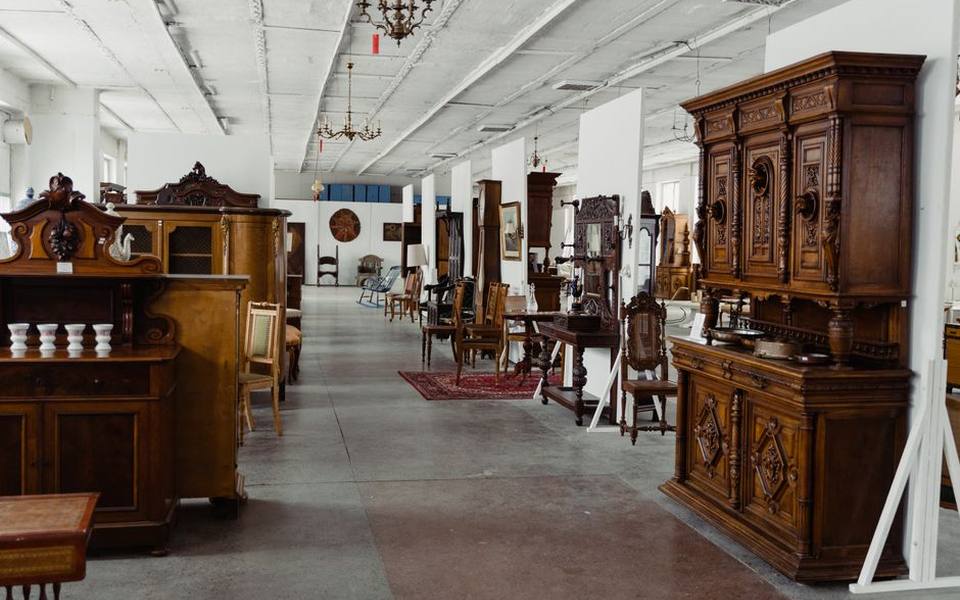
Buyer Guide to Vintage and Antique Furniture: Seating, Tables, Desks, and Reproductions
-
 Buying
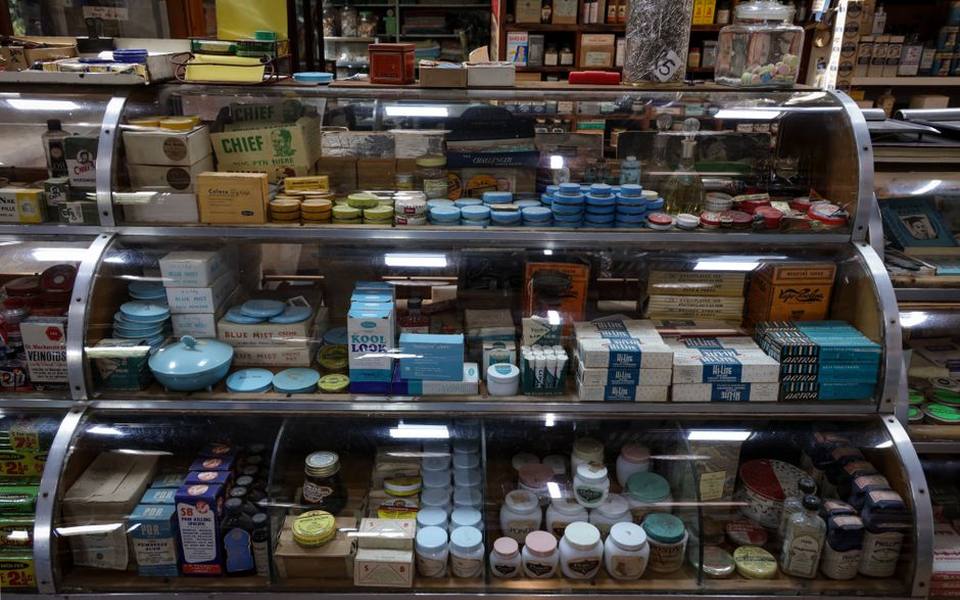
Collector Guide to Vintage Toys, Lighters, Sports Ephemera, and Curios
-
 Buying
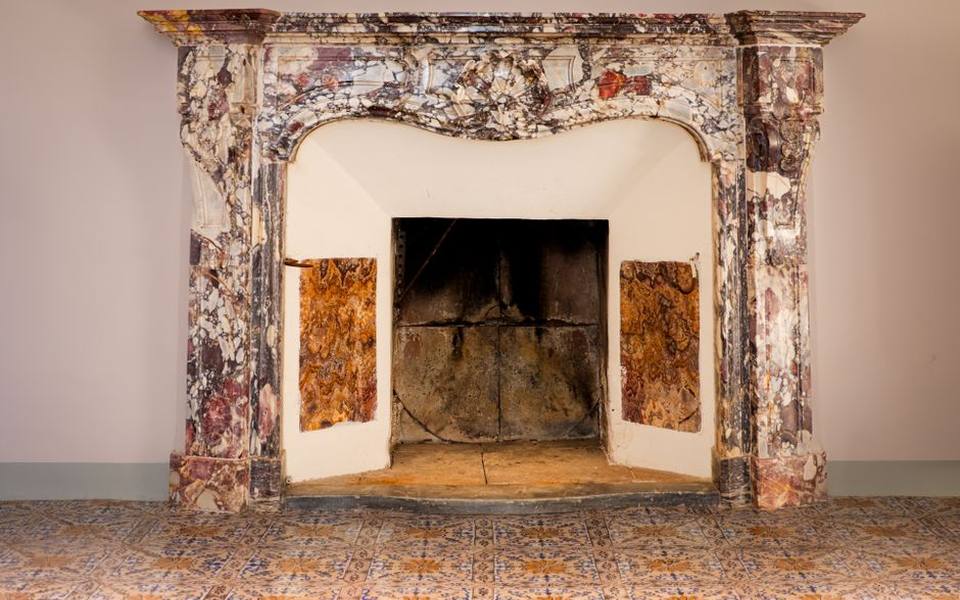
Architectural Salvage Guide: Sourcing Stained Glass, Mantels, and Historic Hardware
-
 Buying
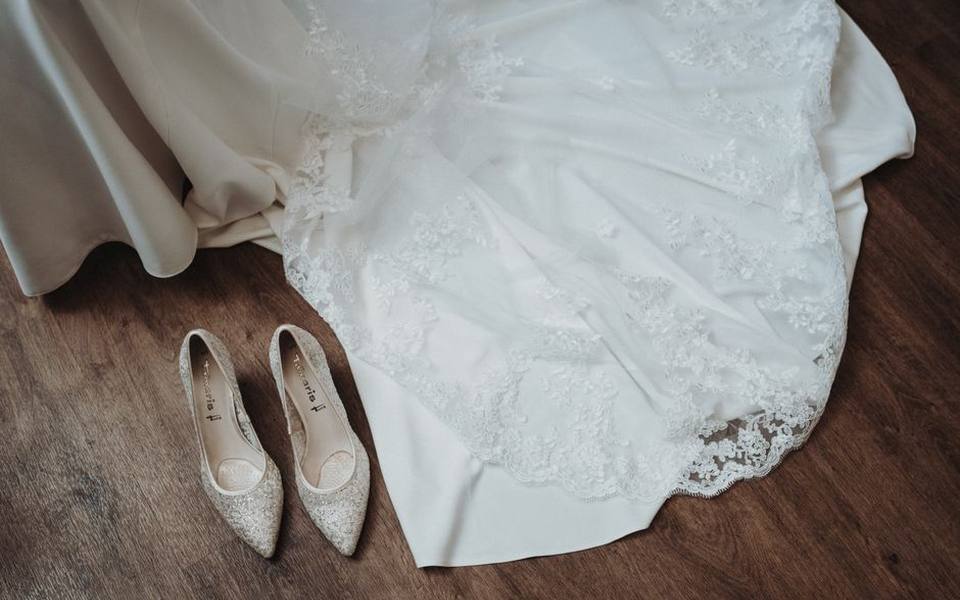
Vintage Fashion and Heirloom Style: Sourcing Dresses, Denim, Leather, and Ephemera