First things first: washing and handling
The safest approach to reviving tarnished antique silver starts with a simple wash using warm water and a mild, fragrance-free dish soap. Before reaching for any polishing pastes, you should gently remove dust, oils, and loose debris with a soft cellulose sponge. This initial cleaning often reveals that the piece is less tarnished than it appeared, saving you from unnecessary scrubbing that could scratch the delicate surface.
When handling your forks, knives, and serving trays, it is always a good idea to wear soft cotton gloves. Bare hands leave behind natural oils that accelerate the tarnishing process. If you recently picked up a heavily oxidized piece from one of the many antique stores in New York, establishing a gentle washing routine is the first step toward restoring its original luster safely.
Never use abrasive scrubbing pads or stiff brushes, even if the grime seems stubborn. Silver is an incredibly soft metal that scratches easily, and micro-scratches will permanently dull the reflective surface. After washing, dry each piece immediately and thoroughly with a soft cotton or microfiber towel to prevent water spots from forming, which can be just as difficult to remove as the tarnish itself.
Understanding patina and when to leave it alone
Before you begin any polishing process, it helps to understand the difference between tarnish and patina. Tarnish is a superficial layer of corrosion that forms when silver reacts with sulfur in the air. Patina, on the other hand, is the soft, warm glow and the dark accumulation in the recessed areas of a piece's design that develops naturally over decades of careful use and polishing.
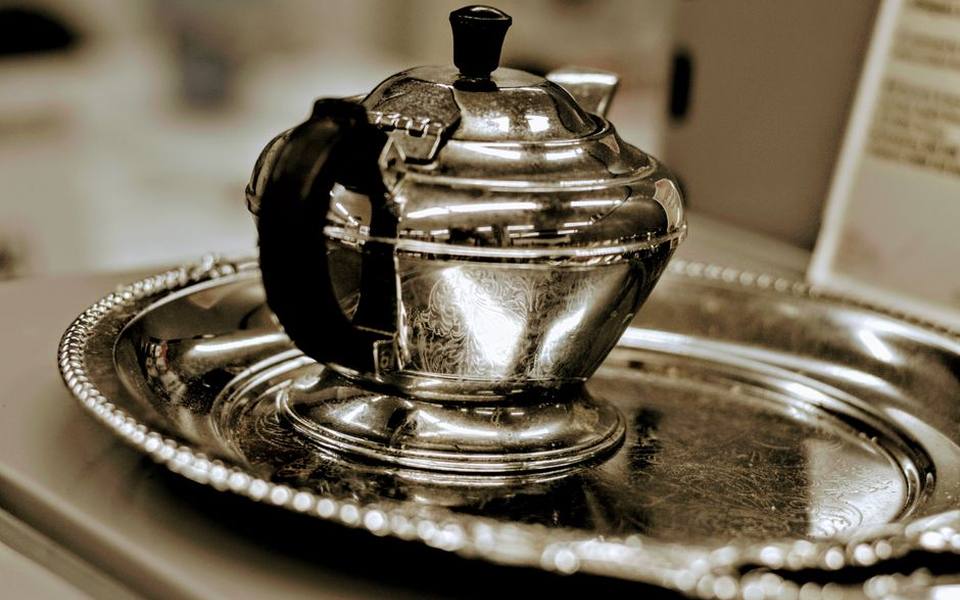
Removing all the dark areas in the crevices of an ornate floral handle actually ruins the aesthetic depth and can decrease the value of the item. The goal of cleaning is to remove the active surface tarnish while leaving that historical shadowing completely intact. Chemical dips are strongly discouraged by collectors because they strip away everything in seconds, leaving the silver looking flat, artificial, and overly bright.
When unsure about the historical significance or the appropriate cleaning method for a rare find, consulting an expert is a wise move. Many on-site appraisal services can offer guidance on preserving the integrity of the finish. They typically advise that a slightly tarnished antique with its original patina intact is much more desirable than a piece polished down to a featureless shine.
The safest ways to remove light tarnish
For pieces requiring more than a simple wash, utilize specialized, non-abrasive silver creams or liquids. Apply a very small amount of the polish using a soft cotton cloth, rubbing gently in straight, lengthwise motions rather than circles. Circular scrubbing tends to create visible swirl marks that catch the light poorly. Work on a small area at a time, allowing the polish to lift the tarnish without heavy pressure.
Once the tarnish is lifted, immediately wash the piece again in warm, soapy water to remove all traces of the polishing compound. Any residue left behind, especially in the decorative crevices, can harden over time and turn an unsightly white color. Rinse the silver under clean running water and dry it meticulously. Even a small drop of moisture left in a seam can encourage new tarnish to form.
You might have heard about home remedies involving aluminum foil, boiling water, and baking soda. While this electrochemical reaction removes tarnish quickly, it is generally considered too harsh for valuable antiques. The process strips away all patina and leaves a micro-etched surface that tarnishes faster in the future. If you browse antique malls housing multiple dealers selling under one roof, you will notice their well-maintained silver is cared for with gentler techniques.
The correct technique for polishing fabrics
For regular maintenance and light touch-ups, a two-step polishing cloth is the safest tool you can keep in your silver care kit. Understanding the proper way to utilize these fabrics ensures you maintain the shine without resorting to messy creams. These cloths typically feature an inner layer treated with mild micro-abrasives and anti-tarnish agents, alongside an untreated outer layer designed specifically for a brilliant final buff.
Start by gently rubbing the tarnished areas with the treated inner cloth. You will notice black marks appearing on the fabric almost immediately; this is normal and indicates the tarnish is lifting from the metal. Use light, straight strokes and avoid scrubbing the deep recesses where you want to keep the dark patina. Because the cloth is dry, it gives you excellent control over which areas you brighten.
After achieving the desired brightness, switch to the outer, untreated layer of the cloth to give the piece a final buff. This removes any lingering tarnish dust and leaves a beautiful finish. You should never wash your polishing cloth, as doing so removes the active cleaning agents. Simply keep using it until it is completely black and no longer effective, then replace it with a new one.
Protecting your collection from the elements
Proper storage is just as critical as your cleaning routine when it comes to maintaining antique silver. The less your items are exposed to air and humidity, the less frequently you will need to polish them. Storing your flatware in a wooden canteen lined with treated, tarnish-resistant cloth effectively slows down the oxidation process. These special fabrics are designed to absorb sulfur gases before they can reach the delicate metal.
If you lack a dedicated chest, keep individual pieces in soft, anti-tarnish flannel bags. Avoid wrapping silver in newspaper, plastic wrap, or cheap cardboard, as these materials contain acids that cause severe pitting over time. It is also crucial to keep rubber bands away from your collection. The sulfur in rubber causes deep, black stains that are often impossible to remove without professional mechanical polishing from specialized restoration services.
Using your silver regularly is one of the best ways to keep it looking beautiful. The friction from handling, washing, and drying helps prevent heavy tarnish from taking hold. Pieces that sit untouched in a drawer for years are the ones that turn completely black. Whether preserving family heirlooms or pieces from antique jewelry & coin shops, incorporating them into your daily life naturally maintains their condition.
Published 2026-09-20 · reviewed with each rebuild, last September 2026.
Find antique stores near you
The directory lists 25,996 antique stores by state and city — pick your state or use the “Near me” button in the header.
More guides
-
 Money
MoneyNavigating the Market for Vintage Currency
-
 Owning
Evaluating, Using, and Displaying Mid-Century Glassware and Kitchen Antiques
-
 Buying
Navigating Vintage and Antique Jewelry Styles
-
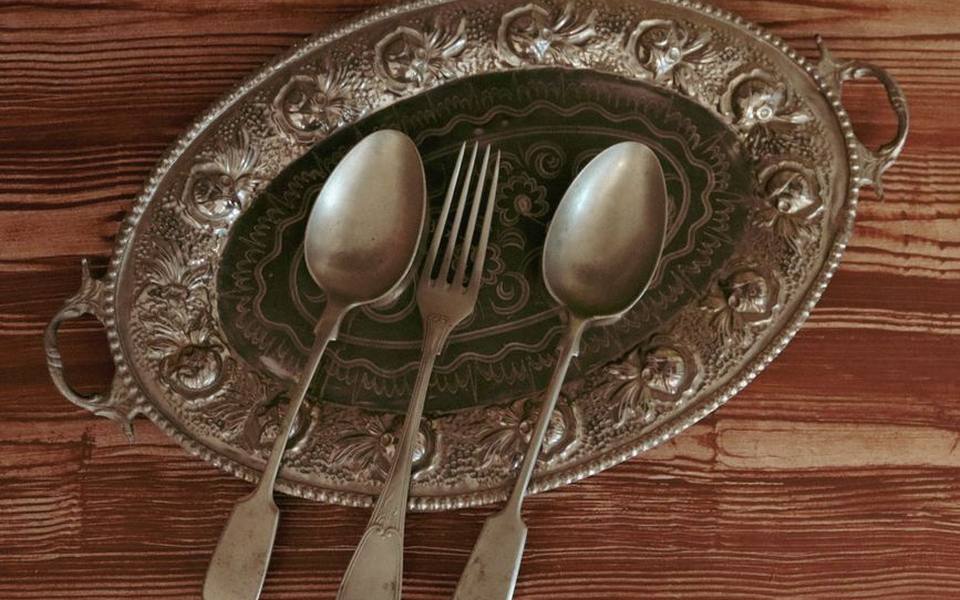 Owning
How to Clean and Care for Silverware Without Causing Damage
-
 Owning
Vintage Pyrex Value and Safety Guide: Understanding Collector Patterns and Usage
-
 Buying
A Guide to Sourcing Vintage and Estate Jewelry
-
 Money
MoneyValuable Baseball Cards Guide: Spotting Vintage Sports Collectibles
-
 Owning
How to Clean and Restore Antique Wood Furniture
-
 Money
MoneyHow to Find and Use Antique Price Guides Online
-
 Money
MoneyHow to Determine the Value of Old Books and First Editions
-
 Money
MoneyWhere and How to Sell Vintage Coins for the Best Return
-
 Buying
Choosing and Caring for Vintage and Modern Cast Iron Cookware
-
 Owning
How to Polish and Value Antique Silverware at Home
-
 Owning
How to Clean and Polish Antique Wood Furniture Without Damaging It
-
 Buying
Vintage and Classic Cast Iron Cookware: Buyer's, Value, and Care Guide
-
 Buying
Antique Silverware, Vintage Jewelry, and Collectible Coins Guide
-
 Money
MoneyA Practical Guide to Antique Price Guides and Rare Book Valuations
-
 Owning
How to Clean, Polish, and Refinish Antique Wood Furniture
-
 Owning
Ultimate Guide to Vintage and Antique Cast Iron Cookware: Brands, Seasoning, and Care
-
 Owning
How to Clean, Polish, and Value Vintage Silverware and Antique Jewelry
-
 Buying
Valuing Vintage Collectibles: From Rare Dolls and Slot Machines to Classic Lamps and Churns
-
 Owning
How to Clean, Polish, and Refinish Antique Wood Furniture
-
 Money
MoneyVintage Glassware Value Guide: Pyrex, Depression Glass, CorningWare, and Bottles
-
 Money
MoneyAntique & Vintage Price Guides: How to Value Antiques and Collectibles
-
 Buying
How to Value Old Books and First Editions: A Collector's Price Guide
-
 Money
MoneyWhere and How to Sell Vintage Records and Audio Equipment
-
 Buying
How to Buy, Value, and Sell Vintage Coins: A Practical Beginner's Guide
-
 Buying
Estate Sale Guide: How to Find, Buy, and Liquidate Antiques
-
 Buying
Vintage and Modern Cast Iron Cookware: Identification, Seasoning, Buying, and Care
-
 Money
MoneyComprehensive Guide to Antique Values, Old Books, and Collectibles Pricing
-
 Owning
Cleaning and Caring for Vintage Silverware, Fine Jewelry, and Antique Metals
-
 Owning
How to Clean, Polish, and Refinish Antique Wood Furniture
-
 Buying
Vintage and Modern Cast Iron Cookware: Identification, Caring, and Buying Guide
-
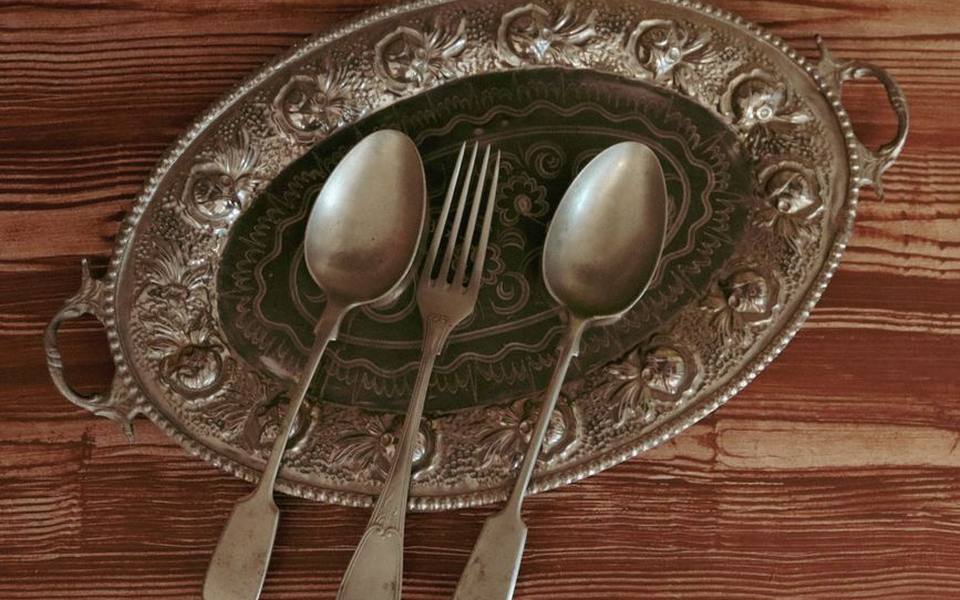 Owning
Antique Silverware: Cleaning, Polishing at Home, and Value Guide
-
 Owning
Care, Polishing, and Refinishing Guide for Antique Wood Furniture
-
 Buying
Vintage Pyrex, Glassware, and Depression Glass Identification and Value Guide
-
 Money
MoneyAntique Price Guides: How to Value and Sell Antiques Online and Offline
-
 Money
MoneyCollectible Old Books and First Editions: Valuation and Identification Guide
-
 Buying
Vintage Sewing Machines, Stoves, and Antique Tools Value Guide
-
 Buying
Collector Guide to Vintage Door Hardware, Knobs, and Cabinet Pulls
-
 Owning
Antique & Vintage Dolls: Values, Identification, and Care
-
 Buying
Antique Hoosier Cupboards and Vintage Desks: History, Identification, and Value
-
 Service
Grandfather, Wall, and Pocket Clock Repair and Identification Guide
-
 Owning
Antique Rotary Telephones and Landlines: Buying, Restoring, and Converting
-
 Owning
Collecting Vintage Picture Frames and Oil Paintings: Framing and Restoration
-
 Buying
Antique Sewing Machines and Spinning Wheels: Value, Brands, and Maintenance
-
 Buying
Antique Wood Stoves and Log Burners: Buying, Safety, and Restoration Guide
-
 Buying
Depression Glass and Antique Canning Jars: Identification and Values
-
 Buying
Vintage Mirrors: Identifying, Buying, and Styling Antique Glass
-
 Owning
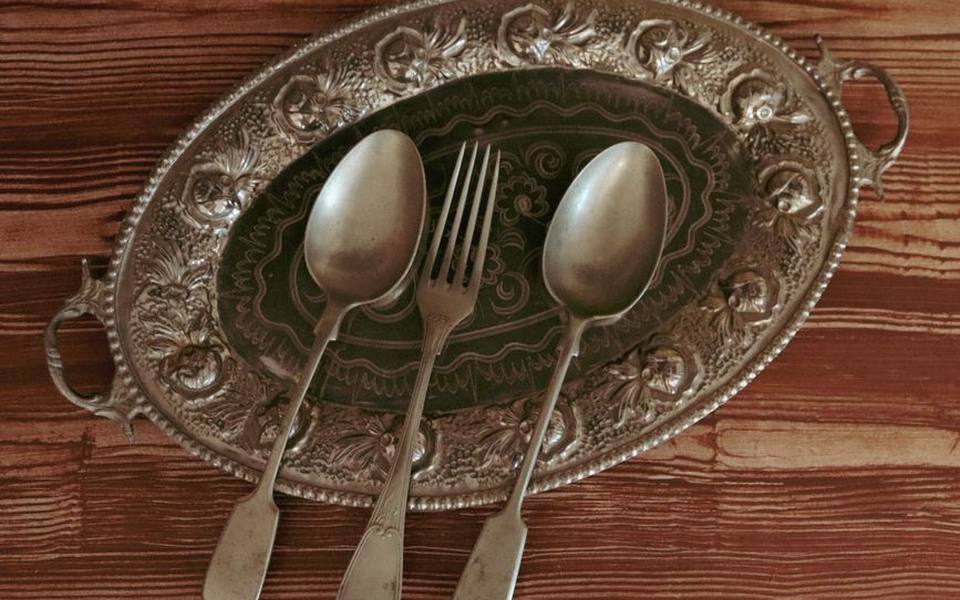
Antique Silverware and Silverplate Flatware: Cleaning, Identification, and Value
-
 Buying
Vintage Engagement Rings and Art Deco Jewelry: Buying and Valuation
-
 Buying
Buyer Guide to Vintage and Antique Furniture: Seating, Tables, Desks, and Reproductions
-
 Buying
Collector Guide to Vintage Toys, Lighters, Sports Ephemera, and Curios
-
 Buying
Architectural Salvage Guide: Sourcing Stained Glass, Mantels, and Historic Hardware
-
 Buying
Vintage Fashion and Heirloom Style: Sourcing Dresses, Denim, Leather, and Ephemera