The difference between asking prices and actual market values
When you need to estimate the worth of a family heirloom or a weekend flea market find, online price guides offer an accessible starting point. These digital databases aggregate sales histories, auction results, and collector catalog entries to give you a baseline figure for vintage goods. However, the most critical lesson in using any digital guide is distinguishing between what an item is listed for and what someone actually paid. Asking prices on secondary marketplaces often reflect seller optimism, while reliable reference guides track confirmed, completed transactions.
Digital reference tools generally fall into two broad buckets: open community databases and curated archival registries. Open tools typically compile recent digital marketplace transactions, showing price trends across mass-produced mid-century goods, kitchenware, and pop culture memorabilia. Curated databases, including long-running publications that migrated to the web, rely on verified auction results and vetted specialist submissions. Starting with a clear understanding of these sources prevents you from overvaluing an everyday item or parting with something rare for pennies.
It is also helpful to recognize that price guides reflect historical moments rather than fixed guarantees. Market interest in specific categories shifts over time; mid-century modern furniture may command strong interest one year, while formal Victorian parlor sets might see softer demand. Using an online reference works best when you view the numbers as historical indicators rather than firm price tags.
Finding reliable free resources across the web
You do not always need a paid membership to get a dependable read on a piece. Several reputable collector platforms and digital libraries maintain searchable archives where you can look up maker marks, factory stamps, and pattern names at no cost. Many public library systems also provide patrons with free remote access to premium valuation databases through their digital research portals, which can save you the cost of a monthly subscription.
Another practical method involves checking completed auction filters on widespread e-commerce platforms. By filtering search results to show only closed sales rather than active listings, you can observe what motivated buyers paid in recent weeks. Taking time to cross-reference these recent sales while walking through local antique malls gives you an immediate sense of how online clearing prices translate to real-world display booths.
When using free databases, precision in your search query makes all the difference. Typing generic terms like blue bowl usually returns thousands of mismatched items that muddy your estimate. Instead, examine the base, seams, and hardware of your piece for stamped patent numbers, company hallmarks, or designer signatures. Entering those specific identifiers into a free reference tool narrows the field and yields much more accurate comps.
When paid subscription databases make financial sense
While free tools cover common vintage collectibles, paid subscription registries become worthwhile when dealing with higher-value items, fine art, or extensive family estates. Legacy reference platforms, such as those built upon decades of published compendiums like the Kovels price guides, compile massive archives detailing historical sales records, variant descriptions, and reproduction warnings. These deep archives are particularly useful for items that trade infrequently at local venues.
Paid databases generally charge either a recurring monthly fee or a nominal day-pass rate, giving you access to high-resolution photographs, realized hammer prices from major auction houses, and historical price trajectories. If you are preparing an entire household of goods for sale, a one-month pass can pay for itself quickly by identifying overlooked treasures. This research helps you set realistic expectations before approaching antique consignment shops with your pieces.
In addition to sales figures, premium services often provide side-by-side identification guides that highlight subtle differences between original production runs and later reproductions. For categories like art glass, cast iron, and porcelain figurines, a minor variation in a maker mark or mold line can mean the difference between a common decorative piece and a rare collector specimen.
Interpreting condition and regional market differences
The number you find in a price guide almost always assumes the item is in excellent or mint condition unless stated otherwise. In the real world, minor flaws such as crazing on pottery glaze, tiny rim chips on glassware, or faded finishes on wood can significantly reduce value. A guide might show a pristine piece selling for a notable sum, but everyday wear can easily lower what a practical buyer will offer by half or more.
Material value also plays a distinct role, especially when researching items sold through antique jewelry & coin shops. For silver, gold, and fine gemstones, price guides must be weighed against current precious metal spot prices. An antique silver tea service might have collectible appeal above its melt value, but if the maker is obscure or the condition is compromised, the intrinsic metal weight often sets the market floor.
Geography is another variable that national online guides cannot completely capture. A rustic farm implement or stoneware crock might fetch premium prices in rural antique corridors where farmhouse decor is popular, yet generate little interest in a dense metropolitan market. Always factor in regional taste, shipping feasibility for heavy goods, and local collector enthusiasm when interpreting national guide averages.
Knowing when to move beyond online guides
Online guides are indispensable for triage and initial discovery, but they have practical limits. Unique items, folk art with undocumented histories, and pieces lacking manufacturer marks often elude standard search bars. If a guide suggests your item might be genuinely rare or of museum interest, relying solely on automated algorithms or static database entries can lead to costly misjudgments.
For insurance policies, estate distributions, or charitable tax deductions, formal documentation requires professional appraisal services. Certified appraisers follow strict ethical guidelines and methodologies that stand up to scrutiny from insurance adjusters and legal authorities. An online price snippet is helpful for personal curiosity, but it does not carry legal weight in formal proceedings.
To keep your knowledge current, consider visiting events managed by shops offering estate sales in your community. Observing how competitive bidding unfolds in person, talking to estate liquidators, and handling items firsthand will sharpen your instincts. Combining tangible market observation with online reference guides gives you the clearest, most balanced view of what your treasures are truly worth.
Published 2026-09-20 · reviewed with each rebuild, last September 2026.
Find antique stores near you
The directory lists 25,996 antique stores by state and city — pick your state or use the “Near me” button in the header.
More guides
-
 Owning
Cleaning and Polishing Antique Silver Without Damaging the Patina
-
 Money
MoneyNavigating the Market for Vintage Currency
-
 Owning
Evaluating, Using, and Displaying Mid-Century Glassware and Kitchen Antiques
-
 Buying
Navigating Vintage and Antique Jewelry Styles
-
 Owning
How to Clean and Care for Silverware Without Causing Damage
-
 Owning
Vintage Pyrex Value and Safety Guide: Understanding Collector Patterns and Usage
-
 Buying
A Guide to Sourcing Vintage and Estate Jewelry
-
 Money
MoneyValuable Baseball Cards Guide: Spotting Vintage Sports Collectibles
-
 Owning
How to Clean and Restore Antique Wood Furniture
-
 Money
MoneyHow to Determine the Value of Old Books and First Editions
-
 Money
MoneyWhere and How to Sell Vintage Coins for the Best Return
-
 Buying
Choosing and Caring for Vintage and Modern Cast Iron Cookware
-
 Owning
How to Polish and Value Antique Silverware at Home
-
 Owning
How to Clean and Polish Antique Wood Furniture Without Damaging It
-
 Buying
Vintage and Classic Cast Iron Cookware: Buyer's, Value, and Care Guide
-
 Buying
Antique Silverware, Vintage Jewelry, and Collectible Coins Guide
-
 Money
MoneyA Practical Guide to Antique Price Guides and Rare Book Valuations
-
 Owning
How to Clean, Polish, and Refinish Antique Wood Furniture
-
 Owning
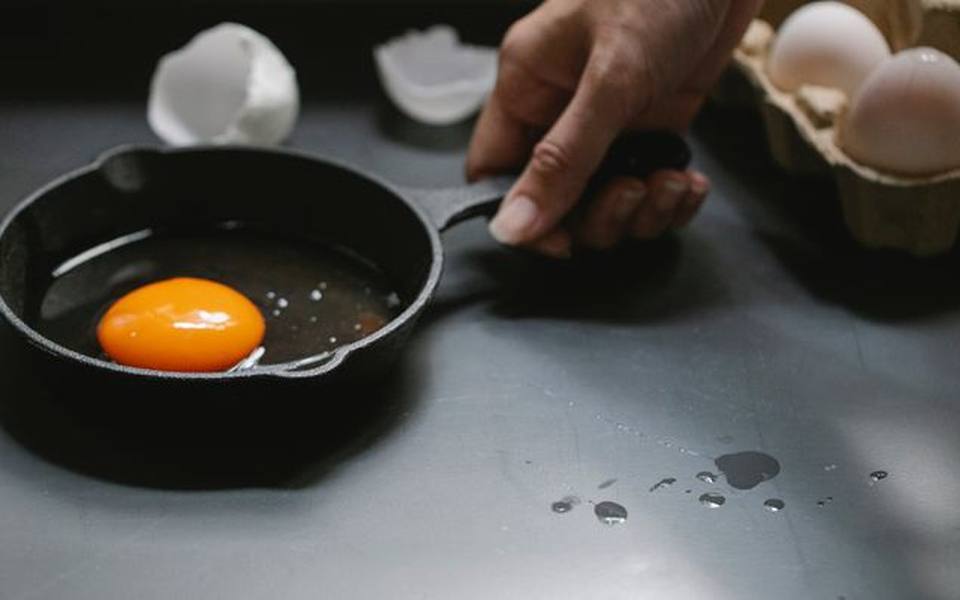
Ultimate Guide to Vintage and Antique Cast Iron Cookware: Brands, Seasoning, and Care
-
 Owning
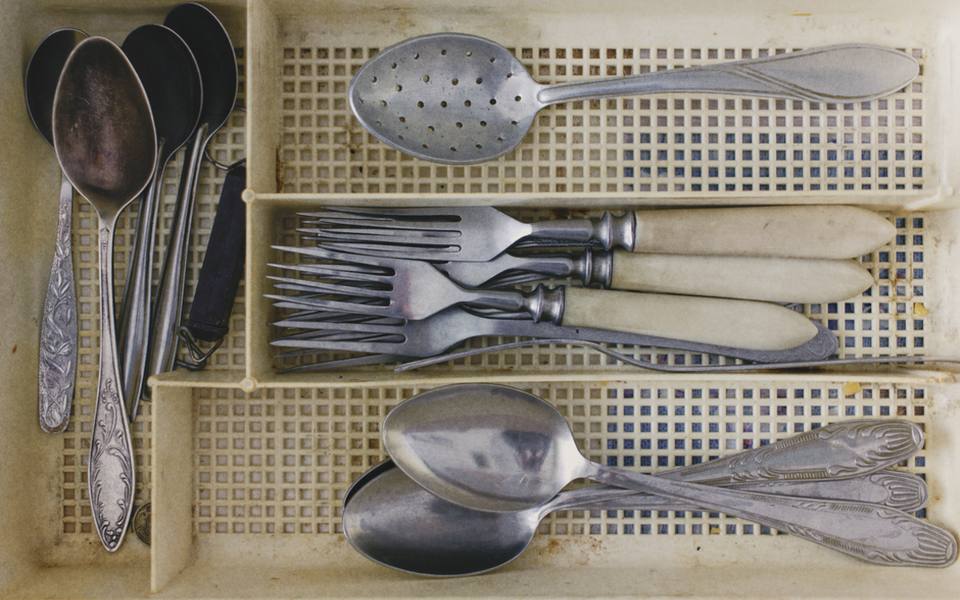
How to Clean, Polish, and Value Vintage Silverware and Antique Jewelry
-
 Buying
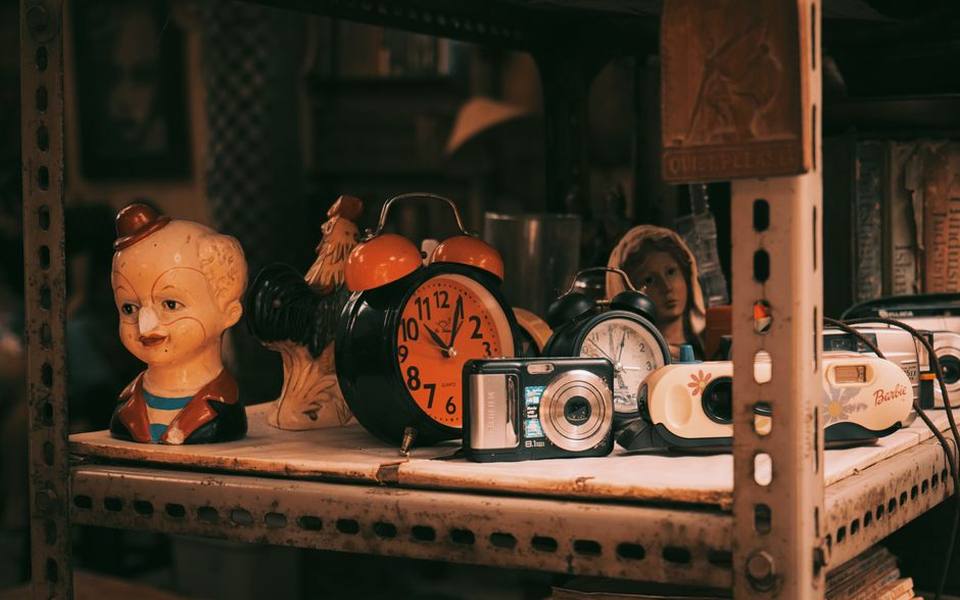
Valuing Vintage Collectibles: From Rare Dolls and Slot Machines to Classic Lamps and Churns
-
 Owning
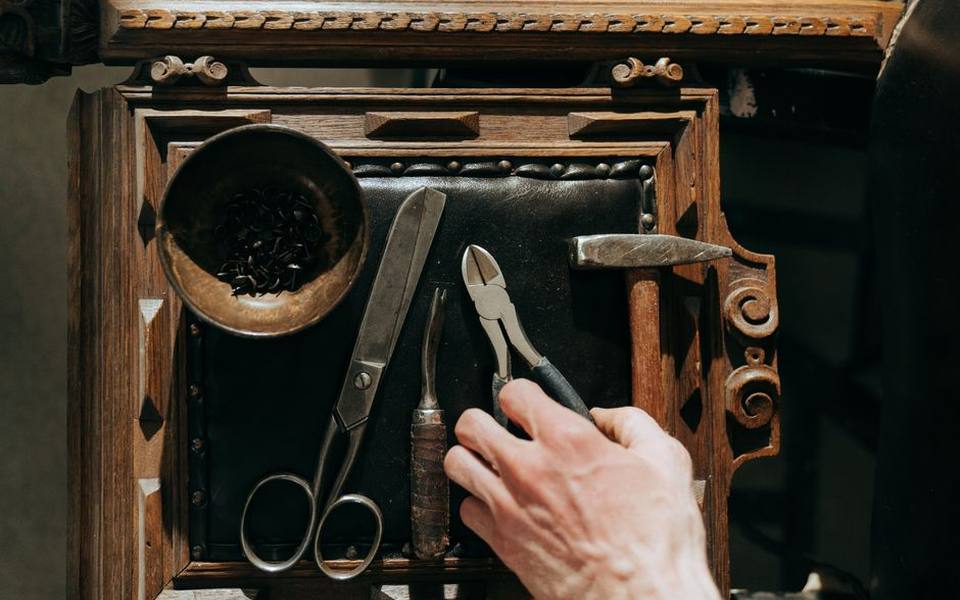
How to Clean, Polish, and Refinish Antique Wood Furniture
-
 Money
MoneyVintage Glassware Value Guide: Pyrex, Depression Glass, CorningWare, and Bottles
-
 Money
MoneyAntique & Vintage Price Guides: How to Value Antiques and Collectibles
-
 Buying
How to Value Old Books and First Editions: A Collector's Price Guide
-
 Money
MoneyWhere and How to Sell Vintage Records and Audio Equipment
-
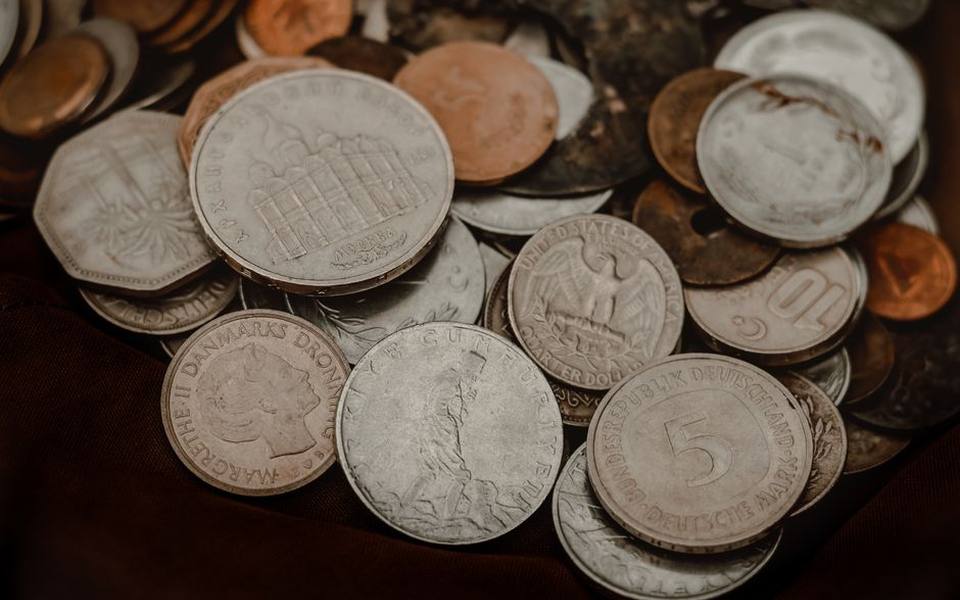 Buying
How to Buy, Value, and Sell Vintage Coins: A Practical Beginner's Guide
-
 Buying
Estate Sale Guide: How to Find, Buy, and Liquidate Antiques
-
 Buying
Vintage and Modern Cast Iron Cookware: Identification, Seasoning, Buying, and Care
-
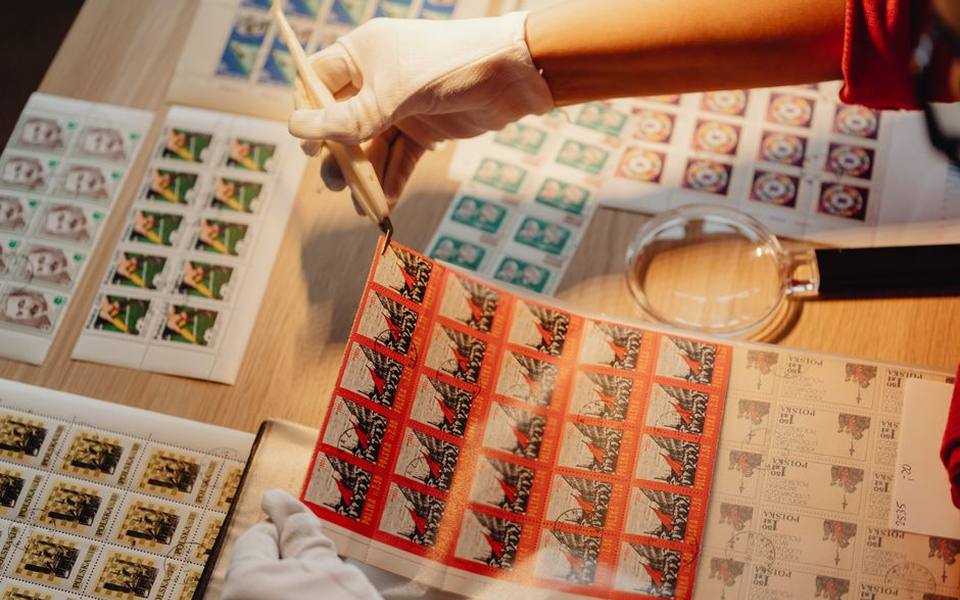 Money
MoneyComprehensive Guide to Antique Values, Old Books, and Collectibles Pricing
-
 Owning
Cleaning and Caring for Vintage Silverware, Fine Jewelry, and Antique Metals
-
 Owning
How to Clean, Polish, and Refinish Antique Wood Furniture
-
 Buying
Vintage and Modern Cast Iron Cookware: Identification, Caring, and Buying Guide
-
 Owning
Antique Silverware: Cleaning, Polishing at Home, and Value Guide
-
 Owning
Care, Polishing, and Refinishing Guide for Antique Wood Furniture
-
 Buying
Vintage Pyrex, Glassware, and Depression Glass Identification and Value Guide
-
 Money
MoneyAntique Price Guides: How to Value and Sell Antiques Online and Offline
-
 Money
MoneyCollectible Old Books and First Editions: Valuation and Identification Guide
-
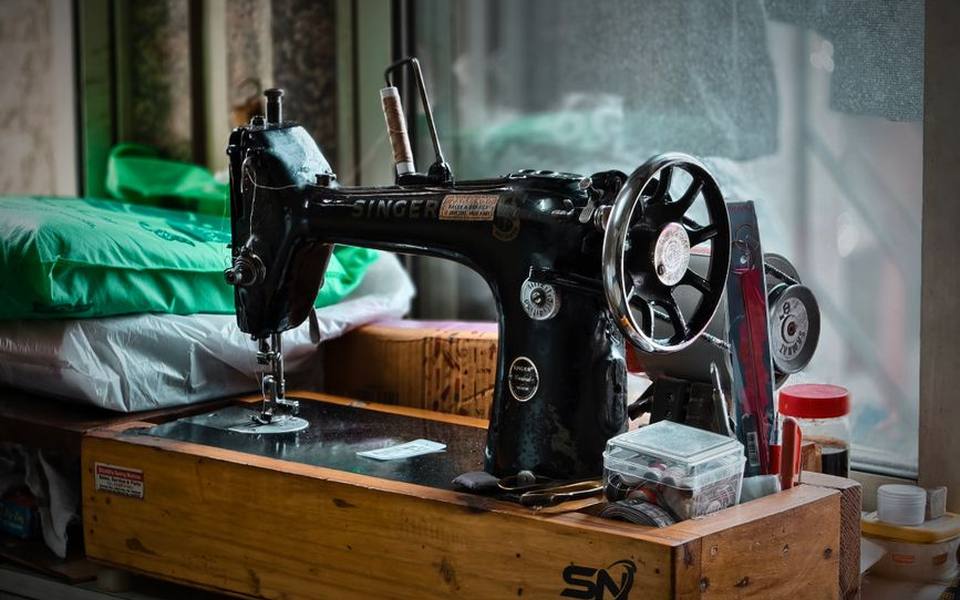 Buying
Vintage Sewing Machines, Stoves, and Antique Tools Value Guide
-
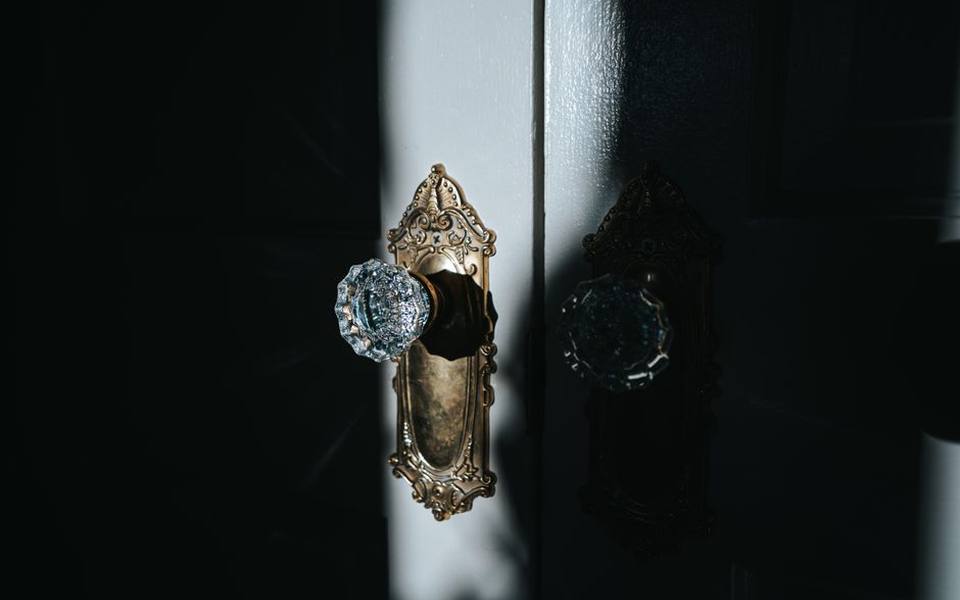 Buying
Collector Guide to Vintage Door Hardware, Knobs, and Cabinet Pulls
-
 Owning
Antique & Vintage Dolls: Values, Identification, and Care
-
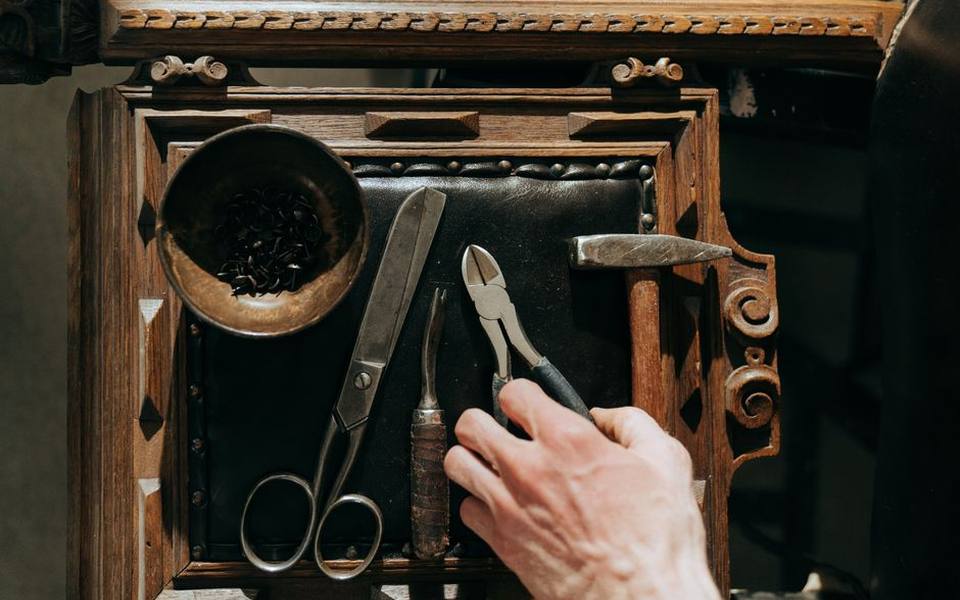 Buying
Antique Hoosier Cupboards and Vintage Desks: History, Identification, and Value
-
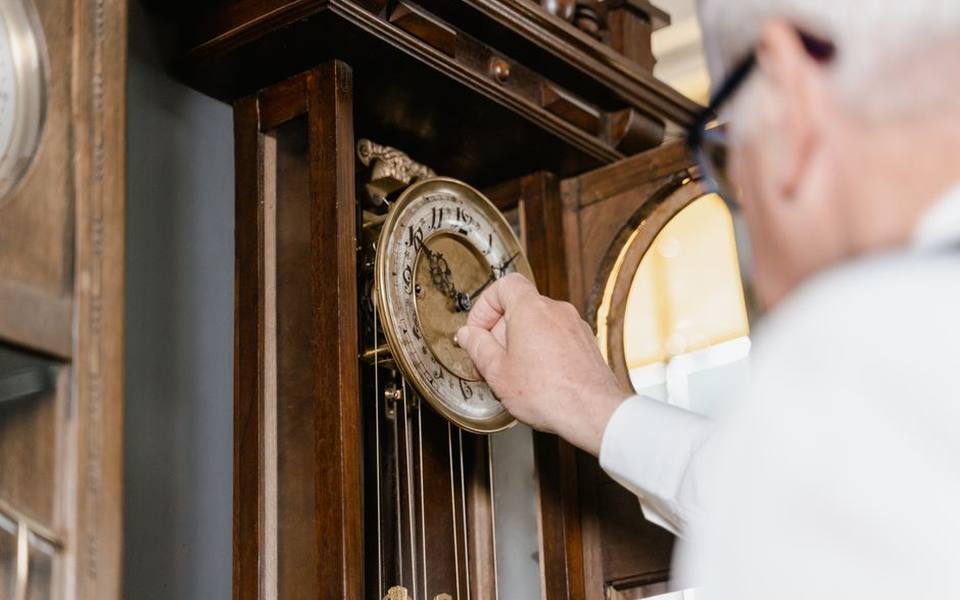 Service
Grandfather, Wall, and Pocket Clock Repair and Identification Guide
-
 Owning
Antique Rotary Telephones and Landlines: Buying, Restoring, and Converting
-
 Owning
Collecting Vintage Picture Frames and Oil Paintings: Framing and Restoration
-
 Buying
Antique Sewing Machines and Spinning Wheels: Value, Brands, and Maintenance
-
 Buying
Antique Wood Stoves and Log Burners: Buying, Safety, and Restoration Guide
-
 Buying
Depression Glass and Antique Canning Jars: Identification and Values
-
 Buying
Vintage Mirrors: Identifying, Buying, and Styling Antique Glass
-
 Owning
Antique Silverware and Silverplate Flatware: Cleaning, Identification, and Value
-
 Buying
Vintage Engagement Rings and Art Deco Jewelry: Buying and Valuation
-
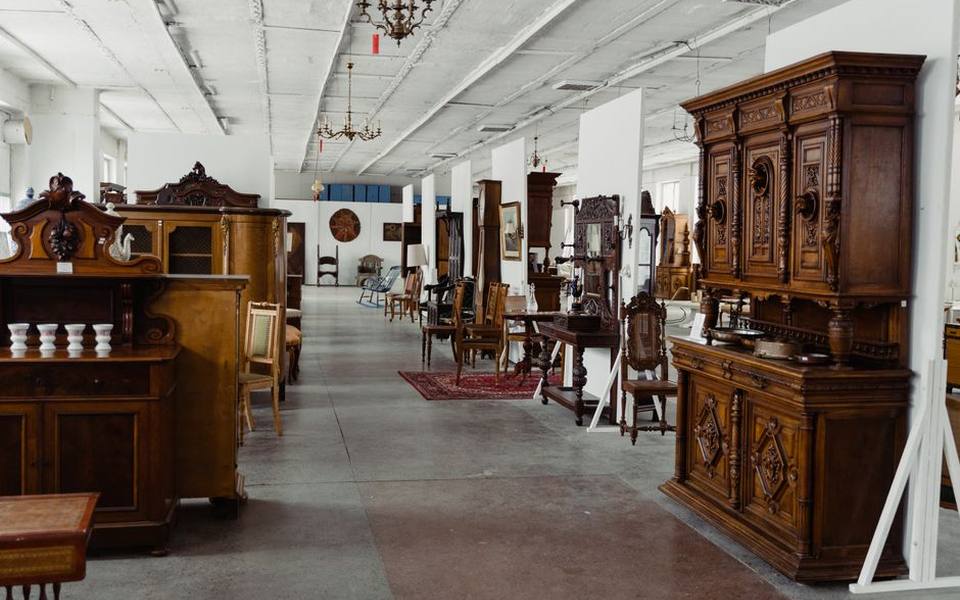 Buying
Buyer Guide to Vintage and Antique Furniture: Seating, Tables, Desks, and Reproductions
-
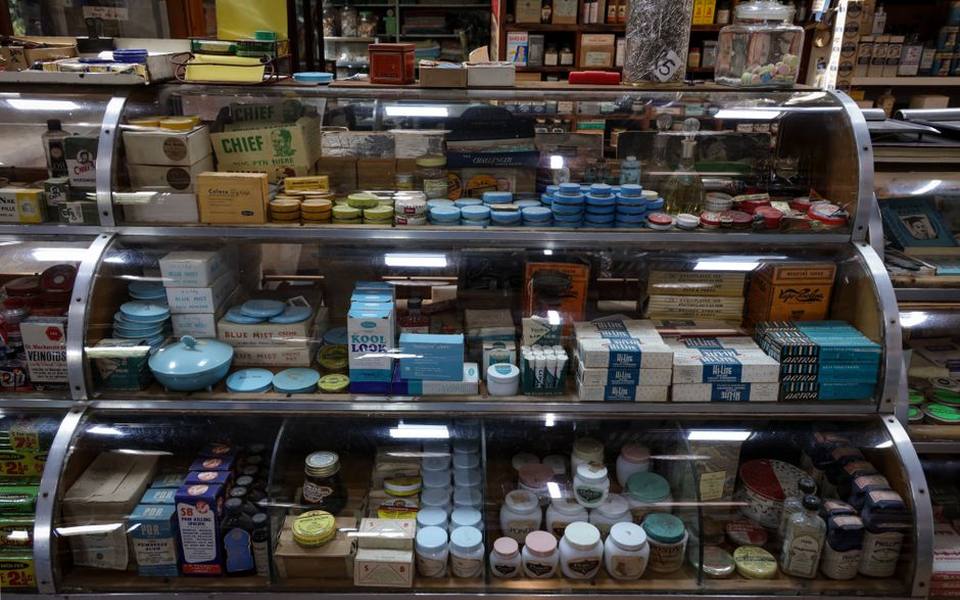 Buying
Collector Guide to Vintage Toys, Lighters, Sports Ephemera, and Curios
-
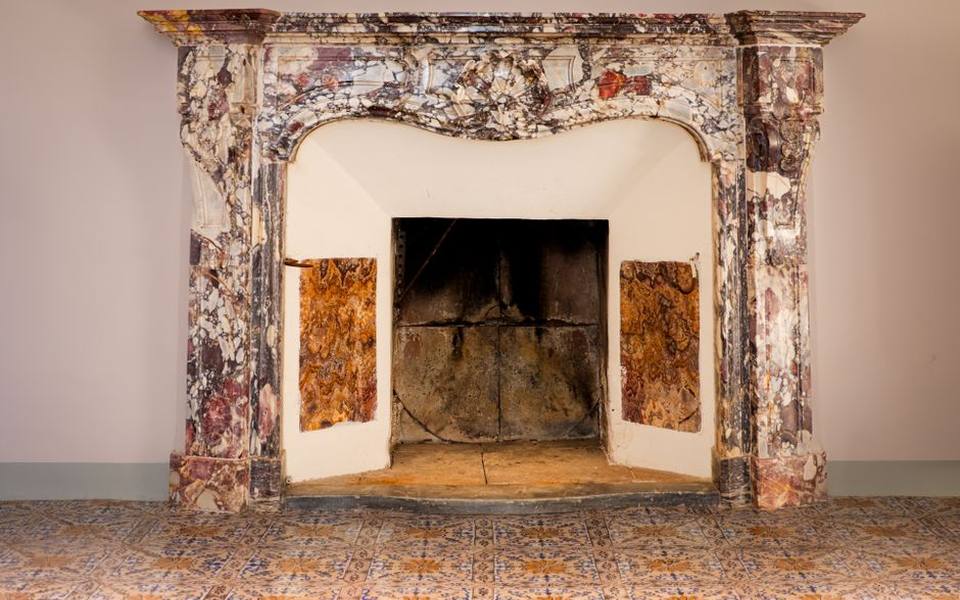 Buying
Architectural Salvage Guide: Sourcing Stained Glass, Mantels, and Historic Hardware
-
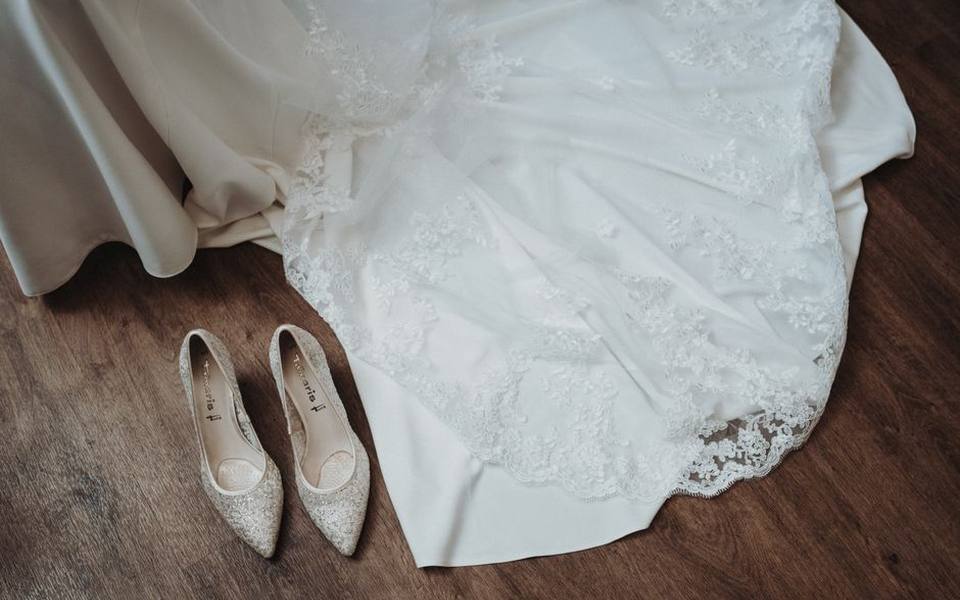 Buying
Vintage Fashion and Heirloom Style: Sourcing Dresses, Denim, Leather, and Ephemera