Evaluating the Finish Before You Begin Cleaning
The first step in caring for an old wooden piece is identifying what sits between the bare timber and the room. Centuries of craftsmanship produced distinct finishing methods, ranging from hand-rubbed shellac and natural tree resins to early nitrocellulose lacquers and boiled oils. Understanding what covers the wood determines whether water, alcohol, or mild spirits will dissolve the buildup or destroy the topcoat entirely. A gentle touch ensures that decades of accumulated character remain intact while surface grime disappears.
To test an unidentified surface, select an inconspicuous area such as the inside edge of a lower back rail or the reverse side of a drawer front. Dab a cotton swab moistened with mineral spirits onto the spot; if the clear coat dissolves or turns tacky, you are likely dealing with modern synthetic varnishes or deteriorated oil. Shellac quickly dissolves with denatured alcohol, whereas lacquer softens under lacquer thinner. Knowing the chemical tolerance of your piece prevents costly accidents during routine maintenance.
Original patinas take generations to develop through exposure to air, light, and careful handling. When shoppers browse through regional antique furniture stores, the soft luster on aged walnut, cherry, or mahogany is often what commands admiration and value. Stripping or aggressively scrubbing that surface can permanently erase the historic amber glow that collectors prize, so cleaning should always begin with the most conservative method possible.
The Safest Routine for Light Dust and Surface Dirt
Routine dry dusting often causes unintentional harm when done with coarse rags or disposable synthetic dusters treated with heavy chemical fragrances. Dry particles of airborne soil contain microscopic quartz and mineral fragments that act like fine sandpaper when dragged across an old clear coat. The safest approach involves lifting the dirt away rather than pushing it across the grain.
Start with a clean, high-density microfiber cloth or a washed piece of soft cotton flannel. Moisten the cloth very slightly with plain distilled water so it is barely damp to the touch—never wet enough to leave droplets behind. Wipe smoothly along the natural direction of the wood grain, lifting the cloth frequently to expose a fresh section. Immediately follow behind with a second completely dry flannel cloth to absorb any lingering trace of moisture.
Carved details, pierced fretwork, and fluted legs require a different technique to prevent dust from packing into recesses. Use a clean, soft natural-bristle artist brush or a high-quality makeup brush to gently dislodge dust from corners, holding a vacuum hose wrapped in soft cloth several inches away to capture airborne particles as they lift. Never force stiff bristles or sharp wooden picks into joinery.
Tackling Heavy Grime, Wax Buildup, and Old Grease
Over decades of household use, dining tables and sideboards accumulate layers of cooking grease, skin oils, and stale paste wax. When light dusting fails to restore clarity, a deeper solvent cleaning becomes necessary. The safest and most effective solvent for dissolving grease without dissolving cured shellac or traditional varnish is pure odorless mineral spirits.
Before working on large panels, test the mineral spirits on an unseen corner to verify that the finish remains firm. Fold a soft cotton cloth into a small pad, dampen it with the solvent, and work in small circular motions across a twelve-inch square area. You will immediately notice the cloth turning brown as it dissolves decades of wax, nicotine, and soil. Rotate the cloth constantly to avoid smearing the liquefied residue back onto the timber.
After lifting the grime, wipe the area dry with a clean cloth before moving to the next section. Mineral spirits evaporate cleanly and do not raise the grain of the wood or dissolve historical animal-hide glues. Work in a well-ventilated room away from open flames, and dispose of used solvent rags properly in a sealed metal container filled with water to prevent spontaneous combustion risks.
Dealing with Cloudiness, Heat Blushes, and Water Rings
A common issue on antique table tops is the dreaded white haze or pale circular ring left behind by sweaty glasses and hot serving platters. White discoloration indicates that microscopic moisture droplets have become trapped inside the top protective layer rather than penetrating into the raw wood beneath. Because the timber itself is undamaged, these blemishes can often be remedied without stripping.
For superficial cloudy spots, applying a mild abrasive suspended in lubricant will gently buff out the clouded micro-layer. Mix a small amount of rottenstone or baking soda with mineral oil to create a thin paste. Rub this mixture along the grain using a soft felt block or folded rag with light pressure. Check your progress every few seconds; as soon as the white cloud disperses, wipe the oil clean with a dry cloth.
If moisture sits deeper in an old shellac coat, a gentle application of dry heat can sometimes coax it out. Place a clean, dry cotton towel over the white spot and pass an electric clothes iron set to low heat over the cloth for three to five seconds at a time. The heat draws the moisture upward into the fabric. If rings appear dark brown or black, however, the moisture has penetrated into the wood fibers, meaning chemical refinishing or bleaching may be required.
Selecting the Right Polish or Protective Wax
The retail market is flooded with aerosol dusting sprays and liquid polishes promising instant shine, but these products are generally catastrophic for antique furniture. Most modern commercial sprays contain silicone oils and synthetic solvents. Silicone creates a temporary slick shine that attracts airborne dust, penetrates micro-cracks in old clear coats, and prevents future topcoats from adhering if the piece ever needs refinishing.
The gold standard for preserving fine wood furniture is high-grade paste wax containing natural beeswax and hard carnauba wax. Paste wax leaves a micro-thin, hard protective barrier that repels water, resists fingerprints, and produces a warm, soft sheen rather than a plastic-looking glare. Because the wax contains no silicone, it can be removed easily in the future with mineral spirits without harming the historic timber.
For museum-grade preservation, microcrystalline waxes derived from petroleum refining offer an even more chemically inert option. Unlike vegetable-based waxes, microcrystalline formulas do not degrade over time, resist mild acids from hand contact, and provide excellent water resistance. They are particularly suitable for mixed-material antiques containing brass drawer pulls, tortoiseshell inlays, or fine carving alongside old wood.
How to Apply Paste Wax and Buff to a Mellow Sheen
Applying paste wax correctly requires patience and restraint. The most common mistake is applying too much product, which creates a sticky, streaky film that turns dull and collects fingerprints. A single tablespoon of paste wax is typically enough to cover the entire top of an average dining table when spread properly.
Scoop a walnut-sized ball of wax into a soft cotton cloth and squeeze it so the wax works through the fabric weave. Apply the wax across the timber in thin, overlapping circular patterns, finishing with long strokes along the grain. The coating should look like a faint, even mist on the surface. Allow the solvents in the wax to evaporate for ten to twenty minutes until the film feels dry and slightly hazy rather than wet.
Once dry, buff the wax vigorously using a clean, dry cotton cloth or a natural horsehair buffing brush. The friction hardens the carnauba components, creating a glass-smooth, durable shield. Antique furniture in standard household settings only requires waxing once or twice a year; frequent waxing simply creates an unnecessarily thick buildup that eventually requires solvent removal.
Preservation Versus Refinishing: Protecting Historic Value
Before taking sandpaper or chemical strippers to an aged bureau or dining table, owners must consider the historical and monetary impact. Stripping an authentic eighteenth- or early nineteenth-century finish can instantly destroy up to eighty percent of its auction value. Wear patterns, minor dings, and mellowed edges tell the story of the piece and prove its authenticity to serious collectors.
If you suspect your furniture may have historical pedigree or maker marks, consult independent appraisal services before undertaking any irreversible intervention. Appraisers can identify whether an aged finish is original to the period or if the piece was already stripped and restained during a mid-twentieth-century renovation. If a previous amateur refinishing has already occurred, stripping the piece a second time will not harm its historical standing.
Complete refinishing is generally reserved for pieces where the protective barrier has completely failed—leaving bare wood exposed to rot, severe flaking, or irreparable water and burn damage. In contrast, standard utilitarian furniture from early twentieth-century mass production can often be refinished without fear of erasing national treasure value, restoring function and visual warmth to daily life.
Understanding Professional Furniture Refinishing Costs
Hiring a professional restorer involves paying for specialized trade labor, ventilation equipment, and patient handwork. The cost to refinish antique wood furniture typically depends on the physical size of the item, the complexity of carved details, and the type of finish being recreated. Simple flat surfaces require far fewer hours than intricate turnings or delicate spindle-backed chairs.
For small to medium items, a standard side chair typically costs between $150 and $400 to strip, sand, and finish, with upholstery work adding separate labor fees. A five-drawer bedroom chest or dresser usually ranges from $600 to $1,500 in most restoration workshops, depending on whether drawer interiors and hardware require treatment. Major repairs, such as addressing loose dovetails, missing veneer patches, or warped panels, are billed on top of standard finishing rates.
When calculating whether to restore vintage items found at local antique malls, compare the purchase price and restoration estimate against the cost of well-made modern solid wood alternatives. A well-built antique bureau restored for roughly a thousand dollars often features superior old-growth hardwoods and handmade joints that modern showroom furniture rarely matches at the same price point.
Estimating Table Refinishing and Large Project Expenses
Dining tables endure more daily punishment from spills, dropped cutlery, and heat than nearly any other furniture category. Consequently, professional table refinishing remains one of the most requested workshop services. Table refinishing costs typically range from $800 to $2,500, with final quotes determined by overall dimensions, leaf additions, and the base structure.
A modest two-pedestal table or simple drop-leaf design with no leaves sits on the lower end of the pricing spectrum. However, large banquet tables with four or five expansion leaves, heavy claw-foot carvings, or detailed parquetry inlays require dozens of labor hours to strip and balance stain colors across every separate component. Each additional leaf typically adds between $75 and $200 to the total workshop invoice.
Before sending a dining set to a refinisher or offering it through antique consignment shops, discuss topcoat options with your tradesperson. While hand-rubbed shellac or lacquer maintains historic authenticity, a modern catalyzed conversion varnish or satin polyurethane offers vastly superior resistance to hot coffee mugs and alcohol spills if the table serves as your household's daily dining center.
Environmental Care and Everyday Wood Protection
Even the best cleaning and polishing routine cannot overcome a hostile indoor climate. Wood is a hygroscopic material, constantly absorbing and releasing atmospheric moisture in an effort to reach equilibrium with surrounding air. Drastic fluctuations in humidity cause solid wood panels to expand across the grain during summer and shrink in winter, leading to split tops, loosened joints, and cracked veneers.
Keep indoor relative humidity levels consistently between 40 and 55 percent throughout the year. Avoid placing cherished antique tables, desks, or cabinets directly adjacent to forced-air heating registers, radiator units, or working fireplaces. The intense localized dry heat bakes the moisture out of the timber, shrinking drawer boxes until they jam and loosening traditional hide-glue seams.
Sunlight remains another silent hazard for historic furniture. Ultraviolet rays break down the cellular structure of wood fibers and bleach natural dyes and stains, often turning rich American walnut pale and fading delicate mahogany into an uneven yellowish tone. Position antique pieces away from unshaded south-facing windows, or apply UV-filtering window films to protect family heirlooms for the next generation.
Published 2026-09-20 · reviewed with each rebuild, last September 2026.
Find antique stores near you
The directory lists 25,996 antique stores by state and city — pick your state or use the “Near me” button in the header.
More guides
-
 Owning
Cleaning and Polishing Antique Silver Without Damaging the Patina
-
 Money
MoneyNavigating the Market for Vintage Currency
-
 Owning
Evaluating, Using, and Displaying Mid-Century Glassware and Kitchen Antiques
-
 Buying
Navigating Vintage and Antique Jewelry Styles
-
 Owning
How to Clean and Care for Silverware Without Causing Damage
-
 Owning
Vintage Pyrex Value and Safety Guide: Understanding Collector Patterns and Usage
-
 Buying
A Guide to Sourcing Vintage and Estate Jewelry
-
 Money
MoneyValuable Baseball Cards Guide: Spotting Vintage Sports Collectibles
-
 Owning
How to Clean and Restore Antique Wood Furniture
-
 Money
MoneyHow to Find and Use Antique Price Guides Online
-
 Money
MoneyHow to Determine the Value of Old Books and First Editions
-
 Money
MoneyWhere and How to Sell Vintage Coins for the Best Return
-
 Buying
Choosing and Caring for Vintage and Modern Cast Iron Cookware
-
 Owning
How to Polish and Value Antique Silverware at Home
-
 Owning
How to Clean and Polish Antique Wood Furniture Without Damaging It
-
 Buying
Vintage and Classic Cast Iron Cookware: Buyer's, Value, and Care Guide
-
 Buying
Antique Silverware, Vintage Jewelry, and Collectible Coins Guide
-
 Money
MoneyA Practical Guide to Antique Price Guides and Rare Book Valuations
-
 Owning
Ultimate Guide to Vintage and Antique Cast Iron Cookware: Brands, Seasoning, and Care
-
 Owning
How to Clean, Polish, and Value Vintage Silverware and Antique Jewelry
-
 Buying
Valuing Vintage Collectibles: From Rare Dolls and Slot Machines to Classic Lamps and Churns
-
 Owning
How to Clean, Polish, and Refinish Antique Wood Furniture
-
 Money
MoneyVintage Glassware Value Guide: Pyrex, Depression Glass, CorningWare, and Bottles
-
 Money
MoneyAntique & Vintage Price Guides: How to Value Antiques and Collectibles
-
 Buying
How to Value Old Books and First Editions: A Collector's Price Guide
-
 Money
MoneyWhere and How to Sell Vintage Records and Audio Equipment
-
 Buying
How to Buy, Value, and Sell Vintage Coins: A Practical Beginner's Guide
-
 Buying
Estate Sale Guide: How to Find, Buy, and Liquidate Antiques
-
 Buying
Vintage and Modern Cast Iron Cookware: Identification, Seasoning, Buying, and Care
-
 Money
MoneyComprehensive Guide to Antique Values, Old Books, and Collectibles Pricing
-
 Owning
Cleaning and Caring for Vintage Silverware, Fine Jewelry, and Antique Metals
-
 Owning
How to Clean, Polish, and Refinish Antique Wood Furniture
-
 Buying
Vintage and Modern Cast Iron Cookware: Identification, Caring, and Buying Guide
-
 Owning
Antique Silverware: Cleaning, Polishing at Home, and Value Guide
-
 Owning
Care, Polishing, and Refinishing Guide for Antique Wood Furniture
-
 Buying
Vintage Pyrex, Glassware, and Depression Glass Identification and Value Guide
-
 Money
MoneyAntique Price Guides: How to Value and Sell Antiques Online and Offline
-
 Money
MoneyCollectible Old Books and First Editions: Valuation and Identification Guide
-
 Buying
Vintage Sewing Machines, Stoves, and Antique Tools Value Guide
-
 Buying
Collector Guide to Vintage Door Hardware, Knobs, and Cabinet Pulls
-
 Owning
Antique & Vintage Dolls: Values, Identification, and Care
-
 Buying
Antique Hoosier Cupboards and Vintage Desks: History, Identification, and Value
-
 Service
Grandfather, Wall, and Pocket Clock Repair and Identification Guide
-
 Owning
Antique Rotary Telephones and Landlines: Buying, Restoring, and Converting
-
 Owning
Collecting Vintage Picture Frames and Oil Paintings: Framing and Restoration
-
 Buying
Antique Sewing Machines and Spinning Wheels: Value, Brands, and Maintenance
-
 Buying
Antique Wood Stoves and Log Burners: Buying, Safety, and Restoration Guide
-
 Buying
Depression Glass and Antique Canning Jars: Identification and Values
-
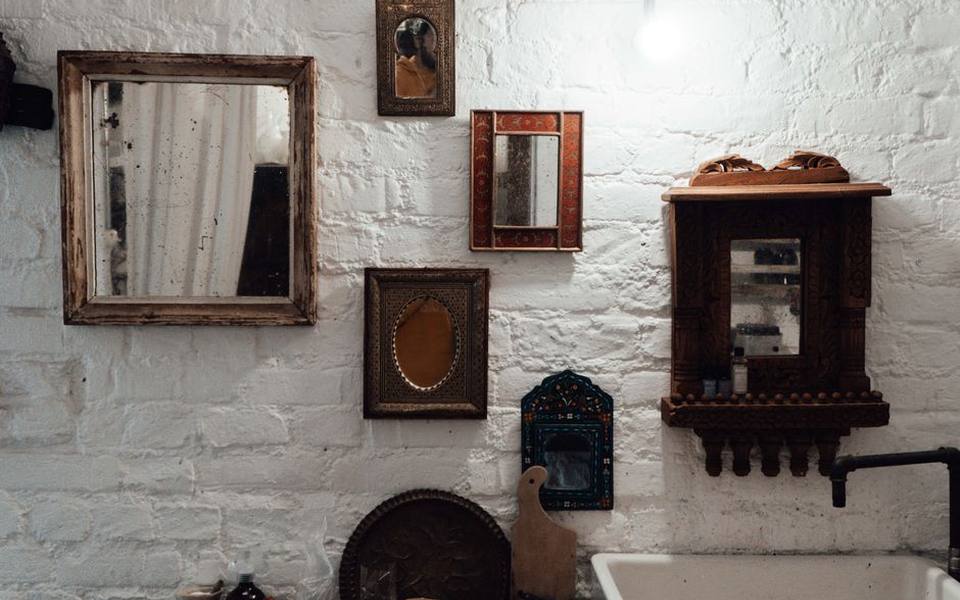 Buying
Vintage Mirrors: Identifying, Buying, and Styling Antique Glass
-
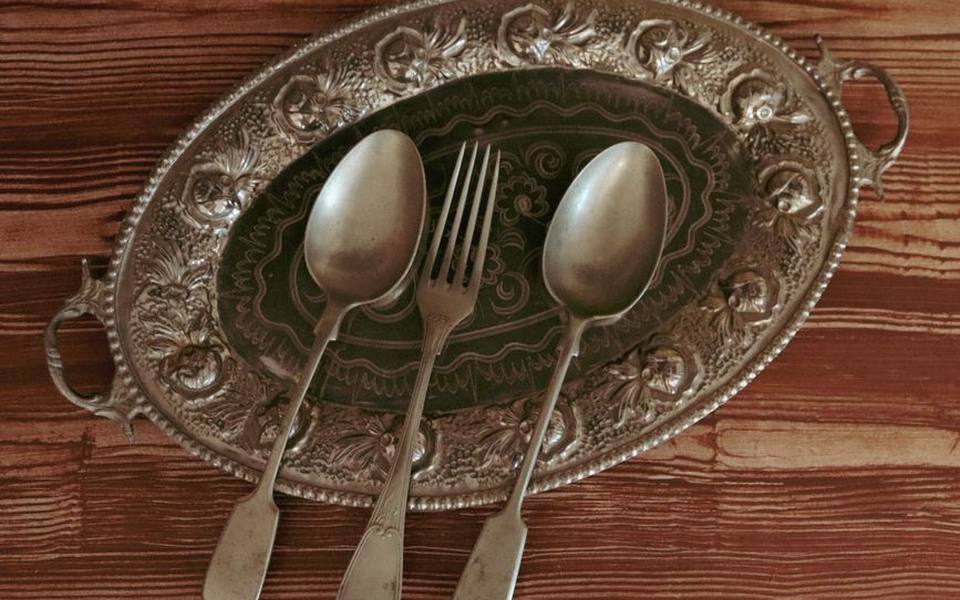 Owning
Antique Silverware and Silverplate Flatware: Cleaning, Identification, and Value
-
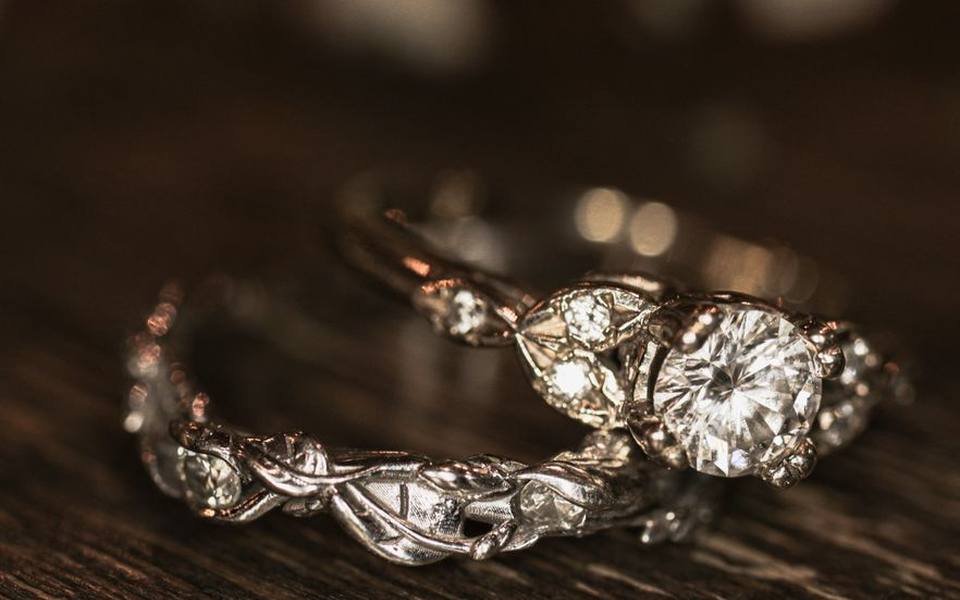 Buying
Vintage Engagement Rings and Art Deco Jewelry: Buying and Valuation
-
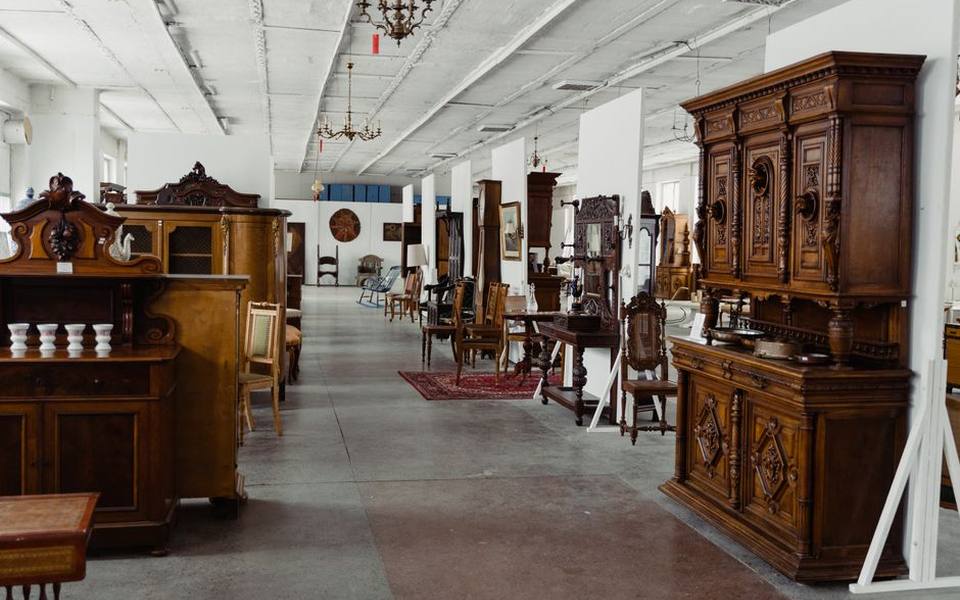 Buying
Buyer Guide to Vintage and Antique Furniture: Seating, Tables, Desks, and Reproductions
-
 Buying
Collector Guide to Vintage Toys, Lighters, Sports Ephemera, and Curios
-
 Buying
Architectural Salvage Guide: Sourcing Stained Glass, Mantels, and Historic Hardware
-
 Buying
Vintage Fashion and Heirloom Style: Sourcing Dresses, Denim, Leather, and Ephemera