The Everyday Origins of Collectible American Glass
Between the late 1920s and the onset of World War II, American glass manufacturers produced massive quantities of colorful, inexpensive molded tableware designed to brighten modest kitchens during difficult economic times. Companies like Hazel-Atlas, Federal Glass, MacBeth-Evans, and Anchor Hocking turned out millions of cups, plates, and bowls that distributors gave away inside cereal boxes, at movie theaters on designated dish nights, and at neighborhood gas stations. These pieces were never intended to be luxury heirlooms, yet their cheerful colors and tactile pressed patterns turned them into enduring favorites across generations of collectors.
At the same time, household pantries throughout rural and suburban America relied heavily on utilitarian canning vessels produced by Ball, Kerr, Atlas, and Hazel-Atlas to preserve homegrown produce through the winter. These sturdy containers were pressed from thick industrial soda-lime glass, often tinted pale aqua from the iron impurities in regional sand deposits. Over the decades, pieces that once survived cellar storage and everyday dishpans became staples of farmhouse decor and serious glass collecting.
Today, browsing through vendor booths in spacious antique malls reveals just how much variety remains on the market. While thousands of common pieces trade for modest sums, rare production colors, unusual mold variations, and intact original lids can turn an ordinary kitchen find into a prized collectible. Understanding the subtle clues pressed into the glass is the first step toward building a rewarding collection.
Reading the Rainbow of Molded Depression Colors
Color is often the primary reason shoppers gravitate toward vintage molded tableware, and during the peak production years, factories formulated glass in a surprising palette of hues. Pale green, canary yellow, amber, crystal clear, amethyst, cobalt blue, and opaque pastels each entered production runs based on consumer trends and the availability of chemical coloring agents. Green remains one of the most widely recognized shades, frequently containing trace amounts of uranium that cause the glass to glow vivid fluorescent lime under ultraviolet blacklight.
Amber and yellow tones were among the cheapest to produce and flooded dime-store shelves during the early 1930s, meaning they remain widely available in secondary markets today. Cobalt blue and deep forest green, by contrast, were often manufactured in shorter runs or as specialty gift lines, making complete luncheon sets in these shades considerably harder to track down. Clear crystal pieces from the era were produced in high numbers but are sometimes overlooked because they lack the immediate visual charm of tinted batches.
When evaluating pieces in vintage displays, keep in mind that color depth varied significantly from batch to batch within the same factory. A mixing bowl made on Monday morning might have a slightly paler tone than one pressed on Friday afternoon depending on furnace temperature and mineral purity. These subtle variations give antique sets an organic character that modern, machine-calibrated factory reproductions rarely manage to replicate.
The Enduring Charm of Pink Depression Ware
Among all historical tints, soft blush and rose-tinted pink depression glassware consistently draw the largest following among decorators and dedicated enthusiasts. Glassmakers achieved this delicate pink shade by introducing selenium and manganese into the melt, balancing the natural greenish cast of raw batch materials. When poured into decorative molds, the thicker edges of cups, divided relish dishes, and scalloped platter borders naturally concentrated the pink tone, creating lovely gradients across the surface.
Certain patterns executed in pink depression ware command steady collector interest due to their intricate mold work and relative scarcity. Designs like American Sweetheart by MacBeth-Evans, distinguished by its thin, translucent edges, and Cherry Blossom by Jeannette Glass are perennial favorites. Other beloved motifs include Mayfair Open Rose by Hocking Glass, Madrid by Federal, and Royal Lace by Hazel-Atlas, each featuring delicate scrolls, lace-like embossing, or stylized botanical elements that capture the romantic aesthetic of the 1930s.
Pricing for pink pieces typically depends heavily on pattern popularity and vessel format rather than age alone. While common dinner plates and standard water tumblers in widely distributed patterns can often be found for very affordable pocket change, specialized serving pieces like cookie jars with original glass lids, tiered tidbit trays, and pitcher-and-tumbler sets can fetch substantially higher sums when preserved without chips or cloudiness.
Identifying Authentic Mold Patterns and Seams
Depression-era glassware was manufactured by pressing molten glass into cast-iron molds using automated machinery, a process that left unmistakable structural clues on the finished vessels. Because the molds were joined together in two, three, or four sections, genuine pieces display distinct mold seams running along their sides, handles, and bases. These seams were often lightly fire-polished at the factory to reduce sharpness, but they typically remain clearly visible and tactile to the touch.
The base of an authentic plate or bowl frequently exhibits shallow cooling ripples, tiny air bubbles trapped during the pour, or faint shear marks where the hot glass was cut from the feeder. Known collectors refer to minor imperfections like straw marks—thin, crinkled lines formed as molten glass chilled against cooler mold surfaces—not as modern damage, but as hallmarks of period industrial manufacture. Collectors can often locate genuine examples while browsing organized estate sales where intact sets have remained in family cupboards for generations.
Makers rarely acid-etched or stamped their company names onto everyday kitchen lines during this period, meaning pattern identification rests almost entirely on visual details. Distinctive features like concentric ribs, geometric diamond grids, starburst centers, and petal rims serve as the primary fingerprints for matching anonymous glass pieces to known factory catalog numbers and historical reference guides.
Distinguishing Genuine Pieces from Modern Reproductions
Due to the surge in glass collecting that began in the 1970s and 1980s, several popular Depression patterns were reproduced in large quantities, creating potential confusion for modern shoppers. Patterns like Cherry Blossom, Madrid, and Sharon Cabbage Rose were reissued in colors that mimic period tones, as well as fantasy shades like dark red or modern purple that never existed in the original lines. Discerning buyers must pay close attention to glass weight, seam crispness, and specific design elements.

Reproductions are often pressed using heavier, thicker glass formulations that lack the delicacy of original Depression-era pieces. The pressed detailing on remakes often feels muddy, blunt, or overly thick, whereas genuine pieces display crisp, sharply defined embossing despite their thin construction. For example, modern reproduction Cherry Blossom butter dishes often show indistinct leaf veins and poorly rendered cherry clusters when placed alongside an authenticated 1930s original.
Examining a piece under an ultraviolet blacklight is a reliable step for spotting modern remakes. Many 1930s formulas fluoresce a pale yellow or light green under longwave light because of batch minerals used during the period, whereas post-1970s reproductions made with modern soda-lime glass generally remain inert or exhibit a dull purplish reflection. When high-value pieces are in question, seeking guidance through specialized appraisal services helps verify authenticity before making a significant investment.
The Enduring Appeal of Vintage Opaque Milk Glass
Running alongside the popularity of transparent colored glass is vintage milk glass, renowned for its creamy white opacity and decorative pressed textures. Produced across several eras by prominent glassmakers such as Fenton, Westmoreland, Imperial, and McKee, milk glass gained massive traction during the mid-twentieth century as a crisp, bright accent for traditional dining tables and decorative corner shelves.
Authenticating true vintage milk glass requires looking at the quality of the glass mix itself. Early examples from the Victorian era and early 1900s were colored with bone ash or tin oxide, which gives the glass a subtle iridescence or fiery reddish glow when held directly in front of a strong light source. Mid-century pieces made during the 1940s through 1960s tend to be more uniformly dense and stark white, featuring iconic motifs like Fenton's beaded Hobnail pattern or Westmoreland's open-lace edging.
While standard white bud vases and small compotes remain plentiful and budget-friendly, rare shapes and colored milk glass variants attract enthusiastic bidding. Pastel blue, seafoam green, and custard tones pressed in classic milk glass patterns represent short production windows that appeal to specialized collectors. Finding well-preserved pieces without hairline fractures or stained rims is common throughout regional markets, particularly across historic antique corridors in states like Pennsylvania.
The Anatomy of Vintage Canning and Mason Jars
Antique canning jars carry a distinct industrial beauty that reflects the evolution of American food preservation technology. John Landis Mason patented the threaded zinc-and-rubber closure system in November 1858, revolutionizing home food storage by creating a dependable airtight seal. Thousands of old mason canning jars bear the embossed legend 'Mason's Patent Nov 30th 1858' across their faces, though this date represents the original patent grant rather than the specific year the jar was blown or pressed.
Dating vintage mason canning jars requires examining the physical mouth and bottom of the glass. Prior to automated bottle-making machines introduced around 1915, jar mouths were ground flat on a rotating abrasive wheel, leaving a slightly rough, frosted rim with minor micro-chips. Early blown jars also feature pontil scars or simple embossed mold numbers on their bases, alongside visible air bubbles and uneven glass thickness throughout the shoulder walls.
Later vintage canning jars produced after the First World War feature smooth, machine-rolled lips designed to seal with two-piece metal flat lids or heavy glass lids secured by wire bail clasps. Closures play a significant role in historical interest; original zinc screw bands lined with milk-glass porcelain inserts or lightning-style wire levers add character and completeness that collectors value when curating antique pantry displays.
The Fascination with Aqua and Blue Ball Jars
Of all antique food containers, blue vintage ball jars enjoy legendary status among collectors and home decorators alike. The iconic blue-green tint, often described by enthusiasts as 'Ball Blue,' was not an intentional fashion choice but the natural result of mineral-rich sand harvested from the shores of Lake Michigan near Ball manufacturing plants. This iron content imparted a distinctive aqua hue that shielded preserved fruits and vegetables from sunlight.
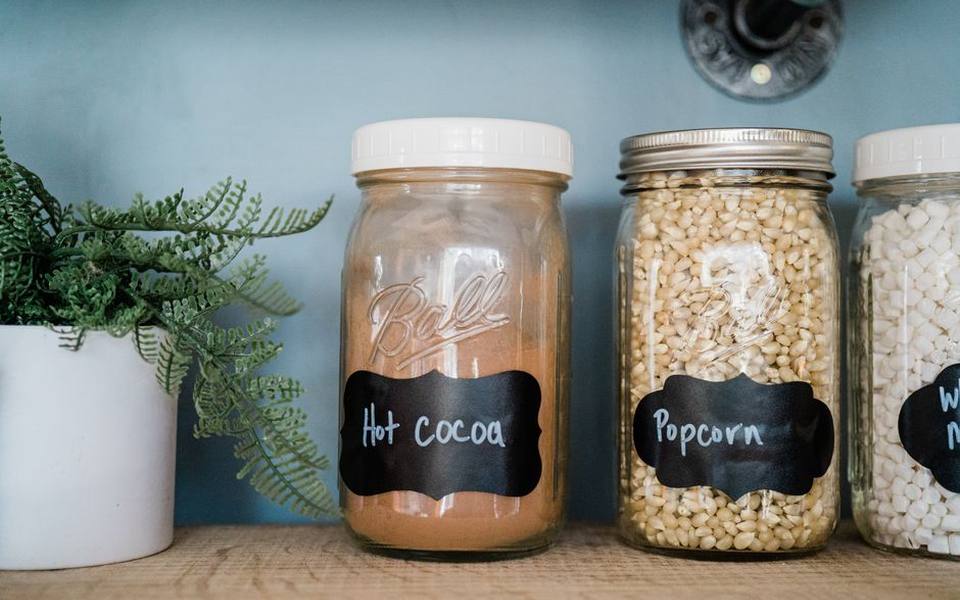
The embossed script logo on blue mason jars vintage hunters encounter is the most reliable tool for pinpointing production periods. Jars produced between 1896 and 1910 display the famous 'triple loop' or 3-loop Ball logo, where the uppercase 'B' has three distinct loops on its left side. By contrast, jars manufactured between 1910 and 1923 feature an underscore extending from the final letter 'l', while later models dropped the underscore and refined the typography into a simplified modern script.
While standard aqua blue canning jars vintage seekers discover are readily available, deep cobalt blue or true amber Ball jars represent exceptional finds that command serious prices. These deep tones were produced in very limited quantities for commercial packers or as short test runs. When shopping for blue glass mason jars vintage collections require, inspecting the glass for original wire bails and checking that the color runs solid throughout the glass rather than being a modern spray-on surface tint is essential.
Assessing Condition, Sickness, and Edge Wear
Condition is paramount when determining the collector value of both decorative tableware and utilitarian pantry glass. Because these items were put to hard daily use, minor damage is widespread. Collectors frequently encounter 'flea bites'—tiny pinhead-sized chips along rim edges, cup feet, and base corners—that can diminish value by half compared to pristine examples. Running a careful finger along the perimeter of plates and jar mouths reveals chips that the eye might easily miss under dim antique booth lighting.
Another critical flaw to watch for is glass sickness, an irreversible condition that causes clear or colored glass to take on an incurable milky, cloudy, or chalky film. Sick glass occurs when prolonged exposure to harsh hard water, acidic contents, or alkaline dishwasher detergents chemically leaches minerals from the glass matrix, microscopic pits forming on the surface. Unlike greasy kitchen grime or mineral scale, glass sickness cannot be scrubbed away or polished out.
For antique canning jars, ground-lip chipping is customary and tolerated to a reasonable degree by knowledgeable collectors, as the hand-grinding process inherently caused small flakes along the inner lip. However, large horizontal flash cracks across the neck threads or starburst cracks along the jar base drastically lower value and make the piece unfit for holding liquids or supporting heavy floral arrangements.
Navigating Local Values and Hunting for Glassware
Determining fair market values for Depression glass and antique jars depends on geographic region, venue type, and collector demand. At community swap meets and local antique consignment shops, common green or amber luncheon plates typically trade for modest everyday prices, while complete dessert sets in sought-after pink patterns regularly carry higher tags. Vintage canning jars follow a similar curve: standard clear quart jars from mid-century eras sell for basic craft prices, while early aqua half-gallons or jars with embossed patent anomalies command higher valuation.
When assembling a collection, taking time to examine inventory across multiple dealers provides a solid sense of prevailing regional prices. Looking through dealer booths reveals how different sellers categorize their glass, with some pricing items as casual country decor while others price based on strict pattern cataloging. Engaging with knowledgeable shop owners often yields valuable insights into where local estate liquidations are unearthing fresh, unpicked collections.
Whether your goal is setting an authentic 1930s tea table with blush pink glassware or lining sunny kitchen windowsills with glowing aqua Ball jars, patience remains the collector's greatest asset. Learning to read mold seams, decode embossed lettering, and identify chemical color formulas turns everyday browsing into an engaging treasure hunt through America's rich domestic manufacturing history.
Published 2026-09-21 · reviewed with each rebuild, last September 2026.
Find antique stores near you
The directory lists 25,996 antique stores by state and city — pick your state or use the “Near me” button in the header.
More guides
-
 Owning
Cleaning and Polishing Antique Silver Without Damaging the Patina
-
 Money
MoneyNavigating the Market for Vintage Currency
-
 Owning
Evaluating, Using, and Displaying Mid-Century Glassware and Kitchen Antiques
-
 Buying
Navigating Vintage and Antique Jewelry Styles
-
 Owning
How to Clean and Care for Silverware Without Causing Damage
-
 Owning
Vintage Pyrex Value and Safety Guide: Understanding Collector Patterns and Usage
-
 Buying
A Guide to Sourcing Vintage and Estate Jewelry
-
 Money
MoneyValuable Baseball Cards Guide: Spotting Vintage Sports Collectibles
-
 Owning
How to Clean and Restore Antique Wood Furniture
-
 Money
MoneyHow to Find and Use Antique Price Guides Online
-
 Money
MoneyHow to Determine the Value of Old Books and First Editions
-
 Money
MoneyWhere and How to Sell Vintage Coins for the Best Return
-
 Buying
Choosing and Caring for Vintage and Modern Cast Iron Cookware
-
 Owning
How to Polish and Value Antique Silverware at Home
-
 Owning
How to Clean and Polish Antique Wood Furniture Without Damaging It
-
 Buying
Vintage and Classic Cast Iron Cookware: Buyer's, Value, and Care Guide
-
 Buying
Antique Silverware, Vintage Jewelry, and Collectible Coins Guide
-
 Money
MoneyA Practical Guide to Antique Price Guides and Rare Book Valuations
-
 Owning
How to Clean, Polish, and Refinish Antique Wood Furniture
-
 Owning
Ultimate Guide to Vintage and Antique Cast Iron Cookware: Brands, Seasoning, and Care
-
 Owning
How to Clean, Polish, and Value Vintage Silverware and Antique Jewelry
-
 Buying
Valuing Vintage Collectibles: From Rare Dolls and Slot Machines to Classic Lamps and Churns
-
 Owning
How to Clean, Polish, and Refinish Antique Wood Furniture
-
 Money
MoneyVintage Glassware Value Guide: Pyrex, Depression Glass, CorningWare, and Bottles
-
 Money
MoneyAntique & Vintage Price Guides: How to Value Antiques and Collectibles
-
 Buying
How to Value Old Books and First Editions: A Collector's Price Guide
-
 Money
MoneyWhere and How to Sell Vintage Records and Audio Equipment
-
 Buying
How to Buy, Value, and Sell Vintage Coins: A Practical Beginner's Guide
-
 Buying
Estate Sale Guide: How to Find, Buy, and Liquidate Antiques
-
 Buying
Vintage and Modern Cast Iron Cookware: Identification, Seasoning, Buying, and Care
-
 Money
MoneyComprehensive Guide to Antique Values, Old Books, and Collectibles Pricing
-
 Owning
Cleaning and Caring for Vintage Silverware, Fine Jewelry, and Antique Metals
-
 Owning
How to Clean, Polish, and Refinish Antique Wood Furniture
-
 Buying
Vintage and Modern Cast Iron Cookware: Identification, Caring, and Buying Guide
-
 Owning
Antique Silverware: Cleaning, Polishing at Home, and Value Guide
-
 Owning
Care, Polishing, and Refinishing Guide for Antique Wood Furniture
-
 Buying
Vintage Pyrex, Glassware, and Depression Glass Identification and Value Guide
-
 Money
MoneyAntique Price Guides: How to Value and Sell Antiques Online and Offline
-
 Money
MoneyCollectible Old Books and First Editions: Valuation and Identification Guide
-
 Buying
Vintage Sewing Machines, Stoves, and Antique Tools Value Guide
-
 Buying
Collector Guide to Vintage Door Hardware, Knobs, and Cabinet Pulls
-
 Owning
Antique & Vintage Dolls: Values, Identification, and Care
-
 Buying
Antique Hoosier Cupboards and Vintage Desks: History, Identification, and Value
-
 Service
Grandfather, Wall, and Pocket Clock Repair and Identification Guide
-
 Owning
Antique Rotary Telephones and Landlines: Buying, Restoring, and Converting
-
 Owning
Collecting Vintage Picture Frames and Oil Paintings: Framing and Restoration
-
 Buying
Antique Sewing Machines and Spinning Wheels: Value, Brands, and Maintenance
-
 Buying
Antique Wood Stoves and Log Burners: Buying, Safety, and Restoration Guide
-
 Buying
Vintage Mirrors: Identifying, Buying, and Styling Antique Glass
-
 Owning
Antique Silverware and Silverplate Flatware: Cleaning, Identification, and Value
-
 Buying
Vintage Engagement Rings and Art Deco Jewelry: Buying and Valuation
-
 Buying
Buyer Guide to Vintage and Antique Furniture: Seating, Tables, Desks, and Reproductions
-
 Buying
Collector Guide to Vintage Toys, Lighters, Sports Ephemera, and Curios
-
 Buying
Architectural Salvage Guide: Sourcing Stained Glass, Mantels, and Historic Hardware
-
 Buying
Vintage Fashion and Heirloom Style: Sourcing Dresses, Denim, Leather, and Ephemera