Evaluating Old Silver Flatware and Tableware
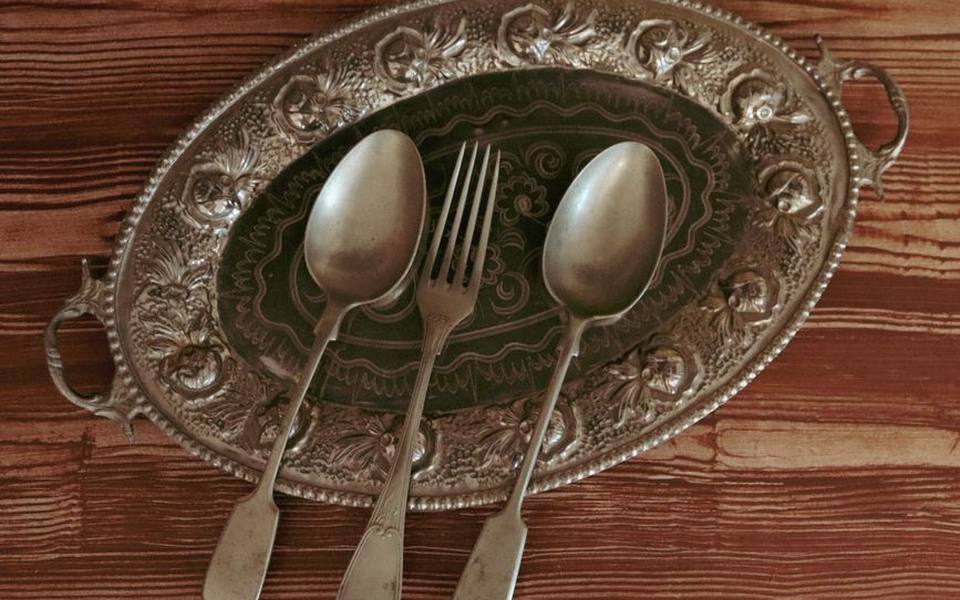
Before deciding whether to use, store, or sell inherited silver, you need to determine whether the metal is solid sterling silver or silverplate. Solid sterling typically features clear maker hallmarks along with the word 'Sterling' or the numeric stamp '925,' denoting 92.5 percent pure silver. British and European pieces often carry pictorial hallmarks, such as a lion passant for English sterling or a Minerva head for French pieces. Silverplate usually carries marks like 'EPNS' for electroplated nickel silver, 'Quadruple Plate,' or standard manufacturer logos without purity numbers.
When people research old silverware prices, the numbers depend heavily on whether the flatware is solid metal or plated. Solid sterling sets hold an immediate baseline floor value tied directly to the current spot price of silver by weight. However, sought-after patterns from renowned silversmiths like Gorham, Tiffany, Reed & Barton, or Wallace frequently command healthy premiums well above scrap metal prices. Intricate floral or architectural Victorian patterns usually attract dedicated collectors who pay extra to complete their serving sets.
Plated silverware generally carries much modest secondary market value because the actual silver layer is microscopically thin. Most plated sets sell as utilitarian sets for holiday dinners or craft materials rather than investment pieces. Complete service sets for eight or twelve inside original felt-lined wooden canteens sell significantly faster than orphaned spoons or mismatched forks. Inspecting the tines of forks and bowls of spoons for base metal bleed-through will quickly tell you how much wear the plating has suffered.
If you want to sell a complete set or figure out if an odd serving ladle is valuable, take clear photographs of every stamped mark on the reverse of the handles. Mismatched lots can sometimes contain rare individual pieces, like asparagus tongs or sardine forks, which occasionally sell for more than standard place knives.
Gentle Methods for Polishing Silver at Home
Learning how to polish silverware at home begins with understanding that harsh abrasives permanently strip away precious metal. Never run antique flatware through a modern automatic dishwasher, because extreme heat and abrasive detergents cause pitting and turn natural oxidation into an ugly gray chalk. Start every cleaning session by washing your silver in warm tap water mixed with a few drops of mild, phosphate-free dish soap. Dry each utensil thoroughly using a soft 100 percent cotton cloth or a microfiber towel.
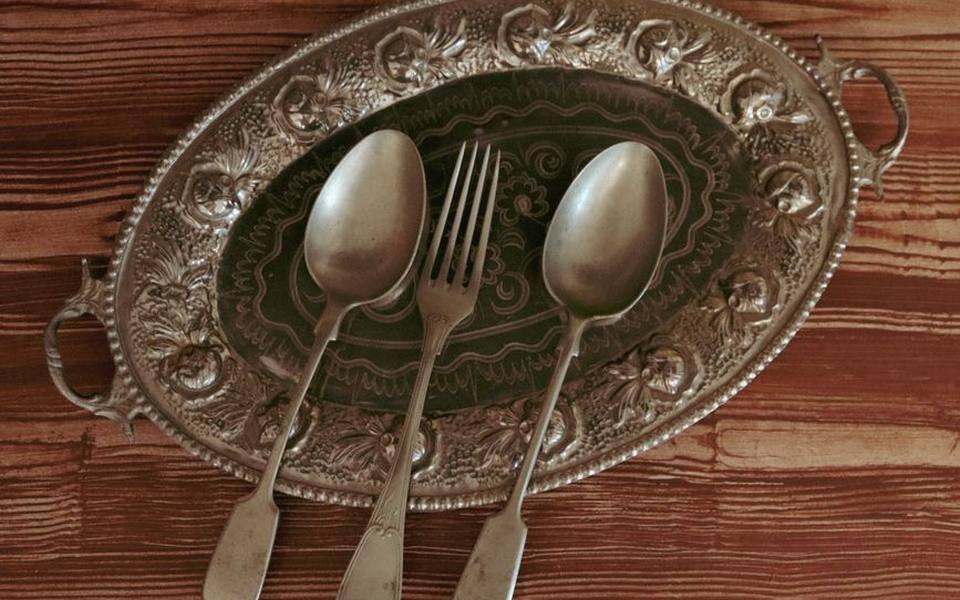
For pieces with light surface yellowing or minor tarnish, a dedicated silver polishing cream or a treated dual-ply jewelry cloth works best. Apply a pea-sized dab of cream with a damp cellulose sponge or soft cotton pad, working in gentle, straight strokes rather than aggressive circular motions. Rinse away residue under warm running water and buff dry immediately. Dedicated pastes contain micro-fine abrasives and tarnish inhibitors that protect the metal for months without stripping decorative high points.
You might see home remedies recommending an electrolytic bath using aluminum foil, boiling water, and baking soda. While this trick works quickly on heavily tarnished plain silverplate, you should avoid it on fine antique sterling flatware. The rapid chemical reaction strips away the dark oxidation intentionally left in the recessed details of ornate patterns. That recessed darkness, called patina, gives vintage patterns their artistic depth, visual contrast, and collector value.
Once your silver looks clean and bright, smart storage will prevent tarnish from returning quickly. Store flatware in zippered cloth rolls or chests lined with sulfur-absorbing flannel treated with silver nitrate. Adding a piece of regular classroom blackboard chalk or a packet of silica gel inside the drawer absorbs ambient moisture and airborne sulfides that trigger chemical discoloration.
Understanding Art Deco Jewelry and Classic Eras
When buyers and estate collectors ask what is Art Deco jewelry, they are looking back at the influential design period spanning roughly from 1920 to 1939. Art Deco broke sharply from the fluid, nature-inspired curves of the earlier Art Nouveau movement. It embraced bold geometric shapes, sharp architectural symmetry, sharp zigzags, and streamlined silhouettes influenced by modern industrial machinery and the discovery of King Tutankhamun's tomb in 1922.
Materials changed dramatically during the Deco era, with platinum becoming the premier metal of choice due to its strength and bright white finish. Platinum allowed jewelers to craft incredibly fine, lace-like filigree mountings that securely held diamonds and colored gemstones. To create sharp contrast, designers frequently paired white diamonds with black onyx, vibrant green emeralds, lapis lazuli, and synthetic caliber-cut sapphires cut to fit seamlessly into geometric borders.
Authentic period Art Deco pieces command strong interest across the estate market, but reproductions are common. Genuine pieces from the 1920s and 1930s exhibit hand-pierced gallery work, sharp milgrain beading along metal edges, and authentic period gemstone cuts. Later reproduction jewelry manufactured in the 1970s and 1980s often shows cast porosity, rounded or blunt beadwork, and modern brilliant-cut accent stones set into die-stamped mountings.
Checking clasps and hinge mechanisms provides instant clues regarding whether a brooch or necklace belongs to the true Deco era. Period necklaces often close with spring rings or delicate filigree push-box clasps, while bracelet hinges fit flush with the outer design. Visiting reputable dealers at antique malls allows you to examine genuine period pieces under a loupe and train your eye on real period craftsmanship.
Spotting Statement Cocktail Rings and Period Glamour
If you have ever encountered an oversized, dramatic ring designed to draw attention across an entire room, you might wonder what is a cocktail ring. These bold jewelry pieces emerged during the American Prohibition era of the 1920s. Women attending illegal speakeasies wore flamboyant, oversized rings on their right hands. When signaling the bartender or holding an illicit cocktail, the ring served as a deliberate, stylish declaration of independence and personal wealth.
The classic cocktail ring features a prominent, elevated center stone surrounded by clusters of smaller gems, textured gold work, or stepped baguette accents. While some featured genuine precious stones like large emeralds, star sapphires, or rubies, many utilized vibrant semi-precious gems including citrine, smoky quartz, aquamarine, and amethyst. During the 1940s and 1950s Retro era, cocktail rings became even bolder, incorporating swirling yellow and rose gold ribbons.
Assessing the value of an antique or vintage cocktail ring involves testing both the metal purity and the authenticity of the mounted stones. Solid 14k or 18k gold mountings naturally provide a substantial baseline value, whereas silver or brass alloy settings place the ring into the costume jewelry category. Look carefully under the central stone; high-end jewelers created intricate under-galleries that allowed light to pass through while keeping the heavy stone balanced on the finger.
Check that all prongs remain sturdy before wearing or selling an older cocktail ring. Oversized stones act like levers; decades of knocking against hard surfaces can bend prongs or chip the stone girdle. Tightening loose stones is an inexpensive bench jeweler repair that protects the ring from catastrophic stone loss.
Vintage Brooches and Pins That Hold Real Value
Brooches were standard accessories for over a century, which means estate boxes often contain dozens of them. Knowing which vintage brooches worth money are hiding in a mixed collection requires looking past surface sparkle and checking the reverse side. The highest values generally belong to signed pieces from celebrated costume houses or authentic fine jewelry brooches made from solid gold, platinum, diamonds, and natural pearls.
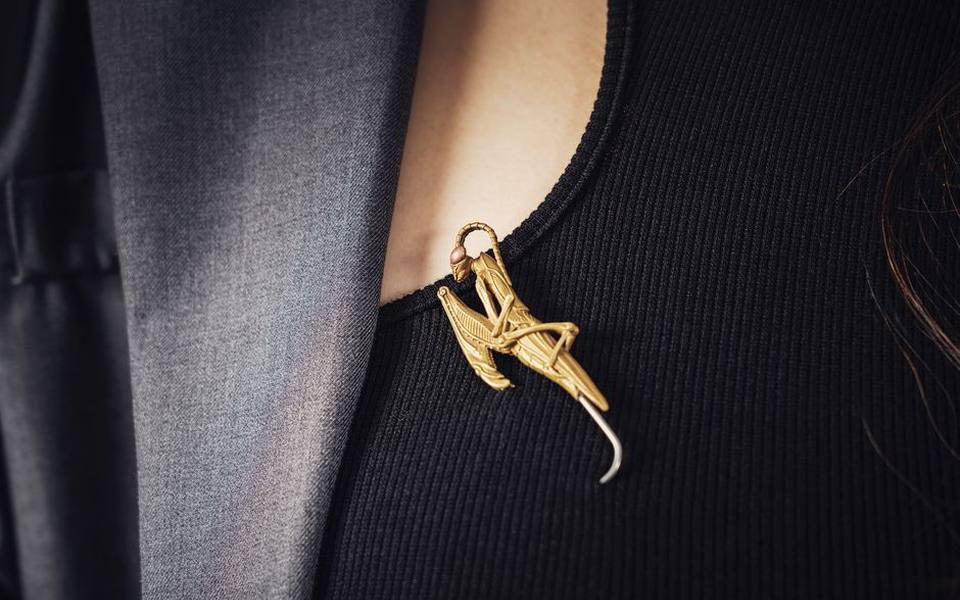
In the costume jewelry sphere, signed designer marks make an enormous difference in resale price. Pieces bearing stamps from Trifari, Eisenberg, Marcel Boucher, Miriam Haskell, Hattie Carnegie, and Schiaparelli regularly fetch premium prices from eager collectors. Early Trifari pieces designed by Alfred Philippe during the 1930s and 1940s, especially 'Jelly Belly' animal brooches with clear Lucite bellies, can command several hundred to several thousand dollars depending on condition.
Fine antique brooches from the Victorian, Edwardian, and Art Deco eras also retain consistent appeal. Victorian mourning brooches featuring braided hair compartments or jet accents, Scottish agate pins, and Edwardian platinum-topped gold bow brooches remain highly collectible. Look for hallmarks on the pin stem, the clasp frame, or the edge of the brooch body, as fine gold pins were frequently stamped in discreet spots.
Hardware provides reliable dating evidence when examining unmarked pins. Early Victorian brooches typically feature simple C-clasps with long pin stems extending well past the brooch perimeter. The safety rollover clasp, which uses a rotating barrel mechanism to secure the pin tip, was patented around the turn of the twentieth century and became the universal standard by the 1930s.
Pricing and Valuing Vintage Costume Jewelry
Navigating a vintage costume jewelry price guide requires balancing brand identity, manufacturing era, and physical condition. Everyday unsigned costume pieces usually sell in small lots or retail for modest amounts at estate sales. Mid-tier collectible jewelry includes signed mid-century pieces by Coro, Sarah Coventry, Lisner, and Weiss, which typically trade at accessible price points for casual wearers and hobbyists.
At the top of the costume market sit haute couture and rare runway pieces from makers like Chanel, Christian Dior, Schreiner, and Kenneth Jay Lane. Schreiner jewelry is particularly prize-worthy because pieces were handmade in limited quantities, often featuring inverted rhinestones, unusual art-glass stones, and unfoiled settings. If you suspect you have rare designer items, browse professional appraisal services to confirm attribution before accepting low bulk offers.
Condition is paramount when establishing secondary values for costume pieces. Inspect rhinestones under bright light; stones that have turned gray, yellow, or murky have suffered foil deterioration, which cannot be reversed. Missing stones, broken safety chains, cracked plastic beads, and visible solder repairs drastically lower an item's appeal. The presence of verdigris—bright green powdery corrosion caused by chemical reactions with brass alloys—requires immediate isolation to prevent spreading.
Original matching sets, historically known as parures, consisting of a necklace, bracelet, earrings, and brooch stored in their original presentation box, command significant premiums over individual pieces. Never clean costume jewelry by soaking it in water or liquid solvents, as moisture dissolves the hide glues that hold stones into place.
Sourcing Heirloom and Vintage Engagement Rings
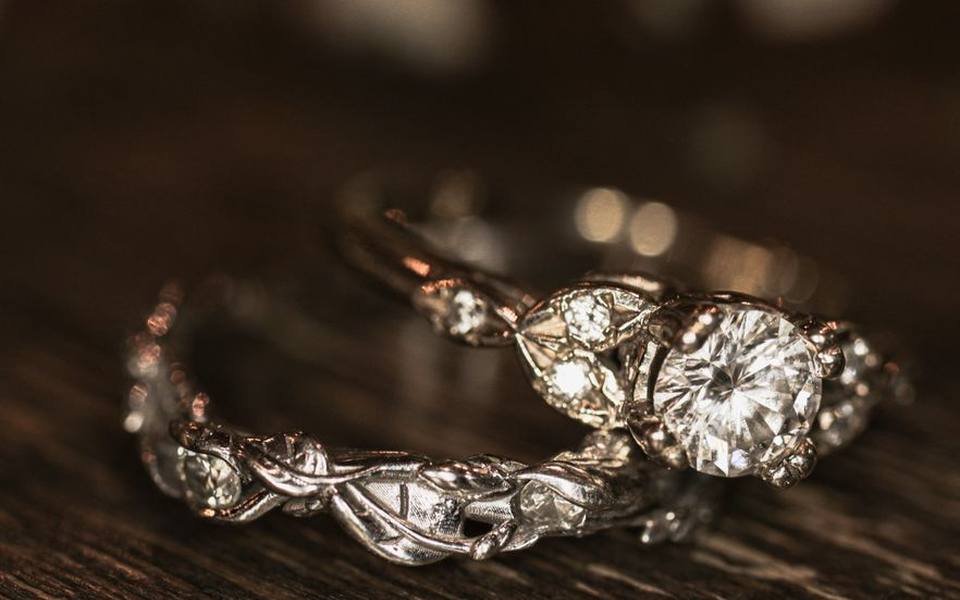
Modern couples increasingly search for antique rings to acquire handcrafted artistry, ethical sustainability, and distinctive character. Knowing where to buy vintage engagement rings safely involves vetting the source and verifying diamond authenticity. Established antique jewelry & coin shops and curated antique centers offer the advantage of letting you examine ring settings, diamond proportions, and wear patterns in person.
Understanding antique diamond cuts helps you appreciate why older rings look different from modern round brilliants. Prior to modern laser technology, diamond cutters shaped stones entirely by hand to maximize candlelight reflection. Old Mine cuts feature high crowns, small tables, deep pavilions, and open culets that appear as soft cushions. Old European cuts, popular from the late nineteenth century through the 1930s, are rounder with circular facets that produce broad, colorful flashes of fire.
Before purchasing any vintage engagement ring, inspect the structural integrity of the mounting. Check the thickness of the bottom ring shank; decades of wear against other bands can wear gold down to a razor-thin profile that will eventually crack. Thin shanks can be restored by an experienced jeweler through a retipping and reshanking process, but you should factor that repair expense into your overall purchase budget.
Always inquire about independent gemological grading for rings featuring center stones weighing half a carat or more. A report from a recognized laboratory like the Gemological Institute of America (GIA) verifies diamond weight, color, clarity, and whether the stone has undergone color treatments or fracture filling. Trustworthy sellers will gladly provide return policies and independent laboratory documentation.
Where and How to Buy Collectible Old Coins
Building a coin collection or acquiring historical precious metals requires finding trustworthy sources with clear return policies. The best place to buy coins depends primarily on your collecting goals, budget, and experience level. For beginners, local brick-and-mortar numismatic storefronts provide personalized guidance, allowing you to ask questions and inspect coins under magnification before finalizing a transaction.
When exploring where to buy old coins beyond dedicated shops, regional coin club shows and established dealer tables inside reputable estate sales offer extensive selections. Shows allow you to compare prices across dozens of competitive dealers in a single room. For higher-value coins, buying third-party certified specimens graded by PCGS (Professional Coin Grading Service) or NGC (Numismatic Guaranty Corporation) eliminates doubts regarding authenticity and grade.
Distinguish clearly between bullion investments and numismatic collectibles before spending money. Bullion coins, such as modern American Silver Eagles or Canadian Maple Leafs, trade based strictly on metal content plus a modest dealer premium. Historical numismatic coins, like Morgan Silver Dollars, Buffalo Nickels, or Saint-Gaudens double eagles, trade based on mintage rarity, mint mark variations, surviving population, and eye appeal.
Avoid purchasing uncertified rare coins from unregulated online marketplaces or late-night television broadcasts where dramatic marketing inflates prices far beyond wholesale realities. Start with modest series, purchase a current coin pricing guide such as the annual 'Red Book,' and handle as many verified specimens as possible to develop an eye for natural surface luster.
Preparing and Deciding How to Sell Antique Coins
Inheriting a coin collection can feel overwhelming, but learning how to sell antique coins properly protects you from leaving substantial money on the table. The very first and most critical rule of numismatics is simple: never clean any coin under any circumstances. Wiping a coin with a cloth, dipping it in chemical cleaner, or using jewelry polish leaves microscopic hairline scratches that instantly destroy its numismatic collector value.
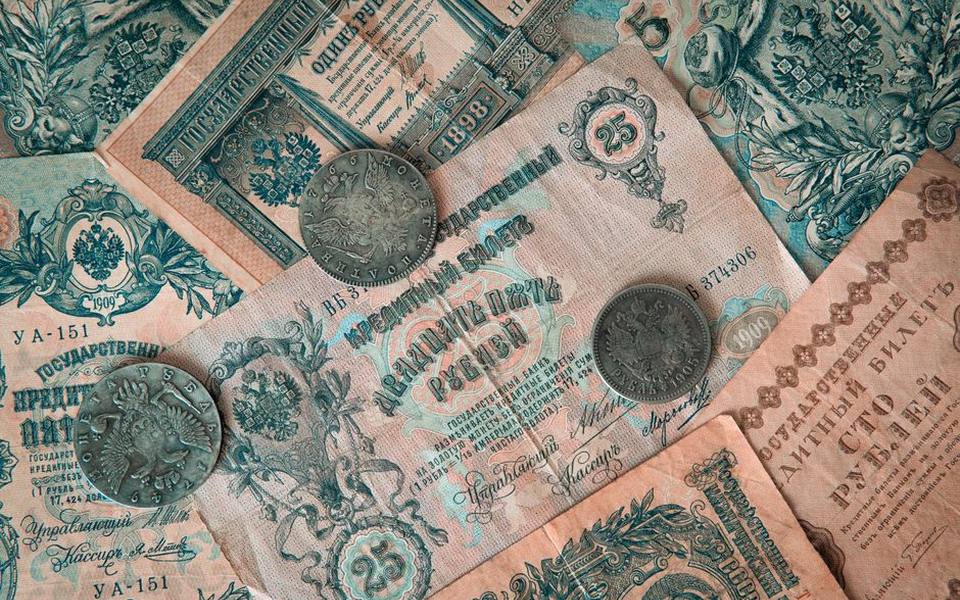
Begin your selling process by organizing the collection into logical categories without removing coins from existing holders. Group items by denomination, issue year, metal type, and issuing country. Keep raw, loose coins in soft flips or paper envelopes rather than rattling loose inside glass jars or metal tins where surfaces can scratch each other during transport.
Identify potential key dates and rare mint marks before meeting any prospective buyer. Small letters stamped on the coin, like a 'CC' representing the Carson City mint or 'D' representing Dahlonega or Denver, can transform an otherwise common silver dollar into an extraordinary rarity. Compare your inventory against wholesale price sheets like the 'Blue Book' or recent realized auction listings to establish a sensible expectations baseline.
Take inventory of any third-party graded plastic slabs, presentation boxes, and original certificates of authenticity issued by government mints. Keeping sets together with their historical paperwork simplifies valuation and reassures prospective buyers regarding provenance.
Choosing the Best Venue to Sell Vintage Coins
Deciding where to sell vintage coins involves weighing speed and immediate payment against total realized value. Local specialized coin shops represent the quickest avenue for liquidation; dealers inspect the collection, perform electronic metal verification, and issue payment on the spot. Because dealers must maintain margins and cover storefront overhead, expect dealer wholesale offers to sit moderately below retail catalog values.
If you are searching for the best place to sell antique coins of exceptional rarity, high-end numismatic auction houses or specialized consignment shops may generate higher net returns. Auctions expose rare specimens to competitive global bidding wars among specialized collectors. Keep in mind that auction houses charge seller commissions and usually take several months to catalog, market, and settle payments.
For mixed collections containing both rare coins and precious metal bullion, split your selling strategy. Sell standard 90 percent silver junk silver coinage and common bullion bars directly to local dealers competing on tight precious metal spreads. Withhold verified key-date rarities or high-grade uncirculated coins for consignment where individual collector demand dictates the final closing hammer price.
Before concluding any transaction, solicit quotes from at least two separate dealers to compare offers fairly. Reputable buyers will happily walk you through how they calculated their offer, breaking down melt metal values from true collector premiums without pressuring you to sign immediately.
Published 2026-09-20 · reviewed with each rebuild, last September 2026.
Find antique stores near you
The directory lists 25,996 antique stores by state and city — pick your state or use the “Near me” button in the header.
More guides
-
 Owning
Cleaning and Polishing Antique Silver Without Damaging the Patina
-
 Money
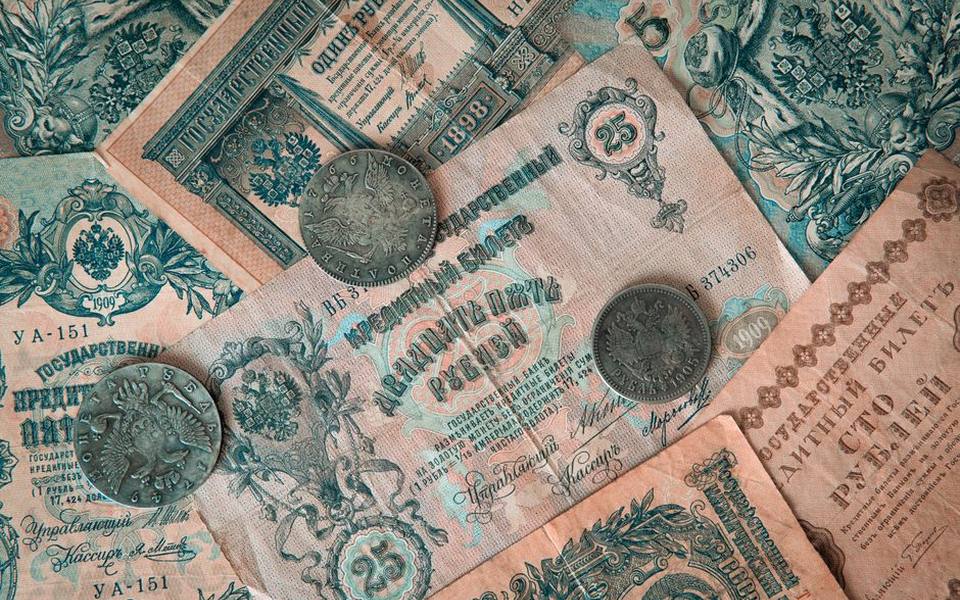
MoneyNavigating the Market for Vintage Currency
-
 Owning
Evaluating, Using, and Displaying Mid-Century Glassware and Kitchen Antiques
-
 Buying
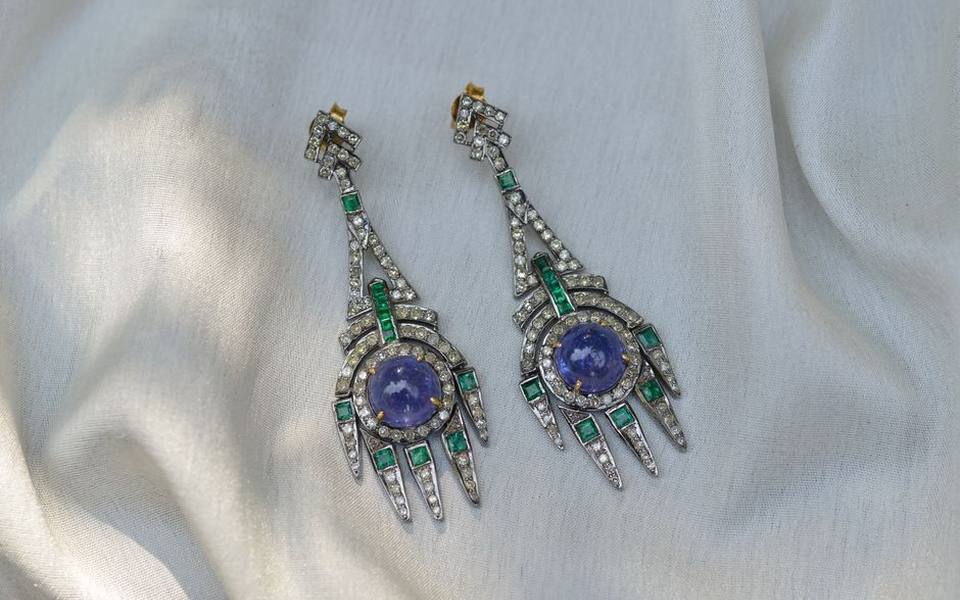
Navigating Vintage and Antique Jewelry Styles
-
 Owning
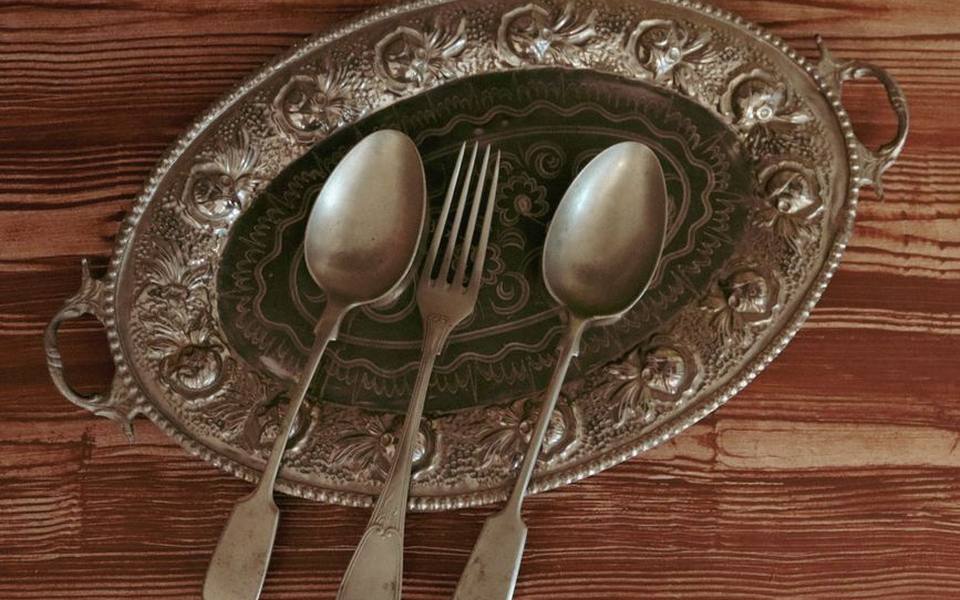
How to Clean and Care for Silverware Without Causing Damage
-
 Owning
Vintage Pyrex Value and Safety Guide: Understanding Collector Patterns and Usage
-
 Buying
A Guide to Sourcing Vintage and Estate Jewelry
-
 Money
MoneyValuable Baseball Cards Guide: Spotting Vintage Sports Collectibles
-
 Owning
How to Clean and Restore Antique Wood Furniture
-
 Money
MoneyHow to Find and Use Antique Price Guides Online
-
 Money
MoneyHow to Determine the Value of Old Books and First Editions
-
 Money
MoneyWhere and How to Sell Vintage Coins for the Best Return
-
 Buying
Choosing and Caring for Vintage and Modern Cast Iron Cookware
-
 Owning
How to Polish and Value Antique Silverware at Home
-
 Owning
How to Clean and Polish Antique Wood Furniture Without Damaging It
-
 Buying
Vintage and Classic Cast Iron Cookware: Buyer's, Value, and Care Guide
-
 Money
MoneyA Practical Guide to Antique Price Guides and Rare Book Valuations
-
 Owning
How to Clean, Polish, and Refinish Antique Wood Furniture
-
 Owning
Ultimate Guide to Vintage and Antique Cast Iron Cookware: Brands, Seasoning, and Care
-
 Owning
How to Clean, Polish, and Value Vintage Silverware and Antique Jewelry
-
 Buying
Valuing Vintage Collectibles: From Rare Dolls and Slot Machines to Classic Lamps and Churns
-
 Owning
How to Clean, Polish, and Refinish Antique Wood Furniture
-
 Money
MoneyVintage Glassware Value Guide: Pyrex, Depression Glass, CorningWare, and Bottles
-
 Money
MoneyAntique & Vintage Price Guides: How to Value Antiques and Collectibles
-
 Buying
How to Value Old Books and First Editions: A Collector's Price Guide
-
 Money
MoneyWhere and How to Sell Vintage Records and Audio Equipment
-
 Buying
How to Buy, Value, and Sell Vintage Coins: A Practical Beginner's Guide
-
 Buying
Estate Sale Guide: How to Find, Buy, and Liquidate Antiques
-
 Buying
Vintage and Modern Cast Iron Cookware: Identification, Seasoning, Buying, and Care
-
 Money
MoneyComprehensive Guide to Antique Values, Old Books, and Collectibles Pricing
-
 Owning
Cleaning and Caring for Vintage Silverware, Fine Jewelry, and Antique Metals
-
 Owning
How to Clean, Polish, and Refinish Antique Wood Furniture
-
 Buying
Vintage and Modern Cast Iron Cookware: Identification, Caring, and Buying Guide
-
 Owning
Antique Silverware: Cleaning, Polishing at Home, and Value Guide
-
 Owning
Care, Polishing, and Refinishing Guide for Antique Wood Furniture
-
 Buying
Vintage Pyrex, Glassware, and Depression Glass Identification and Value Guide
-
 Money
MoneyAntique Price Guides: How to Value and Sell Antiques Online and Offline
-
 Money
MoneyCollectible Old Books and First Editions: Valuation and Identification Guide
-
 Buying
Vintage Sewing Machines, Stoves, and Antique Tools Value Guide
-
 Buying
Collector Guide to Vintage Door Hardware, Knobs, and Cabinet Pulls
-
 Owning
Antique & Vintage Dolls: Values, Identification, and Care
-
 Buying
Antique Hoosier Cupboards and Vintage Desks: History, Identification, and Value
-
 Service
Grandfather, Wall, and Pocket Clock Repair and Identification Guide
-
 Owning
Antique Rotary Telephones and Landlines: Buying, Restoring, and Converting
-
 Owning
Collecting Vintage Picture Frames and Oil Paintings: Framing and Restoration
-
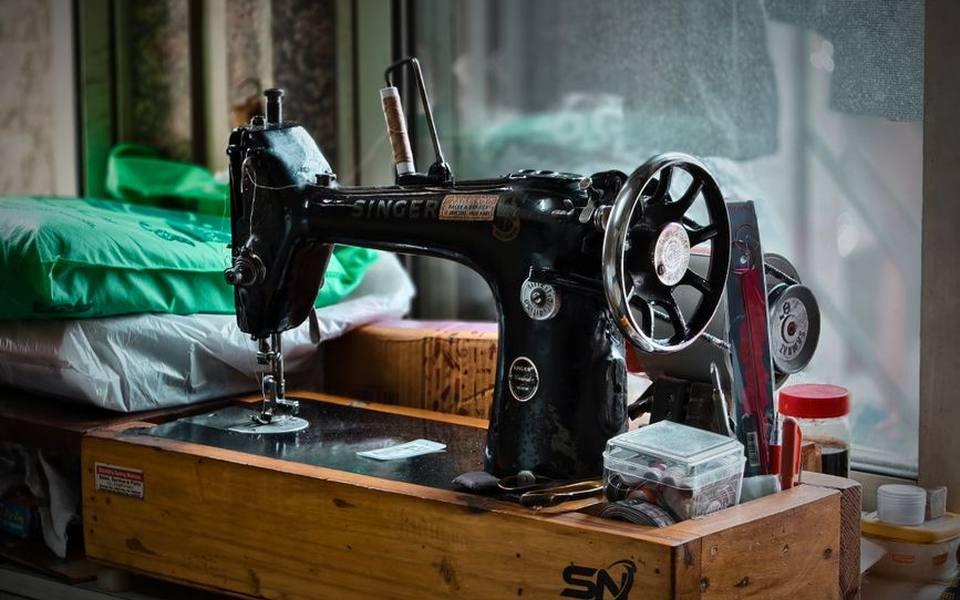 Buying
Antique Sewing Machines and Spinning Wheels: Value, Brands, and Maintenance
-
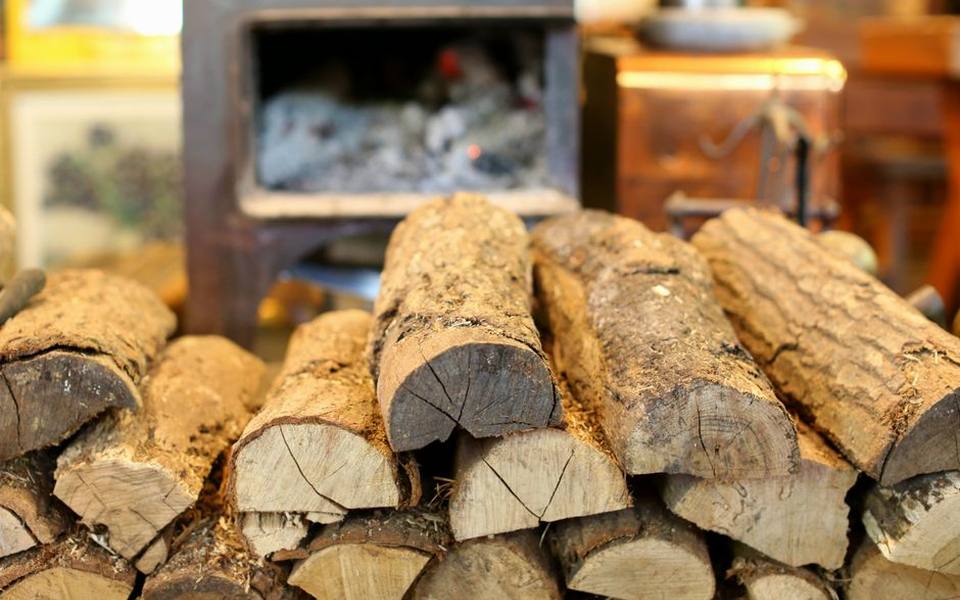 Buying
Antique Wood Stoves and Log Burners: Buying, Safety, and Restoration Guide
-
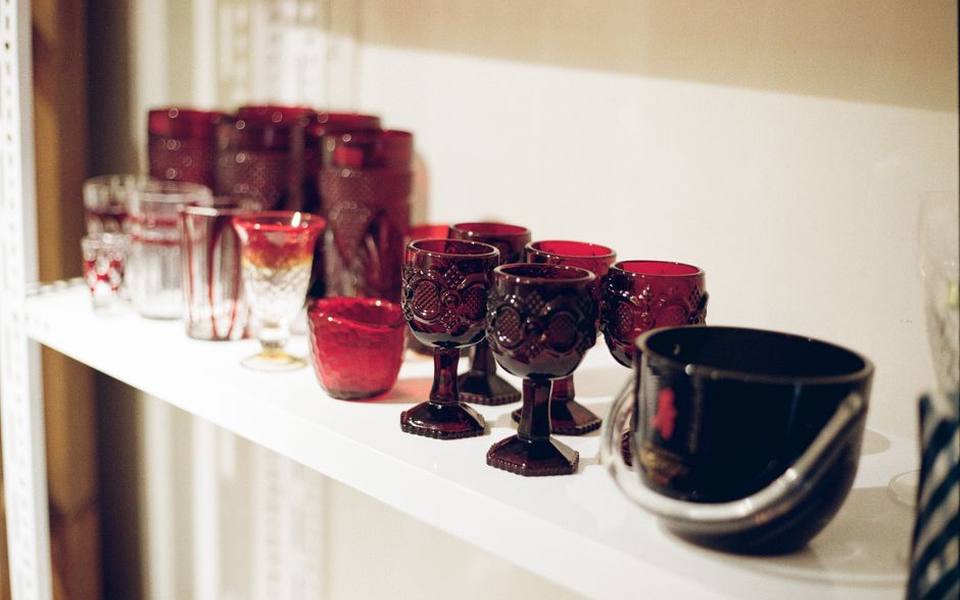 Buying
Depression Glass and Antique Canning Jars: Identification and Values
-
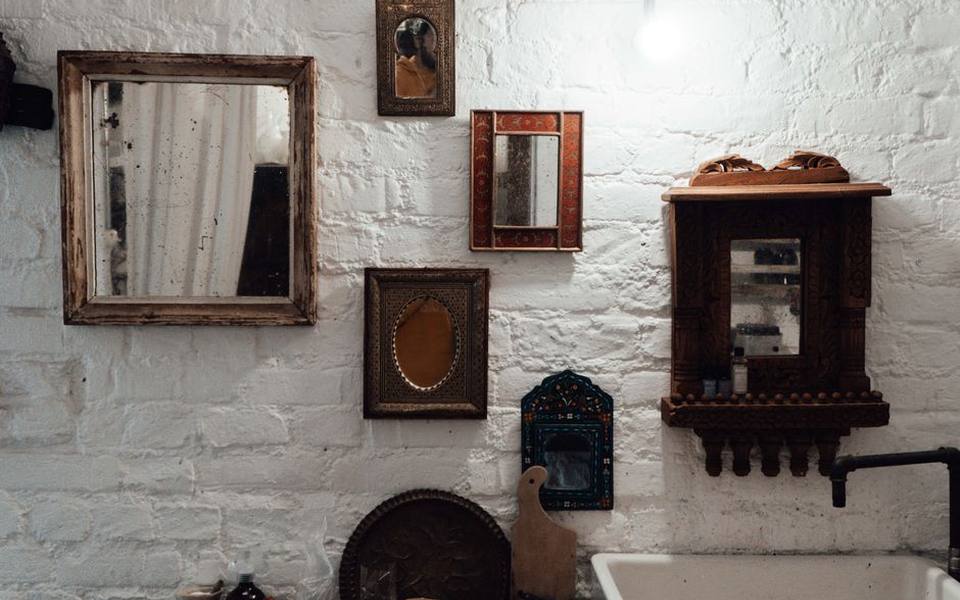 Buying
Vintage Mirrors: Identifying, Buying, and Styling Antique Glass
-
 Owning
Antique Silverware and Silverplate Flatware: Cleaning, Identification, and Value
-
 Buying
Vintage Engagement Rings and Art Deco Jewelry: Buying and Valuation
-
 Buying
Buyer Guide to Vintage and Antique Furniture: Seating, Tables, Desks, and Reproductions
-
 Buying
Collector Guide to Vintage Toys, Lighters, Sports Ephemera, and Curios
-
 Buying
Architectural Salvage Guide: Sourcing Stained Glass, Mantels, and Historic Hardware
-
 Buying
Vintage Fashion and Heirloom Style: Sourcing Dresses, Denim, Leather, and Ephemera