The Enduring Appeal of Mechanical Communication
A vintage rotary telephone can still function reliably in a modern home, but getting one to place calls requires understanding the mechanical difference between legacy pulse signals and contemporary digital networks. Collectors, interior designers, and history enthusiasts value these heavy desktop sets for their tactile finger wheels, solid acoustic bells, and nearly indestructible internal assemblies. Unlike disposable modern gadgets, an authentic dial phone was engineered to withstand decades of heavy residential use under demanding utility standards.
The rotary mechanism originated in the late nineteenth century, gaining widespread commercial adoption through the 1920s as automated central office switches replaced manual switchboard operators. Millions of households relied on workhorse desktop instruments manufactured by telecom suppliers who leased the equipment directly to subscribers. Because the telecommunications monopoly retained ownership of the hardware for decades, these telephones were over-engineered with brass gears, cast-metal chassis, and thick wiring designed to minimize costly field service calls.
Today, bringing an antique rotary phone back into your daily routine creates a tactile, focused communication experience. The deliberate rhythm of spinning the finger wheel forces a slower pace than tapping glass screens, while the physical presence of a cast-metal handset anchors a room. Whether you want an authentic decorative display or a fully functional conversational landline, finding and reviving one of these instruments is an accessible, deeply satisfying hands-on project.
Identifying Eras from Candlestick Sets to Mid-Century Plastics
Identifying when an antique desk instrument was produced starts with its physical architecture and casing materials. The earliest widely collected models are the upright candlestick telephones produced from the 1890s through the 1920s, featuring a vertical brass or nickel-plated stem with a separate earpiece receiver. Early iterations lacked dials entirely and relied on local operators, though late-era candlestick models received add-on rotary bases as automated regional switching stations rolled out across cities.
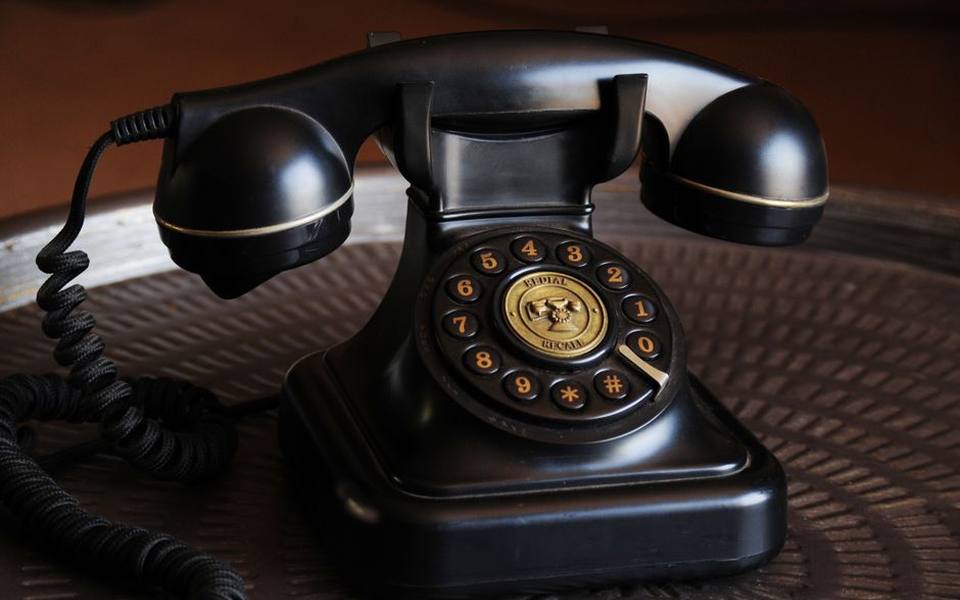
By the 1930s, unified cradle sets emerged, epitomized by industrial designer Henry Dreyfuss and the iconic Model 302. These transition-era models featured an integrated handset resting directly atop a heavy cast-zinc or pressed-steel body housing an internal ringer and electrical induction coil. Later production runs of the 302 shifted from zinc to dark Bakelite resin, a rigid early thermoset plastic characterized by its substantial weight, dull gloss, and faint carbolic scent when warmed between hands.
The postwar modern era arrived in 1949 with the introduction of the ubiquitous Model 500, a squatter, wide-profile desk telephone with an impact-resistant thermoplastic shell. Originally manufactured only in standard utility black, the mid-1950s ushered in a vibrant palette of pastel colors, including seafoam green, pale yellow, and blush pink, to match evolving kitchen decor. Compact offshoots like bedside Princess models with illuminated dials and wall-mounted kitchen units expanded the rotary dial format well into the 1970s.
How Rotary Dial Mechanics and Pulse Signaling Operate
Dialing an antique telephone relies on mechanical pulse switching rather than modern electronic audio frequencies. When you insert your finger into a number hole and rotate the wheel clockwise to the metal finger stop, a heavy spiral mainspring inside the dial assembly tensions. The dial does not send signals during the clockwise wind; all electrical activity occurs while the wheel smoothly releases back toward its resting position under regulated mechanical control.
As the wheel spins backward, a small centrifugal governor with weighted brass arms spins to regulate the return speed to a uniform rate, typically ten pulses per second across North American exchange systems. A rotating cam opens and closes electrical contact points in rapid succession, mechanically interrupting the direct current running through the telephone line. Dialing the digit five breaks the loop five consecutive times, while dialing zero breaks the circuit ten times to signal the central office exchange.
Because this system depends on physical balance, old dial mechanisms frequently experience timing drift caused by dried factory grease, dust contamination, or weakened return springs. If the governor spins too quickly or sticks midway, the switching equipment misinterprets the pulse sequence and dials an incorrect telephone number. Understanding this precise balance between springs, gears, and leaf contacts is essential before attempting any physical repairs or electrical conversions.
Sourcing Authentic Vintage Sets at Local Antique Venues
Finding an unrestored rotary desk set is remarkably straightforward if you visit physical secondhand markets. While online auctions offer extensive variety, buying in person lets you physically test the dial mechanism, gauge the handset heft, and detect hairline fractures in the casing. Walking through regional antique malls allows you to compare multiple eras of telecommunications equipment side by side across independent dealer booths under one roof.
Local estate liquidations represent another primary source for original, unmolested telephone equipment. Older residential properties often contain intact kitchen wall units or bedside desk sets that sat undisturbed in dry hallways for forty years. Working with reputable providers of estate sale services frequently yields original units complete with early mounting brackets, wall terminal covers, and original hand-lettered paper dial instruction cards intact beneath their celluloid covers.
Plan your sourcing trips to maximize your chances of unearthing complete units rather than stripped decorative shells. Browsing neighborhood antique stores open on Sunday often leads to overlooked inventory brought in during weekend estate cleanouts. Look for phones that retain their internal ringer bells and network blocks, as decorative decorator sets sold in department stores during the 1980s often lacked authentic electrical components entirely.
Evaluating Cords, Housings, and Internal Chassis Condition
Before investing money in a vintage telephone, conduct a thorough inspection of the housing materials. Check closely for hairline cracks around the handset cradle posts, dial face perimeter, and casing corners, where impact damage usually clusters. Bakelite cases are brittle and prone to chipping if dropped on hardwood floors, whereas postwar thermoplastics can warp or develop deep gouges that resist simple compounding and surface polishing.
Examine the physical condition of the handset and line cords to determine whether they can be preserved or must be swapped. Pre-1950 instruments typically feature braided cloth-covered wiring, which tends to fray, fade, or absorb kitchen grease and smoke odors over decades. Later models used coiled PVC vinyl cords, which can stretch out, lose elasticity, or develop brittle spots if exposed to intense ultraviolet sunlight or radiator heat.
Open the case by loosening the baseplate retaining screws to verify that internal components have not been cannibalized. You should see a sealed electrical network block, such as the standard 425B network in postwar sets, along with a dual-gong mechanical ringer assembly and copper terminal strips. Watch out for severe rust on the bottom plate, rodent nesting residue, or severed jumper wires that indicate amateur disassembly attempts in the past.
Cleaning and Cosmetic Restoration at Home
Restoring a dusty telephone housing begins with safe, non-abrasive disassembly to separate electrical components from cosmetic plastic pieces. Remove the handset caps to extract the carbon microphone transmitter and magnetic receiver capsule, keeping them dry. Wash empty plastic shells, cradle plungers, and finger wheels in lukewarm water with mild liquid dish detergent, scrubbing stubborn grime around dial numerals using a soft-bristled toothbrush.

Polishing restores luster to dulled or micro-scratched thermoplastic and Bakelite finishes. For standard color-molded plastics, apply automotive fine finishing compound or specialized plastic polishing creams in circular motions using clean microfiber cloths, gradually working out haze. Bakelite requires a lighter touch; avoid aggressive cutting abrasives and finish the cleaned resin with paste carnauba wax or pure mineral oil buffed to a deep, dark satin sheen.
Stretched or tangled coiled cords can often be rejuvenated through gentle thermal reshaping. Clean the vinyl jacket with warm soapy water, wrap the coiled cord tightly around a smooth wooden dowel, secure the ends with painter tape, and immerse it in hot tap water for several minutes before quenching in cold water. This heat cycle resets the vinyl memory, eliminating unsightly sagging loops and restoring tight spring tension.
The Modern Line Challenge: Pulse Signaling on Digital Networks
The primary barrier to using an antique rotary instrument today lies in how contemporary telecommunications providers route outgoing calls. Traditional copper landlines supported rotary pulse dialing by measuring direct circuit interruptions, but modern fiber-optic gateways, cable modem telephone outputs, and voice-over-IP adapters communicate strictly via Dual-Tone Multi-Frequency signals. When you spin the rotary dial on an unmodified digital line, the network hears mechanical clicks instead of musical dual tones, resulting in no call connection.
Incoming calls present a separate technical challenge related to ringer voltage delivery. Traditional analog utility central offices sent an alternating current ring voltage ranging typically from 70 to 90 volts AC down the line to trip the heavy mechanical clapper between brass gongs. Modern cable modems and miniature digital phone adapters often output only 30 to 45 volts AC, which may produce a weak, muted clatter rather than a resounding mechanical ring.
Fortunately, vintage telephones can still receive calls perfectly well on many residential lines without modification if the line supports incoming audio and basic signaling. The problem is almost entirely limited to placing outbound calls and ringing the physical bells under lower voltages. Understanding these technical limitations prevents unnecessary rewiring when the only missing link is an external electronic signal converter.
Hardware Solutions: Converters and Bluetooth Gateways
To make outgoing calls from a rotary telephone through modern services, you can install an electronic pulse-to-tone converter. These small inline modules plug between your vintage phone and the wall jack, reading incoming mechanical pulses from the dial and instantaneously generating standard touch-tone audio bursts toward the carrier. Some models install invisibly inside the telephone chassis, while compact external dongles plug directly into modern modular wall outlets without requiring soldering.
If your home lacks a traditional wired telephone provider entirely, cellular Bluetooth gateway devices offer an ideal bridge. These powered desktop modules pair wirelessly with your modern smartphone over Bluetooth and feature a standard telephone port on the back. When you plug your antique rotary set into the gateway, you can answer cellular calls on the vintage handset and place outbound calls using your existing mobile wireless plan.
When selecting a cellular bridge or VoIP terminal, verify that the unit specifically lists rotary pulse dialing support and high-output ringer capacity. Advanced gateways generate adequate simulated ring voltage to sound dual brass gongs vigorously while decoding slow pulse sequences without dropping digits. This setup completely eliminates the need for an active landline subscription, turning your decorative antique into a daily communication tool.
Rewiring Vintage Terminals to Modern Modular Jacks
Most antique telephones discovered in barns or estate sales retain heavy hardwired cables ending in spade lugs or four-prong utility plugs. Converting these legacy terminations to a standard modular RJ11 plug requires identifying only two active conductors: tip and ring. In standard North American domestic installations, these correspond to the green wire (tip) and red wire (ring), which carry both DC operating power and voice audio.
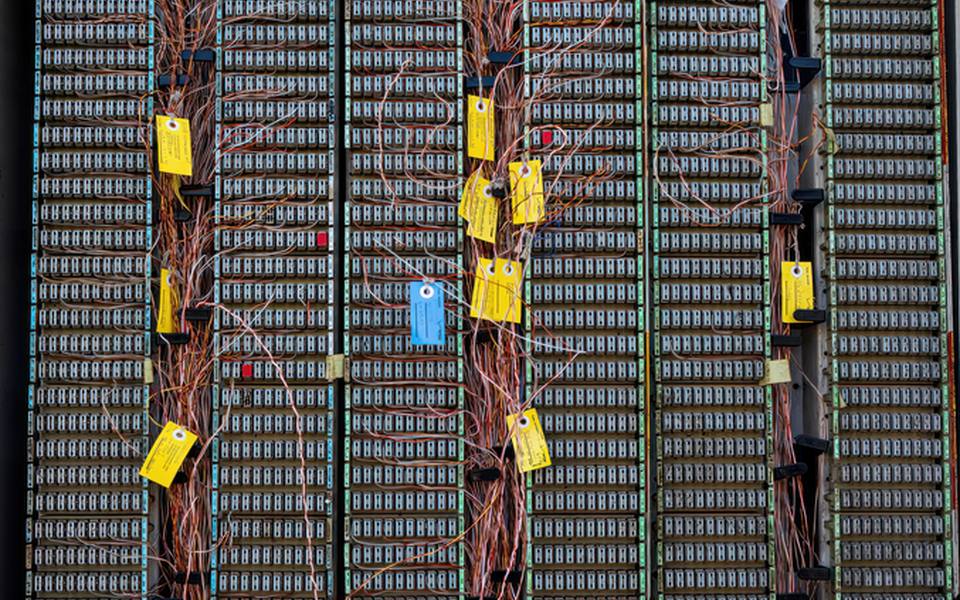
Inside a classic Model 500 or 302 base, the internal ringer wires connect across the line network alongside the incoming transmission lines. In original Bell System wiring configurations, one ringer lead was occasionally routed to a third yellow wire for shared party-line signaling. To ensure the bell rings on a modern two-wire modular line, connect the red ringer lead to the L2 network terminal and the slate-green ringer lead to L1, placing the ringer directly in parallel.
Always exercise caution when testing vintage connections on active landlines. While an idle telephone line carries harmless direct current typically between 48 and 52 volts, incoming calls trigger a high-voltage alternating current burst that can deliver a sharp, unpleasant electrical shock if you contact exposed copper terminals while the line rings. Unplug your phone line entirely from the wall while securing terminal screws or stripping wire jackets.
Valuing Antique Sets and Preserving Mechanical Integrity
The market value of antique rotary telephones depends on visual appeal, structural originality, and rarity rather than mere age. Common black 500-series desk sets from the late 1960s are abundant and typically trade at modest entry-level prices, making them great beginner restoration candidates. Conversely, pre-war Bakelite sets in vibrant non-black colors, such as ivory, mahogany, or dark jade green, command substantial collector premiums when uncracked.
Before making a significant purchase of an unusual pre-1930s wooden magneto wall phone or rare European compact model, consult experienced dealers or specialized appraisers. Seeking dealers with qualified on-site appraisal services helps verify that the delicate internal coils, rare brass bells, and transmitter parts are authentic rather than modern reproductions fitted into vintage timber cabinets.
Once restored and operational, an antique telephone requires virtually no regular maintenance beyond shielding it from direct sunlight and excessive humidity. If the finger wheel ever begins to slow down after years of dry storage, apply a microscopic drop of light synthetic sewing machine oil to the governor pivot using a needle applicator. Preserved properly, these heavy analog marvels will continue ringing clearly long after contemporary digital hardware becomes obsolete.
Published 2026-09-21 · reviewed with each rebuild, last September 2026.
Find antique stores near you
The directory lists 25,996 antique stores by state and city — pick your state or use the “Near me” button in the header.
More guides
-
 Owning
Cleaning and Polishing Antique Silver Without Damaging the Patina
-
 Money
MoneyNavigating the Market for Vintage Currency
-
 Owning
Evaluating, Using, and Displaying Mid-Century Glassware and Kitchen Antiques
-
 Buying
Navigating Vintage and Antique Jewelry Styles
-
 Owning
How to Clean and Care for Silverware Without Causing Damage
-
 Owning
Vintage Pyrex Value and Safety Guide: Understanding Collector Patterns and Usage
-
 Buying
A Guide to Sourcing Vintage and Estate Jewelry
-
 Money
MoneyValuable Baseball Cards Guide: Spotting Vintage Sports Collectibles
-
 Owning
How to Clean and Restore Antique Wood Furniture
-
 Money
MoneyHow to Find and Use Antique Price Guides Online
-
 Money
MoneyHow to Determine the Value of Old Books and First Editions
-
 Money
MoneyWhere and How to Sell Vintage Coins for the Best Return
-
 Buying
Choosing and Caring for Vintage and Modern Cast Iron Cookware
-
 Owning
How to Polish and Value Antique Silverware at Home
-
 Owning
How to Clean and Polish Antique Wood Furniture Without Damaging It
-
 Buying
Vintage and Classic Cast Iron Cookware: Buyer's, Value, and Care Guide
-
 Buying
Antique Silverware, Vintage Jewelry, and Collectible Coins Guide
-
 Money
MoneyA Practical Guide to Antique Price Guides and Rare Book Valuations
-
 Owning
How to Clean, Polish, and Refinish Antique Wood Furniture
-
 Owning
Ultimate Guide to Vintage and Antique Cast Iron Cookware: Brands, Seasoning, and Care
-
 Owning
How to Clean, Polish, and Value Vintage Silverware and Antique Jewelry
-
 Buying
Valuing Vintage Collectibles: From Rare Dolls and Slot Machines to Classic Lamps and Churns
-
 Owning
How to Clean, Polish, and Refinish Antique Wood Furniture
-
 Money
MoneyVintage Glassware Value Guide: Pyrex, Depression Glass, CorningWare, and Bottles
-
 Money
MoneyAntique & Vintage Price Guides: How to Value Antiques and Collectibles
-
 Buying
How to Value Old Books and First Editions: A Collector's Price Guide
-
 Money
MoneyWhere and How to Sell Vintage Records and Audio Equipment
-
 Buying
How to Buy, Value, and Sell Vintage Coins: A Practical Beginner's Guide
-
 Buying
Estate Sale Guide: How to Find, Buy, and Liquidate Antiques
-
 Buying
Vintage and Modern Cast Iron Cookware: Identification, Seasoning, Buying, and Care
-
 Money
MoneyComprehensive Guide to Antique Values, Old Books, and Collectibles Pricing
-
 Owning
Cleaning and Caring for Vintage Silverware, Fine Jewelry, and Antique Metals
-
 Owning
How to Clean, Polish, and Refinish Antique Wood Furniture
-
 Buying
Vintage and Modern Cast Iron Cookware: Identification, Caring, and Buying Guide
-
 Owning
Antique Silverware: Cleaning, Polishing at Home, and Value Guide
-
 Owning
Care, Polishing, and Refinishing Guide for Antique Wood Furniture
-
 Buying
Vintage Pyrex, Glassware, and Depression Glass Identification and Value Guide
-
 Money
MoneyAntique Price Guides: How to Value and Sell Antiques Online and Offline
-
 Money
MoneyCollectible Old Books and First Editions: Valuation and Identification Guide
-
 Buying
Vintage Sewing Machines, Stoves, and Antique Tools Value Guide
-
 Buying
Collector Guide to Vintage Door Hardware, Knobs, and Cabinet Pulls
-
 Owning
Antique & Vintage Dolls: Values, Identification, and Care
-
 Buying
Antique Hoosier Cupboards and Vintage Desks: History, Identification, and Value
-
 Service
Grandfather, Wall, and Pocket Clock Repair and Identification Guide
-
 Owning
Collecting Vintage Picture Frames and Oil Paintings: Framing and Restoration
-
 Buying
Antique Sewing Machines and Spinning Wheels: Value, Brands, and Maintenance
-
 Buying
Antique Wood Stoves and Log Burners: Buying, Safety, and Restoration Guide
-
 Buying
Depression Glass and Antique Canning Jars: Identification and Values
-
 Buying
Vintage Mirrors: Identifying, Buying, and Styling Antique Glass
-
 Owning
Antique Silverware and Silverplate Flatware: Cleaning, Identification, and Value
-
 Buying
Vintage Engagement Rings and Art Deco Jewelry: Buying and Valuation
-
 Buying
Buyer Guide to Vintage and Antique Furniture: Seating, Tables, Desks, and Reproductions
-
 Buying
Collector Guide to Vintage Toys, Lighters, Sports Ephemera, and Curios
-
 Buying
Architectural Salvage Guide: Sourcing Stained Glass, Mantels, and Historic Hardware
-
 Buying
Vintage Fashion and Heirloom Style: Sourcing Dresses, Denim, Leather, and Ephemera